Loading subject page…


119,803 views

Video Summary: What are Physical Properties of Amines
Ever wondered why some household cleaning products have that distinct "fishy" smell? The physical properties of amines explain this phenomenon, as simple amines naturally produce characteristic odors that influence everything from perfume chemistry to pharmaceutical design. These nitrogen-containing compounds exhibit unique behaviors like water solubility patterns and hydrogen bonding capabilities that directly impact their industrial applications, from Windex formulations to anesthetics used in US hospitals. Watch the full video on JoVE Coach to master this concept with expert-led visuals and step-by-step explanations.
The physical properties of amines represent a fascinating intersection of molecular structure and observable behavior. These nitrogen-containing organic compounds exhibit unique characteristics that stem from nitrogen's electronic configuration, specifically its lone pair of electrons. This fundamental feature creates a permanent dipole moment, making amines inherently polar molecules with distinctive physical behaviors.
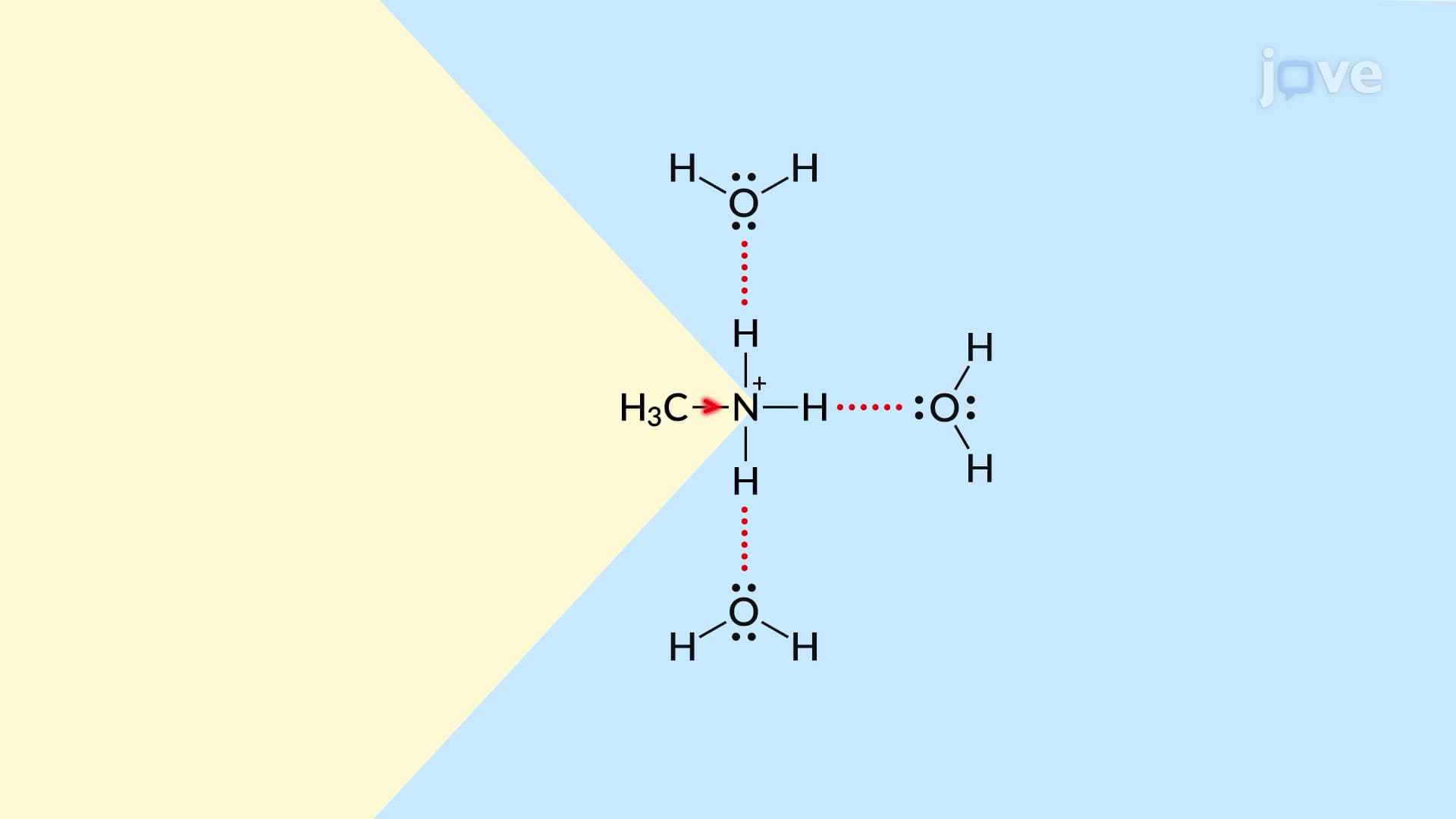
The water solubility of amines follows predictable patterns based on molecular size and structure. Low-molecular-weight amines (fewer than five carbons) demonstrate complete water miscibility due to favorable hydrogen bonding interactions between the amine's nitrogen and water molecules. This principle explains why methylamine and ethylamine readily dissolve in water, making them useful in industrial cleaning applications.
As molecular weight increases, the hydrophobic hydrocarbon chains begin dominating the molecule's behavior. High-molecular-weight amines become increasingly water-insoluble, following the classic "like dissolves like" principle. This concept frequently appears on AP Chemistry exams, where students must predict solubility based on molecular structure analysis.
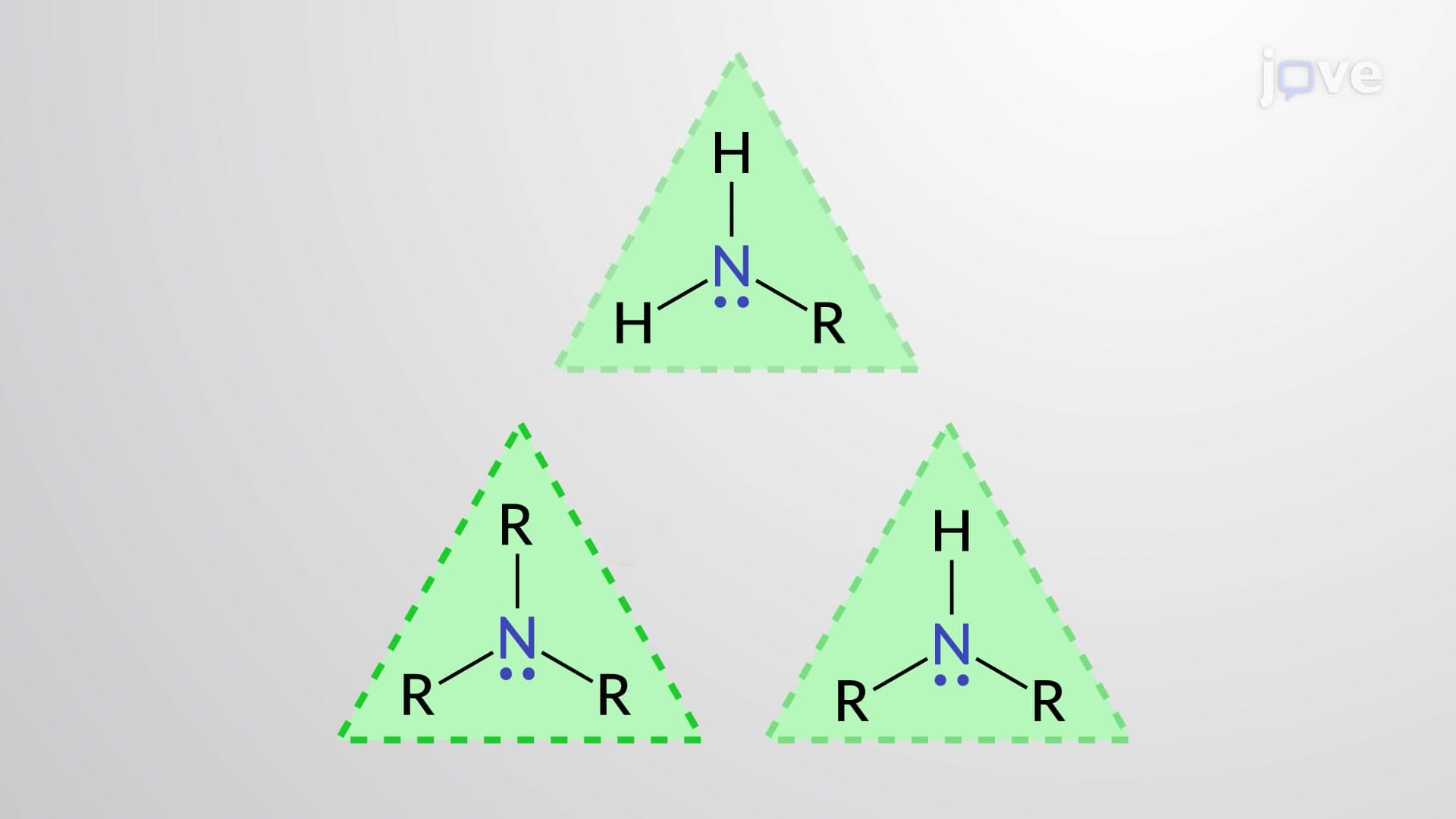
The hydrogen bonding capabilities of amines create distinct boiling point patterns that differ significantly from their hydrocarbon analogs. Primary amines, possessing two N-H bonds, can form more extensive hydrogen bonding networks than secondary amines (one N-H bond) or tertiary amines (no N-H bonds). This structural difference directly correlates with boiling point elevation.
However, amine hydrogen bonds are weaker than those in alcohols due to nitrogen's lower electronegativity compared to oxygen. Consequently, primary amines exhibit lower boiling points than corresponding alcohols but higher boiling points than non-hydrogen-bonding compounds like ethers or alkanes. This comparative analysis is crucial for MCAT organic chemistry sections.
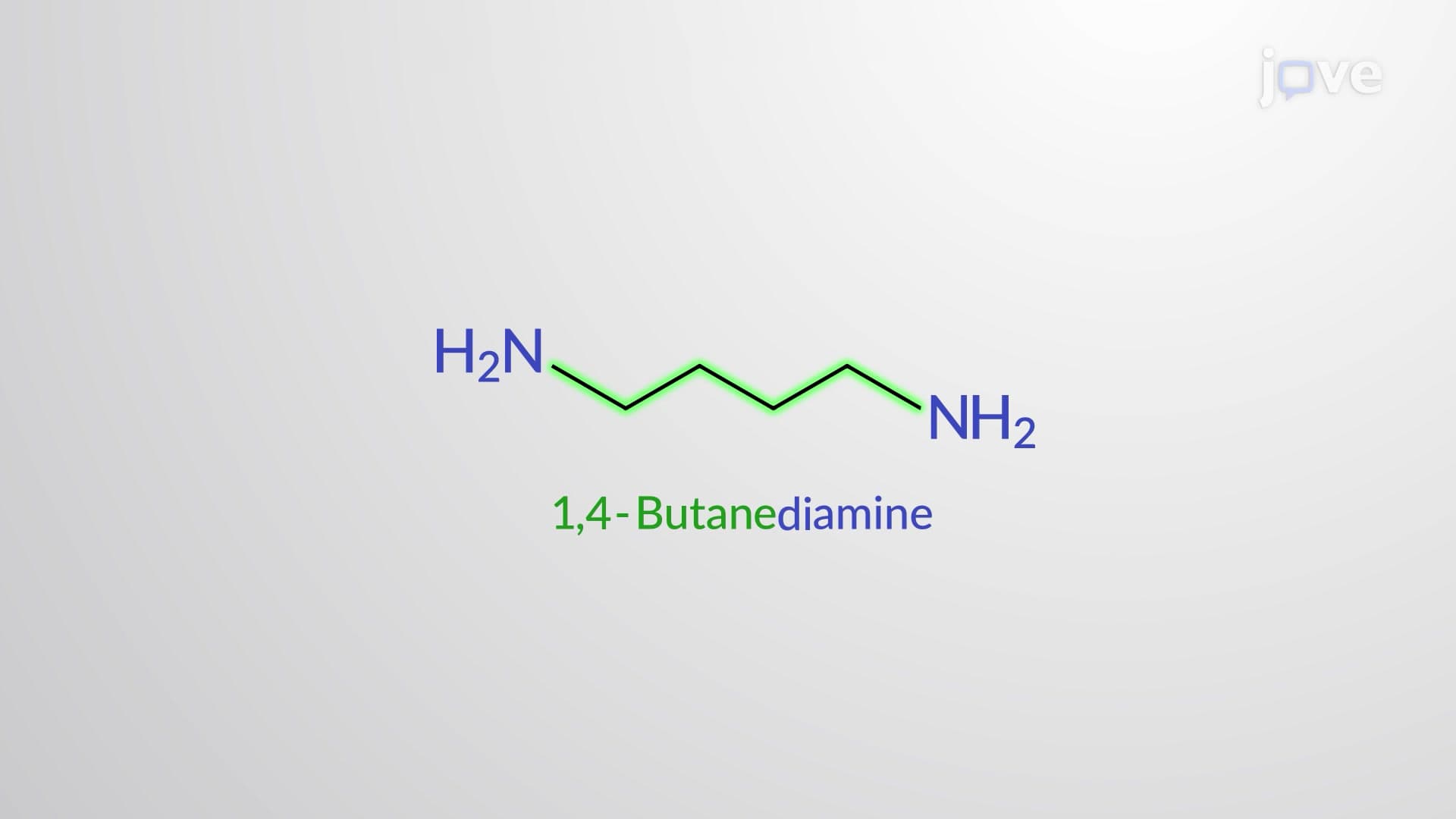
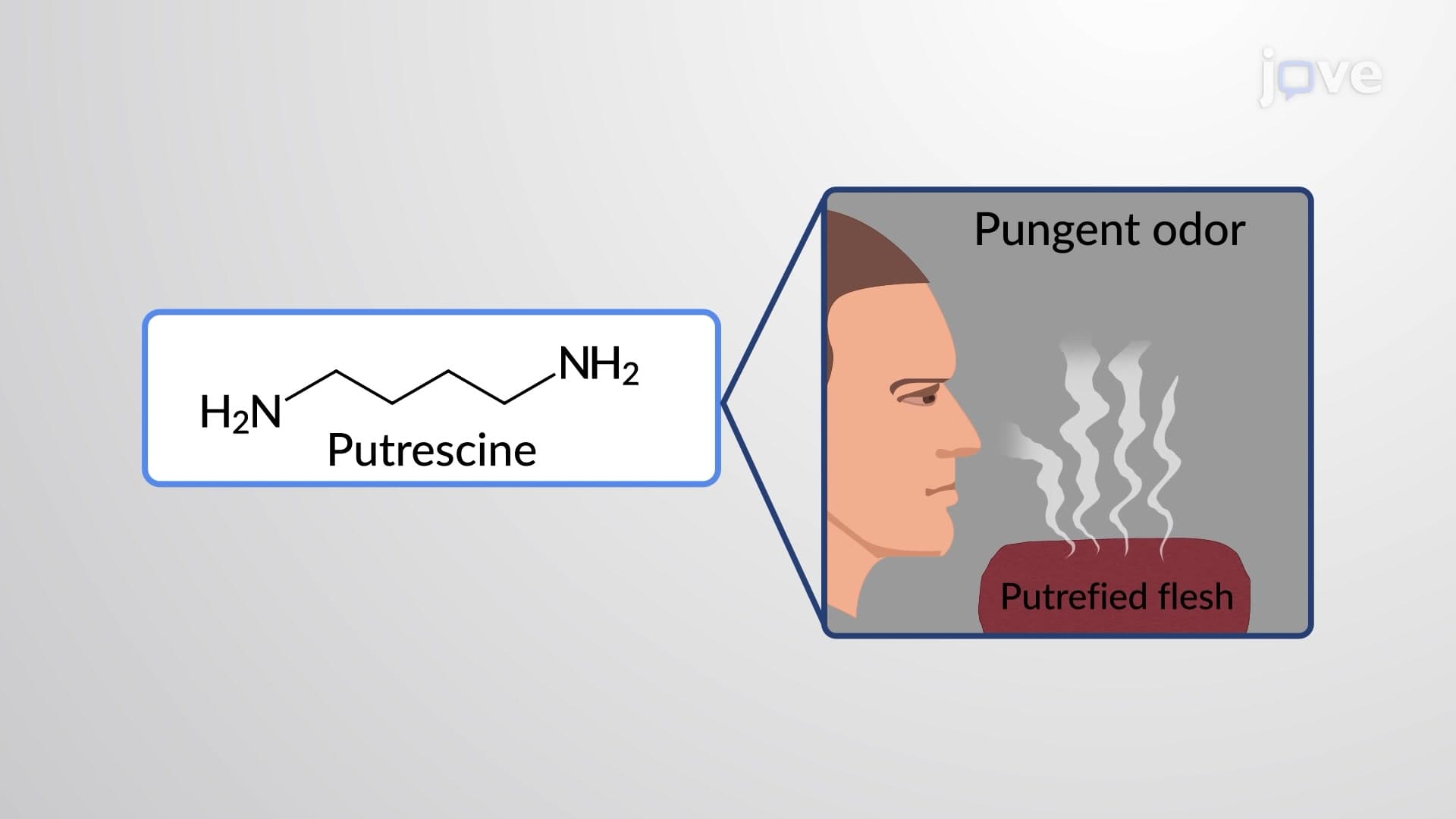
Characteristic amine odors serve as valuable identification tools in laboratory settings. Simple aliphatic amines produce the distinctive "fishy" smell familiar from seafood markets, while aromatic amines often have different odor profiles. Diamines, such as putrescine and cadaverine found in decomposing proteins, exhibit particularly pungent odors that influenced their common names.
These physical properties find extensive applications in pharmaceutical manufacturing, where amine solubility and boiling points determine purification methods and drug formulation strategies used by companies like Pfizer and Merck in their US facilities.
Related Micro-courses