Loading subject page…

- Pharmacology
- Pharmacokinetics
- Compartment Models: Single-Compartment Model
Micro-course: Pharmacokinetics
134,508 views
Learn key concepts and earn your certificate.







Compartment Models: Single-Compartment Model
00:00
01:14
- Understand how the Compartment Models Single Compartment Model Explained framework simplifies complex drug behavior in the human body through mathematical modeling
- Identify the key assumptions of single-compartment pharmacokinetics, including instantaneous distribution and first-order elimination kinetics
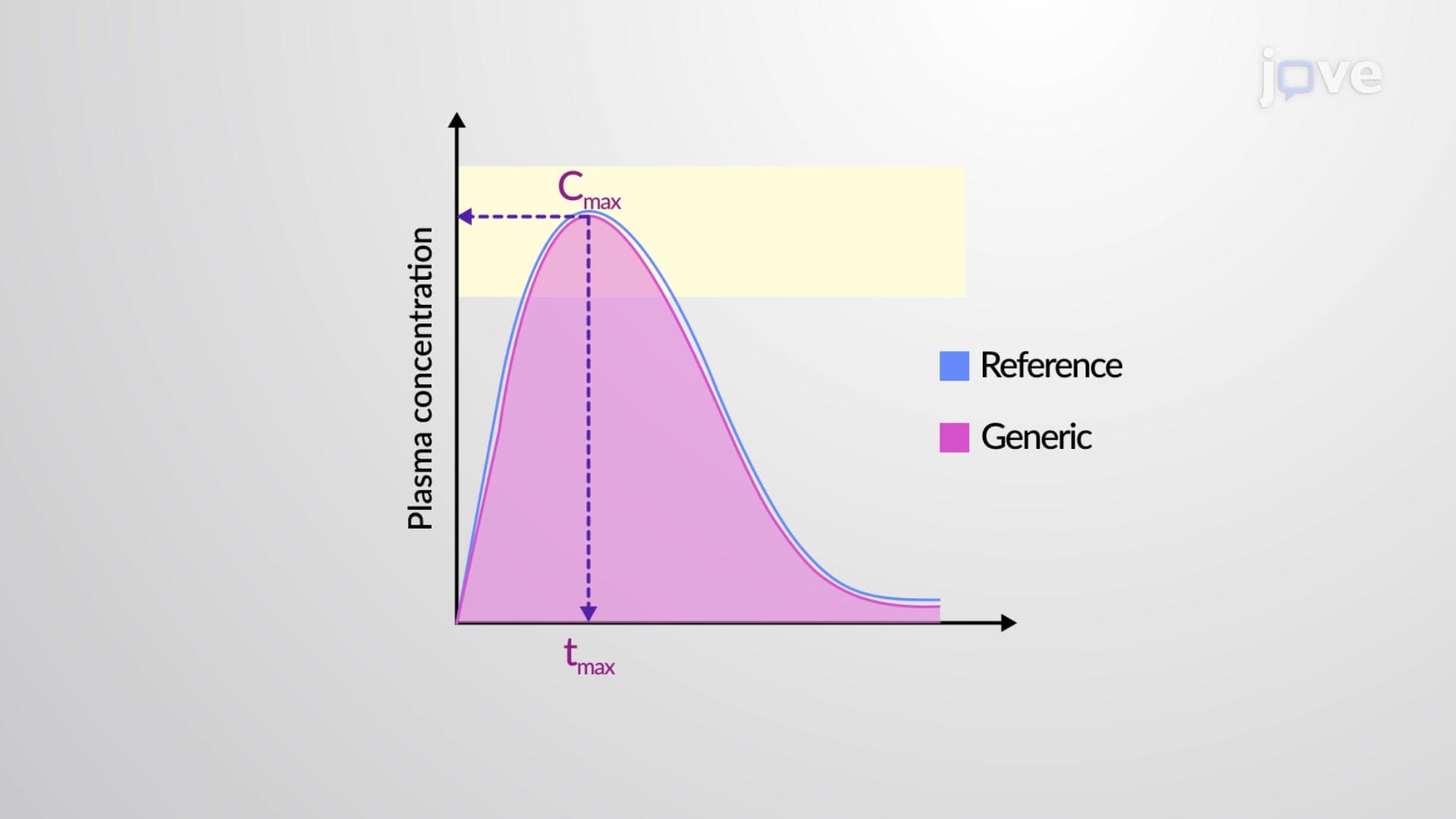
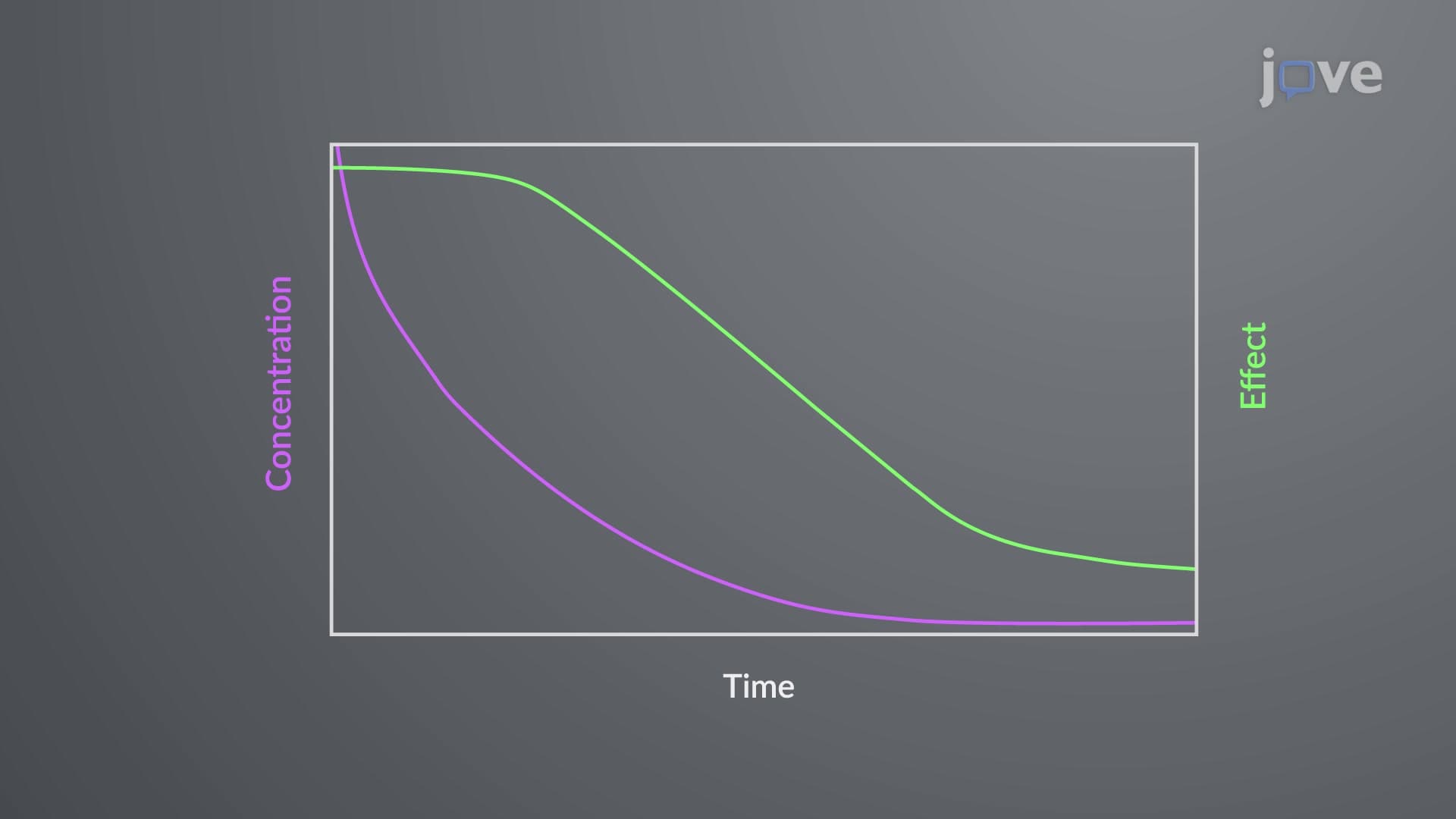
- Analyze the relationship between drug concentration, elimination rate, and time using exponential decay principles
- Apply volume of distribution calculations to predict how medications spread throughout body tissues
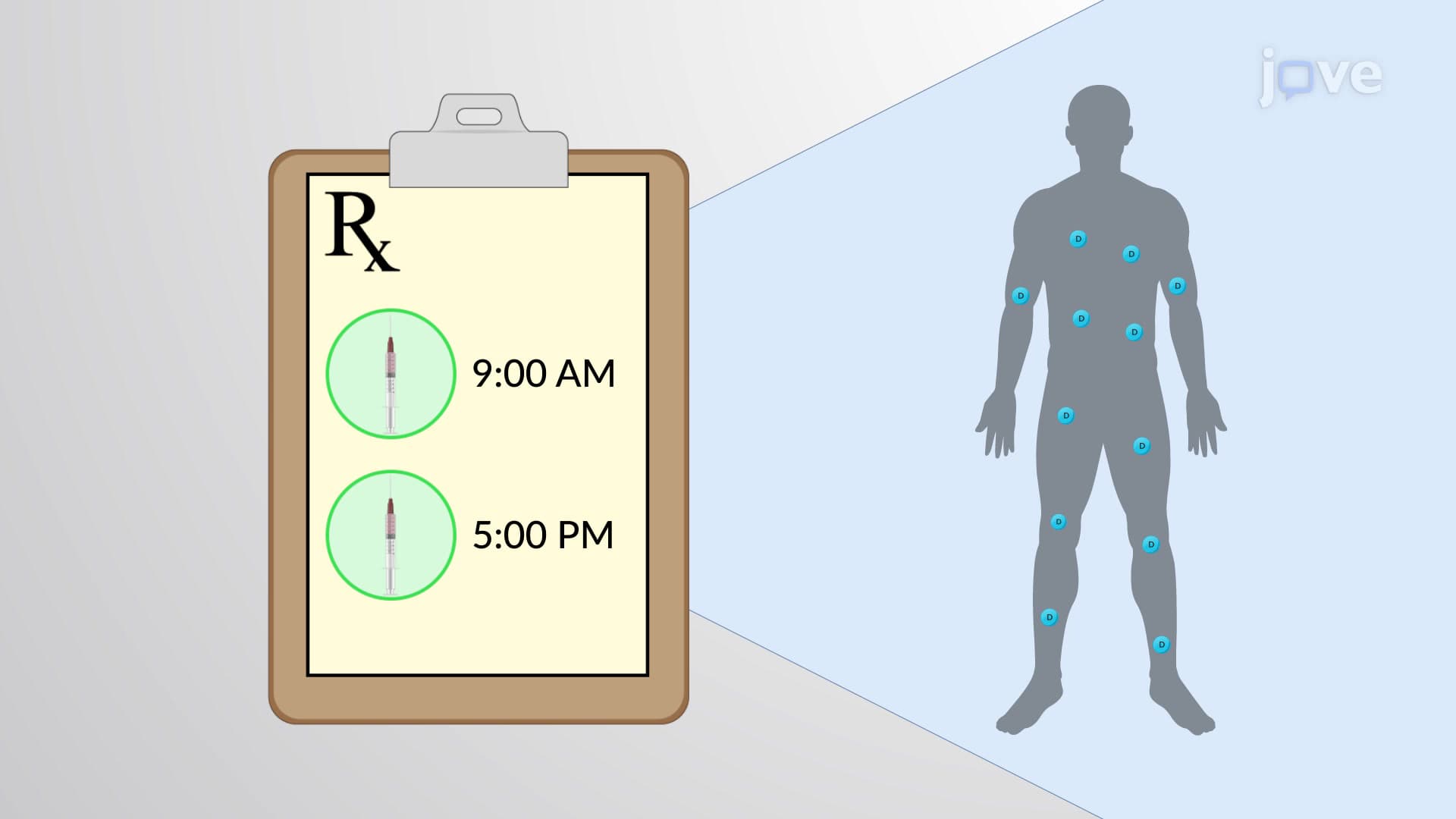
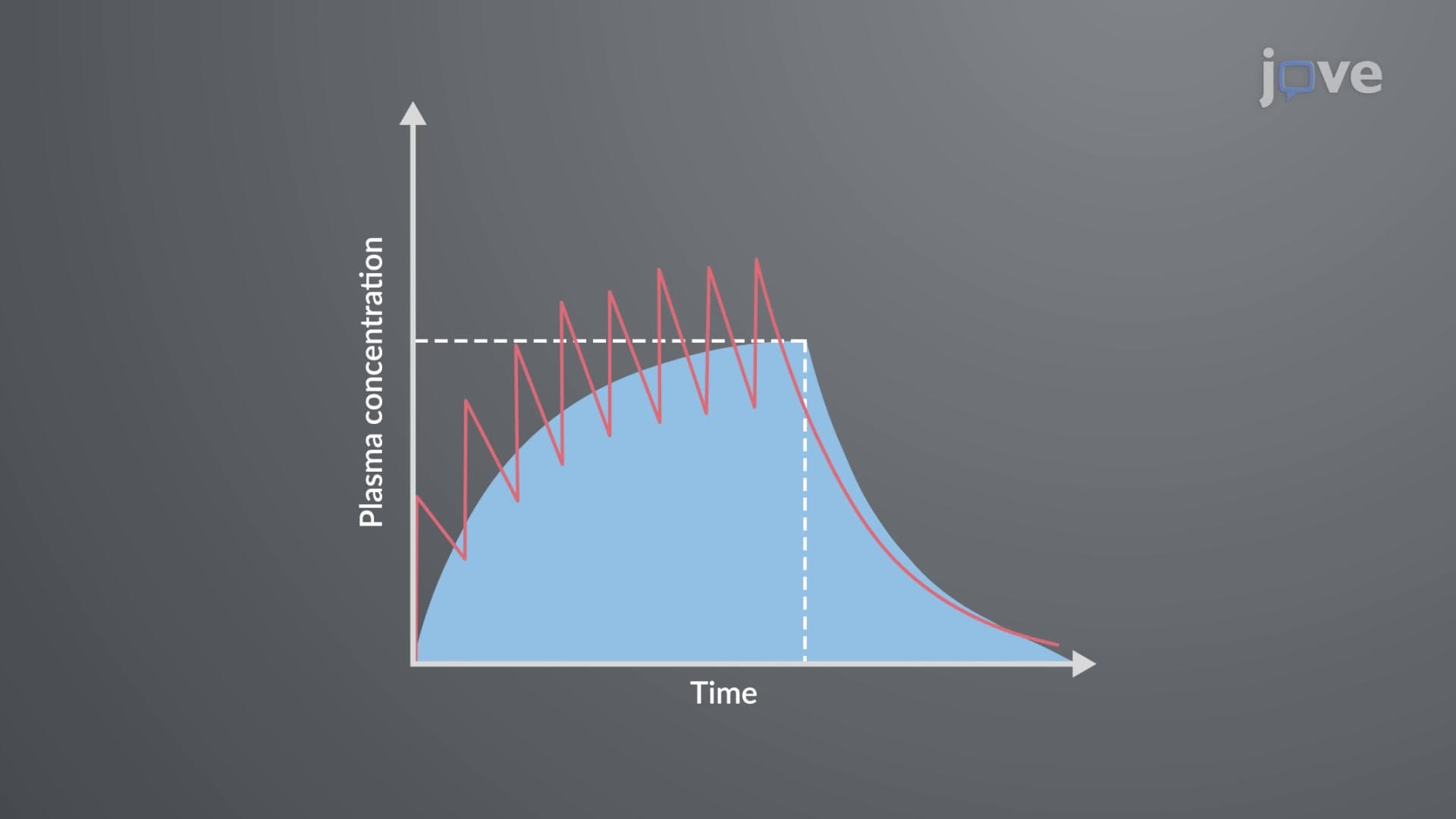
- Evaluate steady-state concentration patterns during continuous IV infusions versus multiple discrete doses
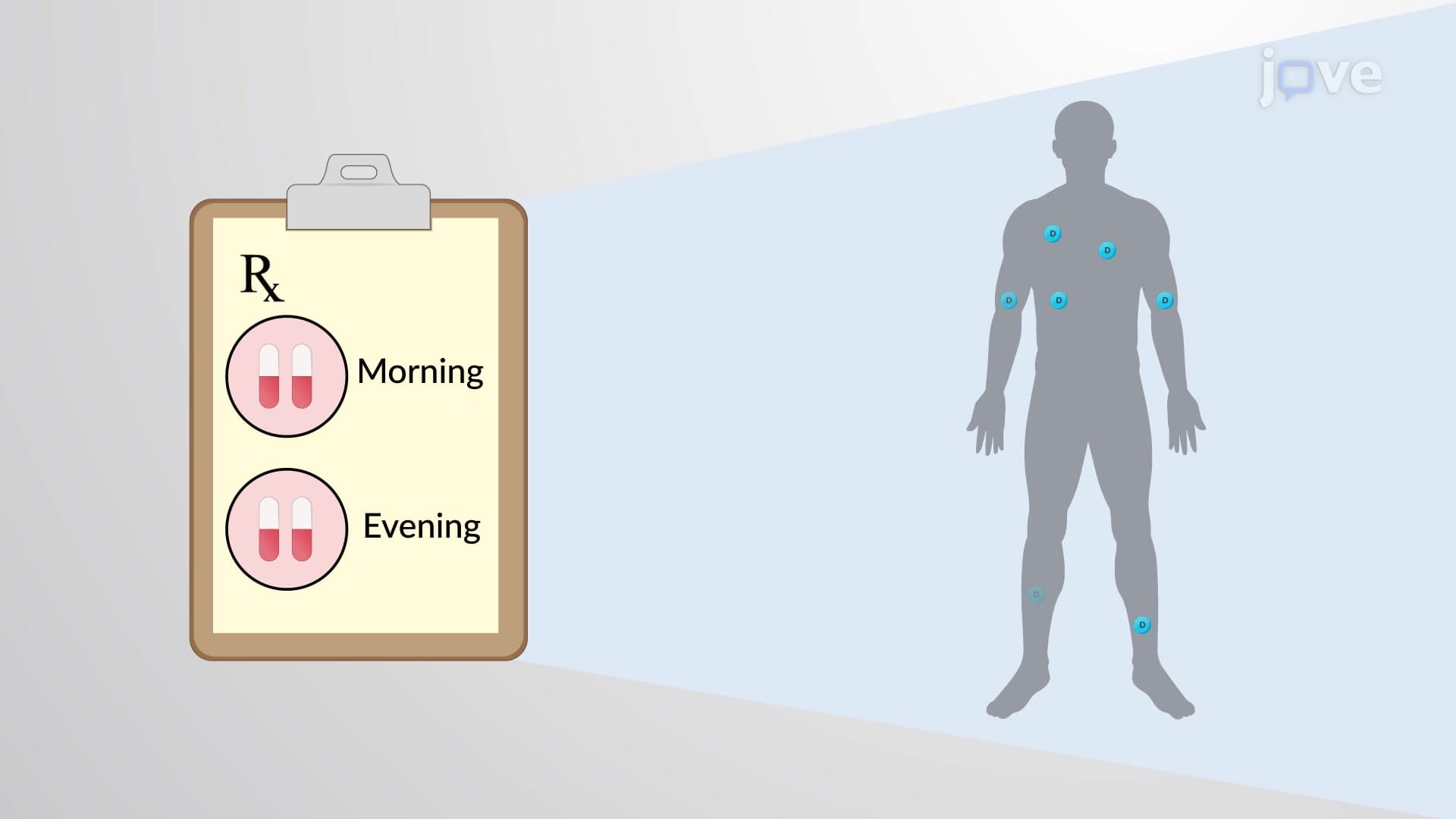
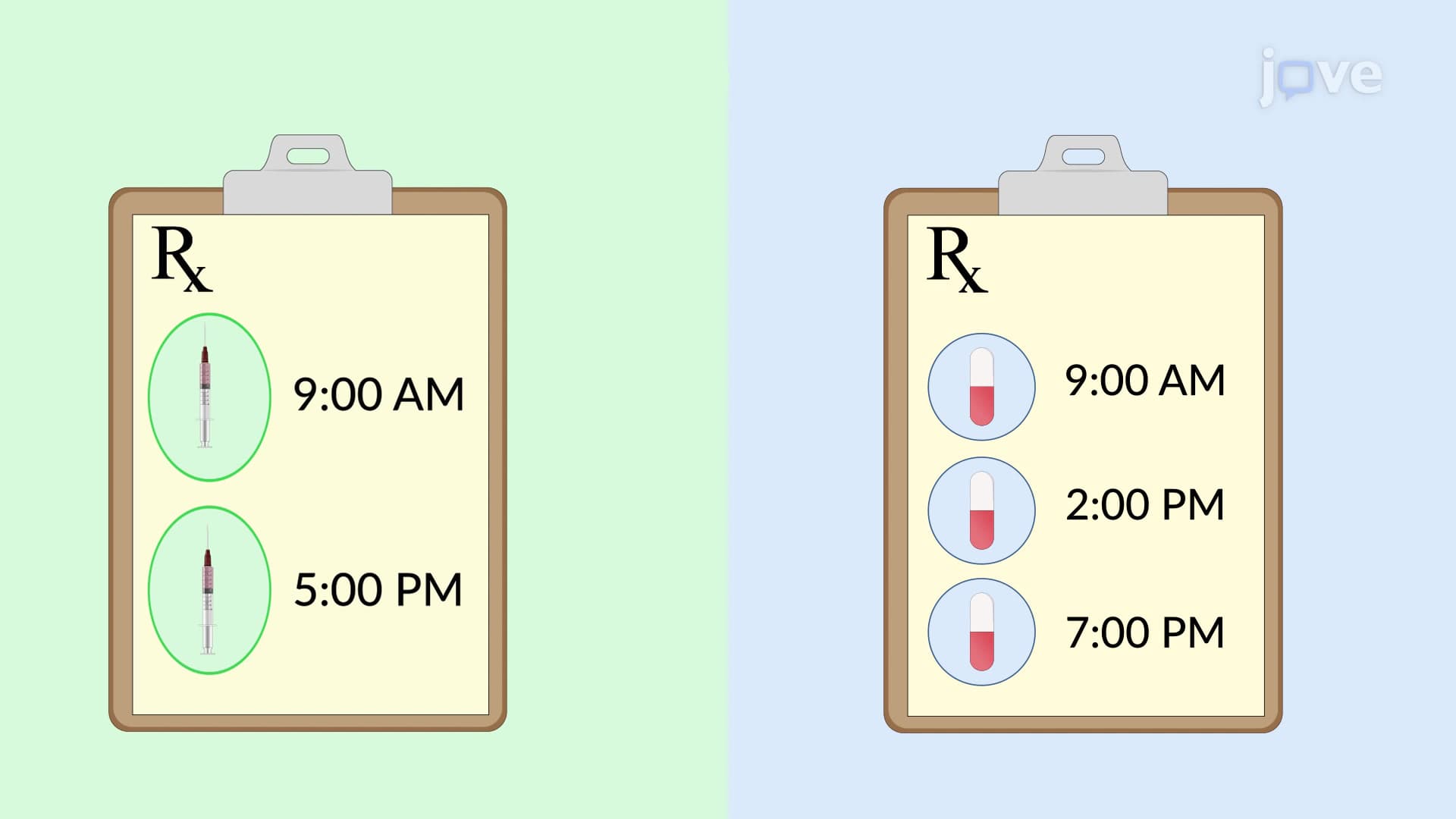
- Compare elimination kinetics between different drug administration routes and dosing schedules
- Recognize real-world clinical applications in prescription dosing, therapeutic drug monitoring, and toxicology
- Explore mathematical relationships governing drug clearance rates and half-life determinations in pharmacokinetic studies
Understanding Compartment Models Single Compartment Theory
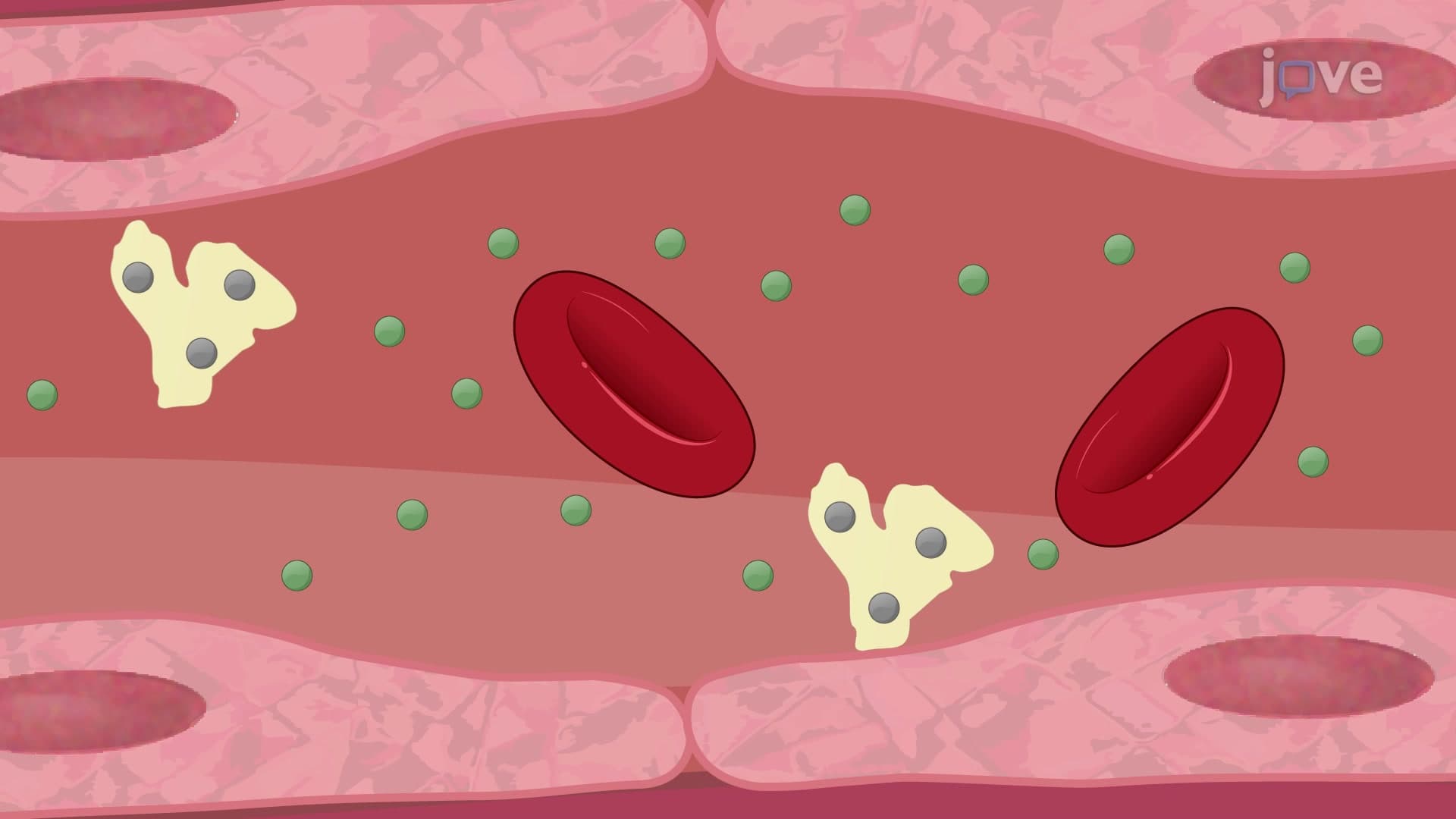
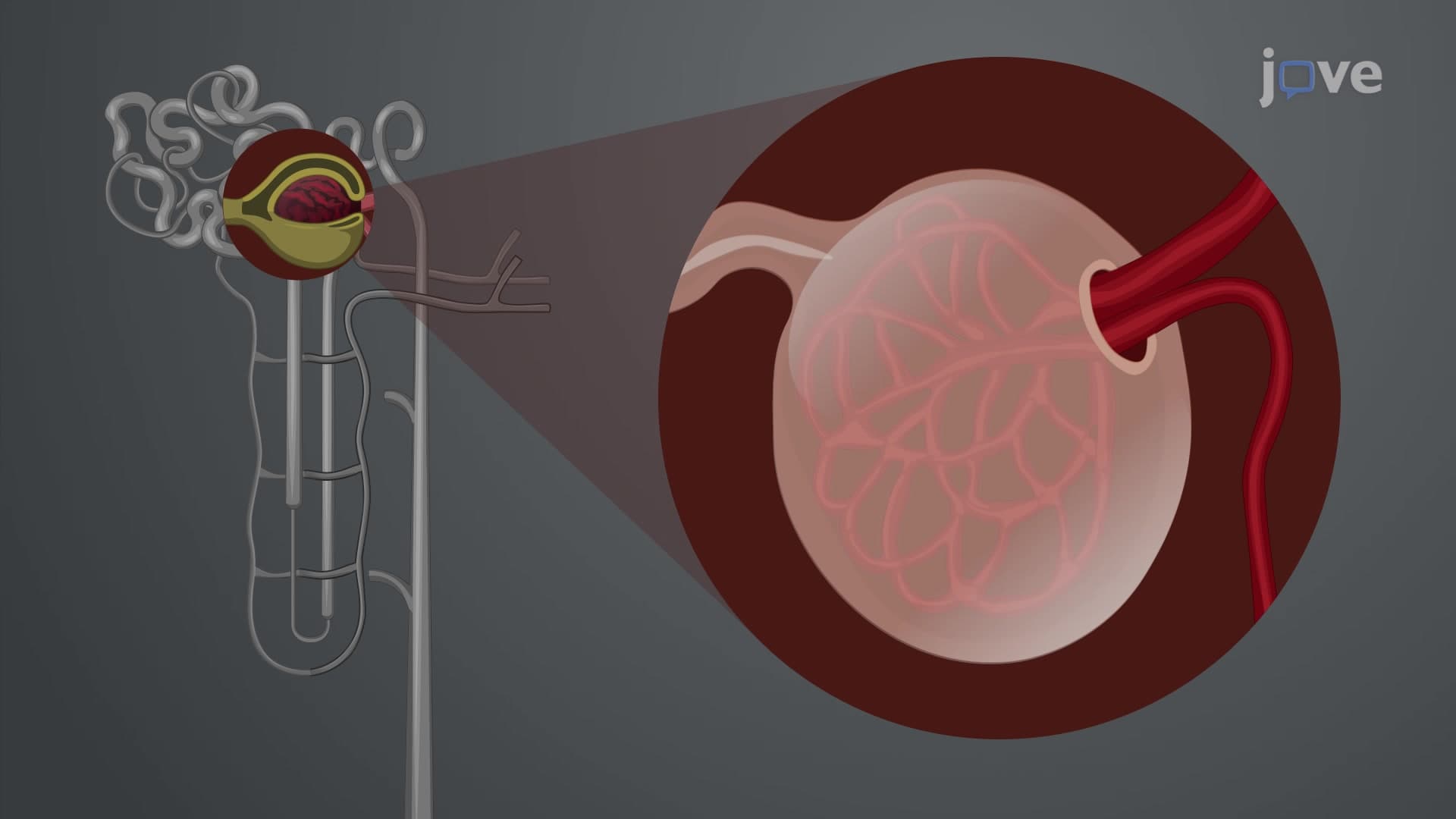
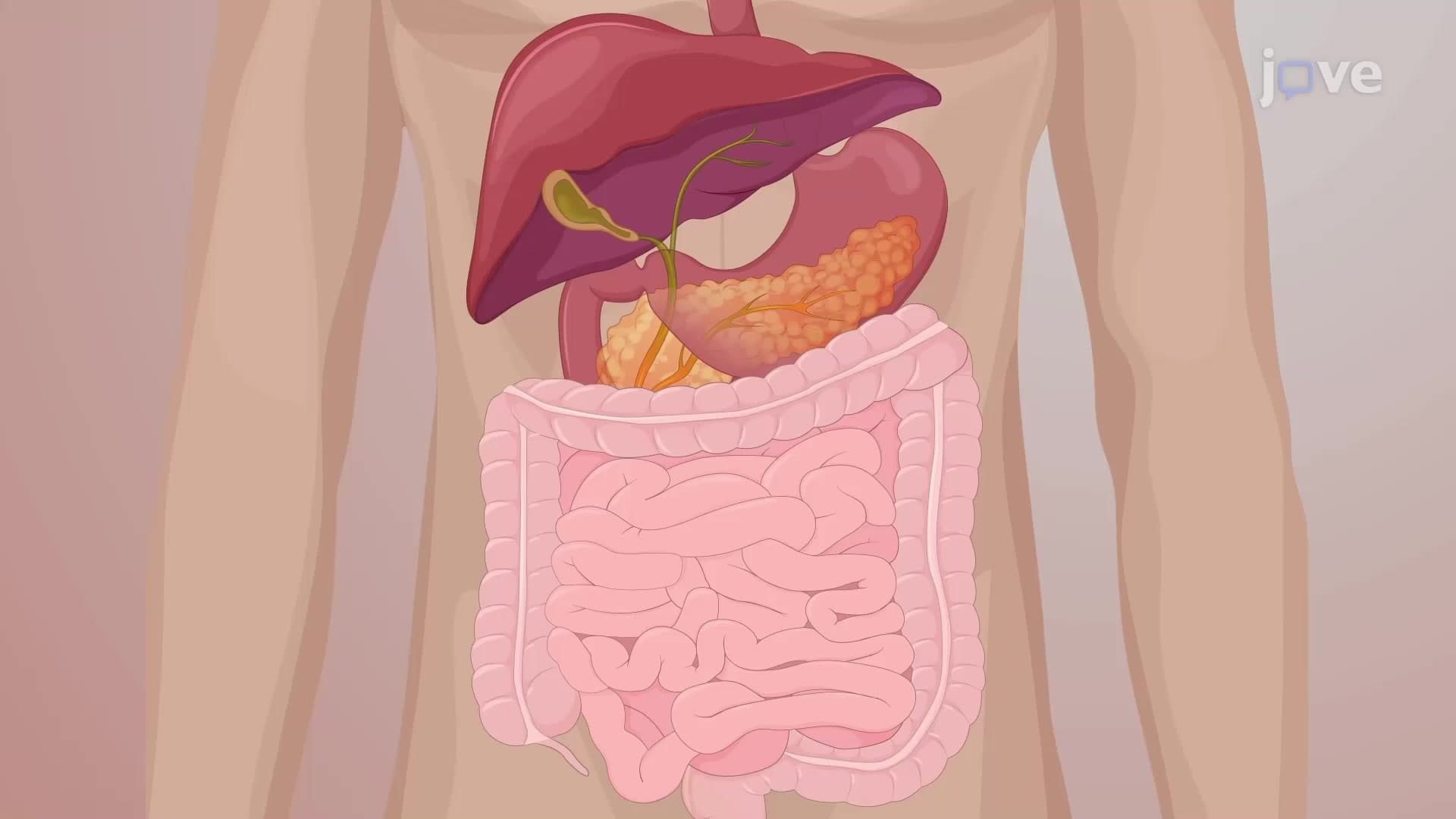
The compartment models single compartment approach revolutionizes how pharmacologists understand drug behavior in living systems. This mathematical framework treats the entire human body as a single, well-mixed vessel—similar to a laboratory beaker where added substances distribute uniformly and instantly. When healthcare providers at Mayo Clinic or Johns Hopkins administer IV medications, they rely on single-compartment principles to predict therapeutic outcomes and avoid toxicity.
Volume of Distribution and Drug Clearance Mechanisms
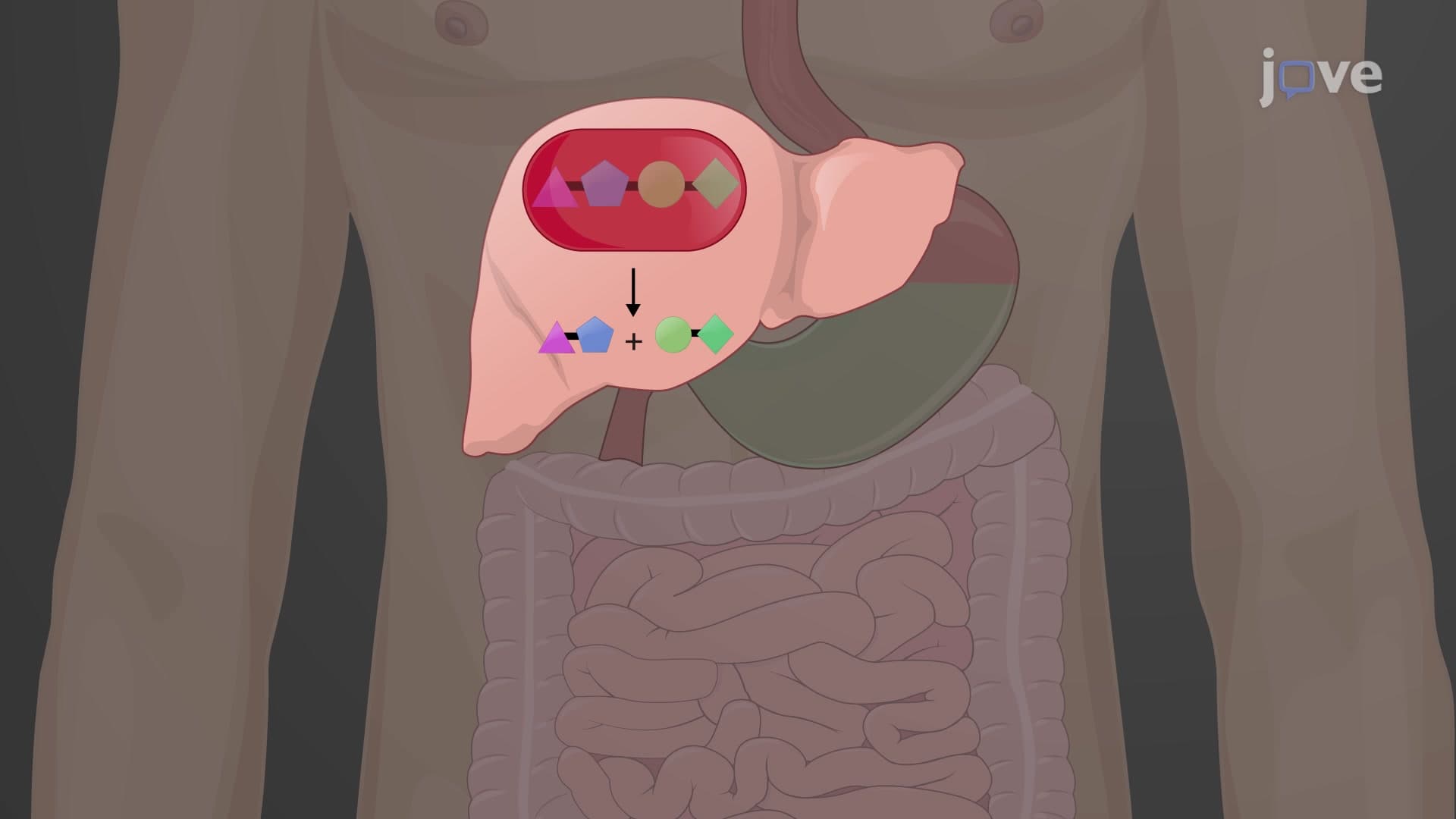
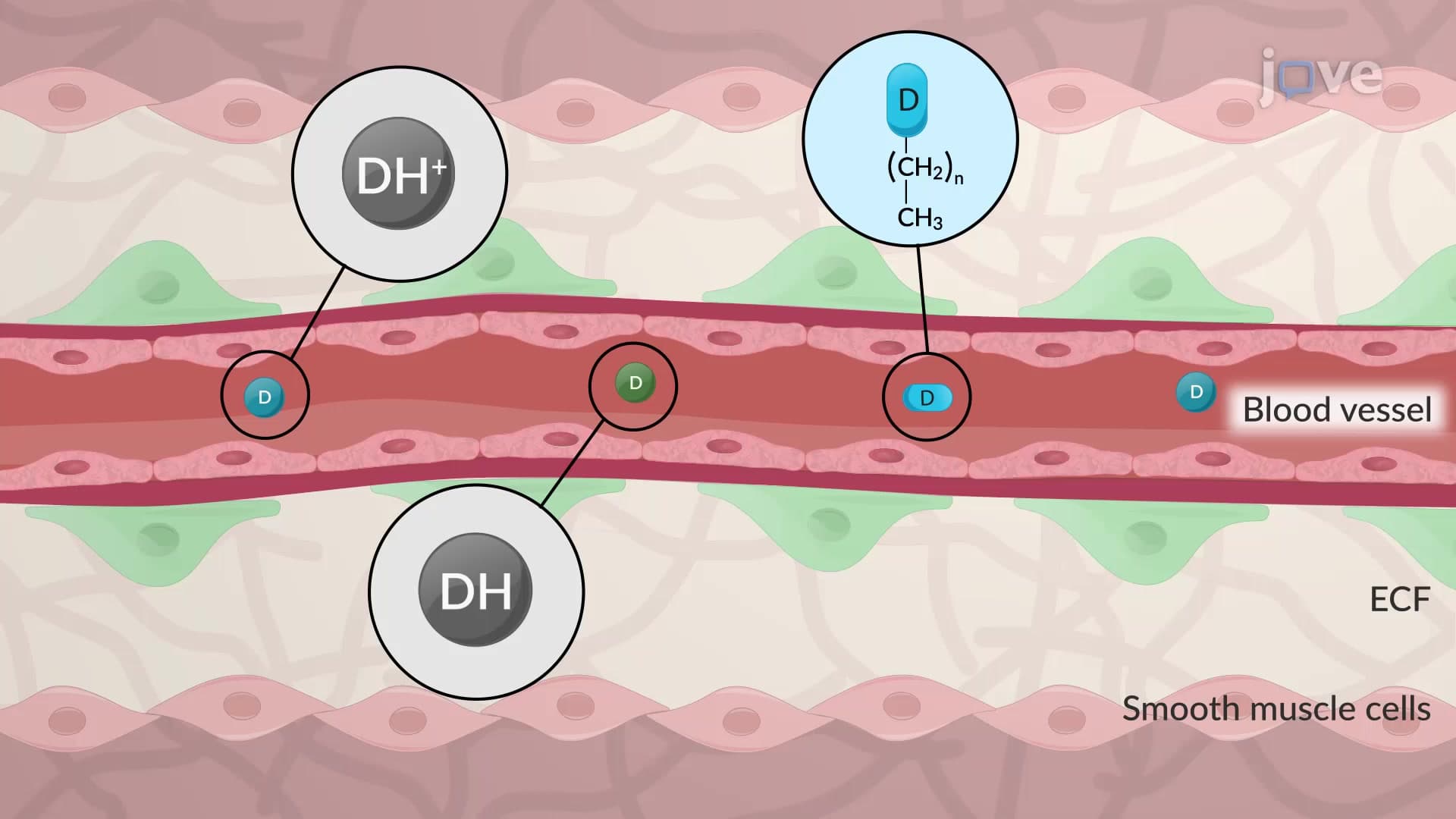
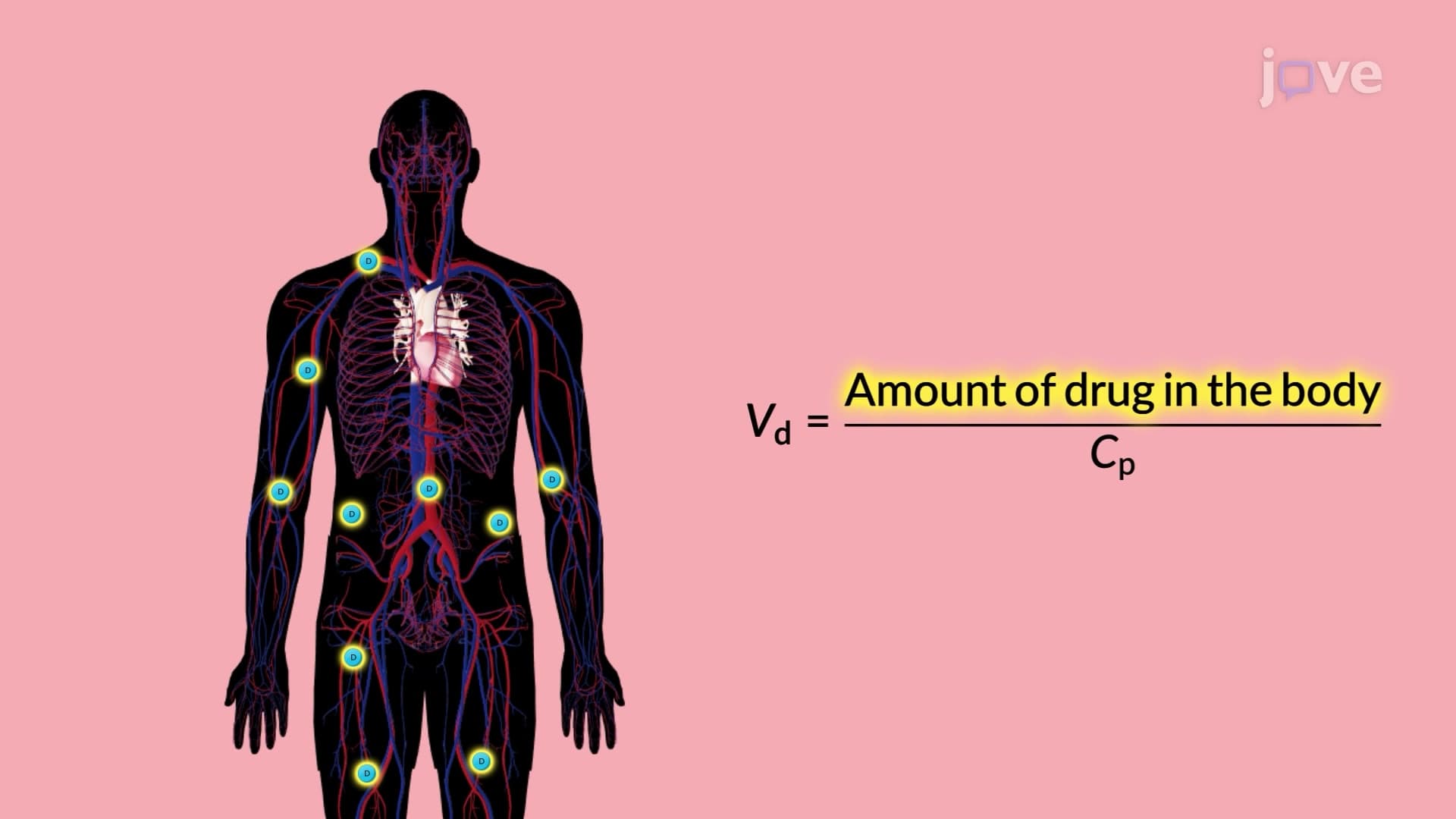
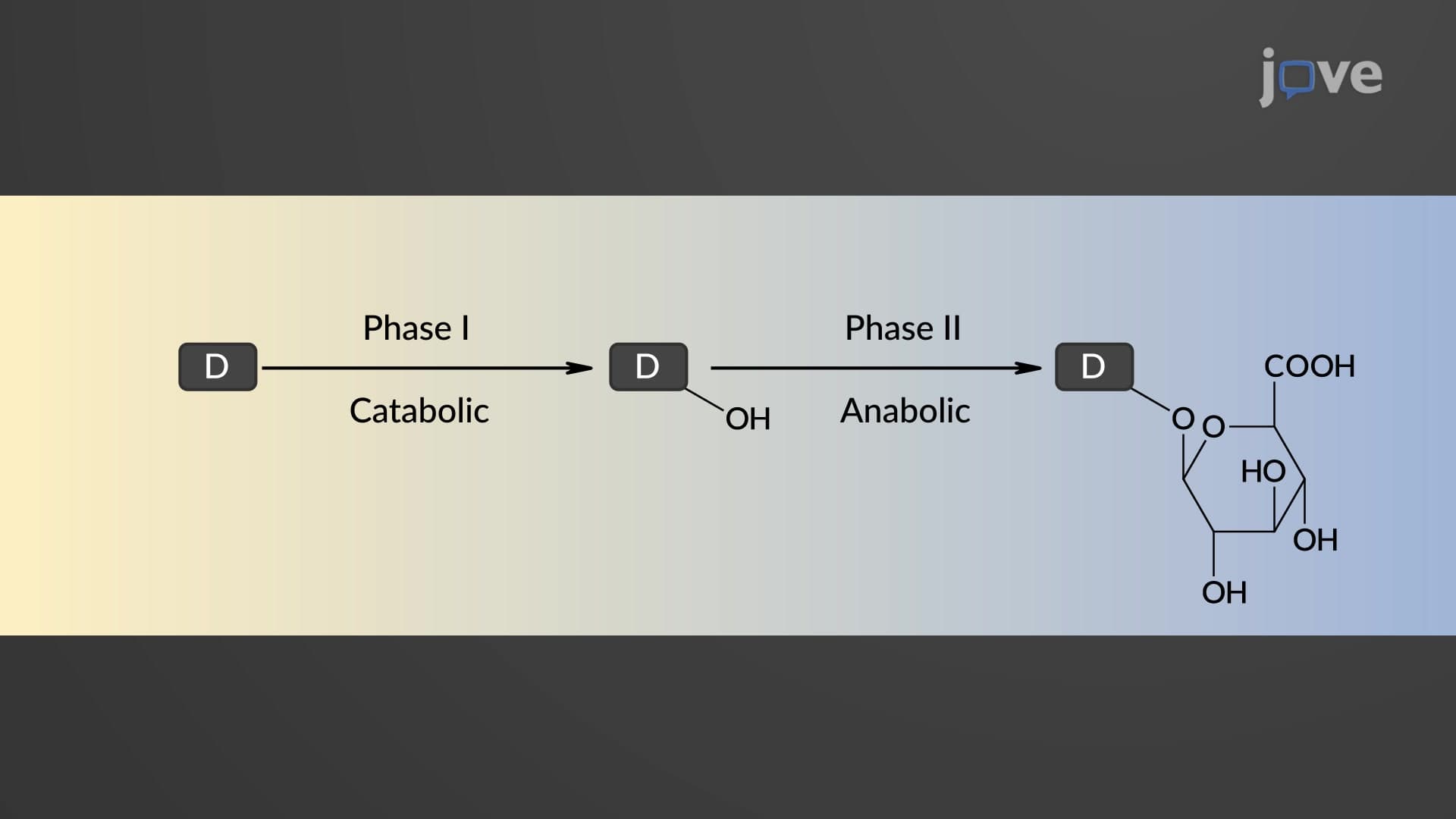
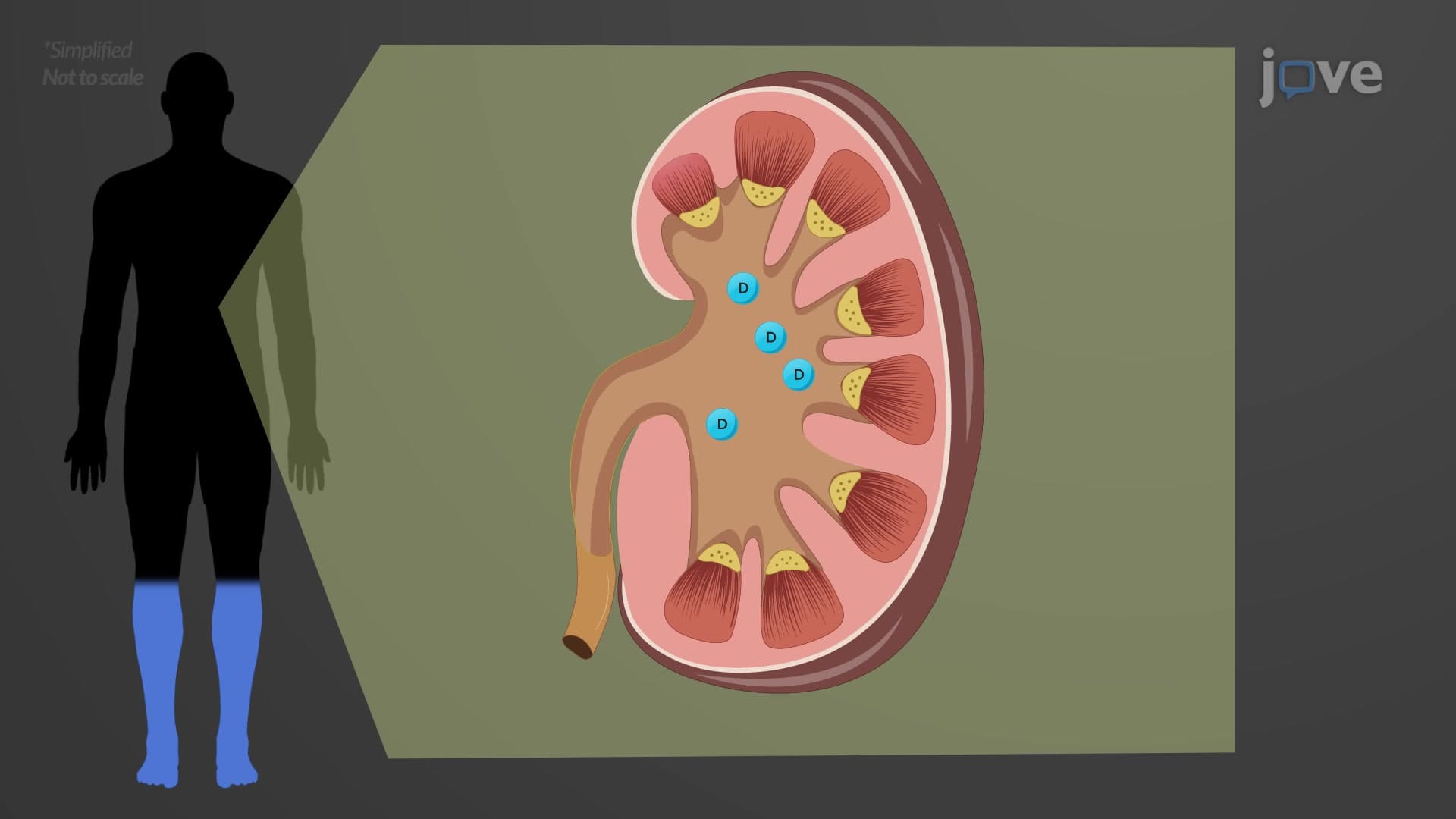
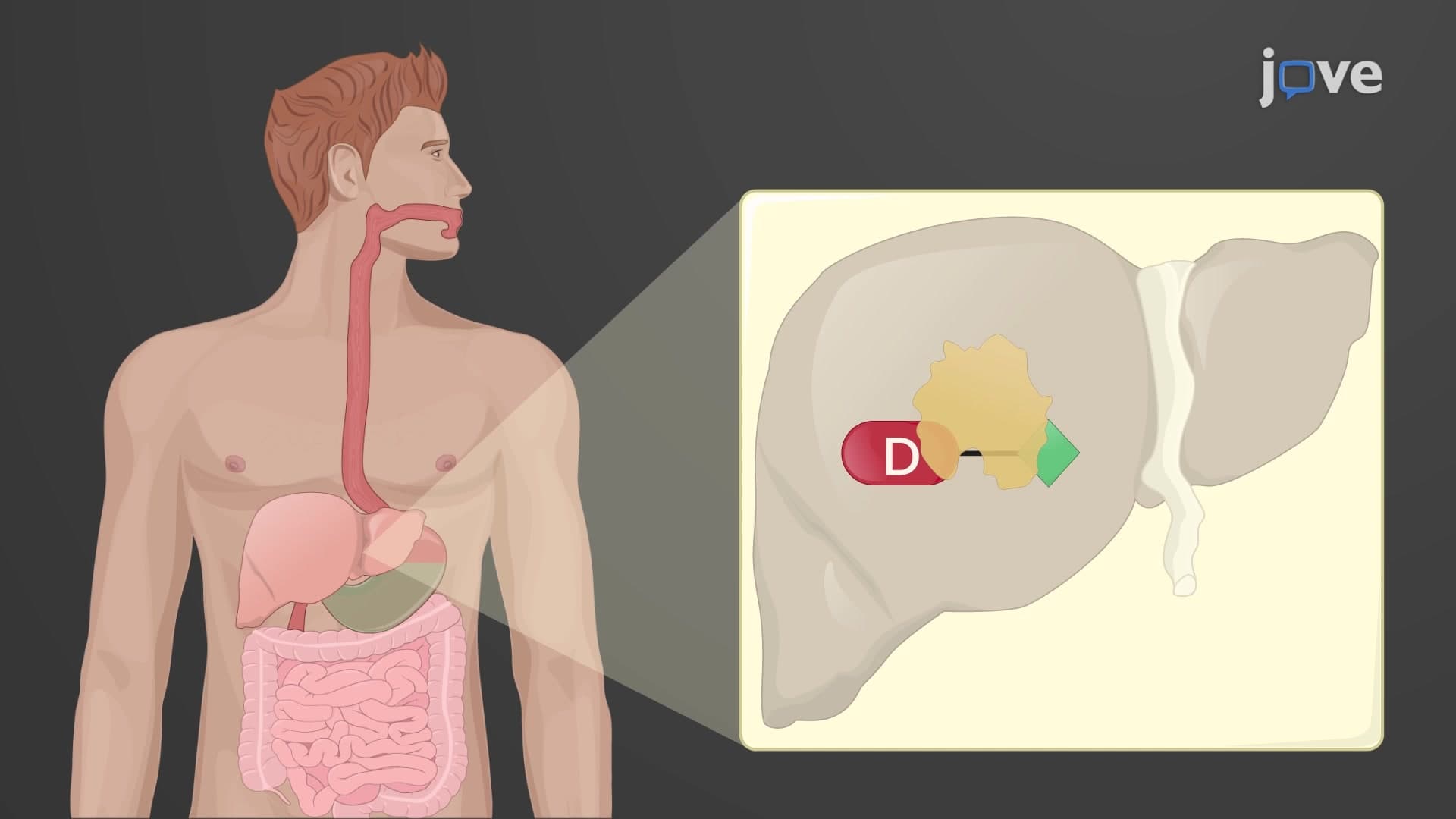
The apparent volume of distribution represents a theoretical space where administered drugs can spread. For water-soluble medications like gentamicin, this volume approximates total body water (approximately 42 liters in average adults). Lipophilic drugs like diazepam have much larger apparent volumes because they penetrate fatty tissues extensively. Drug clearance follows first-order kinetics, meaning elimination rate directly correlates with plasma concentration—higher concentrations lead to faster removal through liver metabolism and kidney excretion.
Steady-State Dynamics and Clinical Applications
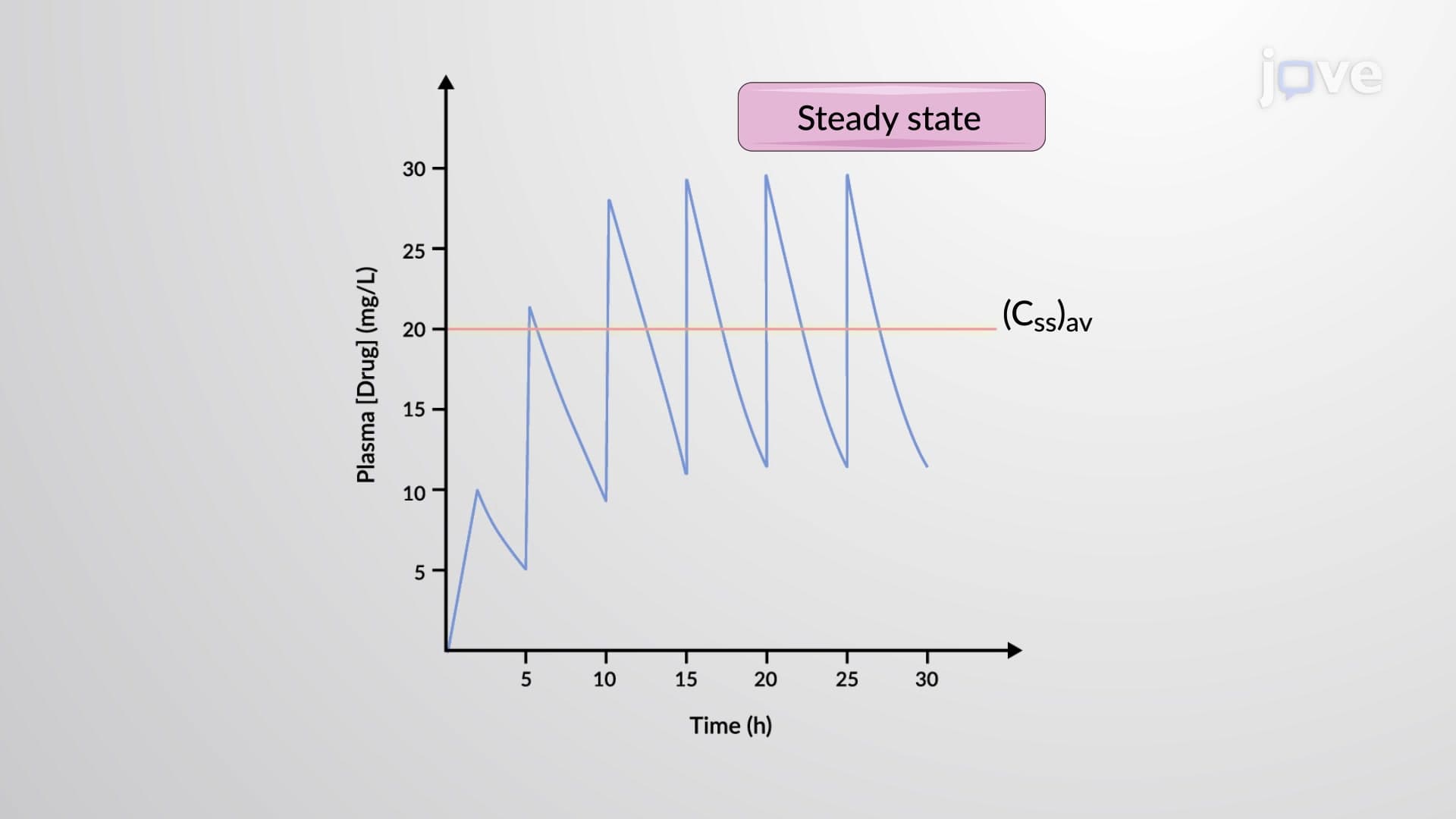
Continuous infusions reach steady-state concentrations when drug input equals elimination rate. This principle guides intensive care units across American hospitals when administering medications like dopamine or propofol. The time to reach 95% steady-state typically requires five elimination half-lives, regardless of infusion rate. Multiple discrete doses produce fluctuating plasma levels around the same mean steady-state value achieved through continuous administration.
Exam Relevance and Mathematical Relationships
MCAT and USMLE Step 1 questions frequently test single-compartment concepts through calculation problems. Students encounter exponential decay equations: C(t) = C(0) × e^(-kt), where C(t) represents concentration at time t, C(0) is initial concentration, k is the elimination rate constant, and e represents Euler's number. Understanding these relationships proves essential for AP Biology students studying enzyme kinetics and college pharmacology courses covering therapeutic drug monitoring.
Frequently Asked Questions
The compartment models single compartment model treats the human body as one uniform mixing chamber where drugs distribute instantly and eliminate at rates proportional to their concentration. This mathematical framework helps predict medication levels in blood and tissues over time. It assumes no barriers exist between different body regions and all elimination follows predictable first-order kinetics.
MCAT passages typically present drug concentration versus time graphs requiring exponential decay calculations or steady-state determinations. Students must identify elimination rate constants, calculate half-lives, or predict plasma levels after dose changes. Practice problems often involve comparing different administration routes or determining optimal dosing intervals for therapeutic effectiveness.
Yes, these concepts frequently appear in advanced placement biology enzyme kinetics sections and undergraduate pharmacology courses. Exam questions focus on mathematical relationships between concentration and time, steady-state principles, and clinical applications. Students should master exponential functions and understand how elimination kinetics affect drug dosing strategies.
American hospitals apply these models when dosing critical medications like warfarin, digoxin, or chemotherapy agents where precise blood levels prevent toxicity while maintaining therapeutic effects. Clinical pharmacists use compartment principles to adjust dosing in patients with kidney or liver disease. Emergency departments rely on these calculations when treating overdose cases or managing drug interactions.
No, high school algebra and basic exponential functions provide sufficient mathematical foundation for compartment model concepts. Students should understand logarithms, exponential decay, and graphing techniques. Most pharmacy and medical schools teach necessary calculus applications within pharmacokinetics courses, building upon fundamental mathematical principles learned in secondary education.
Practice graph interpretation skills using real drug concentration data, memorize key equations like half-life relationships, and work through dosing calculation problems regularly. Create concept maps linking volume of distribution, clearance, and steady-state principles. Focus on understanding clinical scenarios where single-compartment assumptions apply versus situations requiring multi-compartment modeling approaches.
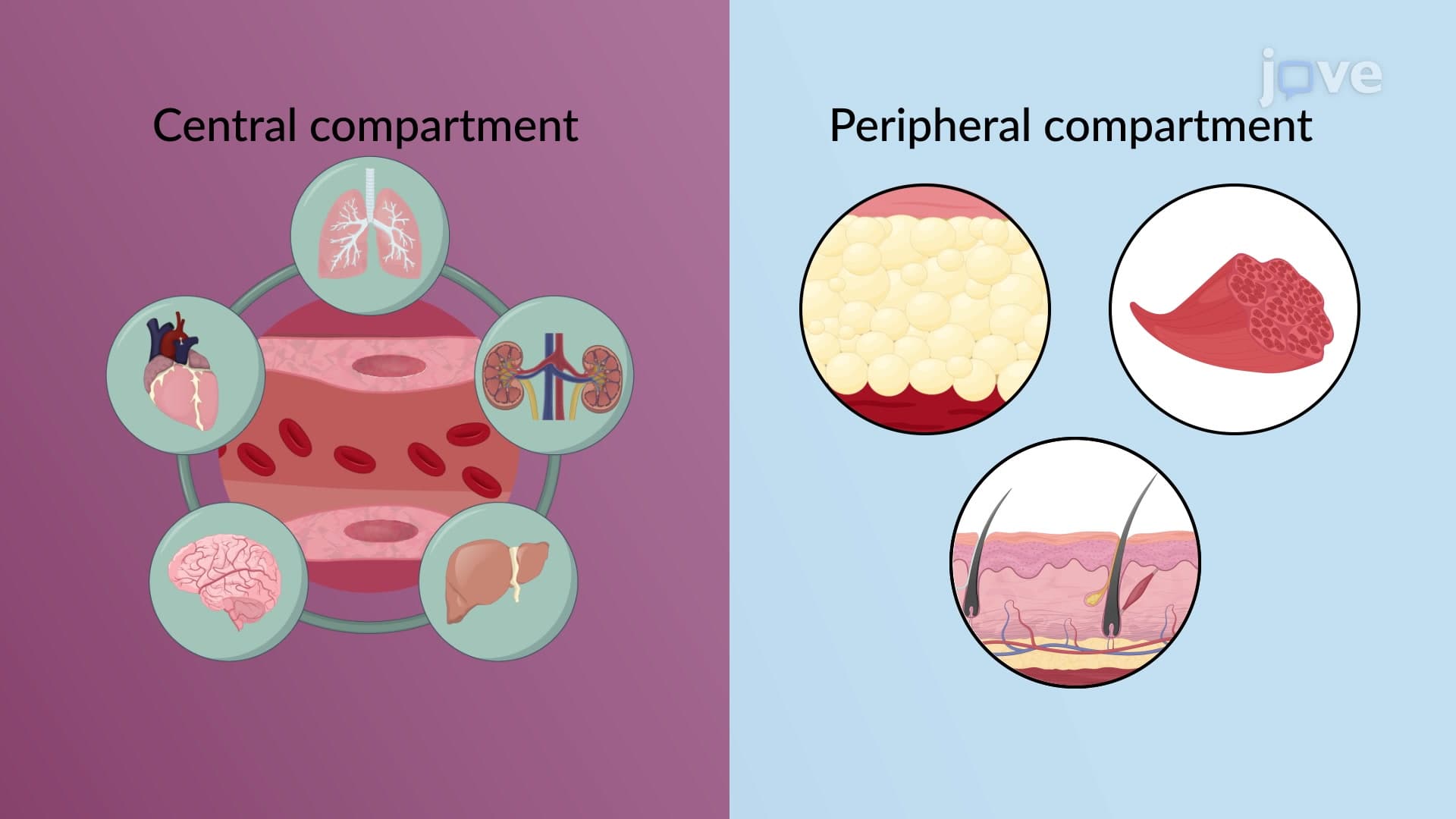
Progress to multi-compartment pharmacokinetics covering central and peripheral distribution spaces, nonlinear elimination kinetics for capacity-limited processes, and population pharmacokinetic modeling used in drug development. Advanced students should investigate physiologically-based pharmacokinetic models incorporating organ-specific blood flow and tissue binding characteristics used by pharmaceutical companies during clinical trials.
Related Micro-courses
19 Concepts


Related Subjects
