Loading…
Loading video…

15,885 views
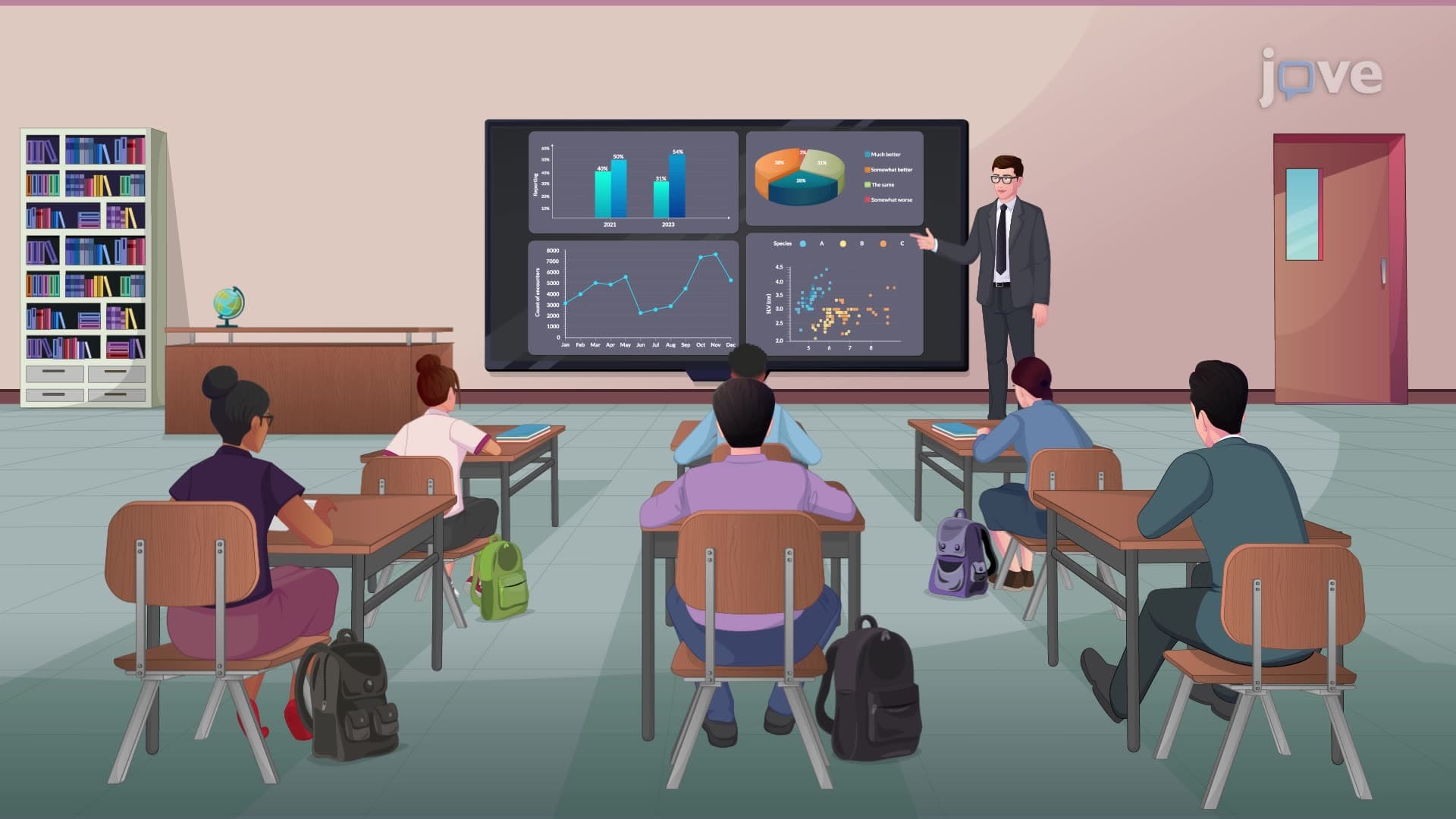
Did you know that researchers at Harvard University analyzed over 700,000 social media posts to predict depression rates using just one software tool? The statistical package for the social sciences, commonly known as SPSS, revolutionizes how we understand human behavior through data analysis. From studying voter patterns in presidential elections to analyzing student performance across US high schools, Statistical Package For The Social Explained demonstrates why this software remains essential for modern research. Watch the full video on JoVE Coach to master this concept with expert-led visuals and step-by-step explanations.
The Statistical Package For The Social Sciences (SPSS) emerged in the 1960s as a revolutionary tool designed specifically for social science researchers who needed to analyze complex human behavioral data. Unlike general mathematical software, SPSS was built with social scientists in mind, incorporating statistical methods commonly used in psychology, sociology, education, and political science research.
Today, SPSS serves millions of researchers worldwide, from undergraduate students conducting their first survey analysis to PhD candidates defending dissertations based on longitudinal studies. Its intuitive point-and-click interface makes sophisticated statistical analysis accessible to users without extensive programming backgrounds, democratizing data analysis across academic disciplines.
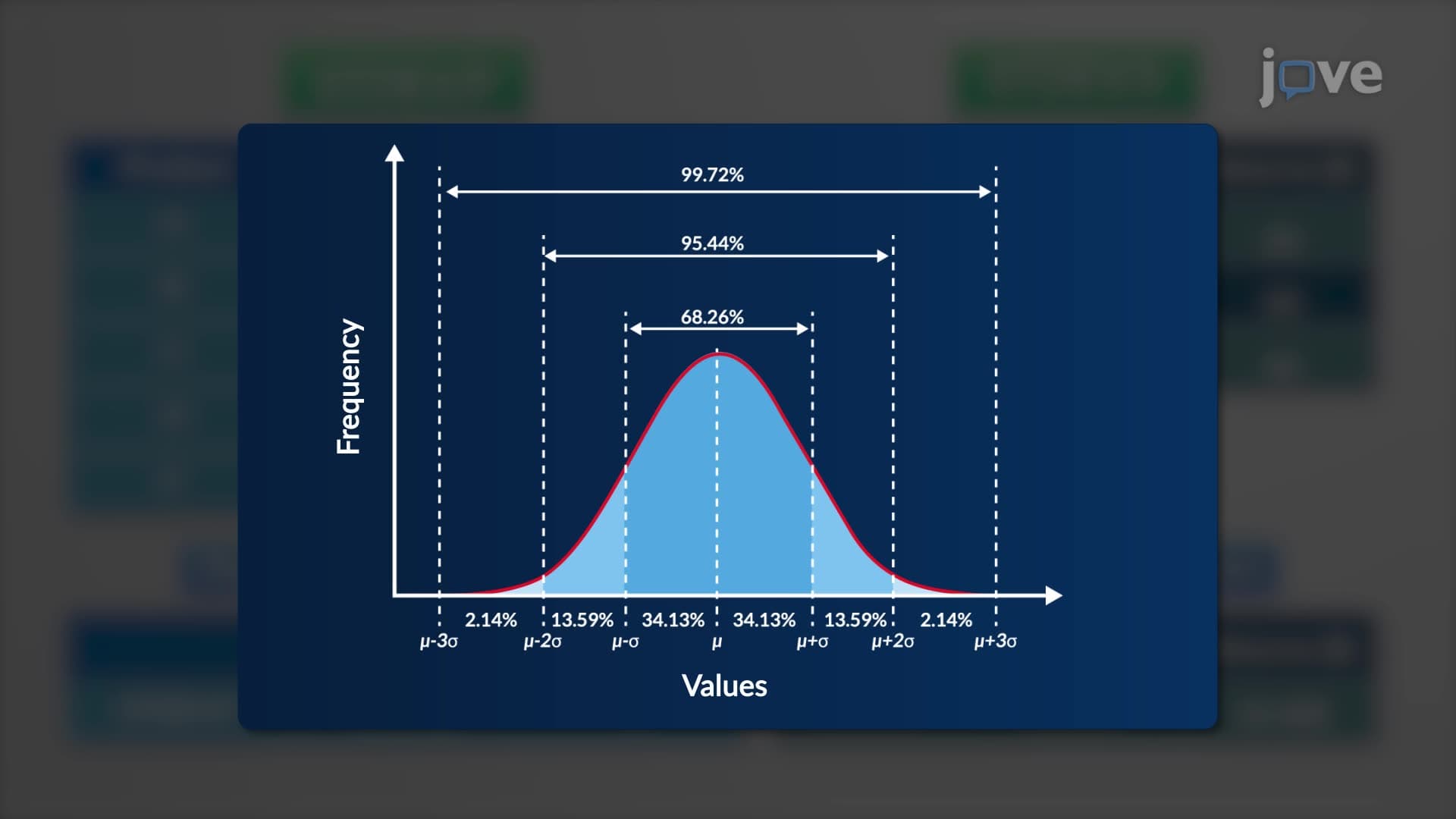
SPSS excels in descriptive statistics, allowing researchers to summarize large datasets through measures of central tendency, variability, and distribution shapes. Students preparing for AP Statistics exams frequently use SPSS to verify hand calculations and visualize concepts like standard deviation and correlation coefficients.
The software's inferential statistics capabilities shine in hypothesis testing scenarios. Whether conducting independent samples t-tests to compare SAT scores between different teaching methods or running ANOVA tests to analyze the effectiveness of multiple intervention programs, SPSS handles the computational complexity while researchers focus on interpretation.
Advanced features include factor analysis for identifying underlying constructs in psychological assessments, cluster analysis for market segmentation studies, and regression modeling for predicting outcomes. These tools prove invaluable for students pursuing graduate degrees in fields like clinical psychology or public policy.
US universities extensively use SPSS in research methodology courses, particularly in psychology and sociology programs. Students at institutions like UCLA and NYU learn to analyze everything from survey data about political attitudes to experimental results measuring cognitive performance.
In professional contexts, SPSS supports evidence-based decision making across industries. Healthcare researchers use it to analyze clinical trial data for FDA submissions, while educational assessment companies rely on SPSS to validate standardized test questions and identify bias patterns.
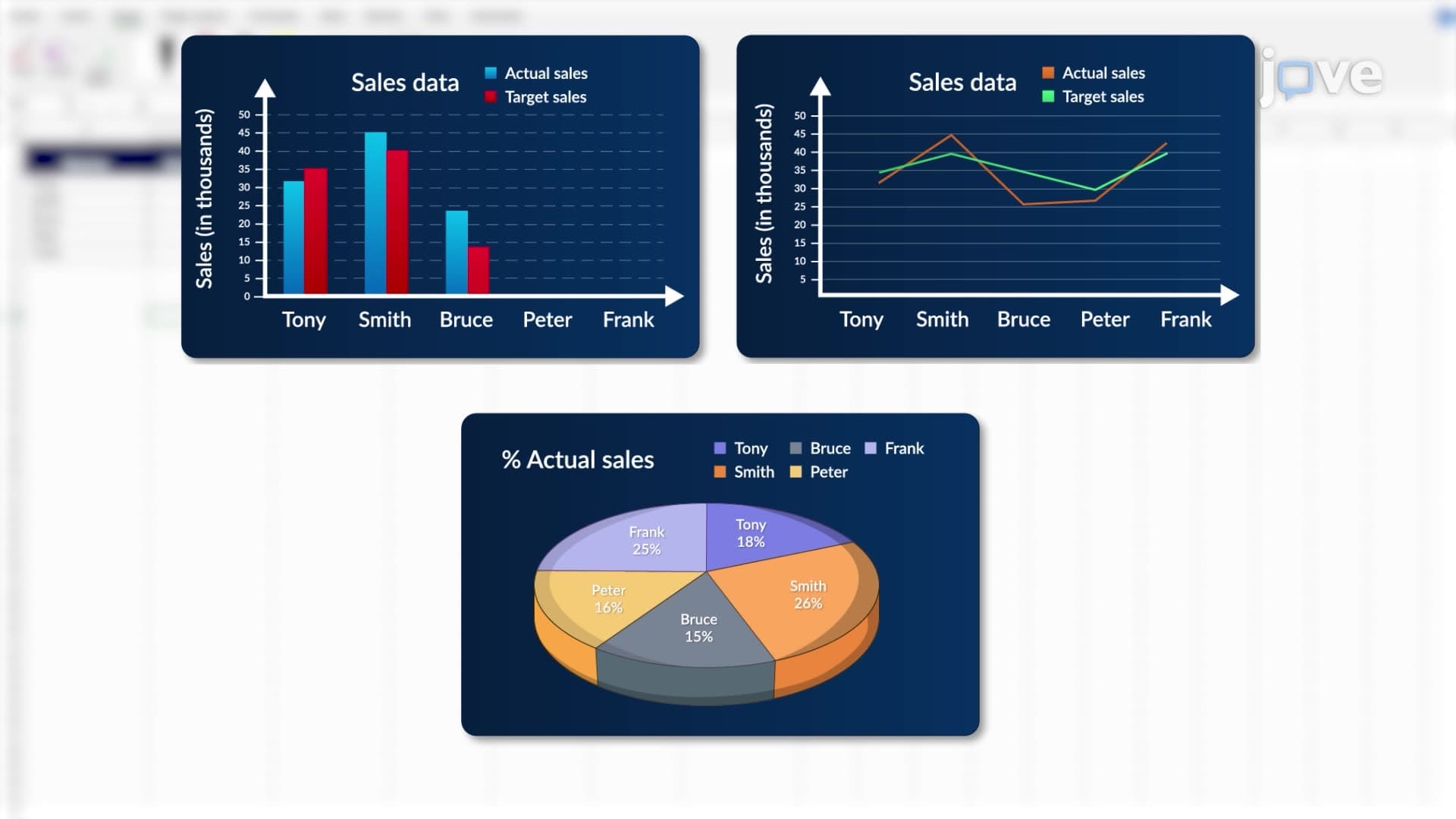
The software's report generation capabilities transform complex statistical outputs into professional presentations suitable for academic conferences, thesis defenses, and peer-reviewed publications. This feature proves especially valuable for students preparing for comprehensive exams or dissertation proposals.
Frequently Asked Questions
SPSS is specialized statistical software designed for analyzing social science data, making complex research methods accessible to students and professionals. It streamlines everything from basic descriptive statistics to advanced predictive modeling. Students benefit because it handles mathematical computations while teaching statistical thinking and interpretation skills essential for research careers.
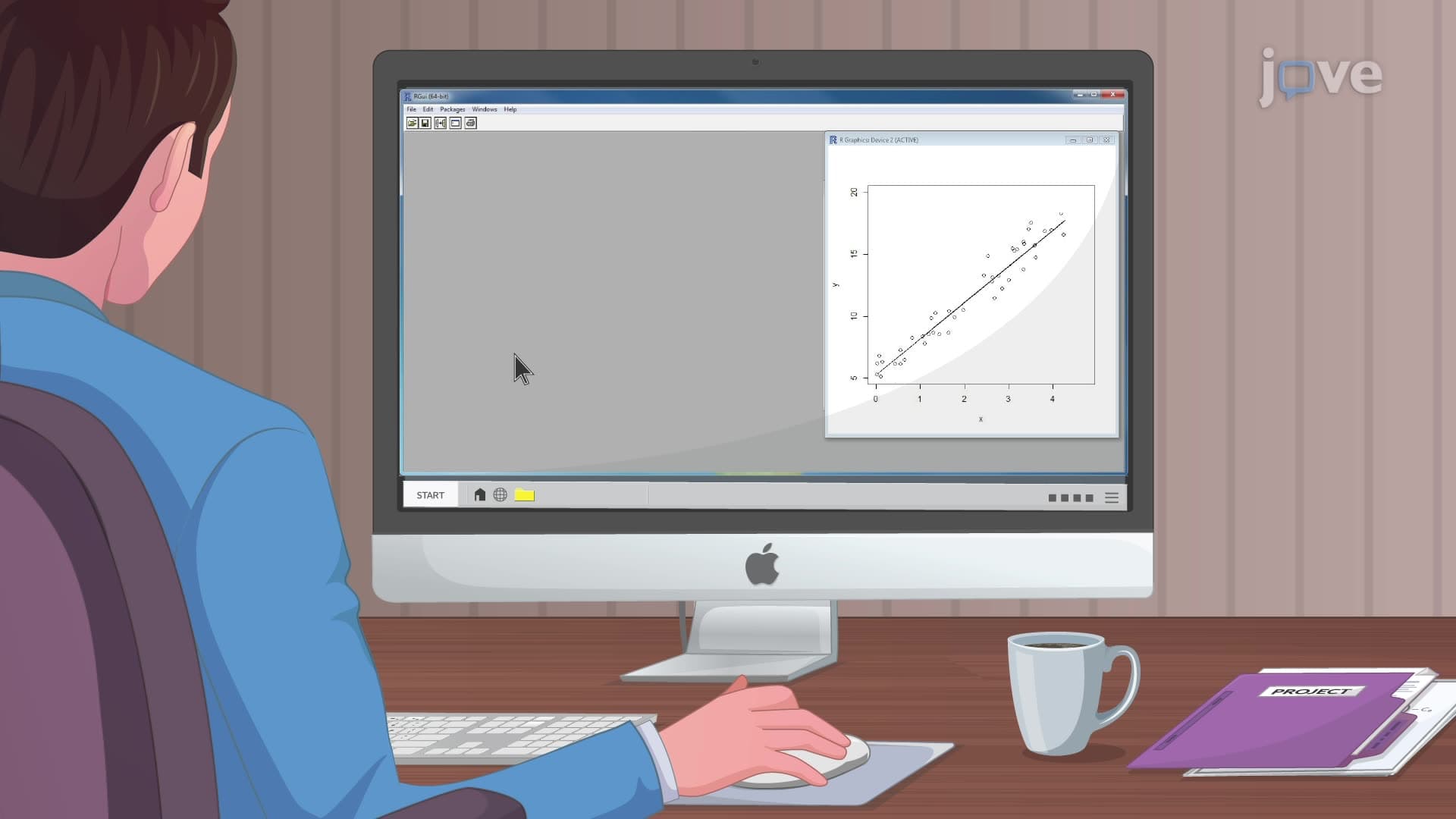
SPSS reinforces AP Statistics concepts by providing visual confirmation of hand calculations and generating professional graphs required for free-response questions. Students can verify t-test results, create proper scatter plots with regression lines, and explore sampling distributions. The software helps build confidence in statistical reasoning while ensuring computational accuracy during practice sessions.
While standardized tests don't directly test SPSS software skills, they heavily emphasize statistical reasoning and data interpretation that SPSS helps you master. MCAT passages frequently include statistical analyses that become much clearer when you understand concepts through hands-on SPSS experience. The critical thinking skills developed using SPSS translate directly to test success.
Companies like Nielsen and Gallup use SPSS to analyze consumer behavior surveys, political polling data, and social media sentiment analysis. They employ cluster analysis to identify target demographics, regression modeling to predict purchasing behavior, and hypothesis testing to validate marketing campaign effectiveness. These same techniques students learn become valuable career skills in business and consulting roles.
No advanced calculus or complex mathematics is required to begin using SPSS effectively for social science research. The software handles computational complexity while you focus on research design, data interpretation, and drawing meaningful conclusions. Basic algebra and logical thinking skills provide sufficient foundation for most undergraduate applications.
Practice with real datasets from your field of interest, work through examples step-by-step rather than just reading about procedures, and focus on interpreting results rather than memorizing menu locations. Create summary sheets linking statistical concepts to their real-world applications, and practice explaining your analyses in plain English as if presenting to non-technical audiences.
Consider learning R programming for more flexible statistical computing, exploring machine learning techniques like neural networks and decision trees, or specializing in specific areas like psychometric analysis or longitudinal data modeling. Advanced multivariate statistics and structural equation modeling represent natural next steps for serious social science researchers.
Related Micro-courses



Related Subjects
 Physics 33 micro-courses›
 Math Fundamentals 11 micro-courses›