Loading…
Loading video…

15,885 views
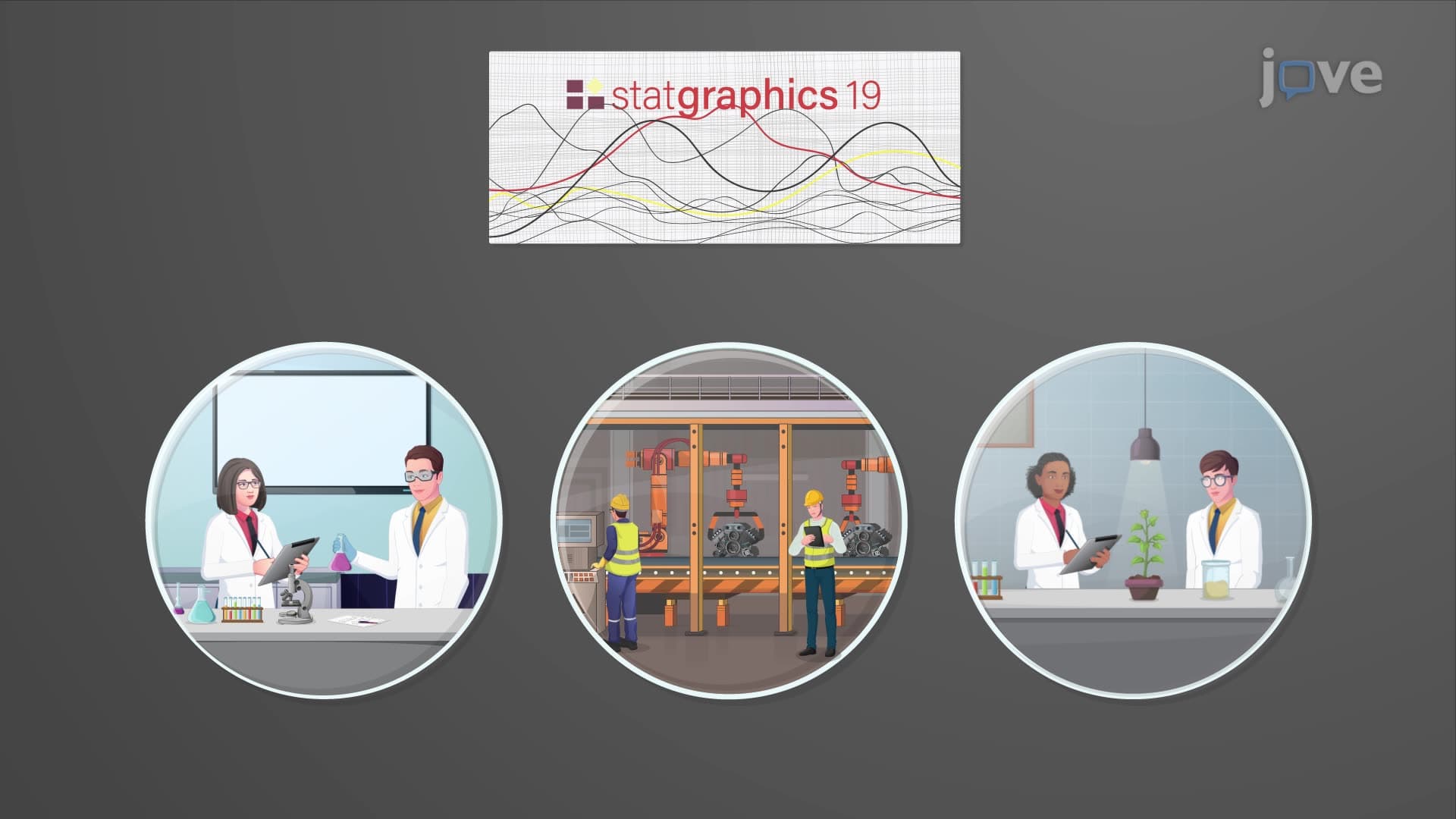
Did you know that a statistical software developed at Princeton University now powers quality control at major US automotive manufacturers like Ford and General Motors? Statgraphics is a comprehensive statistical software suite that transforms complex data analysis into accessible insights through advanced visualization tools and machine learning capabilities. From pharmaceutical research at companies like Pfizer to environmental studies conducted by the EPA, this powerful platform handles everything from basic statistics to sophisticated Six Sigma quality improvement initiatives. Watch the full video on JoVE Coach to master this concept with expert-led visuals and step-by-step explanations.
Statgraphics represents a sophisticated statistical software suite that emerged from Princeton University's academic environment in 1980, evolving into a powerful tool that bridges the gap between theoretical statistics and practical data analysis. Unlike basic spreadsheet programs, Statgraphics provides specialized statistical functions designed specifically for researchers, quality control professionals, and data analysts who need reliable, accurate results for critical decision-making processes.
The software's development reflected the growing need for accessible yet powerful statistical analysis tools in academic and industrial settings. Today, it serves as an essential platform for students preparing for advanced placement statistics exams, college statistics courses, and professionals working in data-intensive fields across the United States.
Statgraphics excels in handling both fundamental statistical operations and advanced analytical procedures. The software manages substantial datasets efficiently, making it particularly valuable for big data analytics projects common in modern research environments. Students studying for AP Statistics exams will find its basic functions invaluable for understanding descriptive statistics, probability distributions, and hypothesis testing procedures.
The platform's machine learning integration sets it apart from traditional statistical software, enabling predictive modeling and pattern recognition that's increasingly important in fields like biostatistics and market research. College undergraduates taking research methods courses often use Statgraphics to conduct regression analysis, ANOVA procedures, and multivariate statistics required for their coursework and thesis projects.
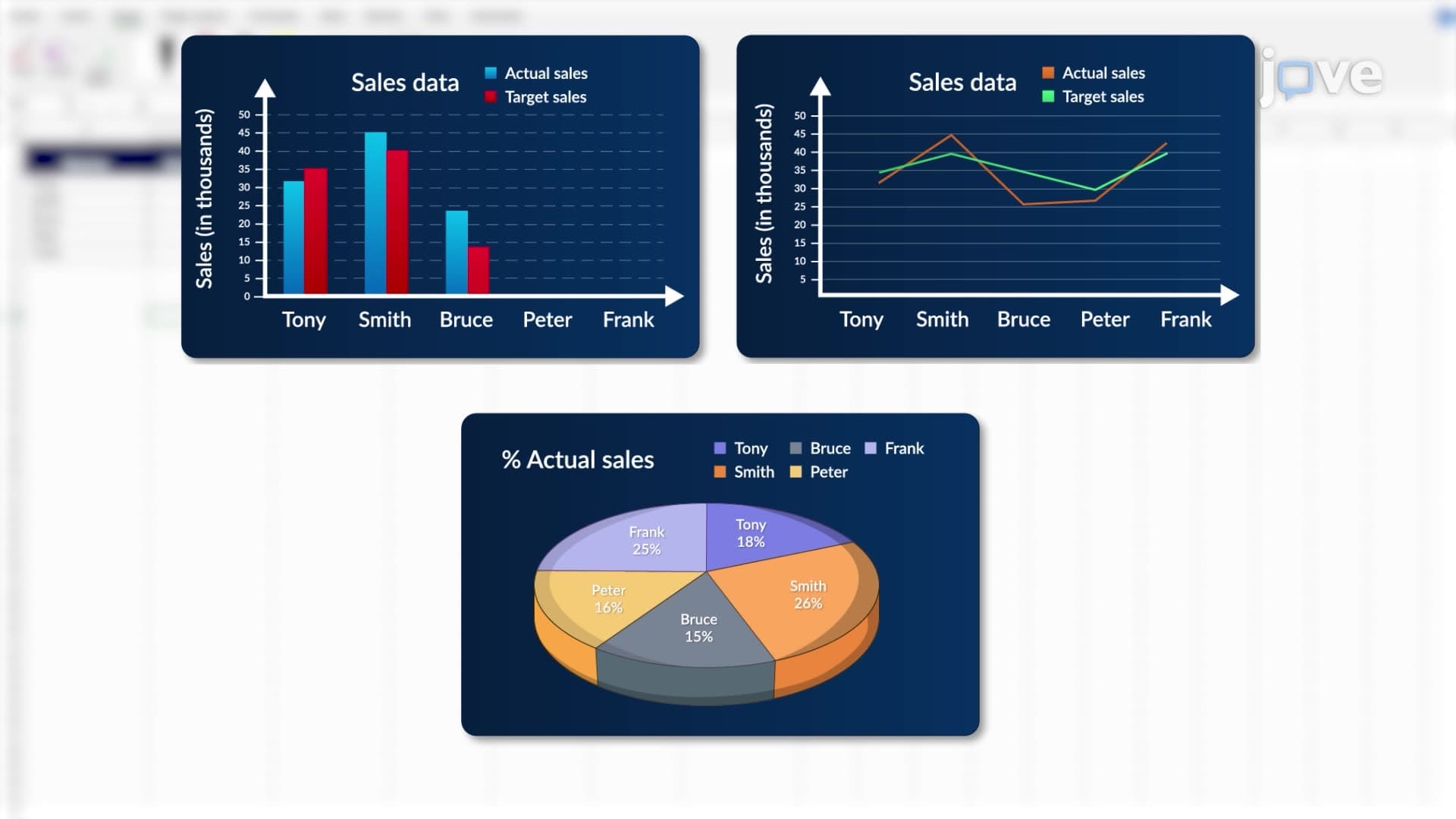
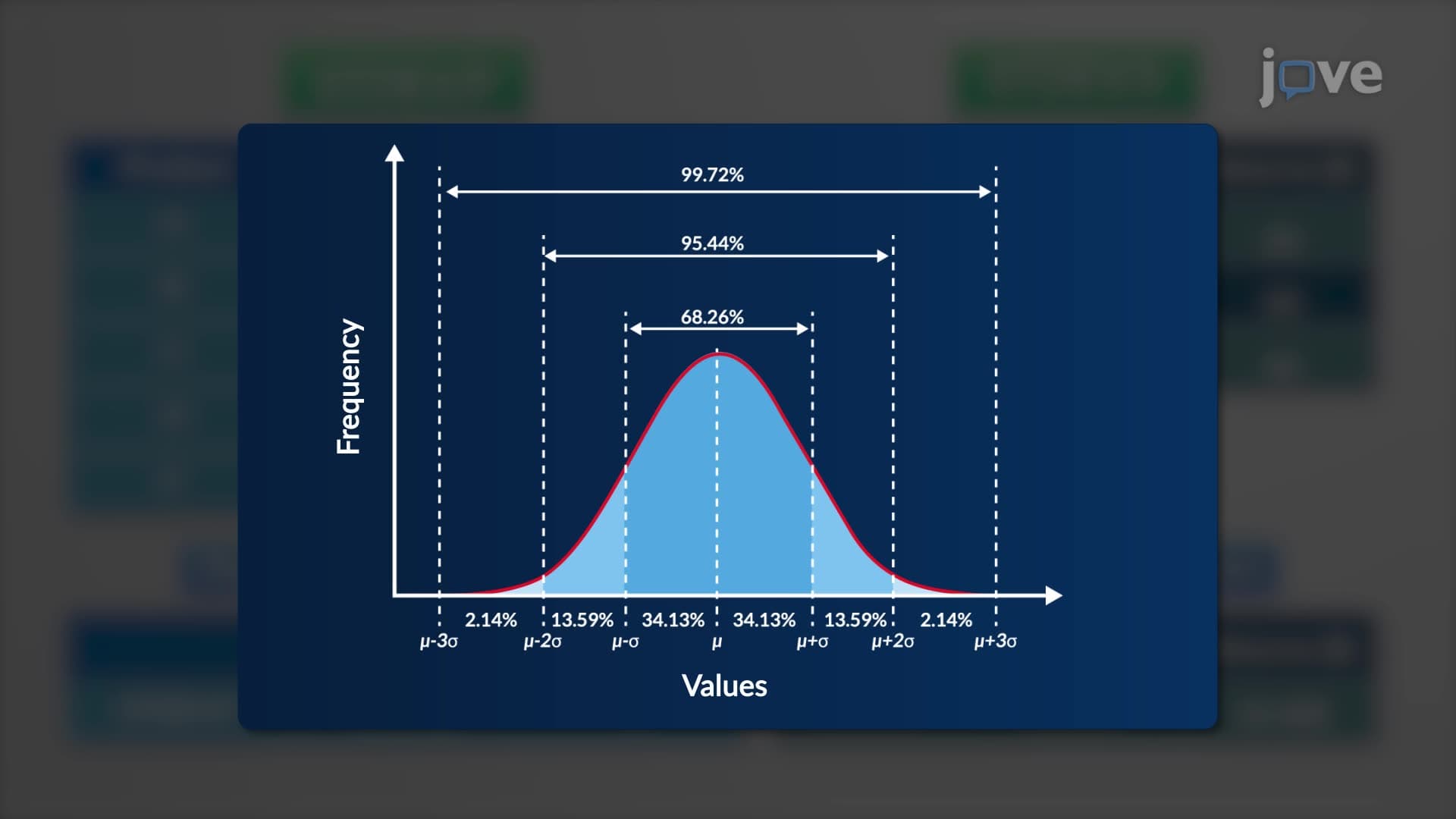
One of Statgraphics' most distinctive features lies in its sophisticated visualization capabilities, including enhanced contour plots and comprehensive control charts. These tools prove essential for Six Sigma initiatives, where visual representation of process variation helps identify improvement opportunities. Manufacturing companies like Boeing and Caterpillar rely on these visualization features for statistical process control and quality assurance programs.
The Centurion version, specifically designed for Windows environments, combines powerful analytical capabilities with an intuitive interface that makes complex statistical procedures accessible to users with varying levels of statistical expertise. This accessibility proves particularly valuable for high school students beginning their statistics education and college students transitioning from basic math courses to advanced statistical analysis.
Statgraphics demonstrates remarkable versatility across diverse sectors of the US economy. In pharmaceutical research, companies like Johnson & Johnson use the software for clinical trial analysis and drug development quality control. The automotive industry leverages Statgraphics for reliability testing and manufacturing process optimization, while environmental researchers at institutions like the National Institute of Environmental Health Sciences employ it for analyzing complex ecological datasets and pollution monitoring studies.
Frequently Asked Questions
Statgraphics is a comprehensive statistical software suite originally developed at Princeton University that provides advanced data analysis capabilities beyond basic spreadsheet functions. Unlike simple statistical calculators, it offers sophisticated machine learning integration, advanced visualization tools, and specialized features for quality control and Six Sigma applications. The software handles both basic statistical operations for students and complex big data analytics for professional researchers and industry applications.
Statgraphics is defined as a statistical software suite that facilitates comprehensive data analysis through integrated statistics, machine learning, and quality assessment tools. It combines powerful analytical capabilities with intuitive visualization features, including enhanced contour plots and control charts. The software serves as a bridge between academic statistical theory and practical industrial applications across multiple sectors.
While AP Statistics exams don't require specific software knowledge, understanding Statgraphics concepts helps students grasp statistical process control and advanced visualization techniques often covered in exam questions. College statistics courses frequently use Statgraphics for hands-on data analysis projects, regression modeling, and research methodology assignments. Many universities include Statgraphics training in their statistics curriculum to prepare students for graduate research and professional data analysis roles.
The MCAT includes biostatistics questions where Statgraphics concepts like statistical process control and data visualization principles may appear indirectly. Graduate programs in fields like public health, psychology, and engineering often expect familiarity with professional statistical software. While specific software commands aren't tested, understanding the statistical concepts that Statgraphics facilitates strengthens performance on quantitative reasoning sections of graduate admissions exams.
Statgraphics excels at handling the complex datasets and advanced analytical procedures common in college-level statistics assignments. Its machine learning integration helps students understand predictive modeling concepts, while visualization tools make it easier to interpret and present statistical results. The software's ability to manage large datasets prepares students for real-world research scenarios they'll encounter in graduate studies and professional careers.
Major US companies like Ford, Boeing, and Pfizer use Statgraphics for quality control, process improvement, and research analysis, creating career opportunities in manufacturing, pharmaceuticals, and environmental consulting. Government agencies including the EPA employ Statgraphics for environmental monitoring and regulatory compliance analysis. Understanding this software opens doors to positions in data analysis, quality assurance, research and development, and Six Sigma consulting across diverse industries.
Statgraphics is designed to be accessible to users with high school algebra and basic statistics knowledge, making it suitable for students beginning their statistics education. The Centurion version's intuitive Windows interface helps bridge the gap between statistical theory and practical application. While advanced features require deeper statistical understanding, core functions can be learned by anyone comfortable with basic mathematical concepts and data interpretation.
Focus on understanding the underlying statistical principles rather than memorizing software commands, as exam questions typically test conceptual knowledge rather than technical procedures. Practice interpreting statistical outputs, understanding control charts, and recognizing when different analytical approaches are appropriate. Review Six Sigma methodologies and quality control concepts, as these frequently appear in both academic assessments and professional certification exams.
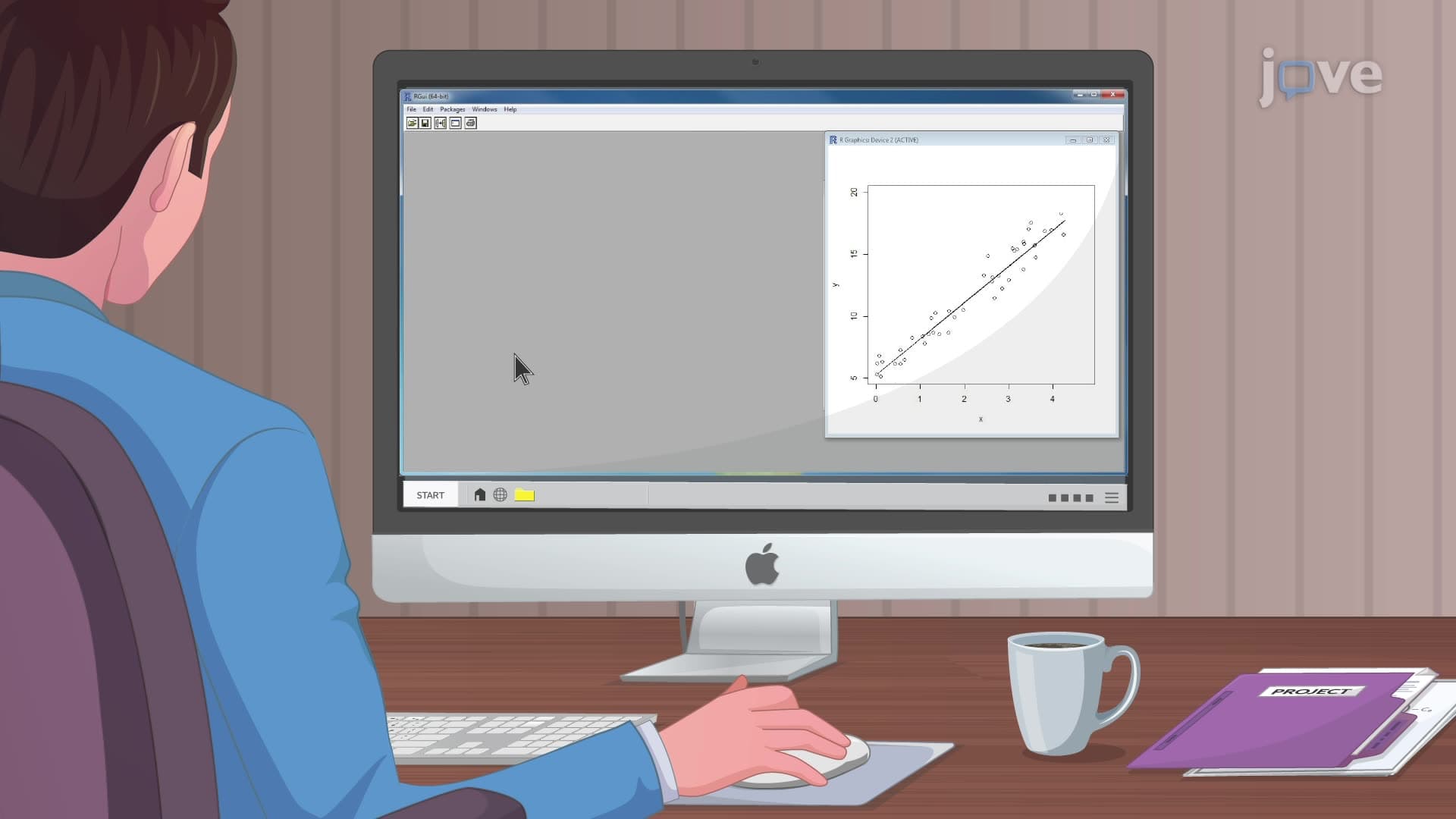
Consider advancing to multivariate statistics, advanced machine learning algorithms, and specialized applications like design of experiments (DOE) and statistical process control (SPC). Exploring related software platforms like R or Python for statistical computing can broaden your analytical toolkit. Students interested in research careers should investigate advanced topics like Bayesian statistics and time series analysis that build upon Statgraphics foundational concepts.
Related Micro-courses



Related Subjects
 Physics 33 micro-courses›
 Math Fundamentals 11 micro-courses›