Loading…
Loading video…

15,885 views

Did you know that Netflix uses statistical software to analyze viewing patterns of over 230 million subscribers worldwide? Statistical software for data analysis transforms raw numbers into meaningful insights that drive decisions in everything from medical research to business strategy. These powerful tools, including SPSS, R, and Python, help researchers at institutions like the Mayo Clinic process complex datasets and uncover patterns that might otherwise remain hidden. Understanding Statistical Software For Data Analysis Explained becomes essential for anyone pursuing careers in healthcare, business, or scientific research. Watch the full video on JoVE Coach to master this concept with expert-led visuals and step-by-step explanations.
Statistical software serves as the computational backbone of modern research, transforming raw data into actionable insights across diverse fields. These sophisticated tools range from user-friendly interfaces like SPSS to powerful programming environments like R and Python. The choice of software often depends on the complexity of analysis required, the user's technical background, and the specific research domain.
For high school students preparing for AP Statistics or college undergraduates tackling introductory biostatistics courses, understanding these tools becomes crucial for academic success and future career prospects. Statistical software bridges the gap between theoretical concepts learned in textbooks and real-world data analysis challenges faced by professionals.
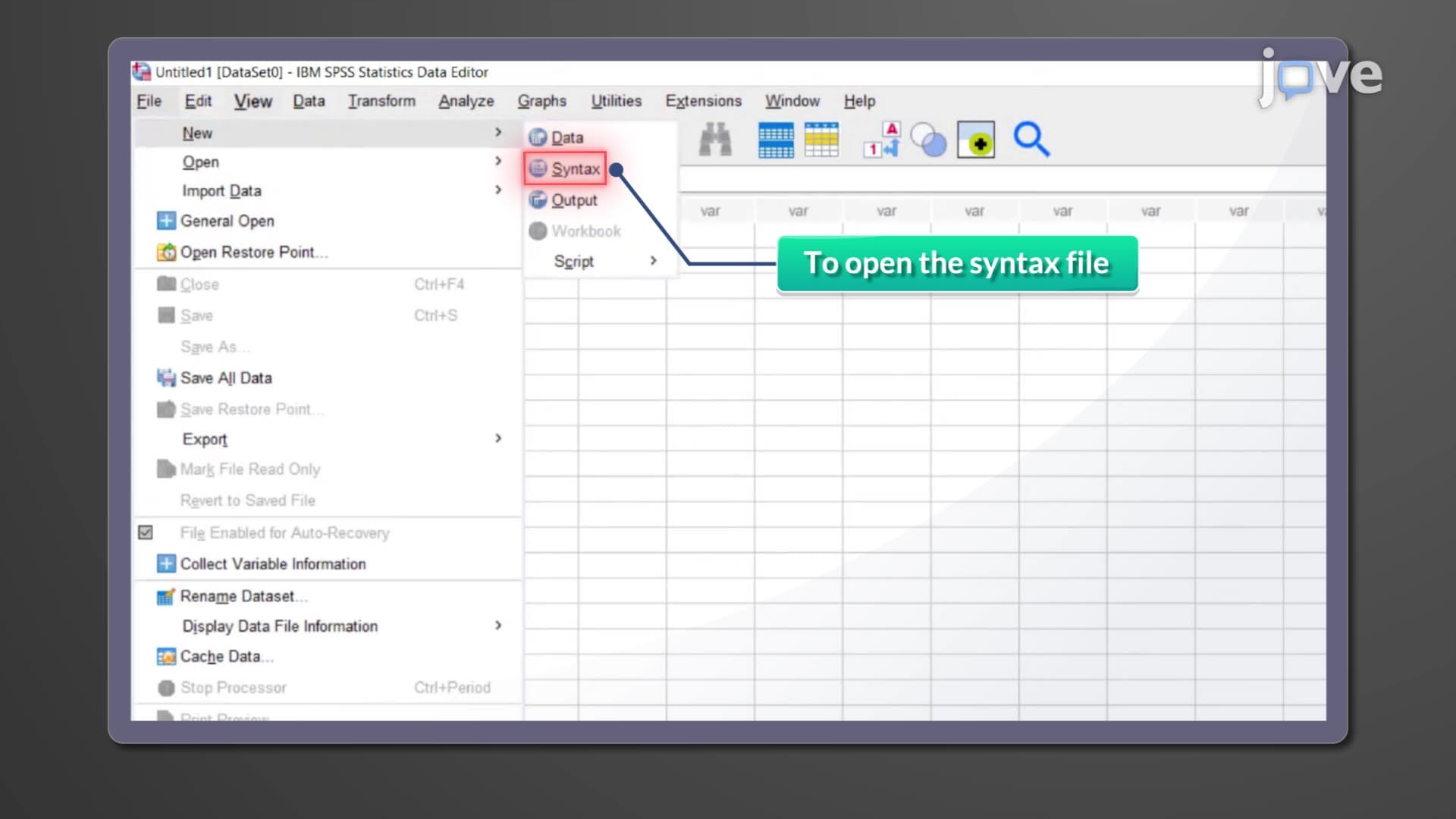
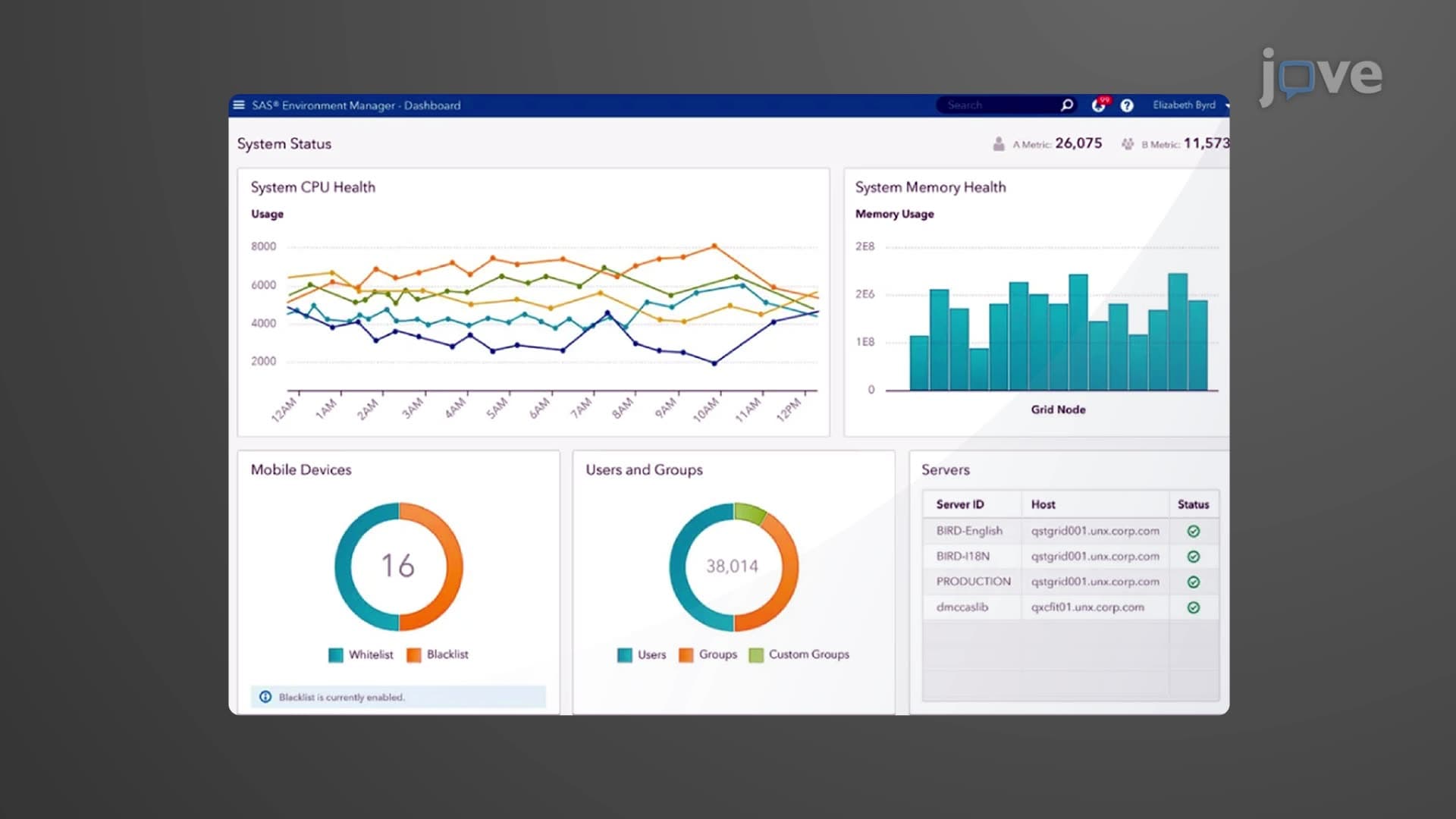
Commercial Software Packages dominate many institutional settings. SPSS (Statistical Package for the Social Sciences) remains popular in psychology and social science departments across US universities due to its intuitive point-and-click interface. Students can perform complex analyses like ANOVA or regression without extensive programming knowledge. SAS, widely used by pharmaceutical companies for FDA submissions, excels in handling large clinical trial datasets with stringent regulatory requirements.
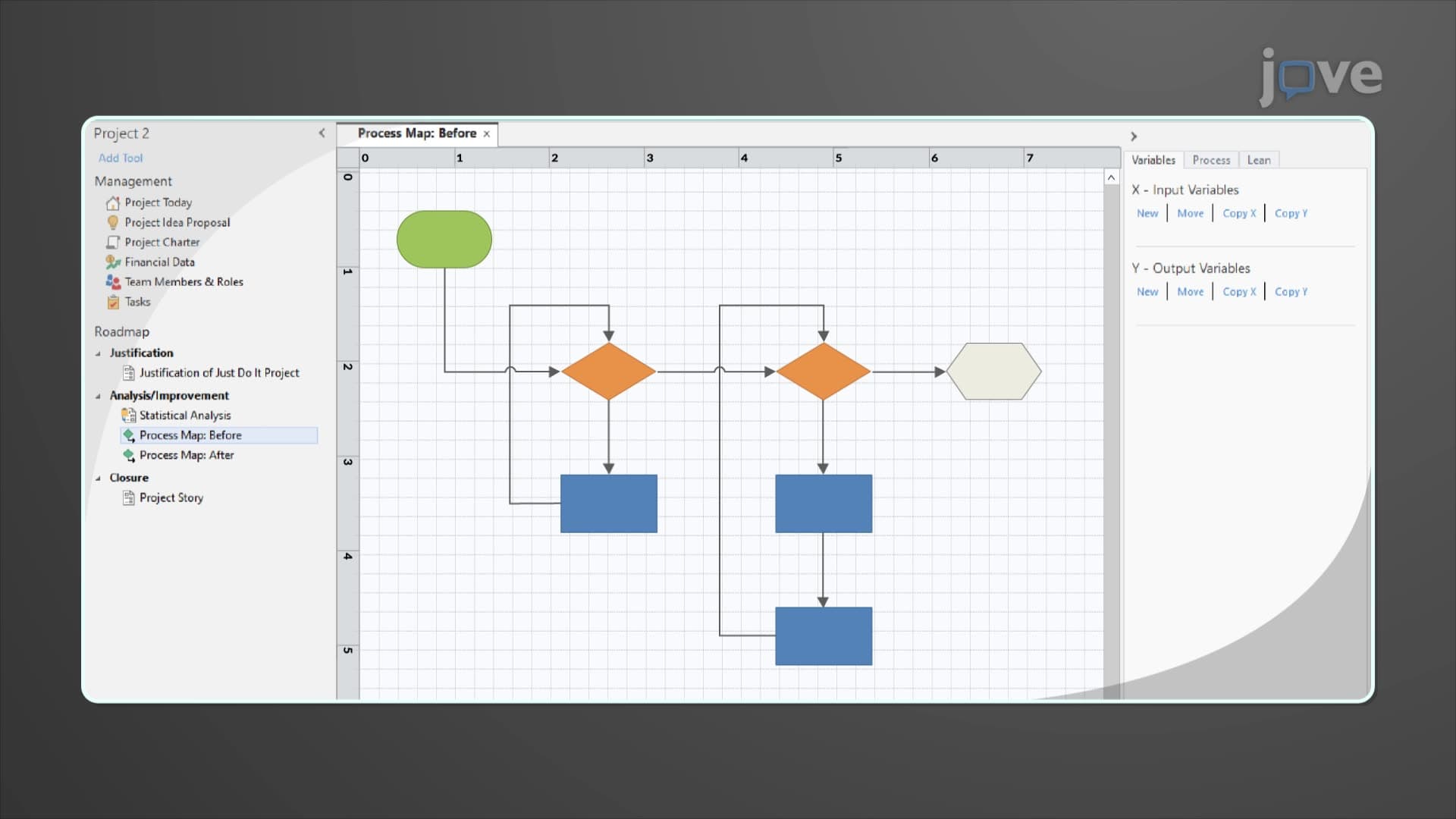
Minitab finds extensive use in quality control and Six Sigma applications in manufacturing, while GraphPad Prism serves as the preferred choice for laboratory researchers analyzing experimental data. These commercial solutions offer comprehensive support, regular updates, and extensive documentation—critical factors for institutional adoption.
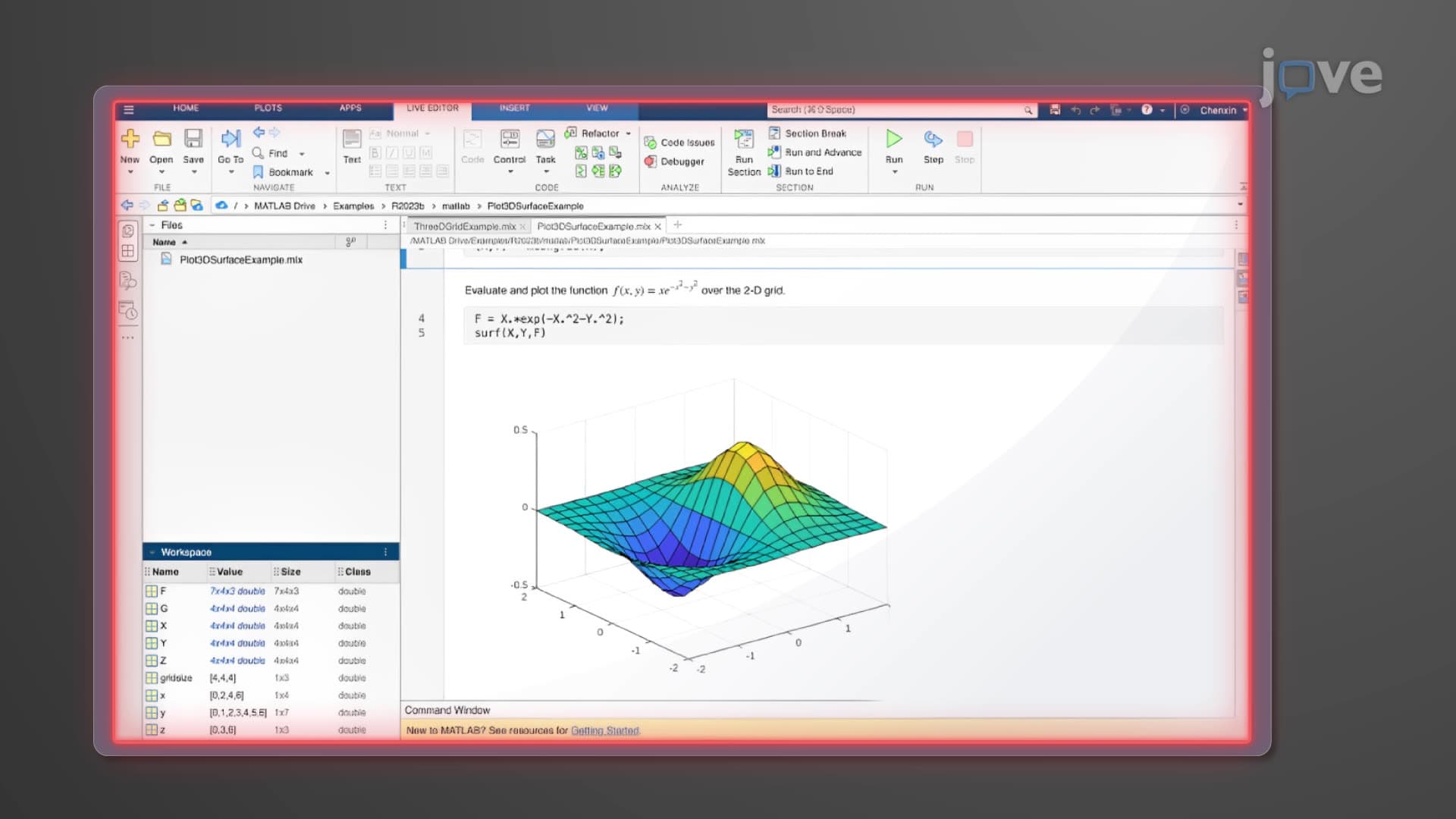
Open-Source Alternatives have gained tremendous traction in academic and research settings. R, developed specifically for statistical computing, offers unparalleled flexibility through thousands of specialized packages. Python, while originally a general-purpose programming language, has become increasingly popular for data science applications through libraries like pandas, NumPy, and scikit-learn.
Public health professionals rely heavily on CDC's Epi Info for epidemiological investigations, particularly during disease outbreak responses. This free software package enables field epidemiologists to quickly analyze case-control studies and cohort data during health emergencies.
In economics and social sciences, Stata dominates due to its robust panel data capabilities and econometric functions. Many graduate programs in economics at institutions like Harvard and Stanford incorporate Stata training as part of their curriculum requirements.
Clinical research presents unique challenges requiring software capable of handling complex study designs, missing data, and regulatory compliance. SAS Clinical Standards Toolkit helps pharmaceutical companies maintain FDA submission standards, while specialized modules handle survival analysis and clinical trial reporting.
Students preparing for standardized tests like the MCAT or pursuing pre-health tracks should familiarize themselves with basic statistical concepts regardless of software choice. The underlying principles remain consistent whether performing t-tests in Excel or conducting multivariate analysis in R.
For college coursework, many introductory statistics classes begin with Excel or Minitab before progressing to more sophisticated tools. Graduate-level courses in biostatistics, epidemiology, or data science typically require proficiency in R or Python, making early exposure valuable for academic progression.
Frequently Asked Questions
Statistical software for data analysis encompasses computer programs designed to collect, organize, analyze, and interpret numerical data systematically. These tools are essential because they enable researchers to process large datasets accurately, perform complex calculations that would be impossible by hand, and generate reliable statistical results that form the foundation of evidence-based decisions in fields ranging from medicine to business analytics.
Excel provides an excellent starting point due to its widespread availability and intuitive interface for basic statistical functions. However, learning R or Python early offers significant advantages for college coursework and career prospects, as these programming languages are increasingly required in AP Statistics, college biostatistics courses, and data science programs at major universities.
While these exams don't require specific software proficiency, understanding statistical concepts through hands-on practice with software deepens comprehension of hypothesis testing, regression analysis, and data interpretation. Students who have used statistical software often demonstrate stronger conceptual understanding on MCAT's Psychological, Social, and Biological Foundations section and AP Statistics free-response questions.
SAS dominates pharmaceutical clinical trials and FDA submissions due to its regulatory compliance features and validation capabilities. Hospitals increasingly use R and Python for predictive analytics and patient outcome modeling, while epidemiologists at the CDC rely heavily on SAS, R, and the agency's own Epi Info for disease surveillance and outbreak investigations.
Modern statistical software offers multiple entry points for different skill levels. Point-and-click interfaces in SPSS, Minitab, and GraphPad Prism require minimal programming knowledge, while Excel provides familiar functionality for basic analyses. Many high school students successfully use these tools in science fair projects and AP research courses, building confidence before tackling more advanced programming languages.
Combine theoretical learning with hands-on practice using real datasets relevant to your field of interest. Work through guided tutorials, replicate published study analyses, and practice interpreting output rather than just generating it. Many successful students create a portfolio of analyses demonstrating different statistical techniques, which proves valuable for college applications and internship opportunities.
Focus on machine learning applications through Python's scikit-learn library, advanced biostatistics using R's survival analysis packages, or specialized areas like econometrics with Stata. Consider exploring big data tools like SQL databases and cloud computing platforms, as these skills are increasingly valuable in graduate programs and professional settings across multiple industries.
Consider your long-term goals, budget constraints, and institutional requirements. R and Python offer powerful free alternatives with extensive community support, making them ideal for students and researchers. Commercial software like SPSS and SAS provide comprehensive support and standardized procedures preferred by many institutions, but often require significant licensing investments that may limit accessibility for individual learners.
Related Micro-courses



Related Subjects
 Physics 33 micro-courses›
 Math Fundamentals 11 micro-courses›