Loading…
Loading video…

15,885 views

Did you know that over 40% of data scientists at Fortune 500 companies rely on the same programming language that started as a university research project? R is an open-source software environment for statistical computing and graphics that has revolutionized how researchers analyze data across fields like biostatistics, econometrics, and social sciences. From analyzing clinical trial data at the CDC to modeling economic trends at the Federal Reserve, R powers critical decision-making in American institutions. What is R becomes clear when you see its impact on modern data analysis and research methodologies. Watch the full video on JoVE Coach to master this concept with expert-led visuals and step-by-step explanations.
R represents one of the most influential developments in statistical computing over the past three decades. Named both as a tribute to its creators (Ross Ihaka and Robert Gentleman) and as a reference to the S language from Bell Telephone Laboratories, R has evolved from an academic project into the backbone of data analysis across numerous industries and research institutions.
The R definition encompasses several critical components that distinguish it from other statistical software. At its foundation, R provides sophisticated data structures including vectors, matrices, data frames, and lists that enable researchers to organize and manipulate complex datasets efficiently. The environment includes a comprehensive suite of mathematical operators designed specifically for statistical analysis, from basic arithmetic to advanced matrix operations.
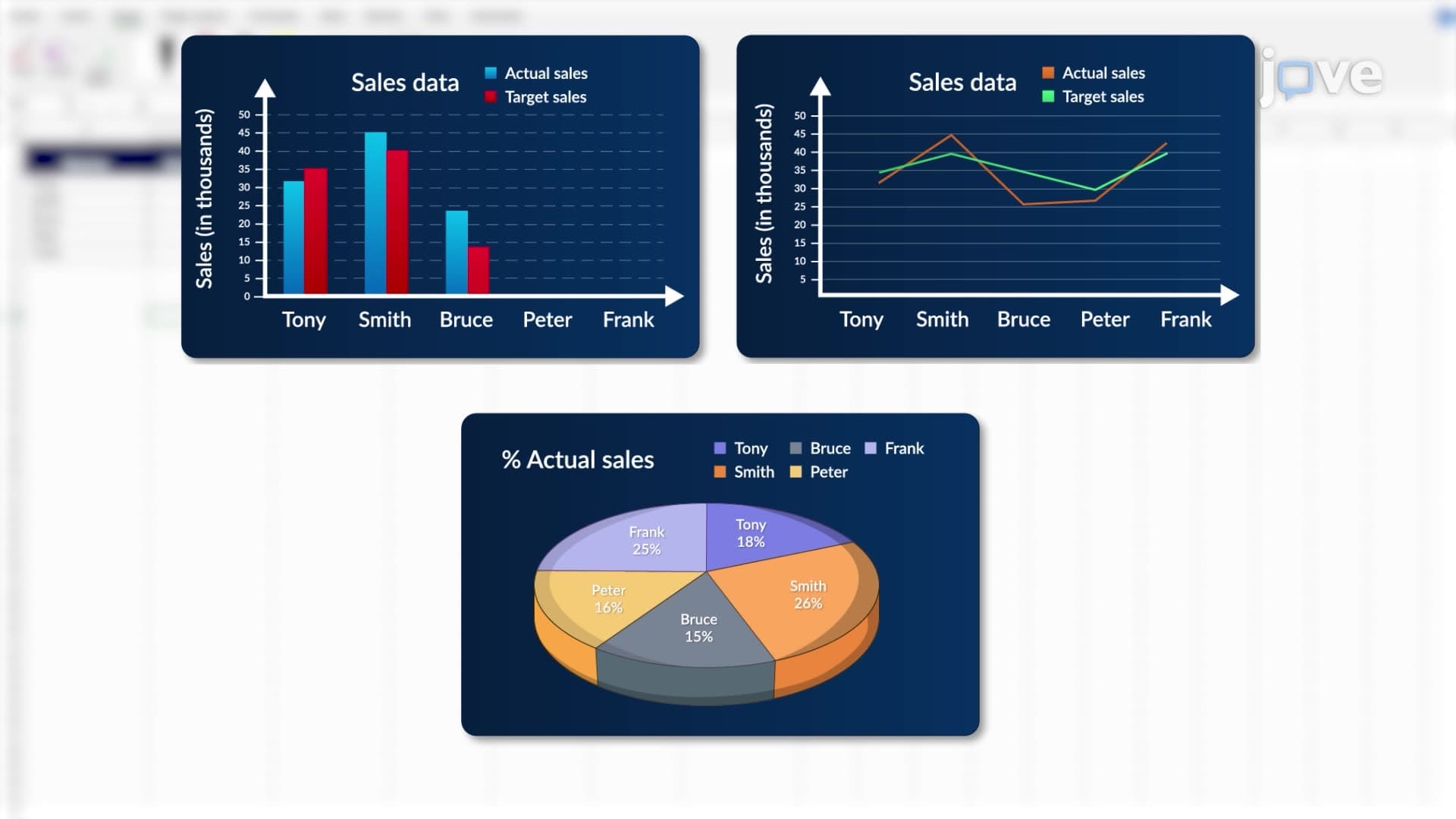
R's graphical capabilities represent another cornerstone of its functionality. Unlike many statistical packages that treat visualization as an afterthought, R integrates plotting and data visualization as fundamental components. This integration allows researchers at institutions like Johns Hopkins Bloomberg School of Public Health to create publication-ready figures directly within their analysis workflow.
What is R in detail becomes apparent when examining its open-source ecosystem. This model has fostered an unprecedented level of collaboration, with statisticians, data scientists, and researchers worldwide contributing packages that extend R's capabilities. The Comprehensive R Archive Network (CRAN) hosts thousands of specialized packages covering everything from genomic analysis to financial modeling.
This community-driven development means that cutting-edge statistical techniques often appear in R before being implemented in commercial software. For students preparing for advanced coursework or standardized tests like the AP Statistics exam, understanding R's role in modern statistical practice provides valuable context for theoretical concepts.
R's versatility makes it essential across diverse fields. In biostatistics, researchers use R to analyze clinical trial data and epidemiological studies. Economics departments at universities like the University of Chicago rely on R for econometric modeling and policy analysis. Social scientists employ R for survey analysis and behavioral research.
For students, R skills prove invaluable in college statistics courses, research projects, and eventual career paths. Many undergraduate programs now incorporate R training into their curriculum, recognizing its importance in preparing students for graduate study and professional work in data-driven fields.
While R offers tremendous capabilities, students should understand its learning curve differs significantly from point-and-click statistical software. The command-line interface requires users to write code, which initially challenges students accustomed to graphical interfaces. Additionally, R's memory management can become problematic with extremely large datasets, though this limitation rarely affects typical academic applications.
Frequently Asked Questions
R is an open-source programming language and software environment designed specifically for statistical computing and data analysis. It's important because it's widely used in academia, research institutions, and industry for data analysis, making it a valuable skill for college coursework and future careers. Learning R provides students with practical experience in statistical programming that complements theoretical knowledge from statistics classes.
R enhances AP Statistics learning by allowing students to implement theoretical concepts practically through coding and data analysis. Many college statistics courses now incorporate R as a standard tool for assignments and projects. Understanding R helps students verify calculations, create professional visualizations, and conduct more sophisticated analyses than possible with basic calculators or spreadsheet software.
While standardized tests like the MCAT don't directly test R programming, the statistical thinking and data analysis skills developed through R use are valuable for exam preparation. Graduate programs in fields like public health, psychology, and economics often expect incoming students to have R experience, making it beneficial for long-term academic planning.
R is extensively used across American institutions including pharmaceutical companies for drug development analysis, financial firms like Goldman Sachs for risk modeling, government agencies like the Census Bureau for demographic analysis, and academic medical centers for clinical research. Tech companies including Google and Facebook use R for data science and statistical modeling projects.
R has a learning curve, but high school students can successfully master it with proper guidance and practice. The key is starting with basic concepts and gradually building complexity. Many online resources and textbooks are specifically designed for beginners, and the statistical focus makes R more approachable than general programming languages for students interested in math and science.
The most effective approach combines hands-on practice with real datasets, regular coding exercises, and connecting R functions to statistical concepts learned in class. Start with simple data manipulation tasks, practice creating basic plots, and gradually work toward more complex analyses. Joining online R communities and working through structured tutorials helps reinforce learning and provides support when encountering challenges.
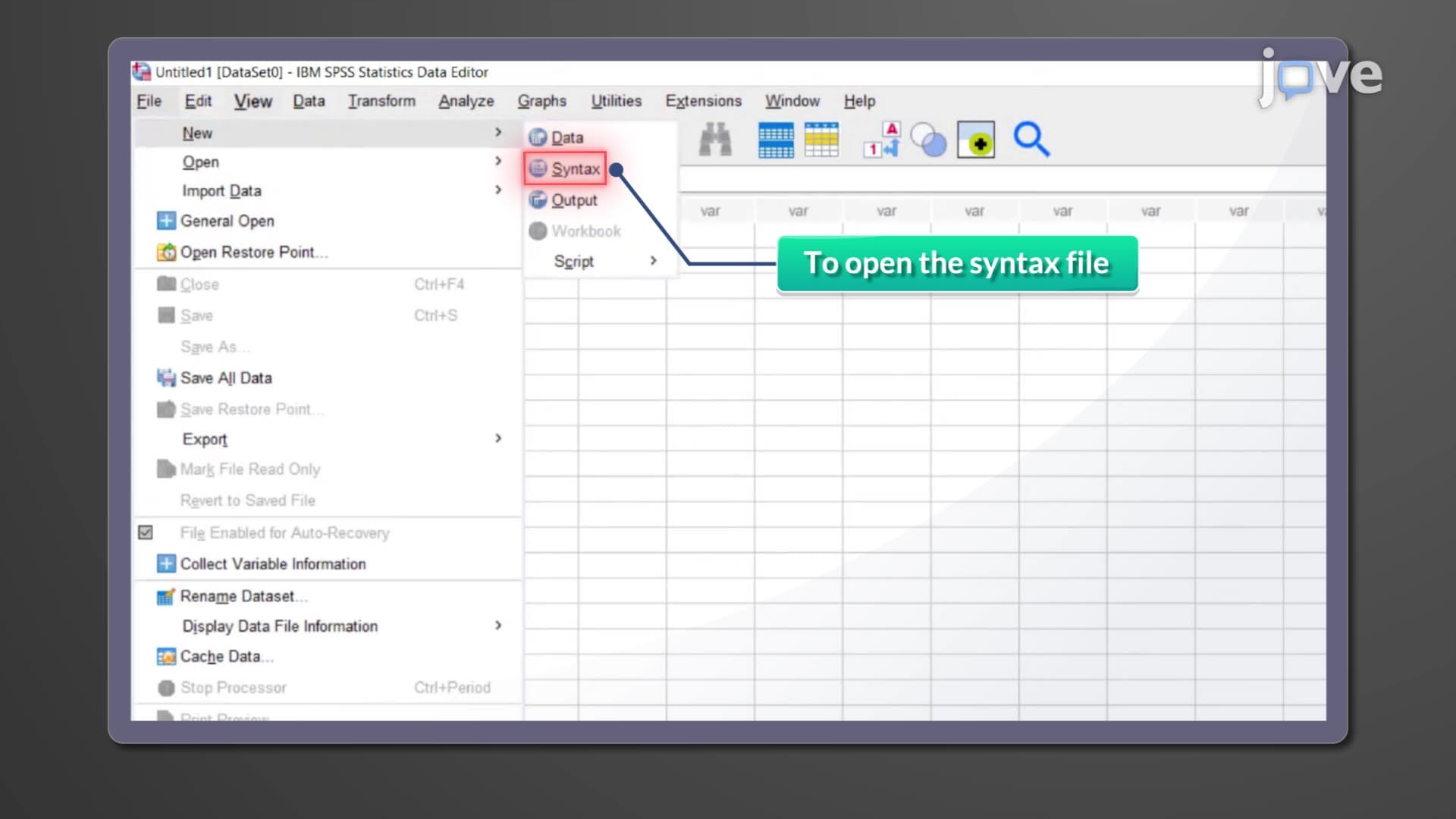
R offers greater flexibility and more advanced statistical capabilities than Excel, while being more transparent and reproducible than point-and-click software like SPSS. Unlike commercial software, R is free and available to all students. The coding approach in R also teaches valuable programming concepts and creates more detailed documentation of analysis steps, which is beneficial for academic integrity and future reference.
After learning R basics, students can explore specialized packages for their areas of interest, such as ggplot2 for advanced data visualization, dplyr for data manipulation, or specific field-related packages like bioconductor for biological data analysis. Advanced topics include machine learning with R, creating interactive web applications with Shiny, and integrating R with other programming languages like Python.
Related Micro-courses



Related Subjects
 Physics 33 micro-courses›
 Math Fundamentals 11 micro-courses›