Loading video…

 16 Concepts
 3.5K views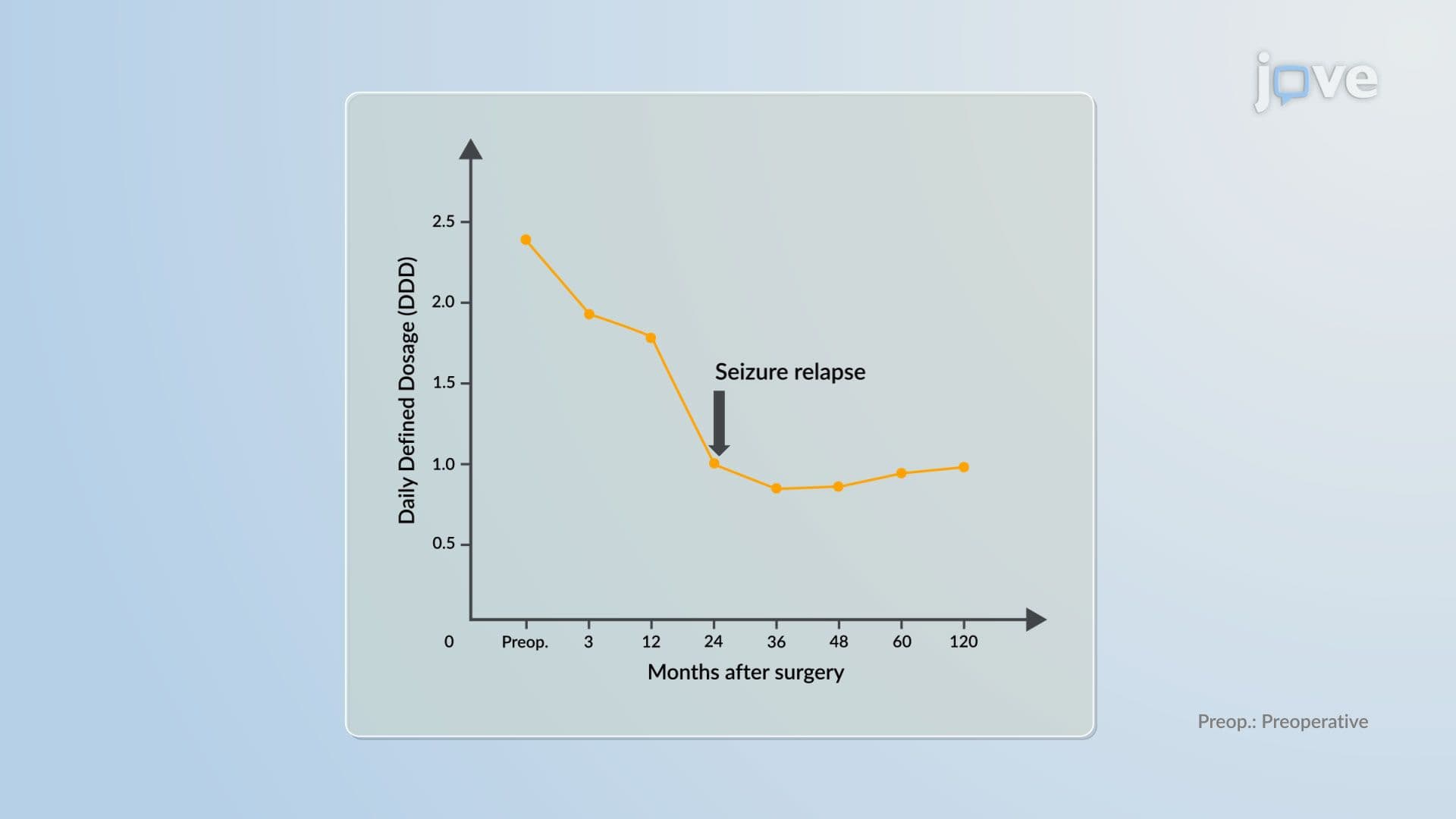

Video Summary: Different Types of Pharmacodynamic Responses
Different types of pharmacodynamic responses sit at the core of understanding how drugs produce measurable effects in the body, knowledge critical for professionals making evidence-based decisions in clinical or regulatory settings. Grasping these response categories sharpens how you interpret drug efficacy data, evaluate outcomes, and communicate findings across teams. Watch the full video on JoVE Coach to master this concept with expert-led visuals and step-by-step explanations.
Picture this: your team is reviewing a drug development report and two colleagues are arguing about whether a particular outcome should be treated as a continuous variable or a categorical one. The discussion stalls, the timeline slips, and no one is confident enough to make the call. This is exactly the kind of friction that understanding pharmacodynamic response types eliminates. When your team shares a common framework for classifying drug effects, decisions move faster and with greater accuracy.
The challenge isn't intelligence, it's vocabulary misalignment. Pharmacodynamic responses span three distinct categories, and teams that conflate them introduce systematic errors into their models and reports. A continuous response, like a blood pressure reading, requires different statistical handling than a binary outcome, did the drug work or not? Ordinal responses, which capture graded changes such as monthly seizure frequency, occupy a middle ground that demands its own analytical approach. Without a shared classification framework, cross-functional teams, including clinicians, statisticians, and regulatory leads, talk past each other during critical review cycles.
Think of pharmacodynamic response classification as a decision tree your team runs before any analysis begins. Start with this three-question filter:
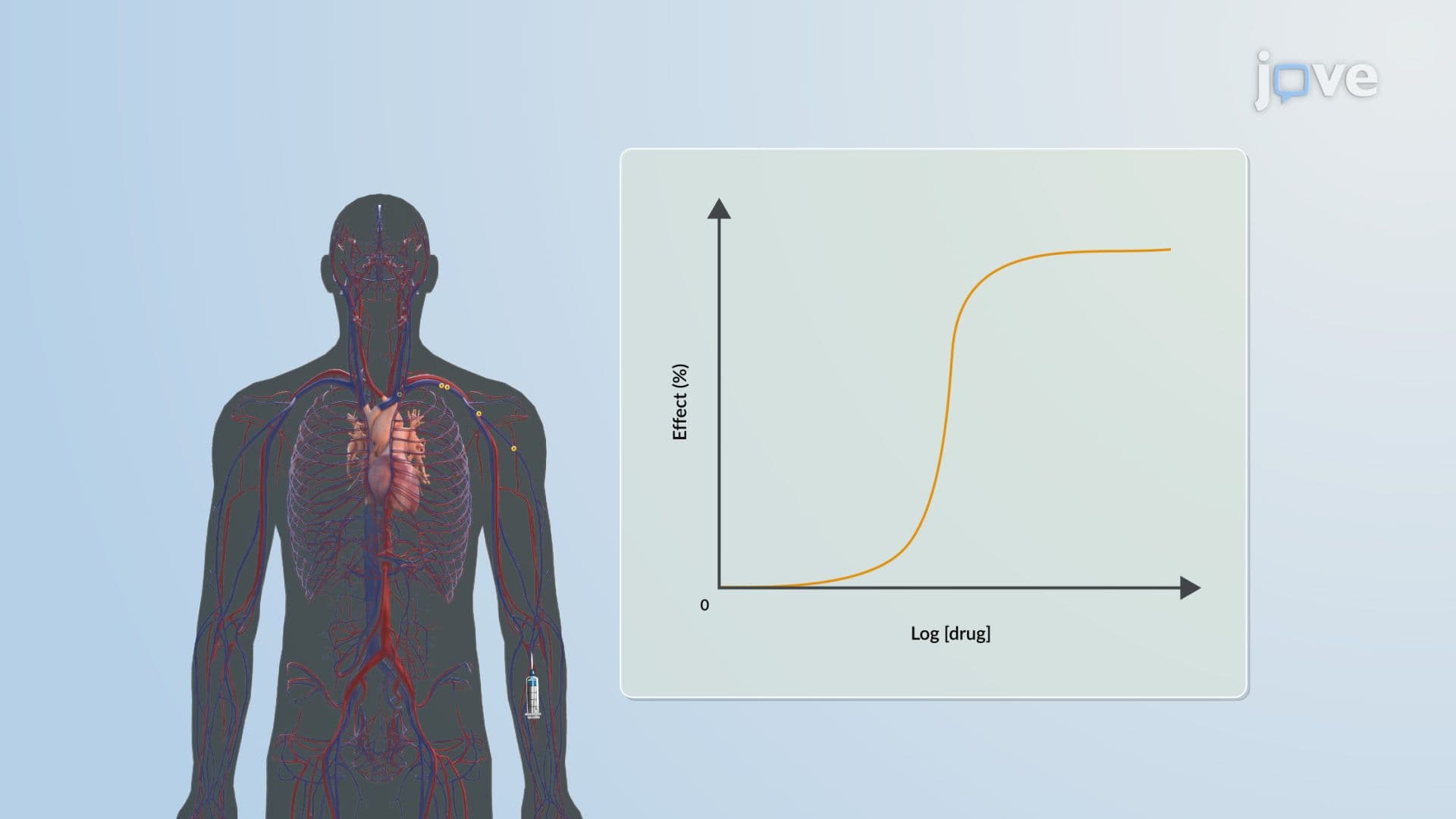
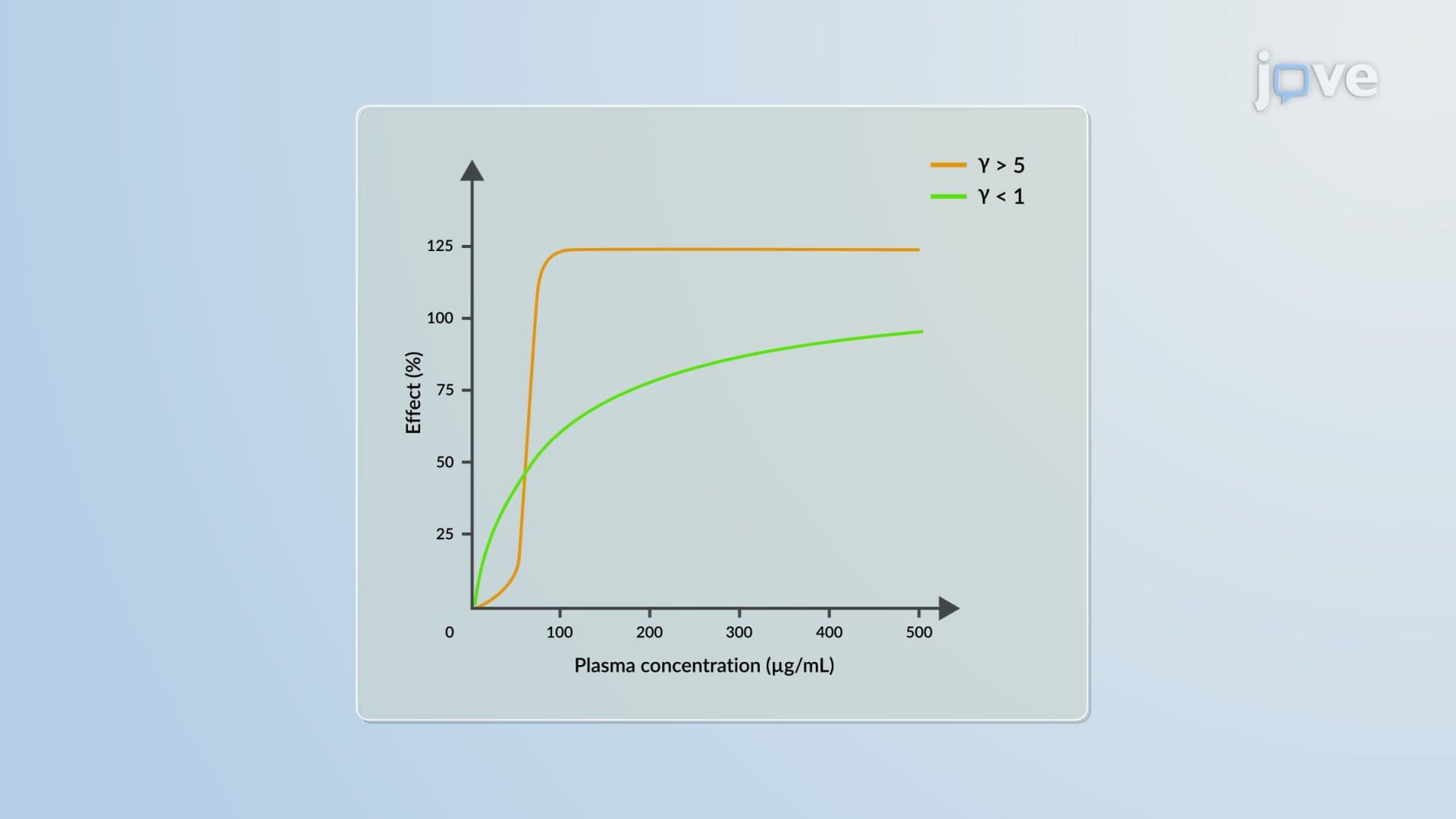
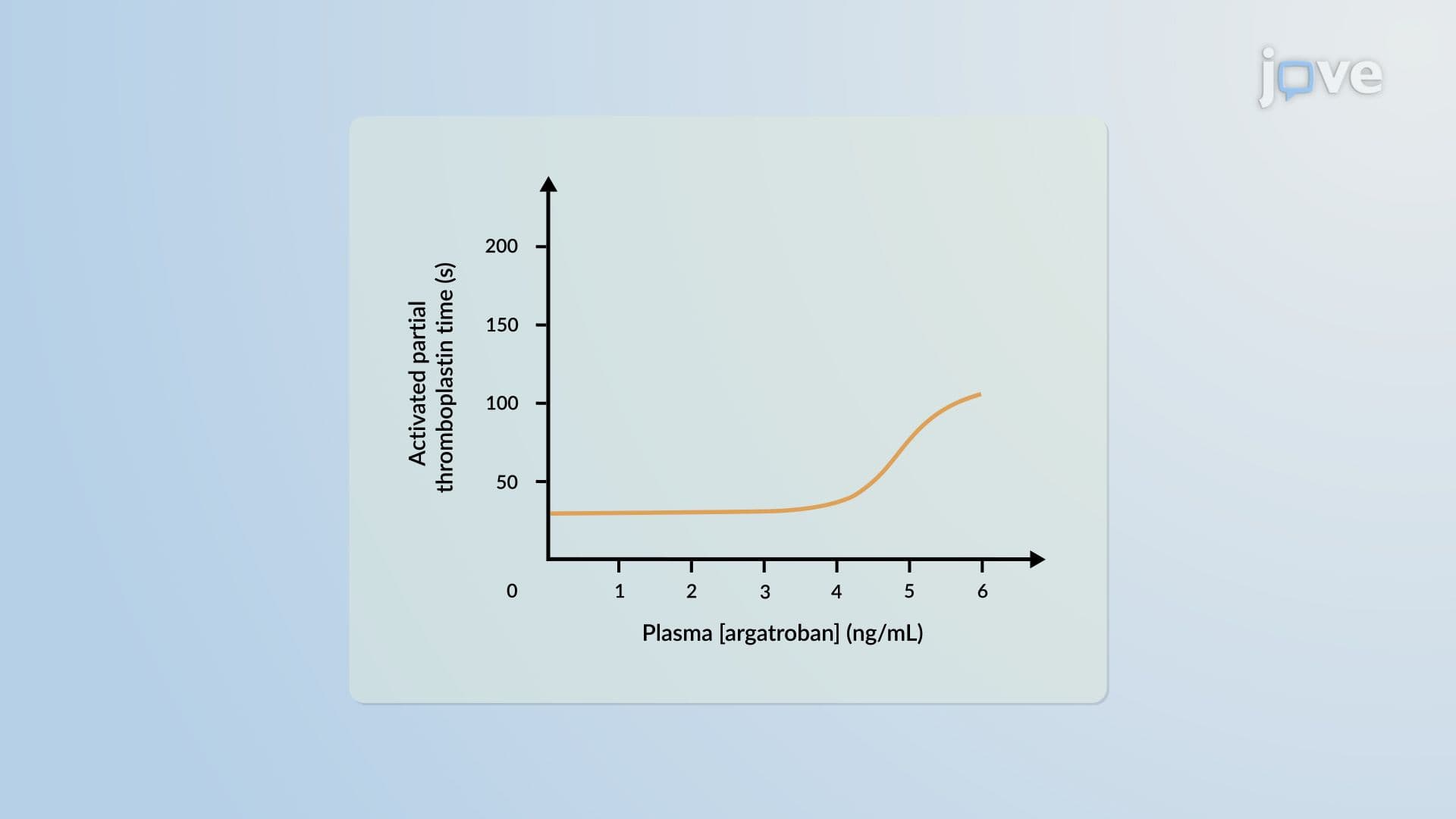
1. Is the outcome measured on a continuous numerical scale? If yes, blood pressure, plasma glucose, lung function, treat it as a continuous response. Your team should be benchmarking against a defined therapeutic window and using tools like the Emax model to describe the relationship between drug concentration and effect. EC50, the concentration at which half the maximum effect is observed, becomes a key reference point here.
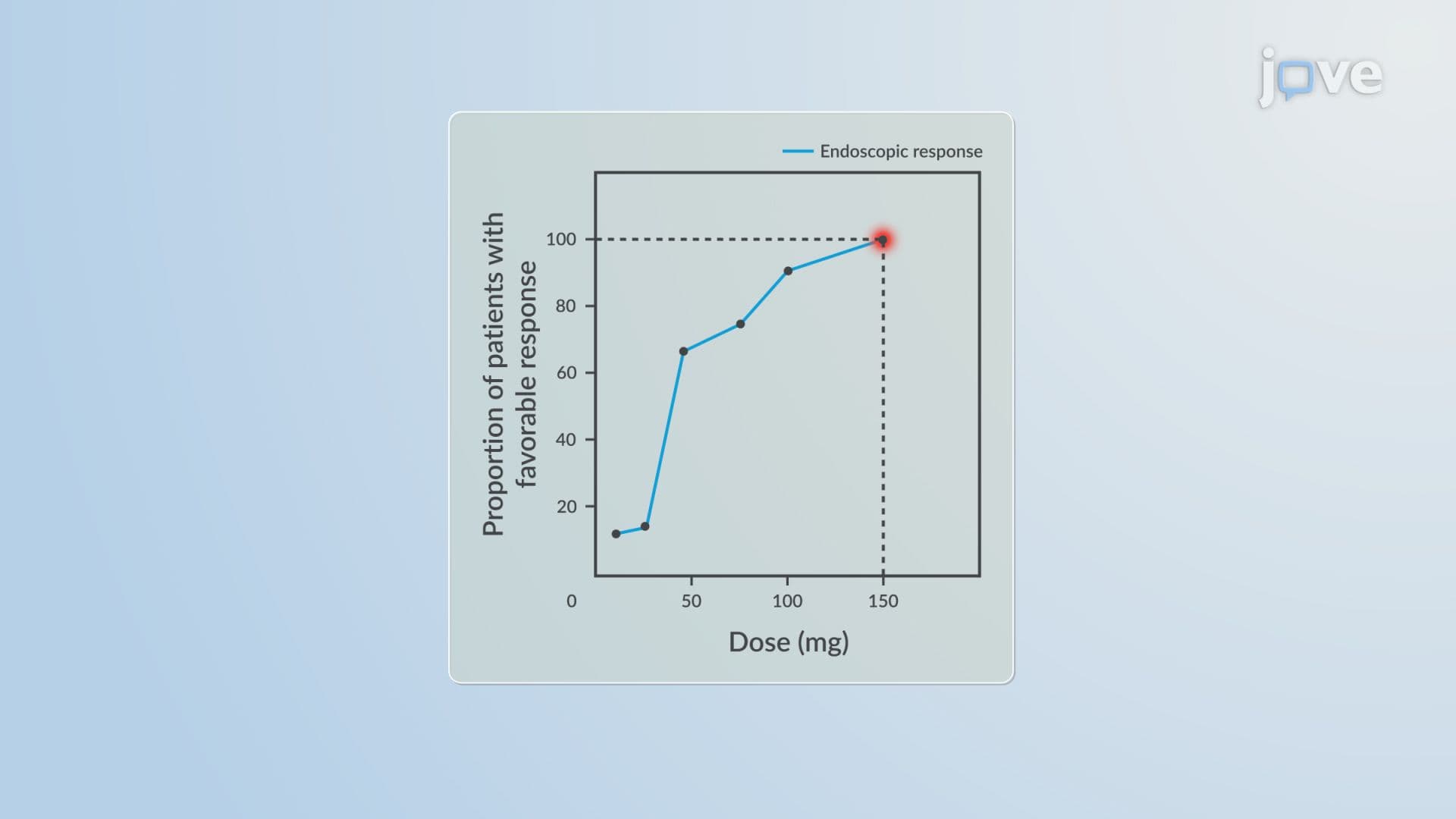
2. Is the outcome a yes/no or a ranked category? Binary outcomes, responder versus non-responder, call for logistic modeling. Ordinal outcomes with ranked gradations, such as severity scores or event frequency tiers, require ordinal regression approaches. Misclassifying an ordinal outcome as binary discards valuable information your stakeholders need.
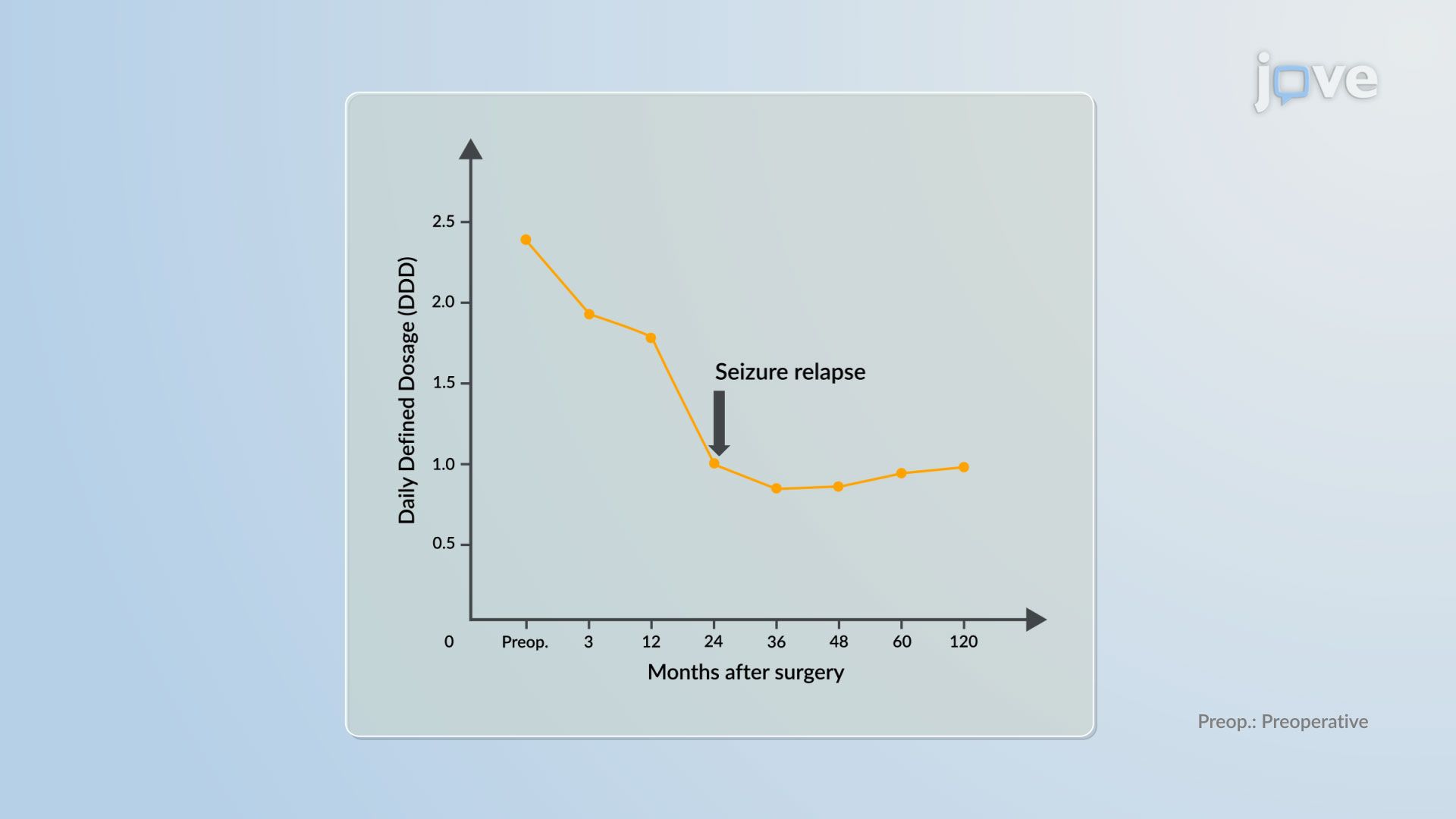
3. Does the outcome involve time until a specific event? Time-to-event data, for instance, how long after a dose reduction before a seizure recurs, introduces censoring, where not all subjects reach the endpoint within the observation window. Teams that ignore censoring produce biased estimates. Survival analysis methods exist precisely for this reason.
This three-step filter functions like a RACI for data, it assigns the right analytical responsibility to the right method before work begins, not after errors surface in review.
In practice, embed response-type classification early in project planning conversations. When scoping a new study or analysis, ask your team explicitly: *What type of outcome are we measuring, and does our analysis plan match?* This single question surfaces misalignment before it becomes costly.
For teams working on PK/PD modeling, be alert to hysteresis, the lag between peak drug concentration and peak pharmacodynamic effect. This phenomenon can make continuous response data appear inconsistent if the team hasn't accounted for the time delay between drug exposure and biological response. Building this awareness into your team's review checklist prevents misinterpretation of seemingly anomalous results.
The most frequent error is treating all measurable outcomes as continuous by default, simply because a number is attached. Seizure counts per month are not the same kind of continuous variable as a blood pressure reading, context and distribution matter. A second common mistake is underestimating the complexity of time-to-event data: teams often analyze it as if every subject reached the endpoint, which inflates apparent drug efficacy. Build in a standard review step where the analyst explicitly states the response type and justifies the choice before any modeling begins. This single habit significantly reduces revision cycles and strengthens the credibility of your team's outputs.
Related Micro-courses