Loading subject page…


3,494 views


Video Summary: Linear Concentration Effect Model in Pharmacodynamic Models
The linear concentration-effect model in pharmacodynamic models is a foundational concept for professionals evaluating how drug concentrations drive measurable biological responses. Understanding linear concentration-effect model in pharmacodynamic models basics helps teams working in drug development and regulatory science build accurate, defensible dose-response assessments. Grasping where linear assumptions hold, and where they break down, sharpens decision-making across clinical and regulatory workflows. Watch the full video on JoVE Coach to master this concept with expert-led visuals and step-by-step explanations.
Imagine your team is preparing a regulatory package for a new compound. A senior scientist flags that the dose-response data looks "roughly proportional" at lower concentrations and suggests applying a linear model for the QT analysis. Half the team nods. The other half isn't sure when that assumption holds or when it creates downstream risk. This is precisely the moment where a working command of the linear concentration-effect model stops being academic and starts being operationally critical.
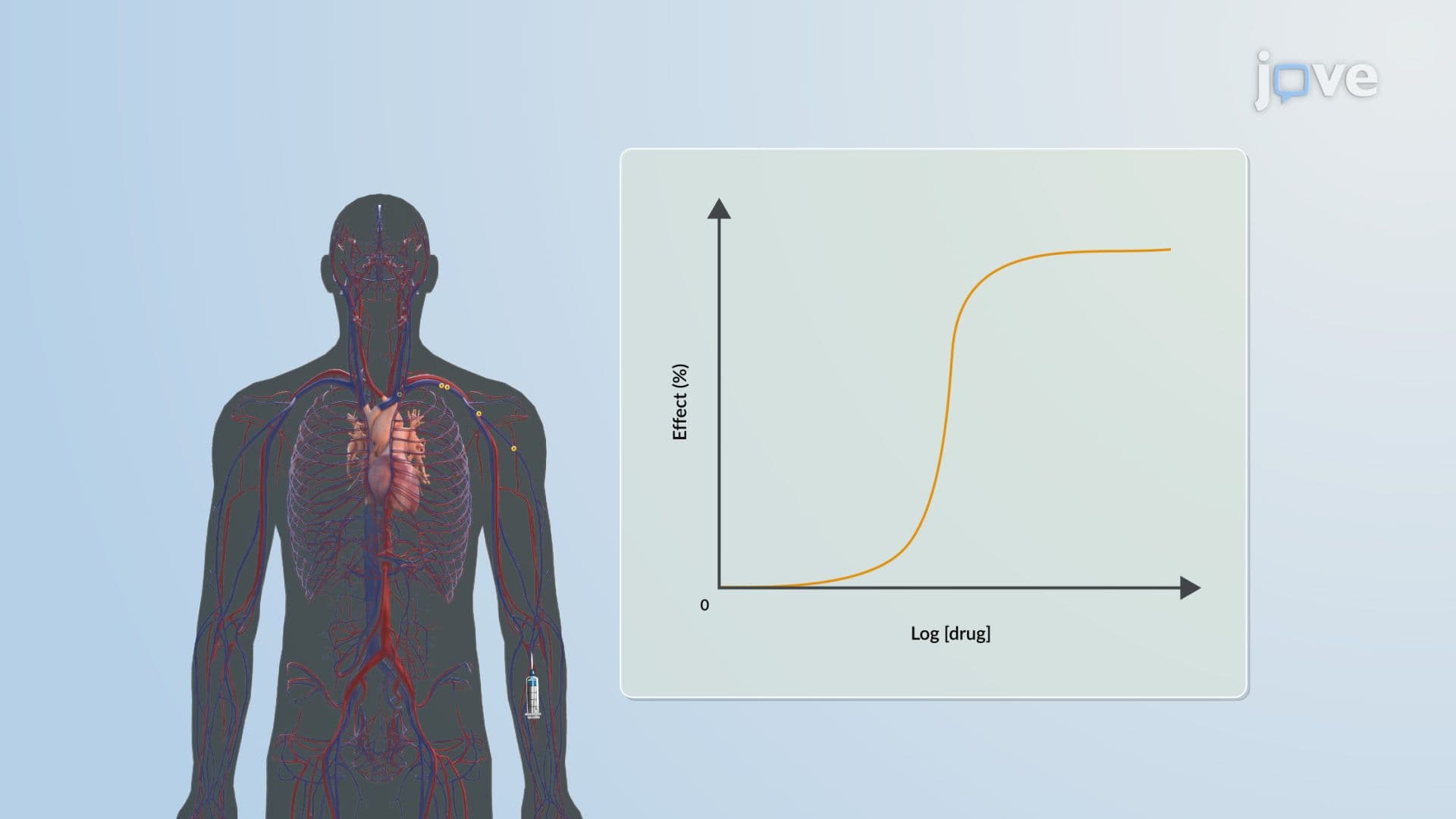
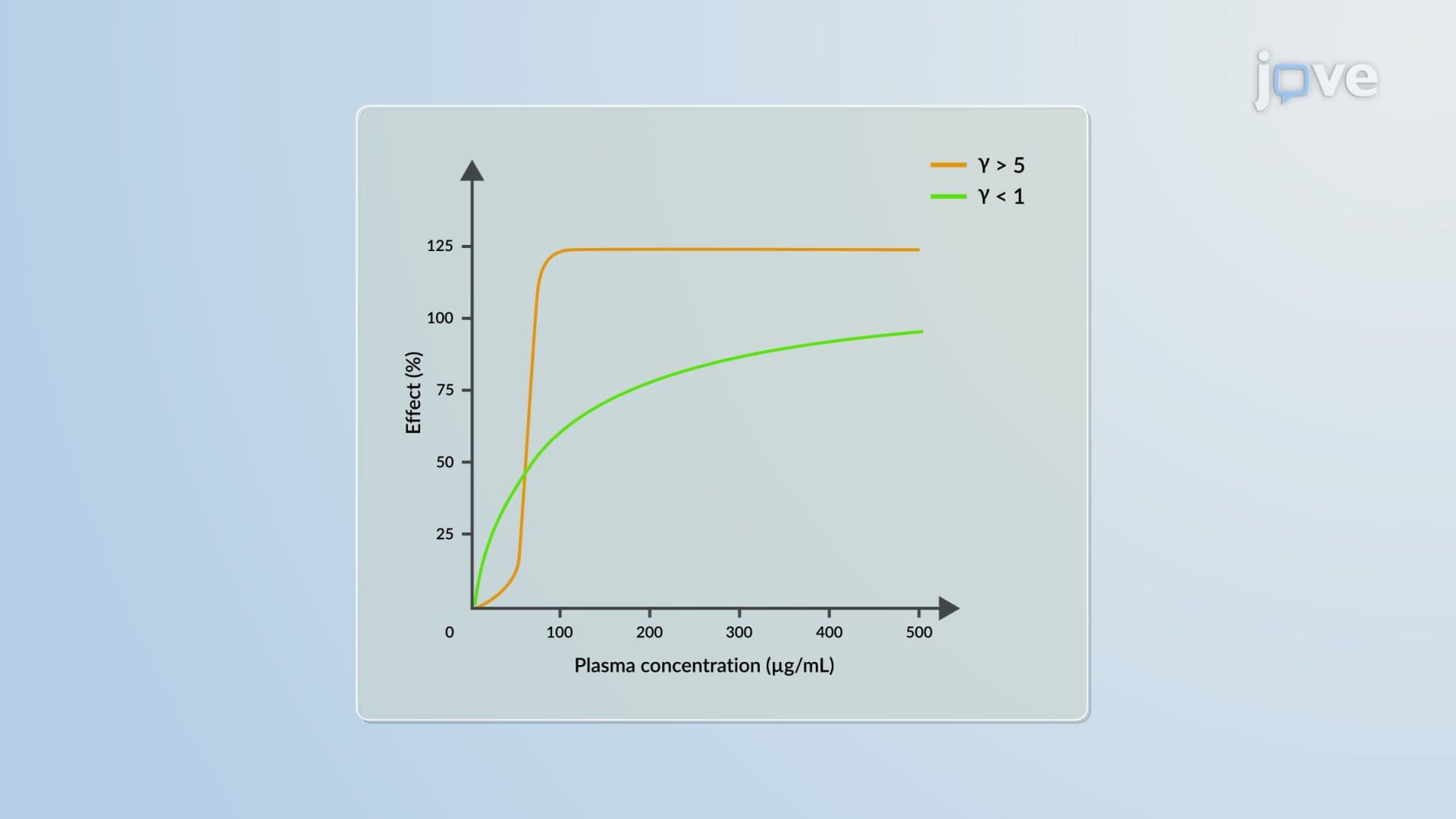
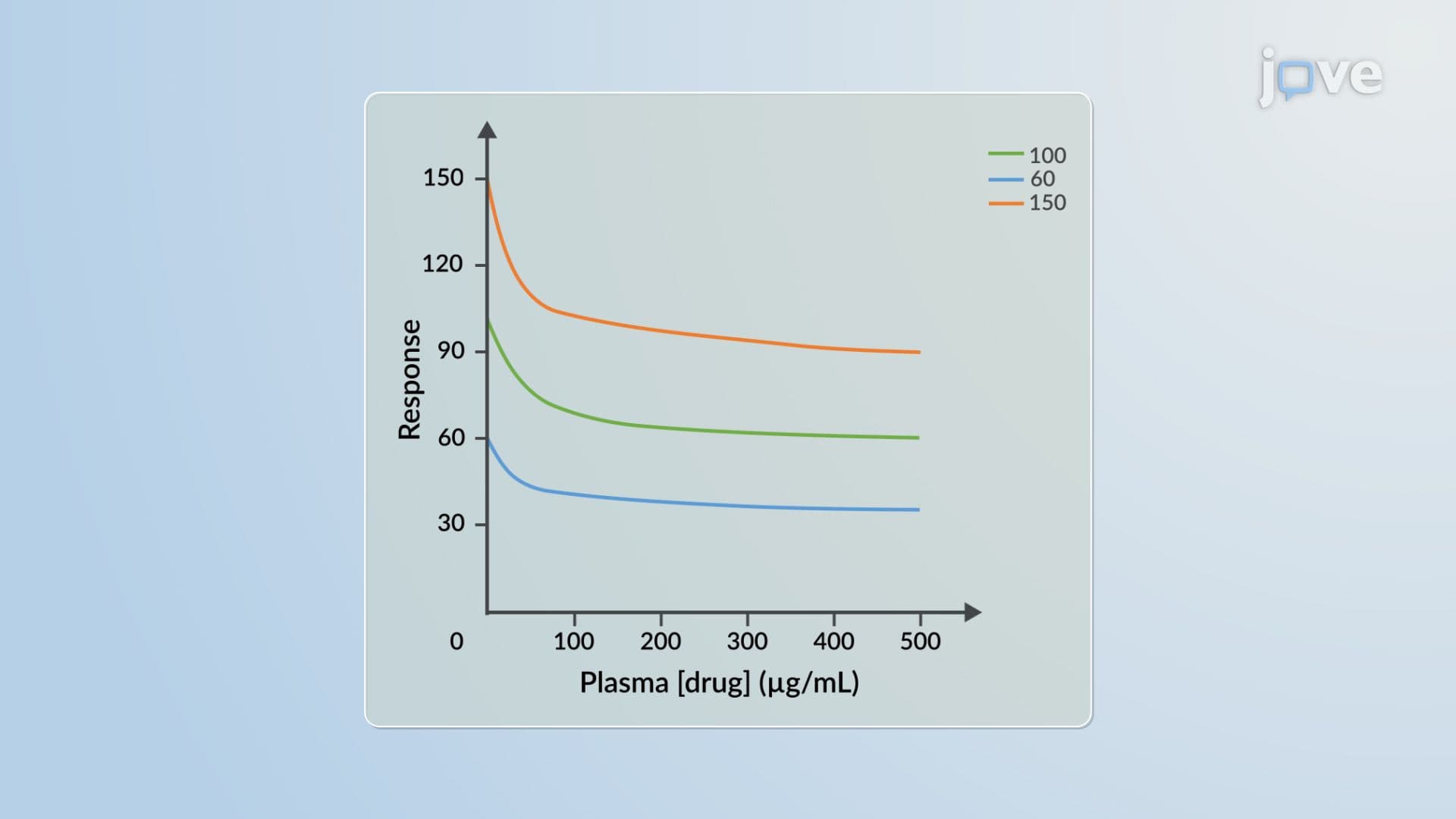
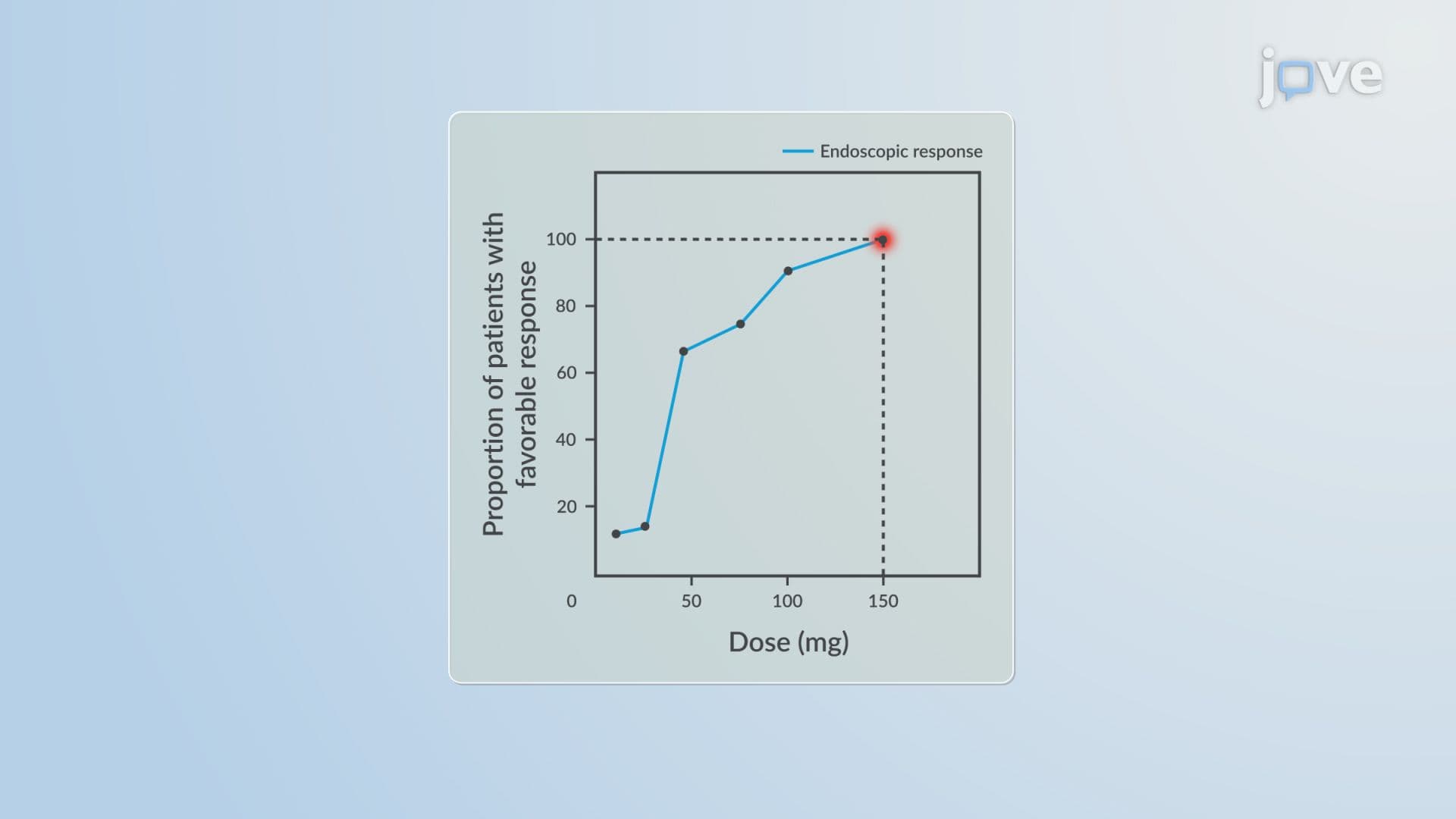
The core tension in PK/PD modeling is knowing when simplification serves you and when it misleads you. The linear concentration-effect model assumes that pharmacological effect (E) rises in direct proportion to plasma drug concentration (Cp). In practice, that relationship holds reasonably well at concentrations below EC50, the concentration at which 50% of the maximum effect is achieved. Above EC50, the curve begins to flatten toward Emax, making a linear assumption increasingly unreliable.
Teams often default to linear models out of convenience, without explicitly testing whether the concentration range in their dataset justifies that choice. This creates blind spots in efficacy projections and, more critically, in safety assessments. Without clarity on these boundaries, cross-functional discussions between pharmacology, biostatistics, and regulatory affairs can quickly become misaligned.
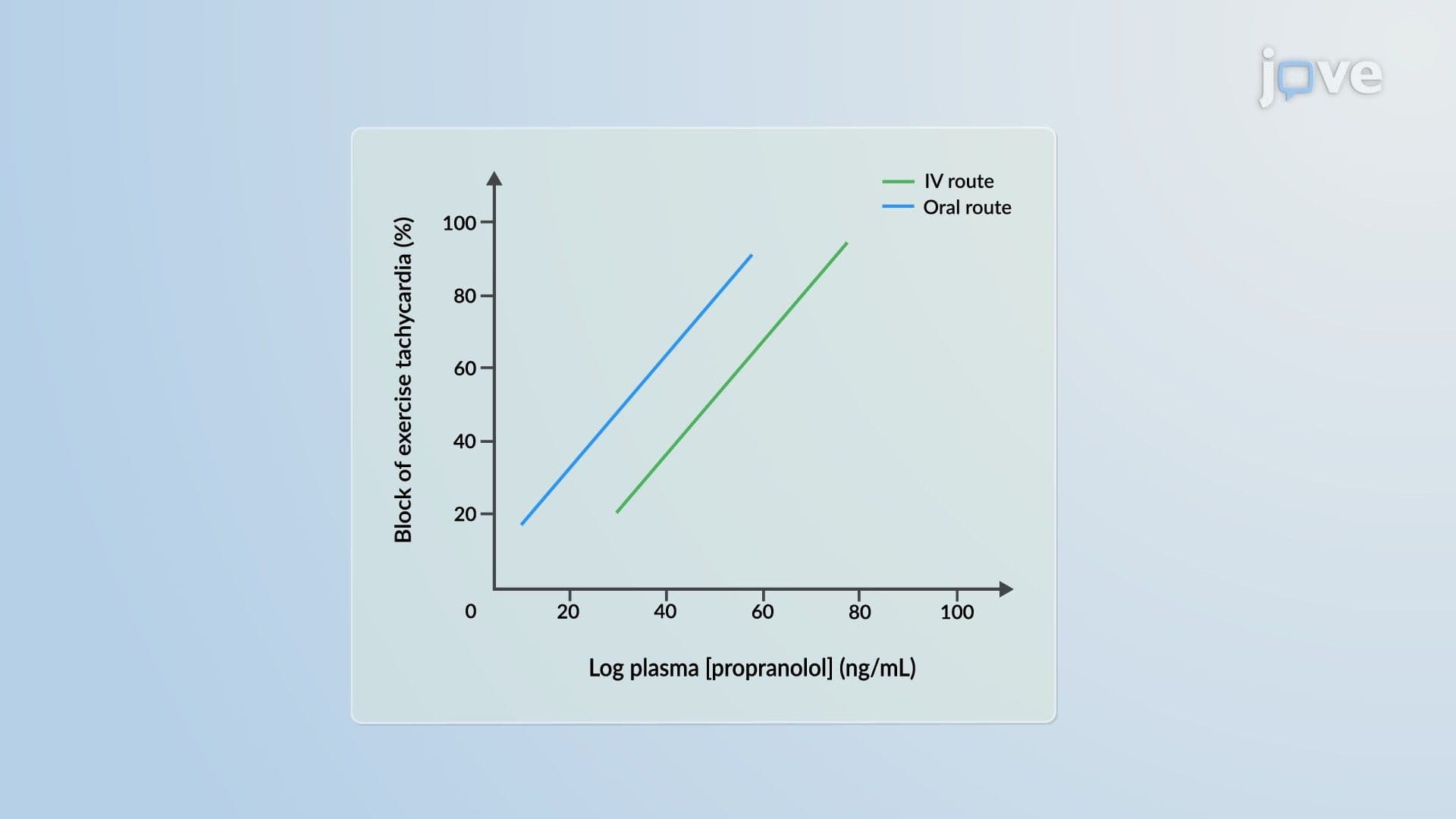
The most defensible use of the linear concentration-effect model in applied settings is its role in cardiac safety evaluation, specifically, the concentration-QTc relationship. Regulatory agencies, including the FDA, require systematic evaluation of a drug's proarrhythmic potential. The linear model is validated here because the relationship between plasma drug concentration and QTc interval prolongation has been empirically demonstrated to be approximately linear within clinically relevant concentration ranges.
Moxifloxacin serves as the established positive control in thorough QT studies precisely because its concentration-QTc relationship follows a predictable linear pattern. When your team uses this as an internal benchmark, asking "does our compound's response pattern resemble this well-characterized linear signal?", you introduce a concrete, regulatory-accepted reference point into your modeling decisions.
A practical framework here is a three-step validation check before committing to a linear model: 1. Range assessment, Confirm that your study concentrations fall predominantly below EC50 2. Residual analysis, Test whether model residuals are randomly distributed or show systematic curvature suggesting nonlinearity 3. Regulatory alignment, Verify that the intended submission context (e.g., TQT study, exposure-response analysis) supports linear modeling as a primary or supportive approach
The most common mistake is treating the linear model as universally applicable because it's mathematically simple. Managers leading cross-functional science teams need to actively create checkpoints where team members articulate *why* a linear model was chosen, not just *that* it was chosen.
A second mistake is siloing the discussion. The concentration-effect relationship connects pharmacology, clinical operations, biostatistics, and regulatory strategy. When each function interprets the model in isolation, gaps appear in the submission narrative. Use structured model review sessions, similar to a RACI-clarified cross-functional review, where each team owns a defined piece of the modeling rationale.
Finally, avoid conflating linear PK/PD relationships with the absence of hysteresis. A drug may show a linear concentration-effect slope while still exhibiting a temporal lag between peak concentration and peak effect. Teams that ignore this produce dose-timing recommendations that don't hold up under regulatory scrutiny.
In your next team review of dose-response or cardiac safety data, anchor the conversation around three explicit questions: What is the observed concentration range relative to the estimated EC50? Does the data support a linear approximation or does the full Emax model need to be applied? And how does this modeling choice connect to the regulatory standard being applied?
Making these questions part of your standard review protocol transforms linear concentration-effect modeling from a passive assumption into an active, defensible scientific decision, one your team can articulate clearly to any internal or external reviewer.
Related Micro-courses