Loading video…


 16 Concepts
 3.5K views

Video Summary: Problems of Pharmacokinetic Pharmacodynamic Relationship
Problems of pharmacokinetic-pharmacodynamic relationship basics surface when drug response doesn't align with plasma concentration, a challenge that complicates clinical decision-making for professionals managing patient outcomes. Understanding why factors like protein binding, active metabolites, racemic mixtures, and acquired tolerance distort the PK/PD modeling process sharpens your analytical precision. Watch the full video on JoVE Coach to master this concept with expert-led visuals and step-by-step explanations.
Picture this: a clinical team is monitoring a patient on long-term medication. The plasma drug levels look textbook-perfect, right within the therapeutic window, yet the therapeutic response is either inadequate or unexpectedly exaggerated. The data says one thing; the patient says another. This disconnect is the practical core of the problems of pharmacokinetic-pharmacodynamic relationship, and understanding it is what separates rigorous drug evaluation from surface-level interpretation.
The fundamental assumption in PK/PD modeling is that plasma drug concentration directly predicts effect. In reality, this assumption fails regularly, and for predictable reasons.
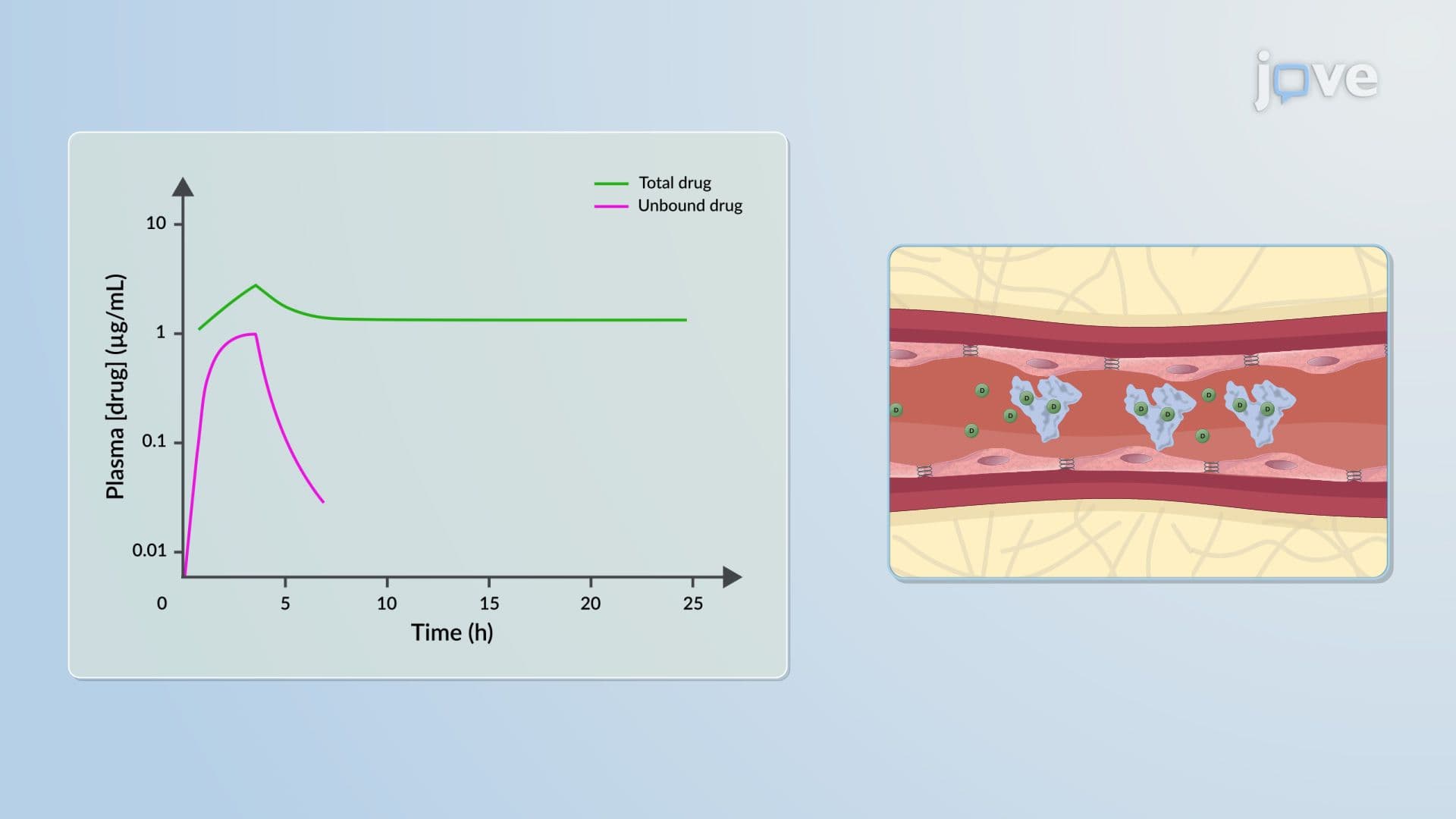
Protein binding is one of the most common culprits. Most drug concentration assays measure total plasma concentration, but only the unbound fraction is pharmacologically active. When protein binding capacity shifts, due to disease states, nutritional status, or co-administered drugs, free drug levels fluctuate independently of total measured concentration. Relying on total concentration in these contexts is like measuring a team's output by headcount rather than actual contribution.
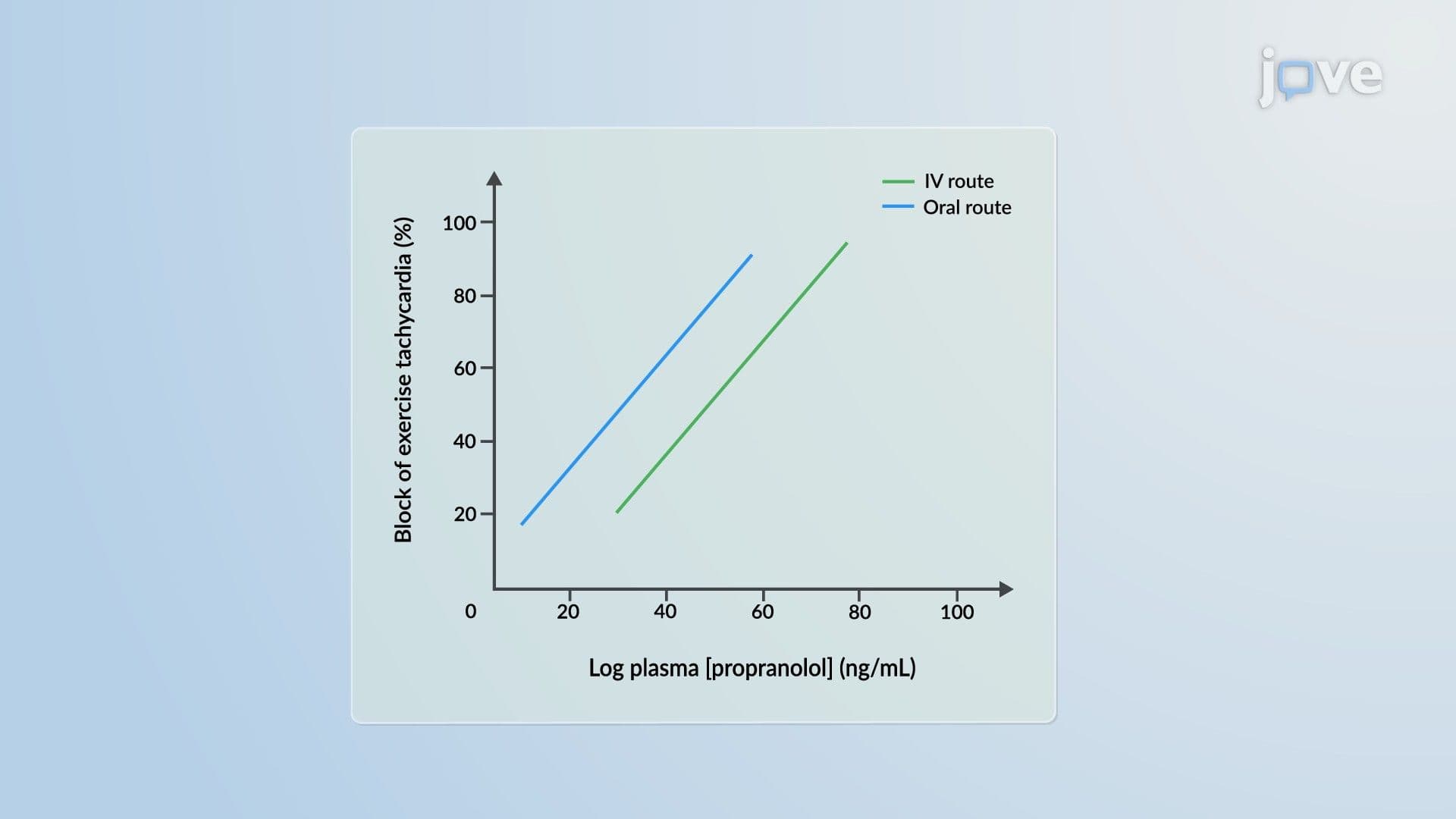
Racemic mixtures add another layer of complexity. Many drugs are administered as a 50:50 blend of two mirror-image isomers, but pharmacological activity often resides almost entirely in one. The ratio between isomers can shift through stereoselective metabolism, making the crude plasma level a misleading predictor of effect, particularly when the inactive isomer accumulates disproportionately over time.
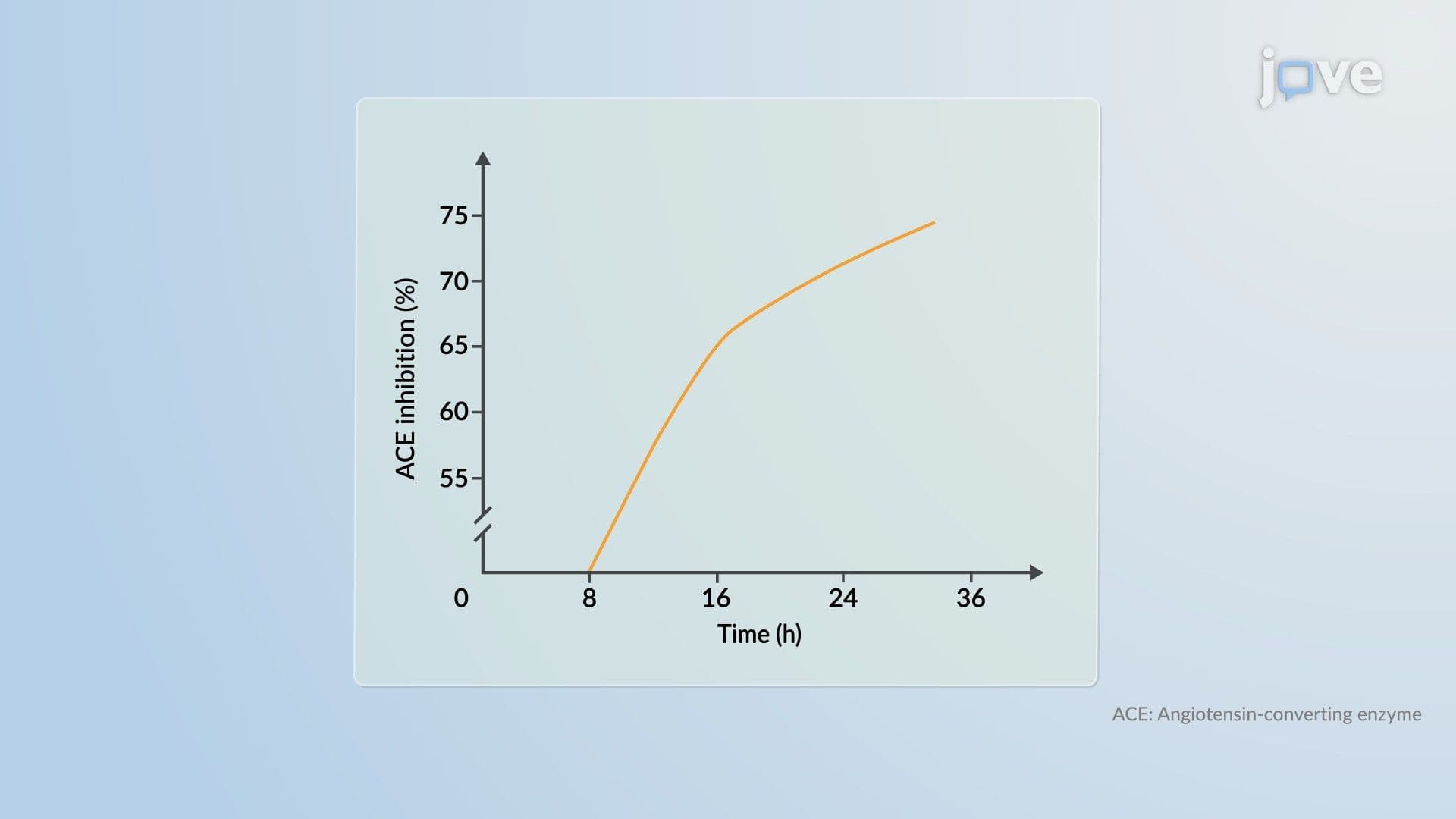
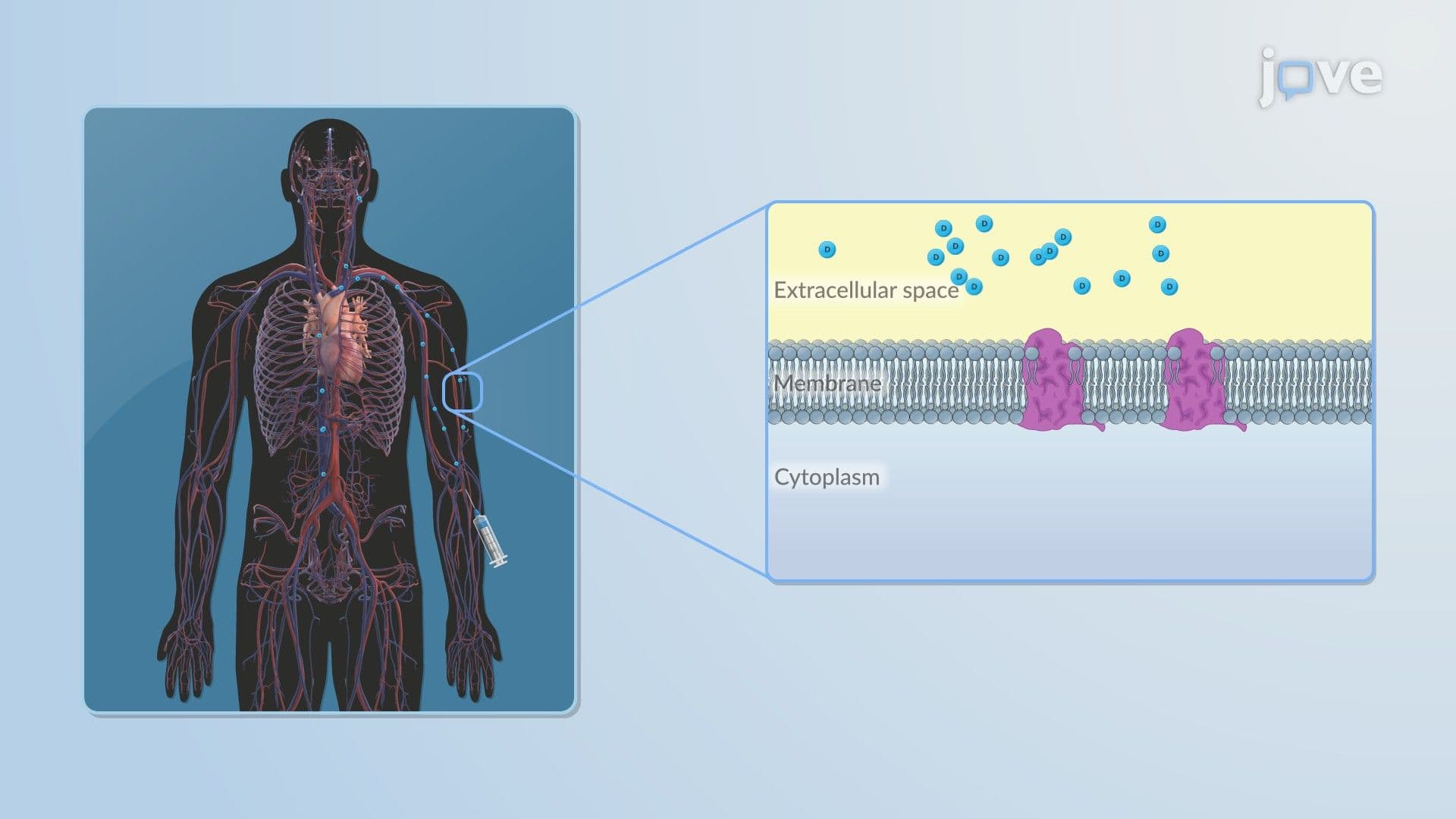
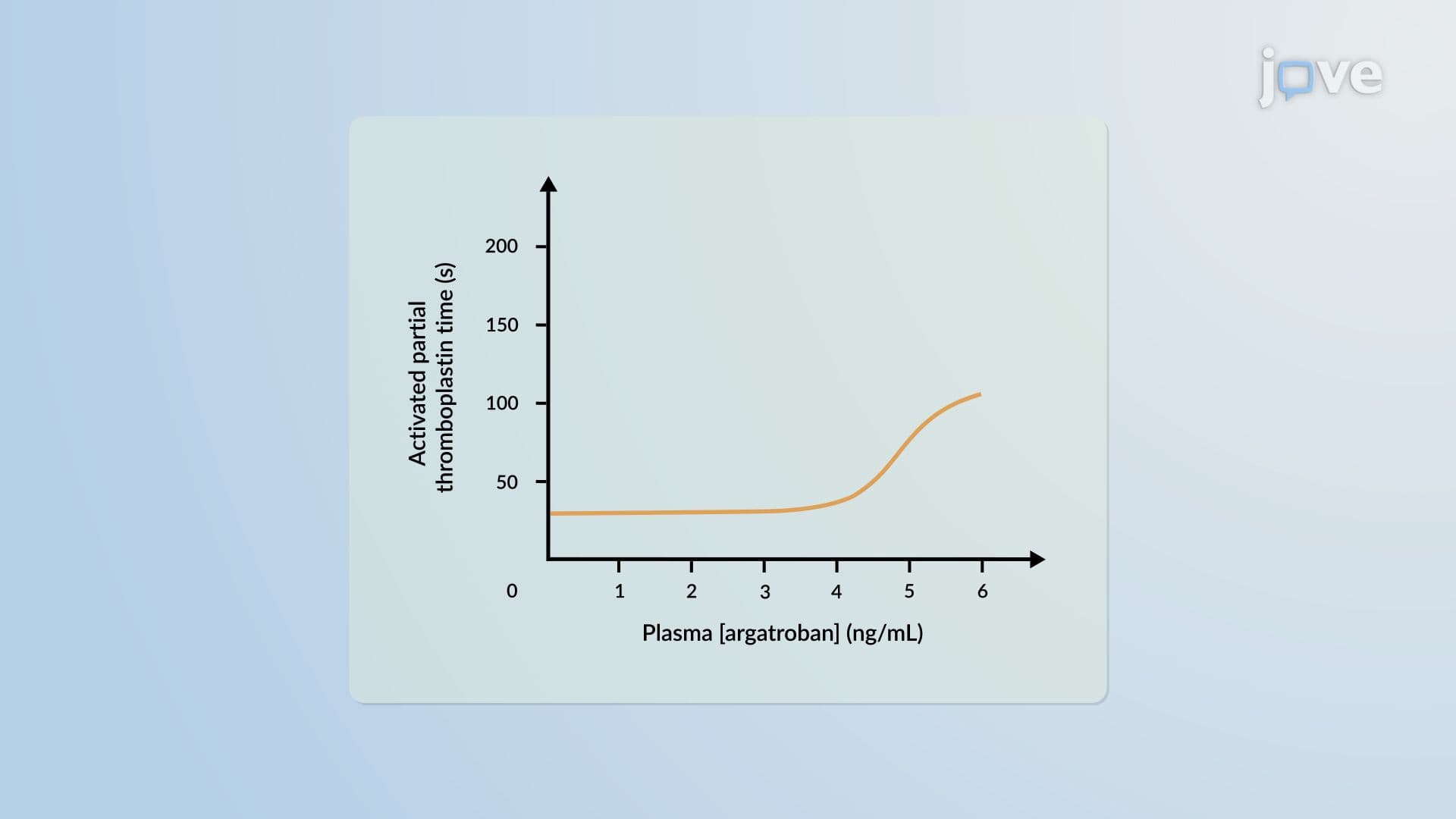
Delayed distribution to extravascular tissues creates what is known as hysteresis in PK/PD, a temporal mismatch where the peak effect lags significantly behind peak plasma concentration. This is not a data error; it reflects genuine physiology. Drugs acting on deep tissue compartments require longer equilibration times. Failing to account for this delay leads to misinterpretation of dose-response relationships and poorly timed dosing adjustments.
Active metabolites introduce a parallel problem. In some cases, the parent compound is a prodrug or generates metabolites with comparable or superior potency. When those metabolites accumulate, particularly in patients with altered renal or hepatic function, the plasma level of the parent drug becomes a poor surrogate for therapeutic effect. Sound PK/PD modeling must track both the parent compound and its active metabolites using appropriate pharmacokinetic models, including effect-compartment and indirect-response frameworks.
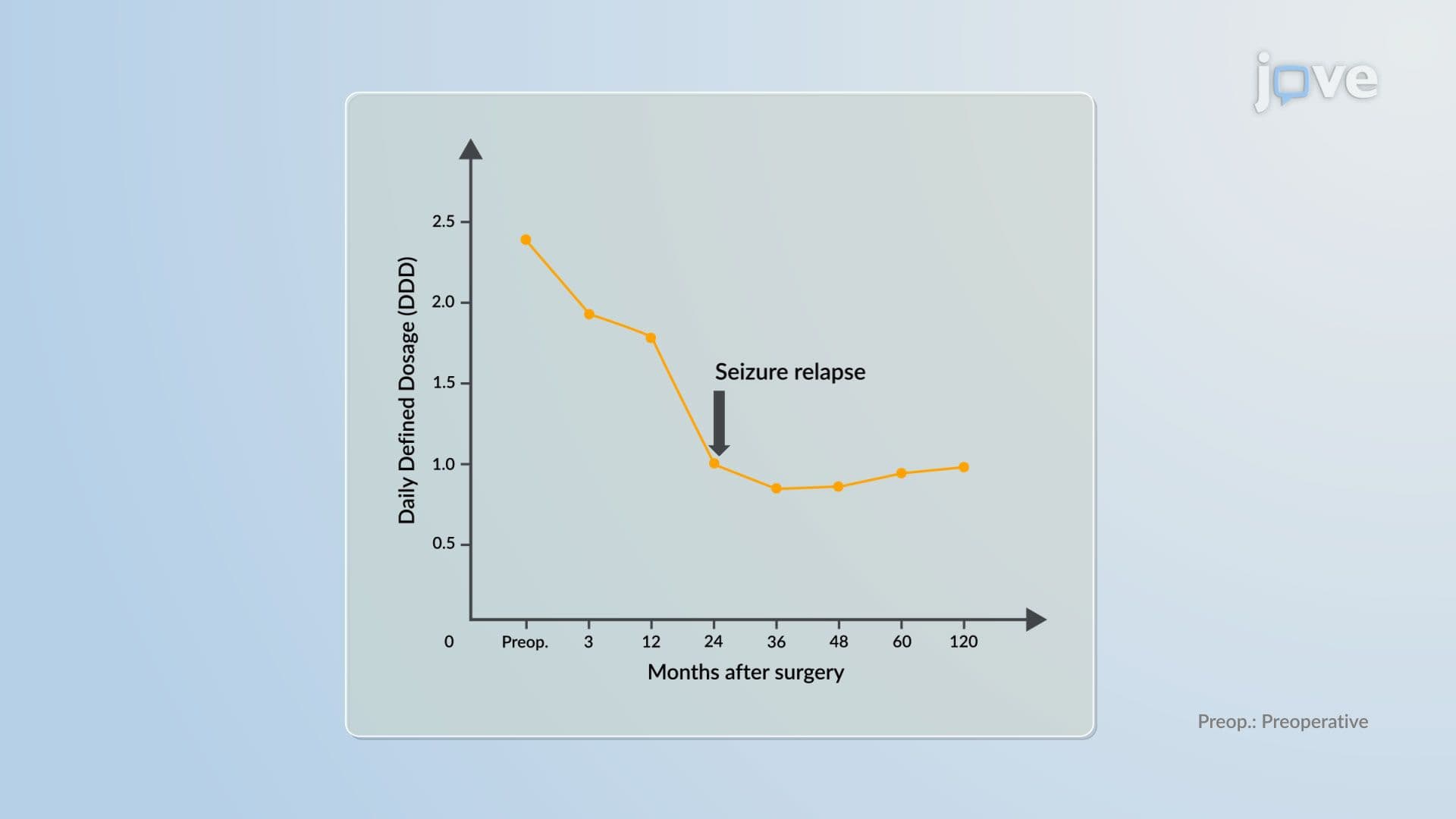
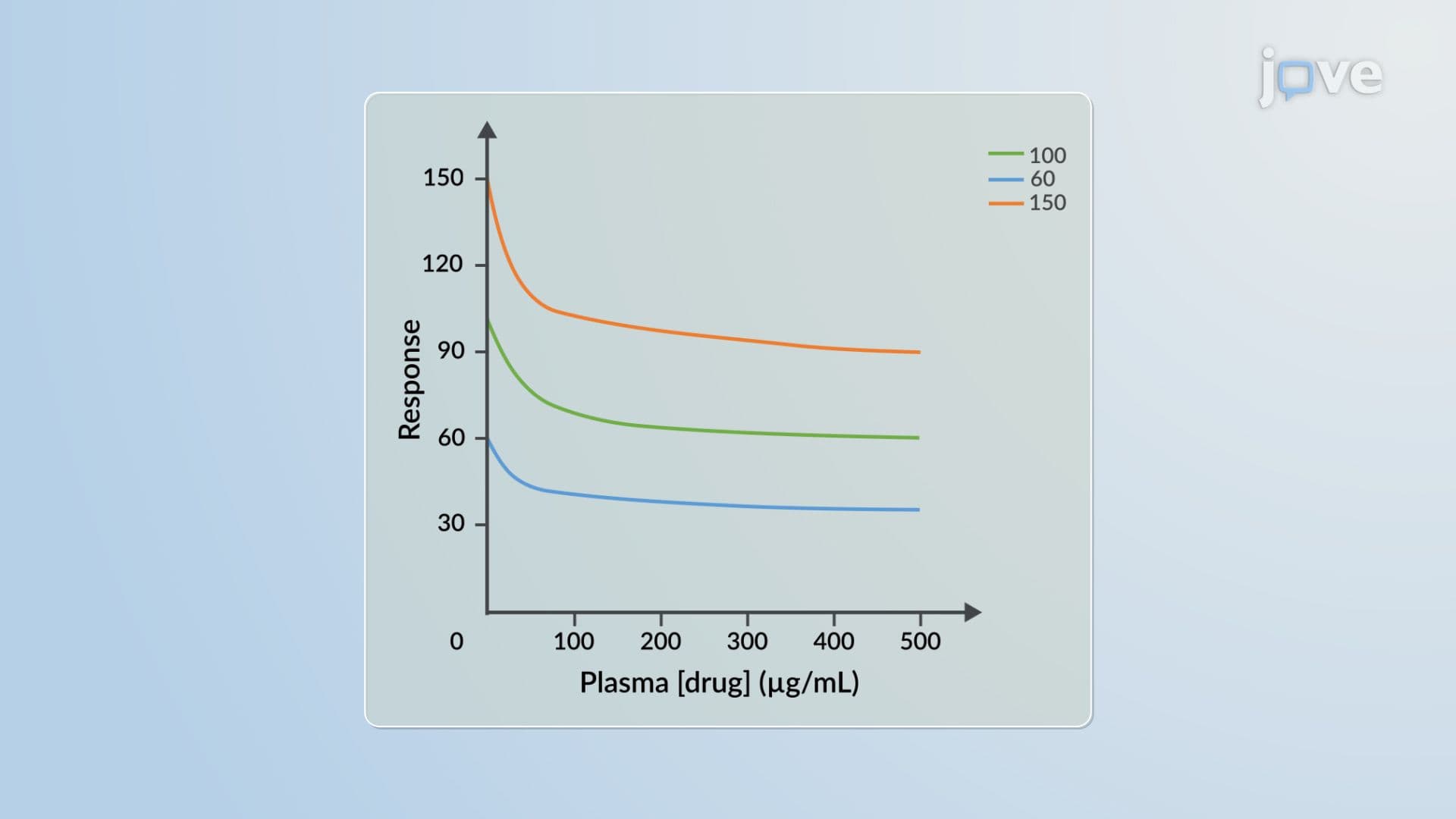
Chronic drug use introduces another variable that static PK/PD models struggle to capture: acquired tolerance. This occurs through two distinct mechanisms, pharmacokinetic tolerance, where enhanced metabolism reduces drug exposure over time, and pharmacodynamic tolerance, where receptor downregulation or desensitization diminishes the response at the same drug concentration.
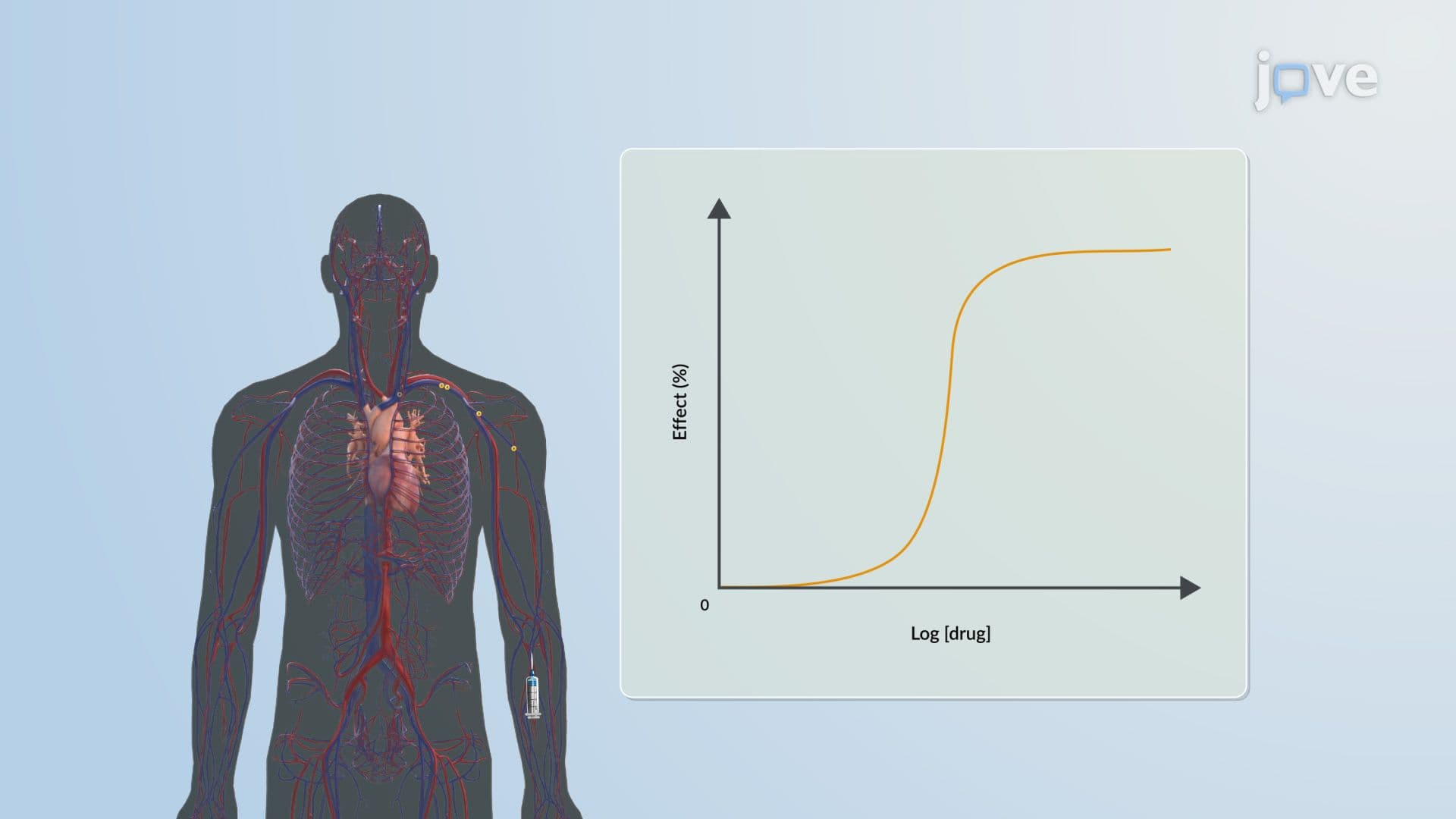
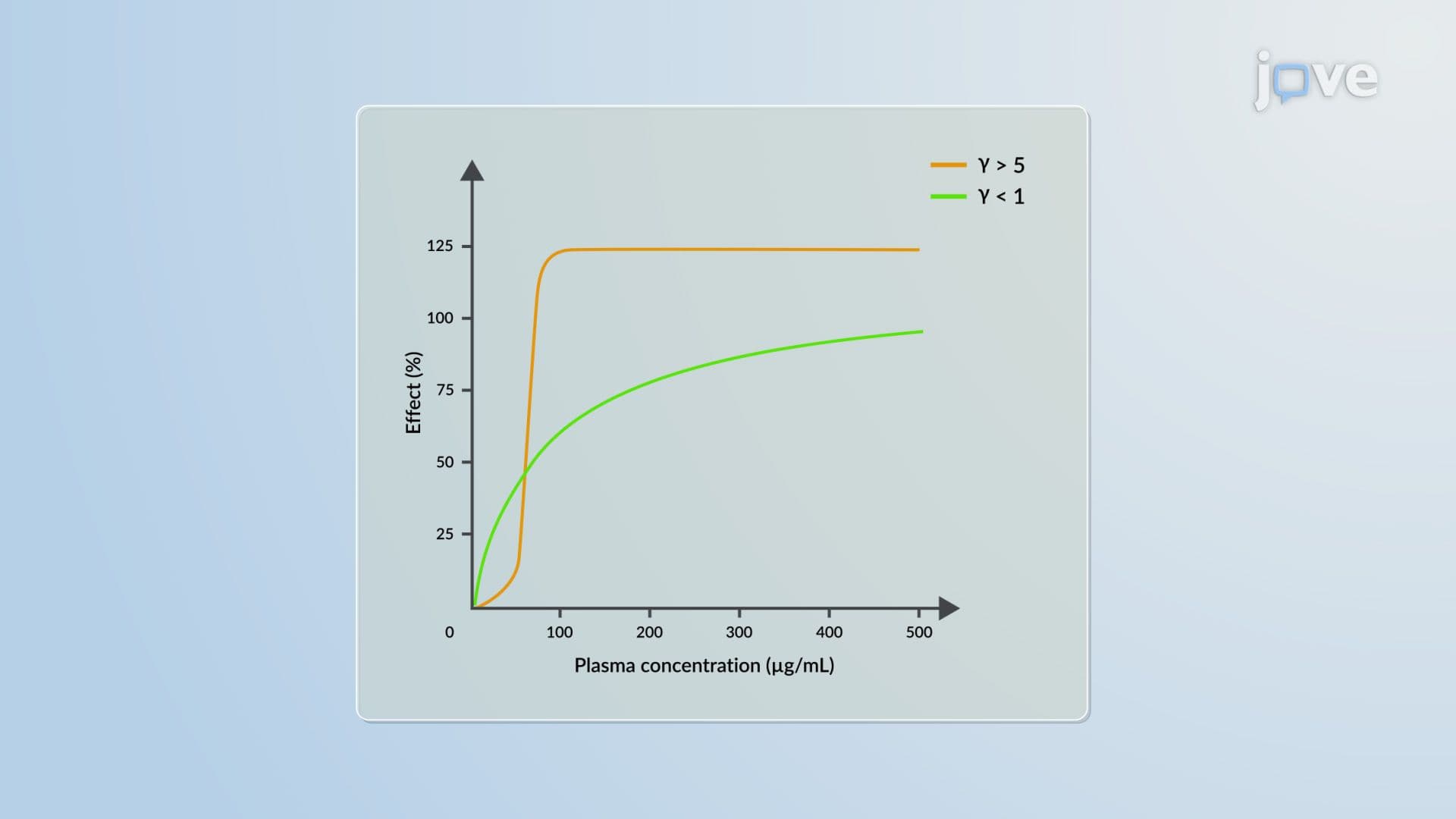
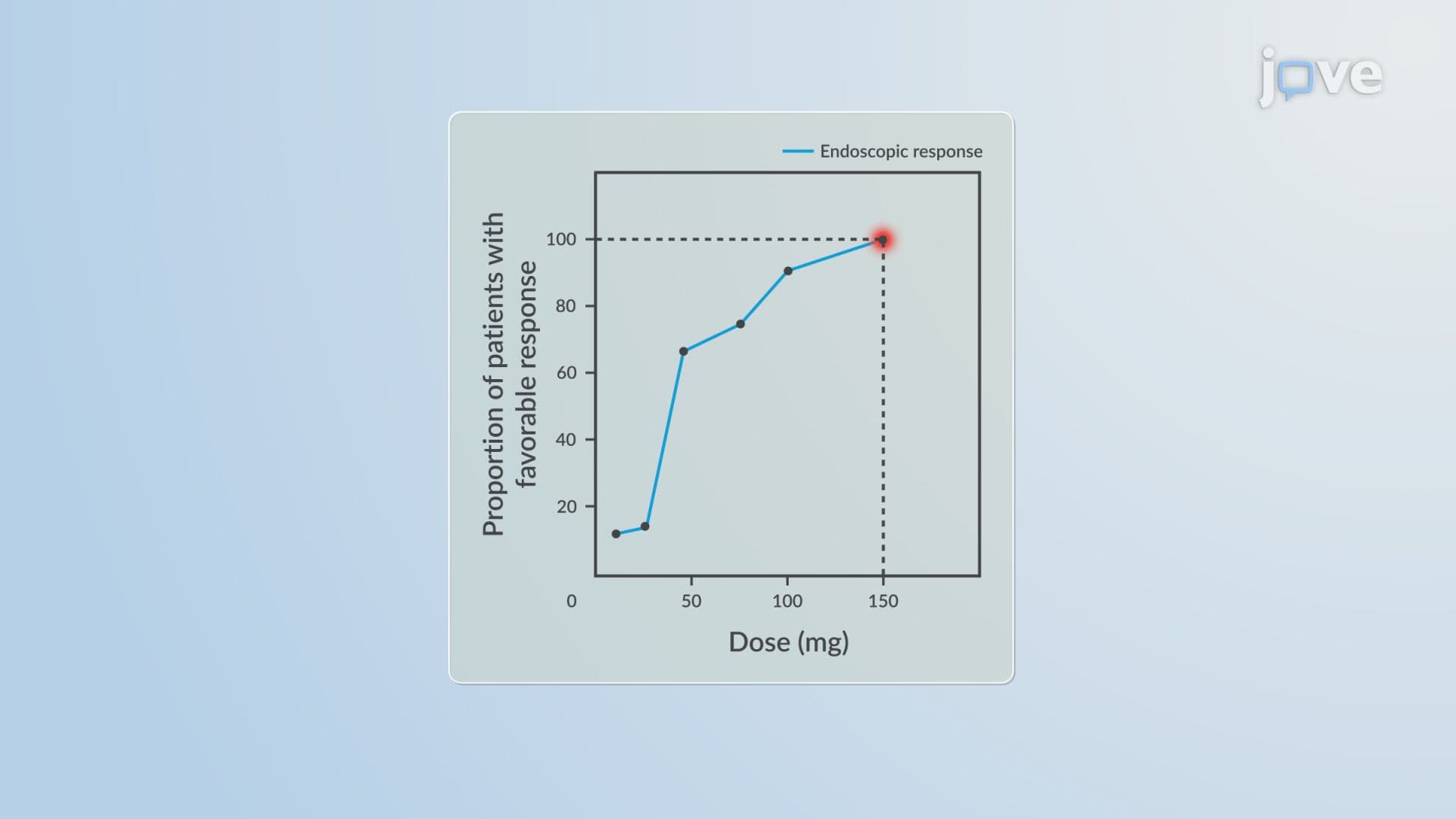
From an analytical standpoint, the Emax model and EC50 parameters that were valid at treatment initiation may no longer apply after weeks or months of therapy. A drug that once produced robust effect at a given concentration may require substantially higher levels, or a different approach altogether. Monitoring for tolerance requires longitudinal thinking, not just snapshot plasma measurements.
The most frequent error is treating the PK/PD relationship as static and linear when it is dynamic and context-dependent. Anchoring all therapeutic decisions to total plasma concentration without interrogating free drug levels, metabolite accumulation, tissue distribution lag, or tolerance development leads to systematic blind spots. A more rigorous approach layers each of these variables into the evaluation framework, and revisits assumptions as clinical conditions evolve.
Related Micro-courses