Loading video…

 16 Concepts
 3.5K views

Video Summary: What are Pharmacodynamic Models
Pharmacodynamic models basics become essential knowledge when clinical teams need to justify dosing decisions, predict therapeutic outcomes, or explain drug-target interactions to cross-functional stakeholders. Understanding what pharmacodynamic models are helps professionals bridge the gap between raw concentration data and real-world efficacy. These models sharpen dose optimization strategies and reduce costly safety risks. Watch the full video on JoVE Coach to master this concept with expert-led visuals and step-by-step explanations.
Picture this: a clinical pharmacology team is reviewing why a drug that achieved target plasma concentrations still underperformed in late-stage trials. The disconnect isn't in the pharmacokinetics, it's in the failure to account for the full drug-target interaction chain. This is exactly where pharmacodynamic models earn their value. For professionals managing drug development programs, regulatory submissions, or clinical optimization projects, understanding PD models isn't academic, it's operationally critical.
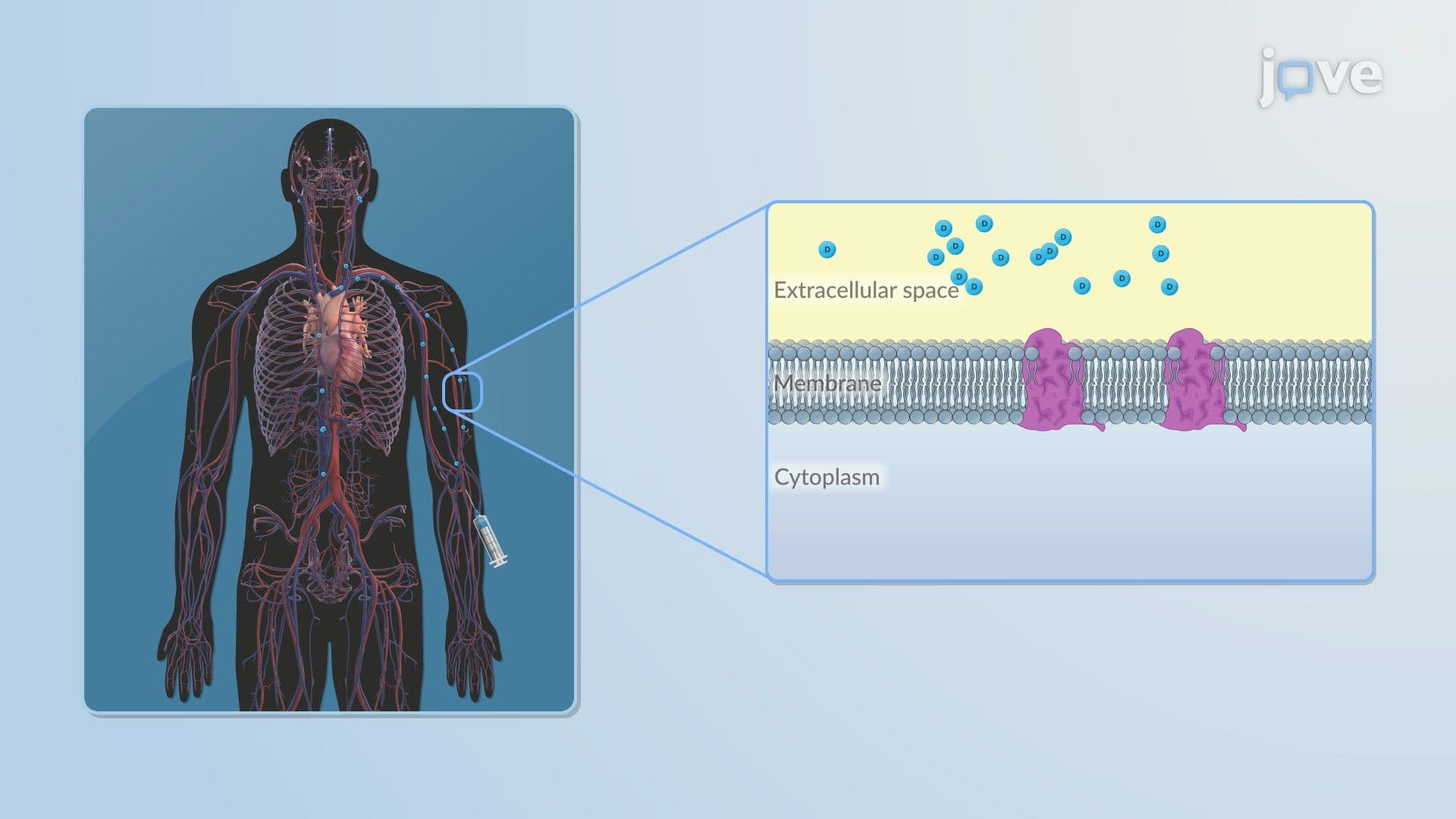
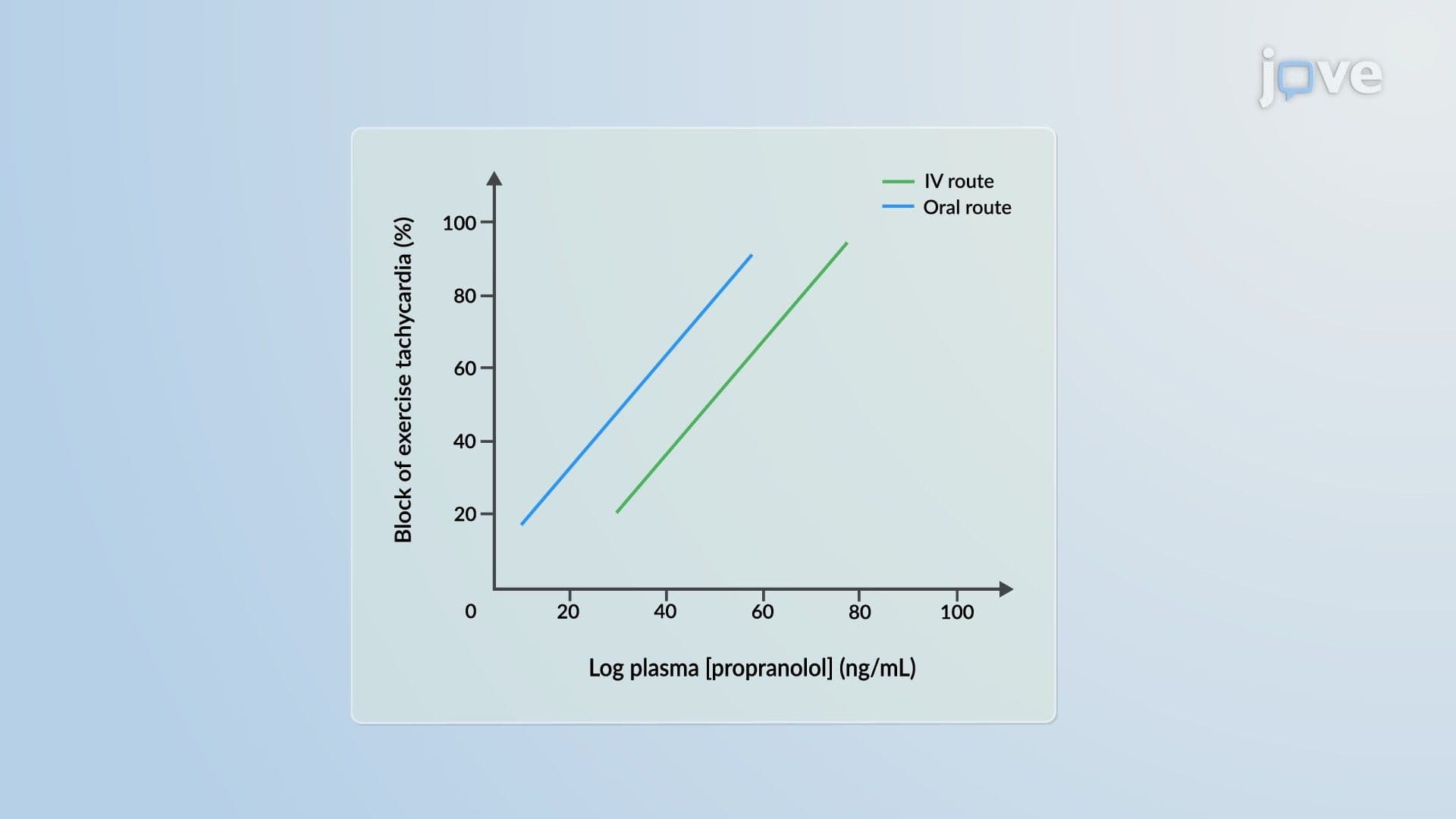
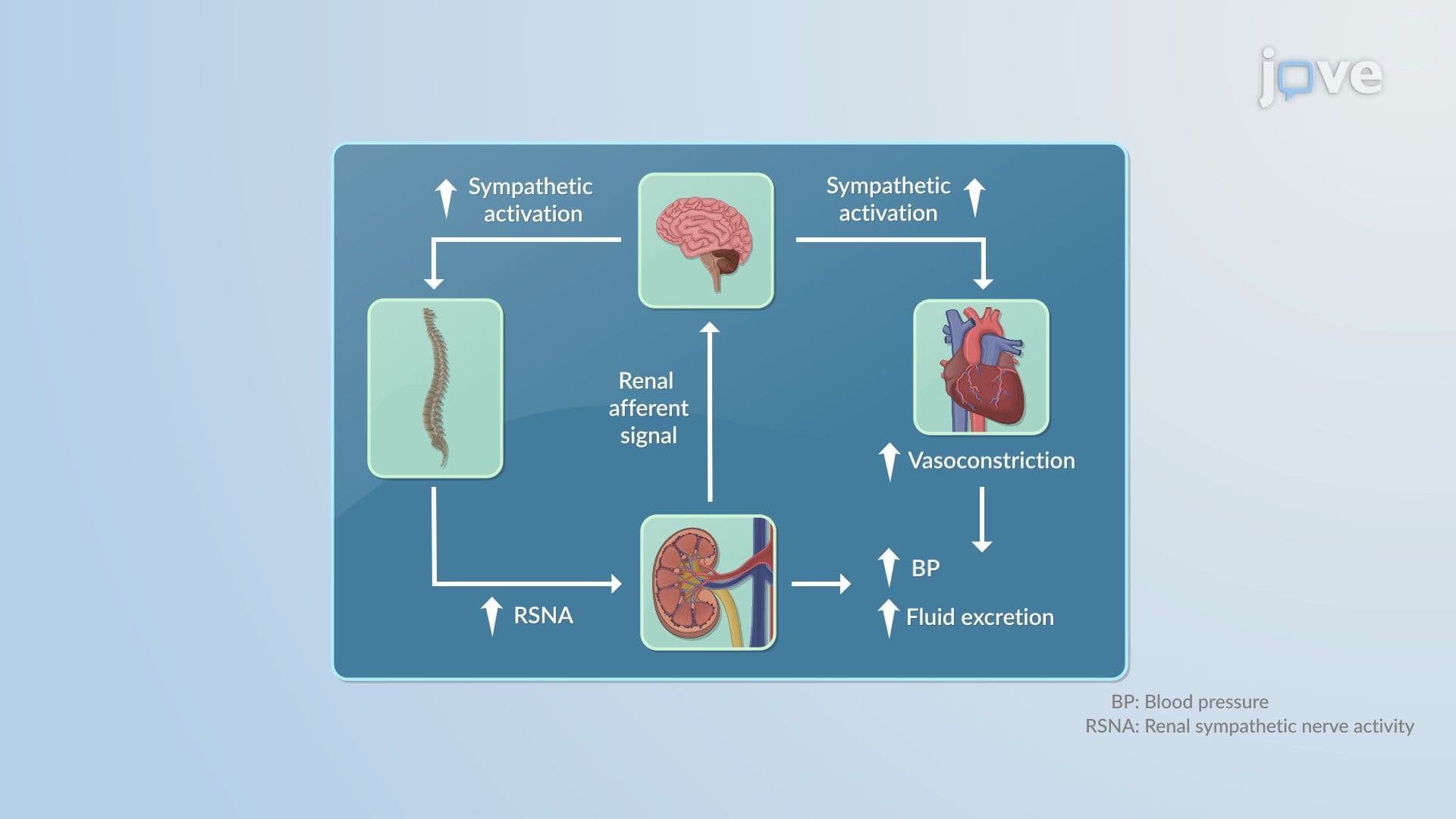
Most teams treat PD as a downstream afterthought to PK. That's a structural mistake. Pharmacodynamic models define the concentration-effect relationship, the mechanism by which a drug's biological activity translates into a measurable response. This includes four linked components: drug-target binding, biophase distribution, biosignal transduction, and response generation.
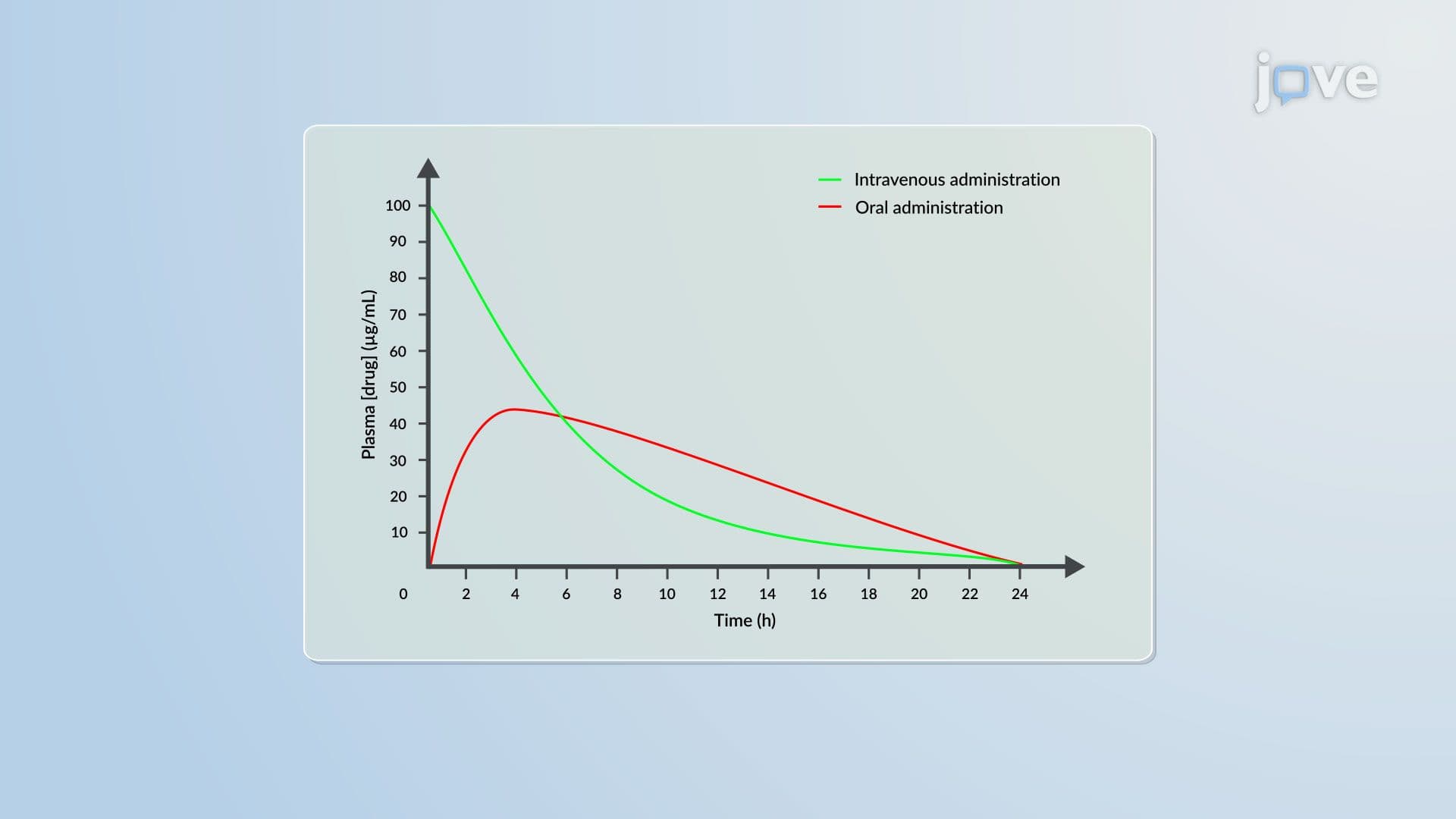
Where teams frequently go wrong is conflating plasma concentration with biophase concentration. The biophase, the site of drug action, may behave very differently from what plasma sampling captures. This is the root cause of hysteresis in PK/PD modeling, where effect and concentration appear out of sync. Leaders who understand this can prevent misinterpretation of trial data and redirect teams before expensive course corrections become necessary.
PD models fall into three categories, and knowing when to use each is a leadership decision as much as a scientific one:
1. Empirical models rely on mathematical descriptions without requiring mechanistic understanding. They're fast, practical for early-stage work, and useful when biological complexity doesn't yet justify deeper modeling investment.
2. Semi-mechanistic models layer in partial physiological integration. These are the workhorses of mid-to-late development, they balance scientific rigor with practical feasibility and are well-suited to informing dose-ranging studies.
3. Mechanistic models explicitly describe biological interactions and are most appropriate when a full systems pharmacology perspective is needed, for instance, when modeling immune modulation, receptor dynamics, or complex disease progression.
When leading a modeling and simulation team, the 70-20-10 principle applies here differently: roughly 70% of decisions in clinical development can be supported by semi-mechanistic approaches, while 20% warrant full mechanistic treatment and 10% are appropriately handled with empirical tools.
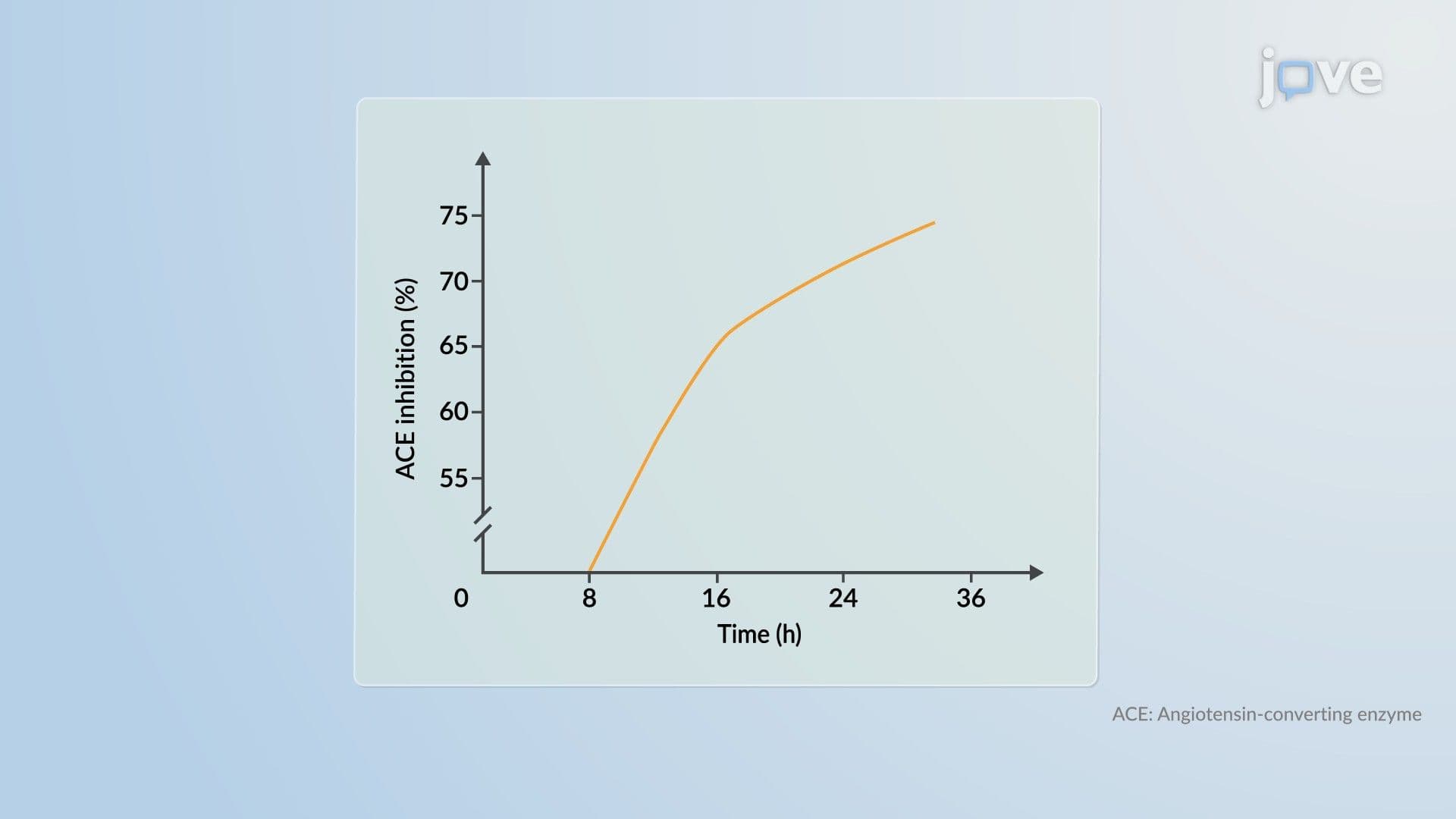
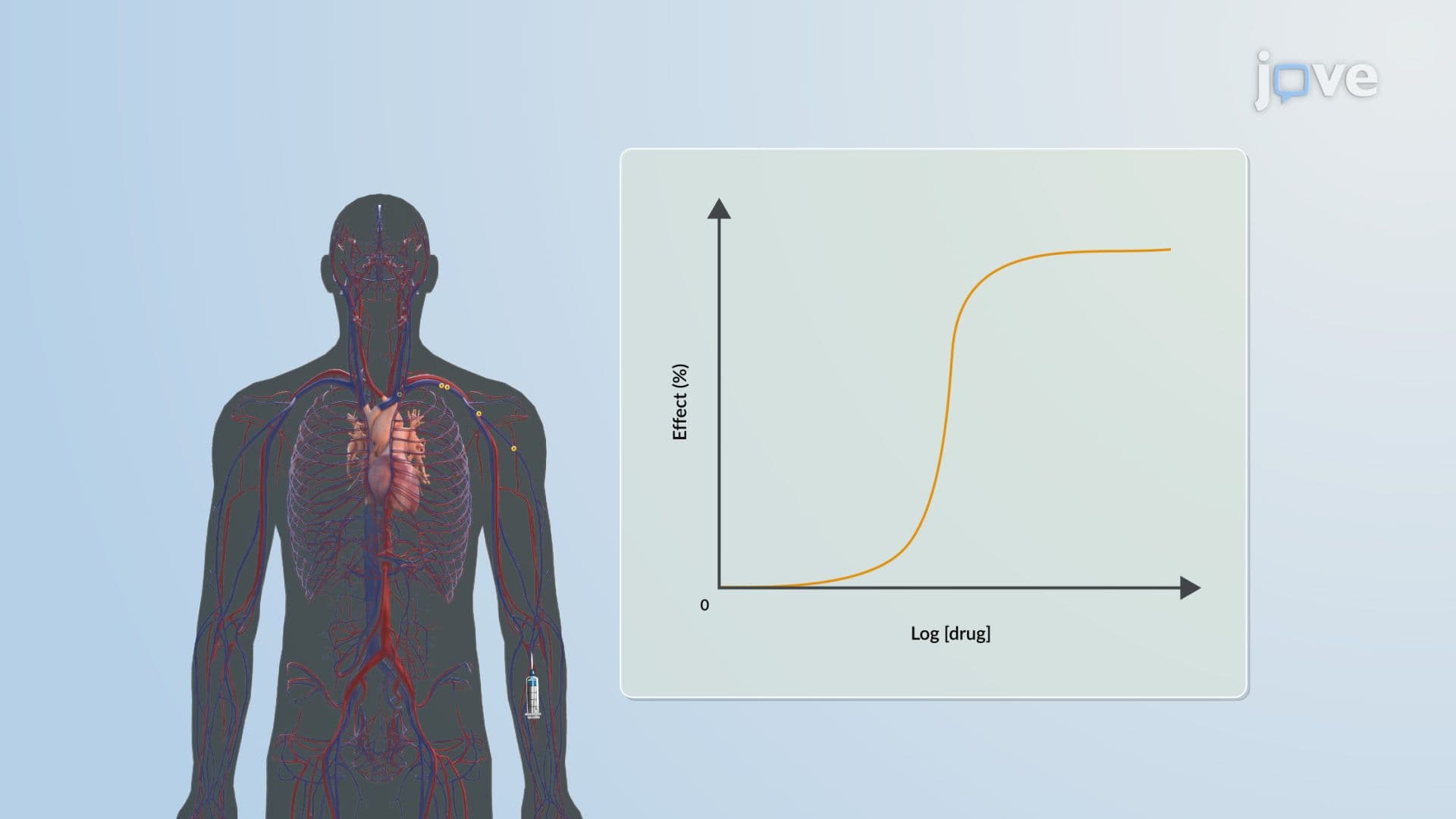
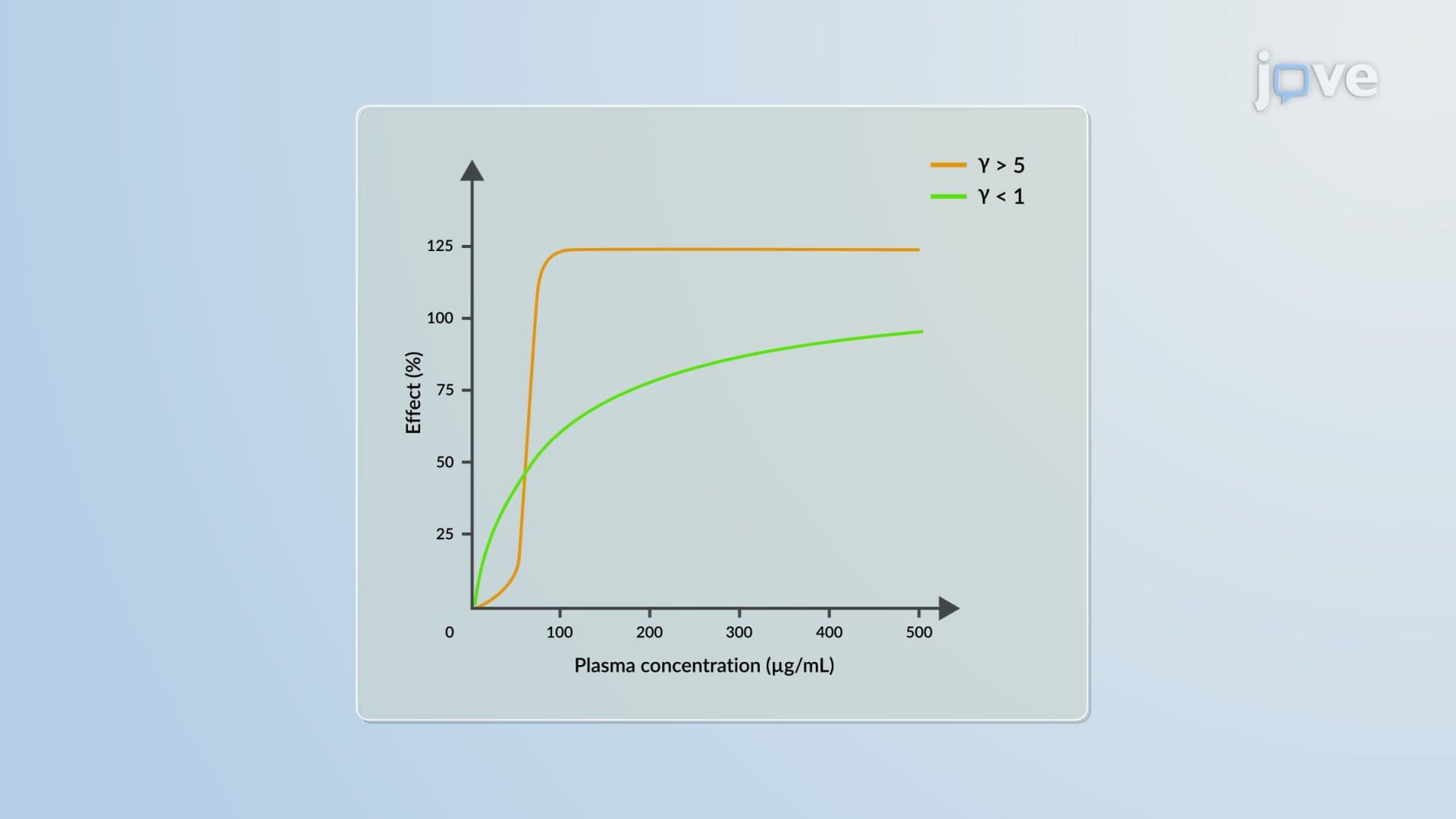
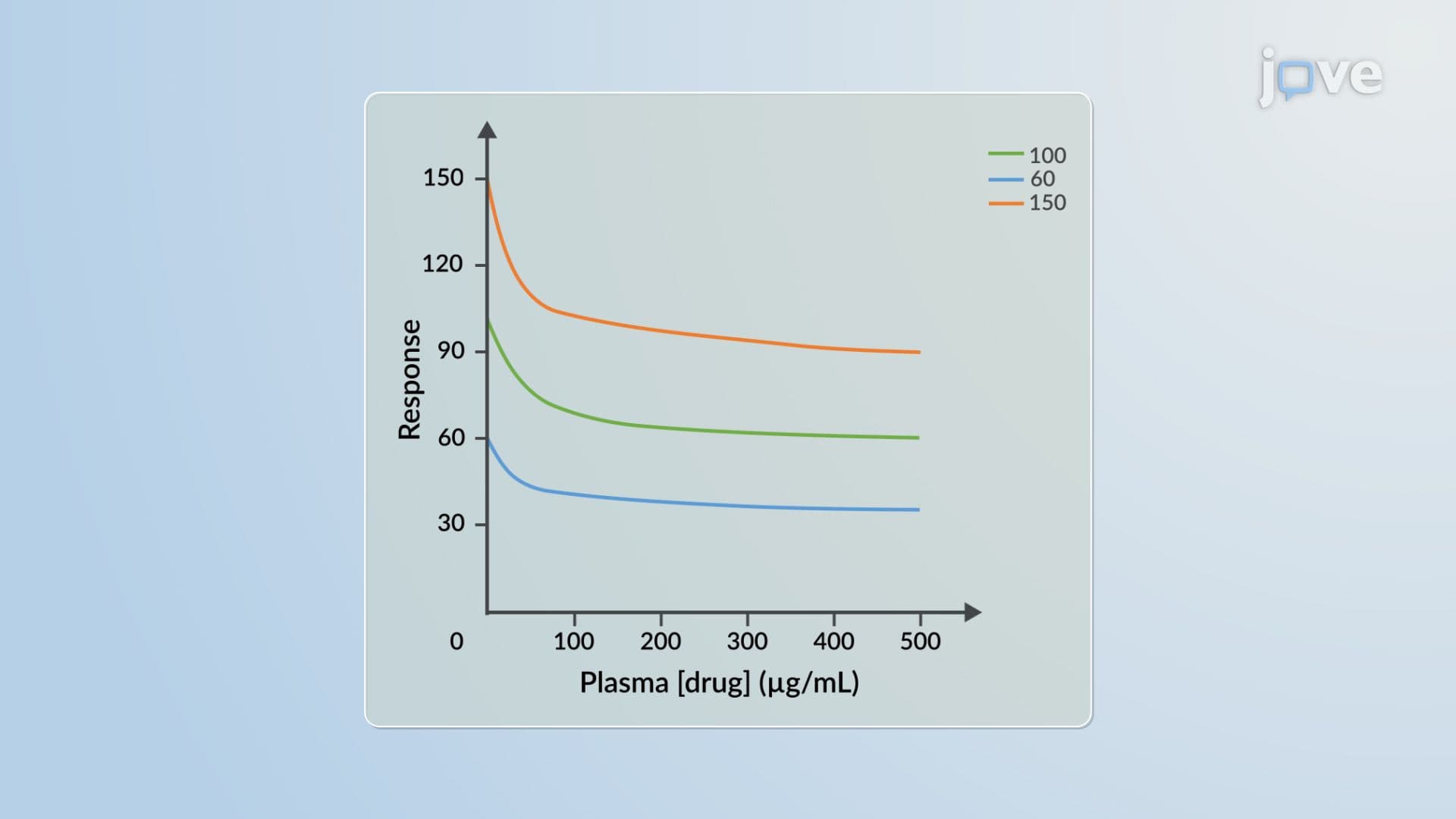
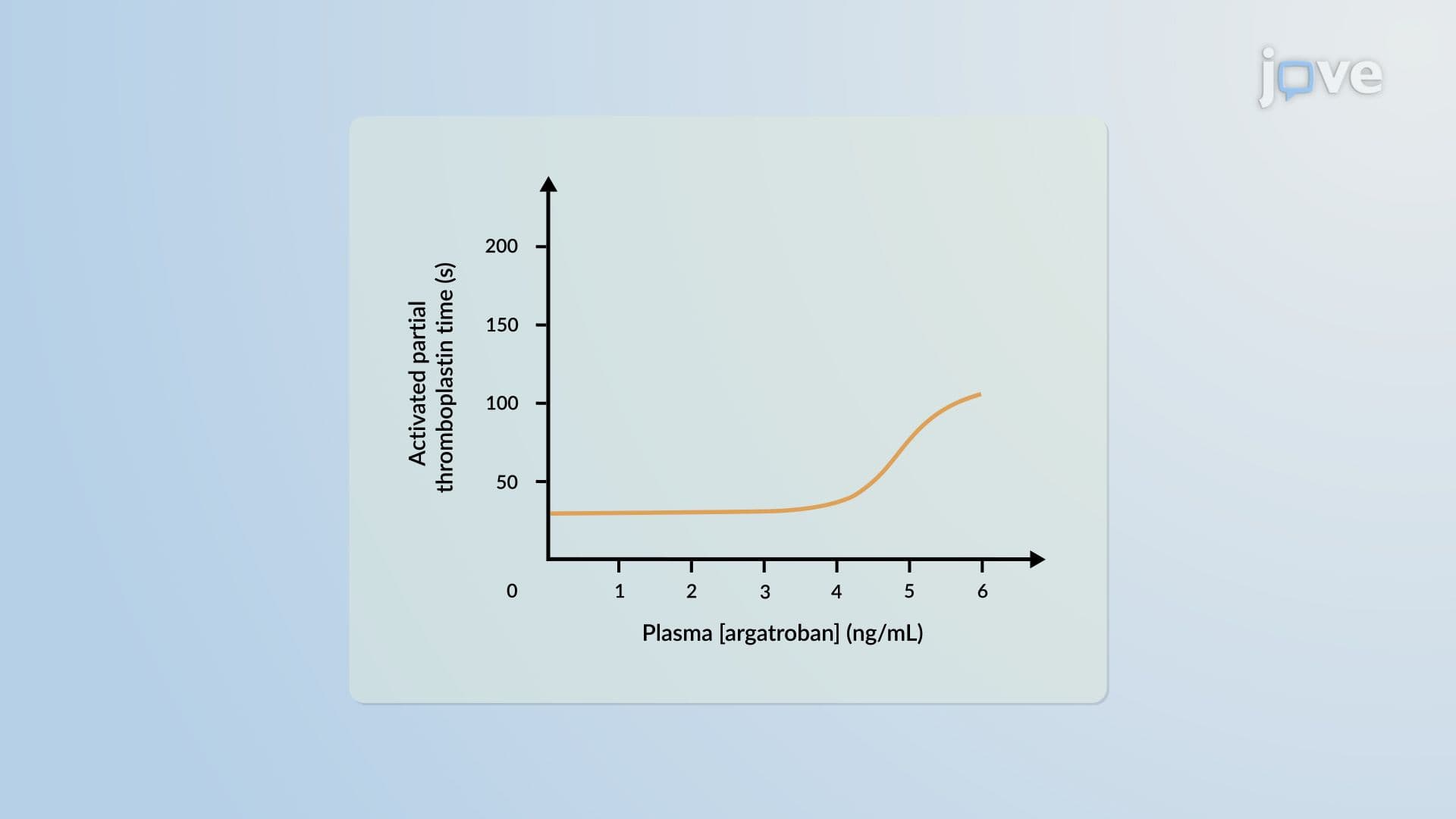
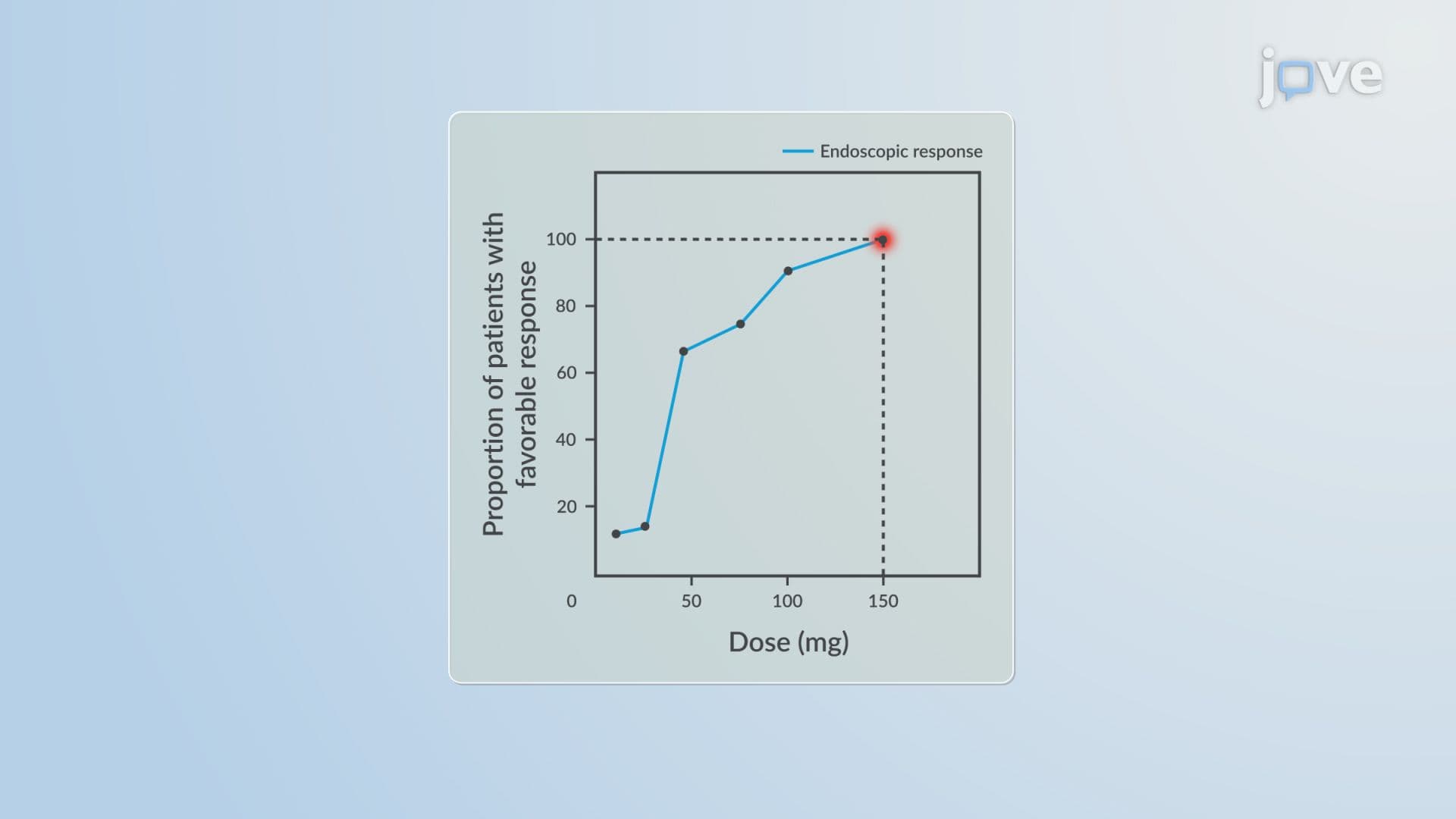
The Emax model is your most transferable tool. It describes effect saturation, the ceiling beyond which increasing dose yields diminishing returns. In practice, this means every dose escalation decision should be anchored by two questions: Where is EC50 on the concentration-response curve, and what does the Hill coefficient tell us about how steeply the response transitions from subtherapeutic to saturated?
For anti-infective programs specifically, frame team conversations around PK/PD indices: Cmax/MIC for concentration-dependent killers, AUC24/MIC for exposure-dependent agents, and T>MIC for time-dependent killing. These indices function like a RACI matrix for dosing strategy, they clarify which pharmacological variable owns the outcome and who on the clinical team is accountable for optimizing it.
The therapeutic window isn't just a safety boundary, it's a strategic constraint that should visibly anchor every dose optimization discussion your team conducts.
Related Micro-courses