Loading video…

 16 Concepts
 3.5K views

Video Summary: Link Model and Systems Pharmacodynamic Model in Pharmacodynamic Models
Link model and systems pharmacodynamic model in pharmacodynamic models basics shape how professionals interpret delayed drug responses and complex biological feedback in clinical and research settings. When effect timing doesn't match peak plasma concentration, the link model's effect compartment framework clarifies why. Systems models reveal how interventions ripple across interconnected physiological processes. Watch the full video on JoVE Coach to master this concept with expert-led visuals and step-by-step explanations.
Picture this: a clinical research team is reviewing drug response data and notices that peak effect consistently lags behind peak plasma concentration. Without a robust framework, the instinct is to question the assay, adjust the dosing schedule prematurely, or misattribute the delay to patient variability. This is precisely where the link model and systems pharmacodynamic model in pharmacodynamic models becomes a critical professional tool, not an abstract concept, but an operational lens for making accurate, high-stakes decisions.
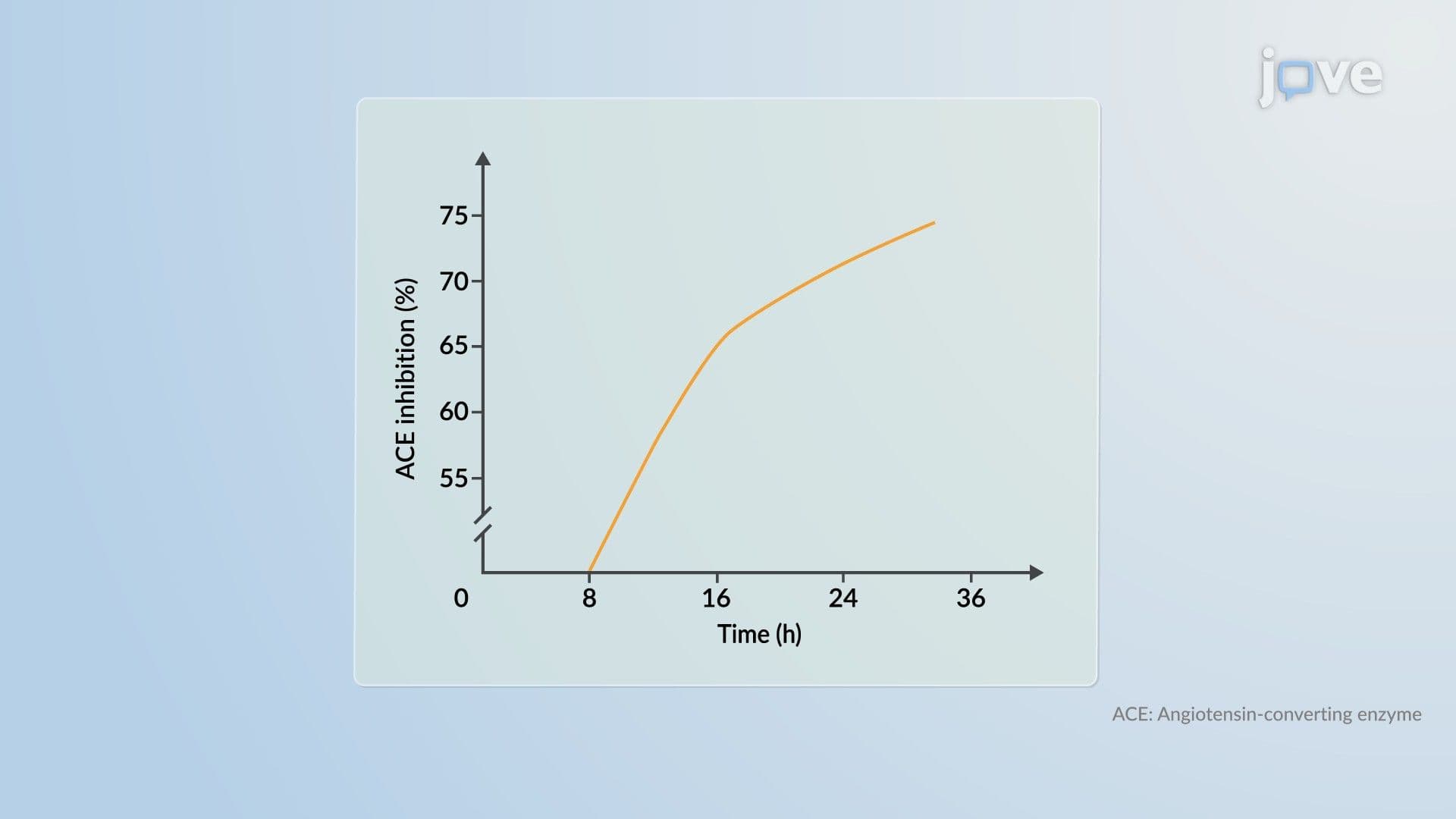
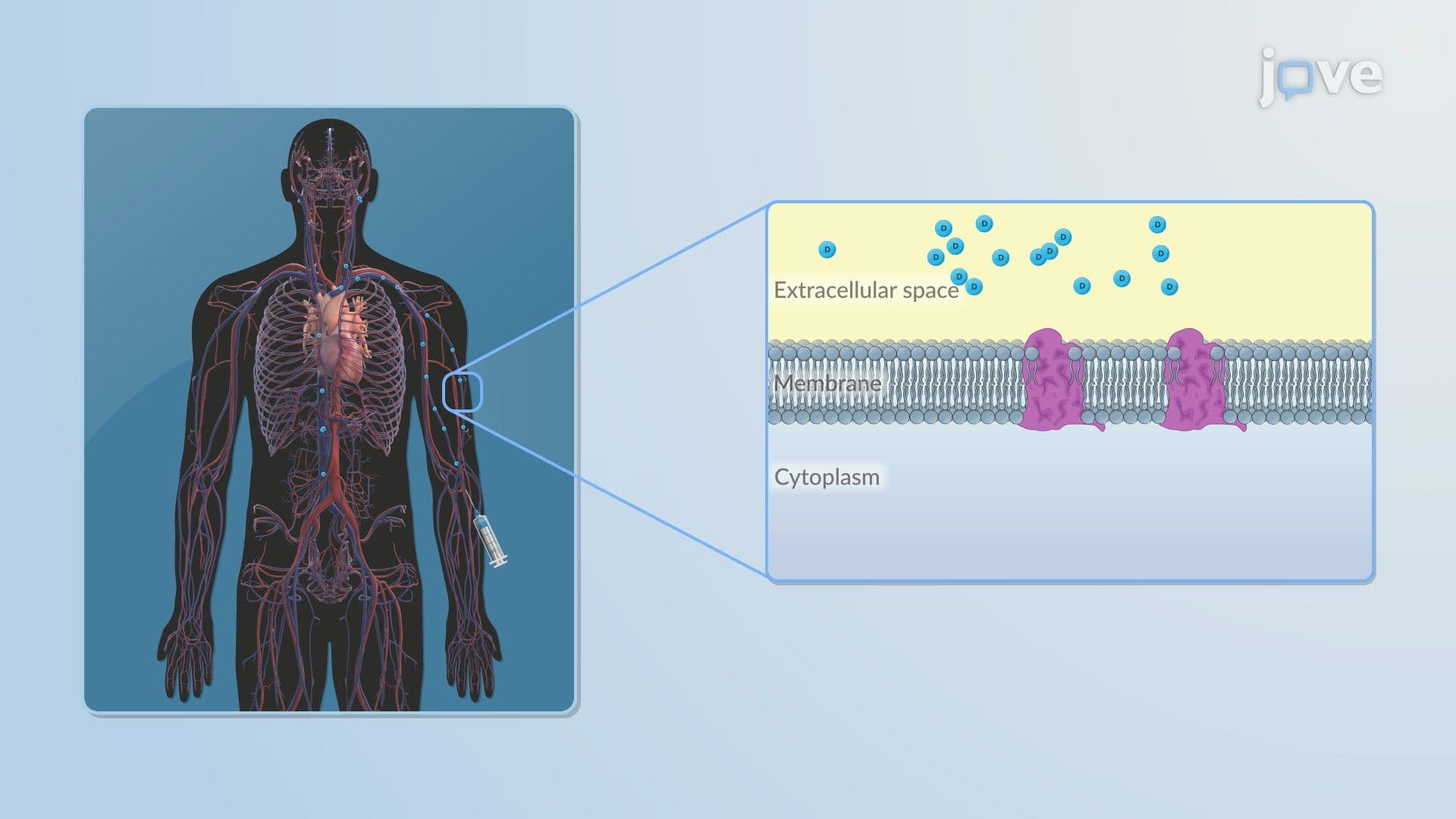
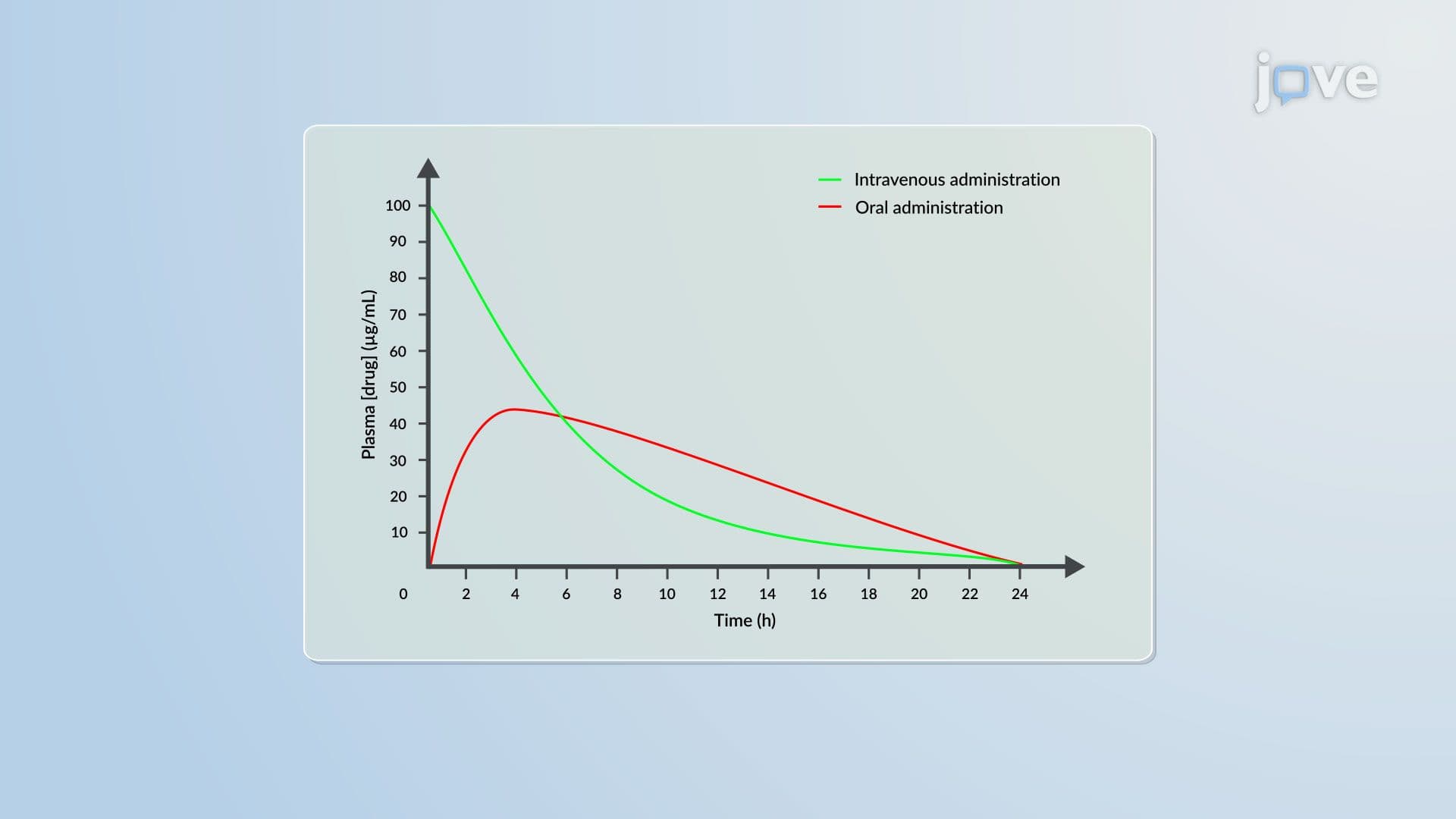
The most common error in PK/PD modeling is treating plasma concentration as a direct, real-time proxy for drug effect. In reality, the relationship is rarely instantaneous. The link model introduces an effect compartment, a theoretical space with its own drug concentration (Ce), connected to plasma concentration (Cp) through the rate constant ke0. A high ke0 value means rapid equilibration; a low ke0 signals a slower, delayed effect.
This distinction matters enormously. When professionals plot drug response against plasma concentration without accounting for this lag, they observe a counterclockwise hysteresis loop, a pattern that signals the model is incomplete. Misreading this loop leads to dosing miscalculations and flawed efficacy assessments. Recognizing it, by contrast, opens the door to more precise therapeutic window management.
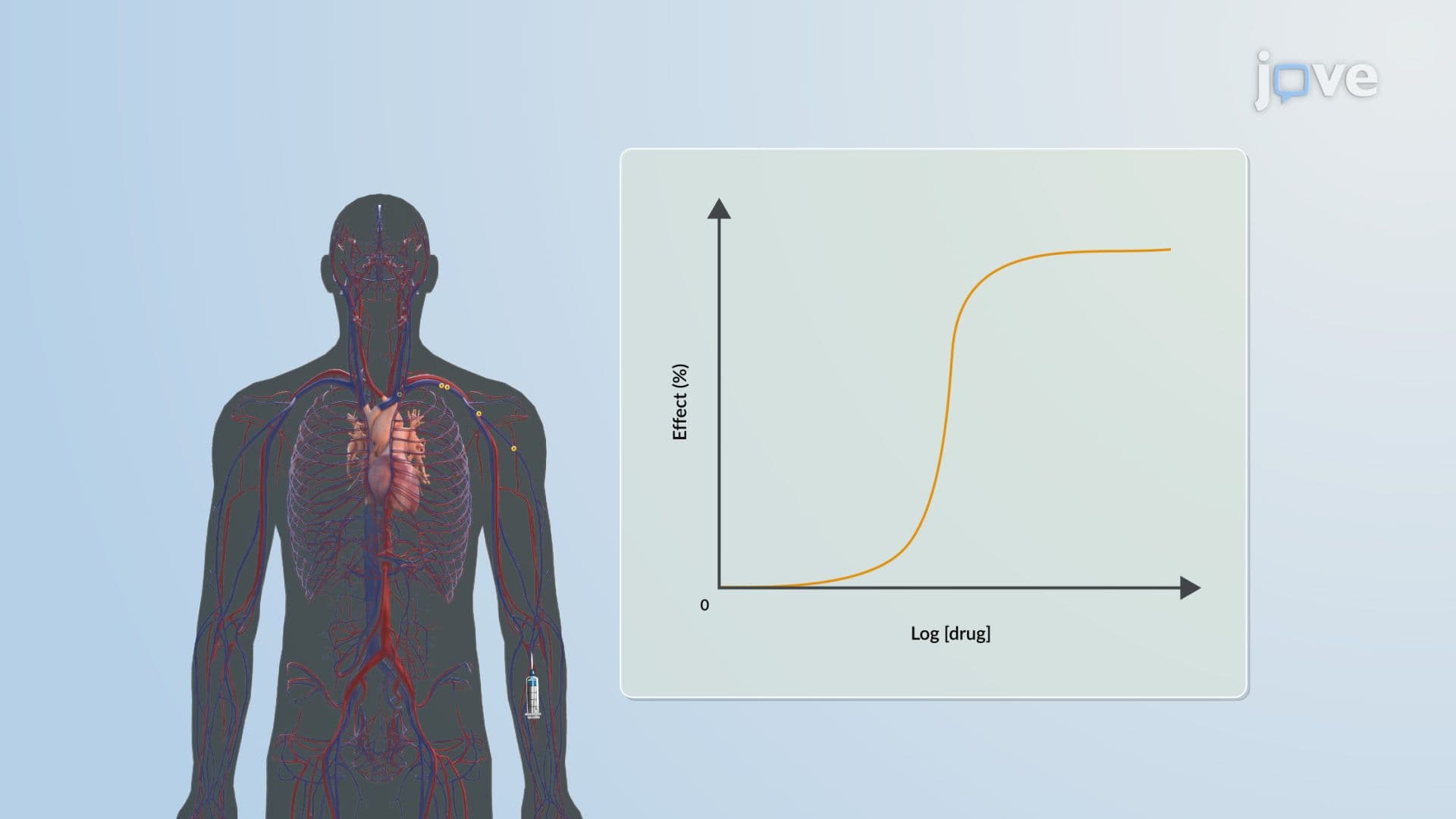
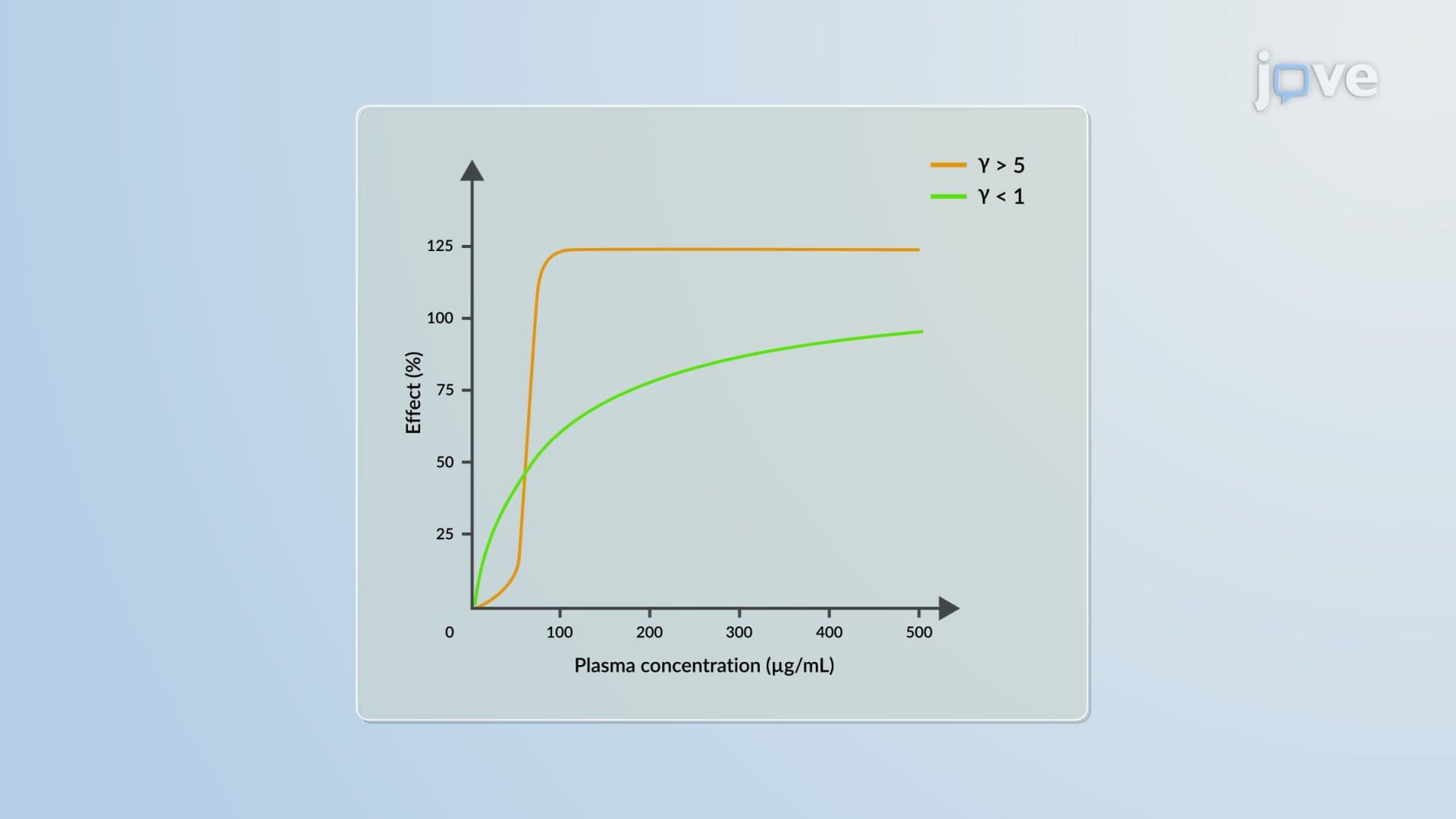
The Emax model provides the quantitative backbone here. It defines the maximum achievable drug effect and the EC50, the concentration at which 50% of that maximum effect is reached. The link model extends this by incorporating the effect compartment, ensuring that Ce, not Cp, is the input variable for the Emax equation.
Think of this as the PK/PD equivalent of a feedback loop in operations management: the output (drug effect) is not driven by current input (plasma levels) but by a time-delayed internal state. Professionals who internalize this framework can design more accurate dosing protocols, interpret clinical trial data with greater confidence, and communicate PK/PD relationship findings with precision to cross-functional stakeholders.
Not all hysteresis loops point in the same direction, and the difference carries real professional implications. Counterclockwise hysteresis, the standard signature of effect compartment delay, is seen when the drug effect peaks after plasma concentration does. This is the pattern the link model is designed to address.
Clockwise hysteresis, however, tells a different story. Lipid-soluble compounds, fentanyl is a well-documented example, can exhibit this pattern, often due to active metabolite formation, receptor tolerance, or sensitization mechanisms. Professionals working in analgesic or CNS drug development must account for this distinction explicitly, as applying the standard link model to a clockwise hysteresis situation would generate systematically misleading conclusions.
Where the link model addresses single-compartment delay, systems pharmacodynamic models address the full network. These models integrate homeostasis and biological feedback mechanisms using interconnected equations that mirror real physiological systems. The core operational insight: a change in one process, say, receptor downregulation, doesn't stay isolated. It propagates through the system in ways that linear models cannot capture.
For professionals managing drug development programs or advising on therapeutic strategy, this systems-level thinking is the equivalent of stakeholder impact mapping in organizational management. Every intervention has second- and third-order effects. Systems pharmacodynamic models provide the structured methodology to anticipate, model, and respond to those ripple effects with rigor and confidence.
Related Micro-courses