Loading video…


 16 Concepts
 3.5K views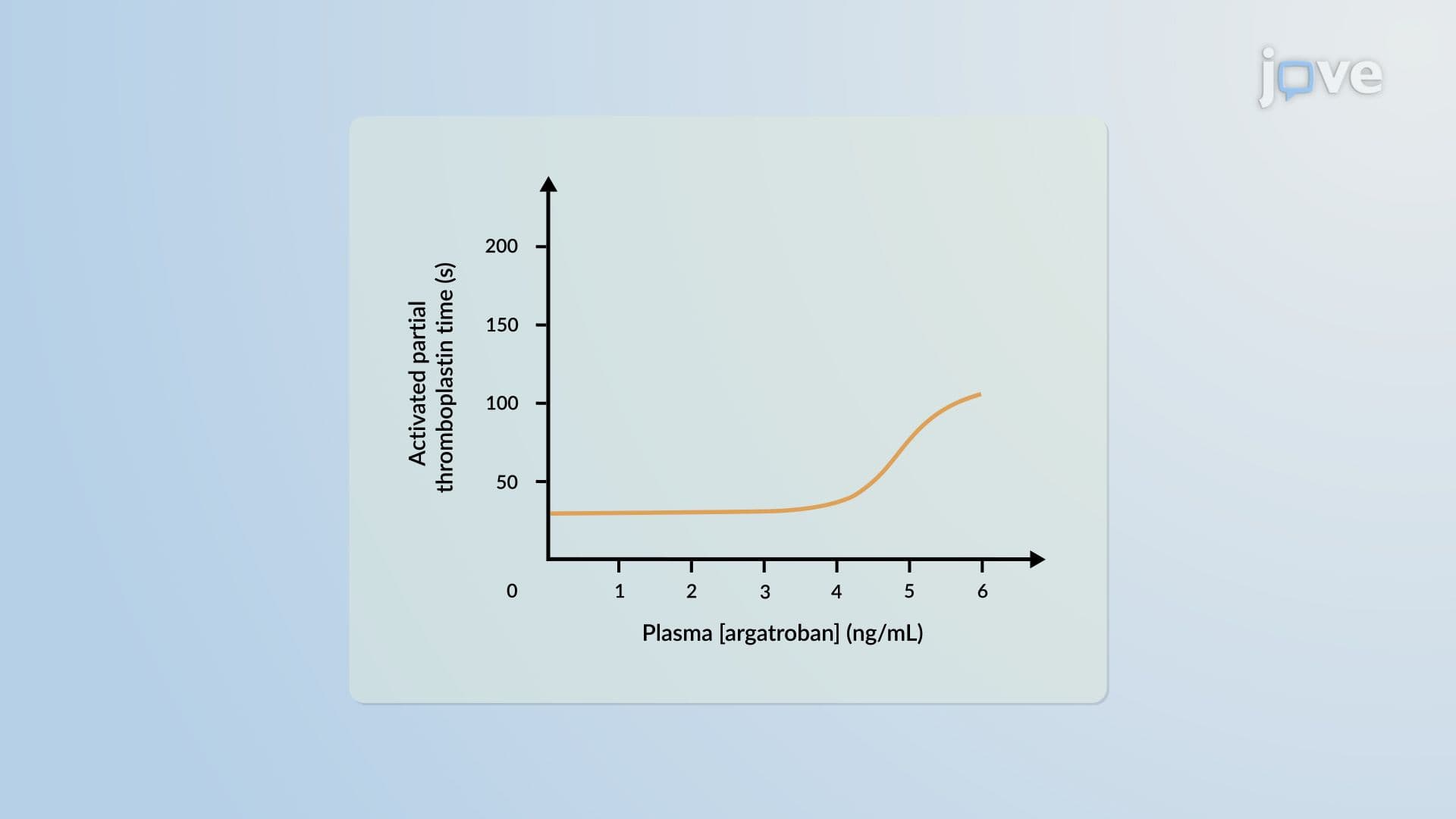

Video Summary: Direct Effect Model and Indirect Response Model in Pharmacodynamic
Direct effect model and indirect response model in pharmacodynamic models represent a critical decision-making framework when evaluating how drugs interact with biological systems under time pressure. Misreading concentration-response relationships-like confusing immediate drug action with delayed endogenous responses-leads to flawed dosing strategies and failed candidates. Mastering these basics sharpens your ability to make defensible, data-driven decisions in high-stakes drug development settings. Watch the full video on JoVE Coach to master this concept with expert-led visuals and step-by-step explanations.
A drug review meeting stalls. One team member argues the compound is underperforming because peak effect hasn't materialized at the expected time point. Another insists the dose is sufficient. The real problem? No one in the room has clearly established *which pharmacodynamic model governs this drug's behavior*. Without that foundation, the entire dosing discussion is built on assumption. This is where understanding the direct effect model and indirect response model in pharmacodynamic models becomes a practical, decision-shaping skill-not just a technical detail.
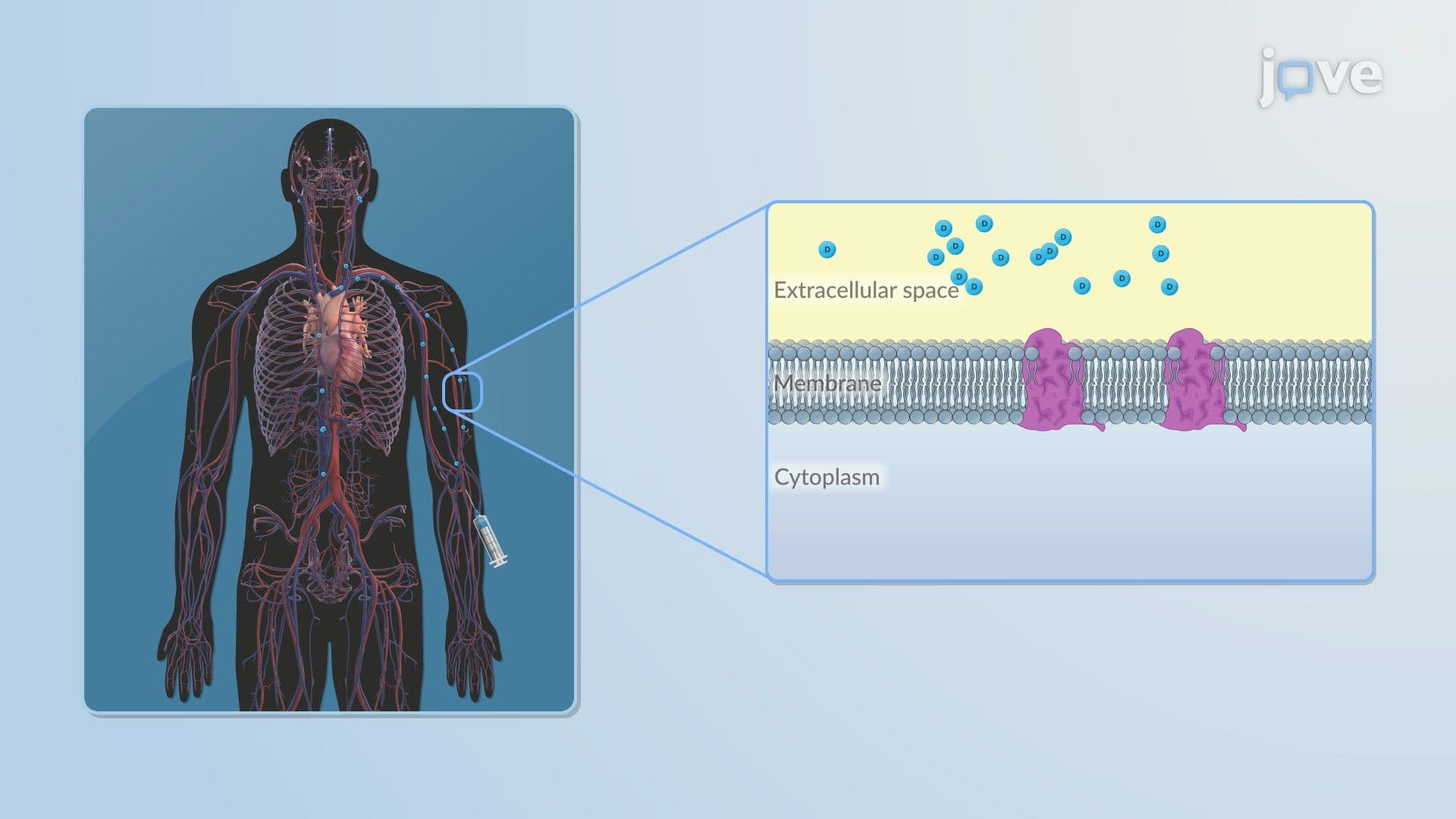
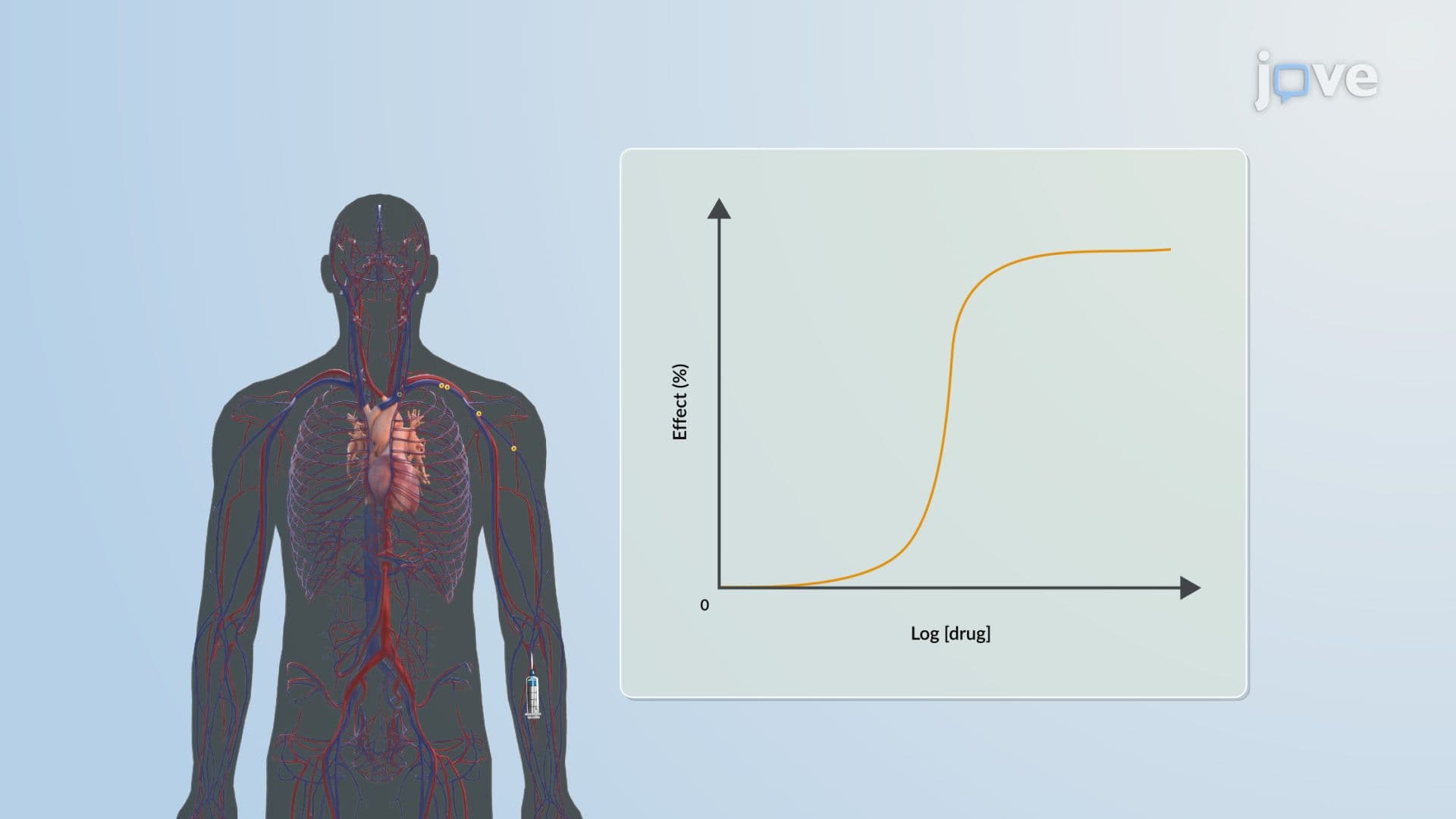
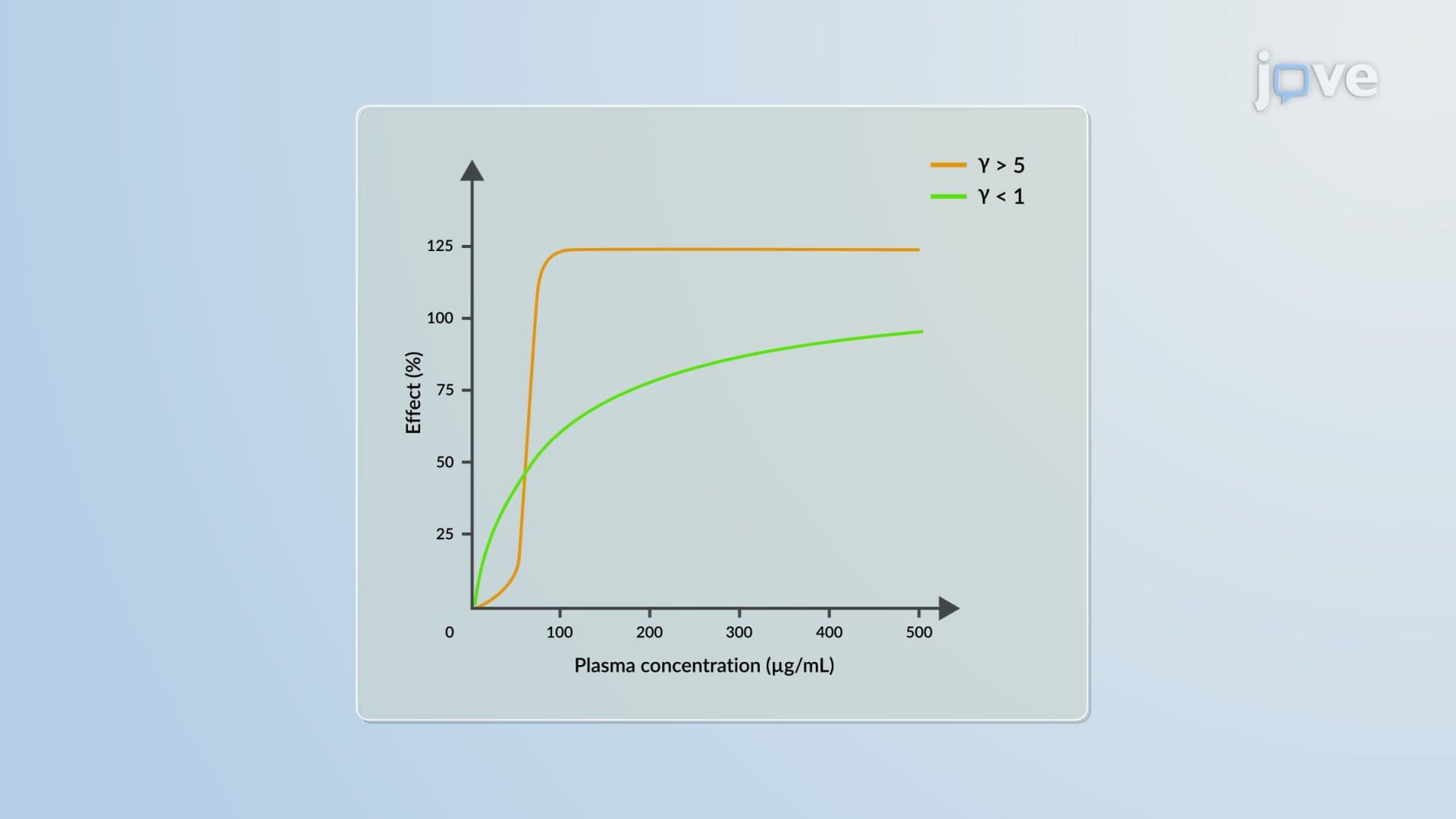
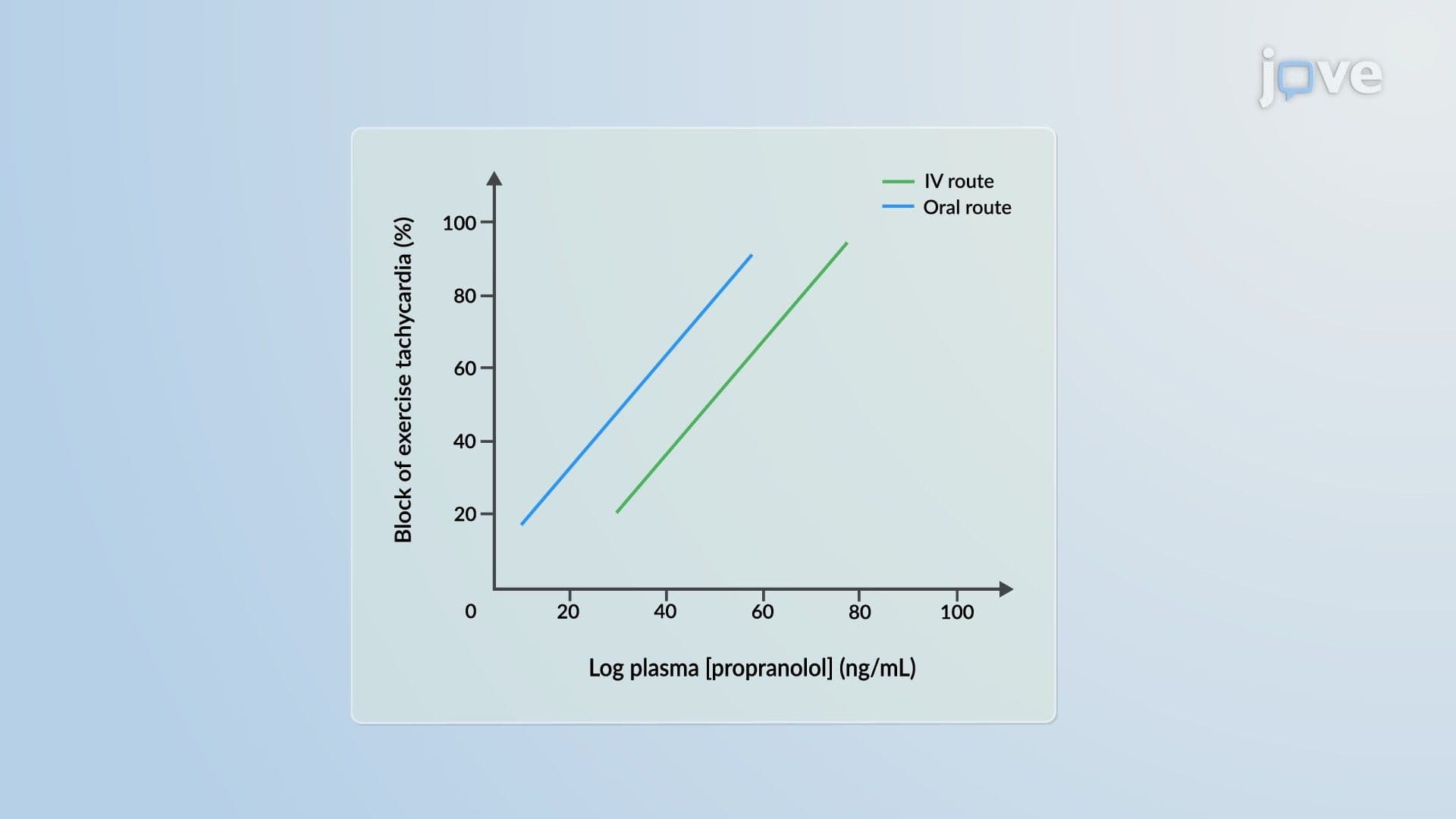
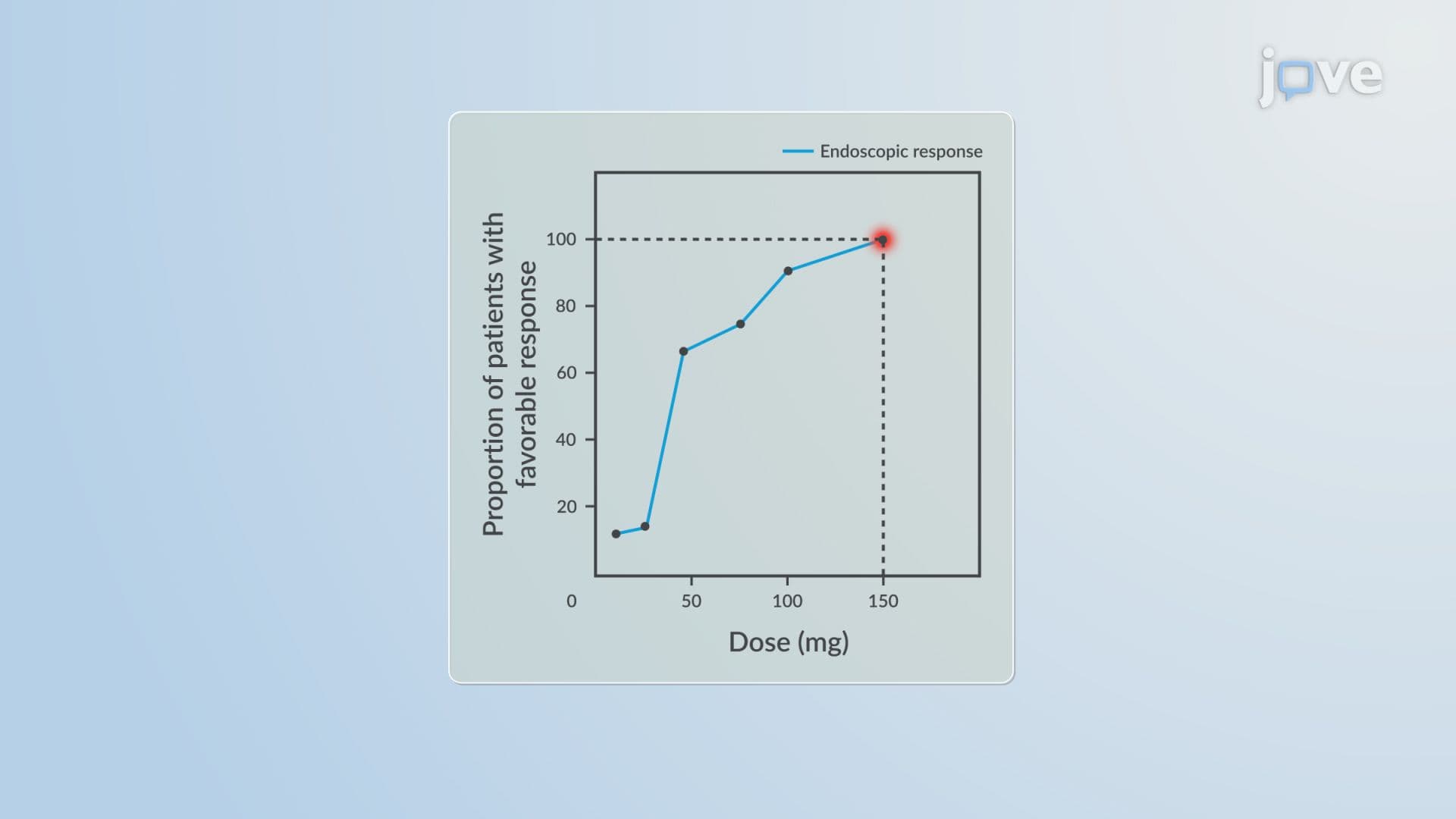
The most common error in applied PK/PD work is assuming that a drug's effect mirrors its plasma concentration in real time. This assumption holds only for direct effect models-drugs that rapidly reach their site of action and produce responses proportional to concentration. A linear model works when the relationship is straightforward. The Emax model applies when the response plateaus, defining a maximum achievable effect and the EC50, the concentration at which half that maximum is reached. These are clean, interpretable systems. The error occurs when professionals apply this same logic to drugs that work indirectly-where the actual target is the *rate* of production or degradation of an endogenous compound, not a receptor responding directly to drug concentration.
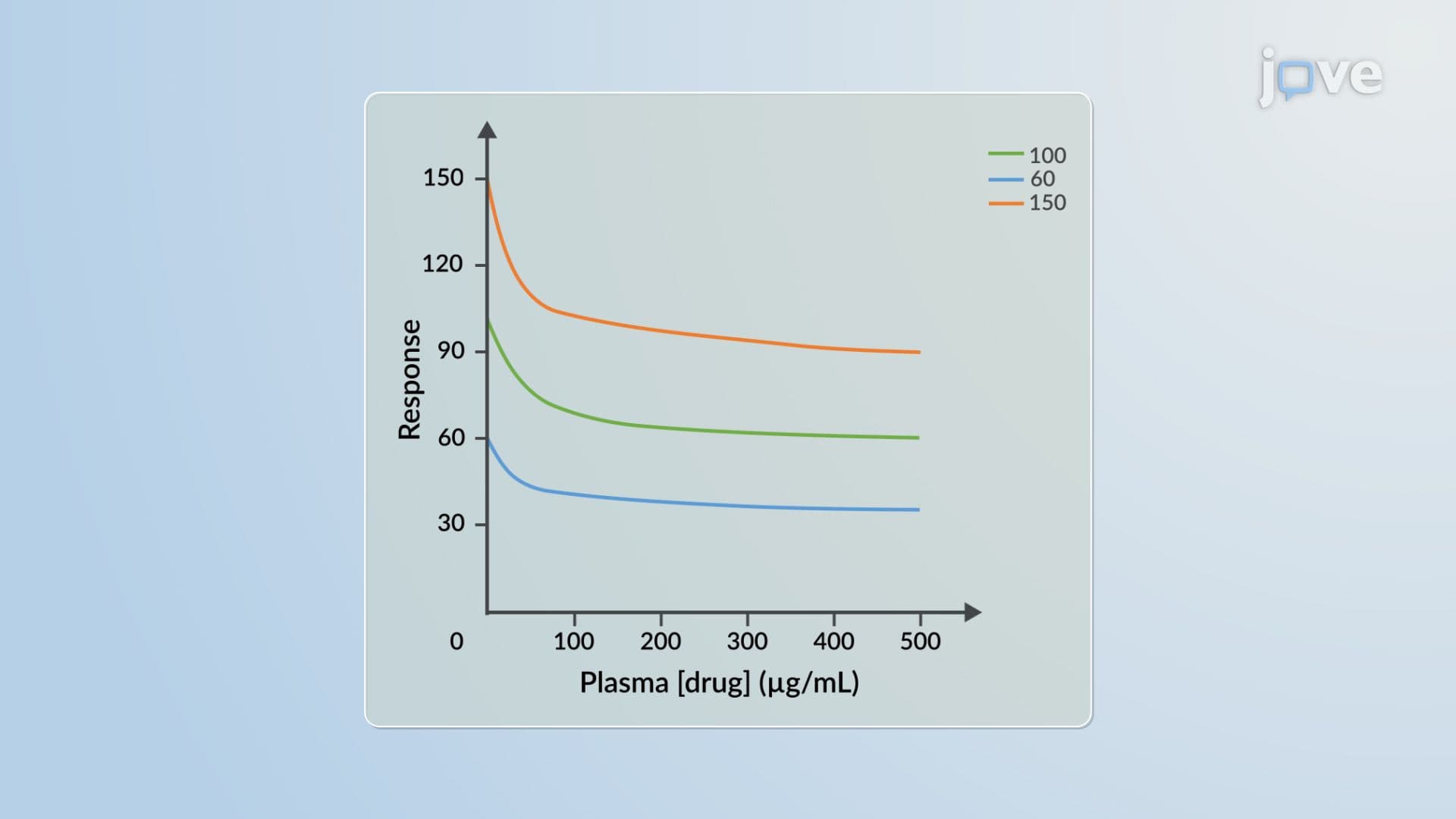
Indirect response models operate on a fundamentally different logic. Rather than linking drug concentration to effect directly, they describe how a drug modulates the body's own production or elimination processes. This creates four practical scenarios worth anchoring to:
The inhibitory models cap their effect between zero and one (I-max), while stimulatory models express a maximum stimulation value always greater than zero. In practice, this distinction determines how you interpret a dose-response curve that appears to plateau, invert, or shift with dose escalation. Think of this as the RACI equivalent of pharmacodynamics-clarifying *who* (which mechanism) is responsible for *what* (the observed effect) at every stage.
When evaluating PK/PD data for a candidate drug, apply a three-step diagnostic before drawing conclusions about efficacy:
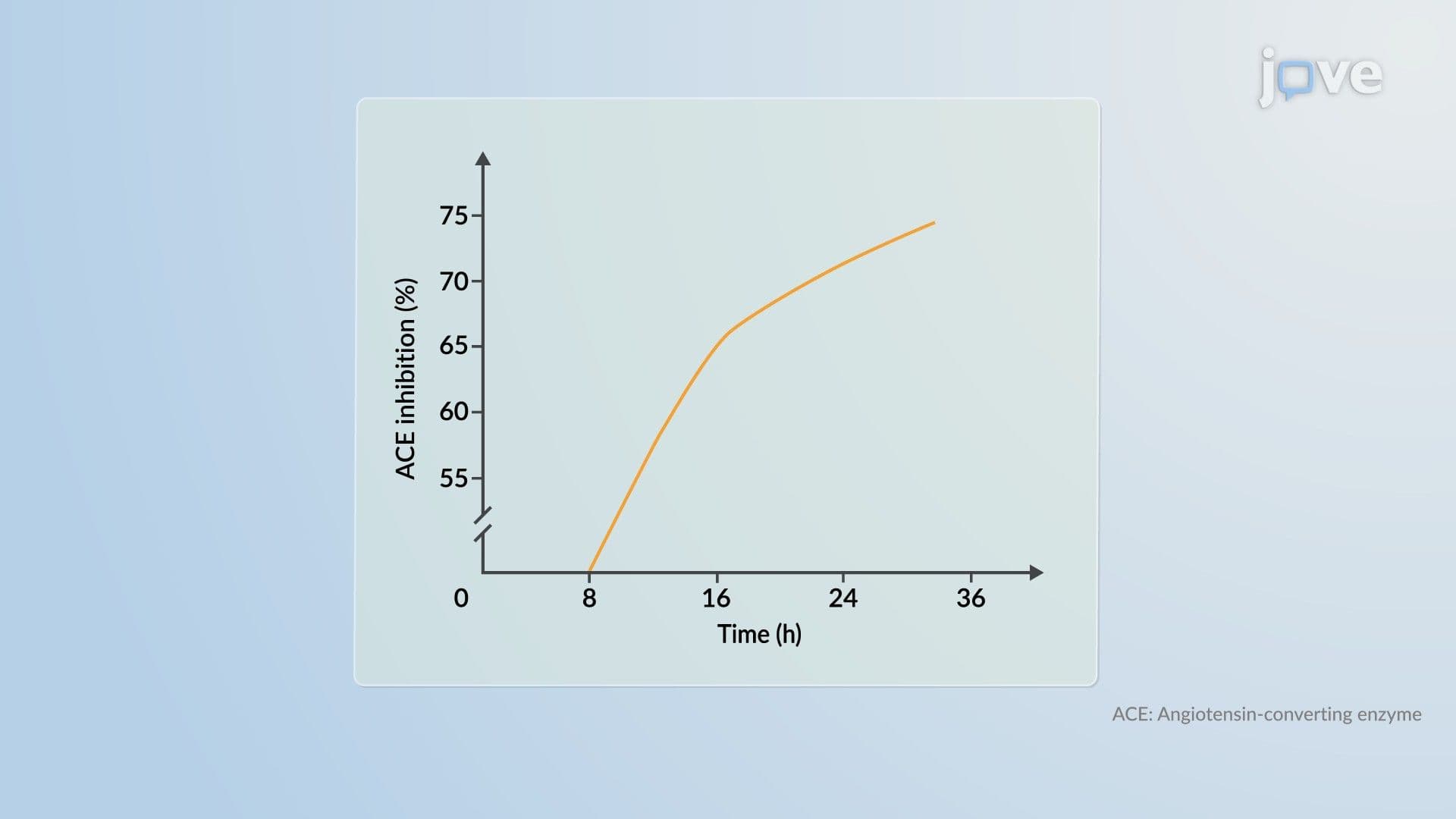
1. Characterize the temporal relationship, Does peak effect coincide with peak concentration, or is there a lag? Hysteresis in the PK/PD relationship is a strong signal that an indirect mechanism is at work. 2. Identify rate independence at low doses, Indirect response models uniquely predict that initial response rates are independent of dose. If early-phase data shows this pattern, assign the appropriate model before extrapolating. 3. Anticipate prolonged time-to-peak at high doses, Unlike direct effect models, indirect response models predict that higher doses extend the time to maximum effect, not just the magnitude. Treating this as a failure risks discarding a viable candidate.
These steps translate directly into more structured go/no-go discussions, sharper dose selection rationale, and more credible cross-functional communication with clinical, regulatory, and formulation teams.
The most costly mistake is applying a direct effect framework to an indirectly acting drug during early candidate assessment-misinterpreting the delayed response as poor bioavailability or weak potency. A second error is conflating Imax and Emax parameters across model types, leading to incorrect simulations. A third, often invisible error is neglecting to validate which model best fits the data before scaling dose predictions. Building a discipline of model selection *before* interpretation-not after-is the professional standard that separates confident decision-making from reactive troubleshooting.
Related Micro-courses