Loading video…


 6 Concepts
 2.3K views
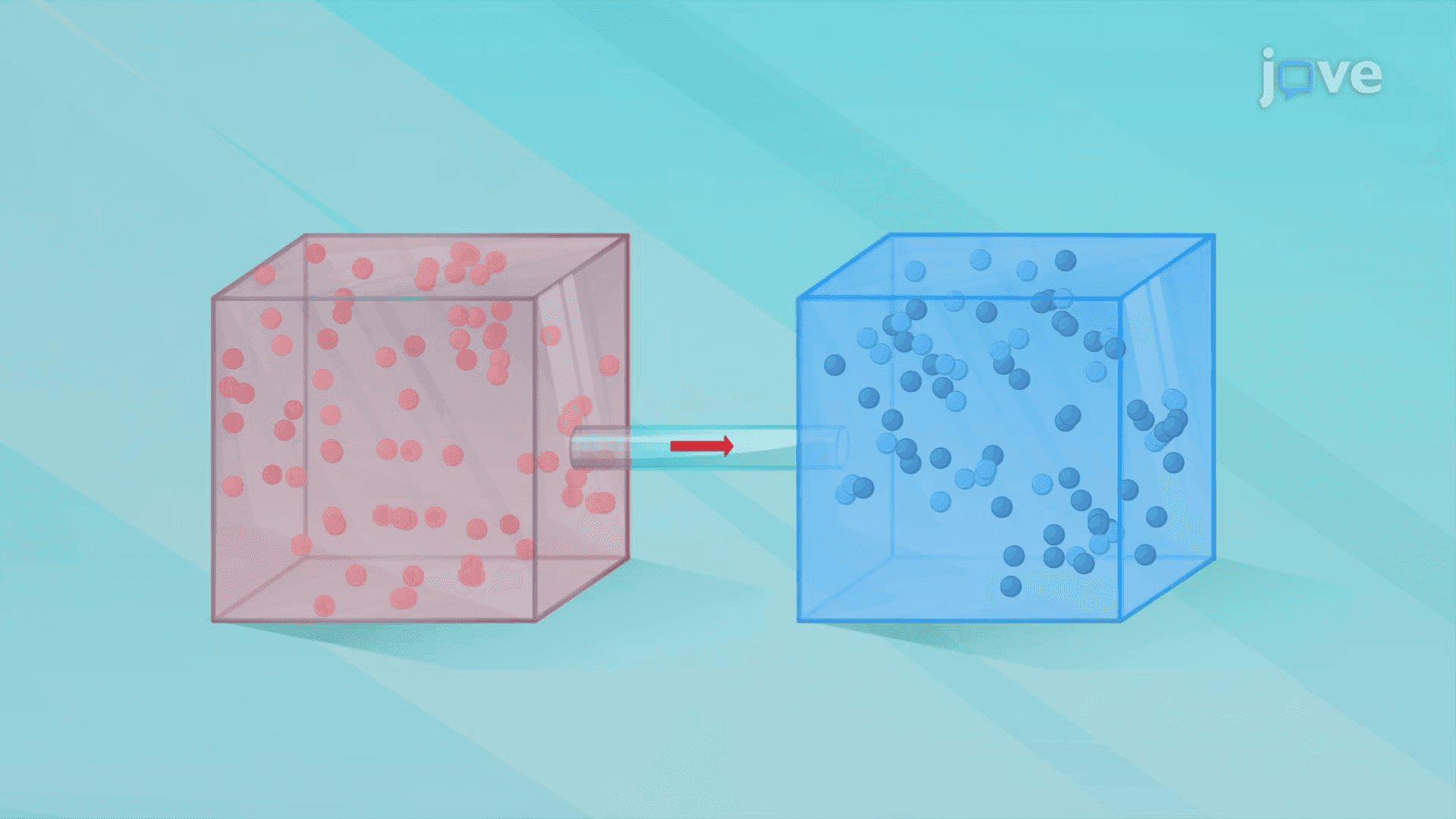

Video Summary: Entropy and the Second Law of Thermodynamics Explained
Why does ice never spontaneously form in a warm room? The answer lies in entropy and the second law of thermodynamics. This foundational concept governs why heat flows from hot to cold, like coffee cooling on a desk at a Seattle café, and why disorder in the universe always increases. Understanding entropy and the second law of thermodynamics basics unlocks the logic behind every spontaneous natural process. Watch the full video on JoVE Coach to master this concept with expert-led visuals and step-by-step explanations.
Few ideas in physics are as sweeping, or as misunderstood, as entropy and the second law of thermodynamics. At its core, this principle answers a deceptively simple question: why do natural processes run in one direction? Eggs break but do not reassemble. Perfume spreads across a room but never collects back into the bottle. The second law of thermodynamics gives us the scientific framework to understand why.
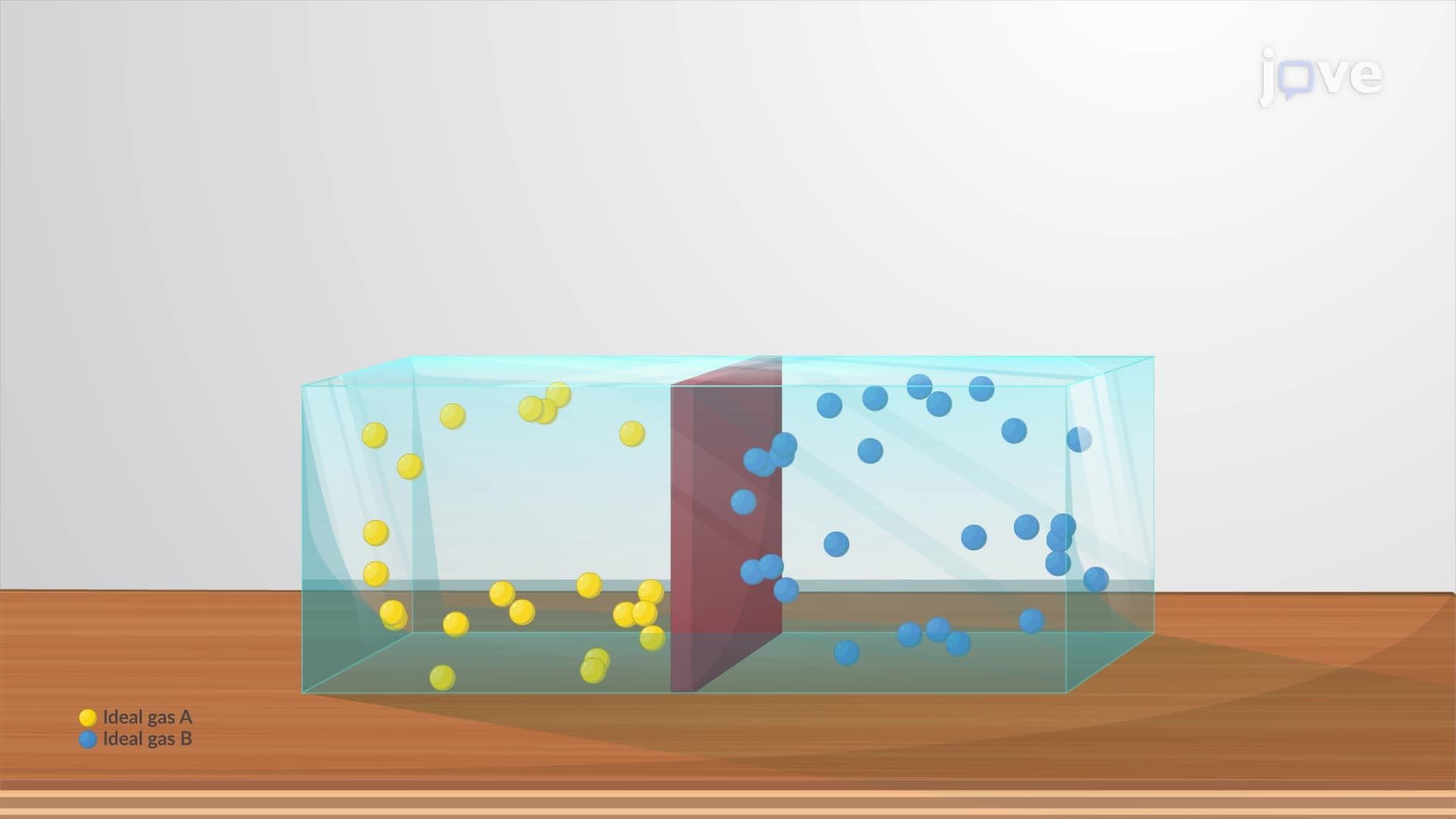
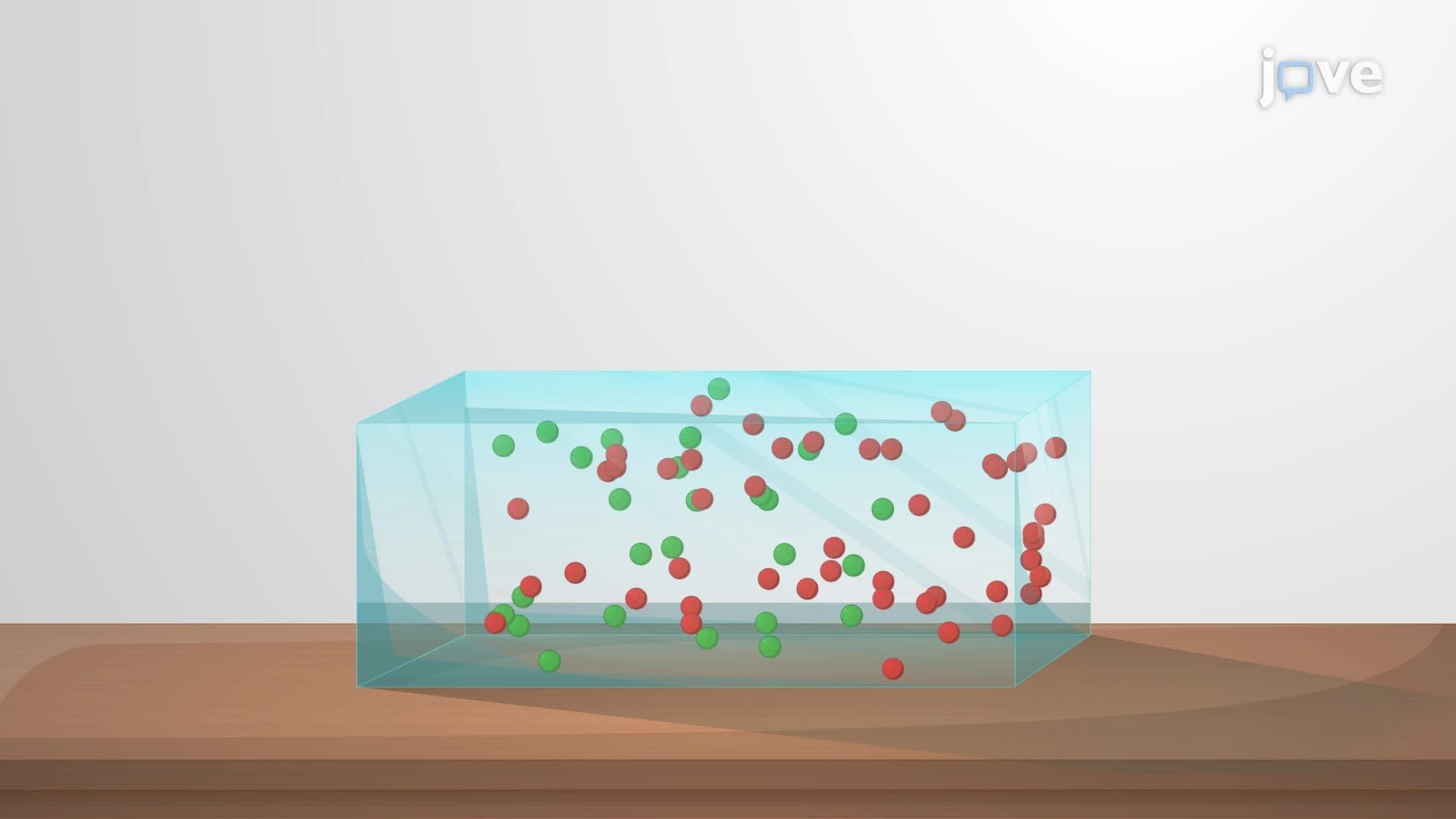
Entropy (S) quantifies the degree of disorder or randomness in a system. The greater the number of possible microscopic arrangements of a system's particles, the higher its entropy. A tidy stack of textbooks has low entropy; the same books scattered across a dorm room floor have high entropy.
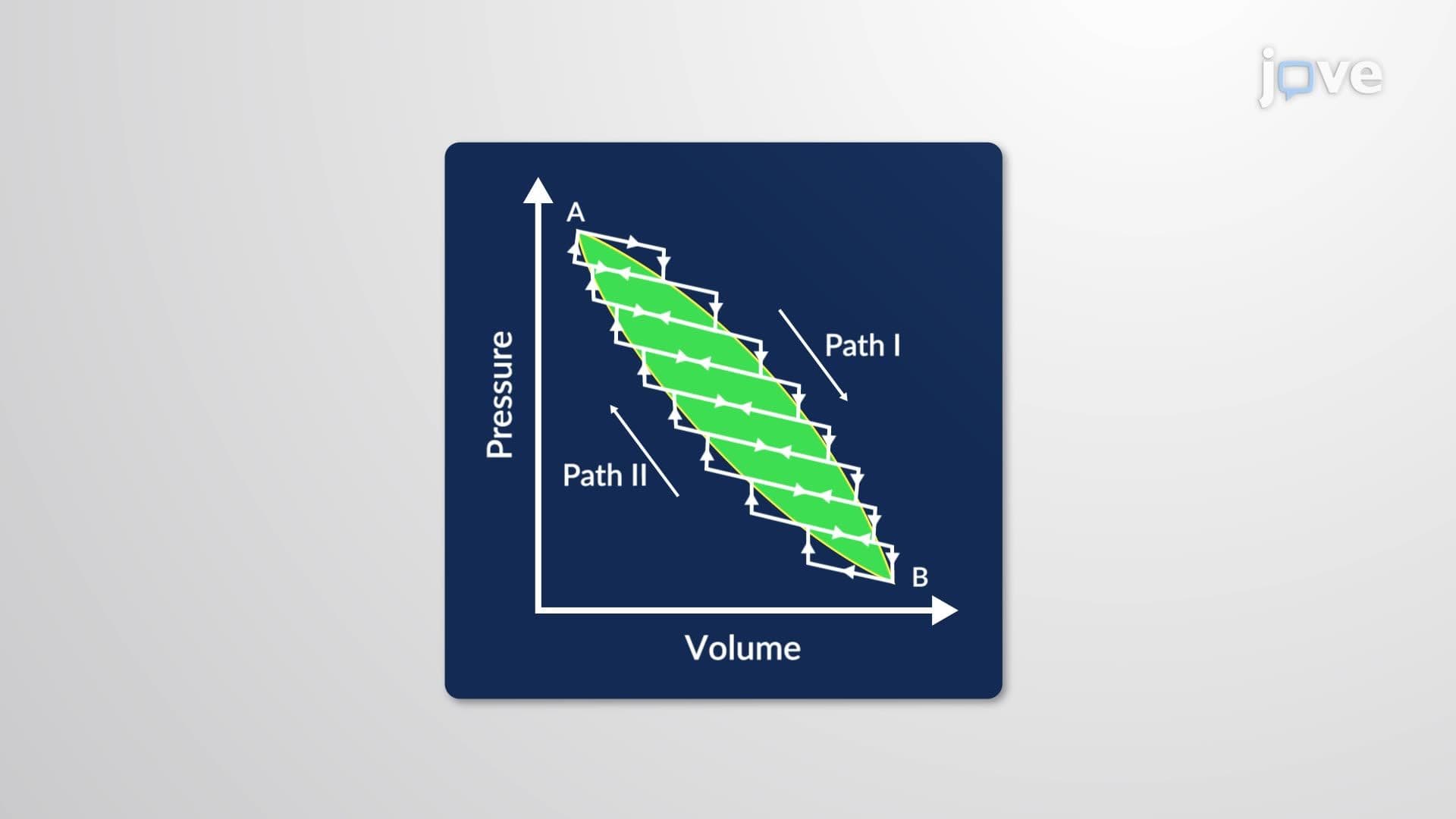
Entropy changes are always calculated using reversible heat transfers, because reversible paths provide a mathematically well-defined route between states. For an infinitesimal reversible process, the entropy change is:
dS = dQ(rev) / T
where dQ(rev) is the infinitesimal reversible heat input and T is the absolute temperature in Kelvin. For a process carried out isothermally (at constant temperature), this simplifies to:
ΔS = Q(rev) / T
For processes involving changing temperatures, such as heating water from 25°C to 100°C, the total entropy change is found by integrating dQ/T over the entire temperature range.
The second law of thermodynamics makes a bold claim: the total entropy of the universe never decreases. For any real, irreversible process, the entropy of the universe increases. Only for an ideal reversible process does it remain constant. No real process is perfectly reversible, which means nature is always trending toward greater disorder.
This law explains the directionality of heat flow: energy spontaneously moves from a hot object to a cold one because doing so increases total entropy. Consider a hospital setting, when a patient's fever breaks and body heat dissipates into the cooler room, this irreversible heat transfer increases the universe's entropy, consistent with the second law.
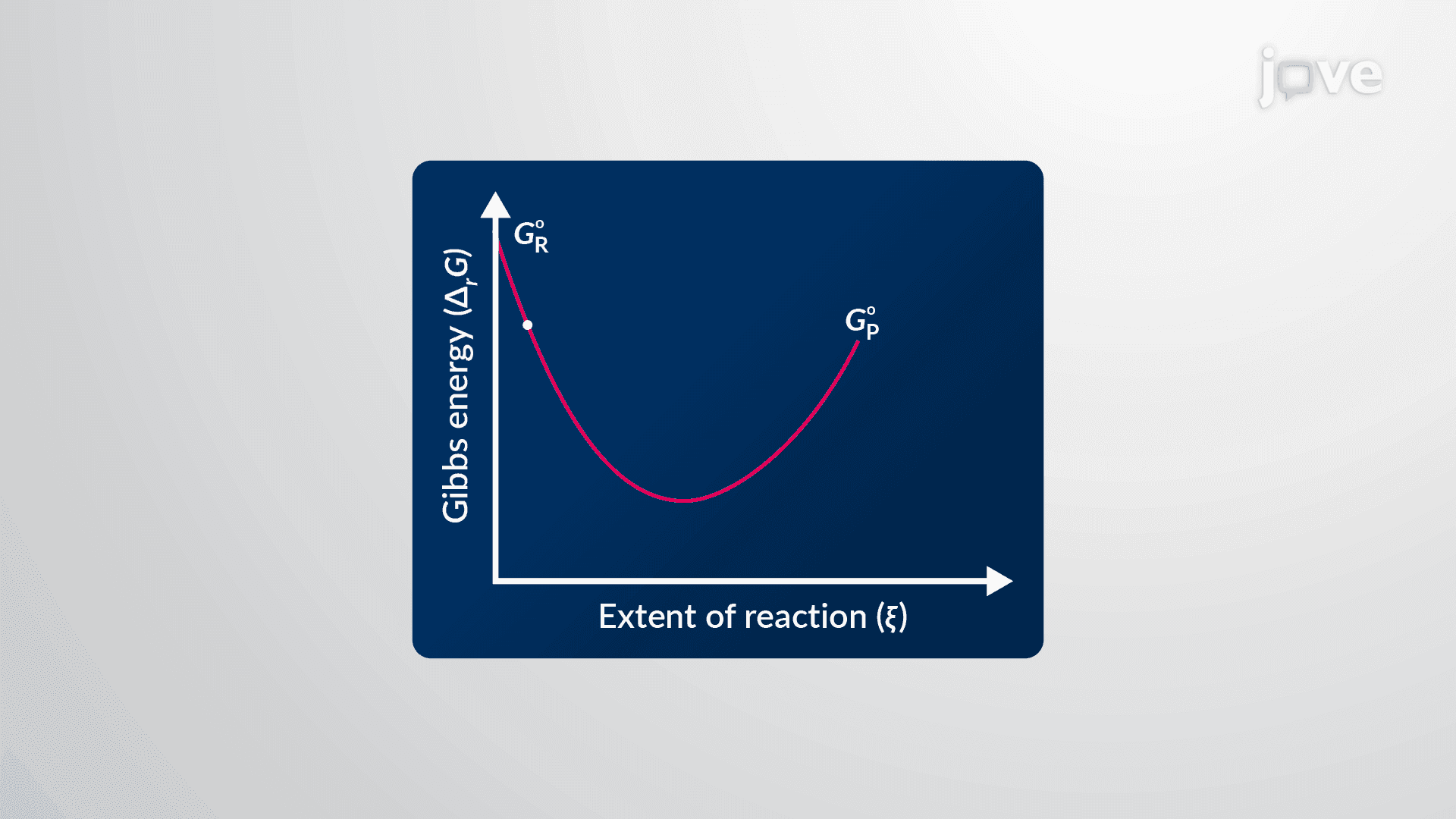
Understanding entropy unlocks related concepts critical for AP Chemistry, MCAT preparation, and college-level physical chemistry courses. Gibbs free energy (G) combines entropy and enthalpy to predict spontaneity under constant pressure:
ΔG = ΔH − TΔS
A reaction is spontaneous when ΔG is negative, which depends heavily on the entropy change (ΔS). Helmholtz free energy (A) plays an analogous role at constant volume. These relationships are tested extensively on the MCAT and in college thermodynamics and biochemistry courses across the US.
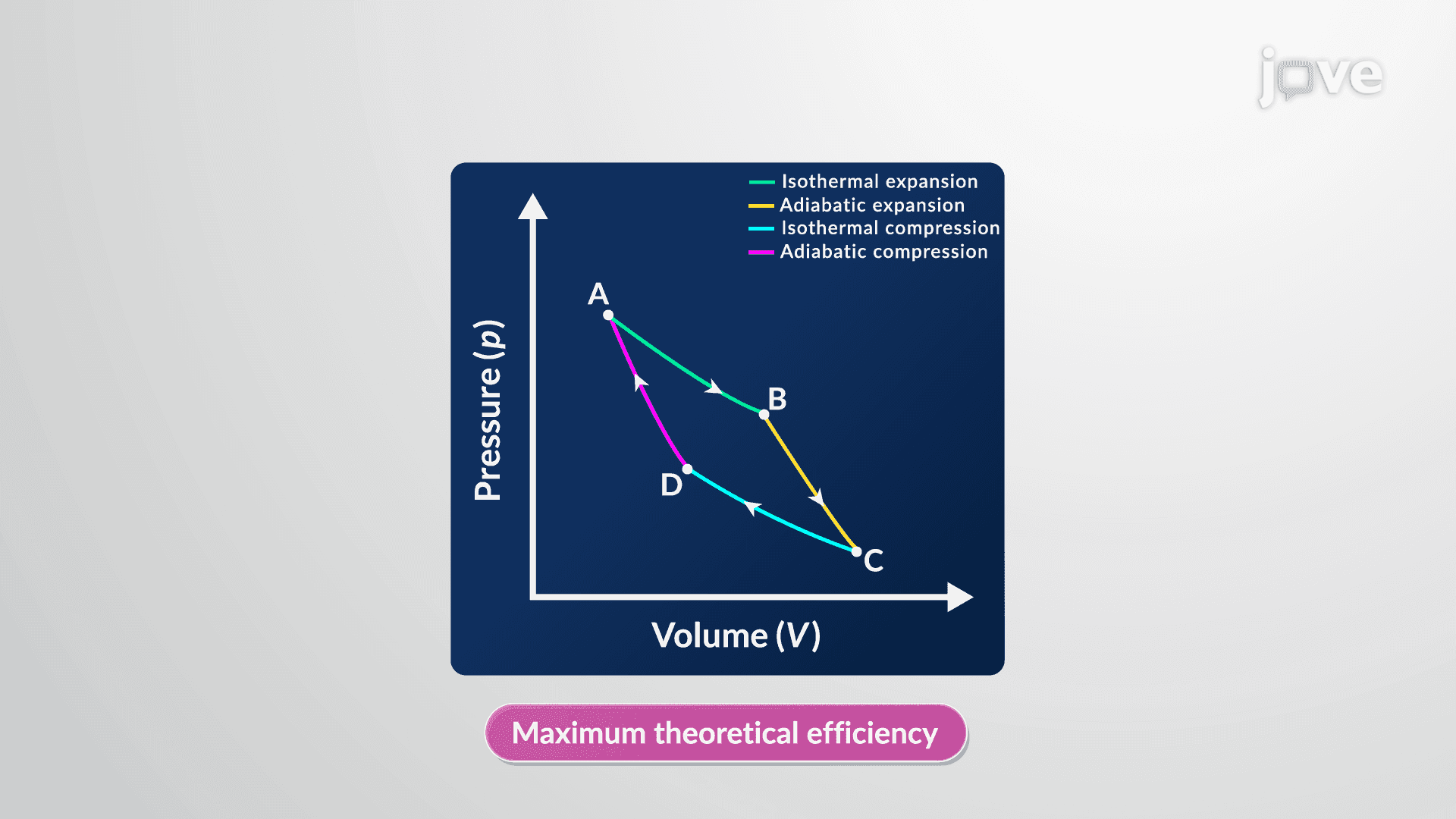
The Carnot cycle, the idealized thermodynamic cycle studied in AP Physics and engineering thermodynamics, is built on reversible processes and directly illustrates the limits imposed by the second law. It shows that no heat engine can be 100% efficient, because some entropy-increasing heat transfer to a cold reservoir is always required.
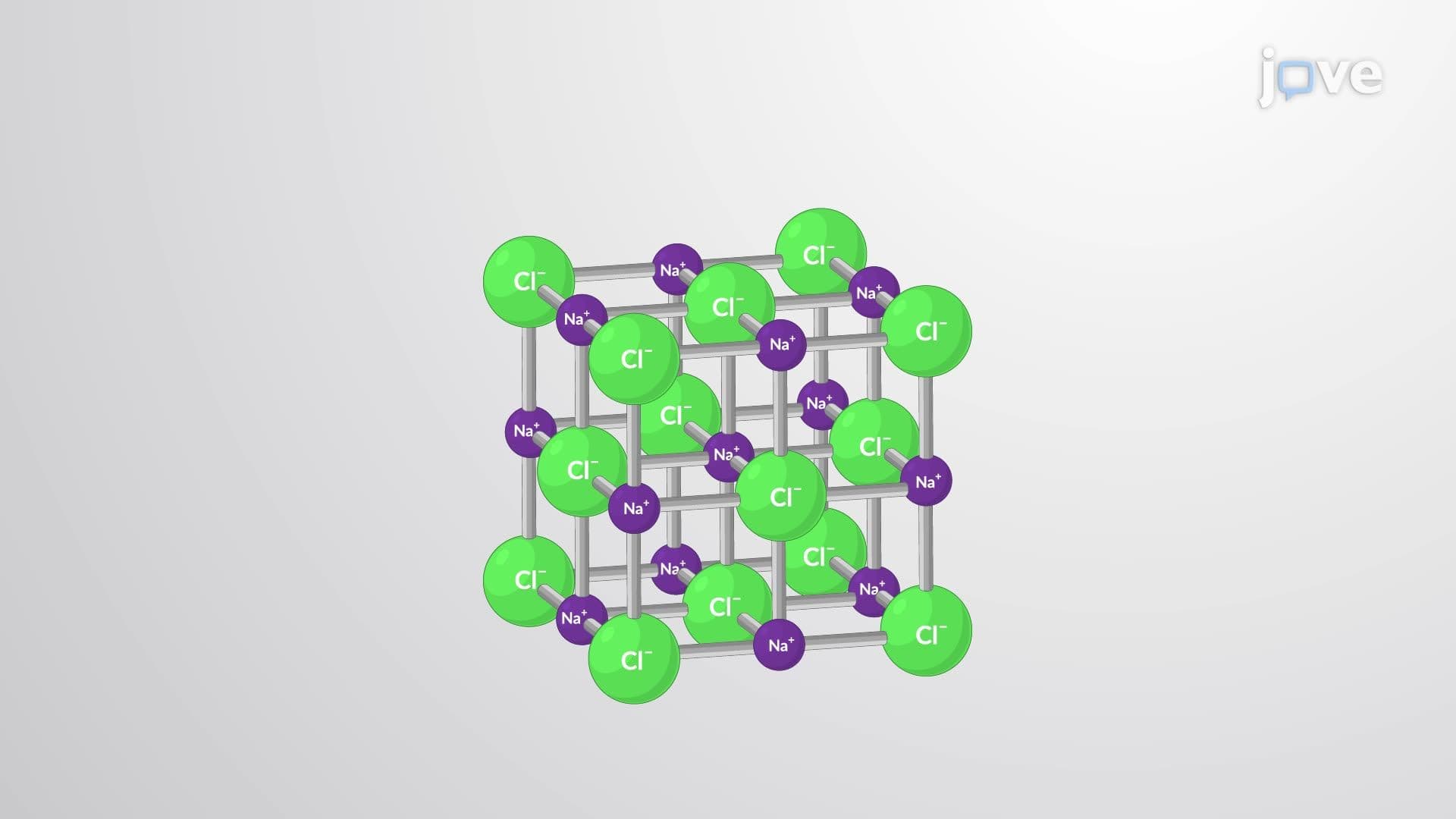
The third law of thermodynamics states that the entropy of a perfect crystal at absolute zero (0 K) is exactly zero. This gives scientists an absolute reference point. All absolute entropy values reported in standard thermodynamic tables, used in AP Chemistry free-response problems and college lab reports, are measured relative to this baseline. This makes it possible to calculate standard entropy changes (ΔS°) for reactions, a key skill on exams and in research settings like US national laboratories and pharmaceutical companies.
Related Micro-courses