Loading video…

 6 Concepts
 2.3K views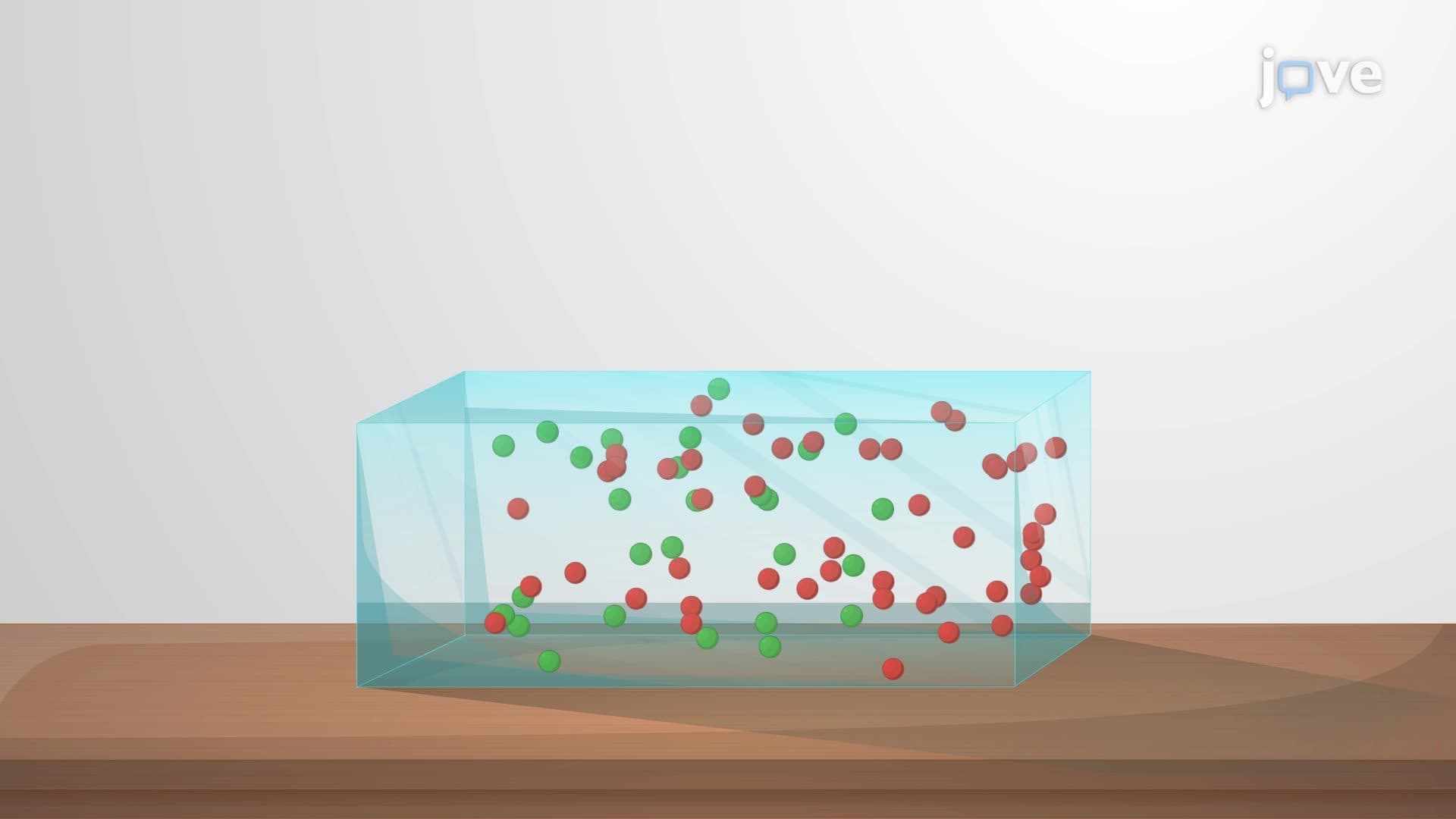

Video Summary: Entropy Changes Accompanying Specific Processes Explained
Why does ice melt spontaneously at room temperature but never refreeze on its own? The answer lies in entropy changes accompanying specific processes, one of the most powerful ideas in thermodynamics. From phase transitions like boiling water on a US stovetop to ideal gas expansions in engine cylinders, entropy governs what's possible in nature. Watch the full video on JoVE Coach to master this concept with expert-led visuals and step-by-step explanations.
Entropy, often described as a measure of disorder or the number of accessible microstates in a system, doesn't change randomly. It changes in predictable, calculable ways that depend on the type of process occurring. Understanding entropy changes accompanying specific processes is essential for predicting reaction spontaneity, designing efficient engines, and passing high-stakes exams like the AP Chemistry exam and the MCAT. Below are the four major categories of processes every student must know.
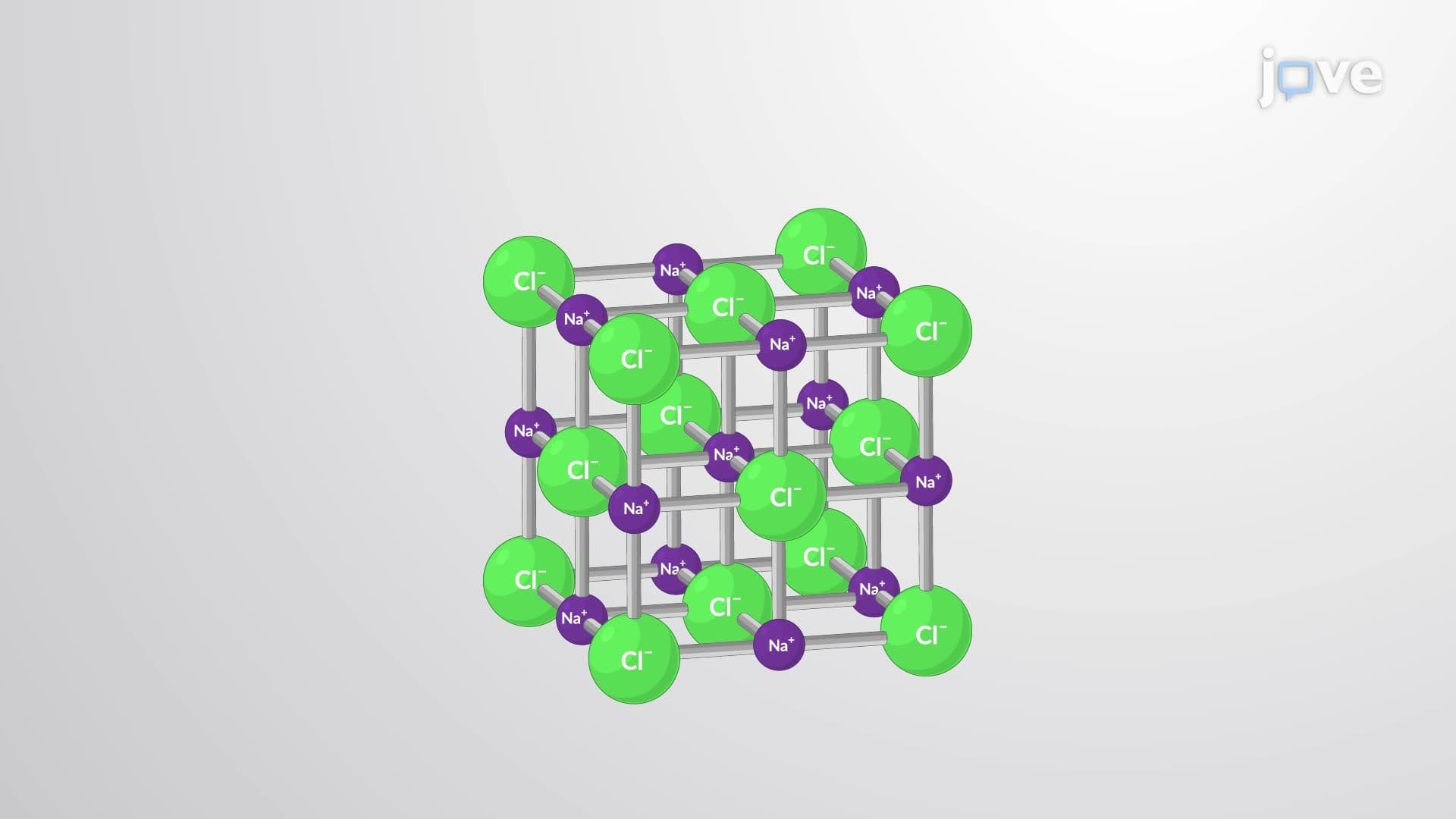
During a phase transition, such as melting ice at 0°C or boiling water at 100°C, the entropy change is calculated using the simple ratio of the enthalpy of transition (delta H) to the transition temperature (T in Kelvin):
delta S = delta H(transition) / T
For an endothermic transition like vaporization, energy flows *into* the system, and entropy *increases* because molecules gain more freedom of motion. For an exothermic transition like freezing, entropy *decreases* as the system becomes more ordered. Critically, at the exact transition temperature, the total entropy change of the universe (system plus surroundings) equals zero, the process is reversible and the system is in equilibrium. This concept appears frequently in AP Chemistry free-response questions and is central to understanding thermodynamic equilibrium.
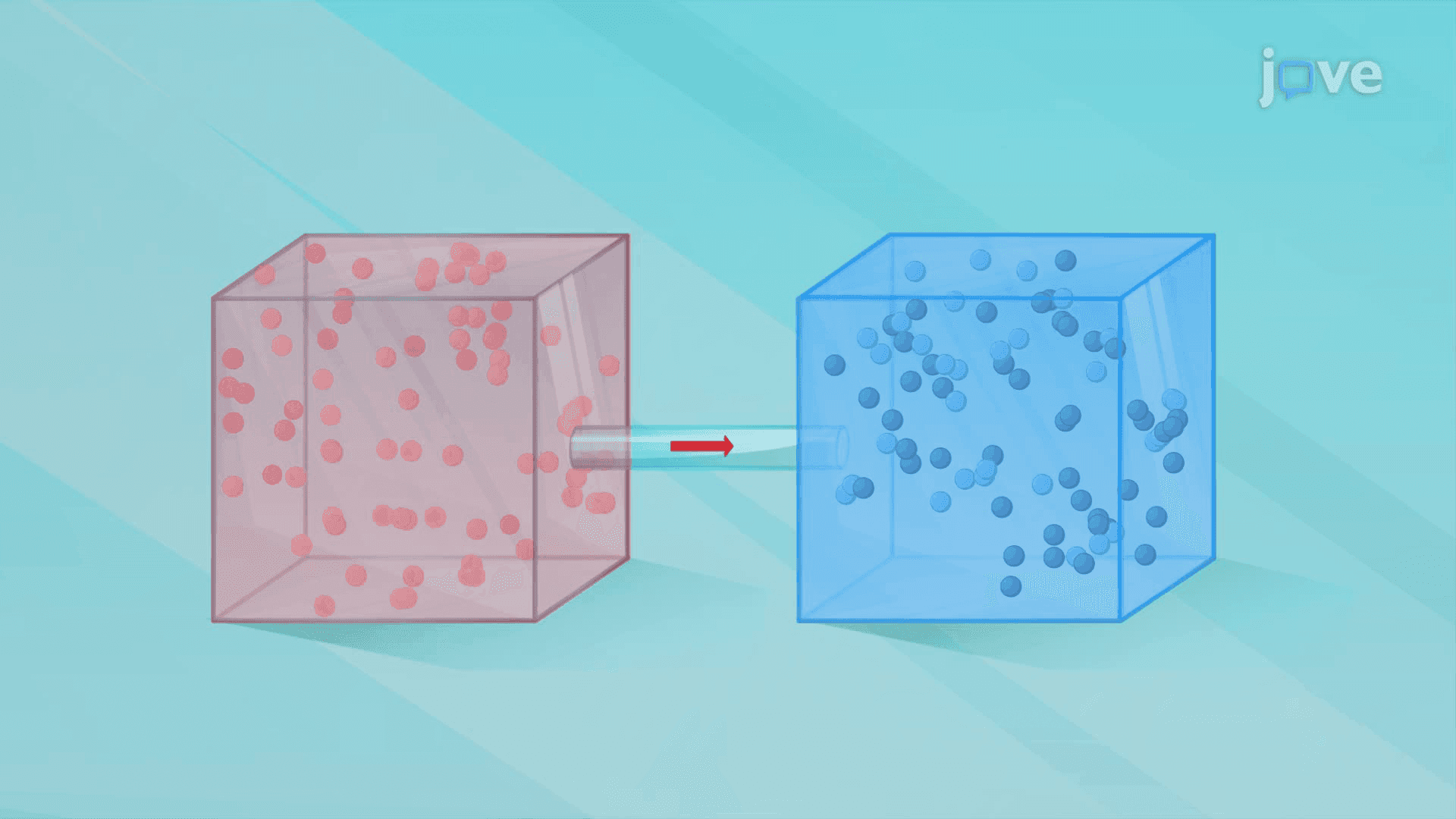
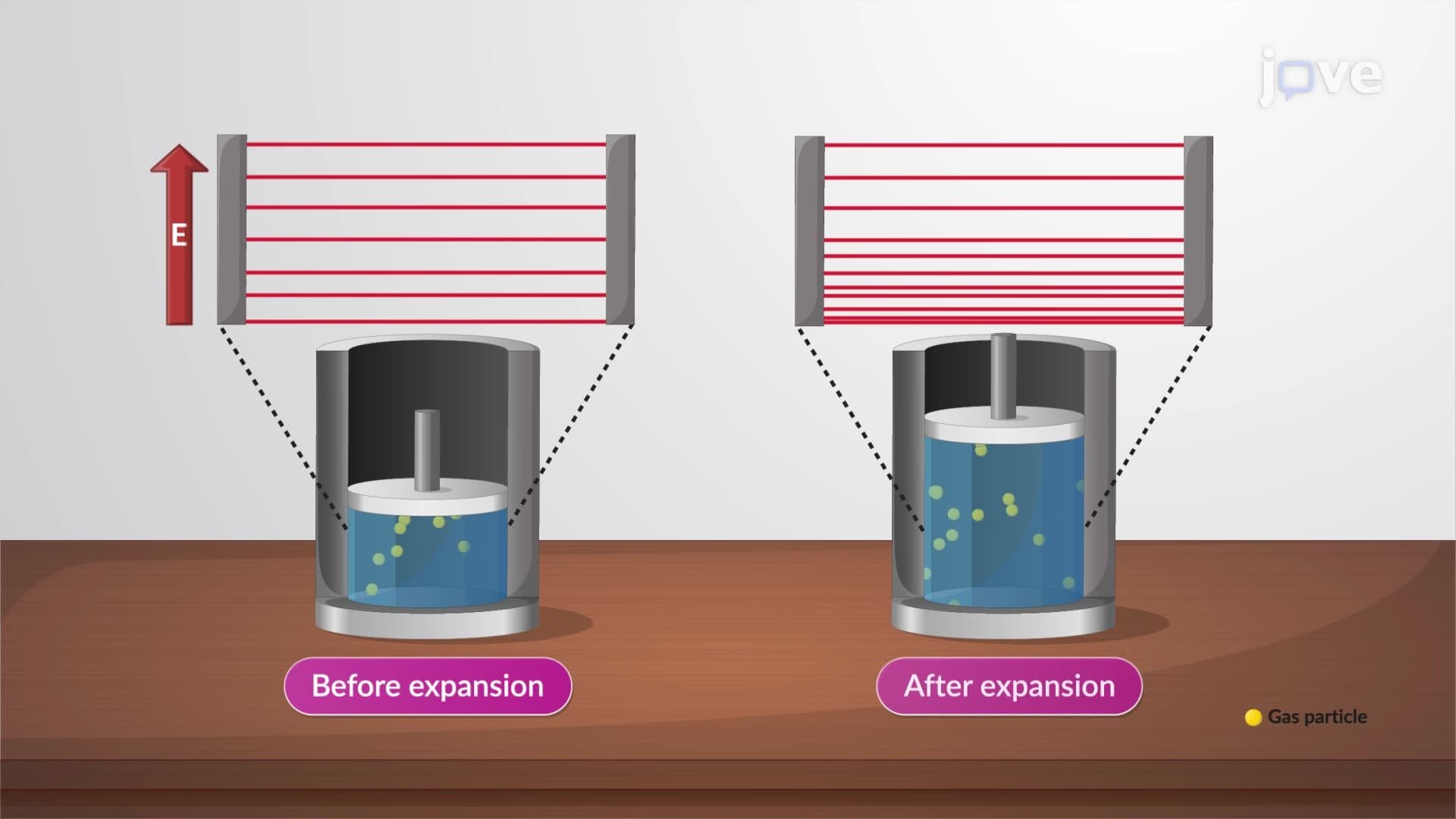
When an ideal gas expands isothermally, meaning at constant temperature, the entropy change depends on the ratio of the final to initial volume:
delta S = nR × ln(V(final) / V(initial))
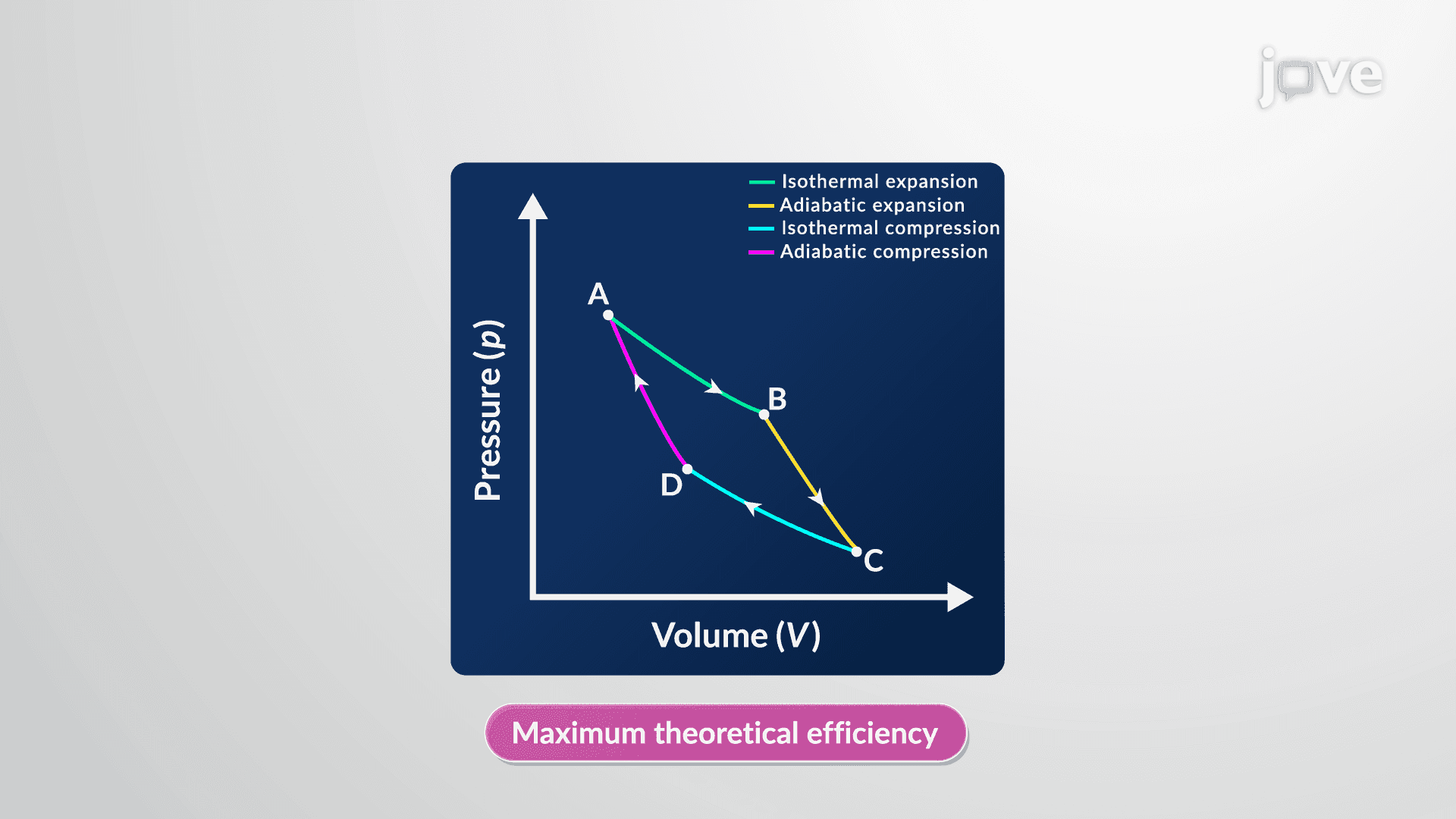
where n is the number of moles and R is the gas constant. This logarithmic relationship means entropy rises steeply at small volume increases and more gradually at larger ones. Real-world analogy: releasing compressed air from a US-manufactured aerosol can into a room is an irreversible, entropy-increasing process. This concept connects directly to the Carnot cycle, which models the maximum efficiency of heat engines and is a staple of both college-level thermodynamics and MCAT physical sciences content.
When a substance is heated at constant pressure or constant volume, its entropy increases with temperature. The rate of change depends on heat capacity (Cp at constant pressure, Cv at constant volume):
delta S = n × C × ln(T(final) / T(initial))
Entropy rises more steeply at low temperatures and more gradually at high temperatures, a curve that flattens as temperature increases. Substances with higher heat capacities, like liquid water (one of the highest among common substances), show larger entropy gains for the same temperature increase. This principle underpins the third law of thermodynamics, which establishes that entropy equals zero at absolute zero (0 Kelvin), providing the baseline for calculating absolute entropy values tabulated in AP and college chemistry textbooks.
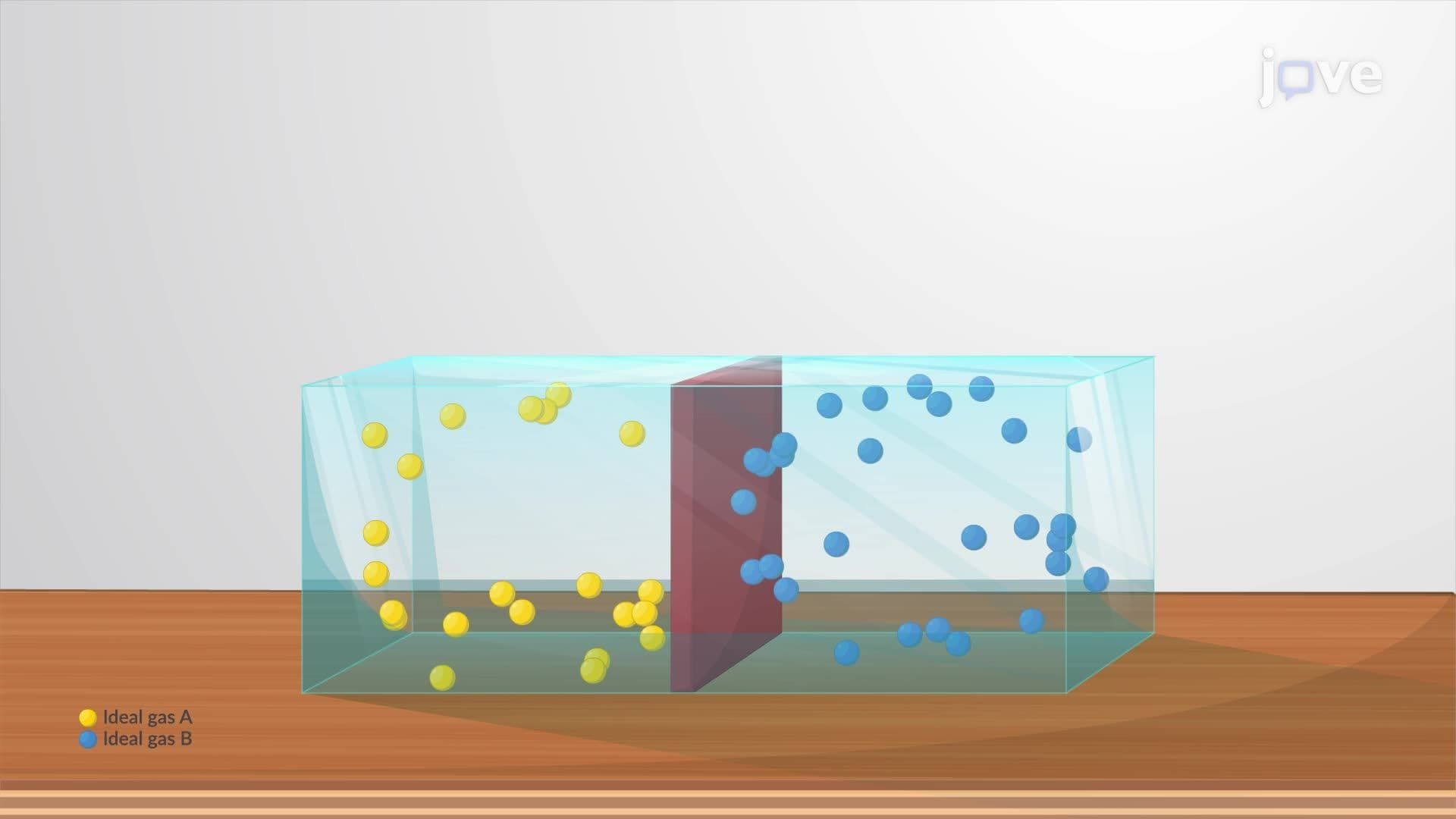
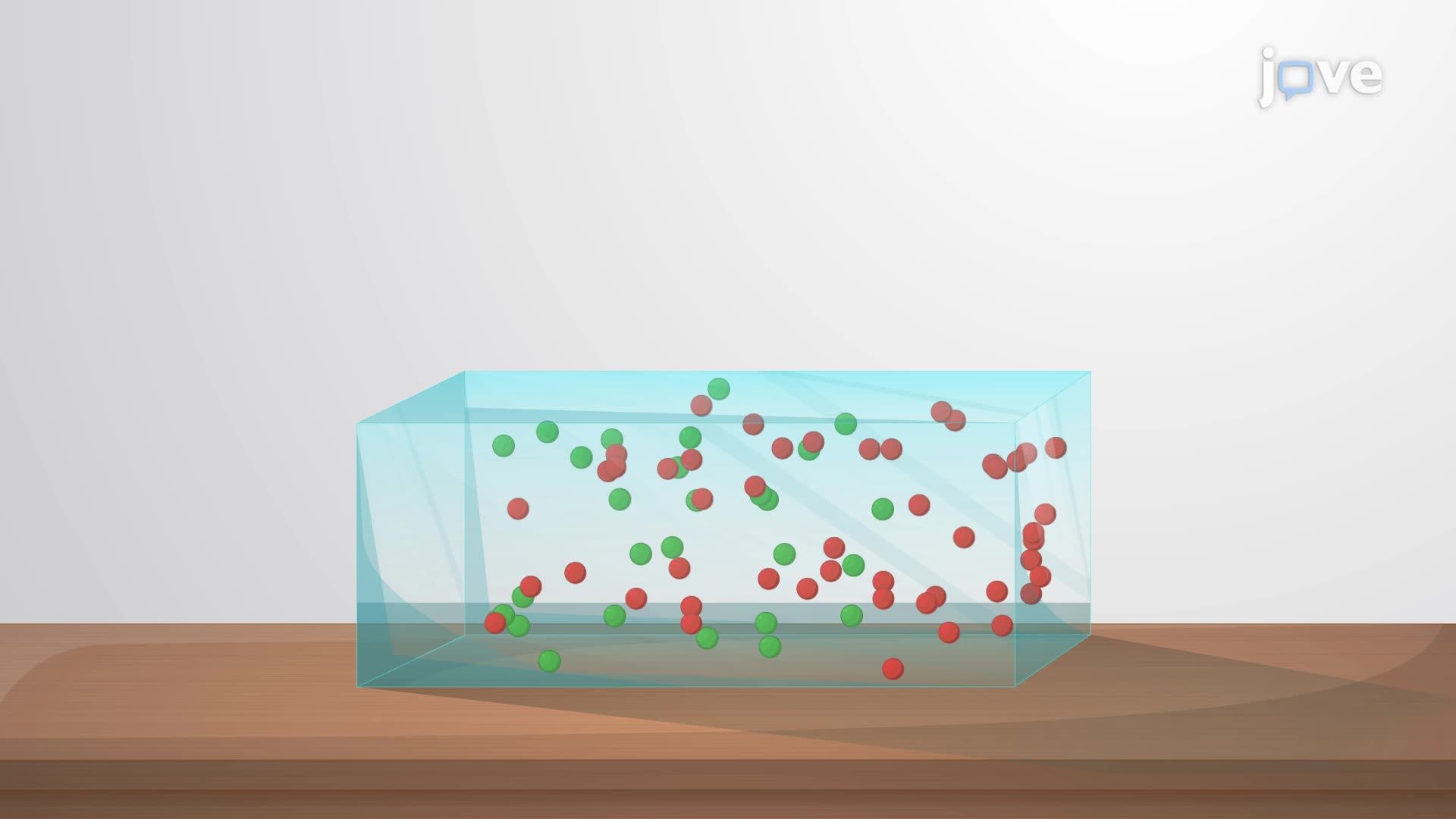
When two or more ideal gases mix spontaneously in an isolated container at the same pressure and temperature, entropy always increases, no energy input is required. The entropy of mixing is calculated using mole fractions:
delta S(mix) = -nR × sum[x(i) × ln(x(i))]
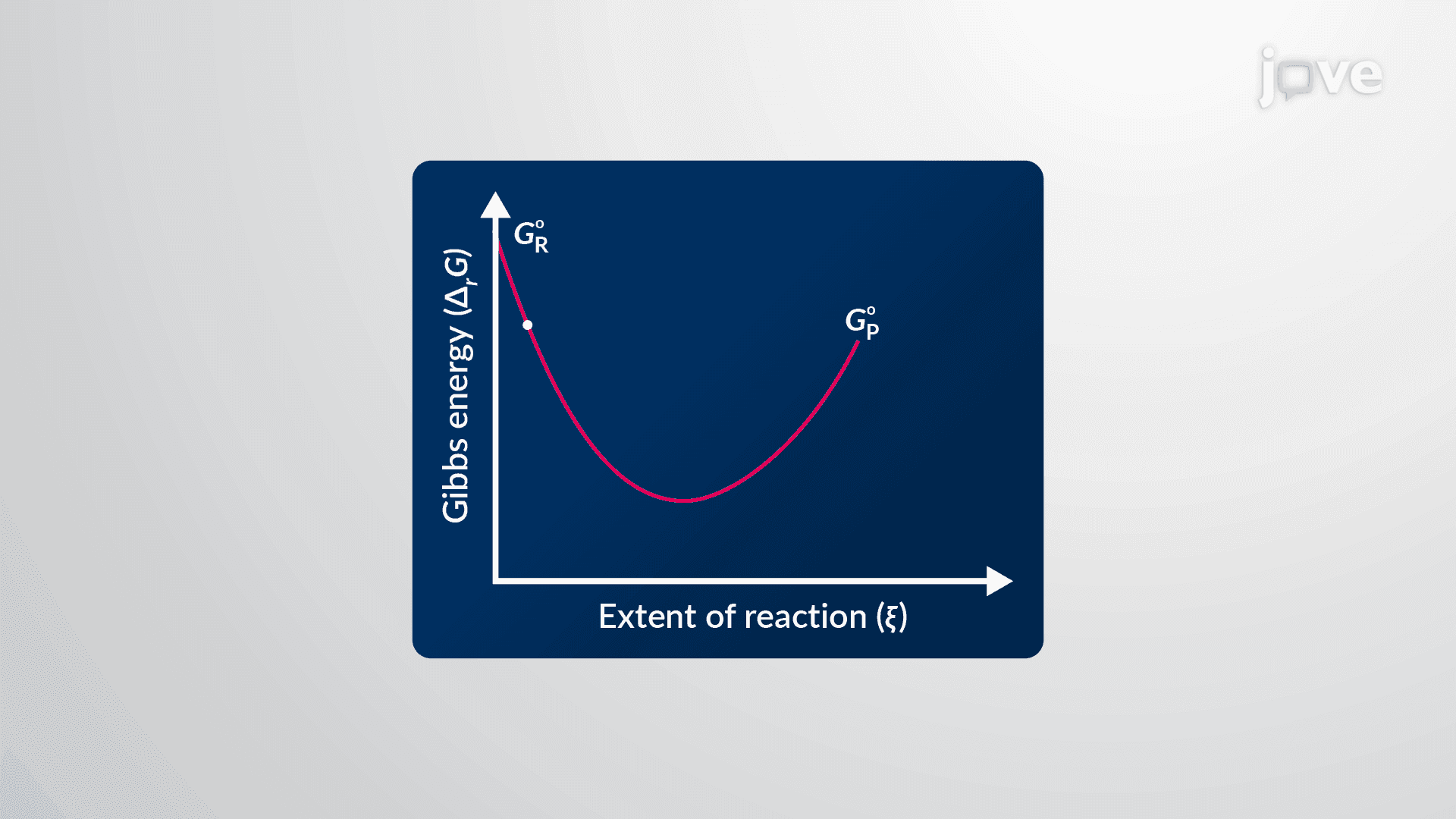
where x(i) is the mole fraction of each component. Because all mole fractions are less than one, their logarithms are negative, making the overall entropy change positive. This explains why air, a mixture of nitrogen, oxygen, argon, and other gases, never spontaneously separates into its components under normal conditions. Understanding mixing entropy also bridges directly to Gibbs free energy (G = H - TS) and Helmholtz free energy (A = U - TS), which are the true predictors of spontaneity used in college-level physical chemistry and on the MCAT.
Related Micro-courses