Loading subject page…

- Anatomy and Physiology
- The Urinary System
- Reabsorption and Secretion in the PCT
Micro-course: The Urinary System
78,053 views
Learn key concepts and earn your certificate.
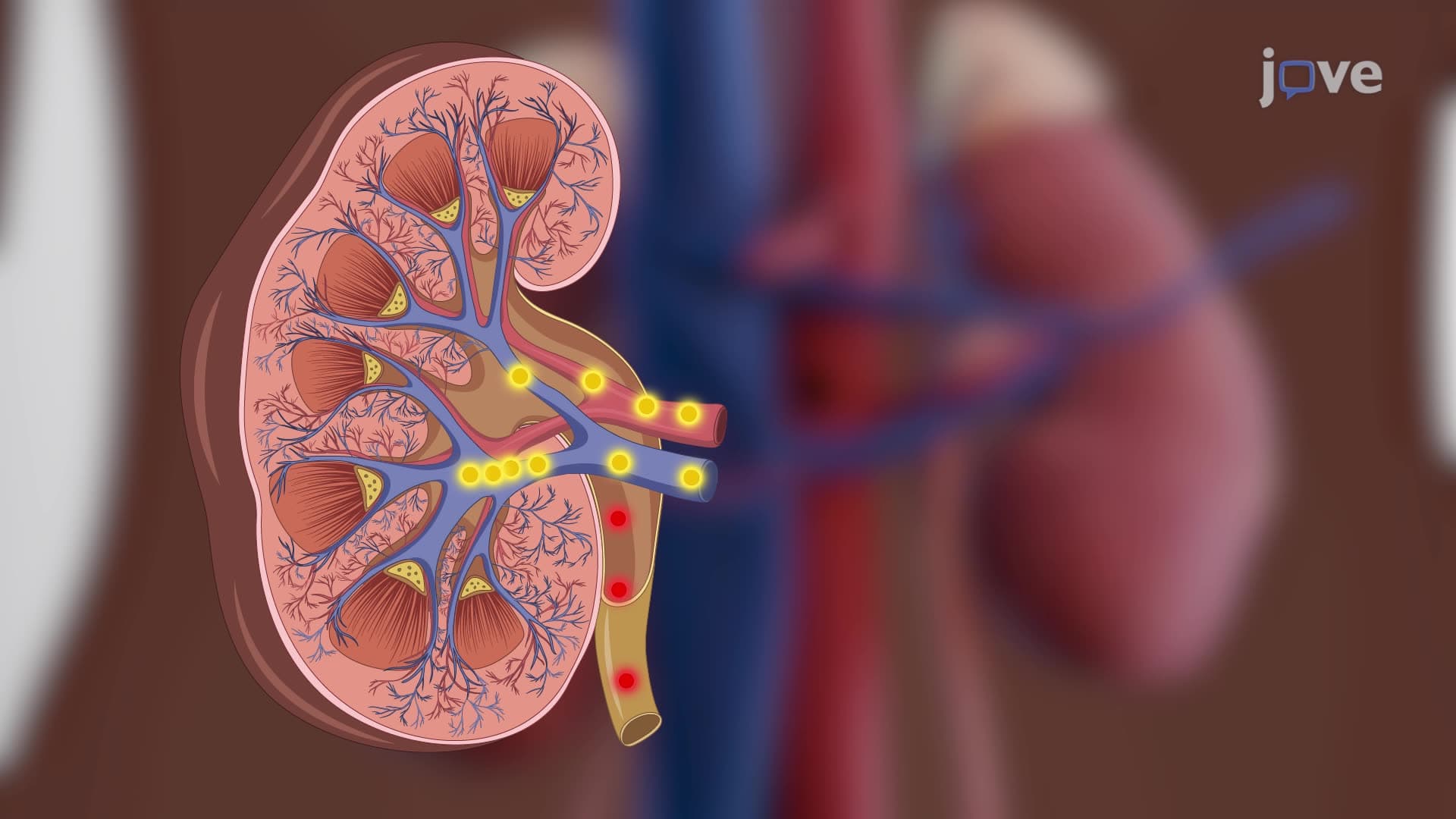

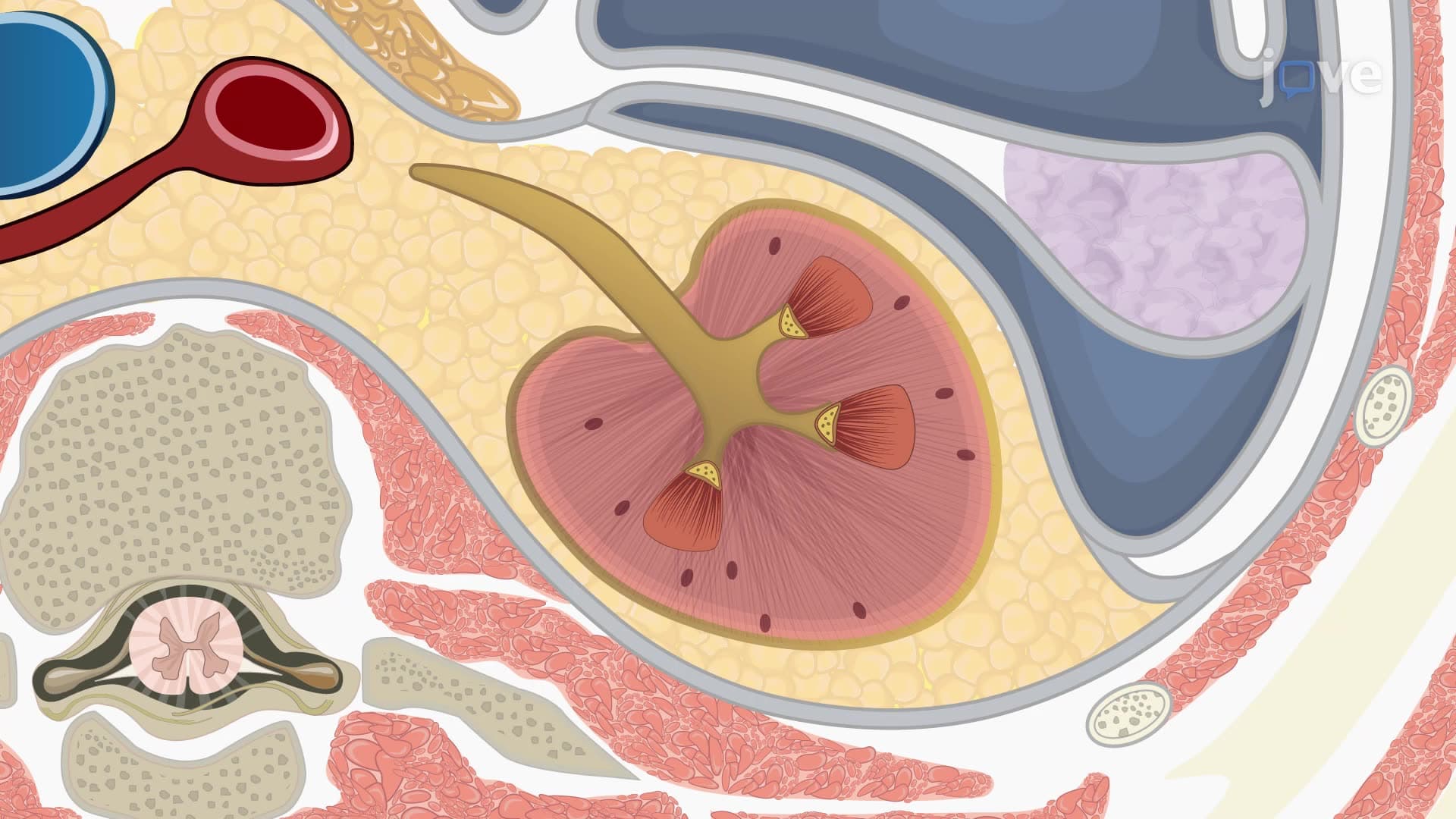
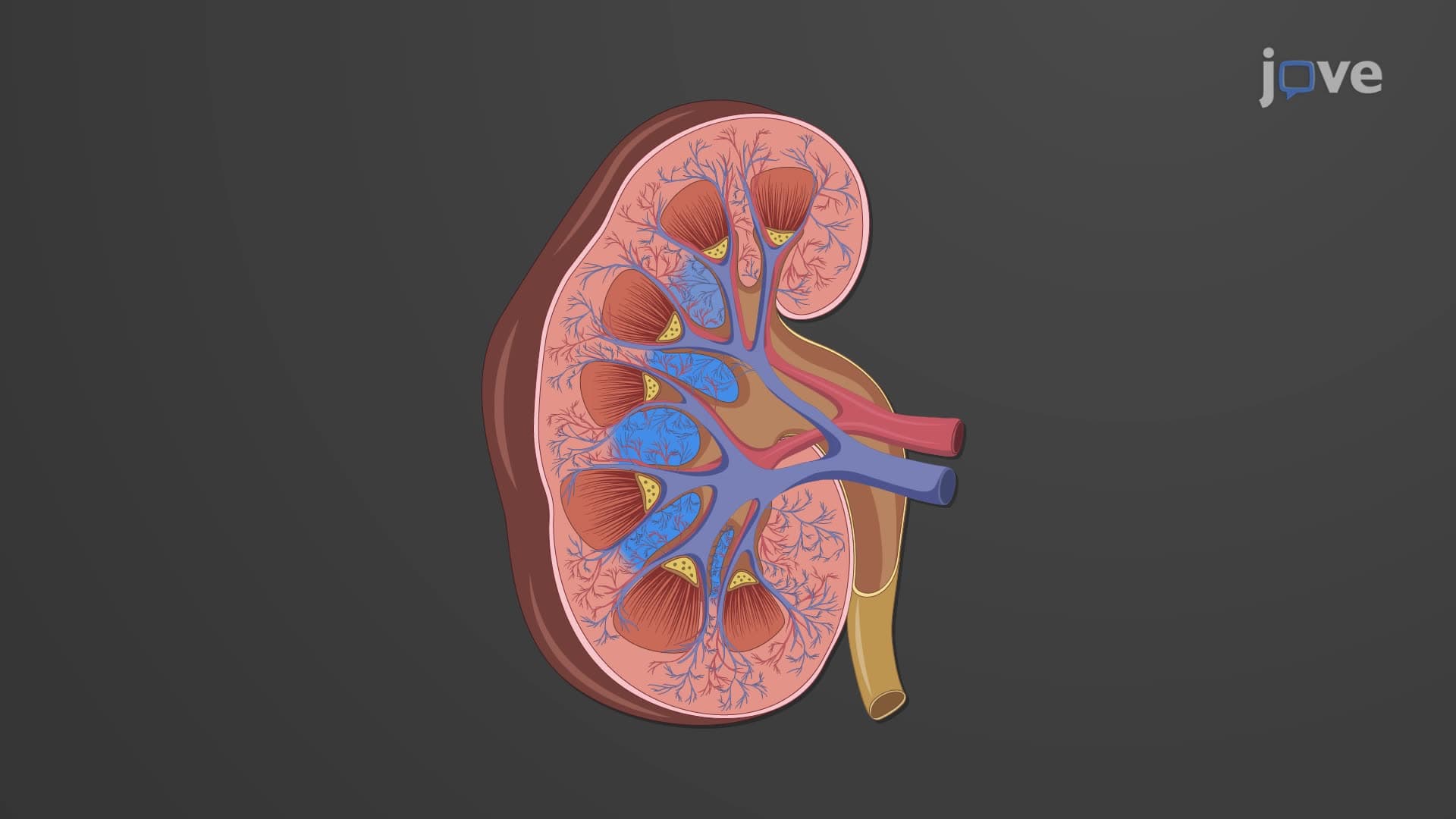
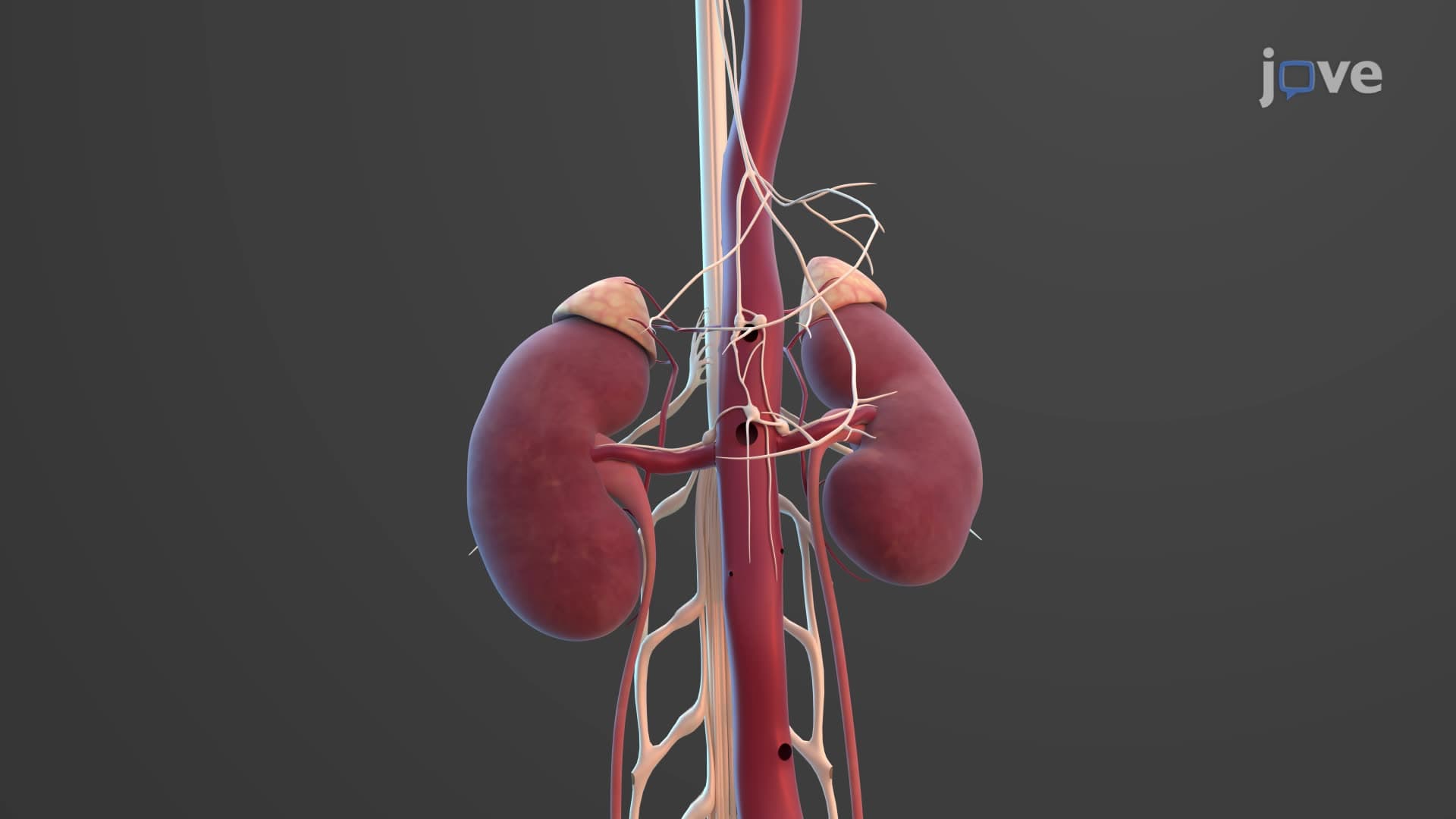


Reabsorption and Secretion in the PCT

00:00
01:28
Video Summary: Pct Reabsorption and Secretion
Your kidneys filter about 180 liters of blood daily-equivalent to filling a bathtub nearly twice-yet you only produce 1-2 liters of urine. PCT reabsorption secretion kidney processes explain this remarkable efficiency, as proximal convoluted tubules recover 65% of filtered water and nearly all glucose before it's lost forever. Watch the full video on JoVE Coach to master this concept with expert-led visuals and step-by-step explanations.
- Understand how PCT reabsorption and secretion maintain body fluid balance and eliminate metabolic waste
- Identify the key transporters responsible for sodium, glucose, and amino acid reabsorption in proximal tubules
- Analyze the role of sodium-potassium pumps in creating electrochemical gradients for secondary active transport
- Compare paracellular versus transcellular water movement pathways in proximal convoluted tubule reabsorb processes
- Evaluate how Na-H antiporters simultaneously accomplish sodium reabsorption and acid secretion
- Apply knowledge of PCT solute reabsorption to predict effects of transporter dysfunction
- Recognize the clinical significance of glucose appearing in urine when transport capacity is exceeded
- Explore how organic secretion PCT mechanisms eliminate drugs and toxins from the bloodstream
Understanding PCT Reabsorption and Secretion Fundamentals
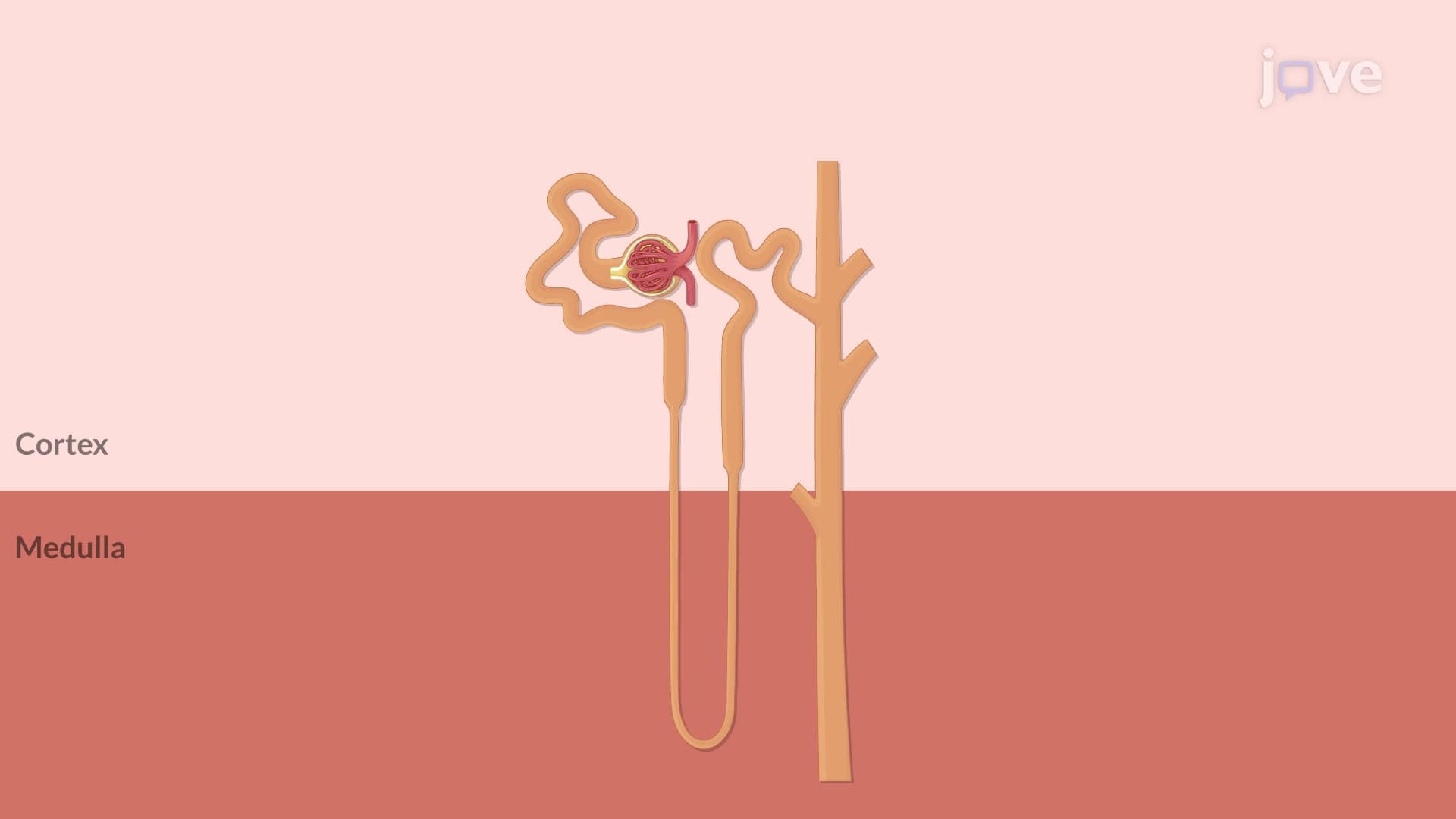
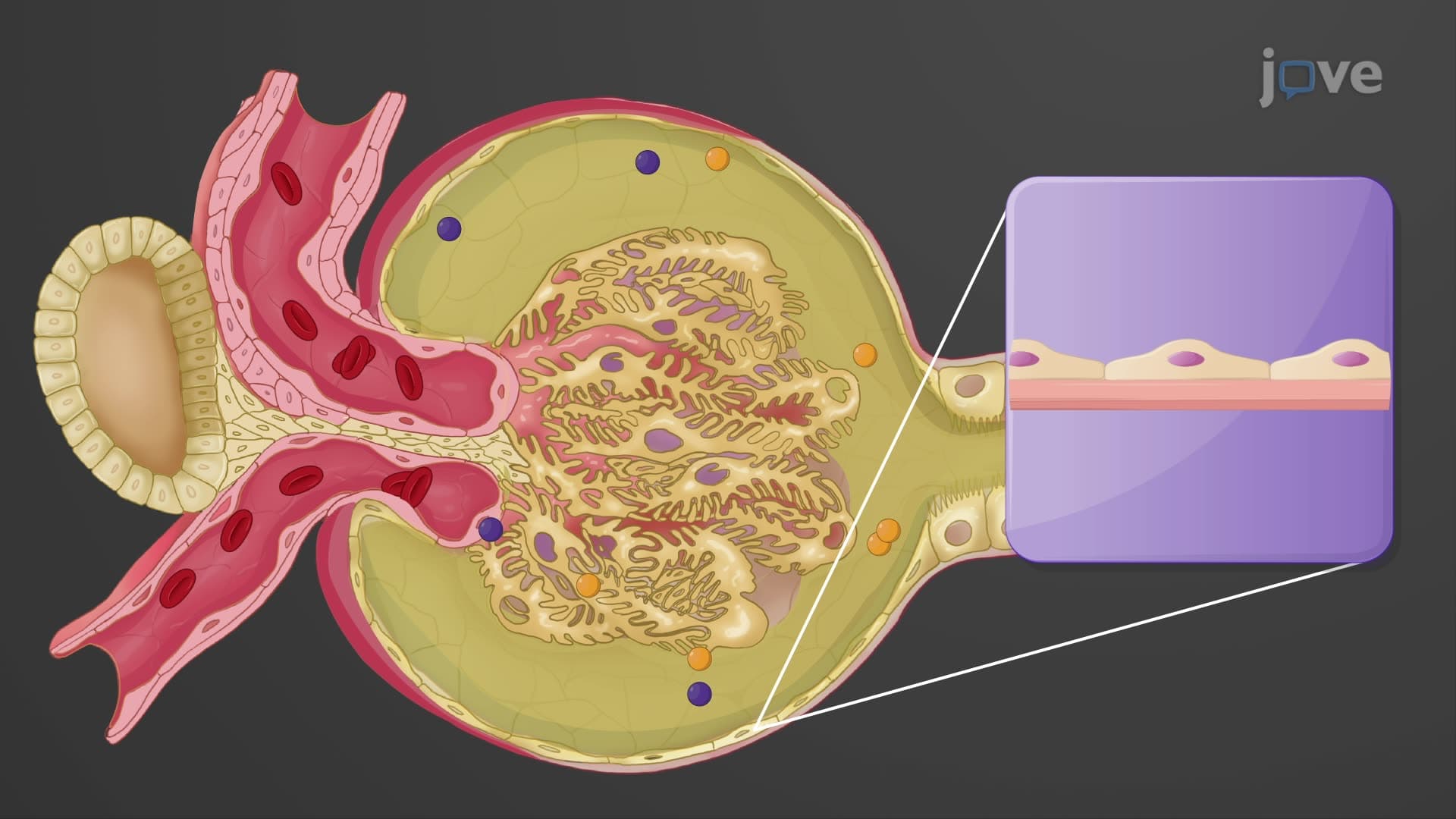
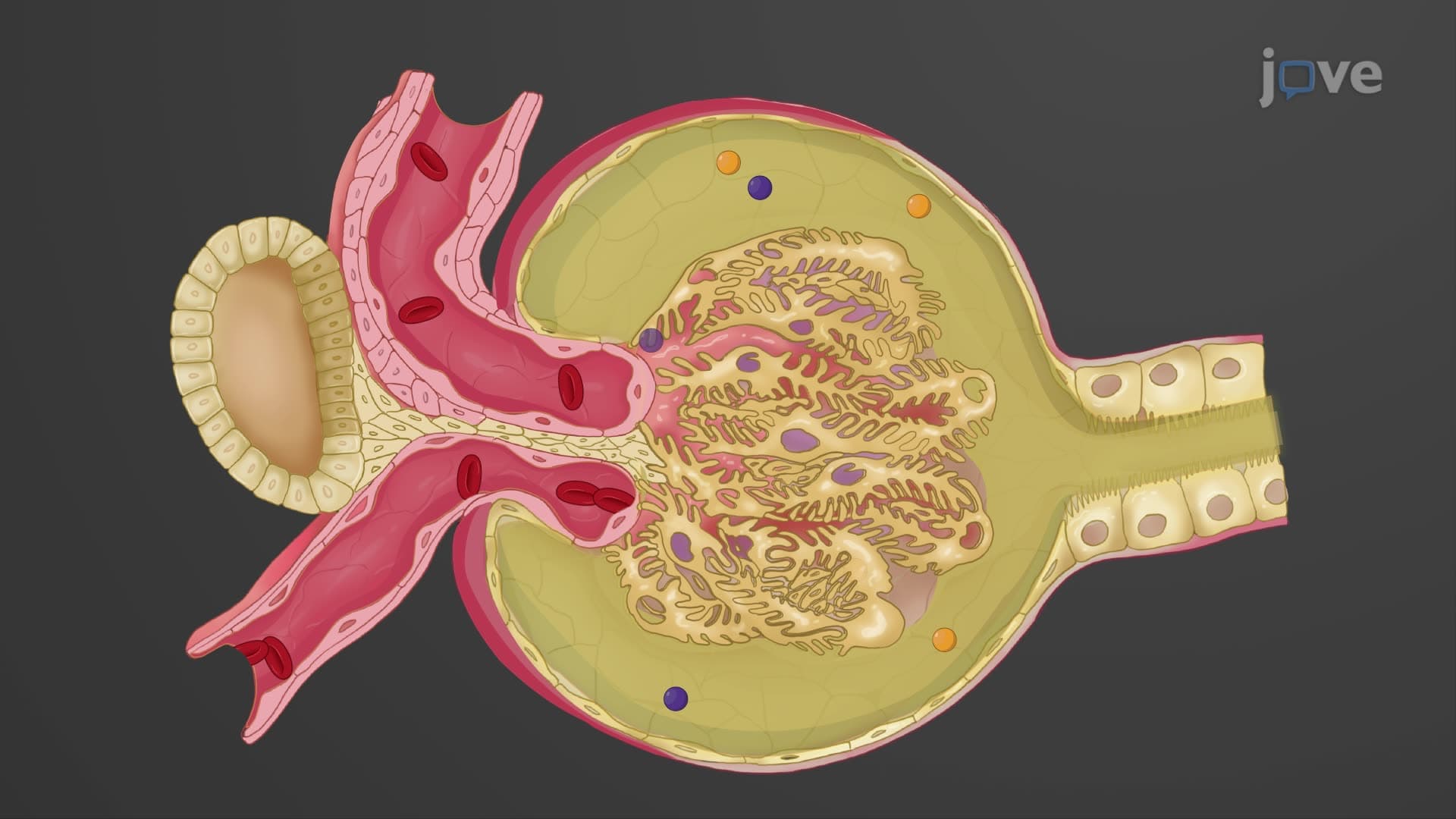
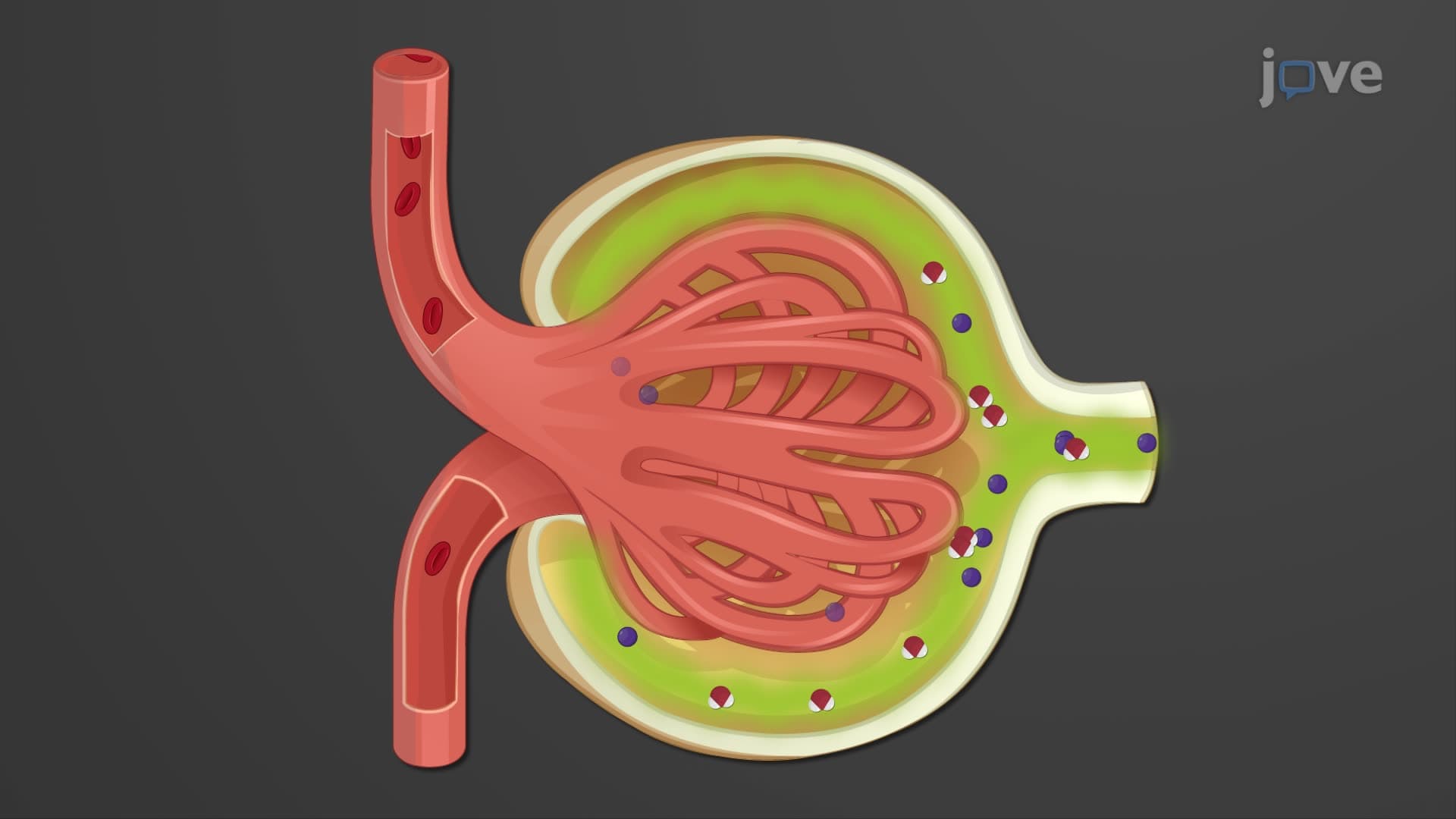
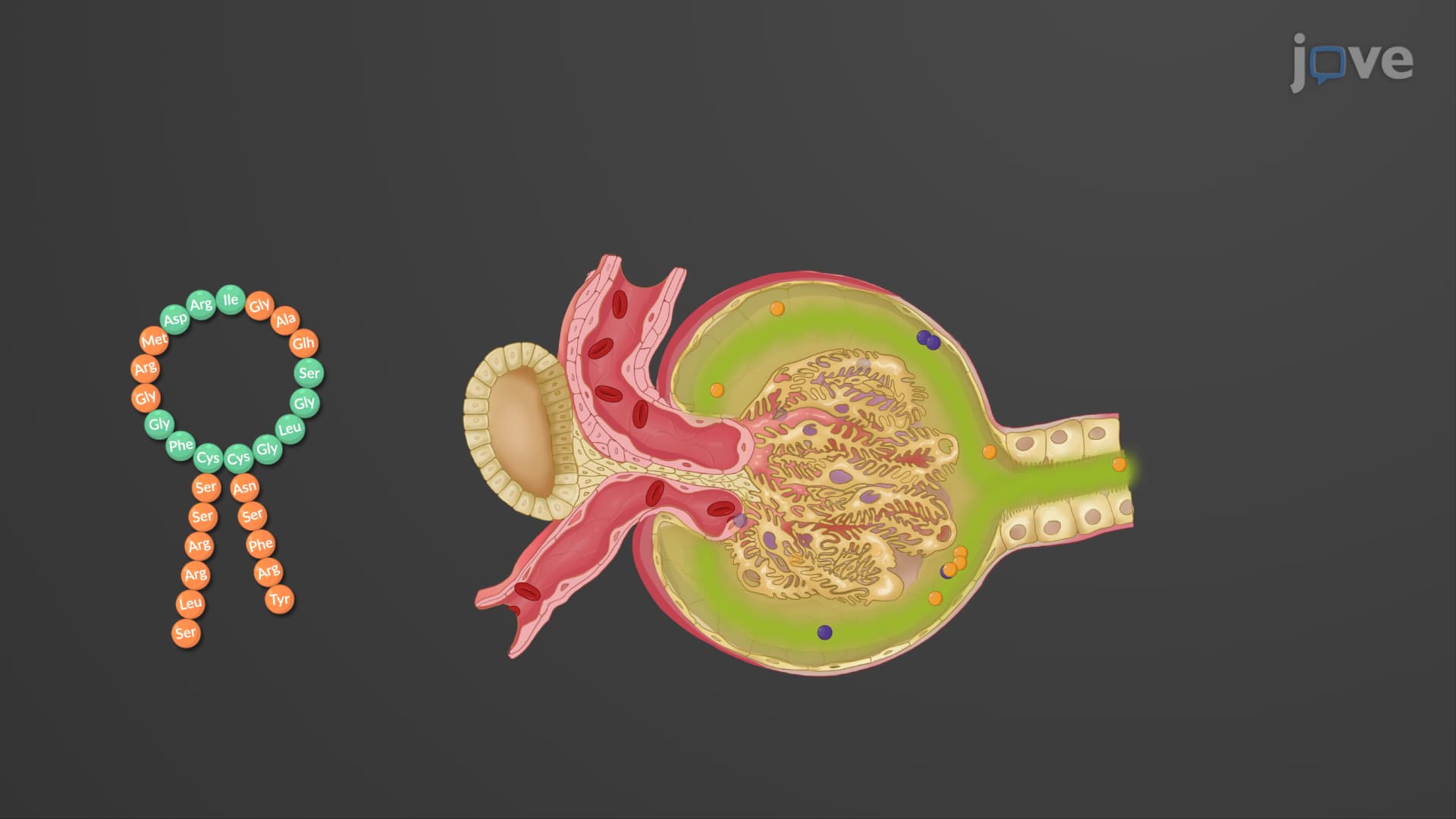
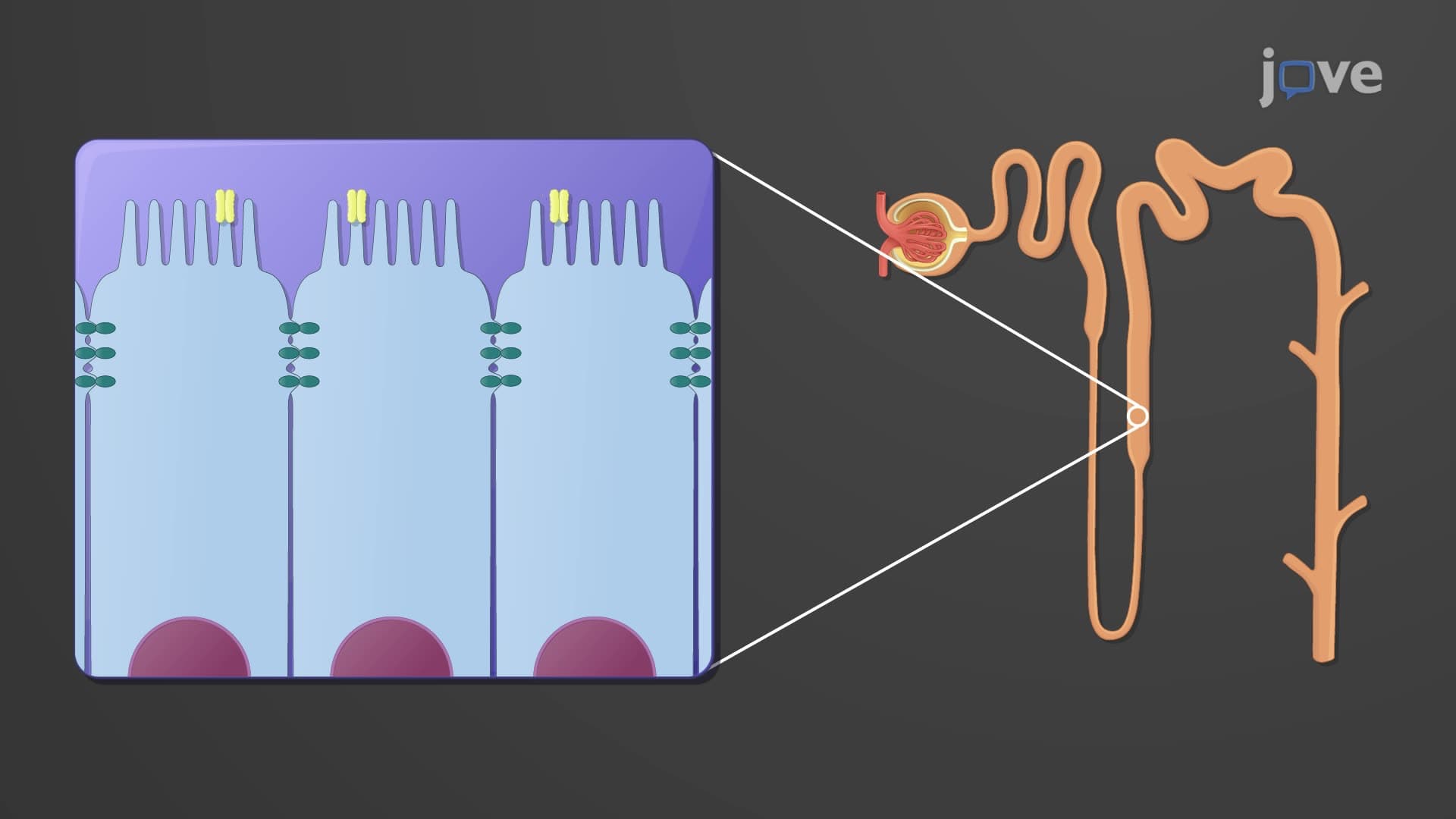
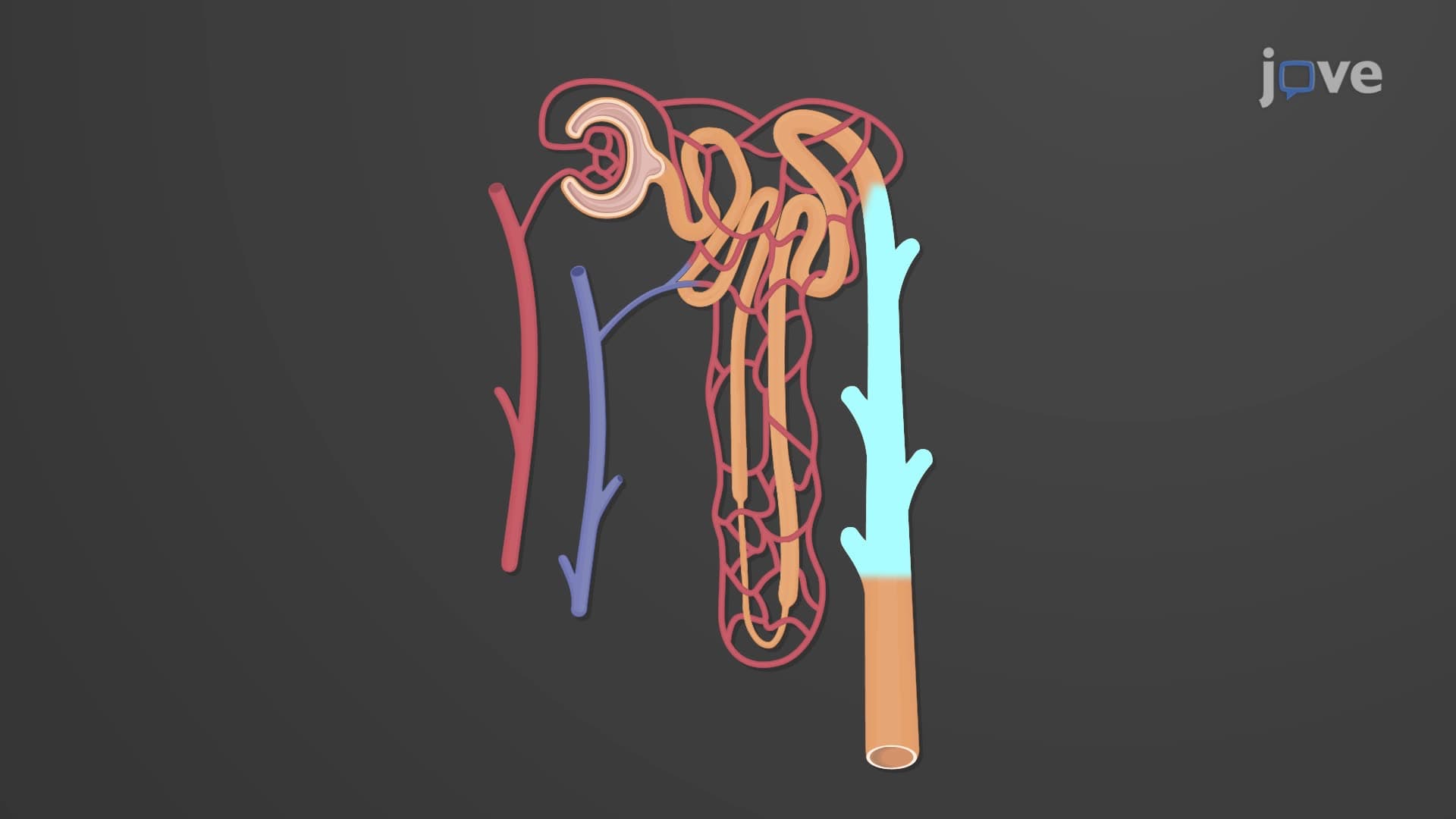
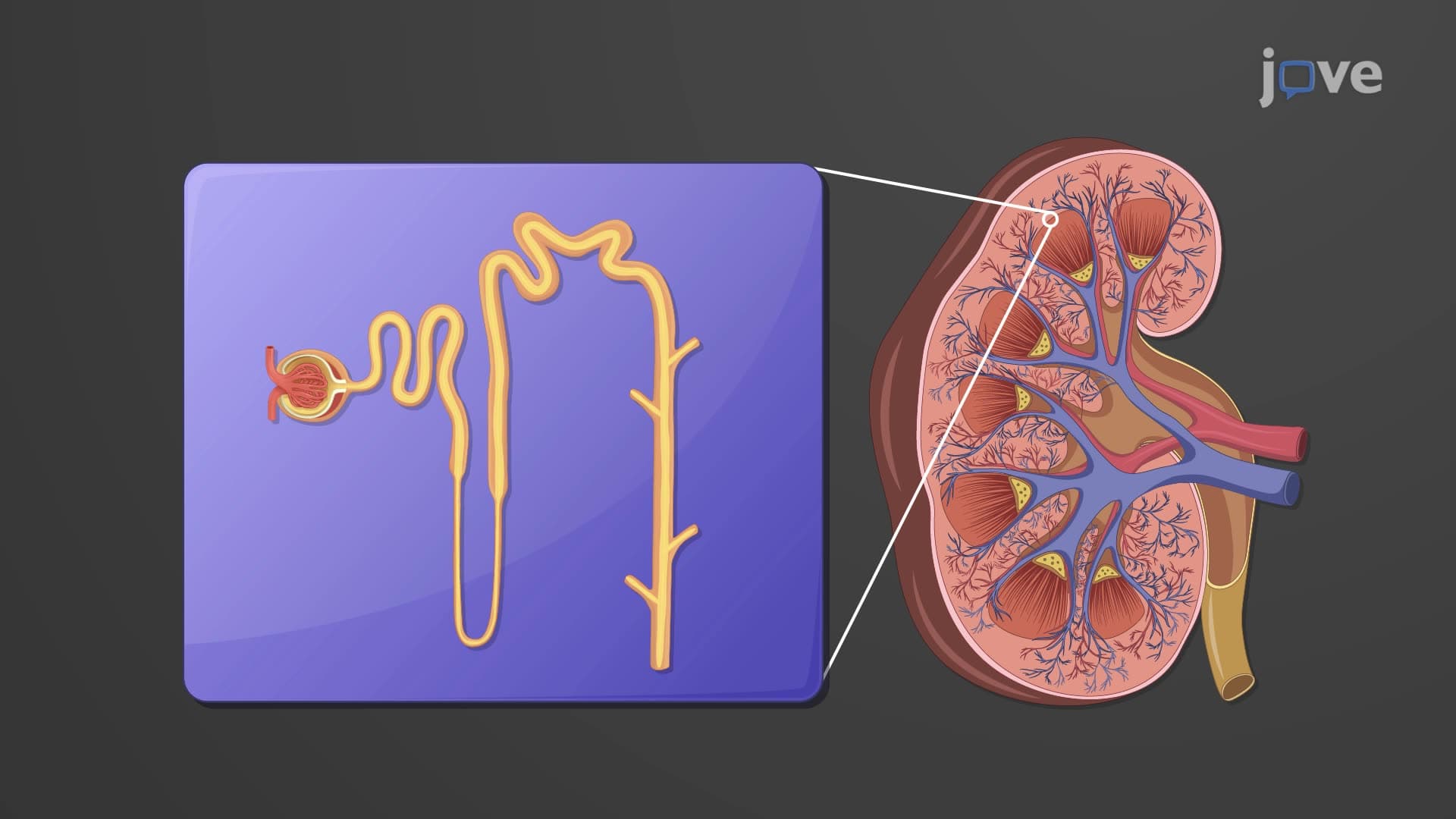
The proximal convoluted tubule represents the kidney's most metabolically active segment, performing the bulk of filtrate processing through sophisticated cellular mechanisms. This S-shaped structure extends from Bowman's capsule and handles approximately 65% of filtered sodium and water reabsorption, making it essential for maintaining proper fluid and electrolyte balance.
Sodium-Driven Transport Mechanisms
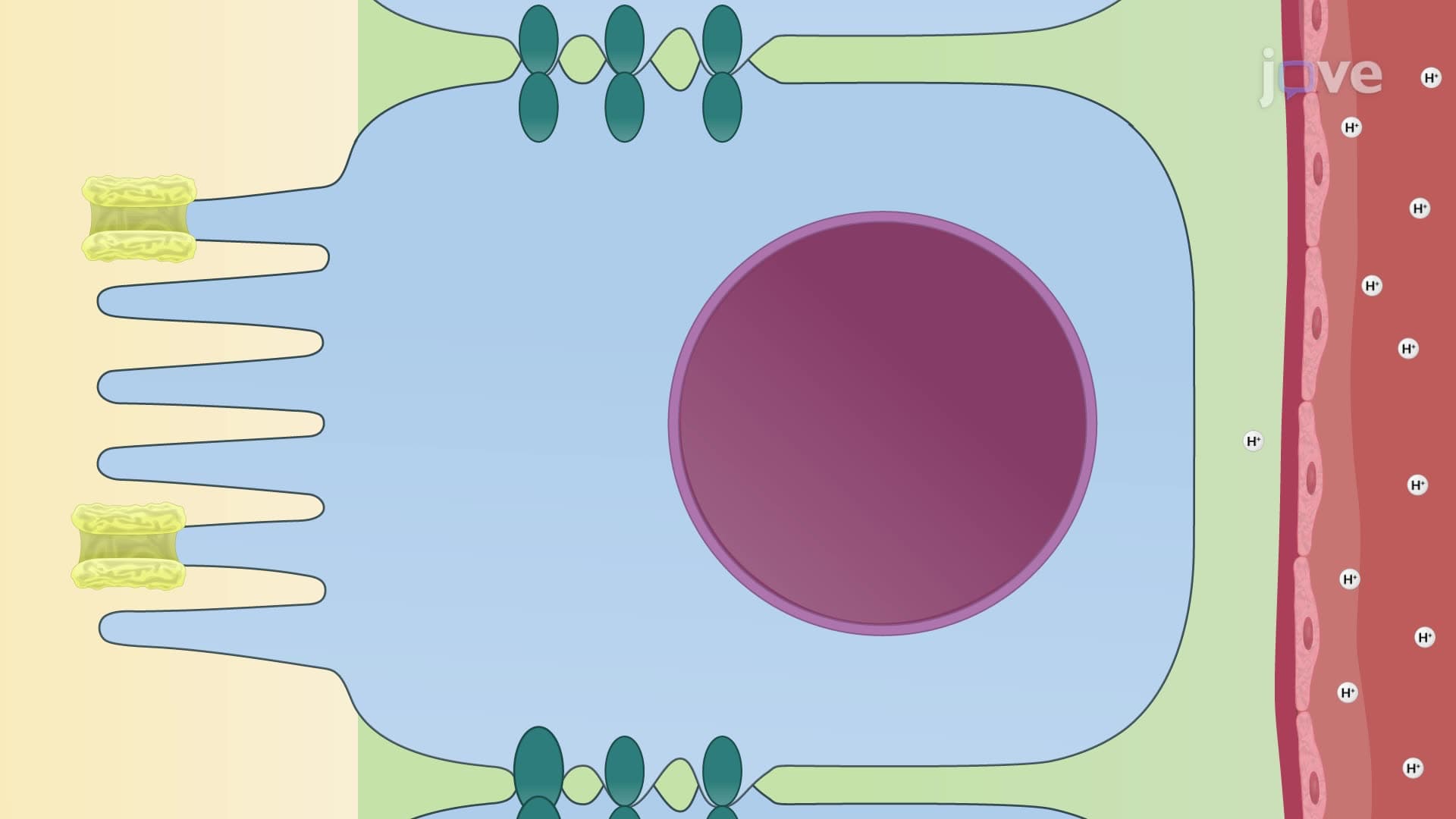
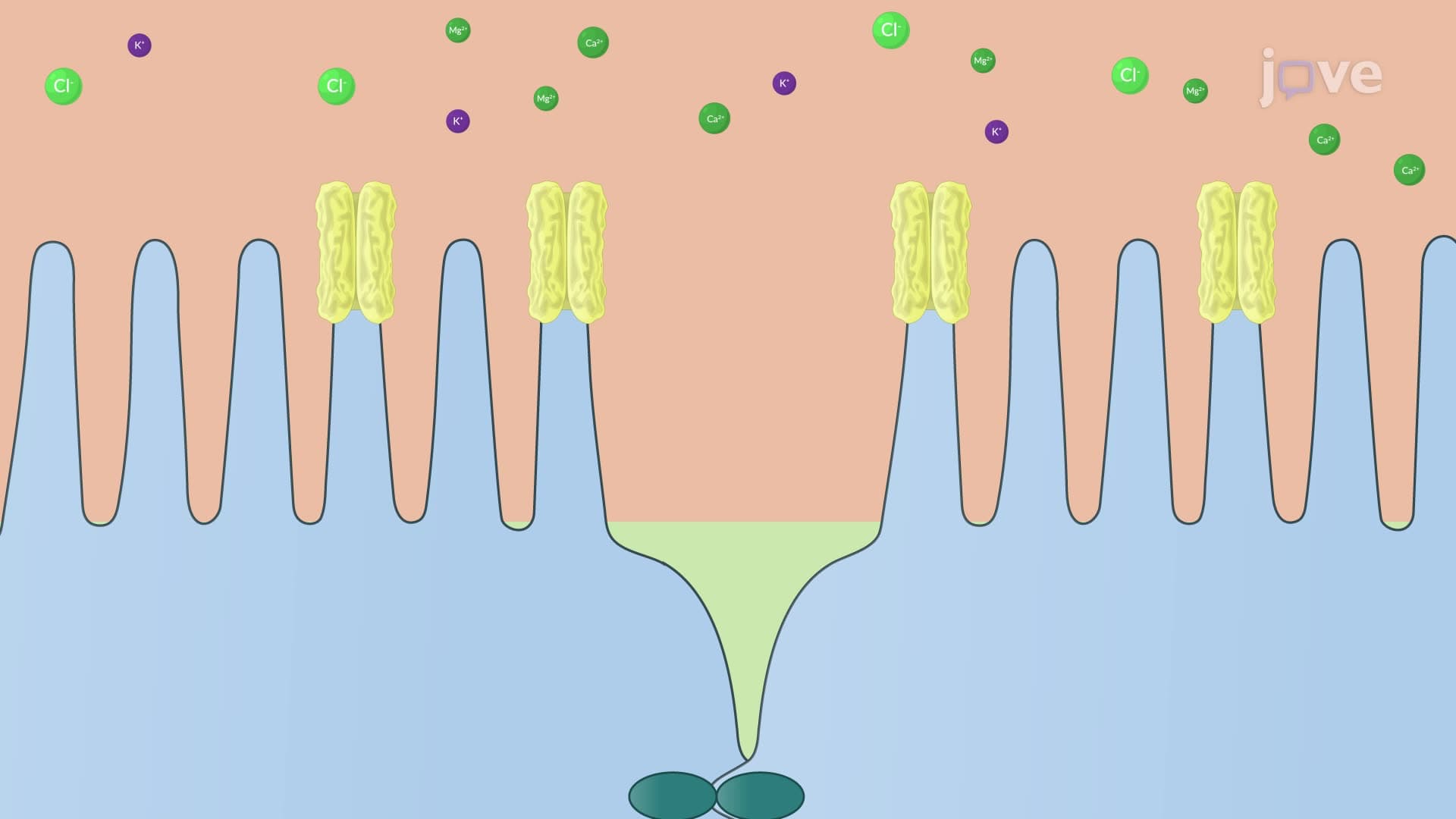
Sodium transport drives most reabsorption processes through a coordinated system of transporters and pumps. The basolateral sodium-potassium ATPase creates the fundamental driving force by maintaining low intracellular sodium concentrations. This gradient powers secondary active transport via various symporters on the apical membrane. The Na-glucose symporter (SGLT2) exemplifies this mechanism, coupling glucose reabsorption to sodium movement. Under normal conditions, this system reabsorbs virtually all filtered glucose, explaining why glucose appears in urine only when blood glucose exceeds the transport maximum-a key diagnostic finding in diabetes mellitus.
Water Movement and Osmotic Coupling
Water reabsorption occurs passively following solute transport through both transcellular and paracellular pathways. The transcellular route involves water moving through aquaporin-1 channels in tubule cells, while the paracellular route allows water passage between cells through tight junctions. This osmotic coupling ensures that water follows sodium reabsorption, concentrating the tubular fluid and reducing filtrate volume by approximately two-thirds before reaching the loop of Henle.
Secretion and Waste Elimination
Beyond reabsorption, PCTs actively secrete organic waste products, drugs, and toxins through specialized transporters. Para-aminohippuric acid (PAH) secretion provides a classic example used in renal clearance studies to measure renal plasma flow. The Na-H antiporter serves dual functions, reabsorbing sodium while secreting hydrogen ions to maintain acid-base balance. This process becomes clinically significant in metabolic acidosis, where increased hydrogen secretion helps compensate for systemic pH changes.
Students preparing for AP Biology or MCAT examinations should focus on understanding these transport mechanisms' energetics and their integration with overall kidney function. The proximal tubule's role in drug clearance also makes this knowledge essential for pre-health students entering clinical fields.
Frequently Asked Questions
PCT reabsorption and secretion are complementary processes where proximal convoluted tubules recover essential substances while eliminating waste products. Reabsorption reclaims 65% of filtered water, sodium, and virtually all glucose and amino acids back into the bloodstream. Secretion actively transports organic wastes, excess ions, and foreign substances from blood into urine for elimination.
Understanding proximal tubule mechanisms frequently appears on MCAT passages testing integrated physiology concepts. Focus on sodium-gradient coupling, transport maximum concepts, and clearance calculations. Practice relating transporter dysfunction to clinical symptoms, such as glucosuria in diabetes or aminoaciduria in genetic transport disorders.
AP Biology emphasizes the relationship between structure and function in PCT cells, including microvilli increasing surface area for transport. Expect questions about active versus passive transport mechanisms, energy requirements, and how nephron dysfunction affects homeostasis. The endocrine regulation of these processes through hormones like aldosterone also appears frequently.
PCT dysfunction underlies several clinical conditions seen in US hospitals, including Fanconi syndrome where multiple transport systems fail, causing excessive loss of glucose, amino acids, and phosphate. Diabetic nephropathy, affecting over 40% of US diabetics, often begins with PCT damage, making early detection crucial for preventing kidney failure.
Basic understanding of concentration gradients, ATP hydrolysis, and electrochemical potential suffices for most academic levels. The key concepts involve recognizing that sodium gradients power most secondary transport and that cellular energy maintains these gradients. Visual diagrams typically clarify complex transport coupling relationships better than memorizing detailed biochemistry.
Create flowcharts showing cause-and-effect relationships between sodium pump activity and secondary transport processes. Practice drawing PCT cell diagrams with all major transporters and their directions. Use clinical correlations to reinforce normal function-understanding why glucose appears in diabetic urine solidifies transport maximum concepts.
Investigate hormonal regulation of PCT transport, particularly how parathyroid hormone affects phosphate handling and how angiotensin II modulates sodium reabsorption. Explore pharmacological interventions targeting PCT transporters, such as SGLT2 inhibitors used in diabetes treatment, which directly manipulate the glucose reabsorption mechanisms discussed here.
Related Micro-courses

20 Concepts

37 Concepts

14 Concepts