Loading subject page…

Micro-course: The Urinary System
78,053 views
Learn key concepts and earn your certificate.
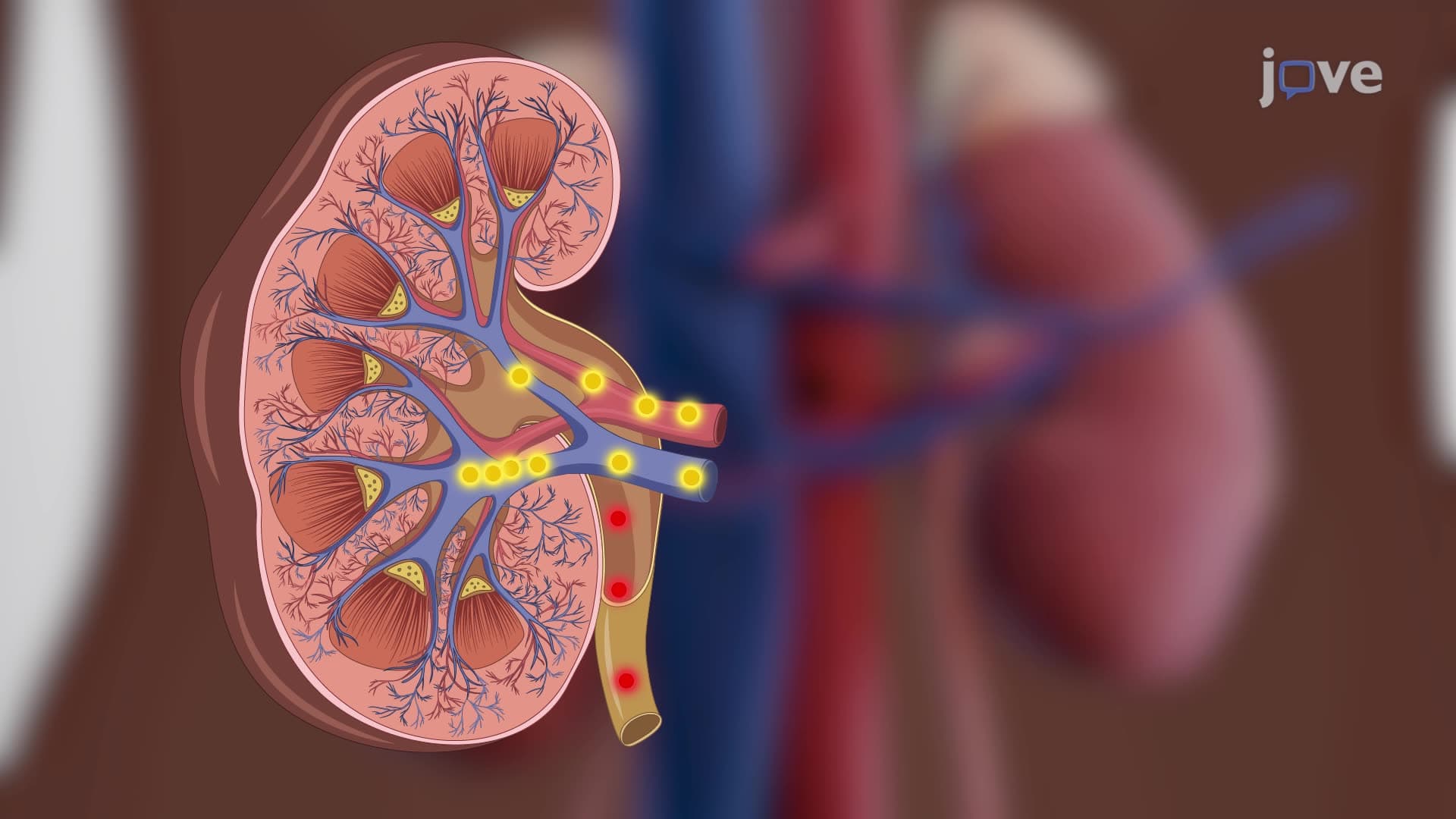

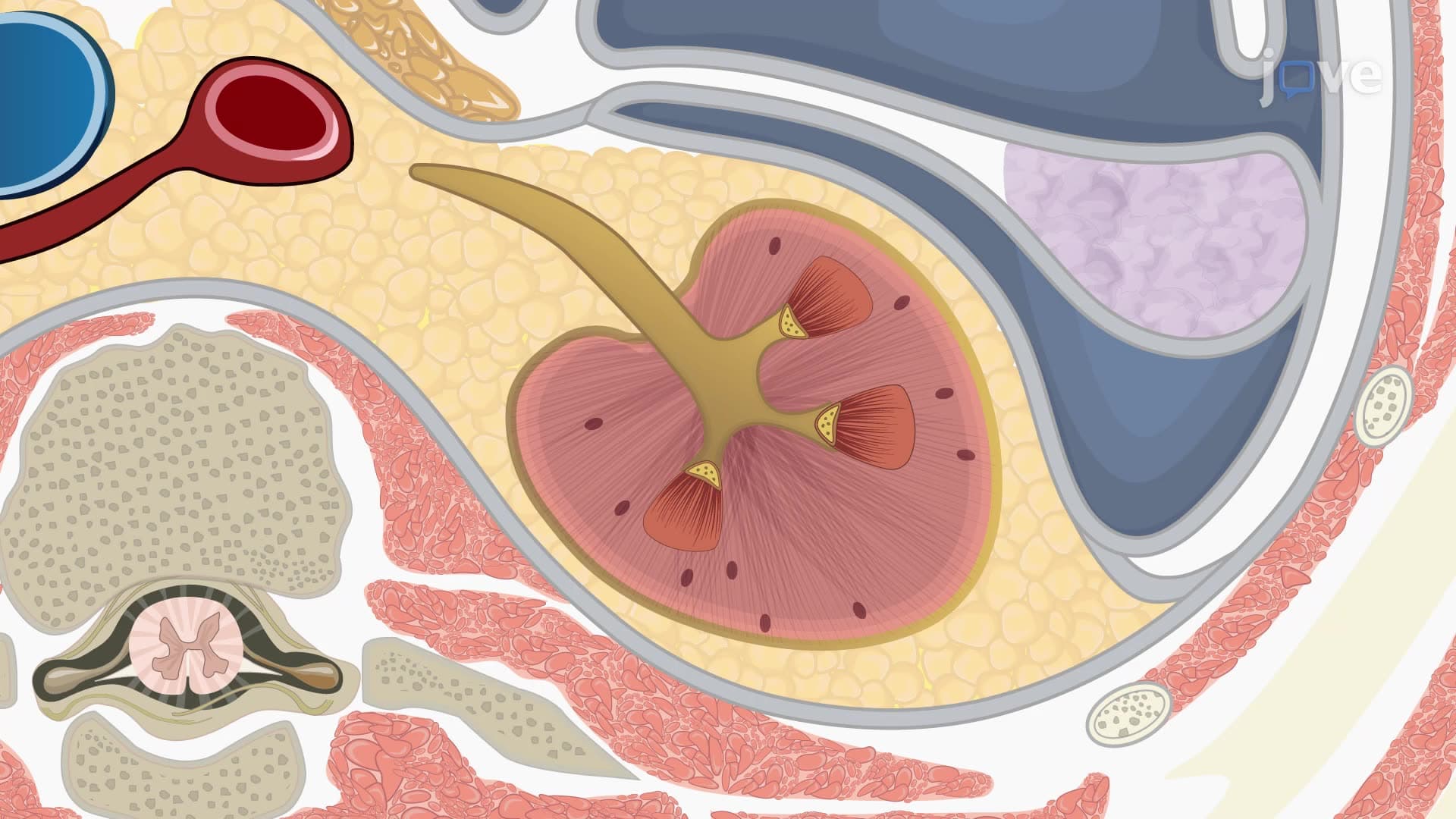
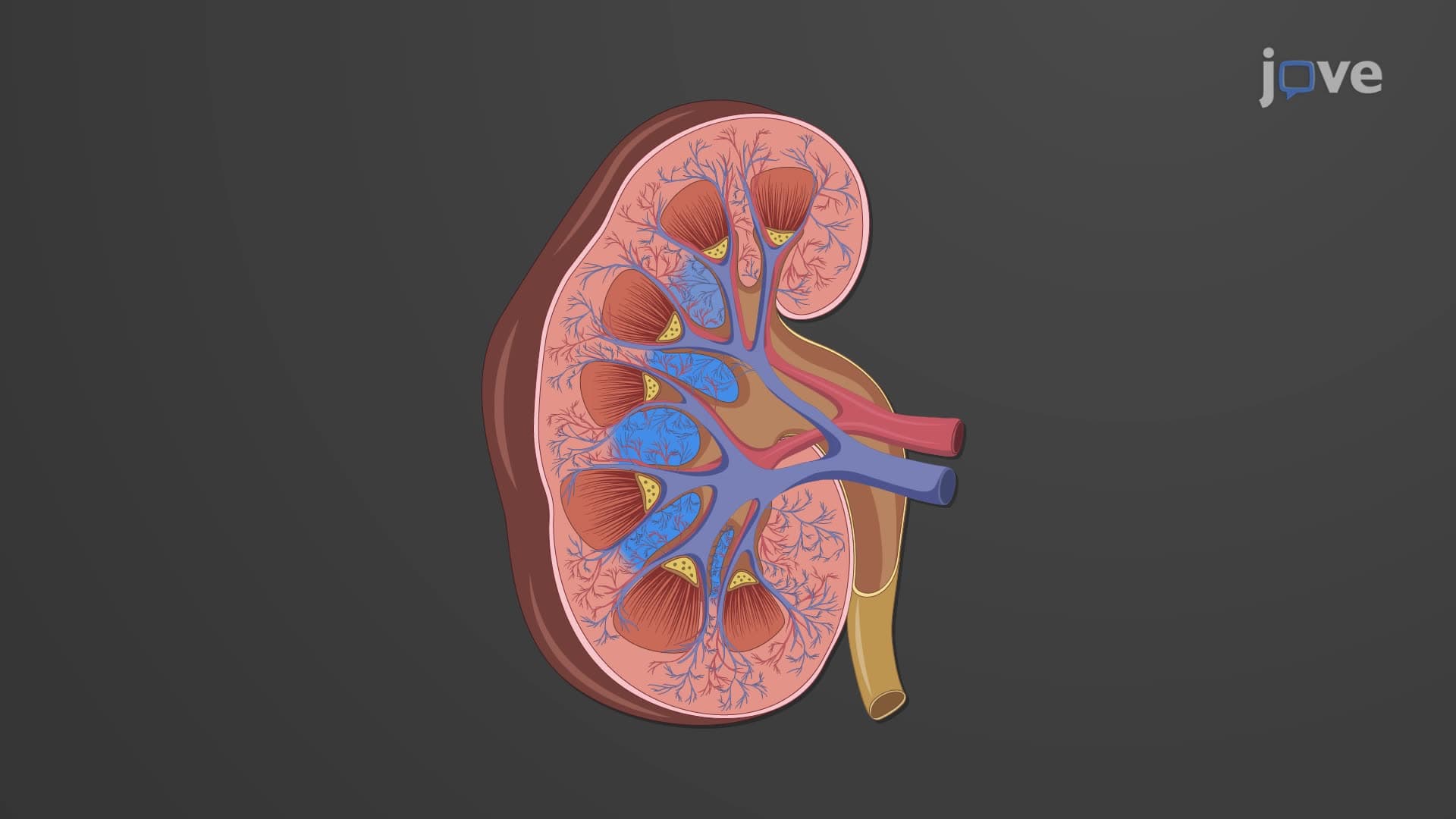
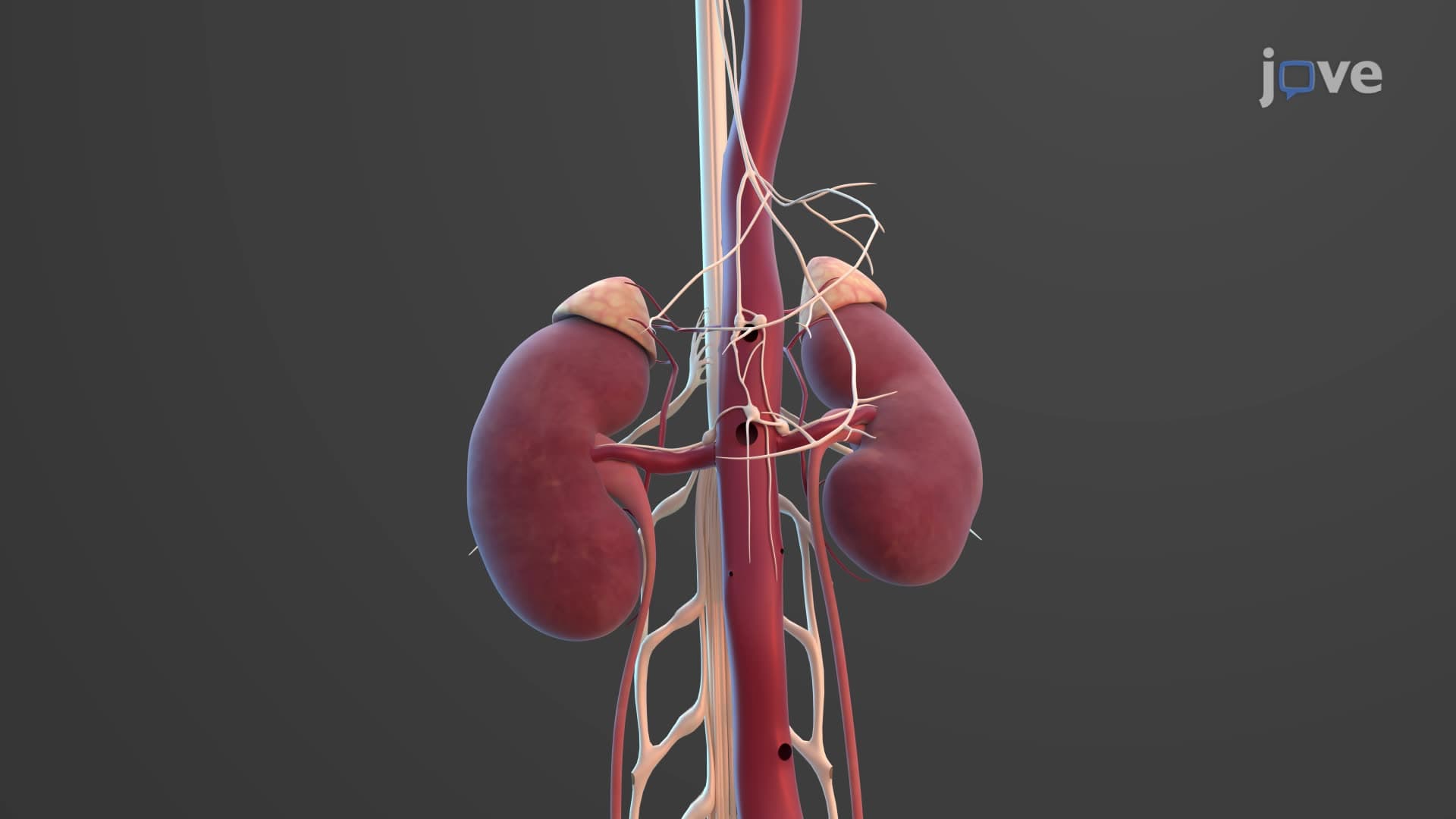


Nephrons

00:00
01:10
Video Summary: What are Nephrons
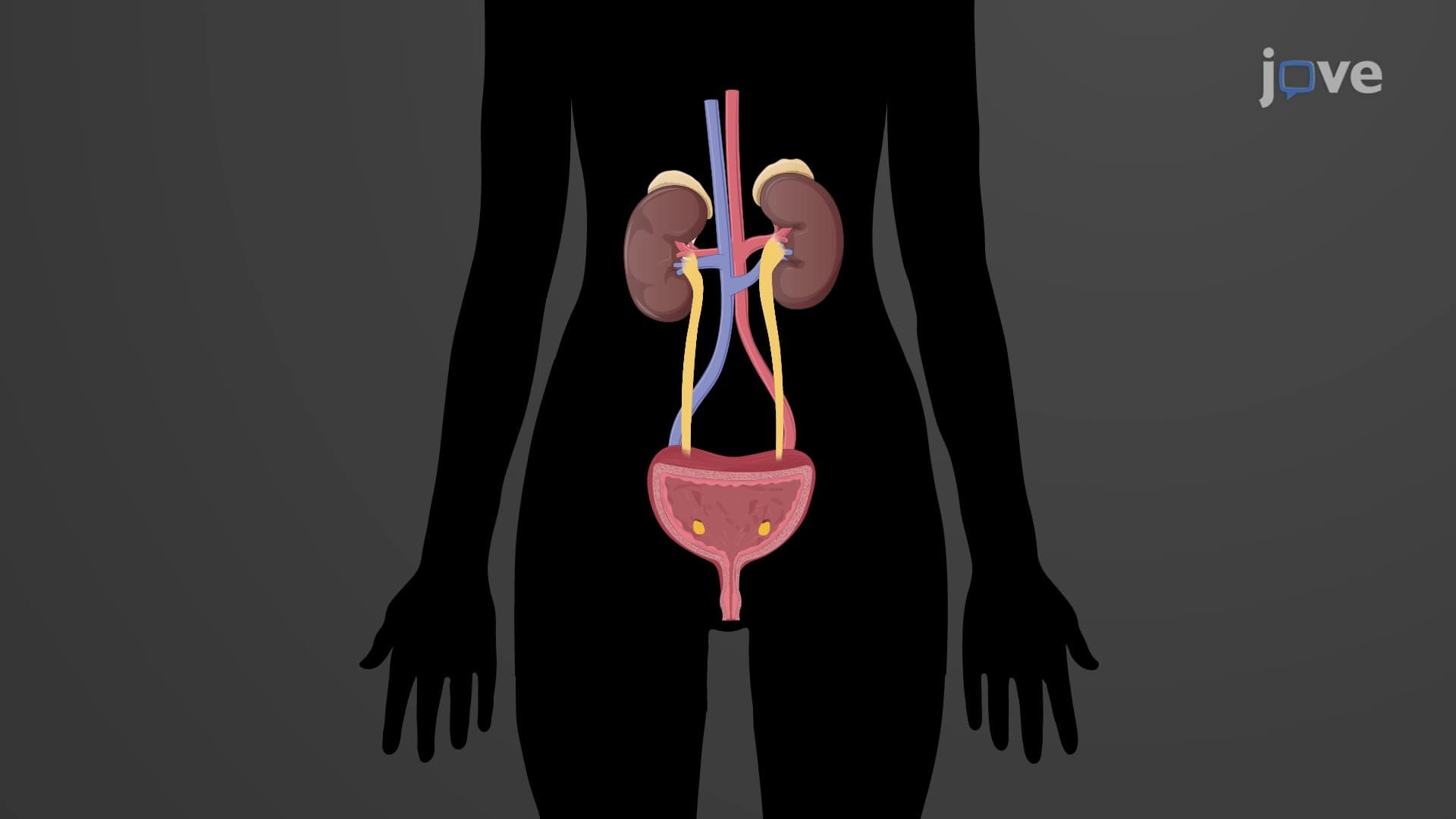
Ever wondered how your kidneys filter about 180 liters of blood daily? Nephrons anatomy biology reveals the microscopic marvels behind this feat-tiny filtering units called nephrons that work like sophisticated water treatment plants. Each kidney contains approximately one million of these functional powerhouses, comparable to the water filtration systems used in major US cities like Los Angeles. Watch the full video on JoVE Coach to master this concept with expert-led visuals and step-by-step explanations.
- Understand what are nephrons and their role as the functional units of kidney filtration
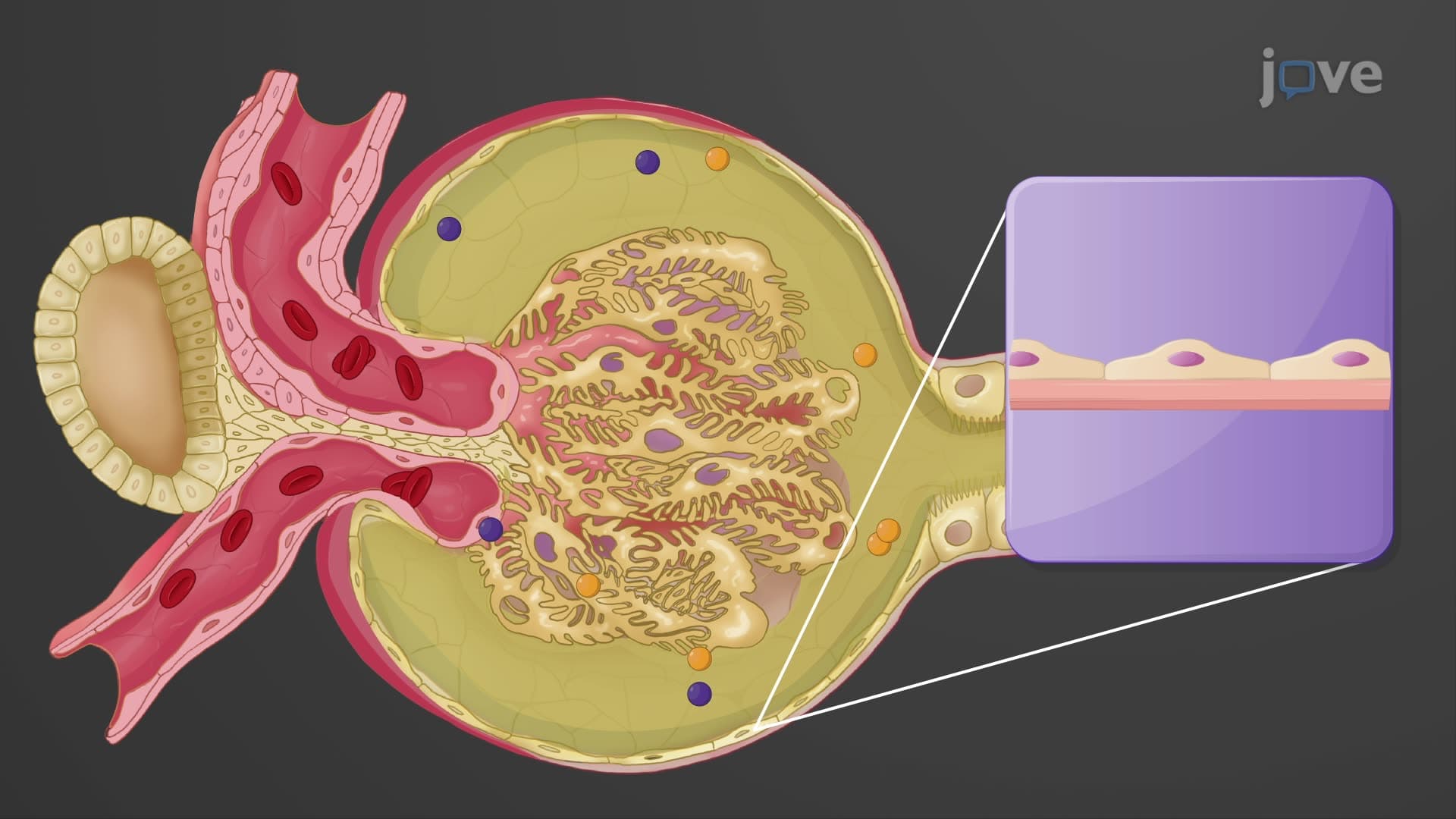
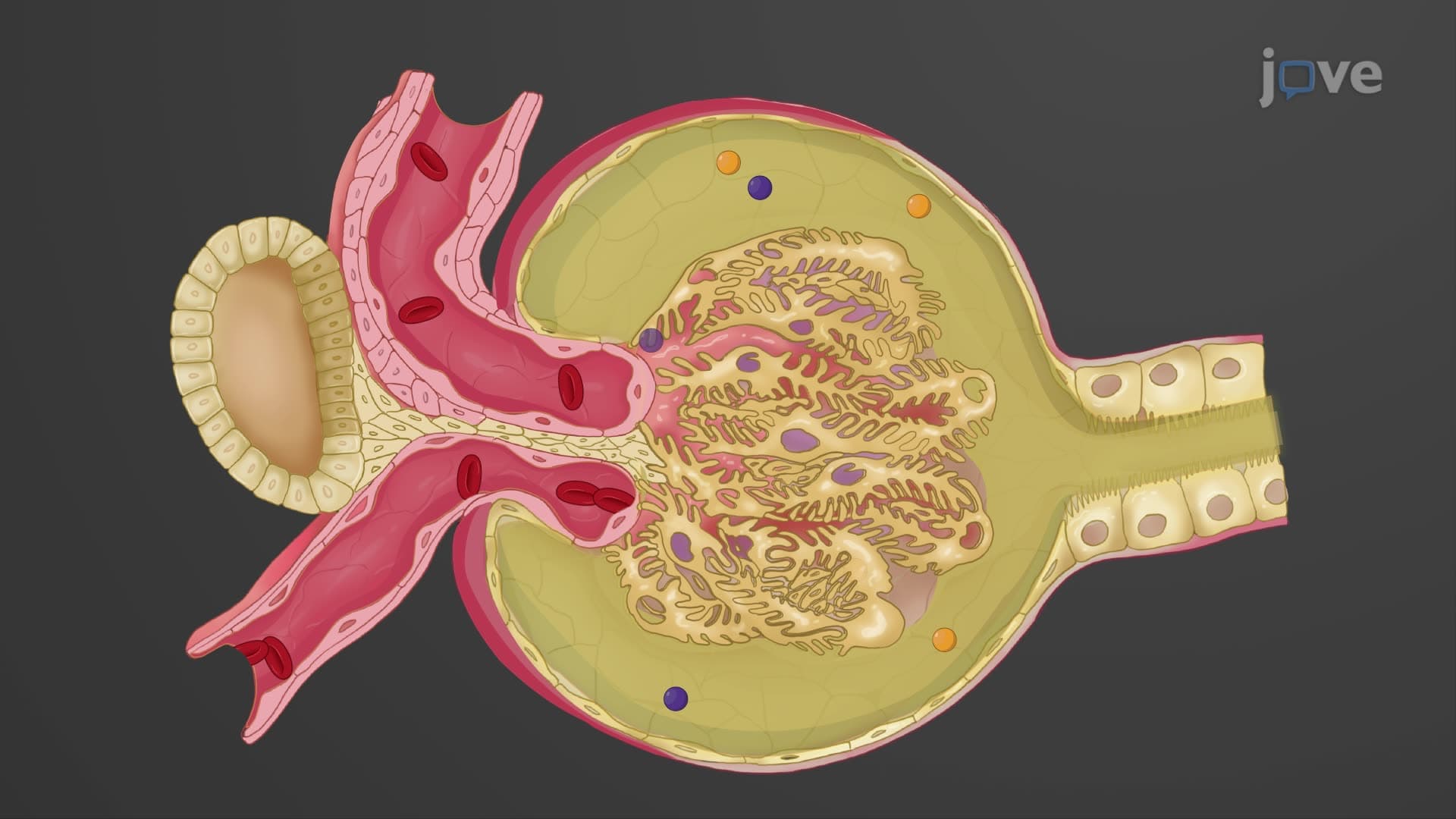
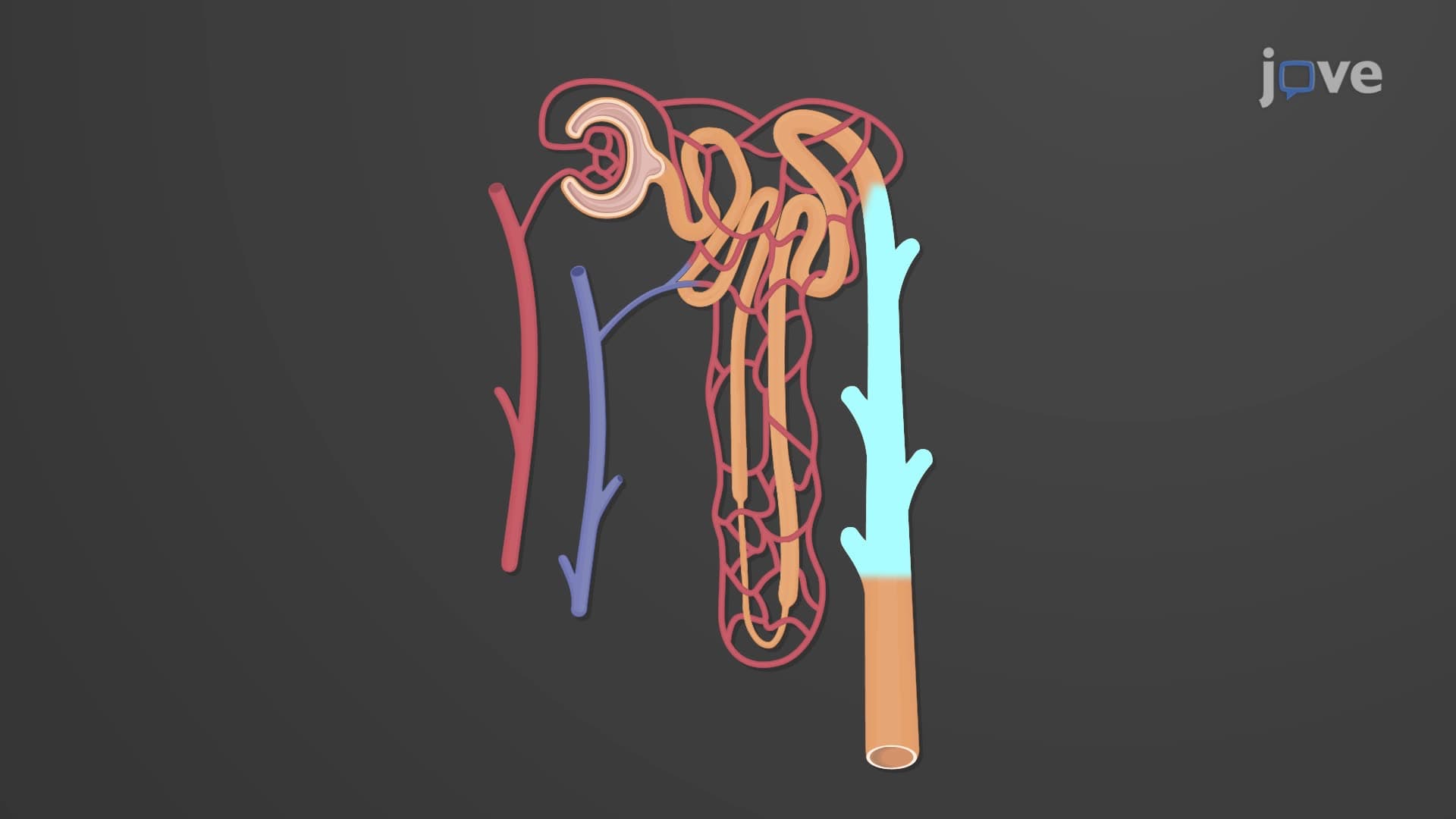
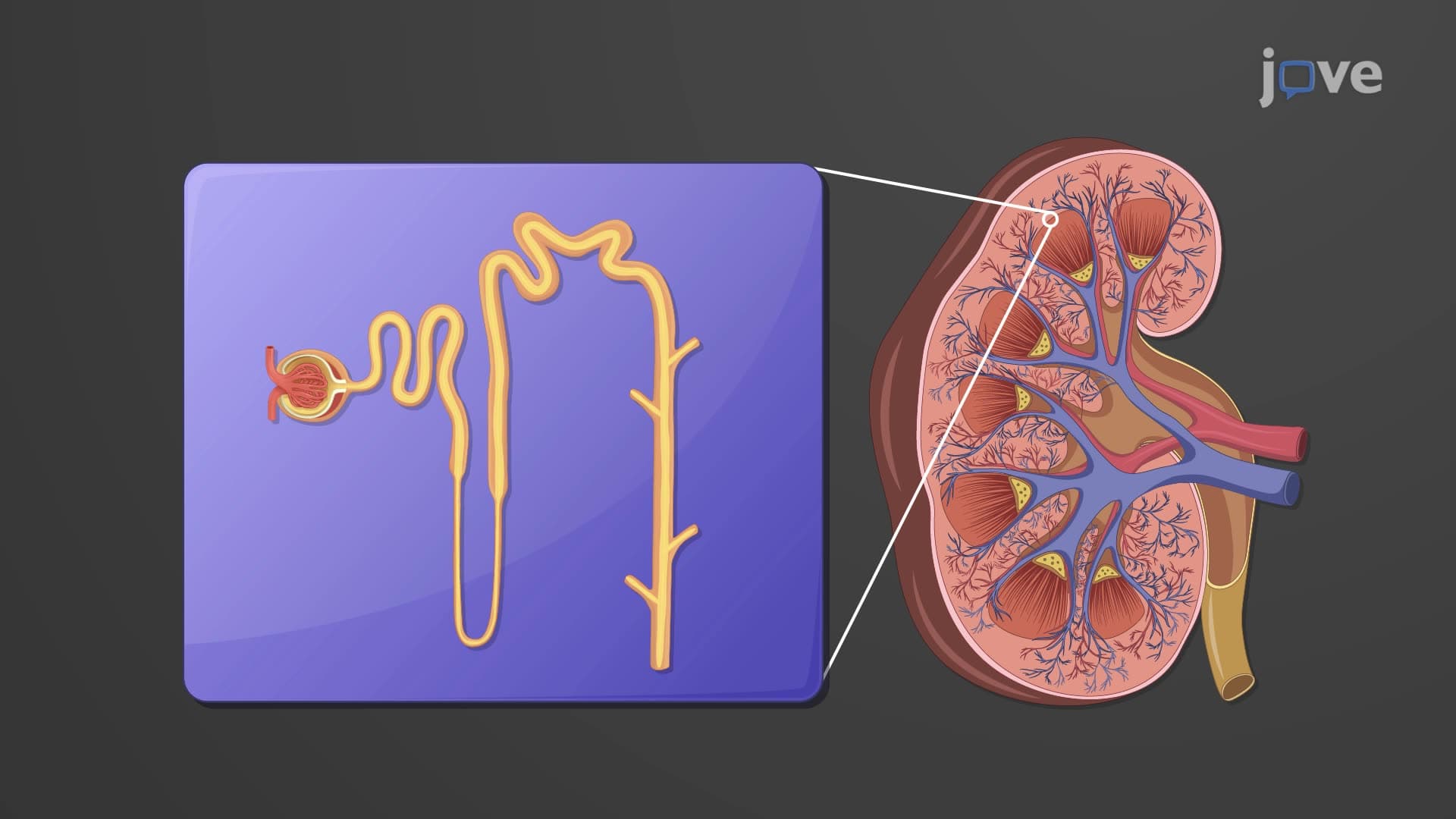
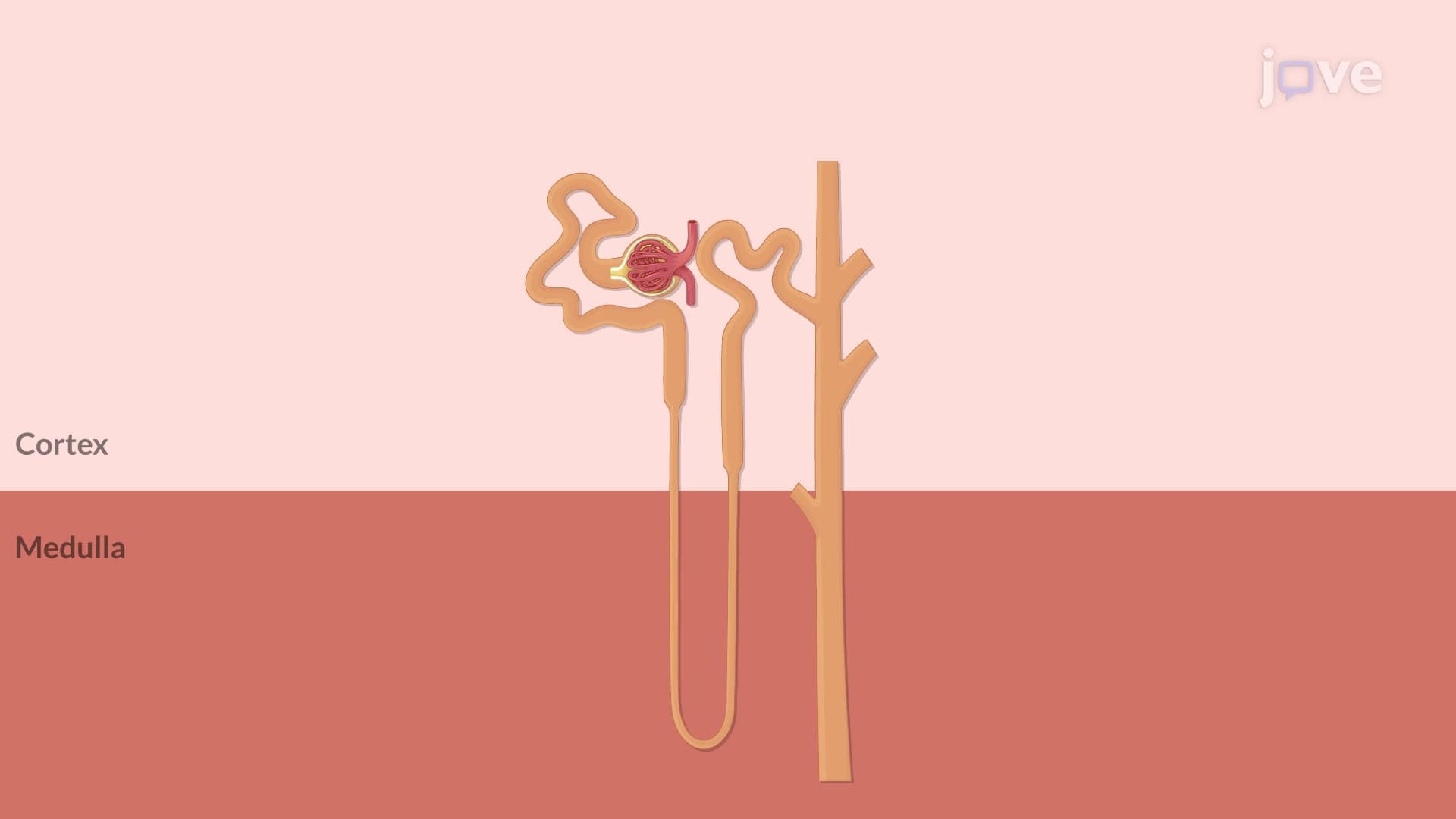
- Identify the two main components of nephron structure: renal corpuscle and renal tubule
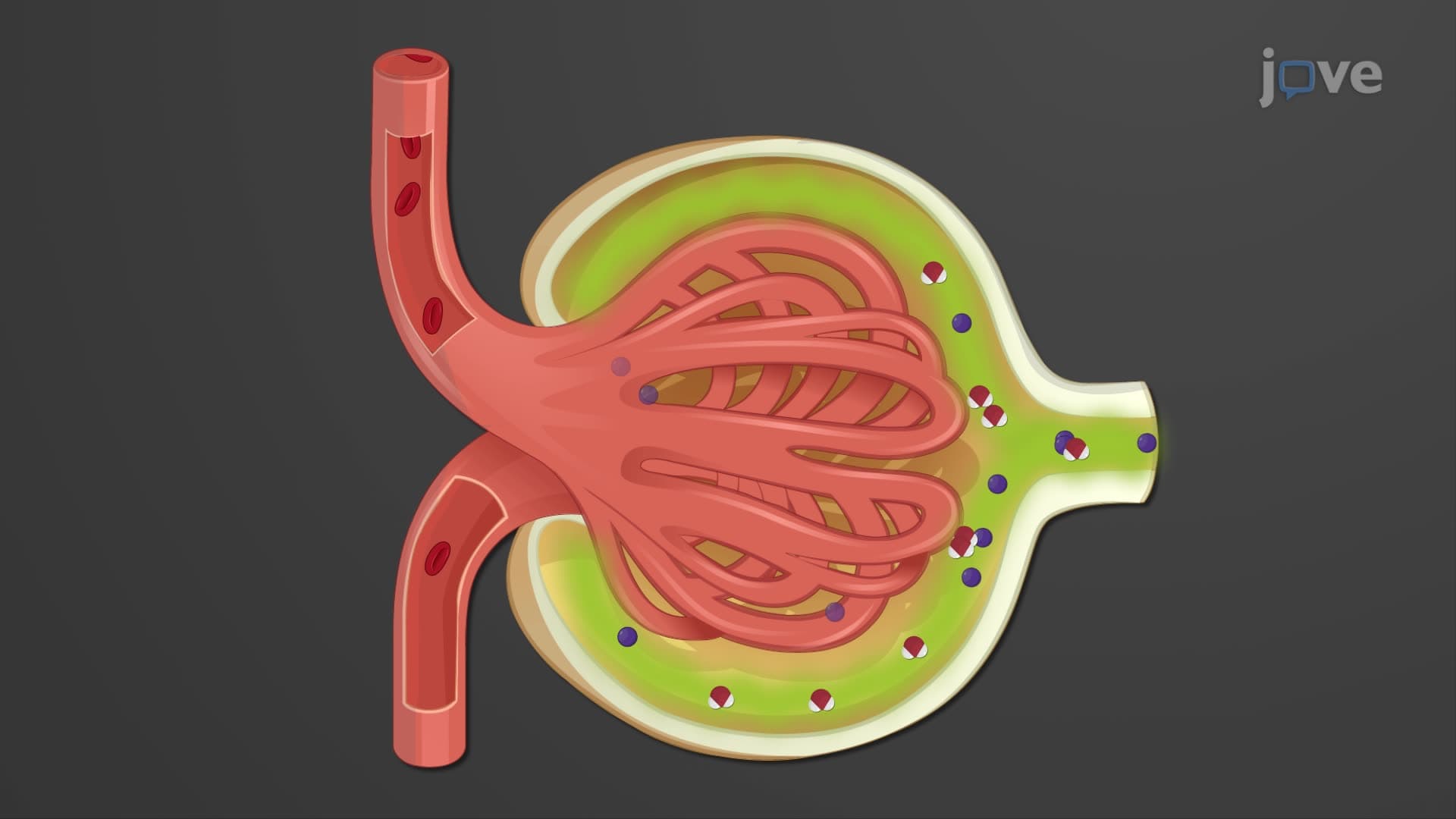
- Analyze how the glomerulus and Bowman's capsule work together in the filtration process
- Compare cortical nephrons versus juxtamedullary nephrons and their anatomical differences
- Recognize the three sections of renal tubules and their specific locations within kidney anatomy
- Apply knowledge of nephron distribution patterns (80-85% cortical, 15-20% juxtamedullary)
- Evaluate how nephron loop length affects kidney function and urine concentration
- Explore the relationship between nephron anatomy and overall renal physiology
Understanding What Are Nephrons: The Kidney's Filtering Champions
Nephrons represent one of biology's most elegant examples of form following function. These microscopic structures demonstrate how kidney nephron structure explained through careful anatomical organization enables life-sustaining filtration. In the United States, chronic kidney disease affects over 37 million adults, making nephron understanding crucial for students pursuing healthcare careers.
Renal Corpuscle: The Filtration Headquarters
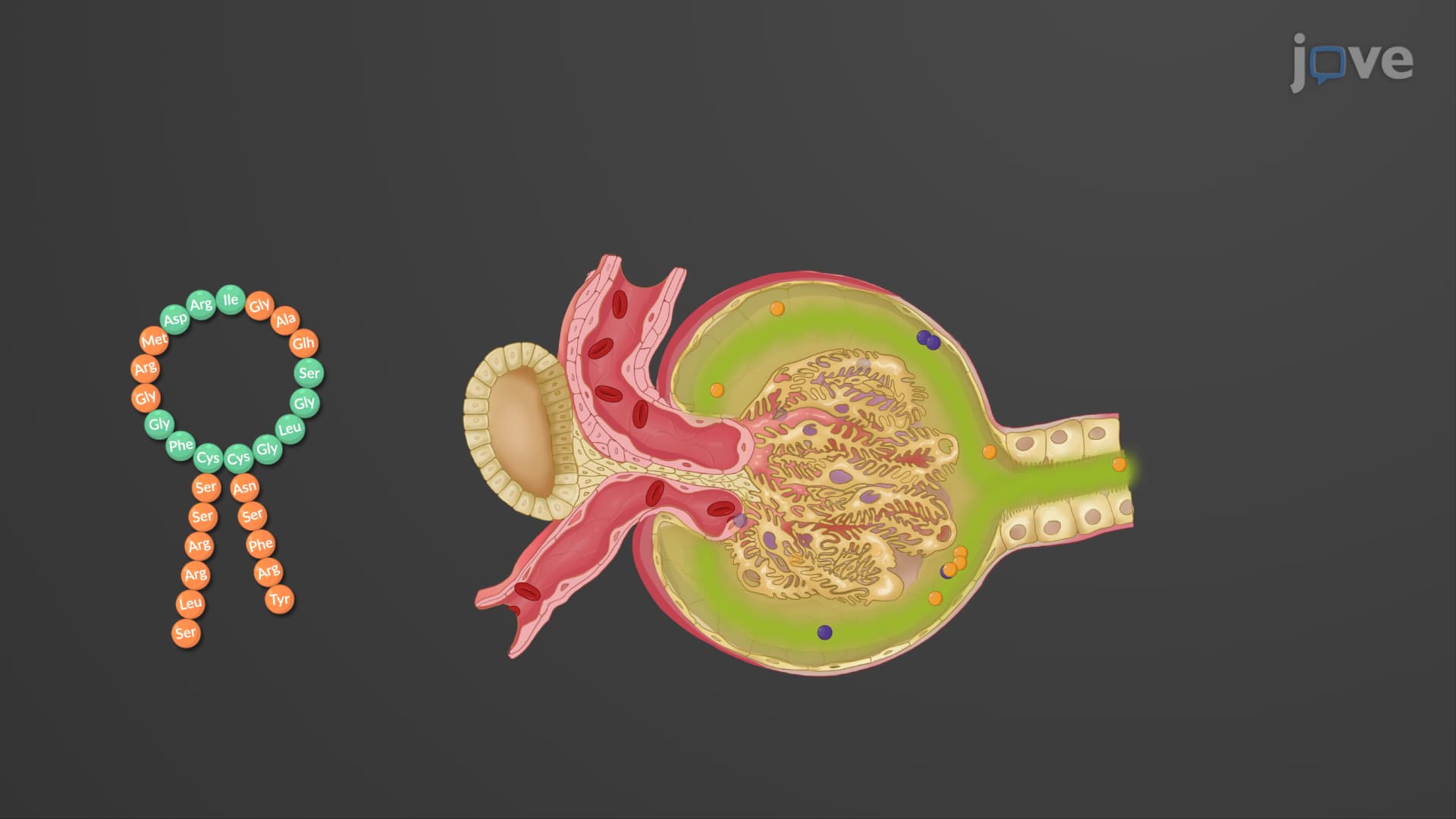
The nephron functional unit begins with the renal corpuscle, where blood filtration magic happens. The glomerulus acts like a high-tech sieve, with specialized capillaries that allow water and small molecules to pass while blocking larger proteins and blood cells. Bowman capsule nephron architecture creates a double-walled cup that captures this filtered fluid, called glomerular filtrate. This process occurs under significant pressure-about 60 mmHg-comparable to the pressure in a garden hose.
Renal Tubule System: Processing and Refinement
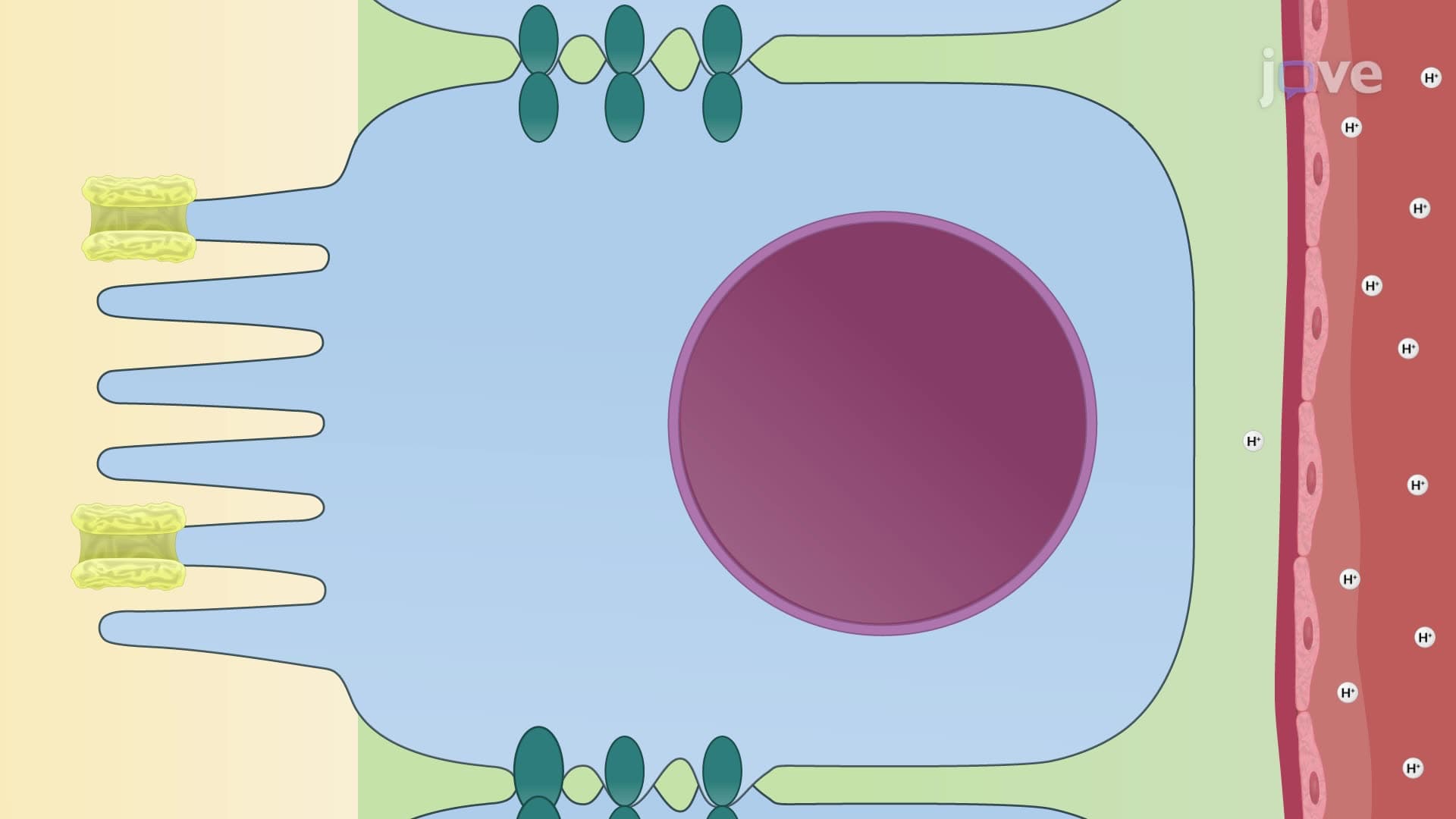
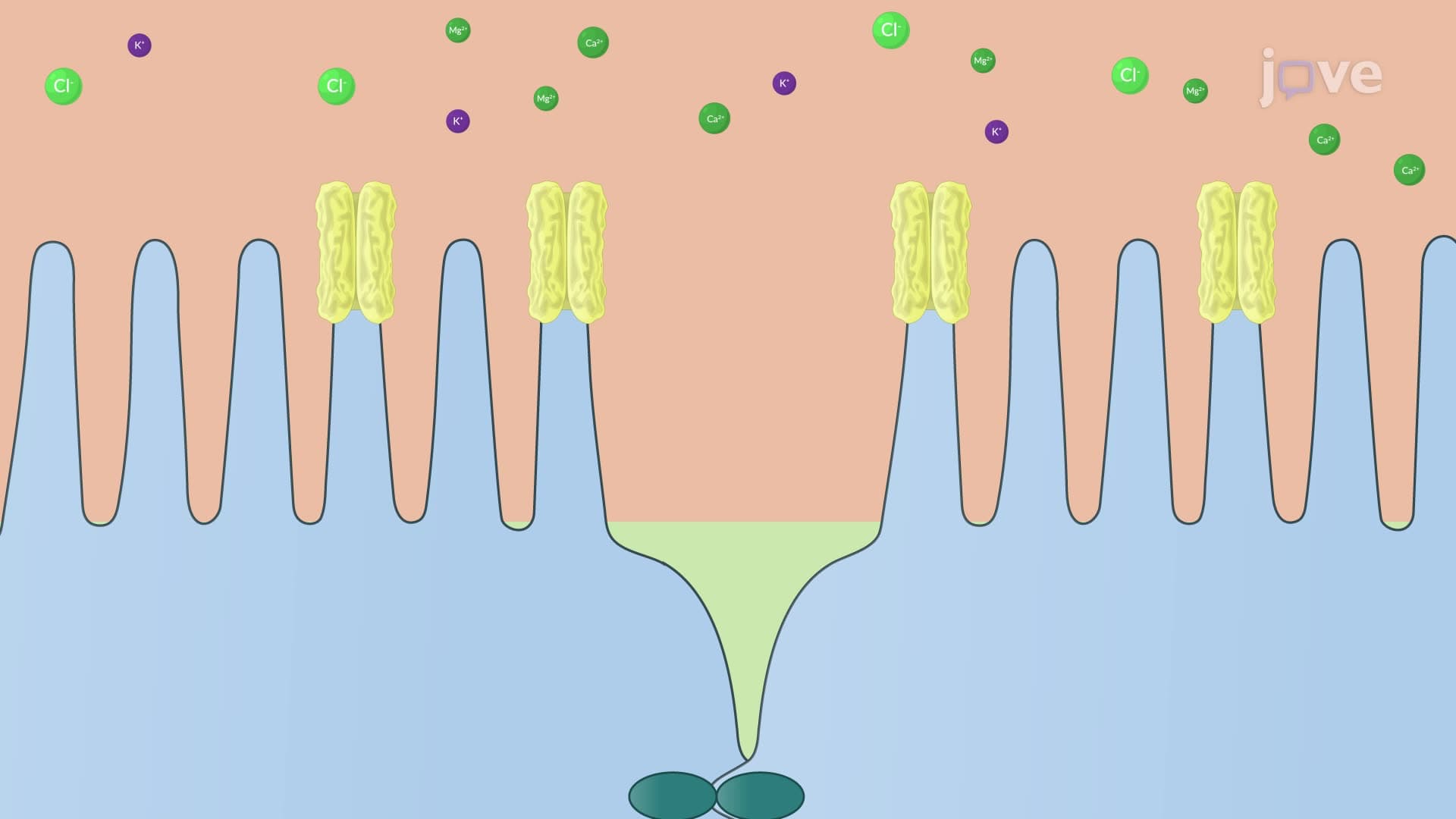
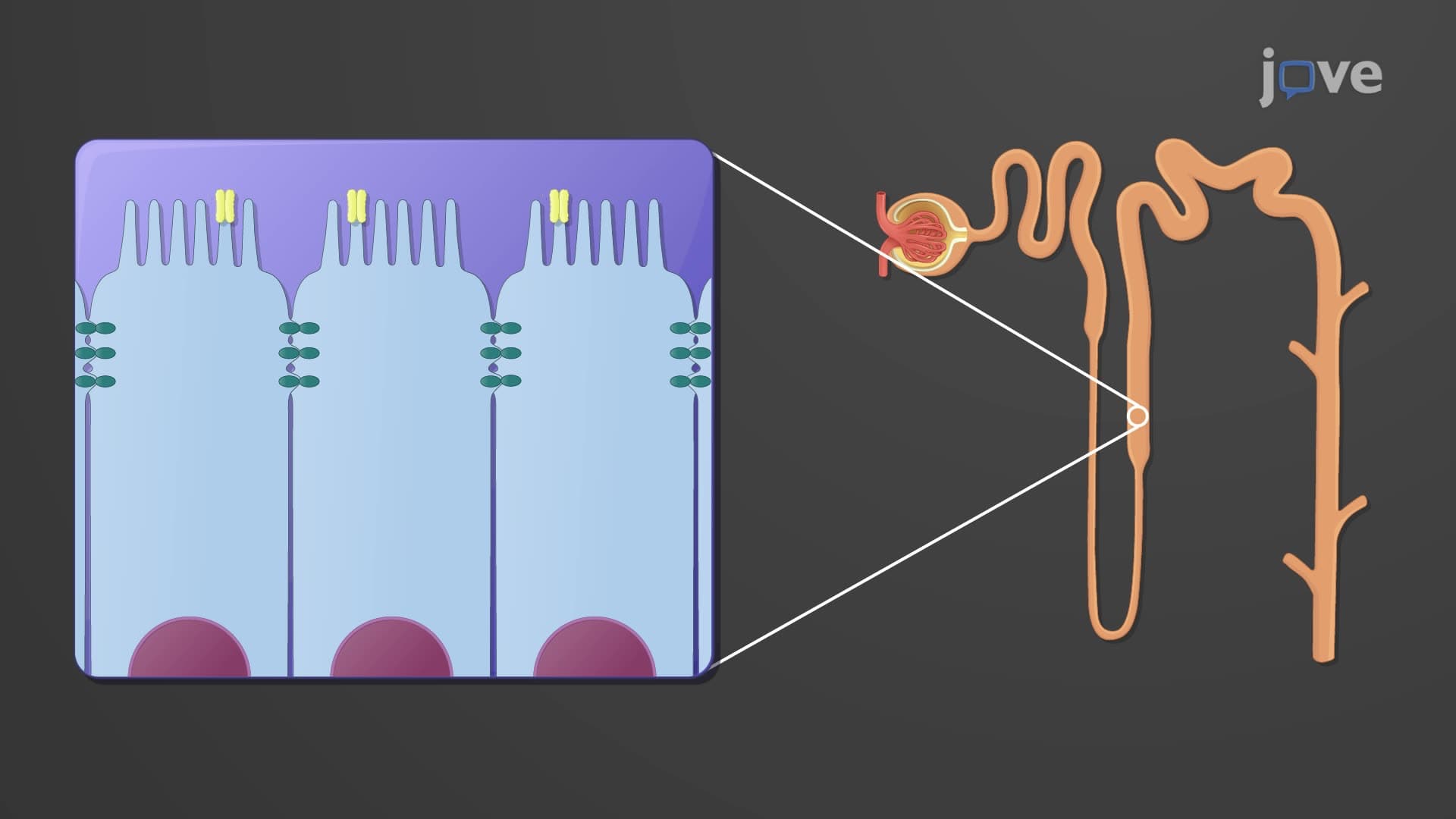
The glomerulus tubule nephron connection leads to an intricate tubular system where filtrate undergoes extensive modification. The proximal convoluted tubule reclaims about 65% of filtered sodium and water-essential for maintaining blood volume. The loop of Henle creates the concentration gradient necessary for producing concentrated urine, while the distal convoluted tubule fine-tunes electrolyte balance. Students preparing for the MCAT or AP Biology exams frequently encounter questions about these specific functions.
Cortical vs. Juxtamedullary Nephrons: Location Determines Function
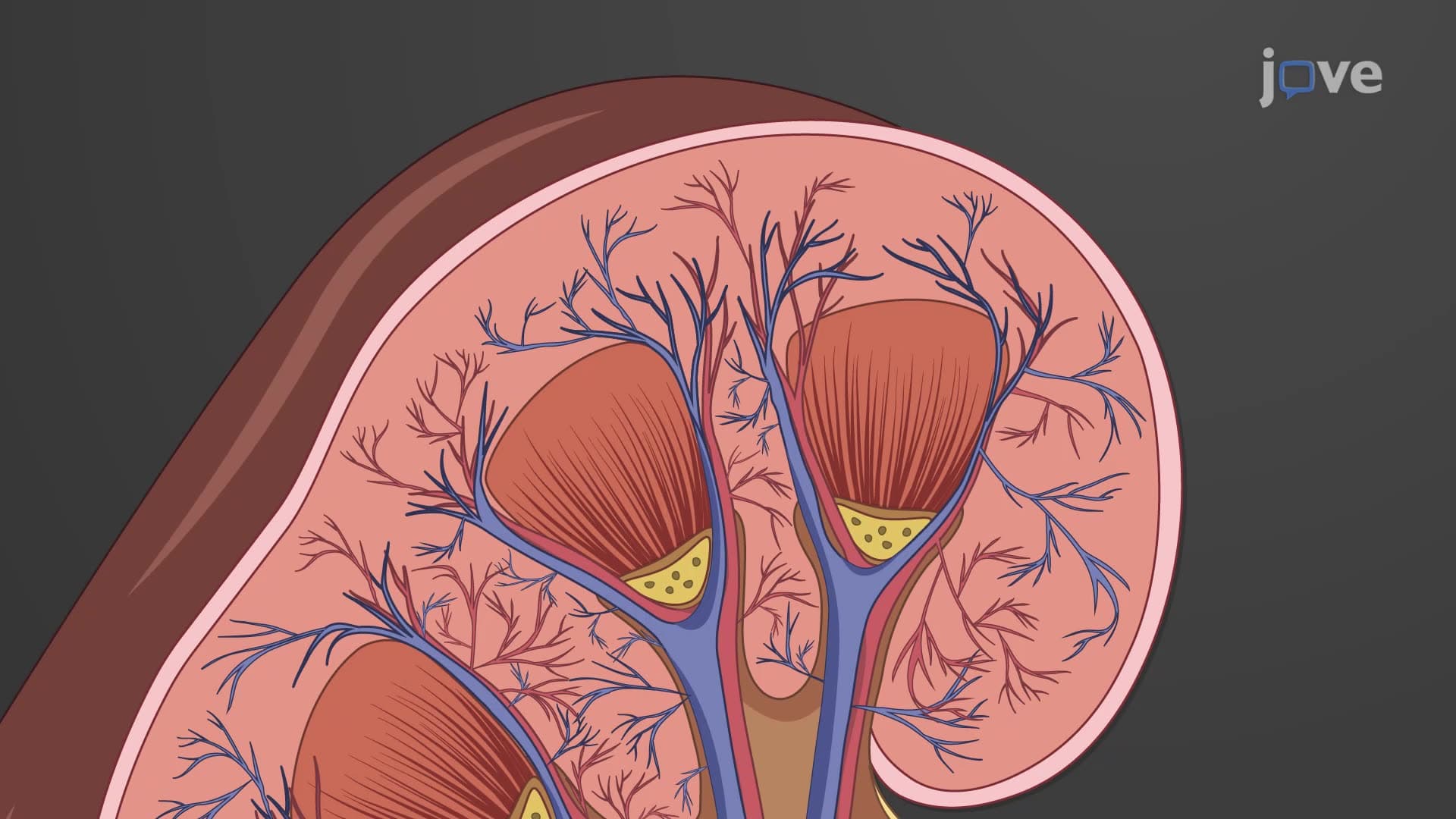
Nephron type anatomy reveals fascinating functional specialization. Cortical juxtamedullary nephron differences reflect evolutionary adaptations for different physiological needs. Cortical nephrons, comprising 80-85% of all nephrons, handle routine filtration with their shorter loops. Juxtamedullary nephrons, with their extended loops reaching deep into the medulla, specialize in concentrating urine-crucial for water conservation. This anatomical distinction appears frequently in USMLE Step 1 examinations and college physiology courses.
Understanding what are nephrons in renal anatomy provides the foundation for comprehending kidney diseases, drug metabolism, and clinical interventions that nursing students encounter on the NCLEX-RN examination.
Frequently Asked Questions
Nephrons are the functional filtering units of the kidneys, with each kidney containing about 1 million of these microscopic structures. They filter blood plasma, reabsorb essential nutrients, and regulate fluid balance, making them crucial for removing waste products and maintaining proper blood chemistry. Without functioning nephrons, waste products would accumulate to toxic levels in the body.
The MCAT frequently tests nephron anatomy through passage-based questions about kidney function and disease states. AP Biology exams often include nephron diagrams where students must identify components like the glomerulus, Bowman's capsule, and tubule sections. Both exams emphasize understanding the relationship between nephron structure and filtration, reabsorption, and secretion processes.
College physiology courses and the USMLE typically test the functional differences between these nephron types. Cortical nephrons have shorter loops and handle routine filtration, while juxtamedullary nephrons have longer loops extending into the medulla and specialize in concentrating urine. This distinction is crucial for understanding conditions like diabetes insipidus and kidney disease progression.
Nephron damage underlies major US health issues like diabetic nephropathy, affecting 1 in 3 diabetic adults, and hypertensive kidney disease. Understanding nephron function helps explain why ACE inhibitors protect kidney function in diabetes patients and why early detection through urinalysis is crucial in American healthcare screening programs.
Basic high school chemistry concepts like concentration gradients and osmosis provide sufficient background for understanding nephron function. The key is grasping how water and solutes move across membranes rather than memorizing complex biochemical pathways. Most introductory courses focus on the "what" and "where" before tackling the "how" of molecular mechanisms.
Create a flow chart tracing filtrate movement from glomerulus through Bowman's capsule, proximal tubule, loop of Henle, and distal tubule. Use mnemonics like "Good Boys Prefer Long Days" for the sequence, and practice drawing nephron diagrams repeatedly. Focus on understanding the location of each part within the kidney's cortex and medulla regions.
Nephron knowledge provides the foundation for understanding medication excretion, fluid balance disorders, and kidney function tests that appear throughout nursing curricula. This concept connects directly to patient care scenarios involving diuretics, dialysis, and chronic kidney disease management that nursing students encounter in medical-surgical courses.
Progress to studying the renin-angiotensin-aldosterone system, which regulates blood pressure and involves nephron function. Then explore kidney function tests like creatinine clearance and glomerular filtration rate calculations commonly used in clinical settings and tested on advanced healthcare examinations.
Related Micro-courses

20 Concepts

37 Concepts

14 Concepts