Loading subject page…

Micro-course: The Urinary System
78,053 views
Learn key concepts and earn your certificate.
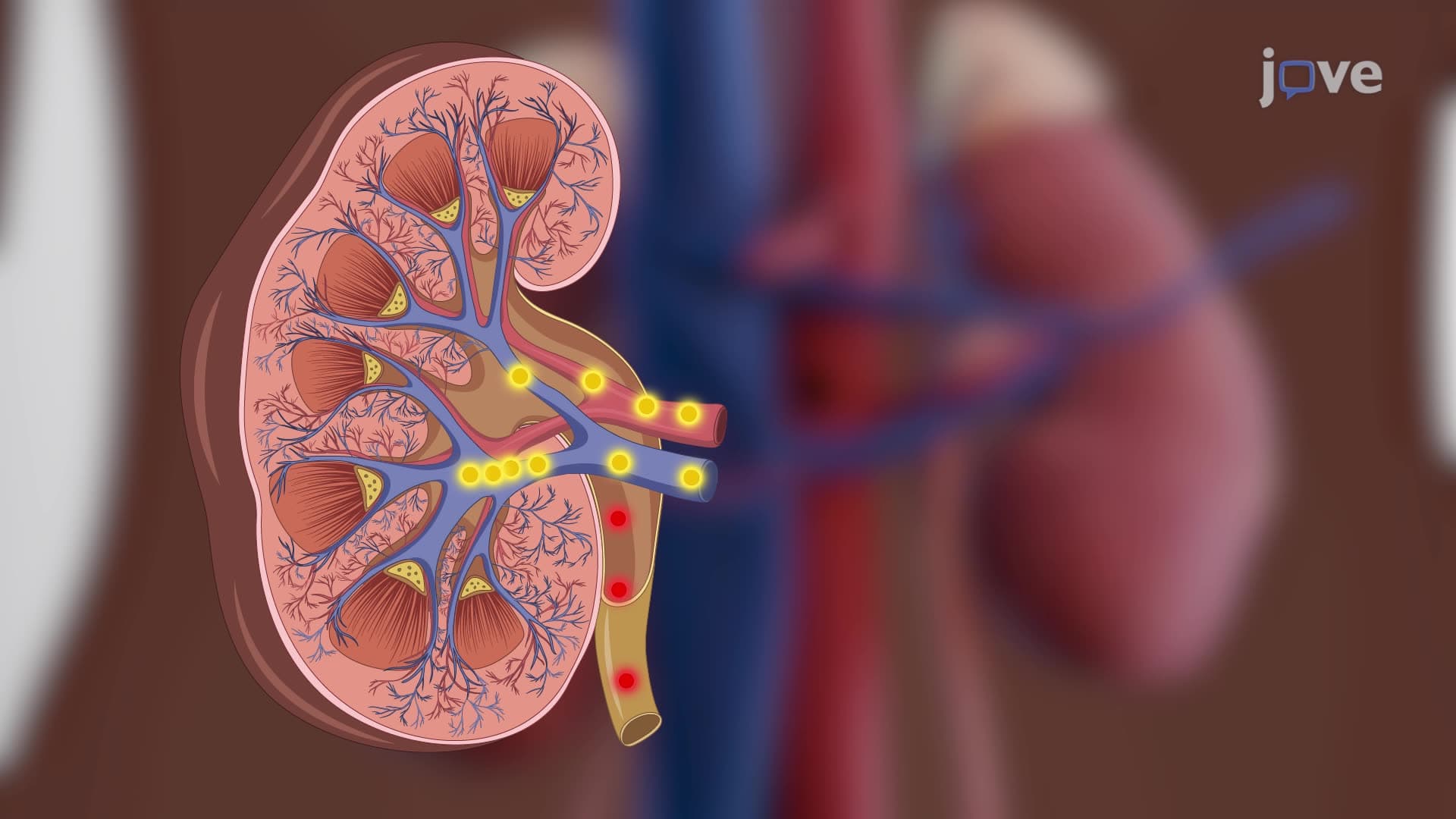

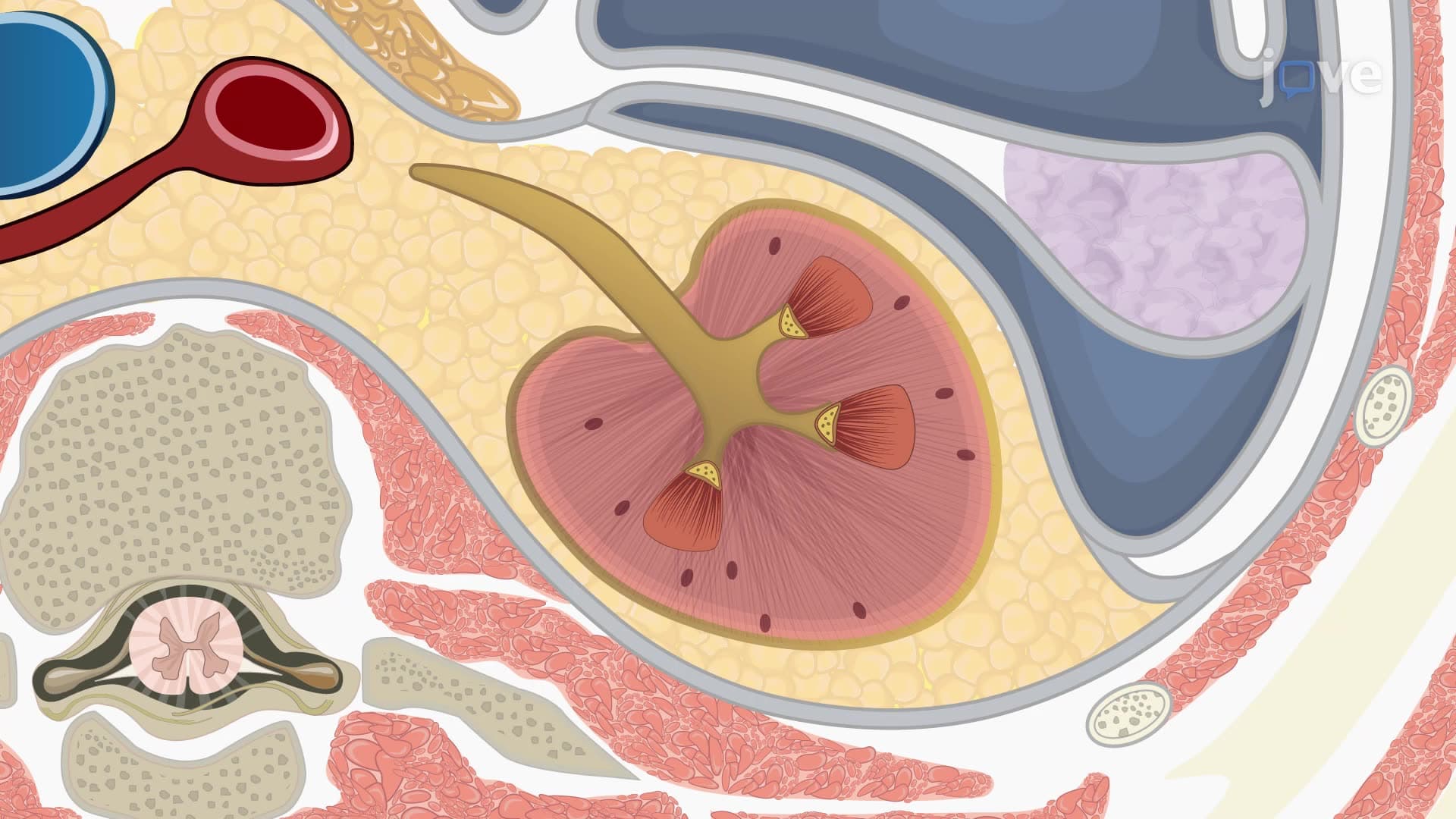
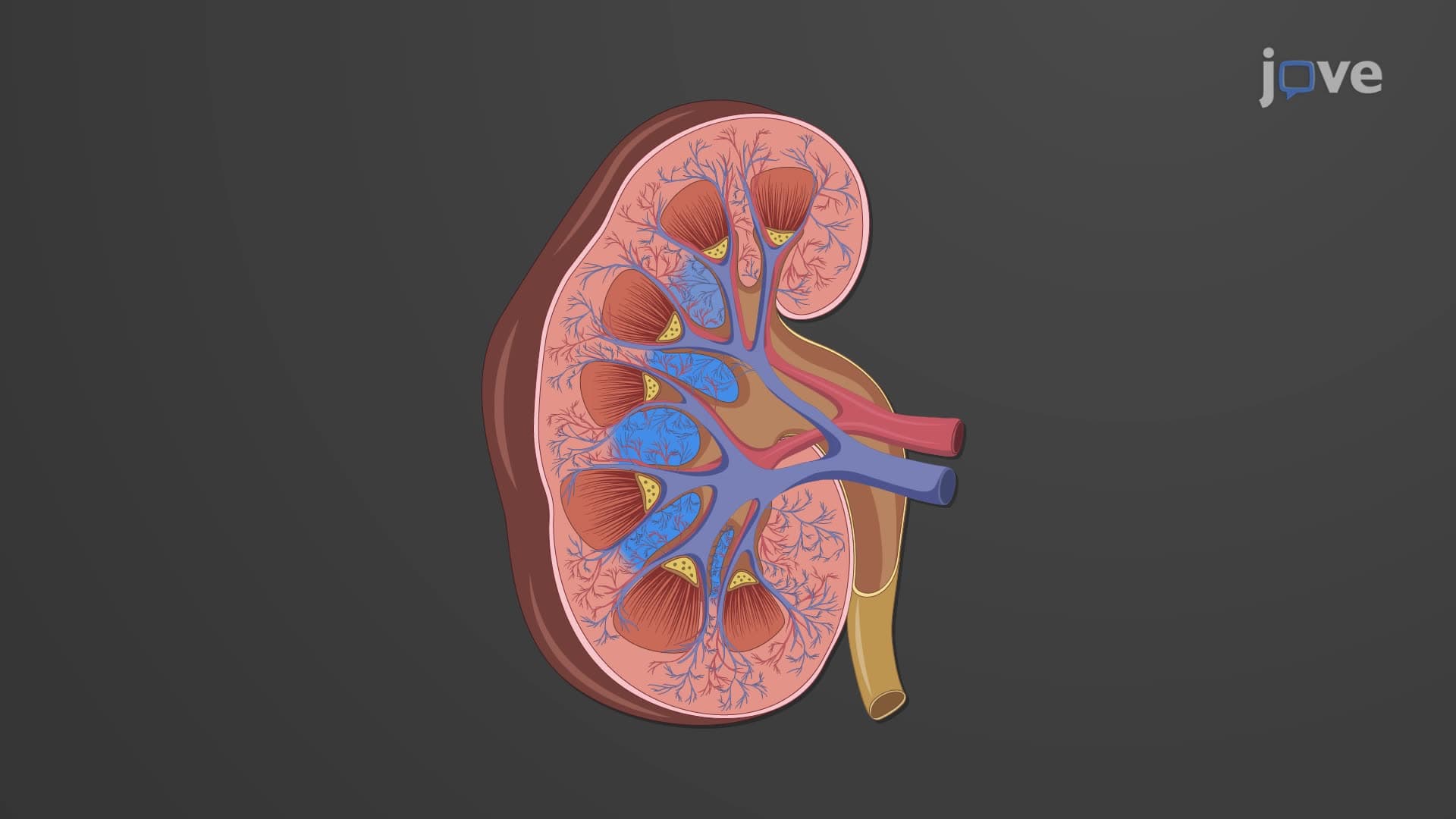
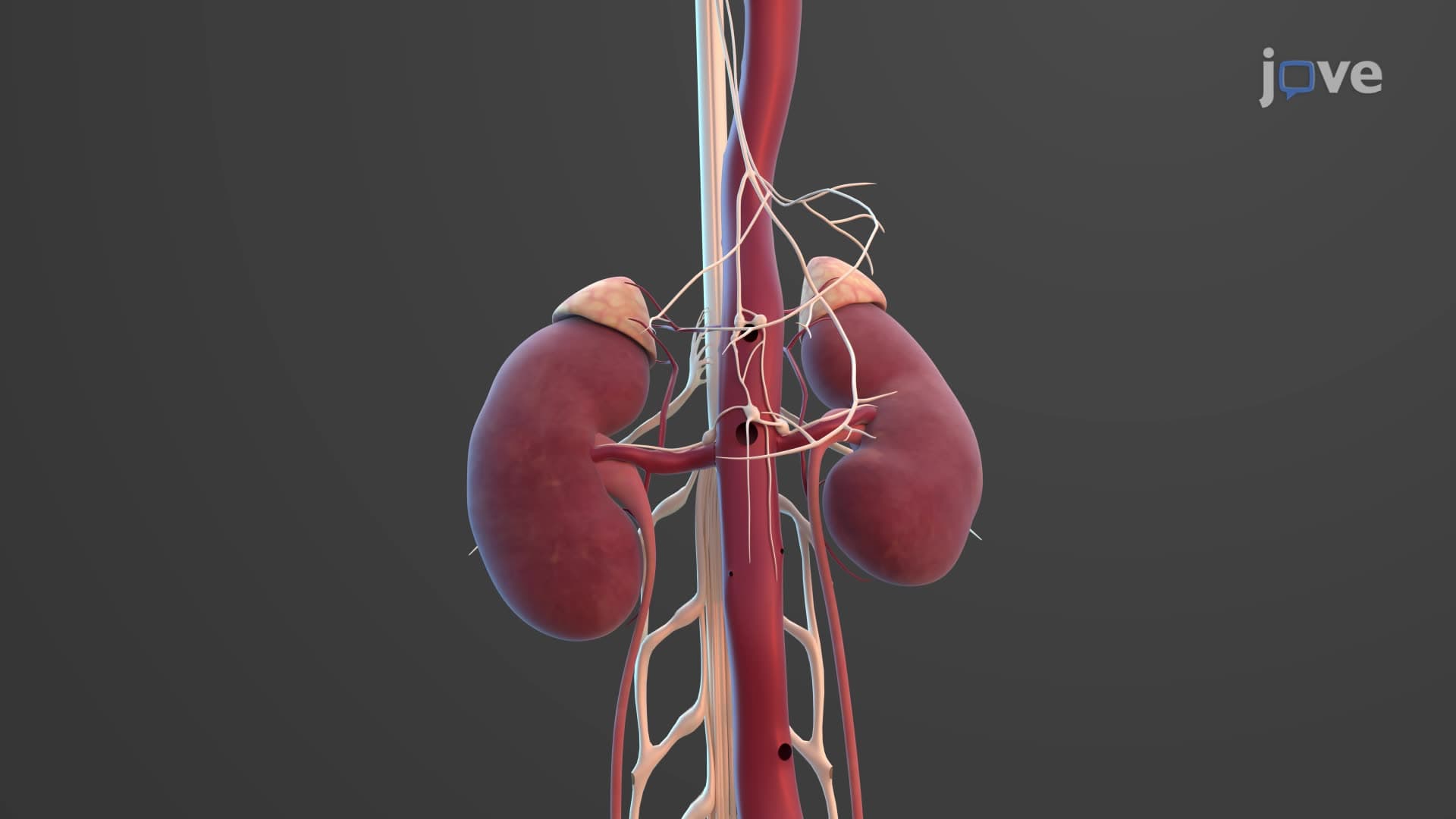

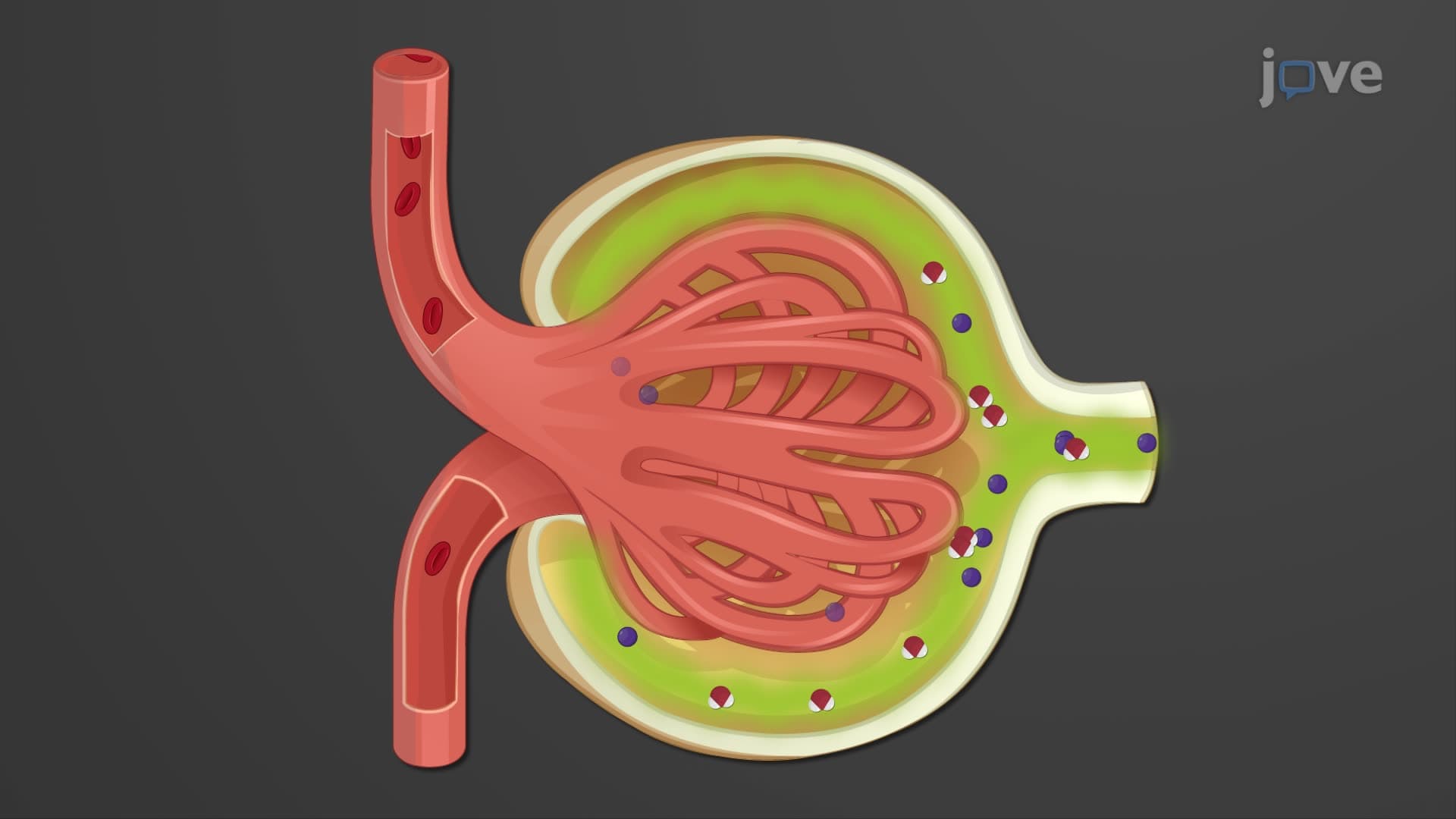
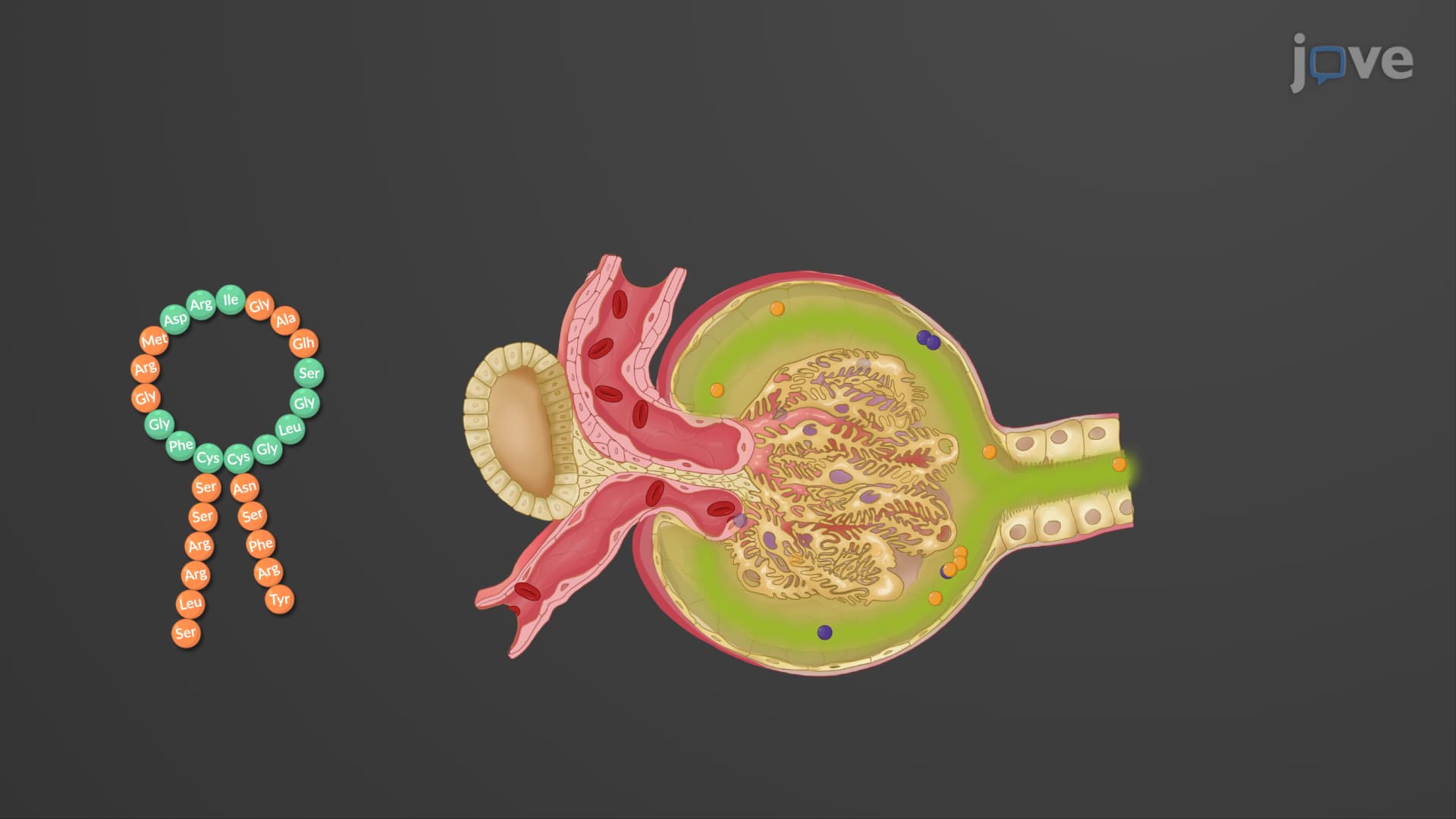
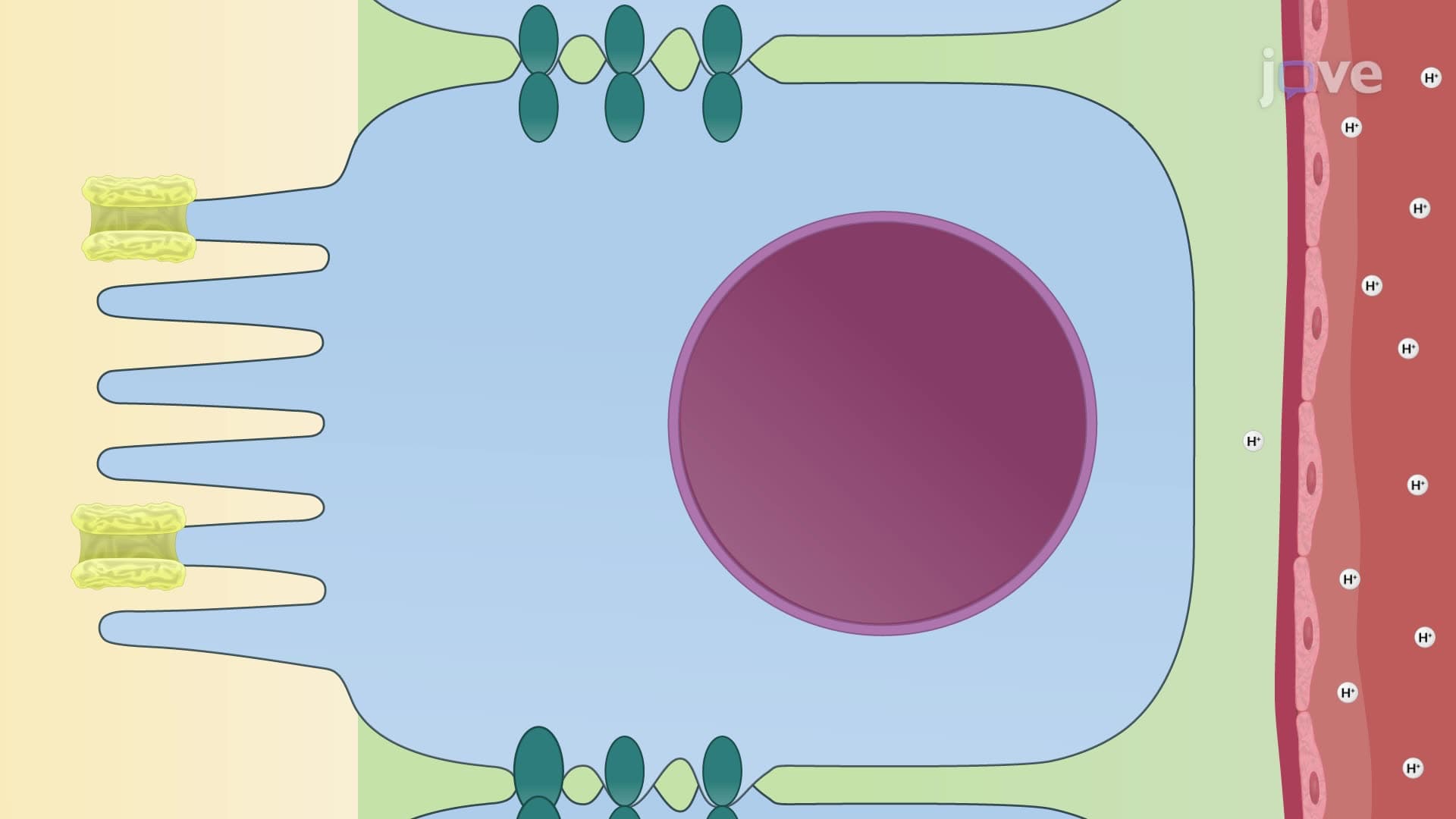
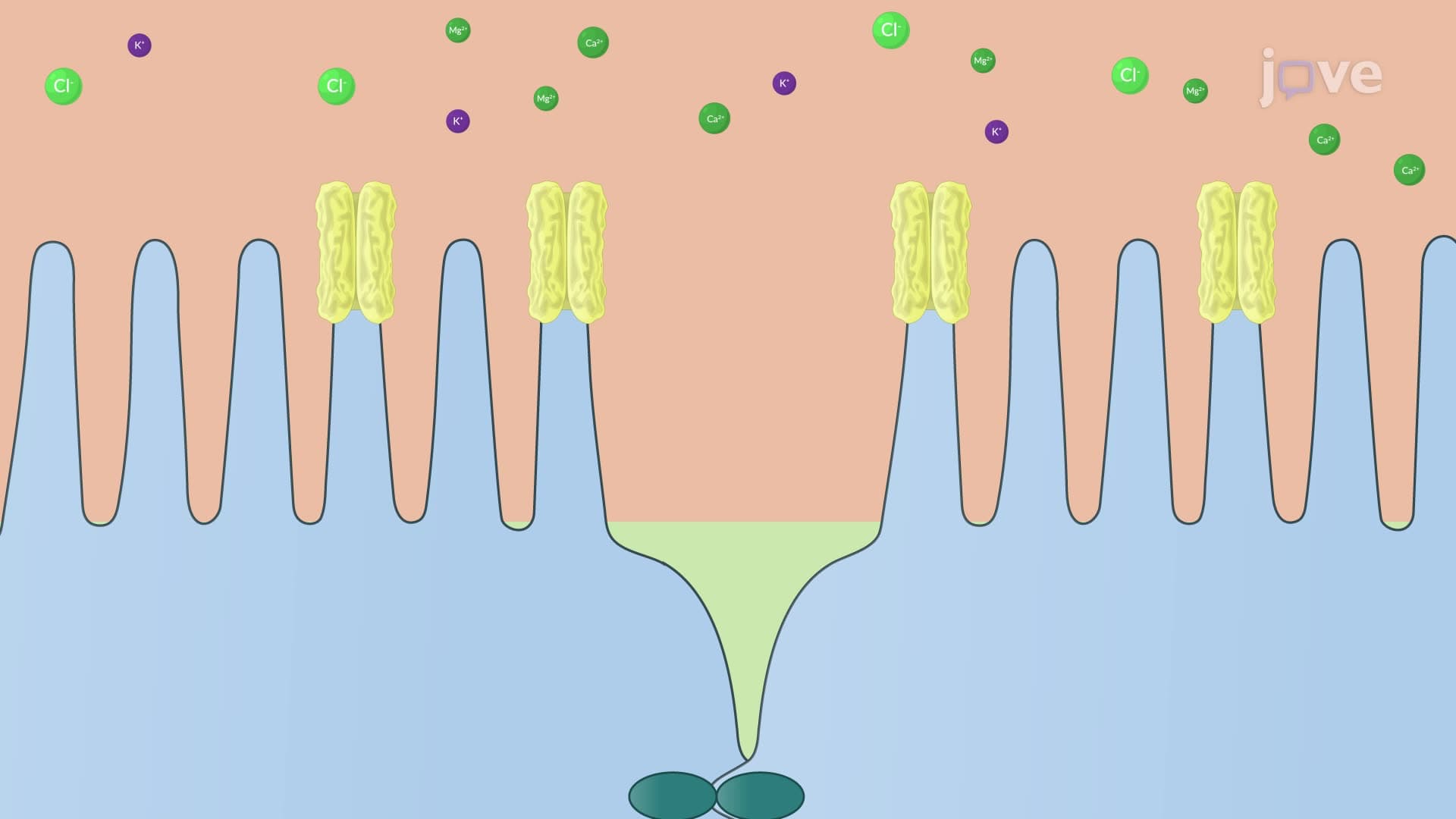

Dialysis

00:00
01:27
Video Summary: What Is Dialysis
Every three minutes, someone in the United States begins dialysis treatment to survive kidney failure. Dialysis chemistry explained reveals how this life-saving process uses selective membrane separation to remove toxic waste products from blood when kidneys can no longer function properly. Over 750,000 Americans currently depend on dialysis treatments at centers nationwide, making what is dialysis a critical medical chemistry concept. Watch the full video on JoVE Coach to master this concept with expert-led visuals and step-by-step explanations.
- Understand what is dialysis and distinguish between acute renal failure (GFR < 15 mL/min) and chronic kidney disease (GFR < 60 mL/min over time)
- Identify the two primary dialysis methods - hemodialysis using external machines and peritoneal dialysis using the body's natural membrane
- Analyze how semipermeable membrane dialysis selectively removes small waste molecules like urea while retaining essential proteins and blood cells
- Compare the diffusion dialysis process in both hemodialysis and peritoneal dialysis systems based on concentration gradients
- Evaluate the role of dialysate solutions in creating optimal chemical gradients for waste removal and electrolyte balance
- Apply dialysis separation technique principles to understand how molecular size and charge affect filtration efficiency
- Recognize clinical applications of dialysis chemistry in treating kidney disease, drug overdoses, and metabolic disorders
- Explore the relationship between osmosis and dialysis in maintaining proper fluid balance during treatment
Understanding What is Dialysis at the Molecular Level
What is dialysis fundamentally describes a separation process that exploits differences in molecular size and permeability across semipermeable membranes. In medical applications, this dialysis chemistry explained concept becomes life-saving technology for patients whose kidneys cannot adequately filter blood. The process relies on three key transport mechanisms: diffusion, ultrafiltration, and convection.
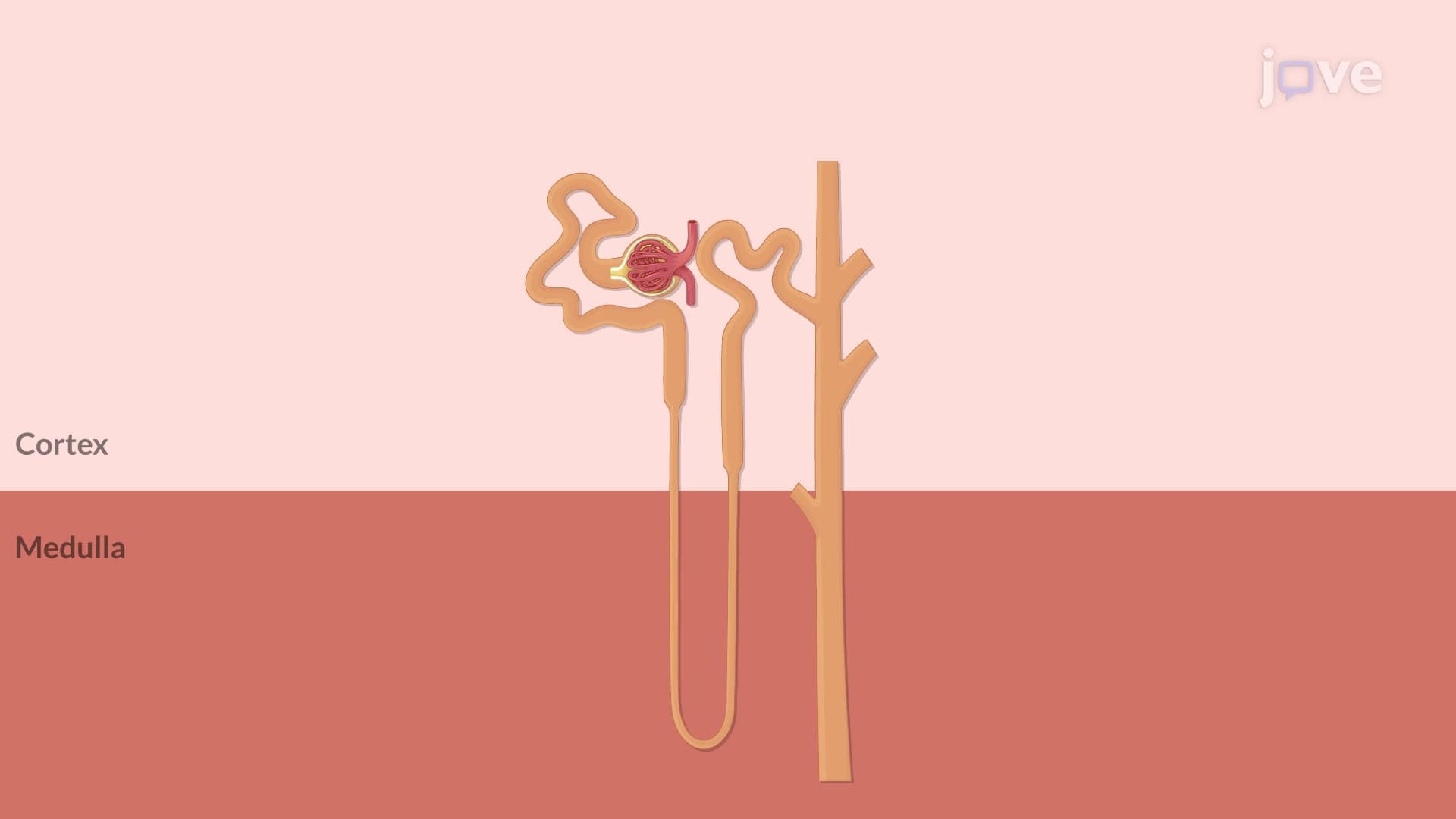
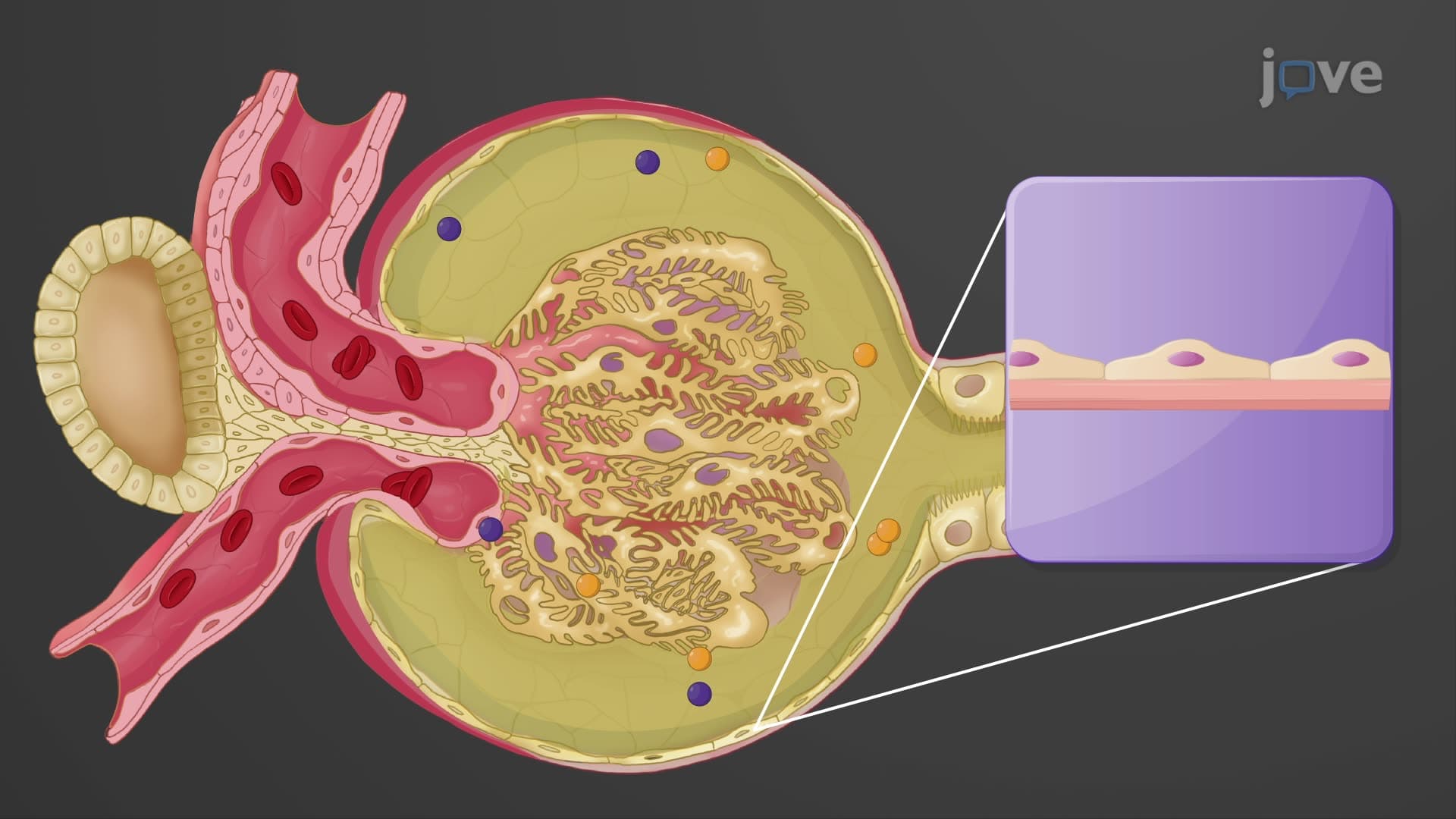
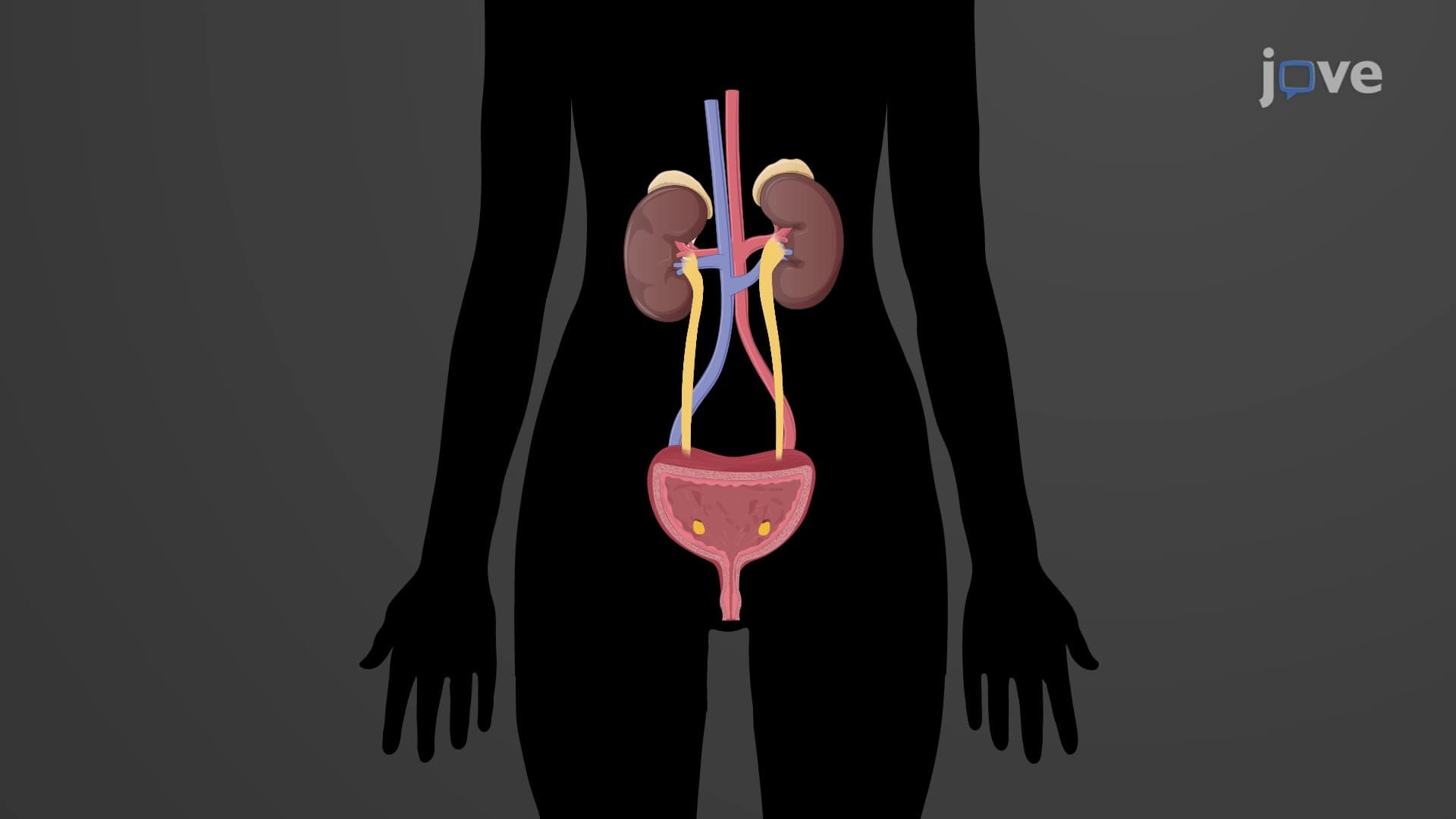
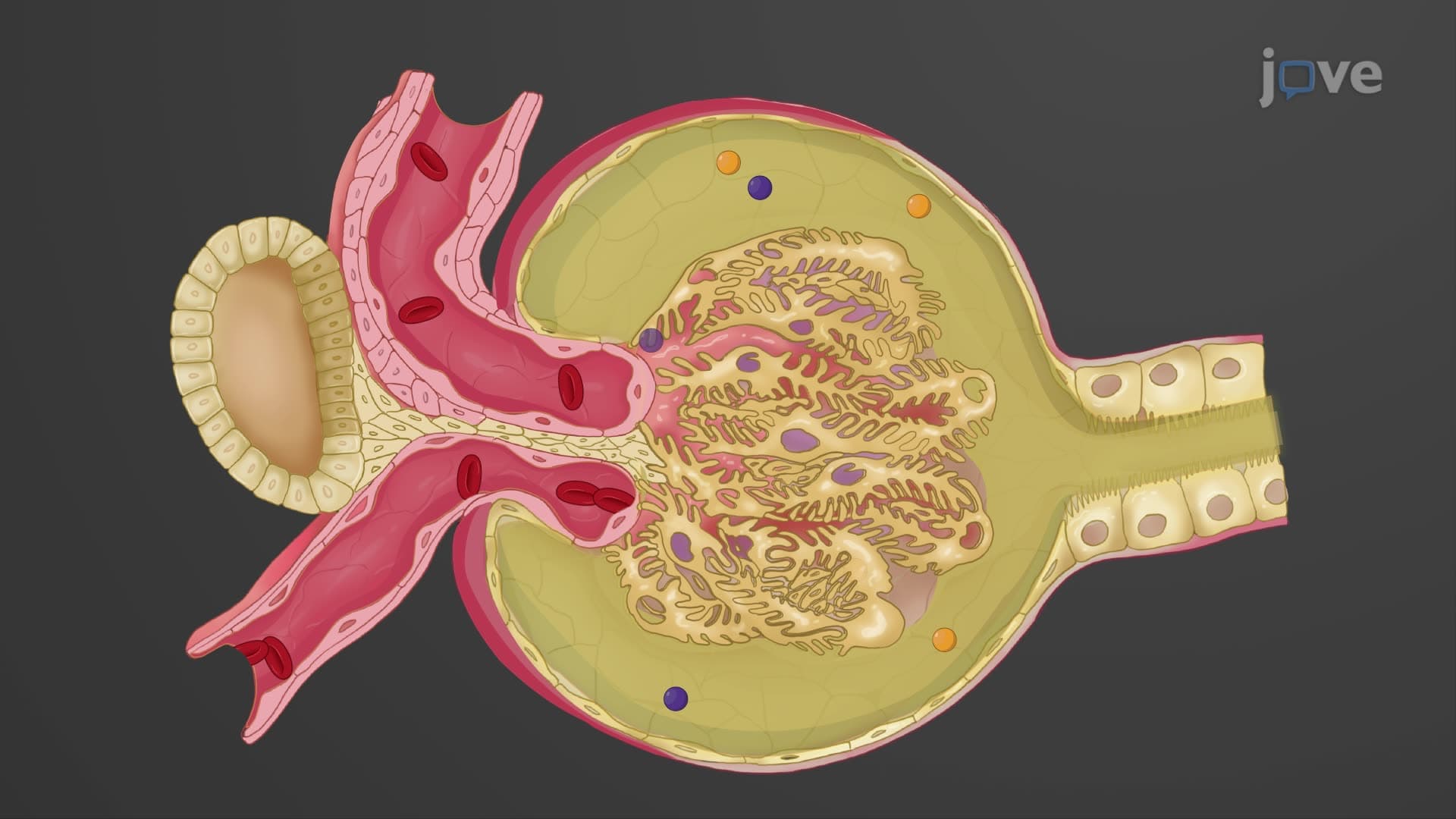
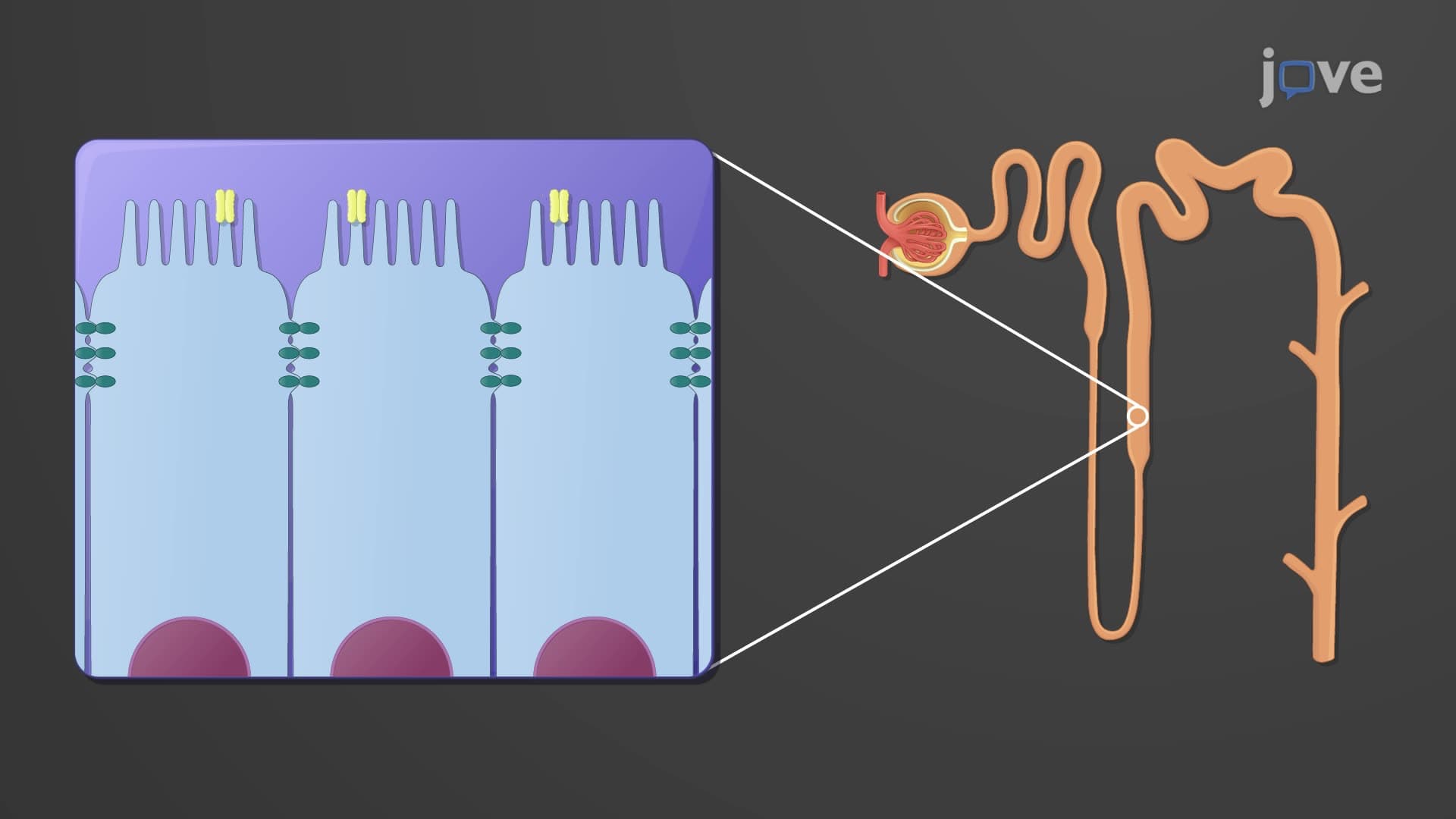
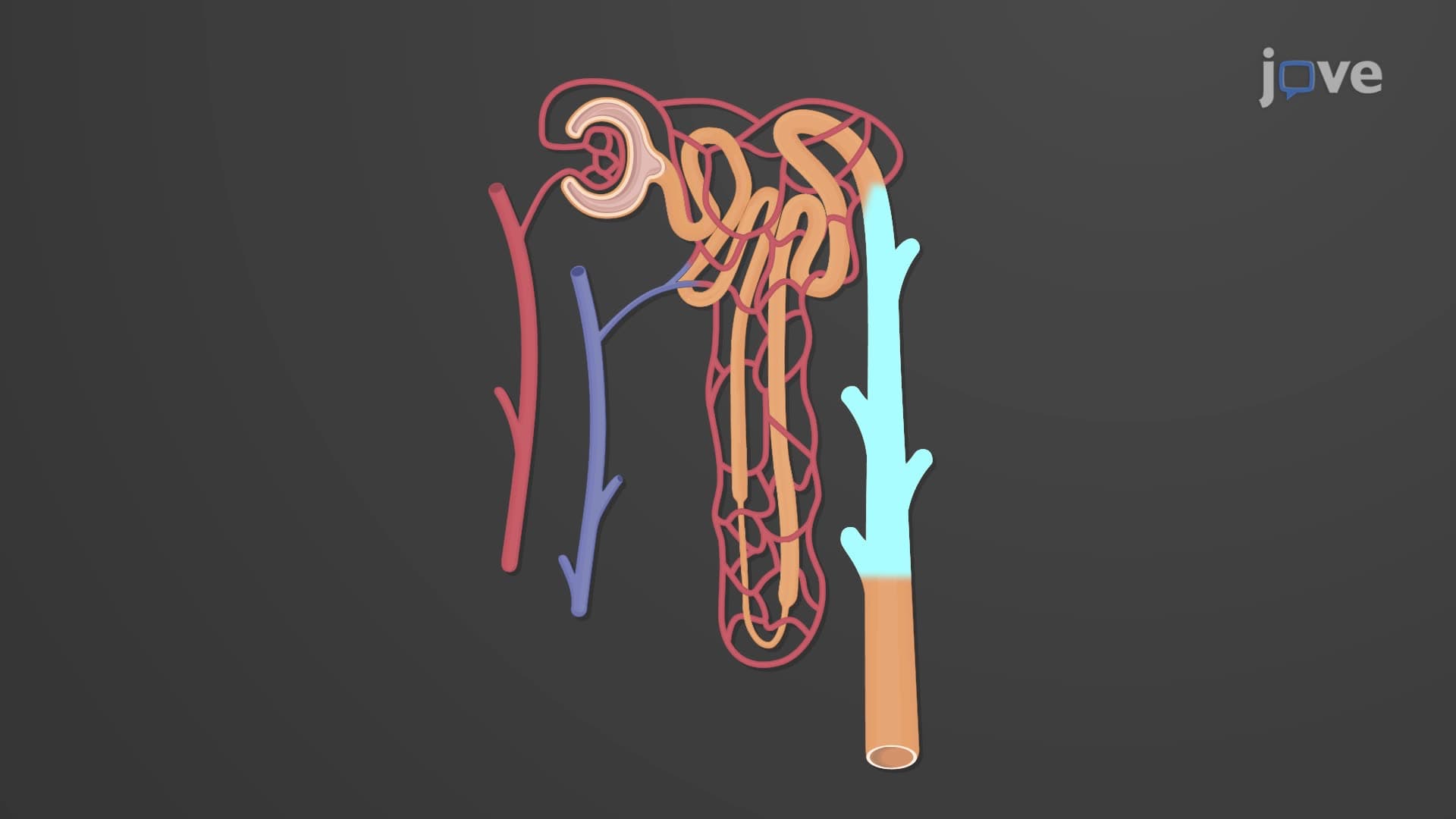
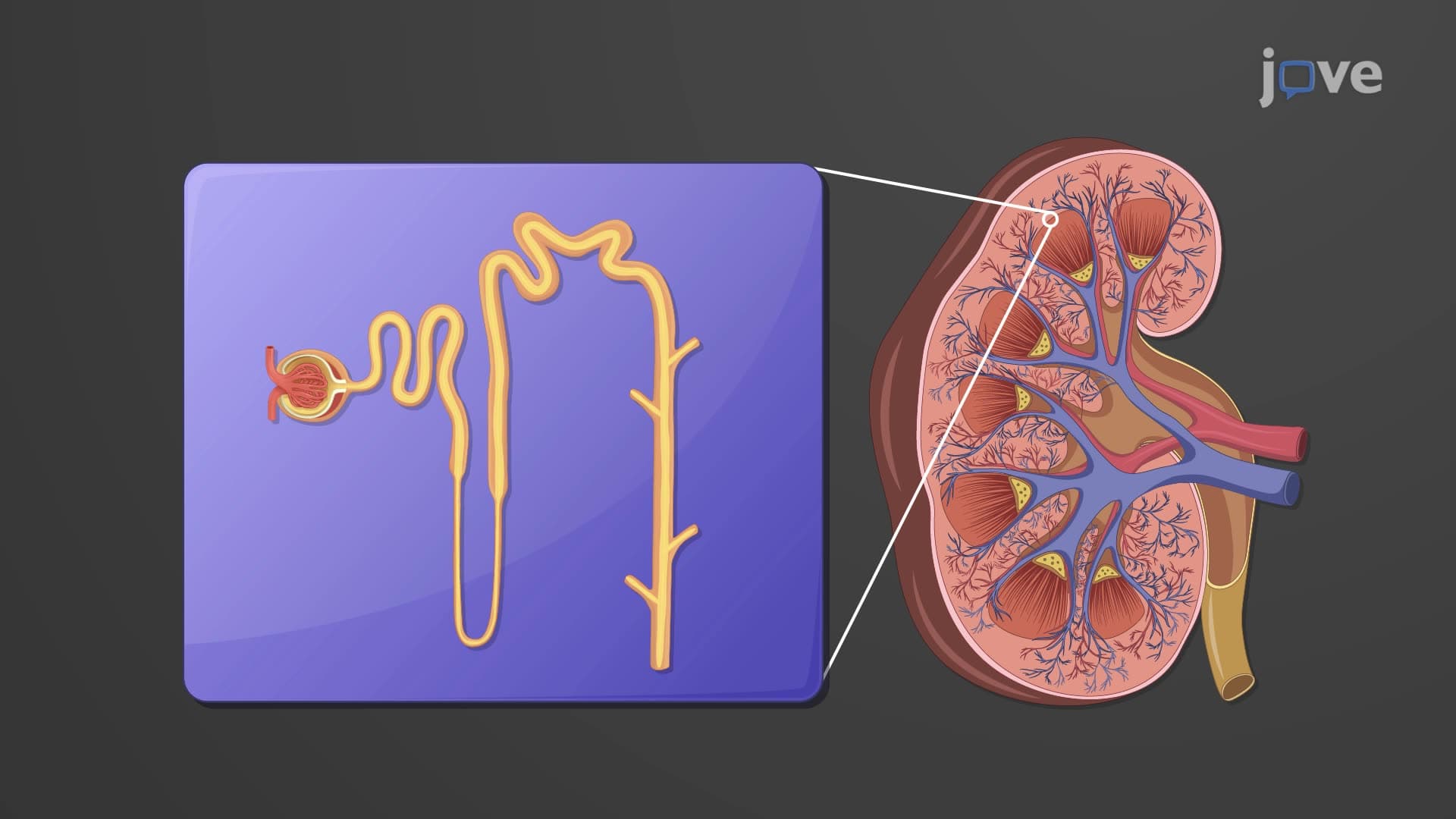
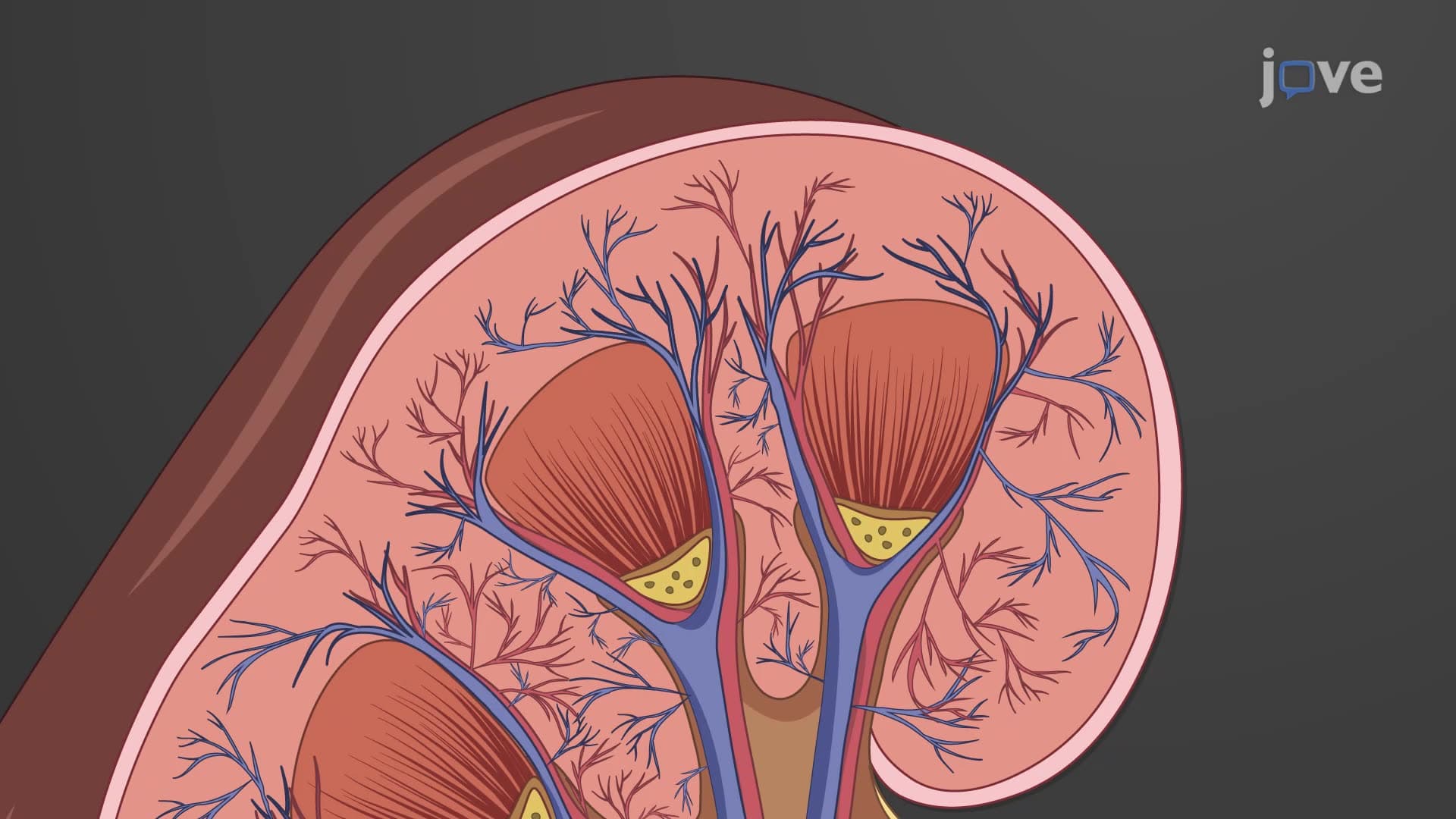
When kidneys fail, toxic nitrogenous wastes like urea, creatinine, and excess electrolytes accumulate in blood plasma. Normal kidney function maintains glomerular filtration rates (GFR) above 90 mL/min, but dialysis becomes necessary when GFR drops below 15 mL/min in acute cases or remains below 60 mL/min chronically.
Hemodialysis: External Filtration Technology
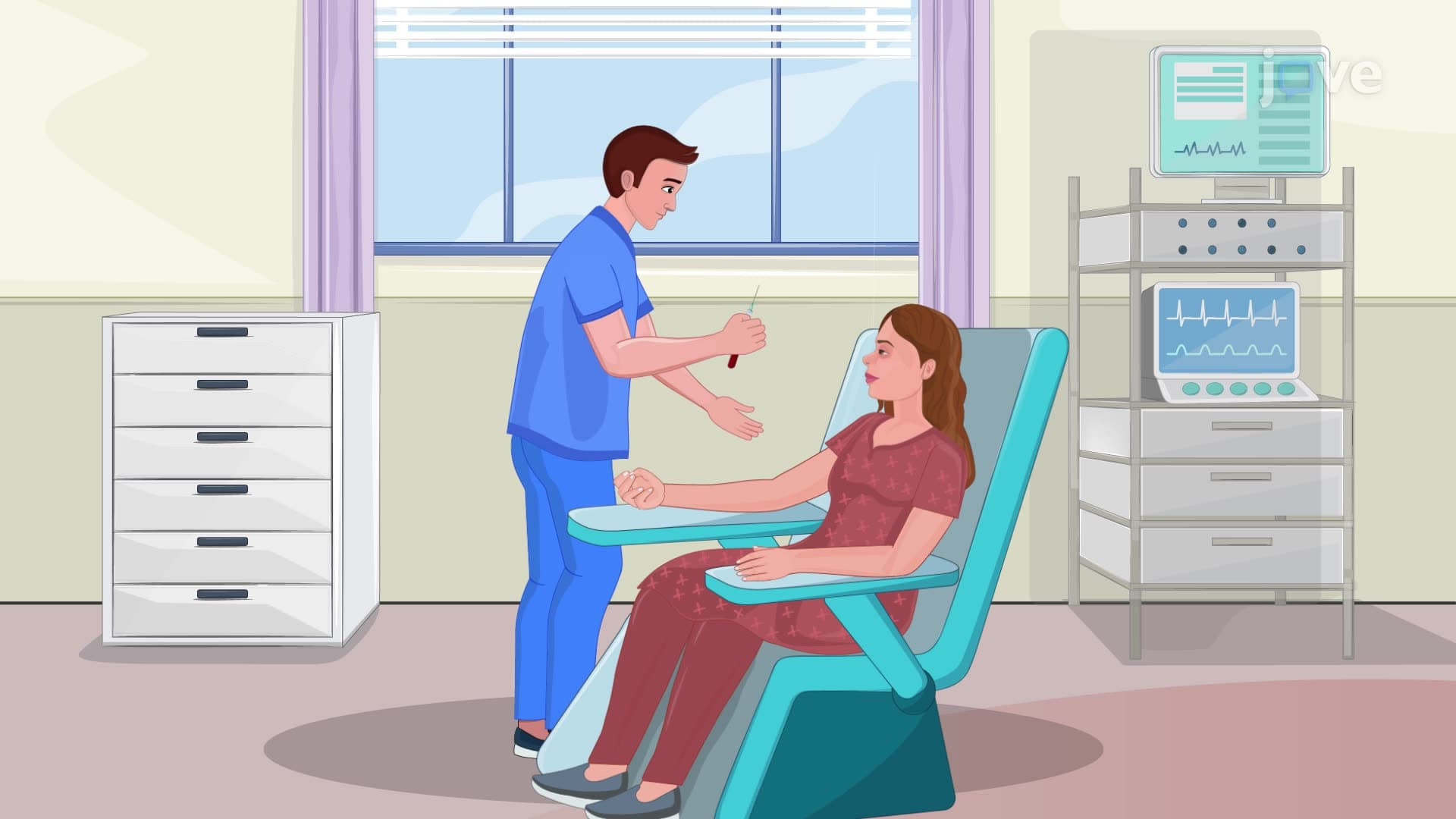
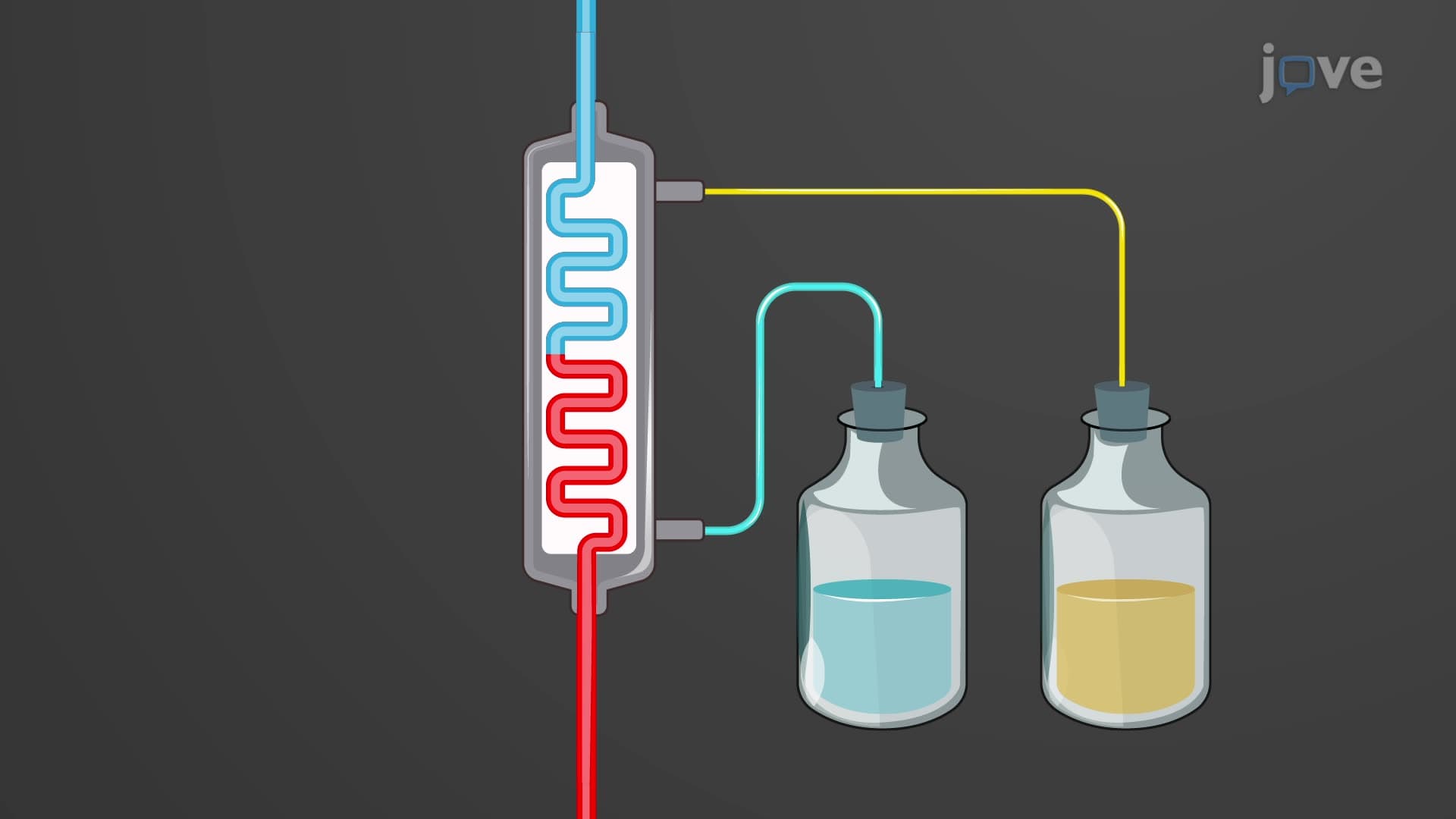
Hemodialysis represents the most common dialysis separation technique in US healthcare facilities. The process involves withdrawing blood through vascular access points, typically arteriovenous fistulas created surgically in the forearm. Blood flows through hollow fiber dialyzers containing thousands of semipermeable membranes with pores sized around 20-30 angstroms.
The diffusion dialysis process occurs when blood flows on one side of these membranes while dialysate solution flows countercurrently on the opposite side. Small molecules like urea (molecular weight 60 Da), potassium ions, and phosphate diffuse from high-concentration blood into lower-concentration dialysate. Meanwhile, larger molecules like albumin (66,500 Da) and red blood cells remain in circulation.
Heparin anticoagulation prevents clotting during treatment, while precise dialysate composition ensures proper electrolyte replacement. A typical session lasts 3-4 hours, performed three times weekly at dialysis centers across America.
Peritoneal Dialysis: The Body's Natural Filter
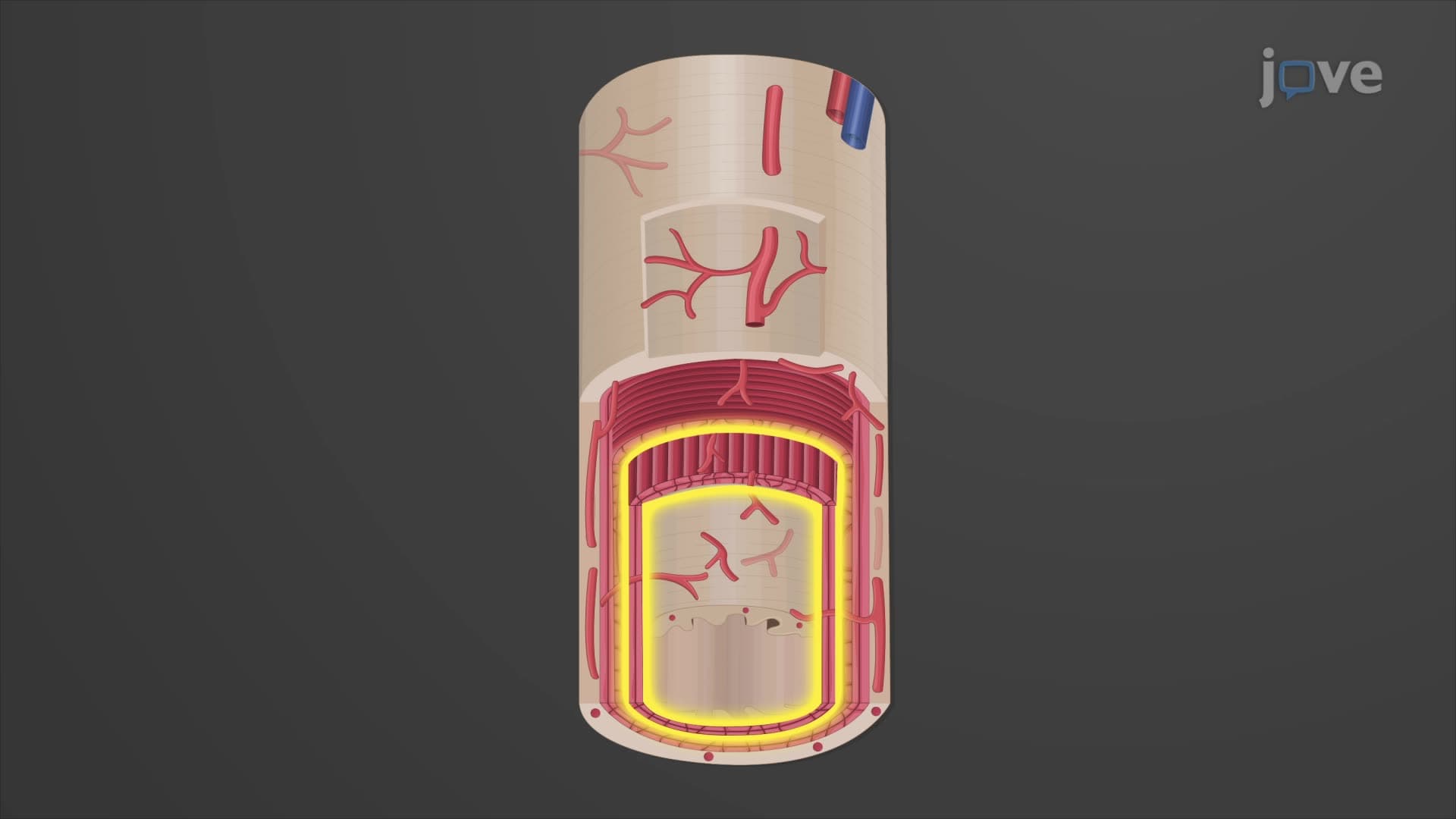
Peritoneal dialysis utilizes the semipermeable membrane dialysis properties of the peritoneum, the tissue lining the abdominal cavity. This dialysis purification method offers greater flexibility for patients who can perform treatments at home.
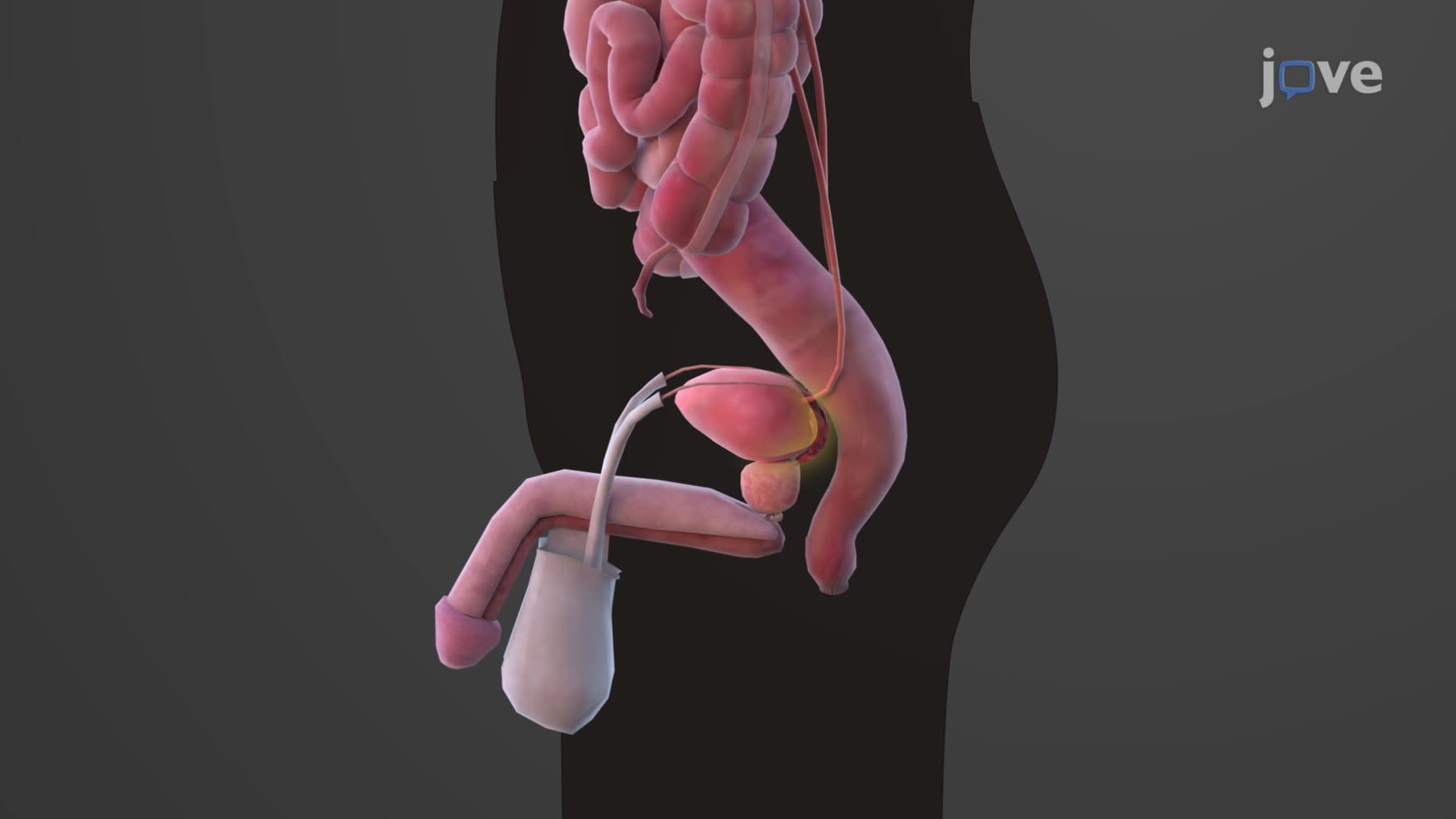
During peritoneal dialysis, sterile dialysate solution enters the peritoneal cavity through a surgically placed catheter. The peritoneal membrane acts as a natural dialyzer, allowing waste products to diffuse from peritoneal capillaries into the dialysate over several hours. The equilibrium dialysis technique reaches optimal clearance after 4-6 hours of dwell time.
Understanding the osmosis dialysis difference proves crucial here - while osmosis involves water movement across membranes due to solute concentration differences, dialysis primarily focuses on solute removal while controlling fluid balance through osmotic agents like glucose in the dialysate.
Clinical Applications and Exam Relevance
For AP Chemistry and college biochemistry courses, dialysis exemplifies practical applications of membrane transport, molecular kinetics, and solution chemistry. MCAT preparation often includes dialysis-related passages testing understanding of concentration gradients, membrane selectivity, and physiological chemistry.
The dialysis separation technique also appears in analytical chemistry laboratories for protein purification and buffer exchange, making this concept relevant across multiple STEM disciplines. Students preparing for healthcare professions encounter dialysis principles in anatomy, physiology, and clinical chemistry coursework.
Frequently Asked Questions
Dialysis is a medical procedure that artificially removes waste products and excess fluid from blood when kidneys fail to function adequately. It uses semipermeable membranes to filter small toxic molecules like urea while preserving essential blood components like proteins and cells. The process mimics natural kidney filtration but requires external machinery or the body's peritoneal membrane.
MCAT passages typically test dialysis concepts through membrane transport, concentration gradients, and molecular selectivity questions. AP Chemistry exams may include dialysis in context of solution chemistry, diffusion rates, and membrane permeability. Students should understand Fick's law of diffusion, membrane selectivity coefficients, and osmotic pressure calculations.
USMLE Step 1 emphasizes that hemodialysis uses external machines with synthetic membranes for rapid waste removal, while peritoneal dialysis uses the body's peritoneal membrane for slower, continuous filtration. Key distinctions include treatment schedules, vascular access requirements, infection risks, and patient lifestyle factors that medical students must understand for clinical reasoning.
Over 750,000 Americans receive dialysis treatments, primarily at outpatient centers operated by companies like DaVita and Fresenius. Most patients undergo hemodialysis three times weekly for 3-4 hours per session. Treatment costs average $90,000 annually, typically covered by Medicare's End-Stage Renal Disease program, making dialysis accessible regardless of insurance status.
Basic understanding of concentration gradients, molecular size, and membrane permeability suffices for foundational dialysis concepts. High school chemistry covering diffusion, osmosis, and solution concentration provides adequate background. The medical applications build logically from these fundamentals without requiring advanced physical chemistry or thermodynamics.
Focus on drawing membrane diagrams showing molecular movement, calculating clearance rates using standard formulas, and comparing dialysis efficiency between different molecular weights. Practice problems involving urea clearance, creatinine removal, and fluid balance calculations appear frequently on biochemistry midterms and finals.
Laboratory dialysis purifies proteins, removes salts from DNA samples, and concentrates biological solutions in research settings. Industrial applications include water treatment, pharmaceutical manufacturing, and food processing. Understanding dialysis principles provides foundation for studying chromatography, membrane technology, and separation science in advanced chemistry courses.
Advanced topics include membrane transport kinetics, artificial kidney design, and continuous renal replacement therapy (CRRT) used in intensive care units. Students interested in biomedical engineering might explore membrane material science, while pre-med students should study kidney physiology, acid-base balance, and electrolyte disorders treated through dialysis.
Related Micro-courses

20 Concepts

37 Concepts

14 Concepts