Loading subject page…

- Anatomy and Physiology
- The Urinary System
- Glomerular Filtration
Micro-course: The Urinary System
78,053 views
Learn key concepts and earn your certificate.
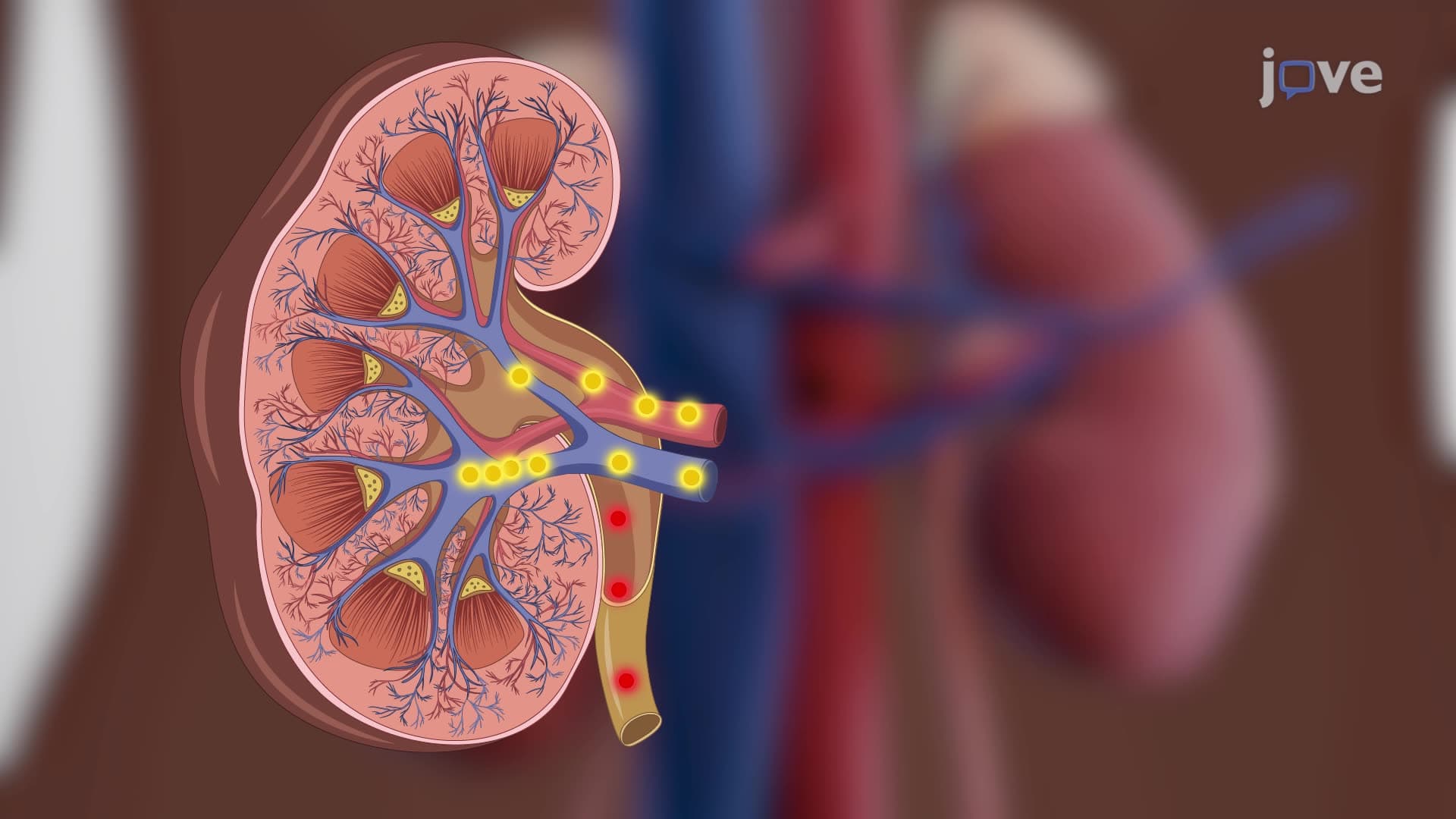

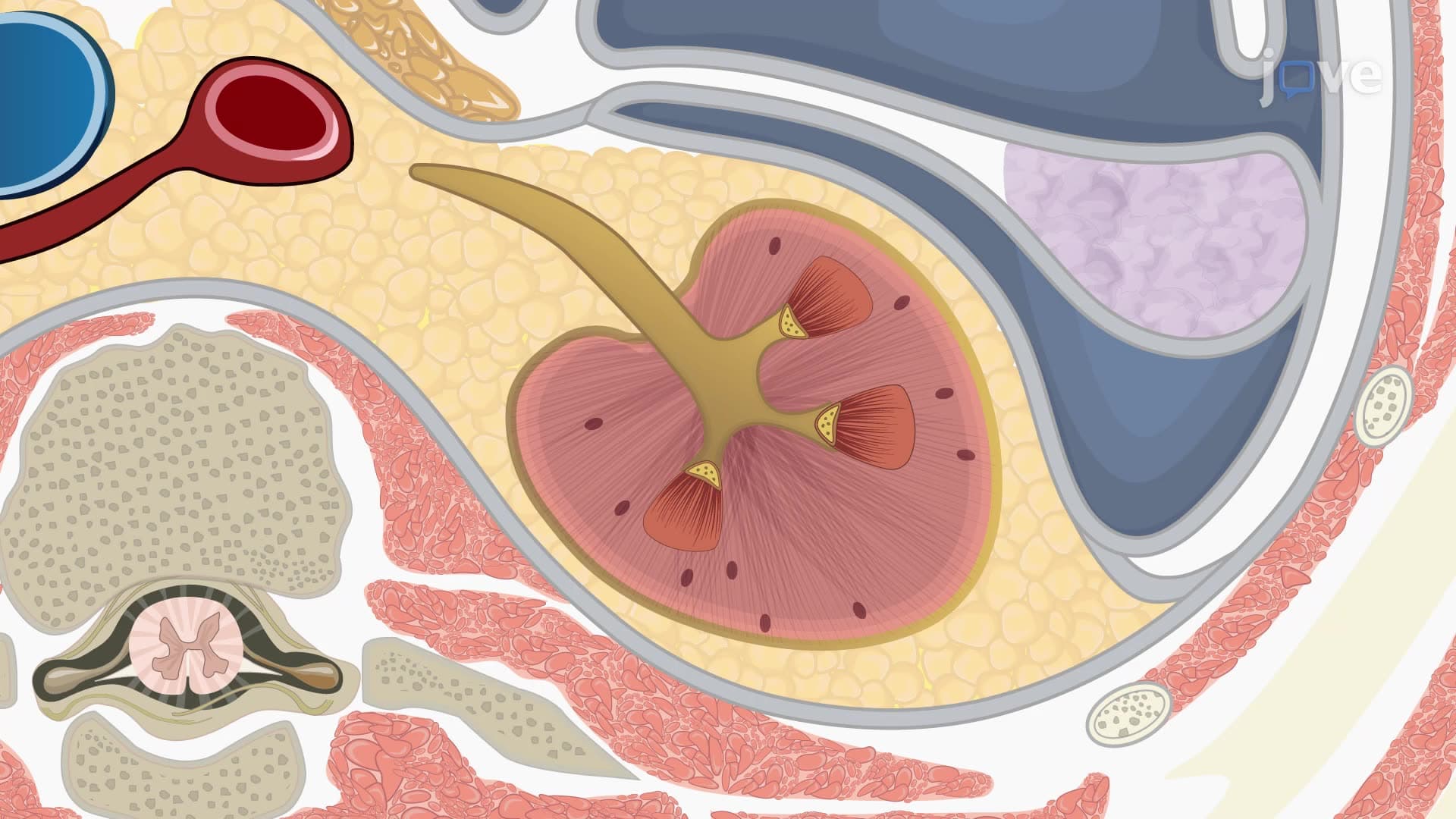
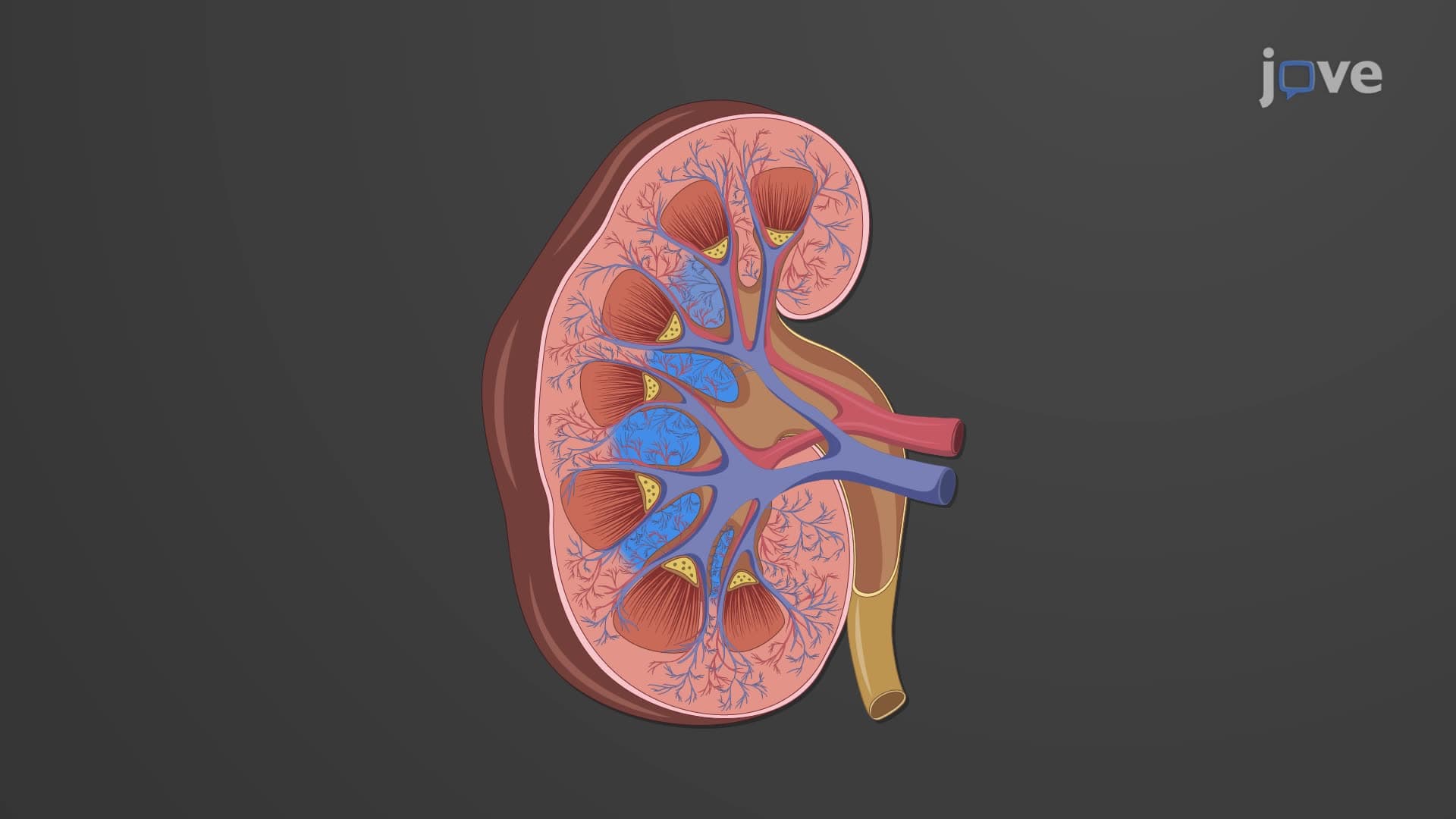
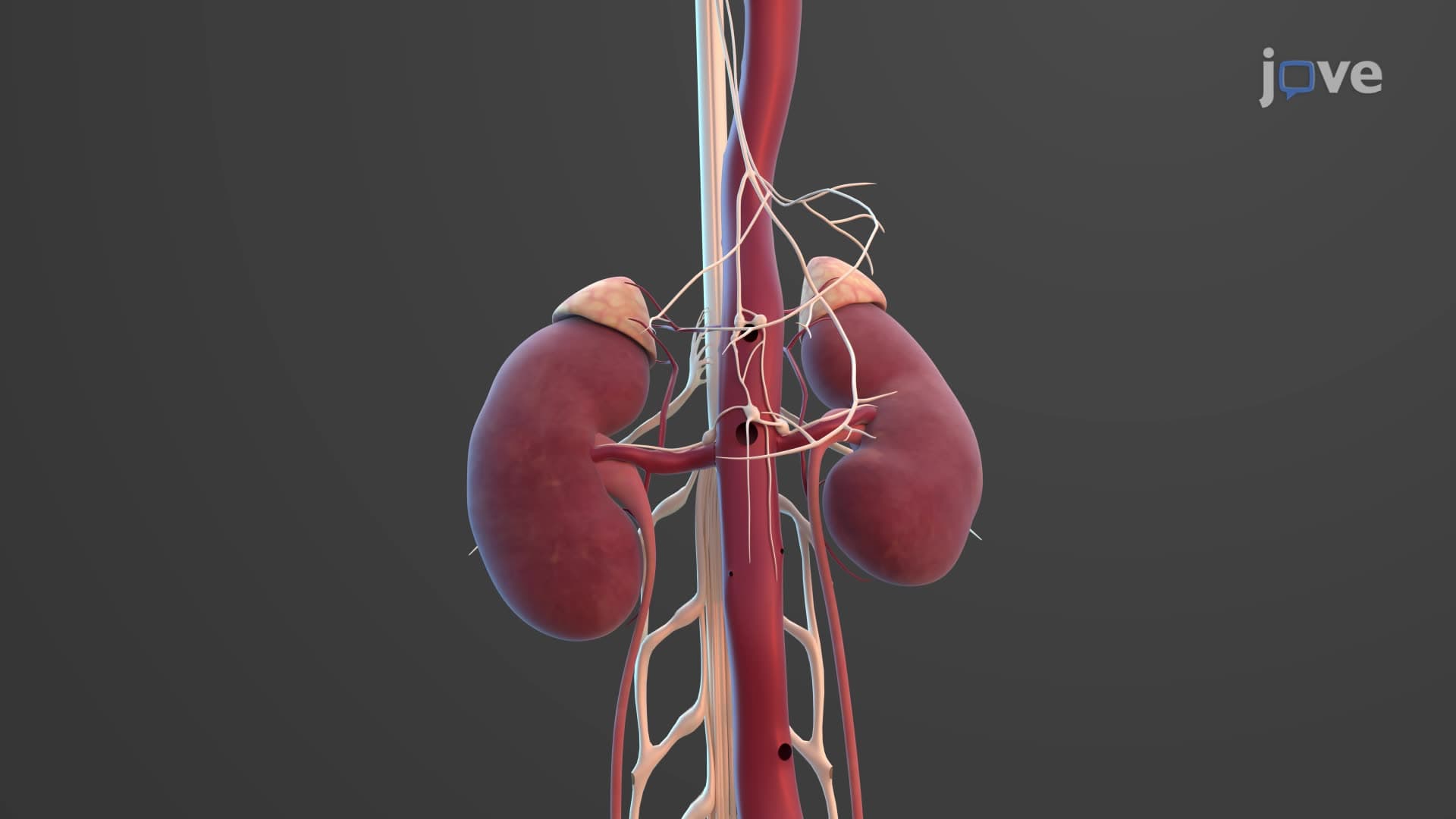
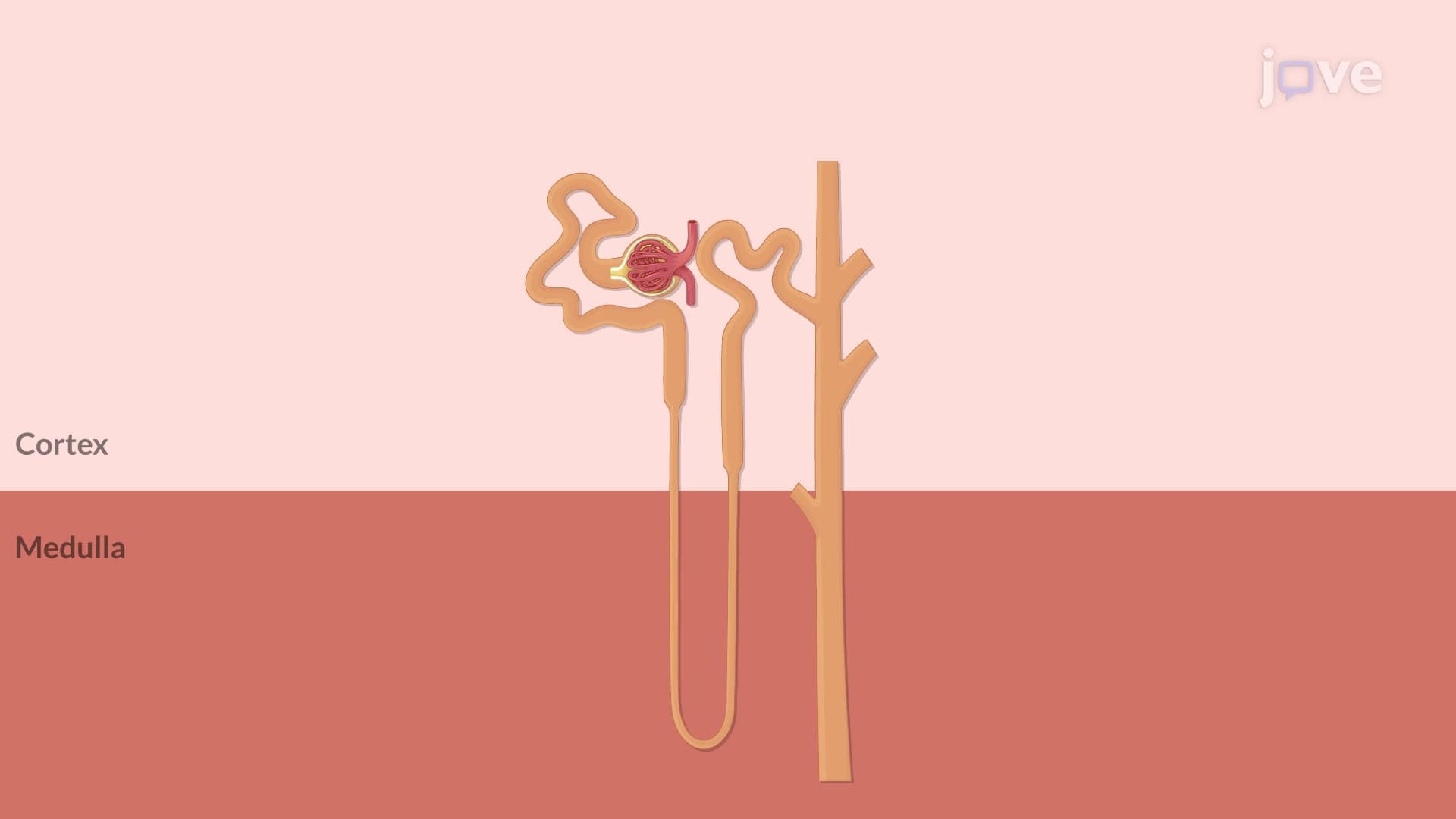
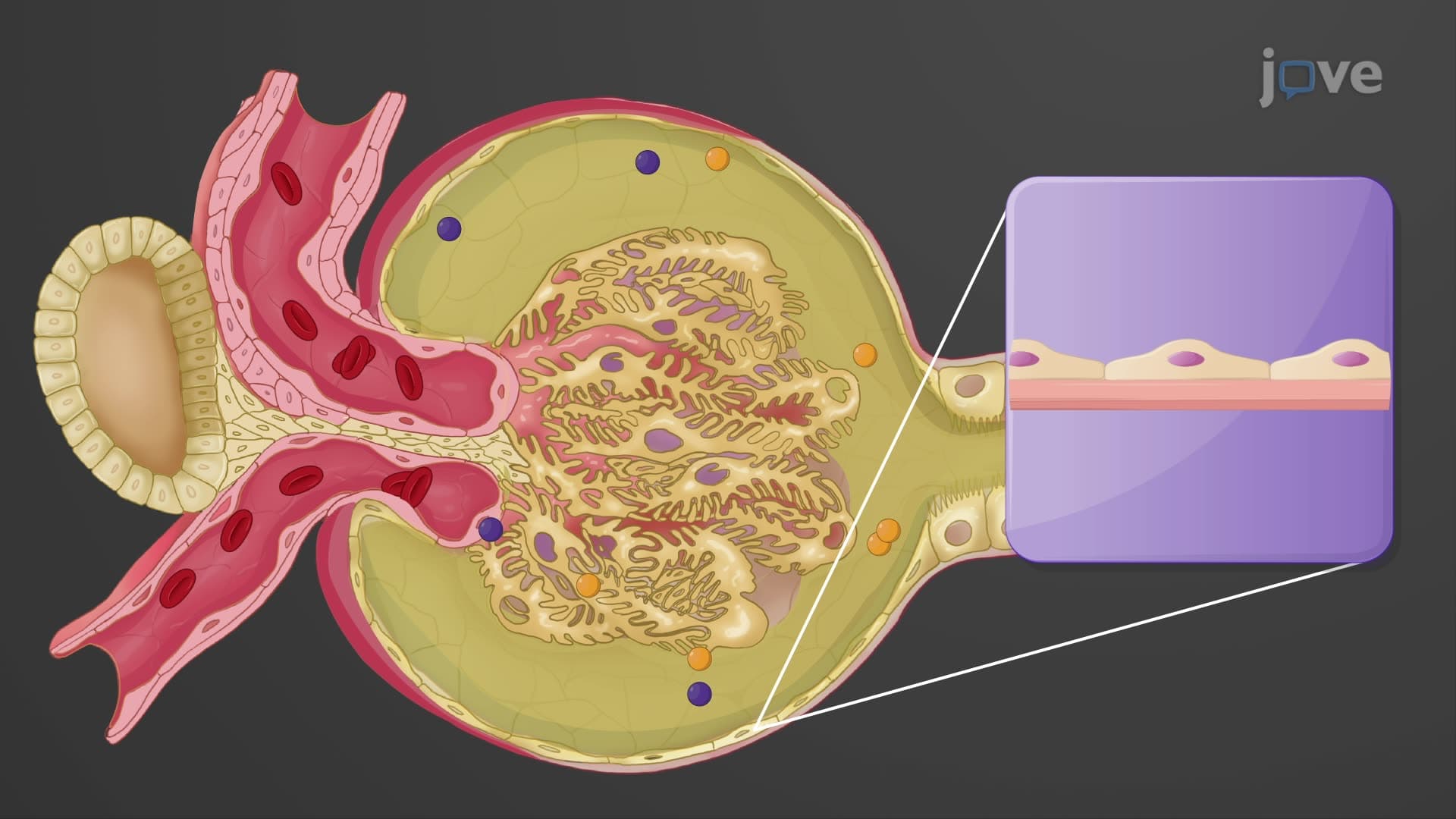

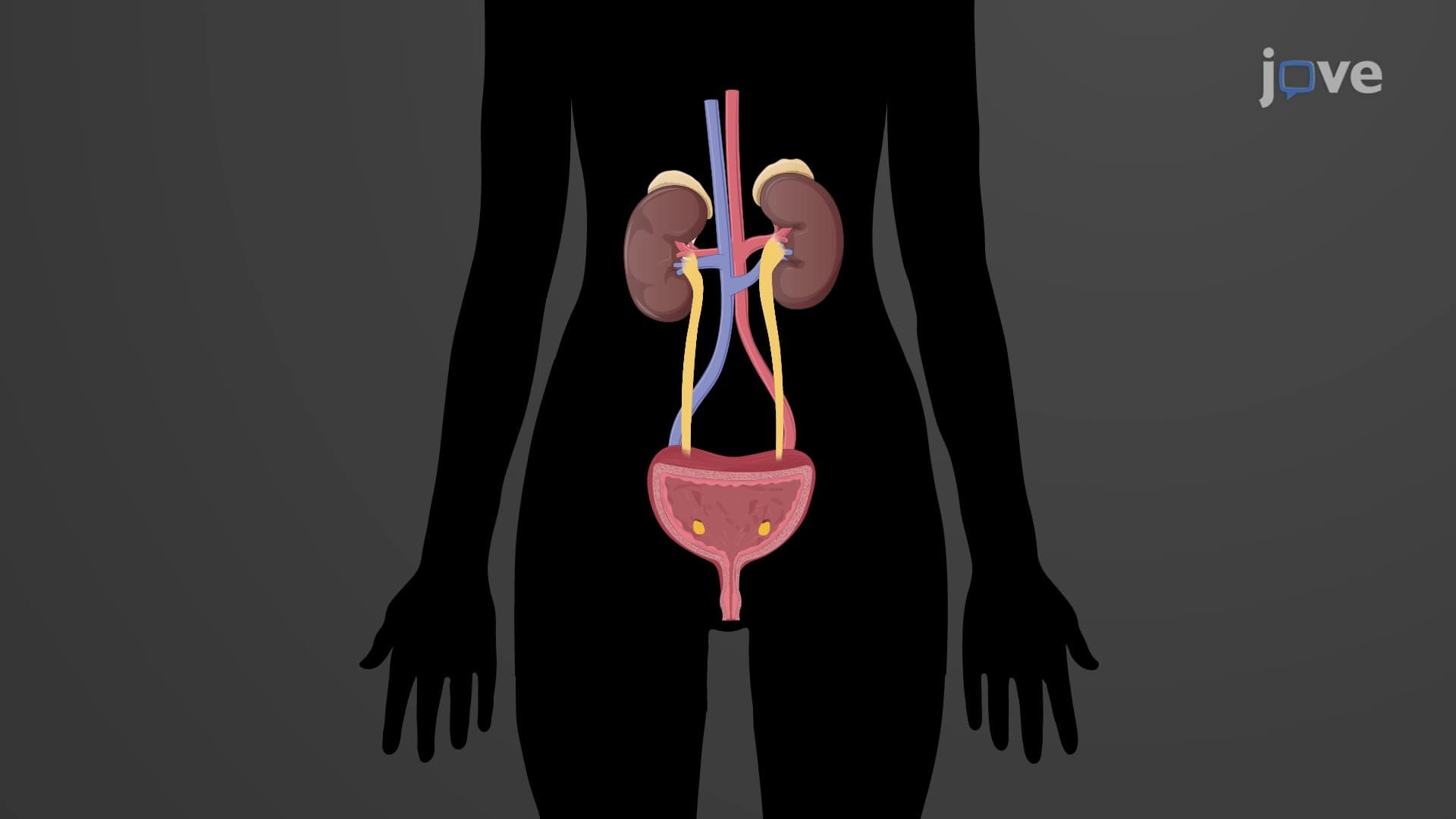
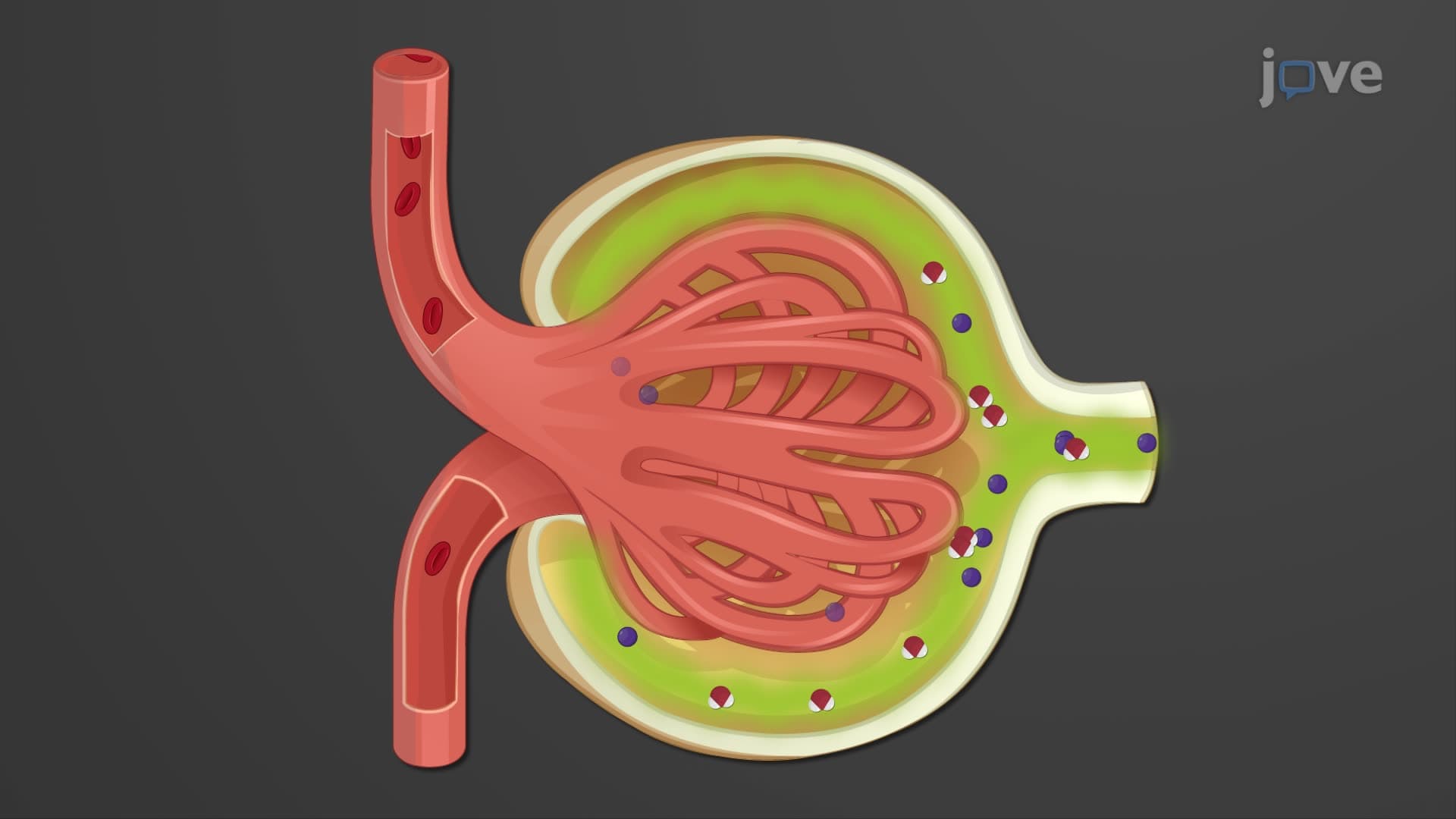
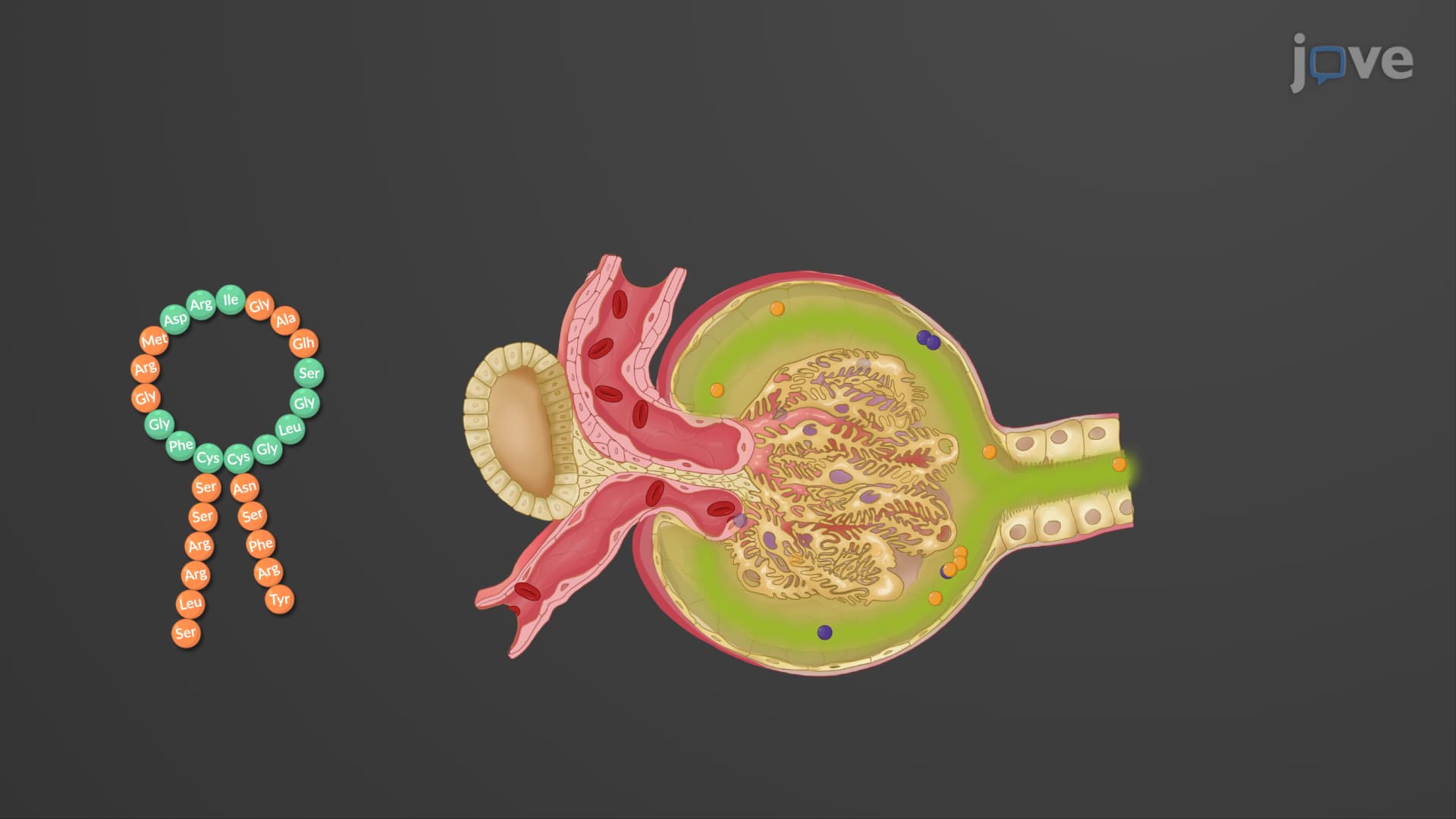
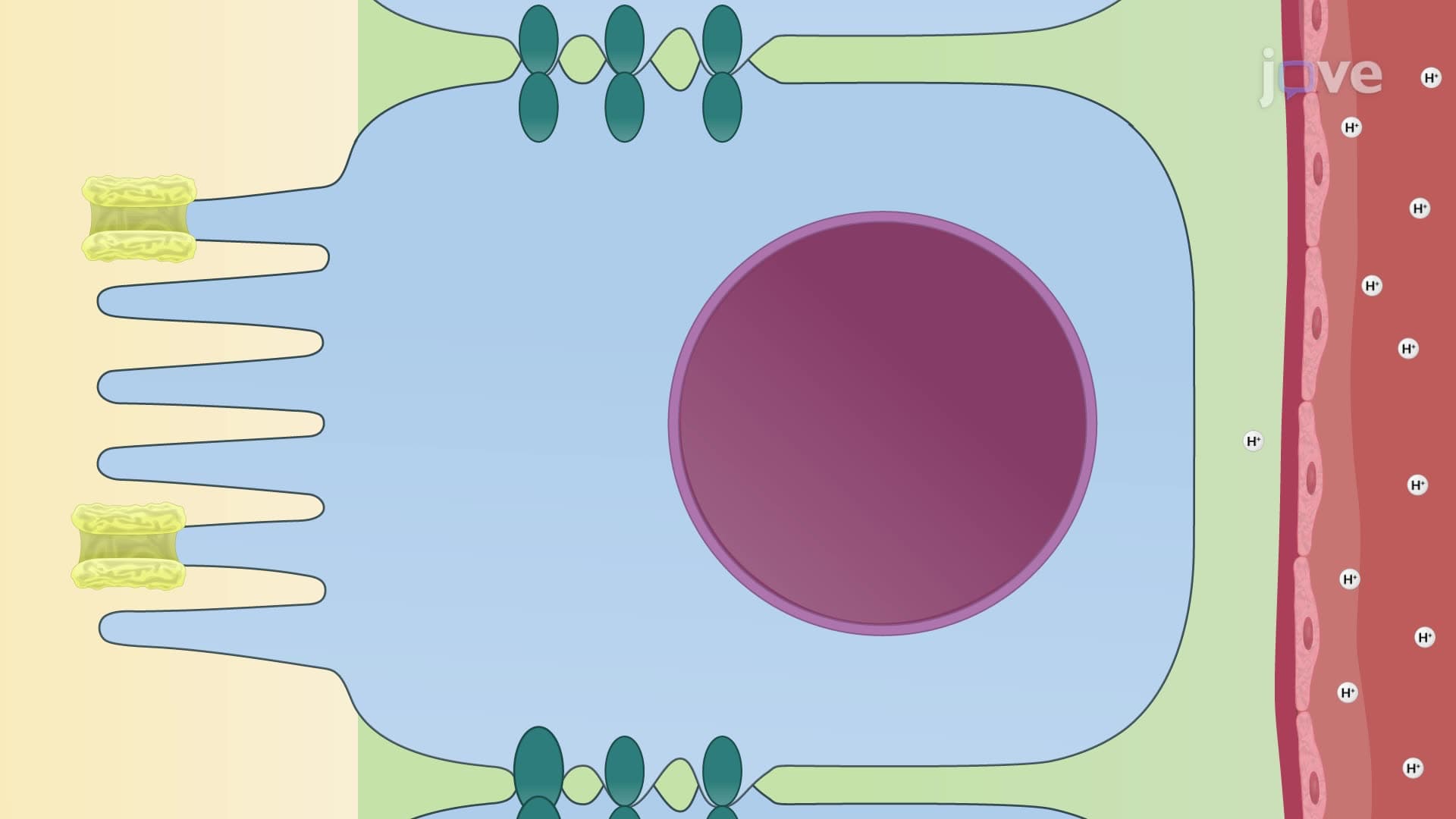
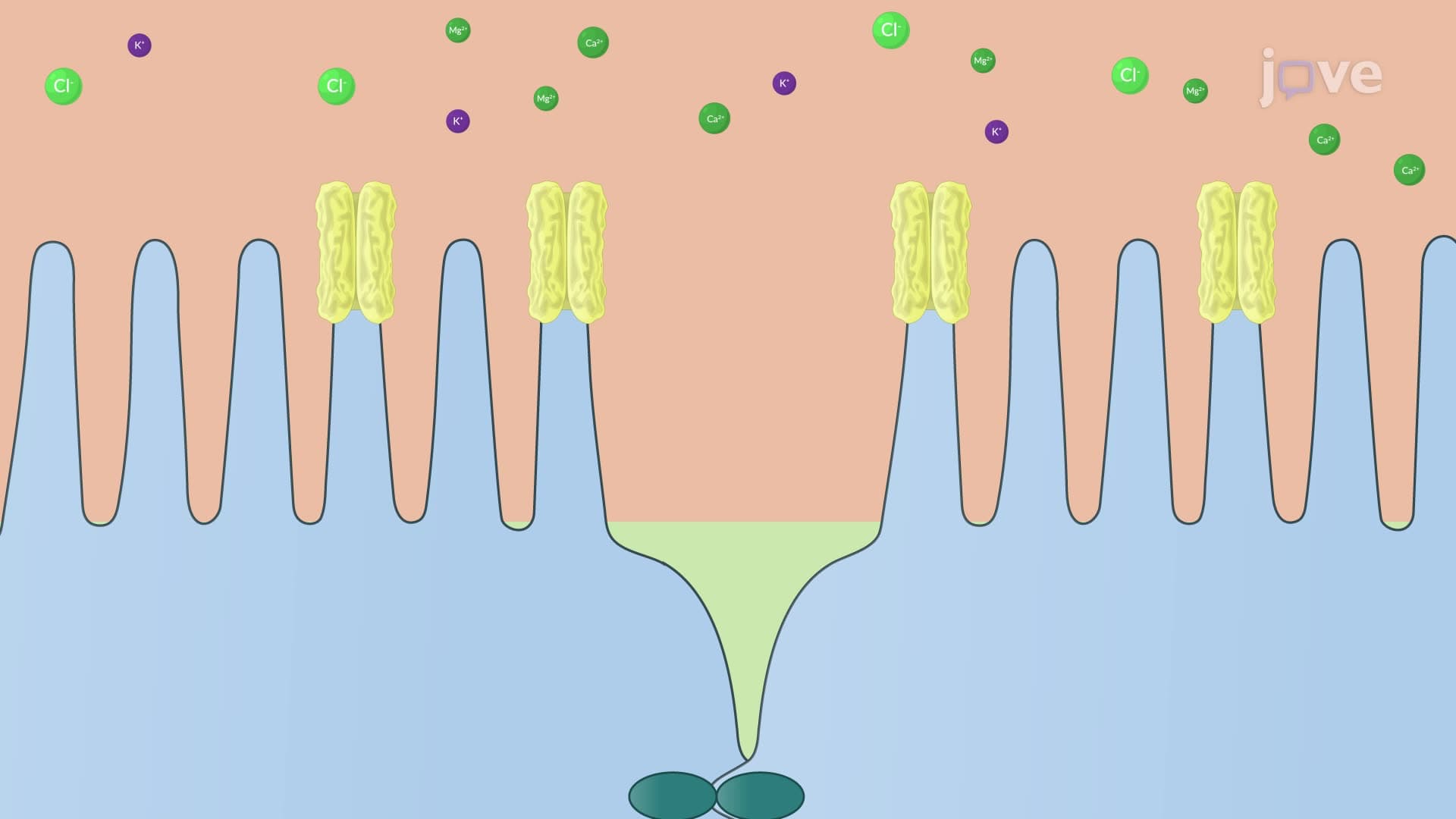
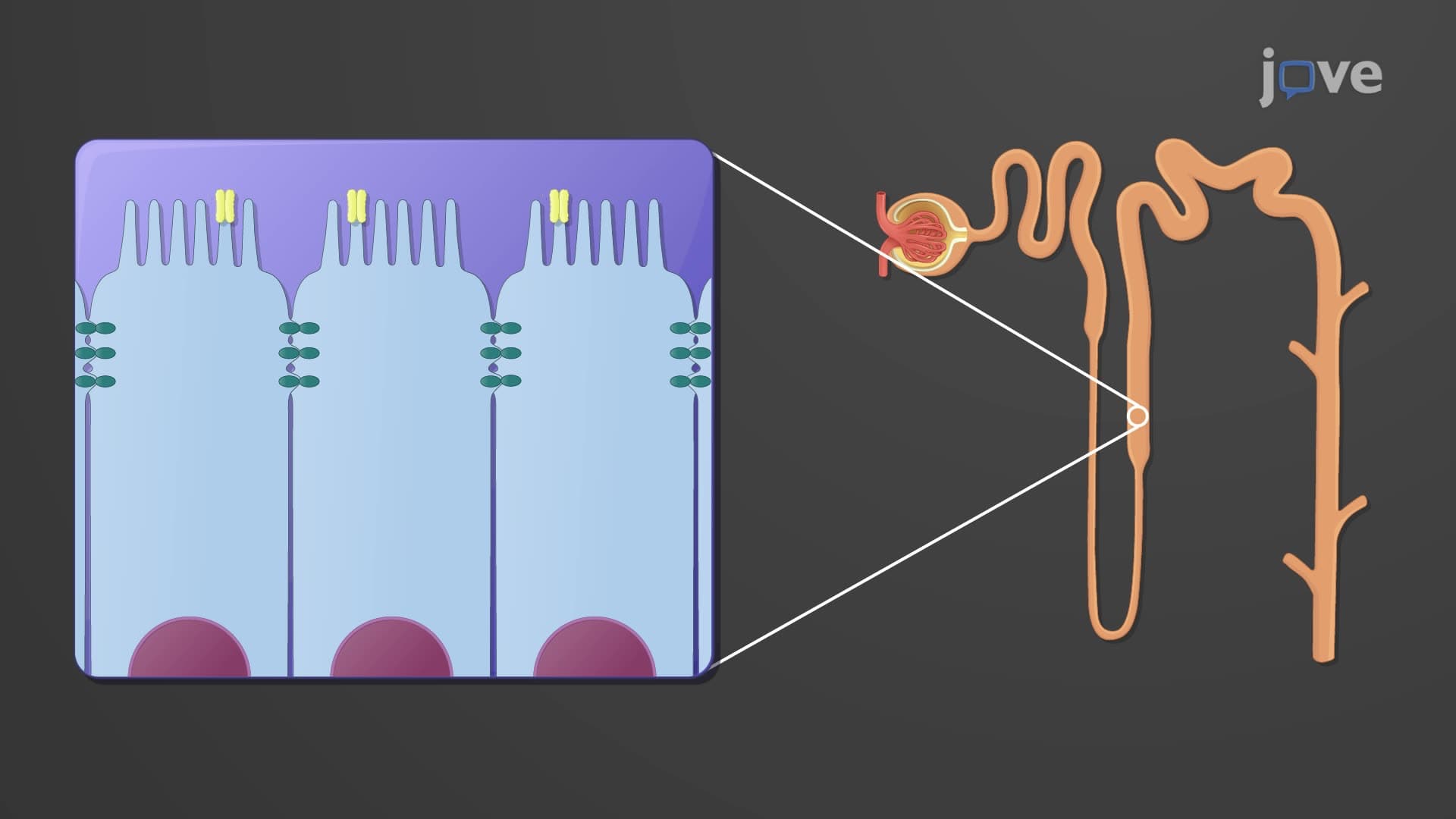
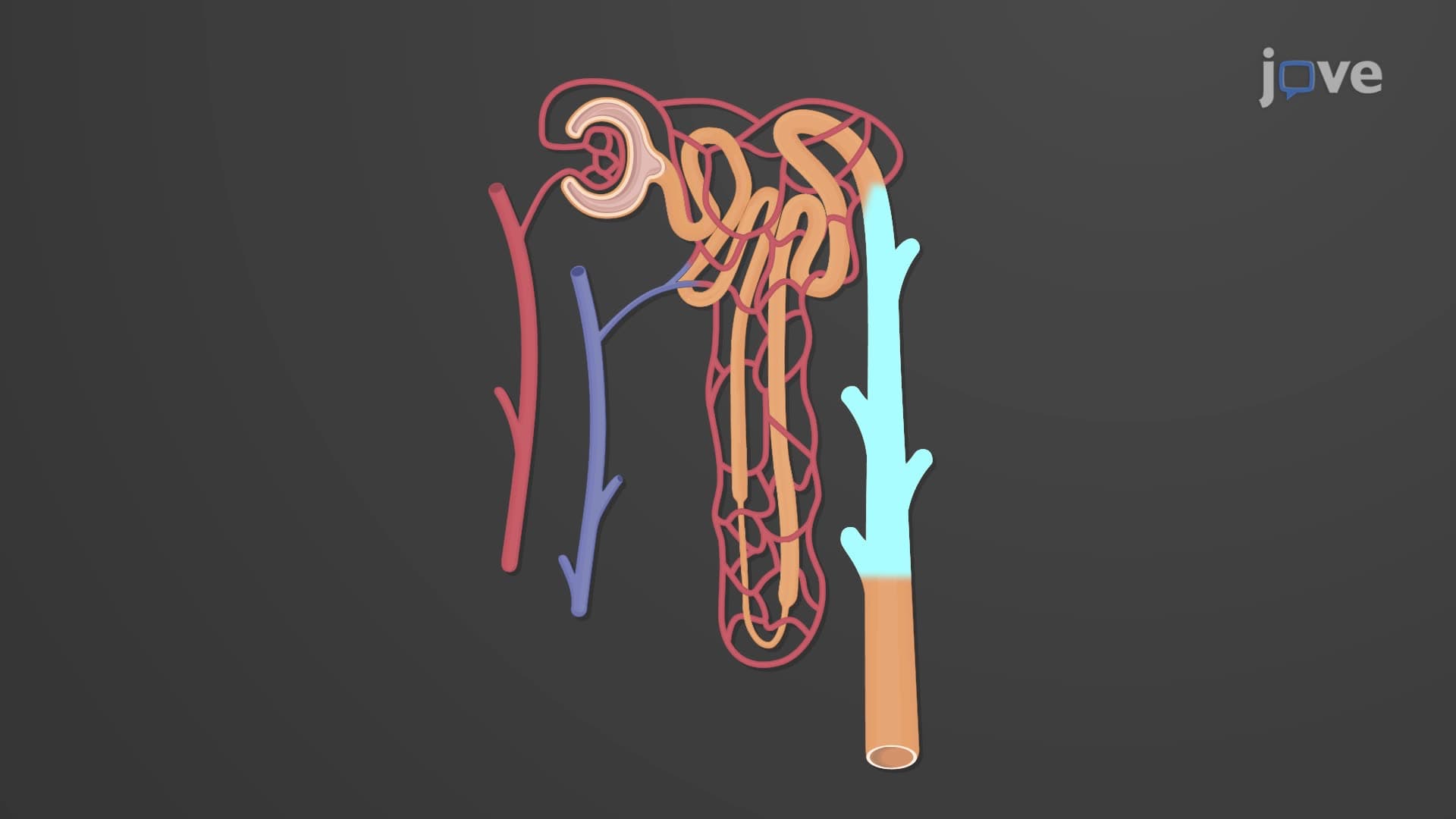
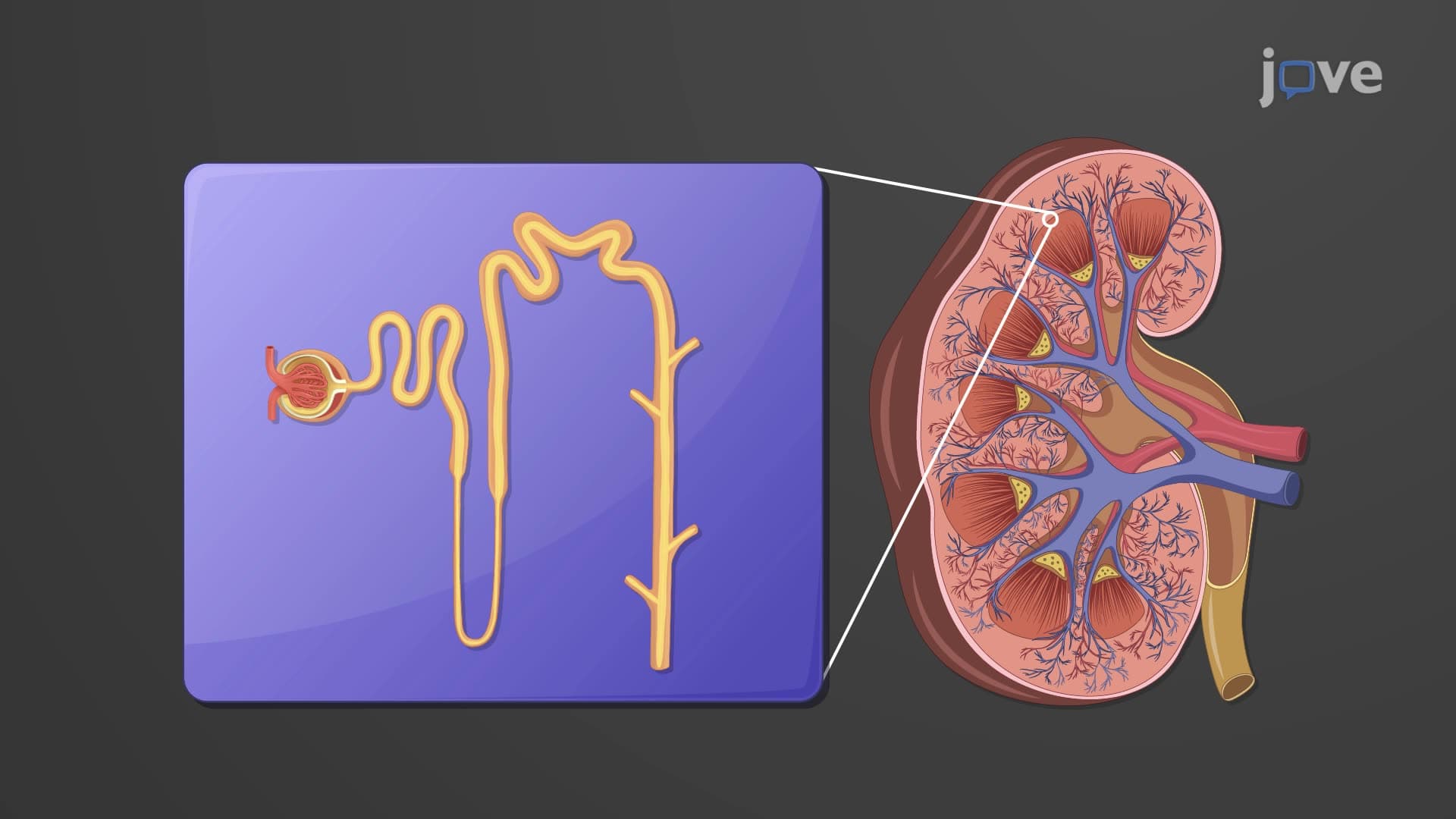
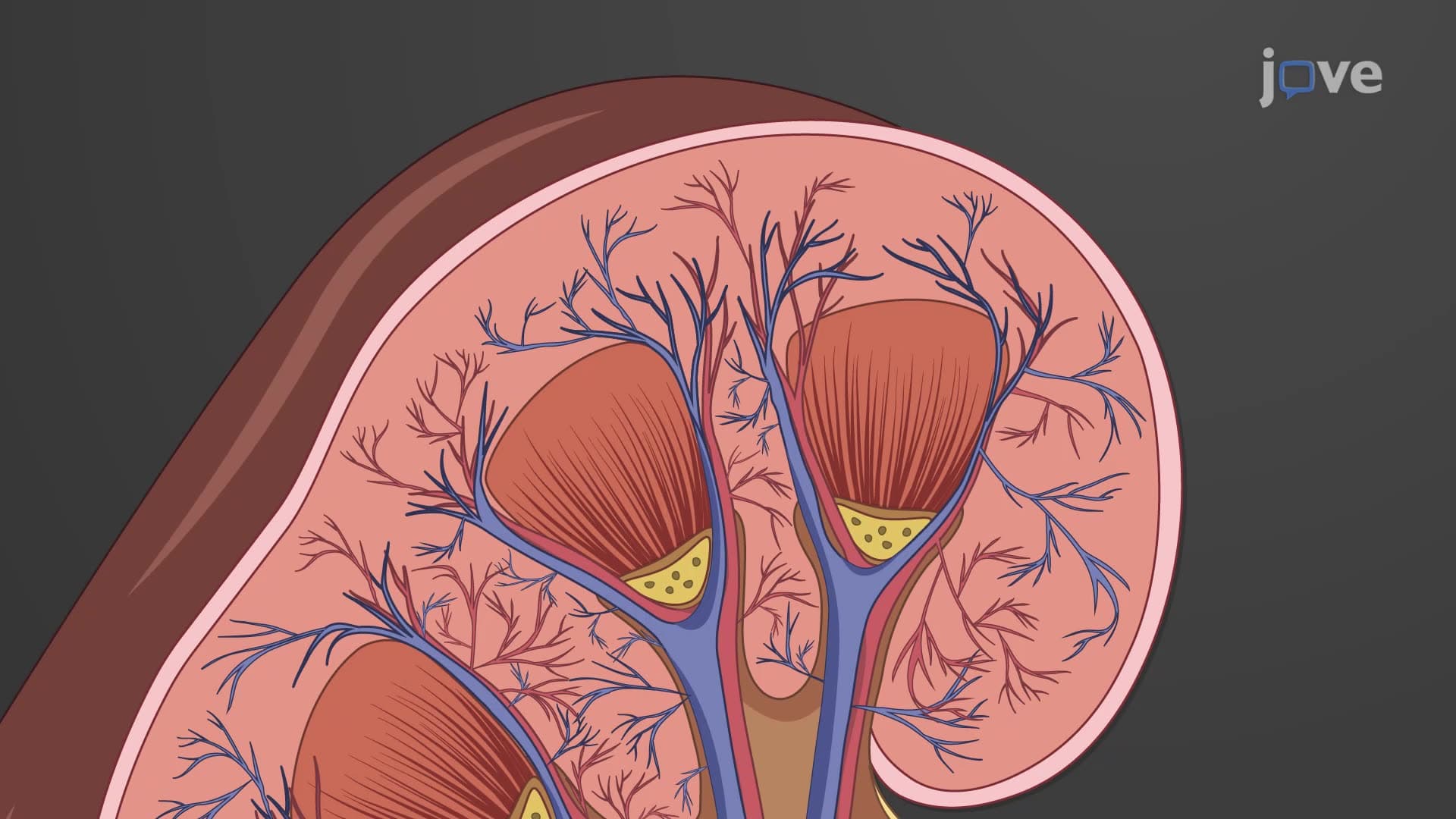

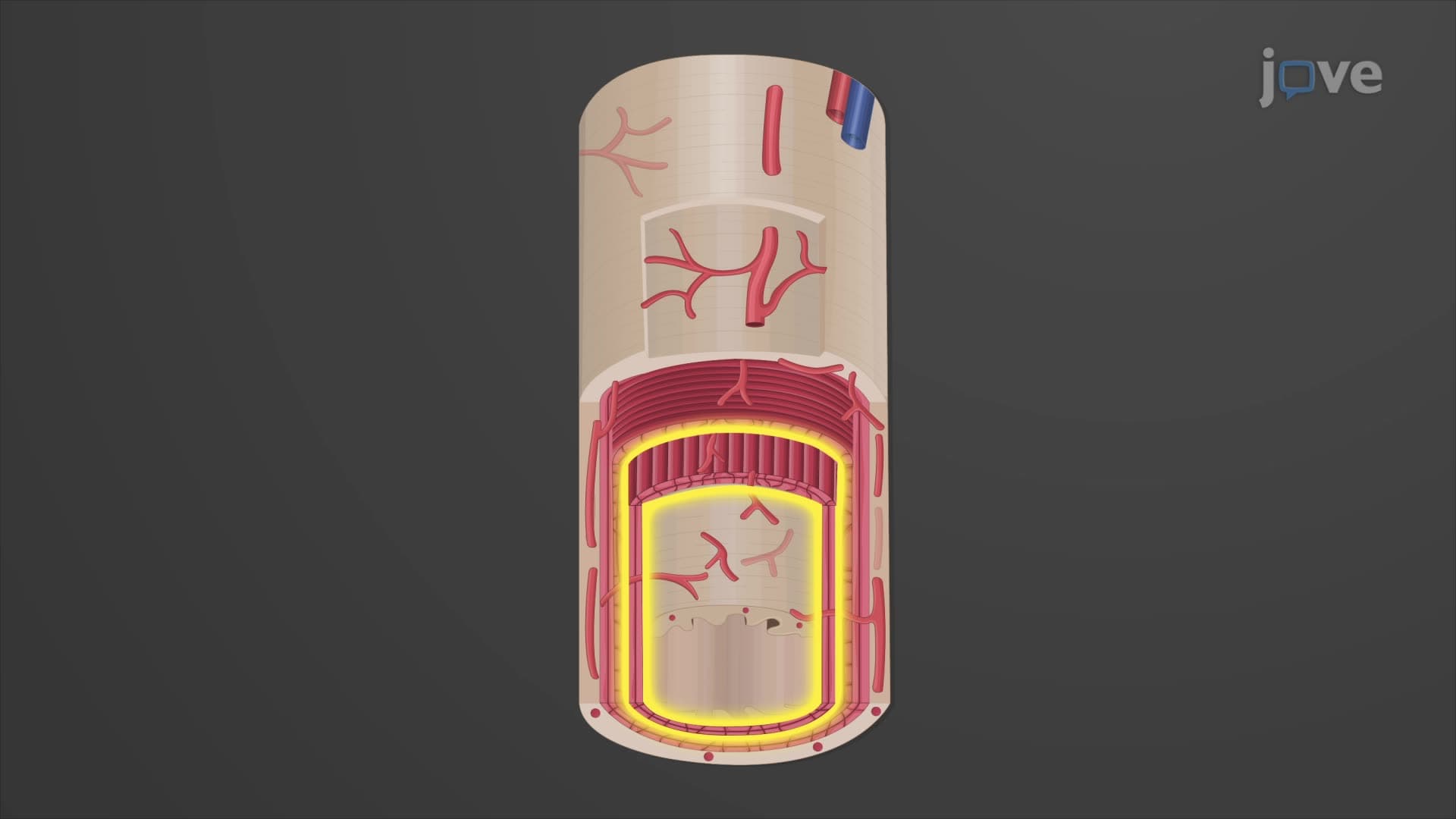
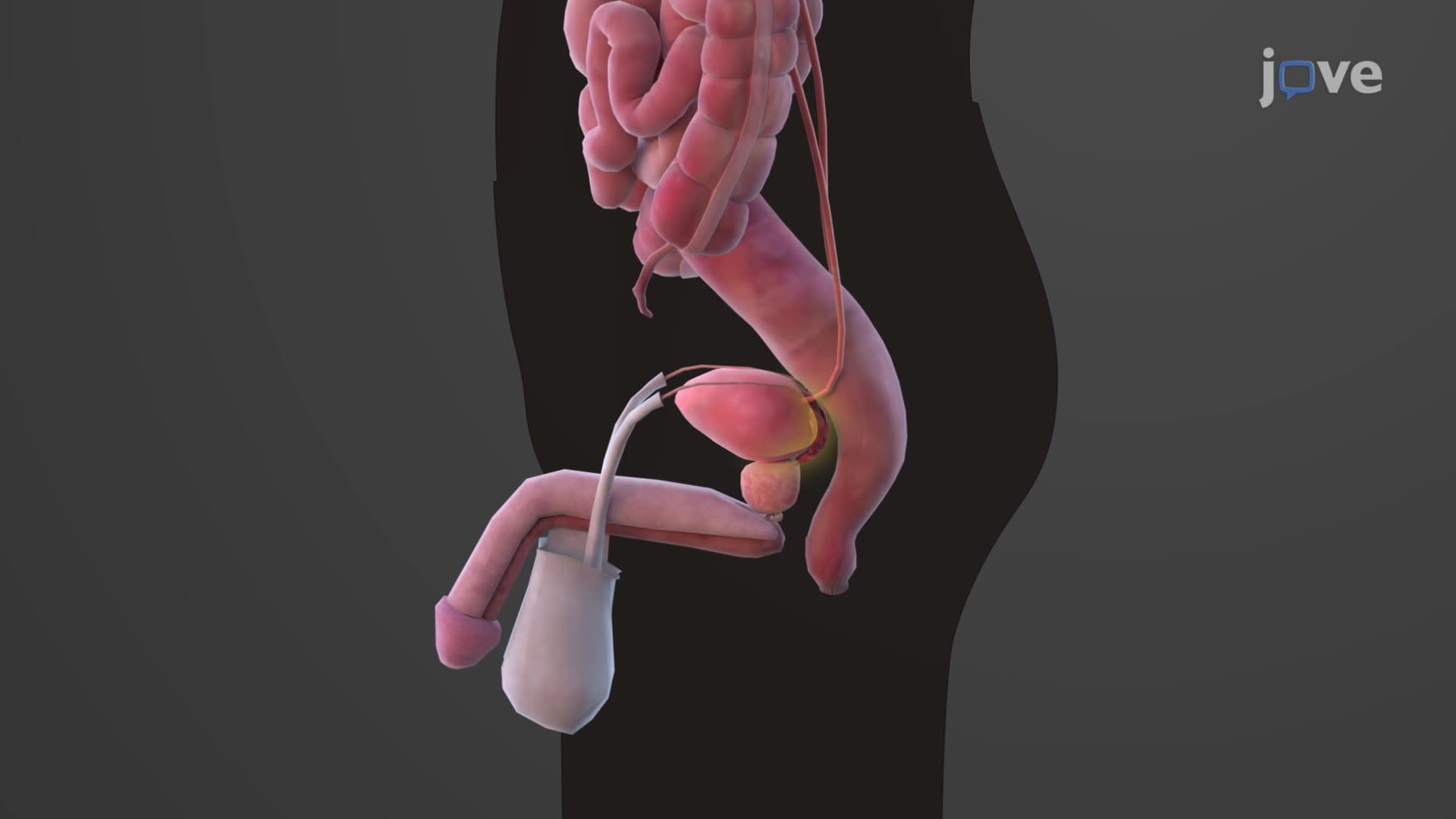
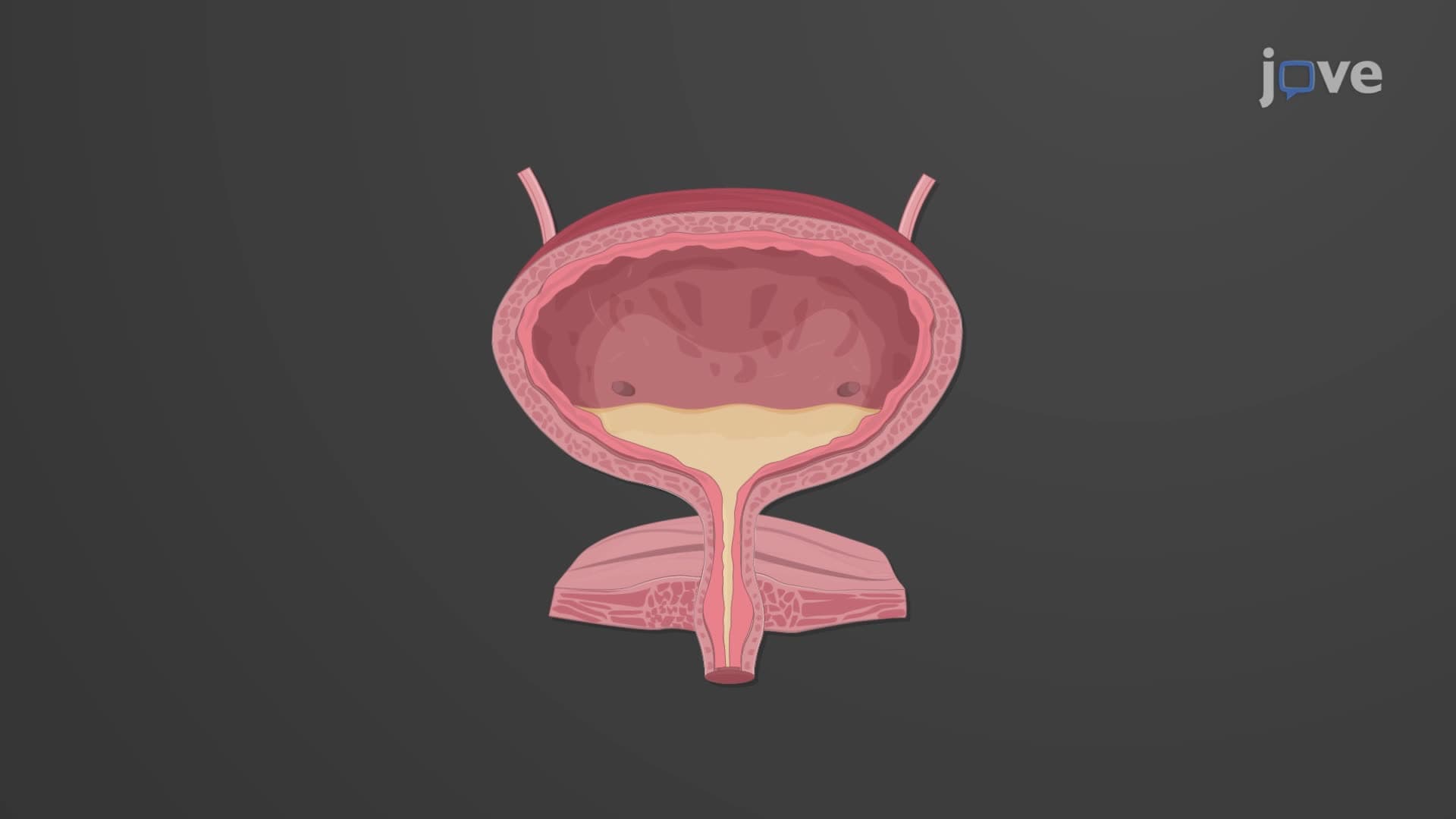

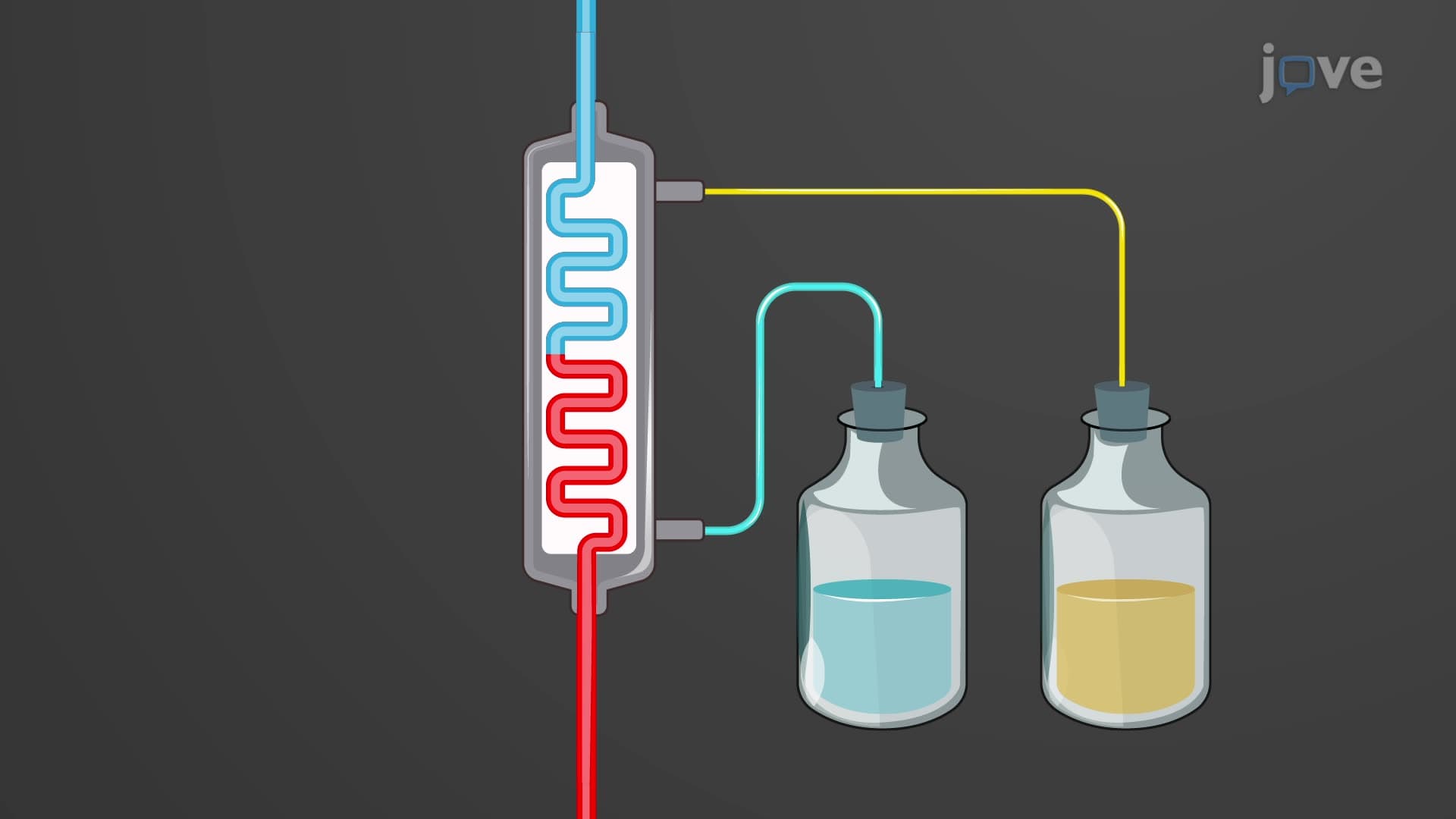
Glomerular Filtration

00:00
01:15
Video Summary: What Is Glomerular Filtration
Every day, your kidneys filter approximately 180 liters of blood plasma-equivalent to nearly 50 gallons-yet you only produce about 1-2 liters of urine. This remarkable efficiency demonstrates glomerular filtration biology in action. The Cleveland Clinic reports that healthy kidneys filter waste while retaining essential proteins through specialized membrane structures. Understanding what is glomerular filtration reveals how this selective filtering process maintains homeostasis in your body. Watch the full video on JoVE Coach to master this concept with expert-led visuals and step-by-step explanations.
- Understand what is glomerular filtration and its role as the first step in urine formation within the nephron
- Identify the three-layer structure of the filtration membrane: fenestrated endothelium, basement membrane, and podocyte filtration slits
- Analyze how molecular size and charge determine what substances pass through the glomerular filtration barrier
- Compare the permeability characteristics of each filtration membrane layer and their selective functions
- Evaluate the clinical significance of proteinuria as an indicator of compromised filtration membrane integrity
- Apply knowledge of filtration membrane permeability to predict which substances appear in normal versus abnormal urine
- Recognize how glomerular capillary filtration creates ultrafiltrate that becomes the foundation for urine composition
- Explore the relationship between filtration barrier kidney dysfunction and common renal diseases
Understanding Glomerular Filtration: The Kidney's Selective Gateway
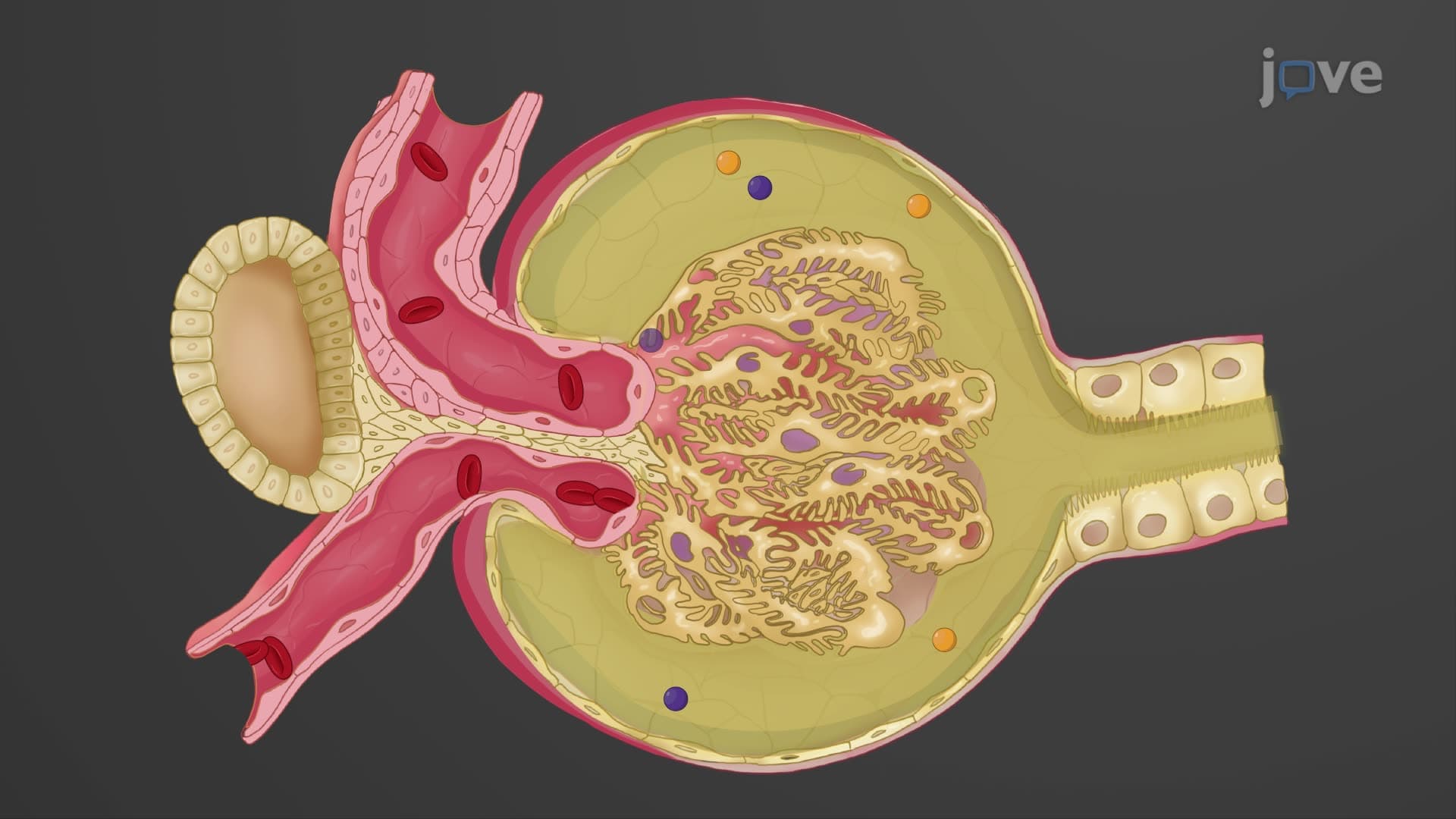
Glomerular filtration biology represents one of the most sophisticated filtration systems in human physiology. This process occurs within the renal corpuscle, where blood pressure forces plasma through a highly selective three-layered membrane. The resulting filtrate contains water, electrolytes, glucose, amino acids, and small waste molecules while excluding larger proteins and cellular components.
The Three-Layer Filtration Membrane Architecture
The filtration barrier kidney consists of three distinct layers, each contributing unique selective properties. The fenestrated endothelium forms the first barrier, containing pores approximately 70-100 nanometers in diameter. These openings allow most plasma components to pass except blood cells and large protein complexes.
The basement membrane serves as the middle layer, composed of type IV collagen and negatively charged glycoproteins like heparan sulfate. This filtration membrane permeability characteristic repels negatively charged plasma proteins, particularly albumin, preventing their loss in urine. The basement membrane's mesh-like structure also restricts molecules based on size, typically blocking substances larger than 3-4 nanometers.
Podocyte filtration slits complete the filtration barrier, featuring specialized cells with interdigitating foot processes called pedicels. These structures create narrow gaps (25-30 nanometers) bridged by slit diaphragms containing nephrin and podocin proteins. This final layer captures any remaining large molecules that breach the previous barriers.
Clinical Significance and Real-World Applications
Glomerular capillary filtration produces approximately 120-125 mL of filtrate per minute in healthy adults, measured as glomerular filtration rate (GFR). Medical professionals use GFR calculations to assess kidney function, with values below 60 mL/min/1.73m² indicating chronic kidney disease according to the National Kidney Foundation.
Students preparing for the MCAT or AP Biology exams should understand how diseases affect this process. Diabetic nephropathy damages the basement membrane's negative charge, allowing ultrafiltrate plasma protein to appear in urine. Similarly, minimal change disease affects podocyte structure, compromising the final filtration barrier.
Understanding glomerular filtration pressure dynamics helps explain why hypertension accelerates kidney damage. Elevated blood pressure increases filtration pressure, potentially overwhelming the membrane's selective capabilities and leading to proteinuria-a key diagnostic marker for kidney disease progression.
Frequently Asked Questions
Glomerular filtration is the process where blood plasma is filtered through specialized membranes in the kidney's glomeruli, creating urine precursor called filtrate. This process removes metabolic waste products like urea and creatinine while retaining essential proteins and blood cells. It's the first and most critical step in urine formation, processing about 180 liters of blood daily.
MCAT questions often focus on filtration membrane selectivity, GFR calculations, and disease pathophysiology affecting filtration. AP Biology exams emphasize the relationship between membrane structure and function, particularly how molecular size and charge determine filtration. Students should understand normal filtrate composition versus pathological changes like proteinuria.
USMLE Step 1 extensively covers glomerular filtration in renal pathology and physiology sections. Key topics include autoregulation mechanisms, clearance calculations, and glomerular diseases like minimal change disease and focal segmental glomerulosclerosis. Understanding filtration dynamics is essential for nephrology and internal medicine questions.
The American Diabetes Association reports that diabetic nephropathy affects 20-40% of diabetic patients, damaging the filtration membrane's charge selectivity. Hypertension increases filtration pressure, accelerating membrane damage and leading to chronic kidney disease. Both conditions cause proteinuria, indicating compromised filtration barrier integrity requiring medical intervention.
Glomerular filtration builds on basic cell membrane concepts taught in introductory biology courses. Students familiar with selective permeability and molecular size principles can easily grasp filtration membrane function. The three-layer structure provides a logical framework for understanding how kidneys maintain blood composition while eliminating waste.
Use the acronym "FBP" (Fenestrated endothelium, Basement membrane, Podocytes) and associate each with its primary function: size screening, charge repulsion, and final molecular capture. Practice drawing the structure while explaining each layer's selective properties. Focus on understanding how diseases specifically affect each component rather than just memorizing names.
Mastering glomerular filtration provides the foundation for understanding tubular reabsorption, secretion, and concentration mechanisms. This knowledge is essential for comprehending diuretic mechanisms, acid-base regulation, and electrolyte homeostasis. Students can then progress to clinical topics like acute kidney injury, chronic kidney disease staging, and renal replacement therapies.
Serum creatinine and estimated GFR (eGFR) are primary markers of filtration function, with normal eGFR above 90 mL/min/1.73m². Blood urea nitrogen (BUN) and urinalysis detecting proteinuria also indicate filtration problems. The BUN-to-creatinine ratio helps distinguish between prerenal, intrinsic, and postrenal causes of kidney dysfunction.
Related Micro-courses

20 Concepts

37 Concepts

14 Concepts