Loading subject page…

- Chemistry
- Electrochemistry
- The Nernst Equation
Micro-course: Electrochemistry
389,001 views
Learn key concepts and earn your certificate.




The Nernst Equation

00:00
02:59
Video Summary: What Is the Nernst Equation
Ever wonder why your smartphone battery gradually loses power even when you're not using it intensively? The Nernst equation explains this phenomenon by describing how electrochemical cell potentials change as reactant and product concentrations shift from standard conditions. This fundamental relationship connects thermodynamics to real-world battery performance, helping predict when a Tesla Model S battery pack will need charging or when a pacemaker's lithium cell requires replacement. Understanding the Nernst equation is crucial for mastering electrochemistry concepts that appear on AP Chemistry exams and college-level physical chemistry courses. Watch the full video on JoVE Coach to master this concept with expert-led visuals and step-by-step explanations.
- Understand what the Nernst equation is and how it modifies standard cell potential calculations based on actual reaction conditions
- Identify the key components of the Nernst equation: standard cell potential, temperature, electron transfer number, and reaction quotient
- Analyze how changes in reactant and product concentrations affect electrochemical cell potential using the reaction quotient Q
- Compare cell behavior under standard versus nonstandard conditions to predict spontaneity and direction of redox reactions
- Evaluate the relationship between the Nernst equation and equilibrium conditions when cell potential approaches zero
- Apply the Nernst equation to calculate actual cell potentials in galvanic and electrolytic cells under varying concentrations
- Recognize real-world applications in battery technology, corrosion prevention, and biological systems like nerve cell membranes
- Explore connections between the Nernst equation, Gibbs free energy, and Le Chatelier's principle in electrochemical systems
Understanding the Nernst Equation Fundamentals
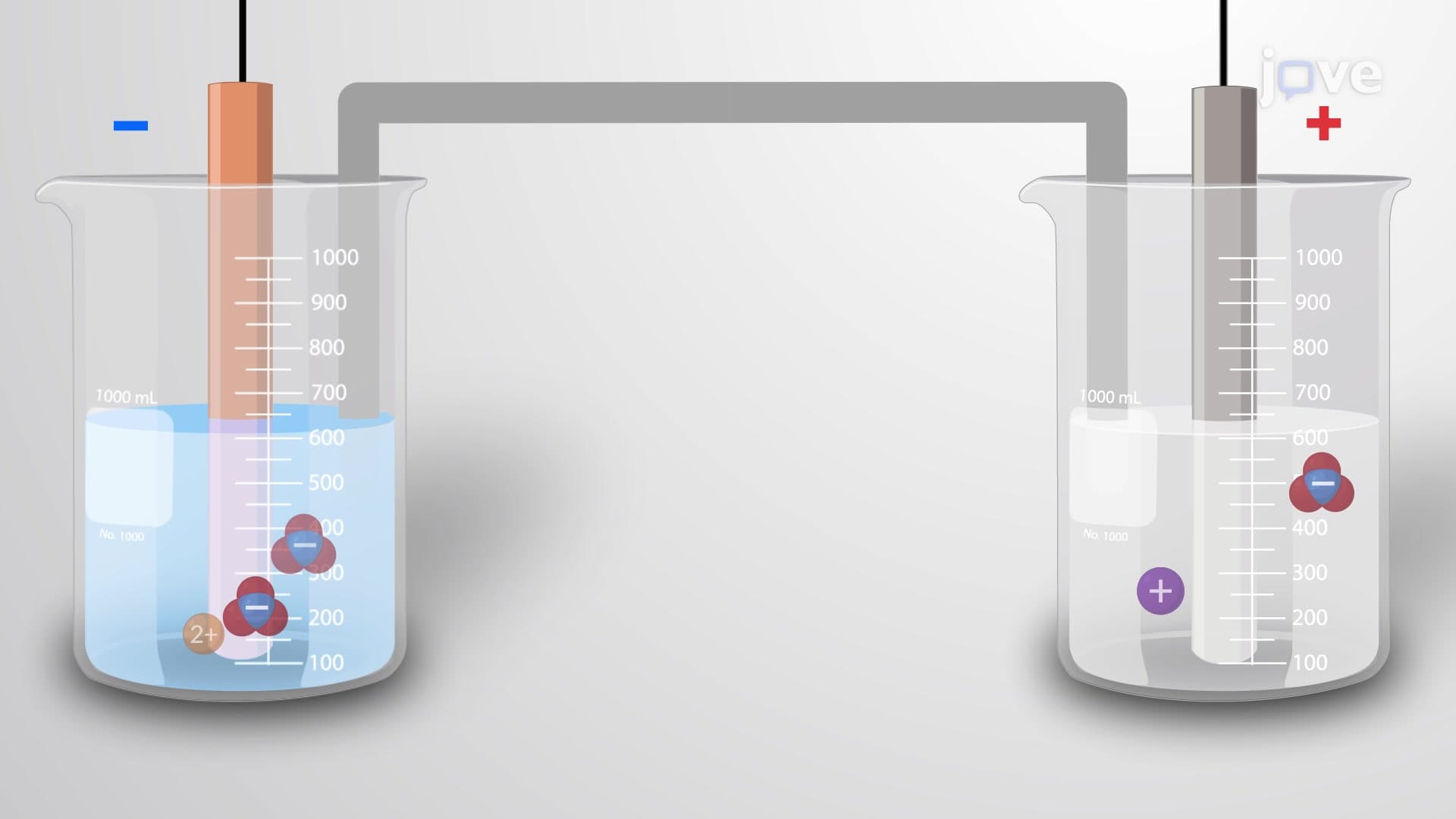
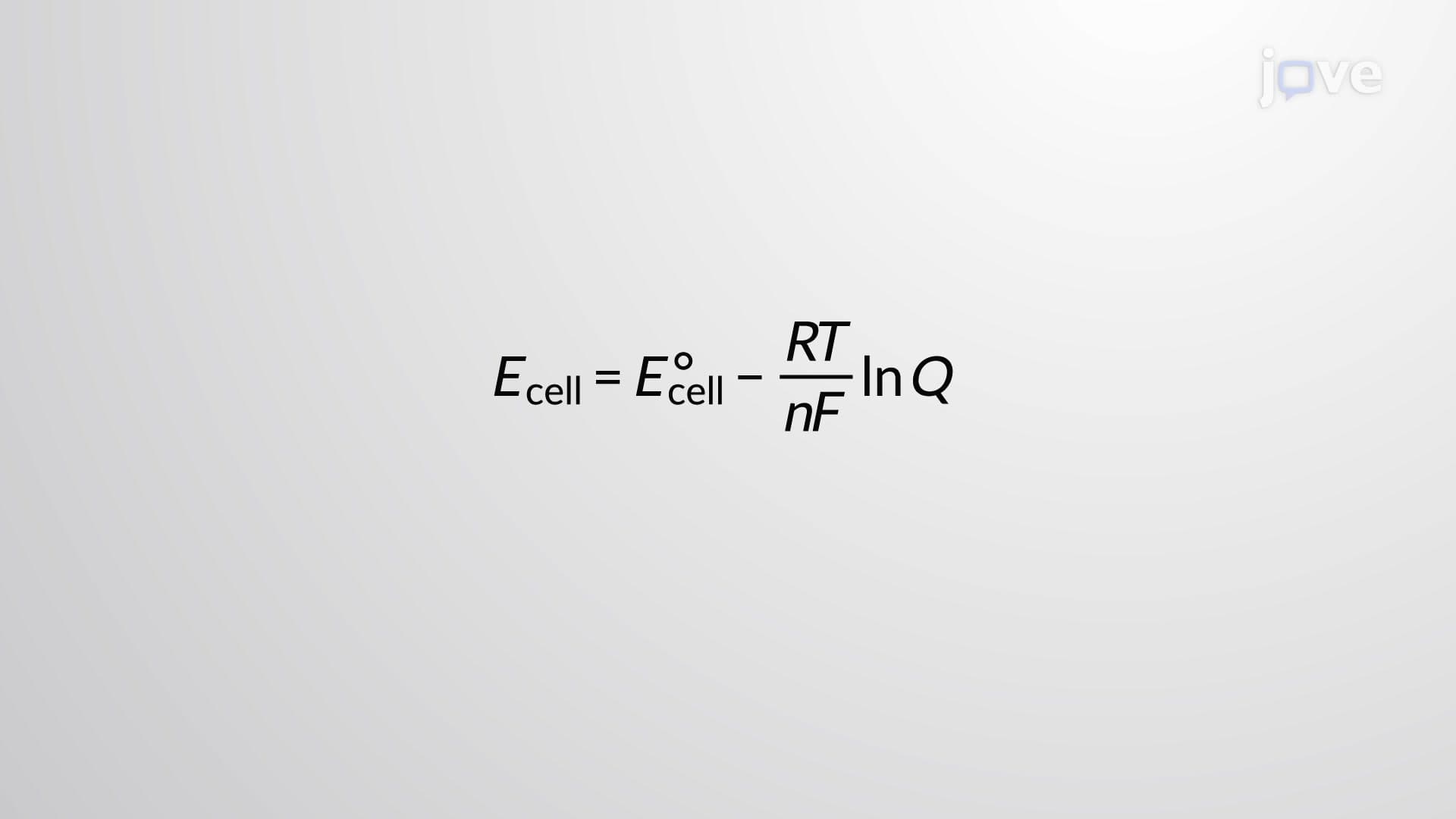
The Nernst equation represents one of electrochemistry's most powerful tools, bridging the gap between theoretical standard conditions and real-world electrochemical systems. Named after German physicist Walther Nernst, this equation quantifies how cell potential varies when reactant and product concentrations deviate from their standard 1 M values. The equation takes the form: E(cell) = E°(cell) - (RT/nF) × ln(Q), where R is the gas constant, T is temperature in Kelvin, n represents electrons transferred, F is Faraday's constant, and Q is the reaction quotient.
Connecting Standard and Nonstandard Conditions
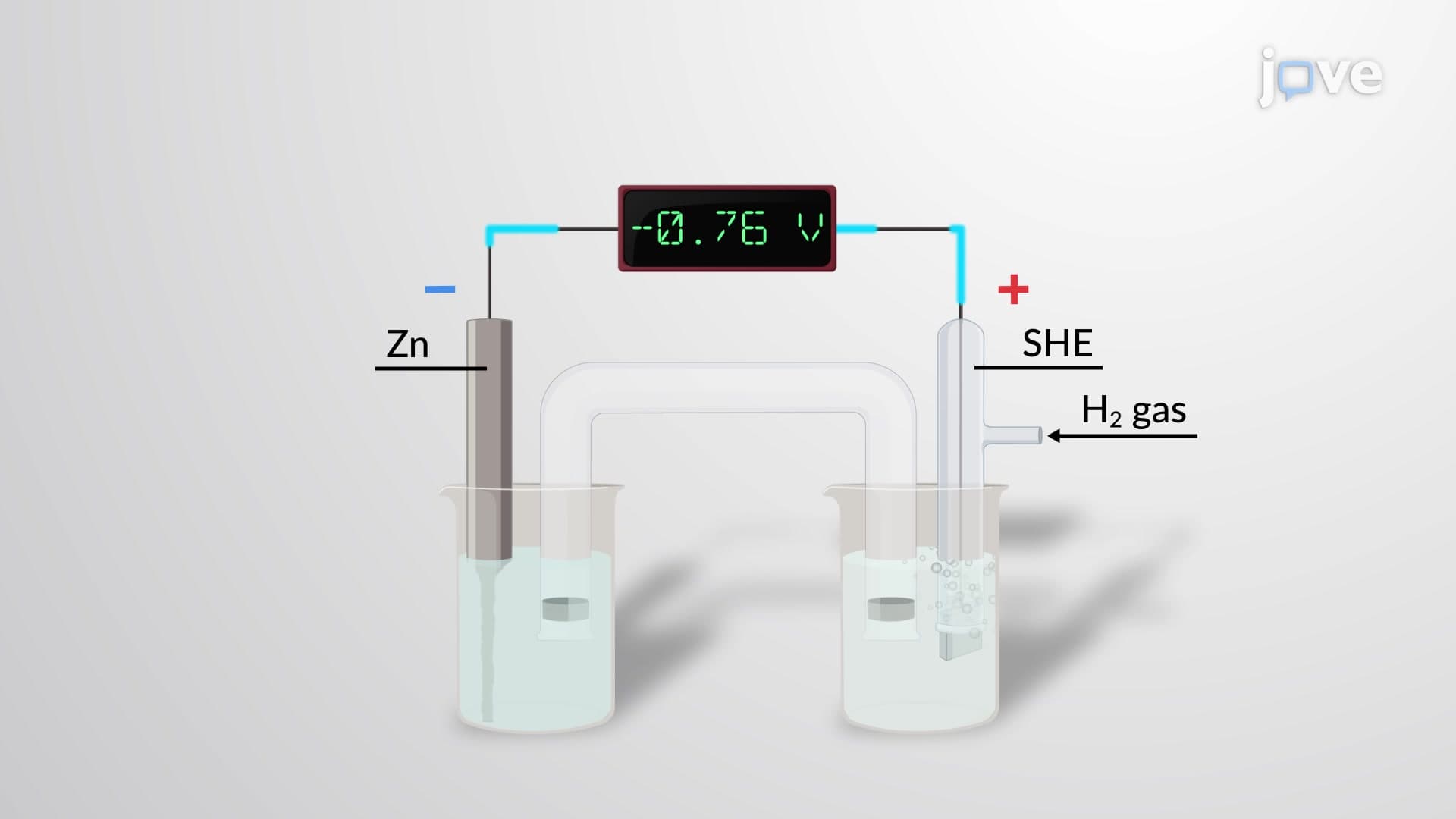
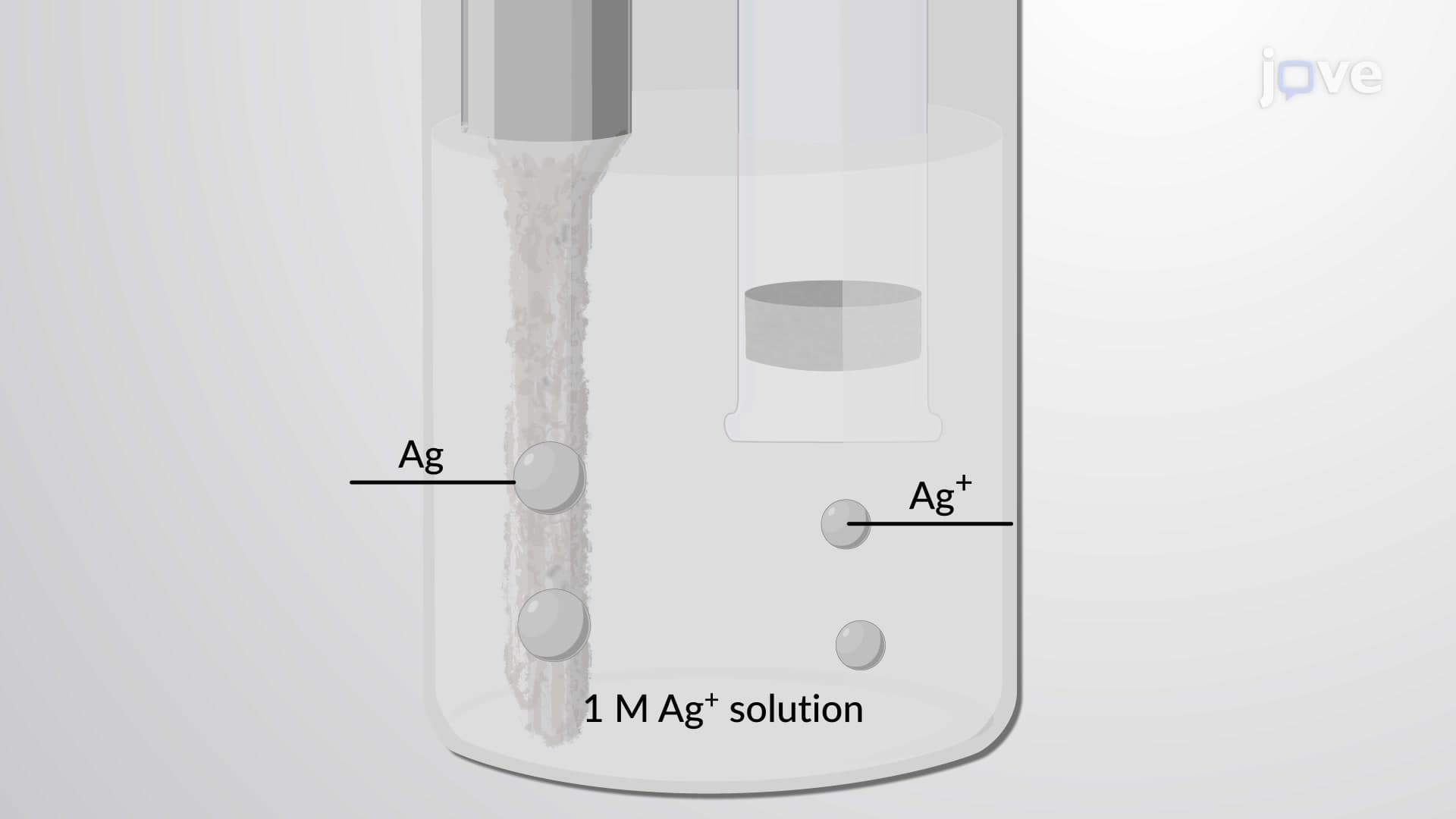
Under standard conditions (25°C, 1 M concentrations, 1 atm pressure), electrochemical cells exhibit predictable behavior with known standard reduction potentials. However, real batteries and fuel cells operate under constantly changing conditions. As a lithium-ion battery in your iPhone discharges, lithium ion concentrations decrease at the anode while increasing at the cathode. The Nernst equation precisely calculates how these concentration changes affect the battery's voltage output, explaining why your phone shows decreasing battery percentage over time.
The Role of Reaction Quotient in Cell Performance
The reaction quotient Q serves as the Nernst equation's concentration-sensitive component, directly influencing cell potential. When Q < 1 (excess reactants), the cell potential exceeds its standard value, driving the reaction forward more vigorously. Conversely, when Q > 1 (excess products), cell potential drops below standard values. This principle explains why jump-starting a car works-fresh reactants in the auxiliary battery provide favorable concentration ratios that boost voltage temporarily.
Practical Applications in US Healthcare and Industry
Medical device manufacturers across the United States rely heavily on Nernst equation calculations when designing pacemaker batteries and insulin pump power sources. Boston Scientific and Medtronic engineers use these principles to predict device longevity and ensure patient safety. Similarly, Tesla's Gigafactory in Nevada applies Nernst equation principles when optimizing battery pack performance for different climate conditions across American markets, from Arizona's desert heat to Minnesota's winter cold.
Students preparing for AP Chemistry exams, MCAT sections on electrochemistry, or undergraduate physical chemistry courses will encounter Nernst equation problems requiring both conceptual understanding and mathematical application. The equation frequently appears in equilibrium constant calculations and serves as a bridge between thermodynamics and kinetics in advanced chemistry curricula at institutions like MIT, Stanford, and UC Berkeley.
Frequently Asked Questions
The Nernst equation calculates the actual voltage of an electrochemical cell when concentrations differ from standard conditions. It modifies the standard cell potential based on temperature, number of electrons transferred, and the ratio of product to reactant concentrations. This equation explains why batteries lose voltage as they discharge and helps predict when electrochemical reactions will reach equilibrium.
The detailed Nernst equation is E(cell) = E°(cell) - (RT/nF) × ln(Q), where each component serves a specific purpose. E°(cell) represents the standard cell potential, R is the universal gas constant (8.314 J/mol·K), T is absolute temperature, n equals electrons transferred per reaction, F is Faraday's constant (96,485 C/mol), and Q is the reaction quotient reflecting actual concentrations.
AP Chemistry exams typically test Nernst equation applications in galvanic cell problems and equilibrium calculations. MCAT questions often integrate the equation with biological systems, like nerve cell membrane potentials or kidney filtration processes. Students should practice calculating Q values, converting between natural and common logarithms, and interpreting positive versus negative cell potentials for exam success.
The Nernst equation guides battery technology development at companies like Tesla and General Motors for electric vehicle applications. Medical device manufacturers use it to design long-lasting pacemaker batteries, while water treatment facilities apply it to optimize electrochemical purification processes. NASA engineers also rely on these calculations for spacecraft fuel cell systems during missions.
The Nernst equation becomes manageable when broken into components and practiced systematically. Students who understand logarithms, stoichiometry, and basic thermodynamics can master this concept with focused practice. Starting with qualitative predictions using Le Chatelier's principle helps build intuition before tackling quantitative calculations, making the equation accessible to motivated high school chemistry students.
Focus on understanding the equation's logic rather than rote memorization-when reactants dominate (Q < 1), cell potential increases above standard values, while excess products (Q > 1) decrease potential. Practice identifying n values from balanced equations, calculating Q expressions, and recognizing when equilibrium conditions (E = 0) apply for comprehensive exam preparation.
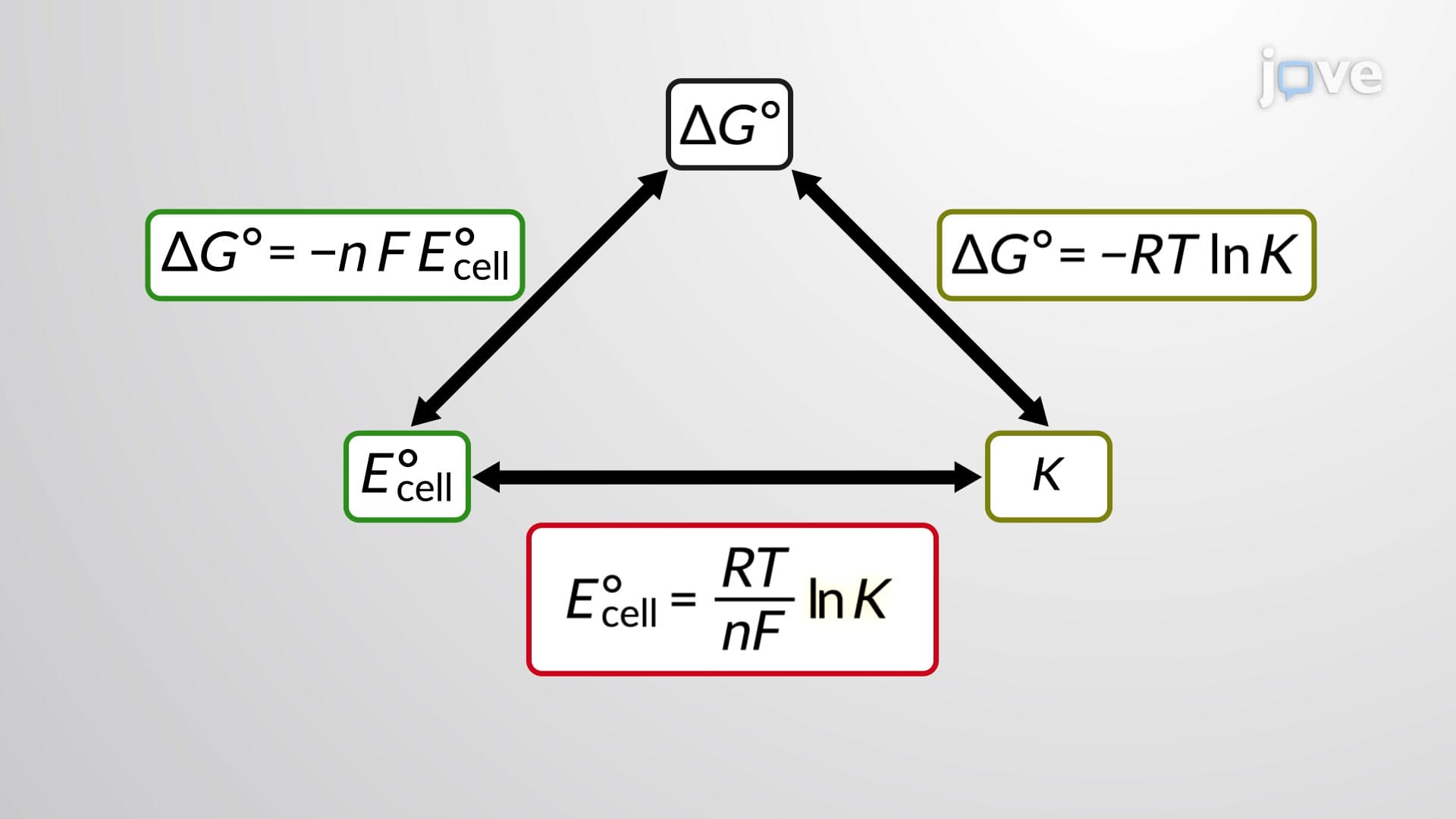
The Nernst equation derives from the relationship between Gibbs free energy and cell potential: ΔG = -nFE. Since ΔG also relates to the reaction quotient through ΔG = ΔG° + RT ln(Q), combining these relationships yields the Nernst equation. This connection explains why spontaneous reactions (negative ΔG) correspond to positive cell potentials and helps predict reaction feasibility under varying conditions.
Advanced electrochemistry topics include concentration cells, electrode kinetics, and corrosion mechanisms. Students should explore applications in analytical chemistry like ion-selective electrodes and pH meters. Biochemistry applications, including membrane potential calculations and enzyme electrochemistry, provide excellent preparation for advanced courses in physical chemistry, biochemistry, and biomedical engineering programs.
Related Micro-courses

10 Concepts

10 Concepts

12 Concepts