Loading…
Loading video…

20,012 views

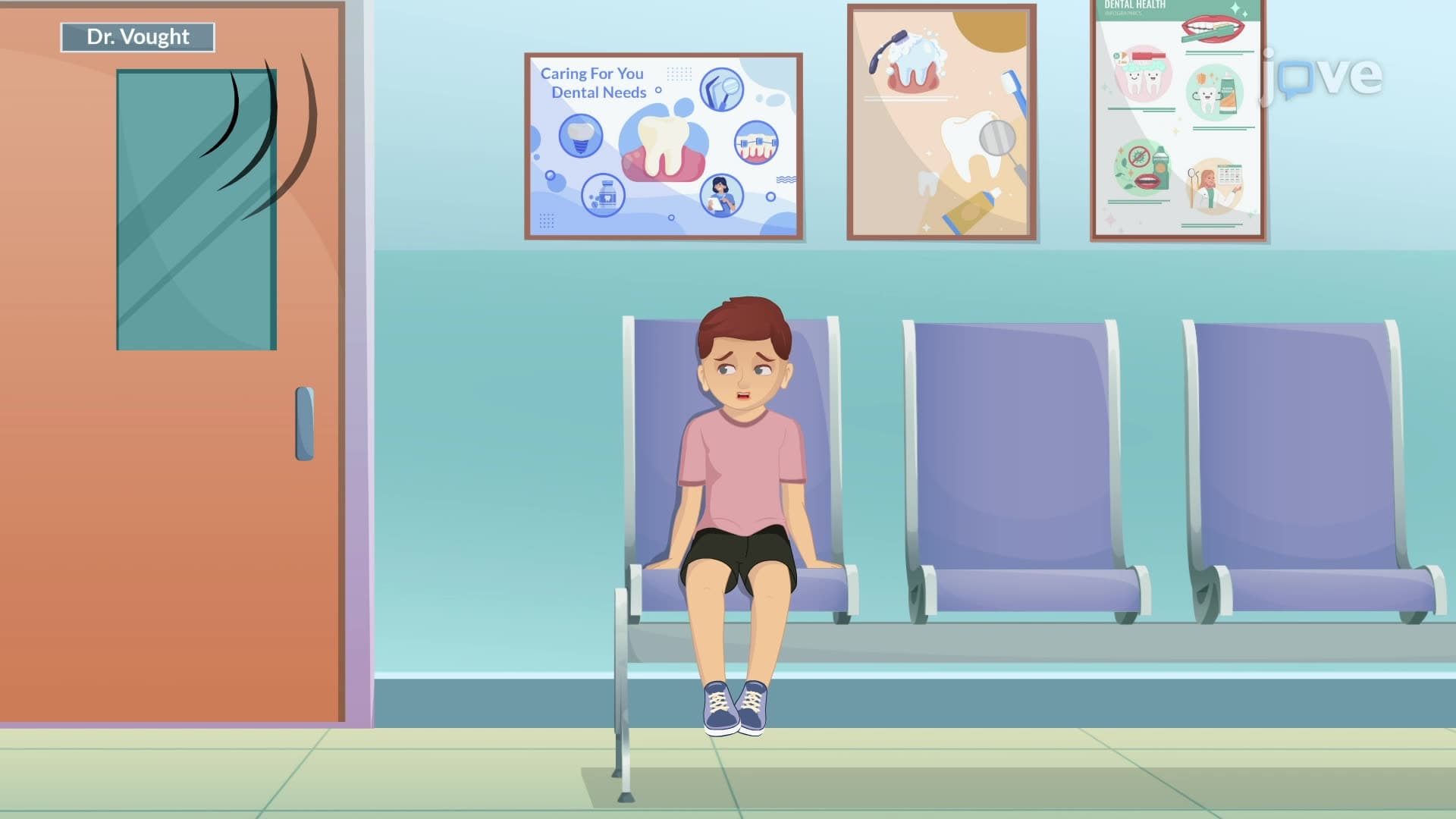
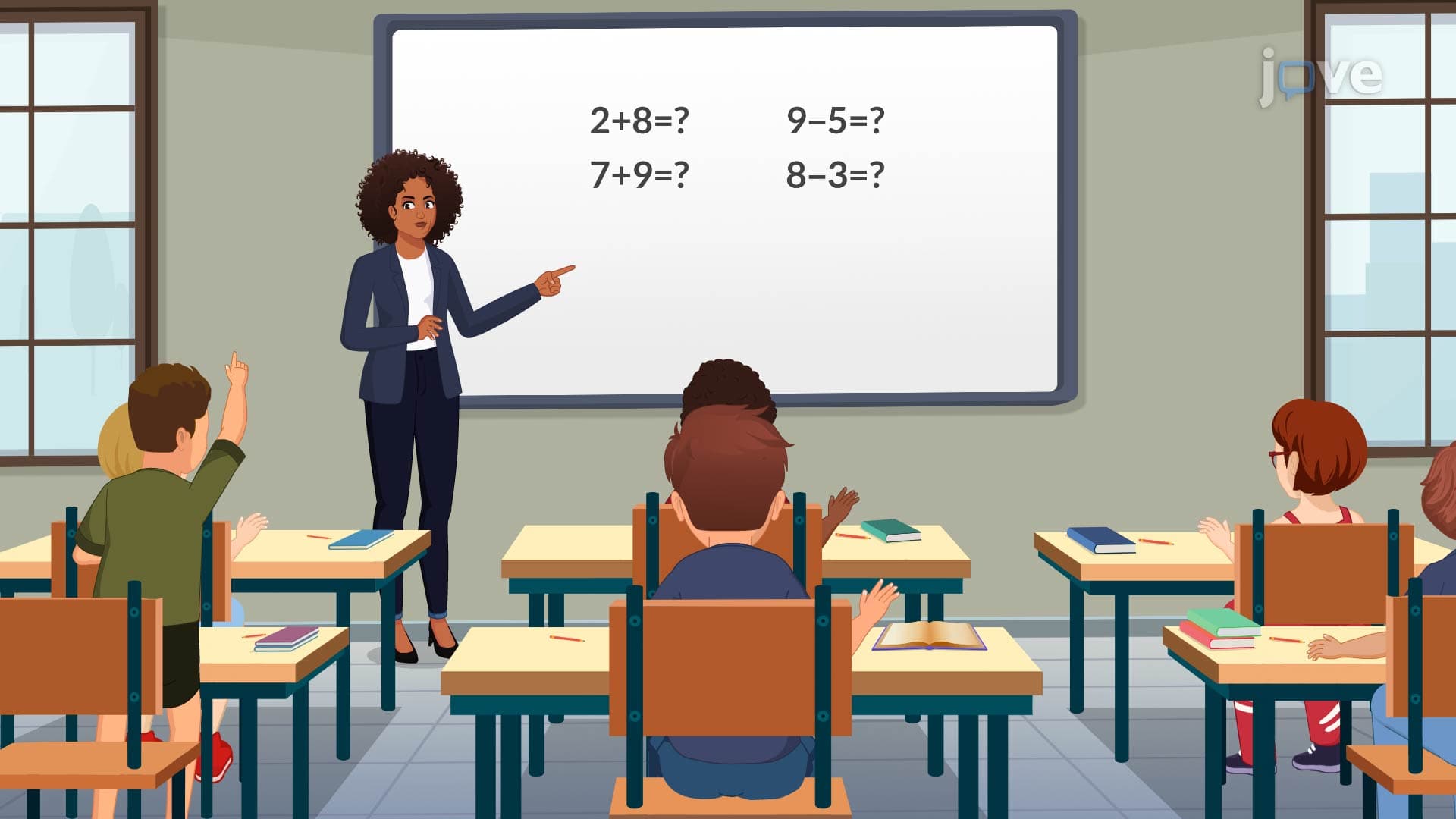
Did you know that punishment can actually teach your brain to stop trying altogether? When students face repeated academic failures despite their best efforts, they may develop a psychological condition where they believe their actions don't matter—a phenomenon directly linked to how punishment shapes behavior. Consider a high school student who stops studying for AP exams after consistently poor grades, even when changing study methods could help. This demonstrates the complex relationship between avoidance learning and learned helplessness explained through psychological conditioning. Watch the full video on JoVE Coach to master this concept with expert-led visuals and step-by-step explanations.
The punishment definition in behavioral psychology extends far beyond simple consequences—it encompasses complex learning processes that can either protect us or trap us in cycles of helplessness. These mechanisms fundamentally shape how students respond to academic challenges and how individuals navigate life's difficulties.
When exploring what is punishment in detail, we discover it operates through two primary pathways: immediate consequence learning and long-term behavioral conditioning. Punishment basics reveal that negative experiences create powerful learning associations. In academic settings, a student who receives poor grades despite studying might initially increase their efforts (adaptive response) or begin to withdraw from academic engagement altogether (maladaptive response).
The punishment concept becomes particularly relevant in standardized testing scenarios. Students preparing for the SAT or ACT who repeatedly score below their target range may develop learned helplessness if they perceive their efforts as ineffective. This punishment overview demonstrates how the same stimulus can lead to vastly different outcomes depending on the individual's perception of control.
Avoidance learning represents the adaptive side of negative reinforcement. Students who learn to avoid cramming the night before exams after experiencing the negative consequences demonstrate healthy avoidance learning. This punishment study guide principle applies across medical education as well—MCAT students who learn to avoid certain study habits that previously led to poor performance show effective behavioral adaptation.
Understanding punishment through this lens helps explain why some students thrive under pressure while others crumble. Those who develop effective avoidance strategies maintain their sense of agency and control over outcomes.
Learned helplessness emerges when individuals repeatedly face unavoidable negative outcomes, leading them to generalize this helplessness to situations where they actually do have control. In US educational contexts, this manifests in students who stop attempting challenging courses, avoid AP classes they're capable of handling, or refuse to retake standardized tests despite having the ability to improve.
Clinical research from major US universities shows that learned helplessness often underlies academic underachievement and test anxiety. Students experiencing this condition benefit from interventions that restore their sense of control and self-efficacy, particularly important for college admissions and professional school preparation.
Frequently Asked Questions
Avoidance learning occurs when you learn to prevent negative outcomes through specific behaviors, while learned helplessness happens when repeated negative experiences make you believe you can't control outcomes even when you actually can. Both stem from how our brains process punishment and negative reinforcement. These concepts help explain why some students bounce back from academic setbacks while others become discouraged and stop trying.
These topics frequently appear on AP Psychology exams under learning and abnormal psychology units, often through scenario-based questions about student behavior or case studies. College psychology courses test these concepts through research design questions and clinical applications. MCAT psychology sections may include passages about learned helplessness in medical settings or patient compliance issues.
Absolutely—MCAT psychology passages often feature scenarios involving learned helplessness in medical contexts, such as patients who stop following treatment protocols after repeated setbacks. Understanding these behavioral concepts helps you analyze complex scenarios involving patient psychology, treatment compliance, and healthcare outcomes. The concepts also appear in sociology sections discussing healthcare disparities.
Consider a student in Detroit public schools who consistently fails math tests despite different study approaches due to inadequate resources or teaching quality. Eventually, this student may stop attempting math homework altogether, believing effort won't matter—even when transferring to a better-resourced school where success is possible. This demonstrates how learned helplessness can persist even when circumstances change.
Not at all—these concepts actually help explain experiences most high school students have faced, like giving up on subjects after repeated poor grades or avoiding activities where they've experienced failure. The psychological principles are straightforward and directly applicable to academic and social situations. Understanding these patterns can actually improve study habits and test performance.
Create comparison charts showing avoidance learning versus learned helplessness scenarios, practice identifying examples in case studies, and connect the concepts to personal academic experiences. Use flashcards for key terminology and work through practice questions that require you to distinguish between adaptive avoidance and maladaptive helplessness patterns.
Learned helplessness theory partially explains how depression develops—when people repeatedly experience negative events they can't control, they may generalize this helplessness to all life areas. This connection appears frequently on abnormal psychology exams and helps explain why cognitive-behavioral therapy focuses on restoring patients' sense of control and self-efficacy.
Explore cognitive-behavioral therapy techniques, positive psychology interventions, and self-efficacy theory by Albert Bandura. These topics build naturally from learned helplessness concepts and frequently appear together on advanced psychology exams. Understanding resilience research and growth mindset theory will also deepen your comprehension of how individuals overcome learned helplessness patterns.
Related Micro-courses
Related Subjects
 Social Psychology 15 micro-courses›