Loading subject page…

- Introduction to Psychology
- Learning
- Instinctive Drift
Micro-course: Learning
20,013 views
Learn key concepts and earn your certificate.






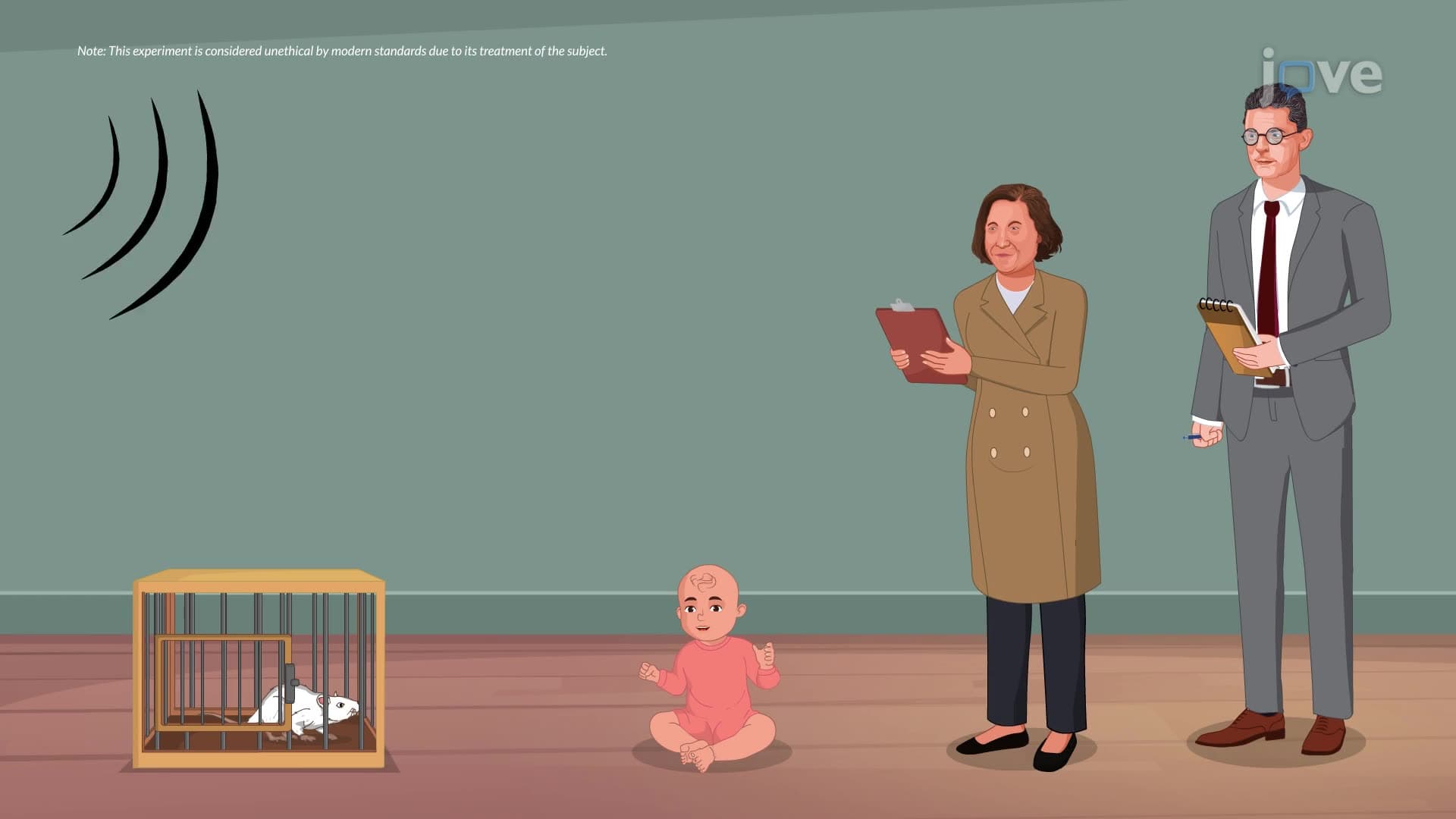

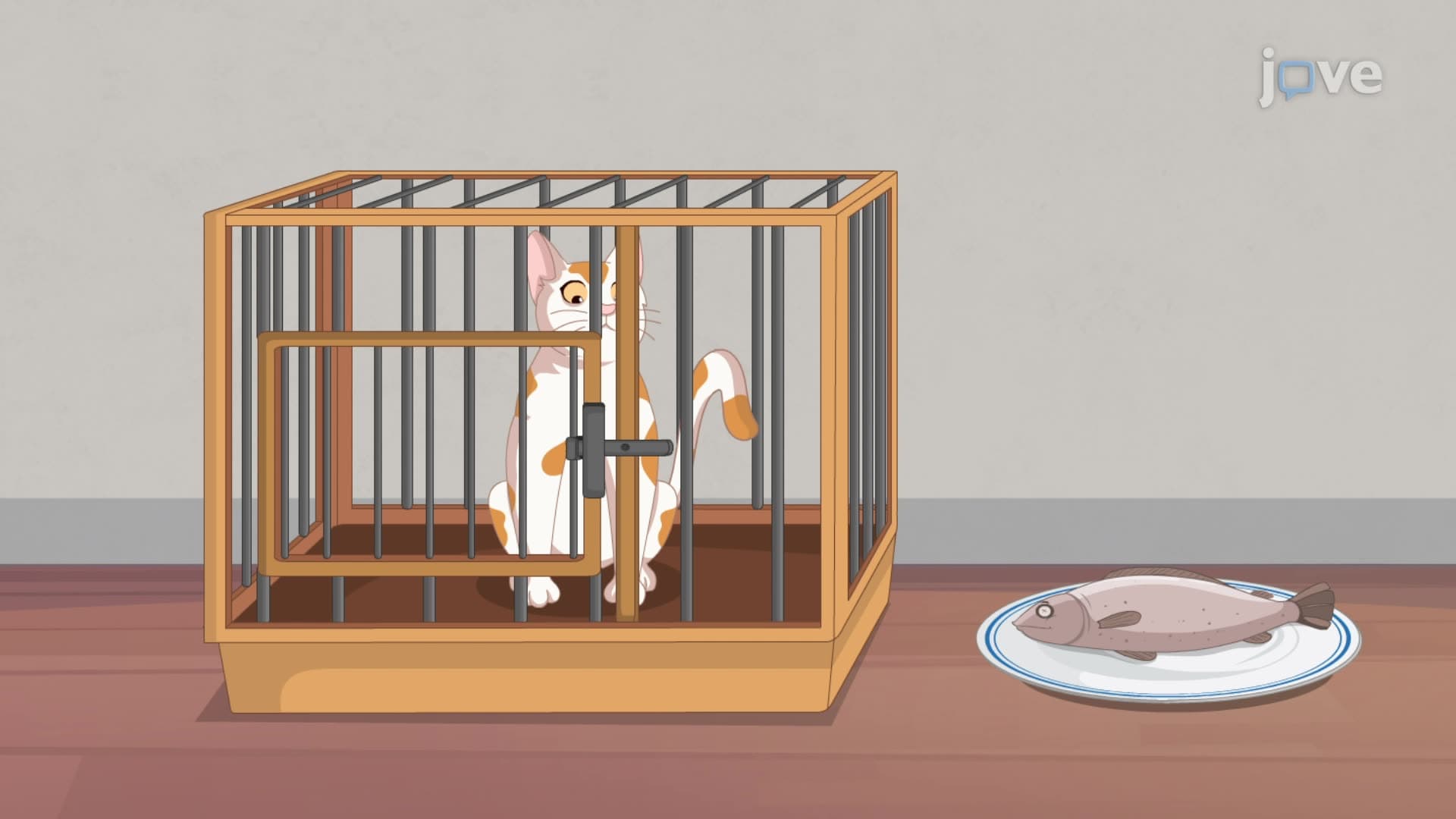







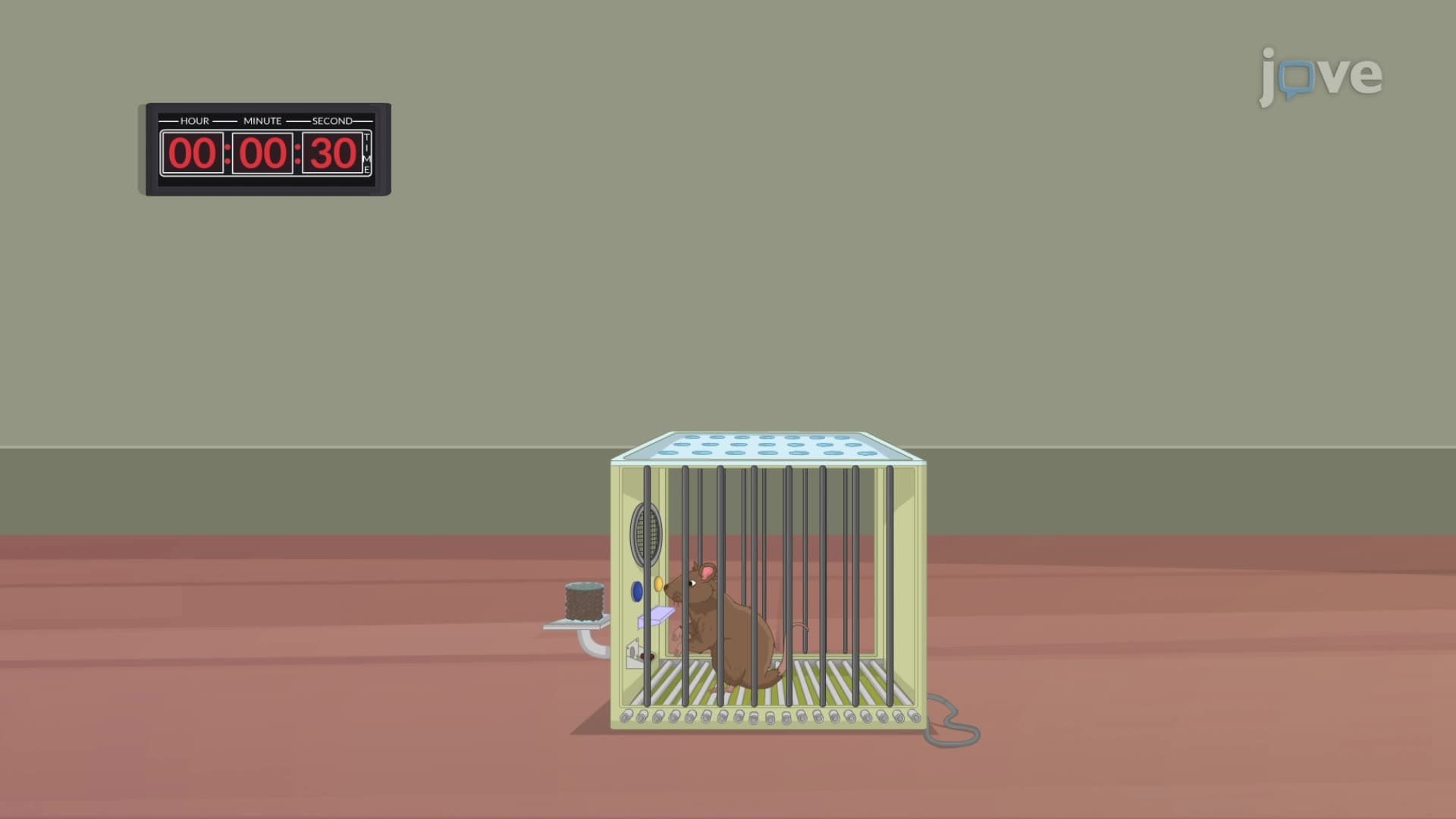






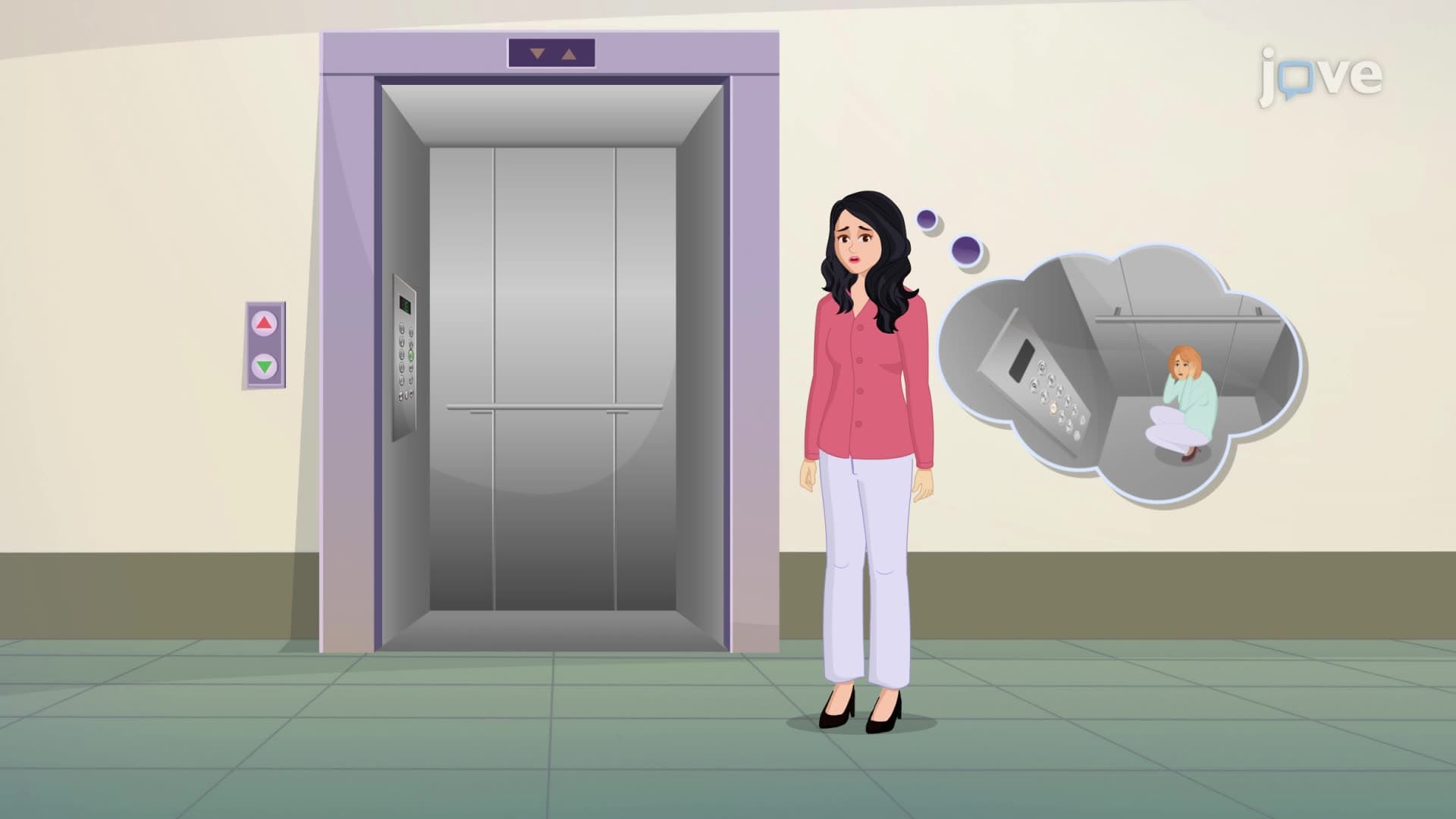

Instinctive Drift


00:00
01:05
Video Summary: What Is Instinctive Drift
Ever wonder why your pet dog still buries bones in your backyard despite being well-fed? Metacognition helps us understand how animals and humans process learned versus innate behaviors. What is instinctive drift reveals fascinating insights about the limits of conditioning in laboratory rats at Stanford University. This biological phenomenon shows how natural instincts can override trained responses, challenging traditional behaviorist assumptions. Watch the full video on JoVE Coach to master this concept with expert-led visuals and step-by-step explanations.
- Understand what is instinctive drift and how it demonstrates the interaction between learned and innate behaviors in animal psychology
- Identify real-world examples where biological predispositions override operant conditioning principles
- Analyze the Breland and Breland experiments that first documented instinctive drift phenomena in trained animals
- Compare instinctive drift with traditional behaviorist theories of learning and reinforcement
- Evaluate how metacognition helps psychologists understand the limitations of purely environmental learning approaches
- Apply instinctive drift concepts to explain why certain behaviors are easier to train than others
- Recognize the role of species-specific behaviors in learning and conditioning processes
- Explore connections between instinctive drift and evolutionary psychology principles
Understanding What is Instinctive Drift
Instinctive drift represents a fundamental challenge to the behaviorist assumption that any behavior can be shaped through reinforcement. This phenomenon occurs when animals gradually abandon learned behaviors in favor of their natural, species-specific responses, even when those innate behaviors are less rewarded or even counterproductive.
The concept emerged from the groundbreaking work of Keller and Marian Breland, former students of B.F. Skinner, who discovered this limitation while training animals for commercial entertainment. Their metacognition about learning processes led them to recognize that biological constraints significantly influence what behaviors can be successfully conditioned.
The Classic Breland Experiments and Modern Applications
The Breland's raccoon experiment perfectly illustrates instinctive drift in action. Initially, raccoons learned to drop coins into containers for food rewards. However, as training progressed, the animals began exhibiting their natural food-washing behaviors, rubbing the coins together instead of releasing them. This metacognition definition in action shows how innate behavioral programs can override learned associations.
Similar patterns emerge in American zoos and marine parks. Dolphins at SeaWorld facilities, despite extensive training, often revert to natural hunting behaviors during feeding shows. Primates at the San Diego Zoo display species-typical grooming patterns that interfere with trained routines, demonstrating what is metacognition in detail regarding biological preparedness.
Implications for Learning Theory and Education
Understanding instinctive drift has revolutionized how psychologists approach learning theory. This metacognition overview reveals that effective conditioning must work with, not against, an organism's biological predispositions. For students preparing for AP Psychology or college-level courses, recognizing these limitations helps explain why some learning occurs rapidly while other behaviors prove nearly impossible to establish.
The concept also applies to human learning contexts. Understanding metacognition basics helps educators recognize that students may struggle with certain skills not due to lack of effort, but because the learning task conflicts with natural cognitive tendencies. This metacognition study guide perspective emphasizes the importance of aligning teaching methods with biological and cognitive predispositions.
Real-World Applications and Exam Connections
On standardized tests like the MCAT and AP Psychology exam, instinctive drift questions typically focus on identifying examples and explaining the interaction between nature and nurture. Students should understand that this metacognition concept bridges behaviorism and evolutionary psychology, showing how both environmental and genetic factors shape behavior.
Frequently Asked Questions
Instinctive drift is when animals gradually stop doing trained behaviors and return to their natural instincts, even when it means getting fewer rewards. It shows that biology limits what behaviors can be successfully trained through conditioning. This concept demonstrates why understanding both learned and innate behaviors is crucial in psychology.
AP Psychology tests often present scenarios where students must identify instinctive drift and explain its significance to learning theory. Questions typically ask you to distinguish between operant conditioning successes and biological limitations. You'll need to explain how this concept challenges strict behaviorist approaches and supports evolutionary psychology principles.
The MCAT Psychology section includes instinctive drift under learning and behavioral modification topics. It often appears alongside questions about classical conditioning, operant conditioning, and biological bases of behavior. Understanding this concept helps answer questions about the limits of behavioral modification and species-specific learning patterns.
Police dogs trained for narcotics detection at LAX airport sometimes revert to natural tracking behaviors, following interesting scents instead of focusing on their assigned task. Despite extensive training and consistent rewards, their hunting instincts can override learned protocols, requiring ongoing reinforcement to maintain trained responses.
Not at all! Instinctive drift is actually quite intuitive once you see examples. Most students easily grasp the concept because they can relate it to pet behaviors or wildlife observations. The key is understanding that animals (and humans) have built-in tendencies that can override learned behaviors.
Focus on memorizing the Breland raccoon experiment details and practice identifying instinctive drift in various scenarios. Create flashcards connecting this concept to broader learning theories like operant conditioning and biological preparedness. Practice explaining how it challenges behaviorist assumptions and supports evolutionary approaches to psychology.
Explore biological preparedness, evolutionary psychology, and species-specific behaviors next. These topics build naturally on instinctive drift concepts. Also study classical conditioning constraints and the Garcia effect, which show similar biological limitations on learning processes.
This concept provides a foundation for advanced topics in behavioral psychology, evolutionary psychology, and animal cognition courses. It demonstrates critical thinking about learning theory limitations and prepares you for more complex discussions about nature versus nurture in human and animal behavior.
Related Micro-courses