Loading…
Loading video…

20,012 views

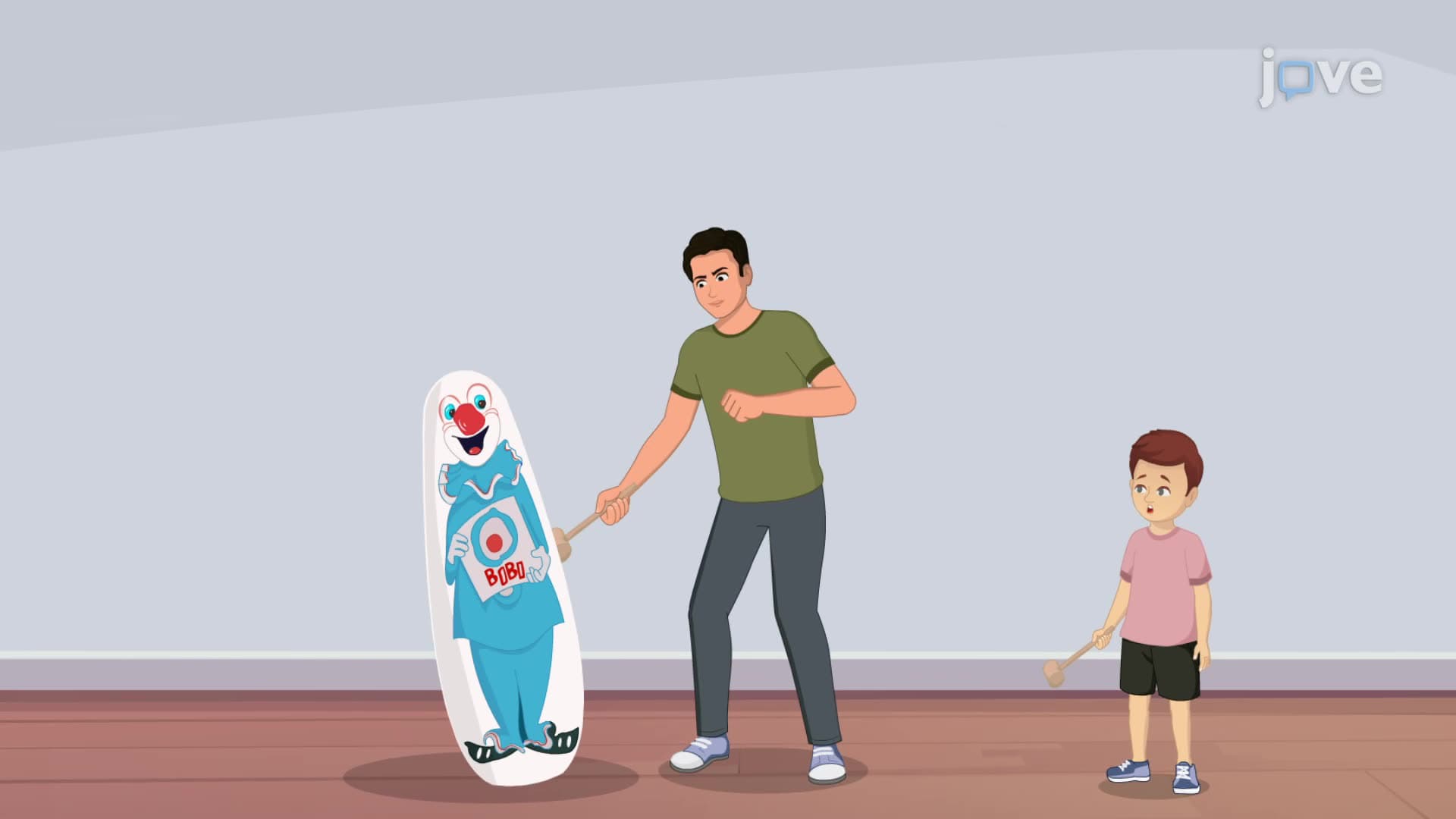
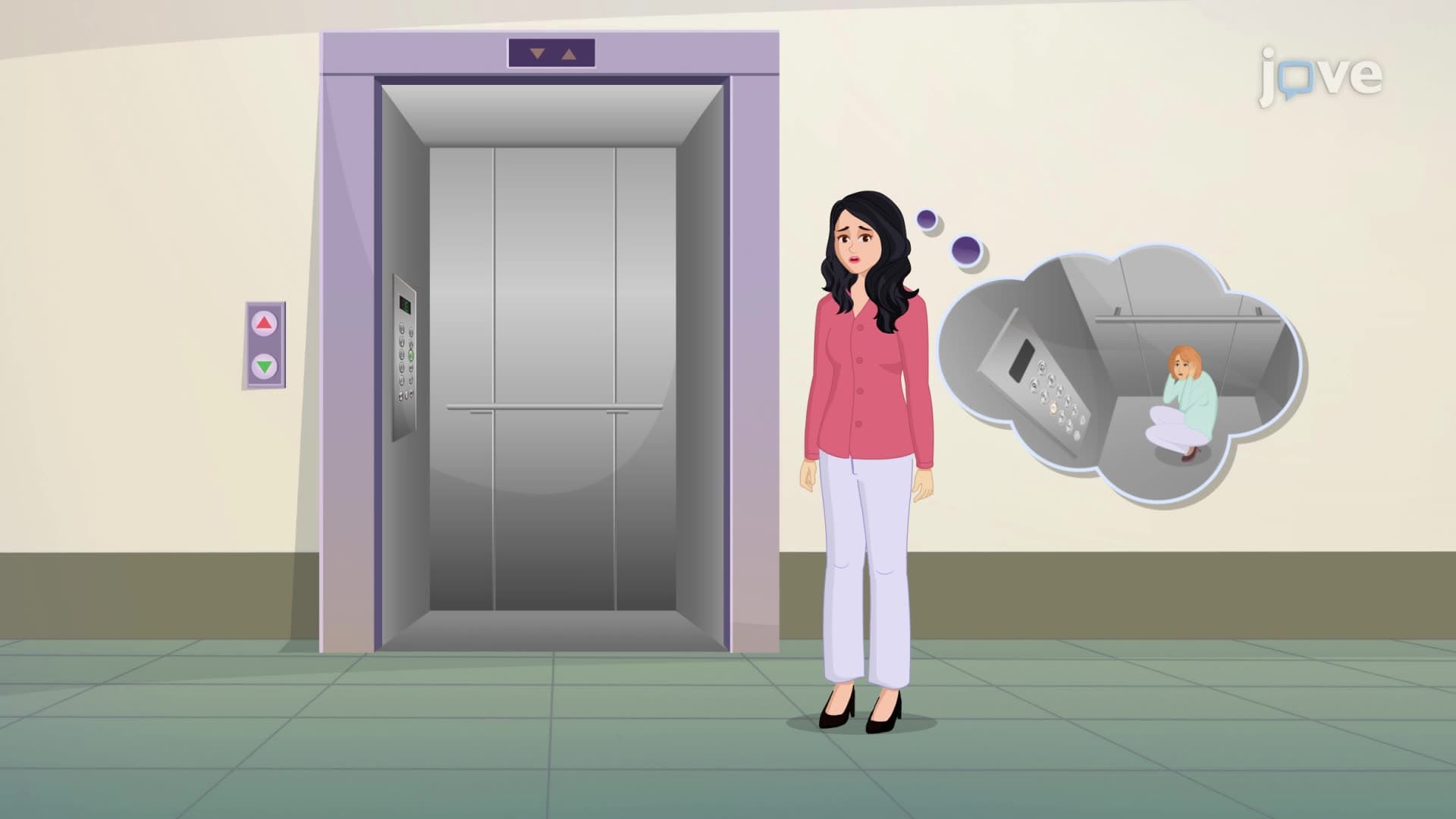
Ever wondered why watching a skilled basketball player at your local gym makes you want to practice their free-throw technique? Conditioned taste aversion and other learning behaviors follow predictable patterns, just like the steps in the modeling process explained through observational learning theory. When students at UCLA observe their psychology professor demonstrate proper research methodology, they're experiencing the same four-stage process that governs how we learn everything from academic skills to avoiding foods that once made us sick. Watch the full video on JoVE Coach to master this concept with expert-led visuals and step-by-step explanations.
The modeling process, developed by psychologist Albert Bandura, provides a comprehensive framework for understanding how humans learn through observation. Unlike simple imitation, this four-step process requires active cognitive engagement and explains why some observed behaviors are successfully learned while others are forgotten or never attempted.
Attention forms the foundation of all observational learning. Without focused attention, no modeling can occur. In a typical American high school chemistry lab, students must pay attention to their teacher's demonstration of proper titration technique - watching hand positioning, noting the color change indicators, and observing safety protocols. Factors that enhance attention include the model's characteristics (competence, attractiveness, similarity to observer), the observer's arousal level, and environmental conditions. Students preparing for AP Chemistry exams benefit from understanding that attention isn't passive; it requires deliberate focus on relevant details while filtering out distractions.
Retention involves transforming observed behaviors into lasting mental representations through coding, rehearsal, and organization. When nursing students observe clinical procedures at Johns Hopkins Hospital, they don't just watch - they mentally rehearse the steps, create verbal descriptions, and form visual images. This cognitive processing transforms fleeting observations into retrievable memories. For NCLEX preparation, students learn that retention improves through mental rehearsal, note-taking, and connecting new procedures to existing knowledge frameworks.
Motor reproduction requires converting mental representations into physical performance. A pre-med student might perfectly remember a suturing technique demonstrated in their biology class, but successfully performing it requires adequate motor skills, physical capabilities, and practice opportunities. This step explains why modeling sometimes fails - not due to poor attention or retention, but because the observer lacks necessary physical prerequisites or hasn't had sufficient practice opportunities.
The final step determines whether learned behaviors are actually performed. Vicarious reinforcement occurs when observers see models receive positive consequences, increasing their likelihood of imitating the behavior. In college psychology courses, students learn that motivation can stem from external reinforcement (praise, grades), self-reinforcement (personal satisfaction), or vicarious reinforcement (observing others' success). Understanding this step is crucial for MCAT behavioral sciences sections, where test-takers must distinguish between learning (which may occur through observation) and performance (which requires motivation).
Frequently Asked Questions
The modeling process involves four sequential steps: attention (focusing on the model), retention (remembering observed behaviors), motor reproduction (physically performing the behavior), and motivation/reinforcement (having reasons to repeat the behavior). These steps must occur in order for successful observational learning.
AP Psychology questions often test understanding of Bandura's four steps through scenario analysis. Students might encounter free-response questions asking them to identify each step in a given learning situation or explain why modeling failed at a particular stage. Multiple-choice questions frequently test the sequence and requirements of each step.
Modeling involves conscious observation and cognitive processing of behaviors, while conditioned taste aversion is an automatic biological response linking taste with illness. Modeling requires all four steps and conscious effort, whereas taste aversion can develop after just one pairing and occurs without conscious processing.
Motor reproduction determines whether nursing students can translate observed procedures into actual patient care. Students might perfectly observe and remember IV insertion techniques, but success requires adequate fine motor skills, hand-eye coordination, and sufficient practice opportunities under supervision.
Yes, learning and performance are separate processes in modeling theory. A student might successfully complete the first two steps (attention and retention) but lack motor reproduction capabilities or motivation. This explains why people can "know" how to do something they've observed but struggle with actual performance.
No extensive background is needed. Modeling builds on everyday observation experiences everyone has. Basic understanding of learning principles helps, but instructors typically introduce necessary concepts. Focus on understanding the four-step sequence and how each step can succeed or fail.
Create scenario-based practice questions where you identify each step in real situations. Practice distinguishing modeling from other learning types like classical conditioning. Use mnemonic devices like "All Rats Make Money" (Attention, Retention, Motor reproduction, Motivation) to remember the sequence.
Advanced students explore social cognitive theory, self-efficacy, moral development through modeling, and neurological bases of mirror neurons. Graduate courses examine cultural influences on modeling, therapeutic applications, and connections to cognitive-behavioral therapy techniques.
Vicarious reinforcement in modeling follows similar patterns to direct reinforcement schedules. Intermittent reinforcement of models can actually strengthen observational learning, while consistent punishment of models reduces imitation likelihood. This connects modeling theory to operant conditioning principles.
Related Micro-courses
Related Subjects
 Social Psychology 15 micro-courses›