Loading…
Loading video…

5,083 views
Strategic business professionals must understand the key differences between B2B and B2C markets to develop effective go-to-market strategies. B2B markets feature fewer buyers purchasing larger quantities through complex decision-making processes, while B2C involves many individual consumers making simpler purchase decisions. Microsoft exemplifies this distinction by selling enterprise software solutions to corporations through lengthy procurement cycles while simultaneously marketing consumer products like Xbox directly to individuals. Watch the full video on JoVE Coach to master this concept with expert-led visuals and step-by-step explanations.
When Salesforce's enterprise sales team approaches a Fortune 500 company versus when they market to small business owners, they're navigating fundamentally different business ecosystems. These market distinctions drive every strategic decision from pricing models to sales cycle management, making it critical for business professionals to master these differences.
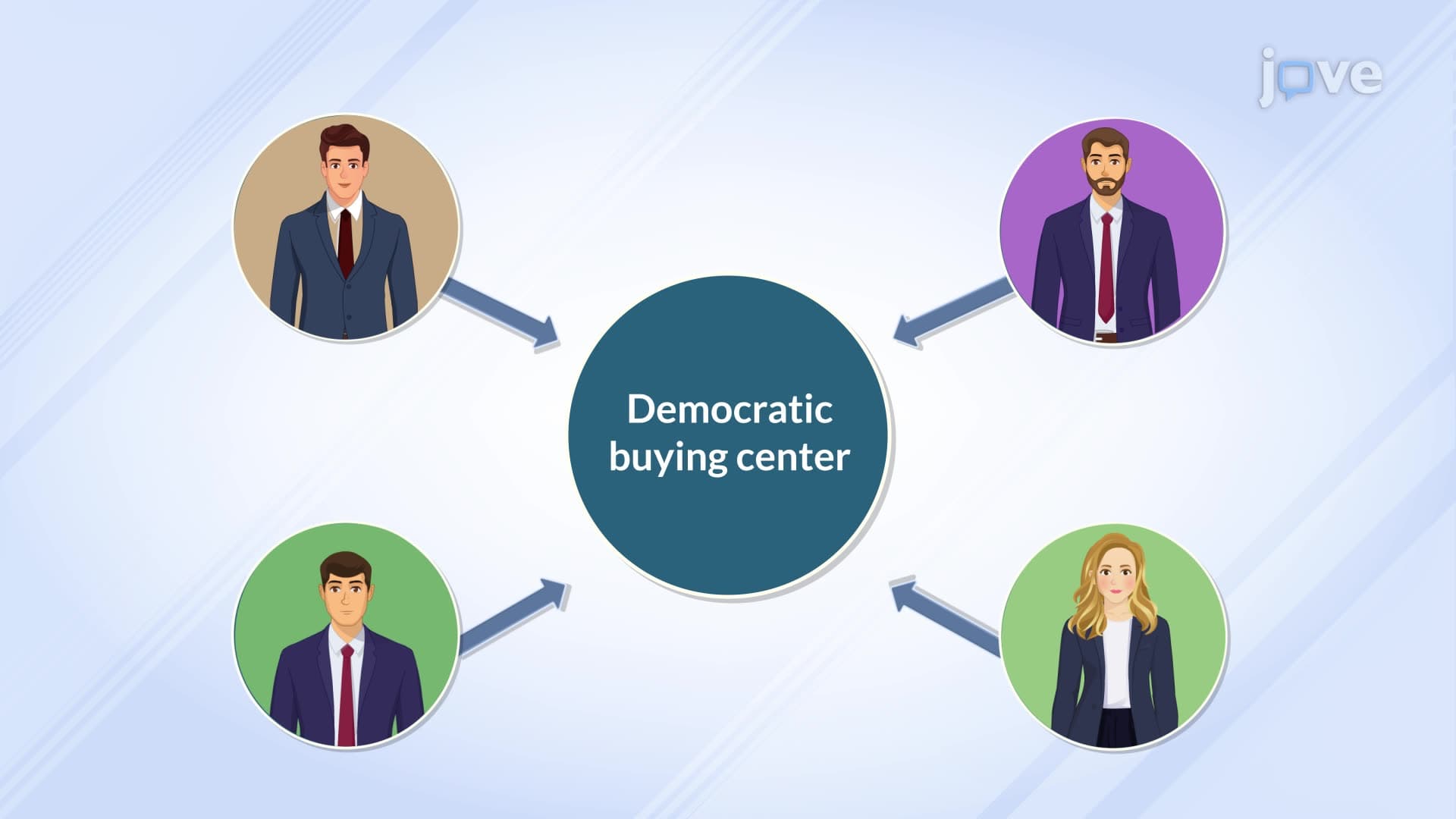
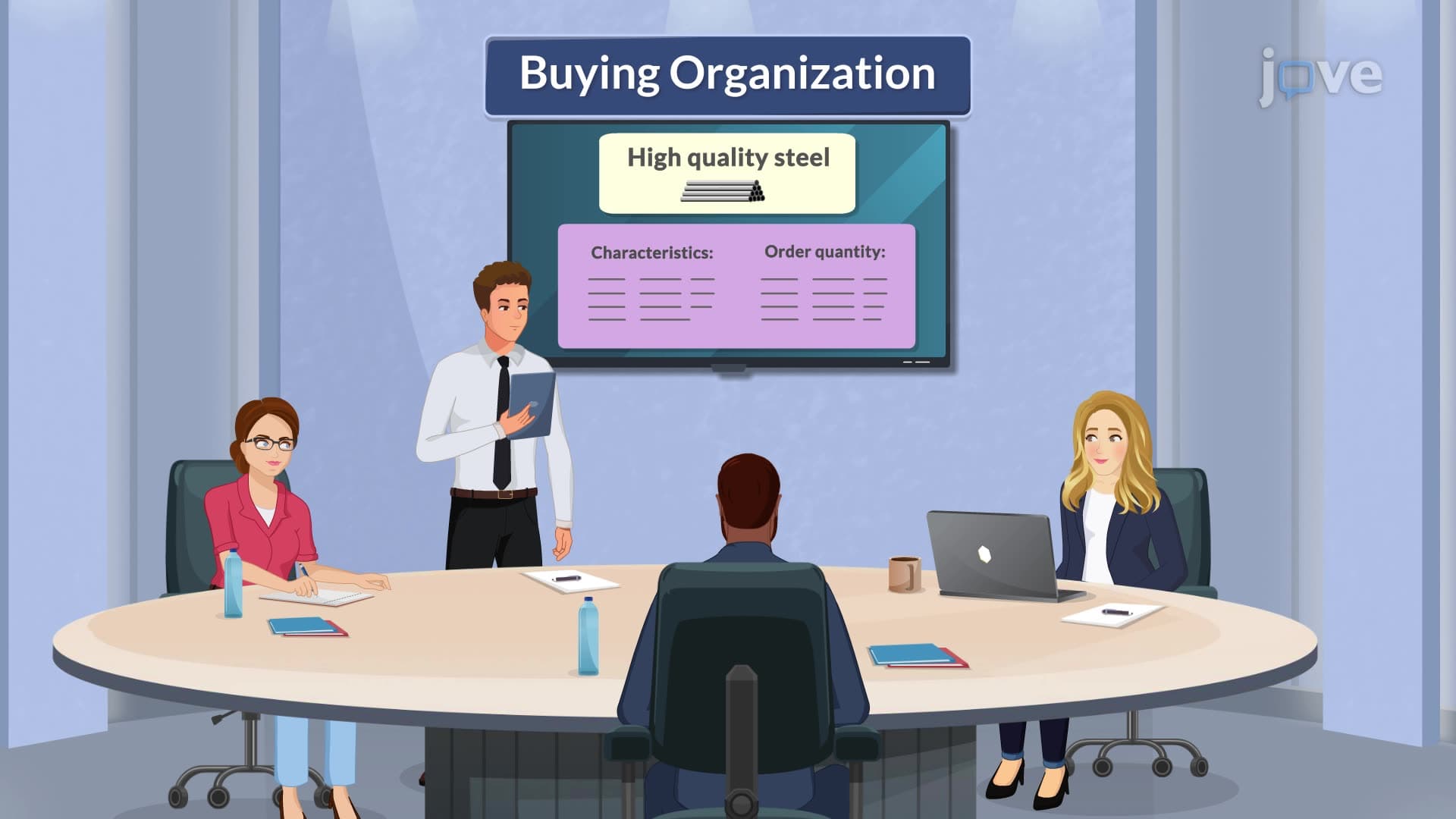
B2B markets operate with concentrated buyer bases where individual transactions carry significant financial impact. A single procurement decision at General Motors for manufacturing software can represent millions in revenue, involving engineering teams, IT departments, procurement specialists, and C-suite executives. This contrasts sharply with B2C markets where Amazon processes millions of individual consumer purchases daily, each representing smaller transaction values but massive aggregate volume.
The decision-making complexity in B2B environments creates longer sales cycles—often 6-18 months for enterprise software deals—compared to B2C impulse purchases that can occur within minutes. This fundamental difference requires distinct resource allocation strategies and performance metrics across sales organizations.
B2B demand operates as derived demand, directly tied to downstream consumer market performance. When consumer spending on electronics increases, component manufacturers like Texas Instruments see corresponding upticks in semiconductor orders from device manufacturers. This interconnected relationship means B2B professionals must monitor both their immediate customers and end-consumer trends to accurately forecast demand.
Successful B2B strategies emphasize relationship building and consultative selling approaches. IBM's transformation from hardware manufacturer to cloud services provider exemplifies how B2B companies must develop deep customer partnerships, understanding client business objectives beyond immediate product needs. Meanwhile, B2C strategies focus on brand awareness, emotional connection, and efficient transaction processing to serve high-volume, lower-complexity purchase decisions.
These market differences fundamentally shape organizational structure, with B2B companies typically maintaining larger sales teams relative to marketing spend, while B2C organizations often invert this ratio to maximize reach efficiency.
Frequently Asked Questions
B2B involves selling products or services to other businesses, while B2C sells directly to individual consumers. B2B typically features fewer buyers making larger purchases through complex decision processes, whereas B2C involves many individual consumers making smaller, simpler purchases.
Focus on relationship building over transaction volume, prepare for longer sales cycles, and develop skills in consultative selling. B2B requires understanding multiple stakeholders within client organizations and demonstrating ROI through detailed business cases rather than emotional appeals.
B2B pricing emphasizes value-based models tied to business outcomes, often involving custom quotes and volume discounts. Unlike B2C's psychological pricing tactics, B2B buyers focus on total cost of ownership, ROI calculations, and how purchases support their business operations.
Microsoft operates successfully in both markets by selling enterprise software solutions (Office 365 for businesses) through relationship-based sales while marketing consumer products (Xbox, Surface devices) through mass marketing channels. They adapt their sales approach, pricing, and customer service models for each market.
While technical understanding helps, success in B2B primarily requires business acumen, relationship-building skills, and the ability to understand client challenges. Many successful B2B professionals come from diverse backgrounds and develop industry expertise through experience and continuous learning.
This knowledge enables you to make strategic decisions about target markets, resource allocation, and go-to-market strategies. It's essential for roles in sales management, marketing strategy, business development, and executive leadership across industries.
Consider studying market segmentation strategies and customer lifetime value analysis. These concepts build on B2B/B2C foundations to help you develop more sophisticated targeting and pricing strategies for your specific market context.
Related Micro-courses


Related Subjects