Loading subject page…

- Marketing
- Marketing Environment
- Value Chain - Concept
Micro-course: Marketing Environment
22,792 views
Learn key concepts and earn your certificate.







Value Chain - Concept


00:00
01:20
Video Summary: What Is Value Chain Concept
Fortune 500 companies regularly restructure operations to maximize shareholder value, making the value chain concept essential for strategic decision-making. Understanding what is value chain concept enables executives to identify which activities drive competitive advantage versus those best outsourced. Amazon exemplifies this approach, excelling in technology and logistics while partnering with third-party sellers for inventory management. Watch the full video on JoVE Coach to master this concept with expert-led visuals and step-by-step explanations.
- Analyze primary and support activities within your organization to identify value-creation opportunities and cost-reduction targets
- Evaluate which business processes should remain in-house versus those suitable for strategic outsourcing partnerships
- Implement value chain optimization strategies to enhance operational efficiency and competitive positioning in your market
- Assess competitor value chains to identify strategic gaps and potential market entry points
- Apply value chain frameworks during strategic planning sessions and business case development
- Leverage value chain insights to inform make-versus-buy decisions and vendor selection processes
- Identify core competencies that differentiate your organization from competitors and warrant continued investment
- Compare your organization's value chain configuration against industry leaders to benchmark performance gaps
Understanding the Value Chain Concept in Strategic Management
When Netflix transitioned from DVD-by-mail to streaming, CEO Reed Hastings fundamentally restructured the company's value chain, demonstrating how this framework drives transformational business decisions. The value chain concept provides executives with a systematic approach to analyzing every activity within an organization, from raw material procurement to customer service delivery.
Primary Activities: The Revenue-Generating Core
Primary activities directly contribute to product creation and customer delivery. Inbound logistics encompasses supplier relationships and inventory management—critical for companies like Walmart, which built competitive advantage through sophisticated supply chain coordination. Operations involve the actual production or service delivery processes, while outbound logistics focus on distribution and fulfillment. Marketing and sales activities drive customer acquisition and revenue generation, followed by after-sales service that influences customer retention and lifetime value.
Professional managers use this framework to identify bottlenecks, optimize resource allocation, and benchmark against competitors. For instance, when Tesla vertically integrated battery production, it strengthened operations while reducing dependence on external suppliers.
Support Activities: The Strategic Enablers
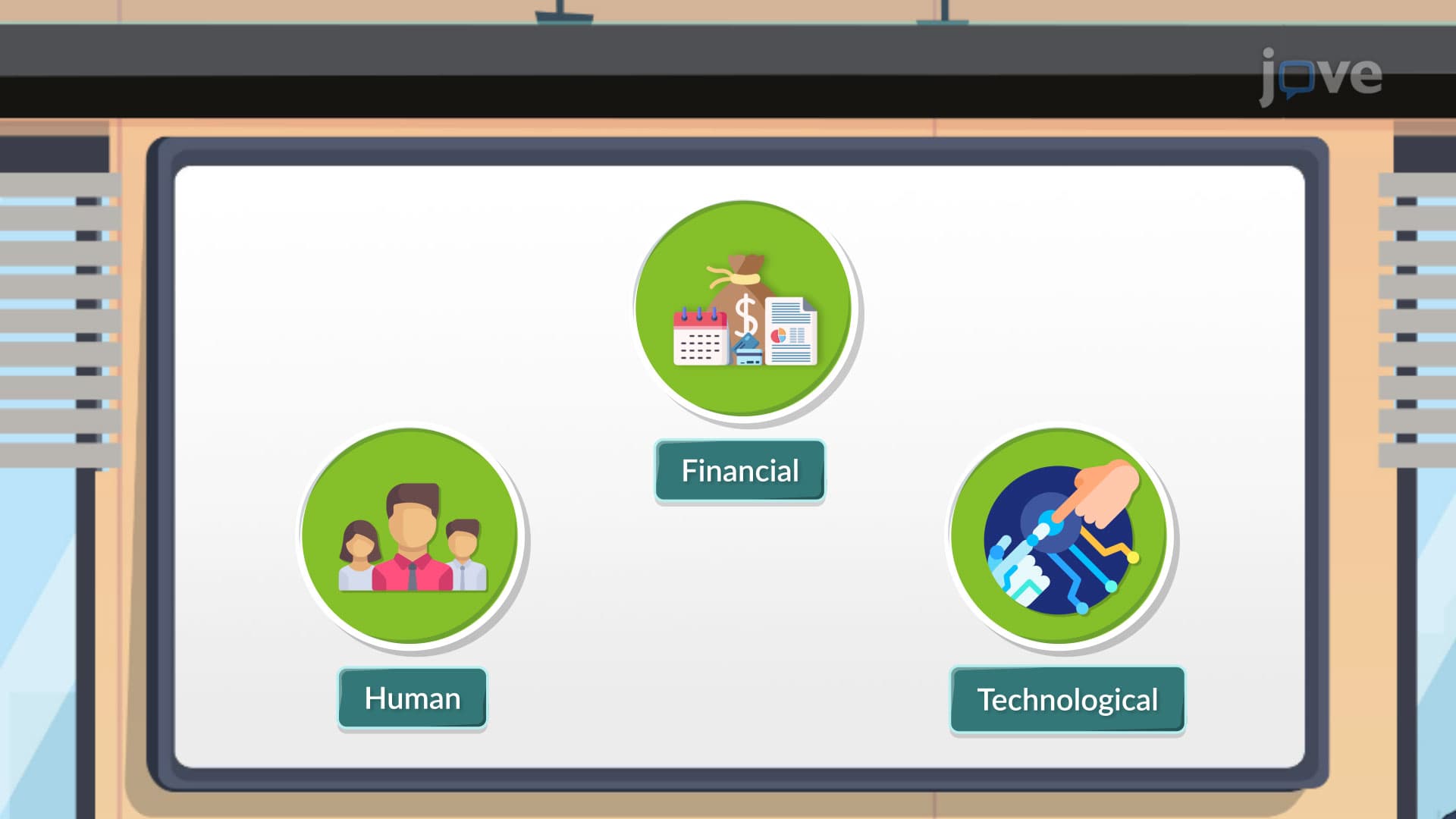
Support activities create the foundation enabling primary activities to function effectively. Infrastructure includes financial systems, legal compliance, and strategic planning capabilities. Human resources management encompasses talent acquisition, development, and retention strategies crucial for sustained competitive advantage. Technology development drives innovation and process improvement, while procurement manages vendor relationships and cost optimization.
Leading organizations excel by aligning support activities with strategic objectives. Apple's technology development capabilities enable premium pricing across its value chain, while companies like Costco optimize procurement to deliver value-based positioning.
Strategic Implications for Competitive Advantage
Value chain analysis reveals opportunities for differentiation and cost leadership strategies. By identifying activities that create disproportionate value, organizations can focus investment and resources where they generate highest returns. Conversely, activities offering limited differentiation potential become candidates for outsourcing, enabling companies to concentrate on core competencies while accessing specialized expertise through strategic partnerships.
Frequently Asked Questions
The value chain concept is a strategic framework that maps every activity in your organization from supplier relationships to customer service. It helps executives identify which processes create competitive advantage and which should be outsourced. This analysis drives make-versus-buy decisions and resource allocation strategies.
Start by mapping your organization's primary activities (operations, logistics, marketing, service) and support activities (HR, technology, procurement, infrastructure). Analyze cost structures, value creation, and competitive positioning for each activity. Use this analysis to identify optimization opportunities and strategic partnership candidates.
Outsource activities where external providers offer superior capabilities, lower costs, or specialized expertise that doesn't differentiate your organization. Retain activities that create unique customer value or competitive advantage. Consider risk factors including quality control, intellectual property protection, and vendor dependency.
McDonald's excels in operations and marketing while outsourcing real estate management through franchising. This approach reduces capital requirements, accelerates expansion, and leverages local market expertise. The company focuses on brand management, supply chain coordination, and operational standards while franchisees handle day-to-day restaurant management.
No advanced degree is required, though strategic thinking skills are essential. Many successful executives develop value chain expertise through practical application and industry experience. The framework is intuitive once you understand the primary versus support activity distinction and focus on value creation opportunities.
Value chain expertise demonstrates strategic thinking capabilities essential for senior management roles. This knowledge enables you to contribute meaningfully to strategic planning, operational improvement initiatives, and merger integration projects. It's particularly valuable for consulting, corporate development, and general management positions.
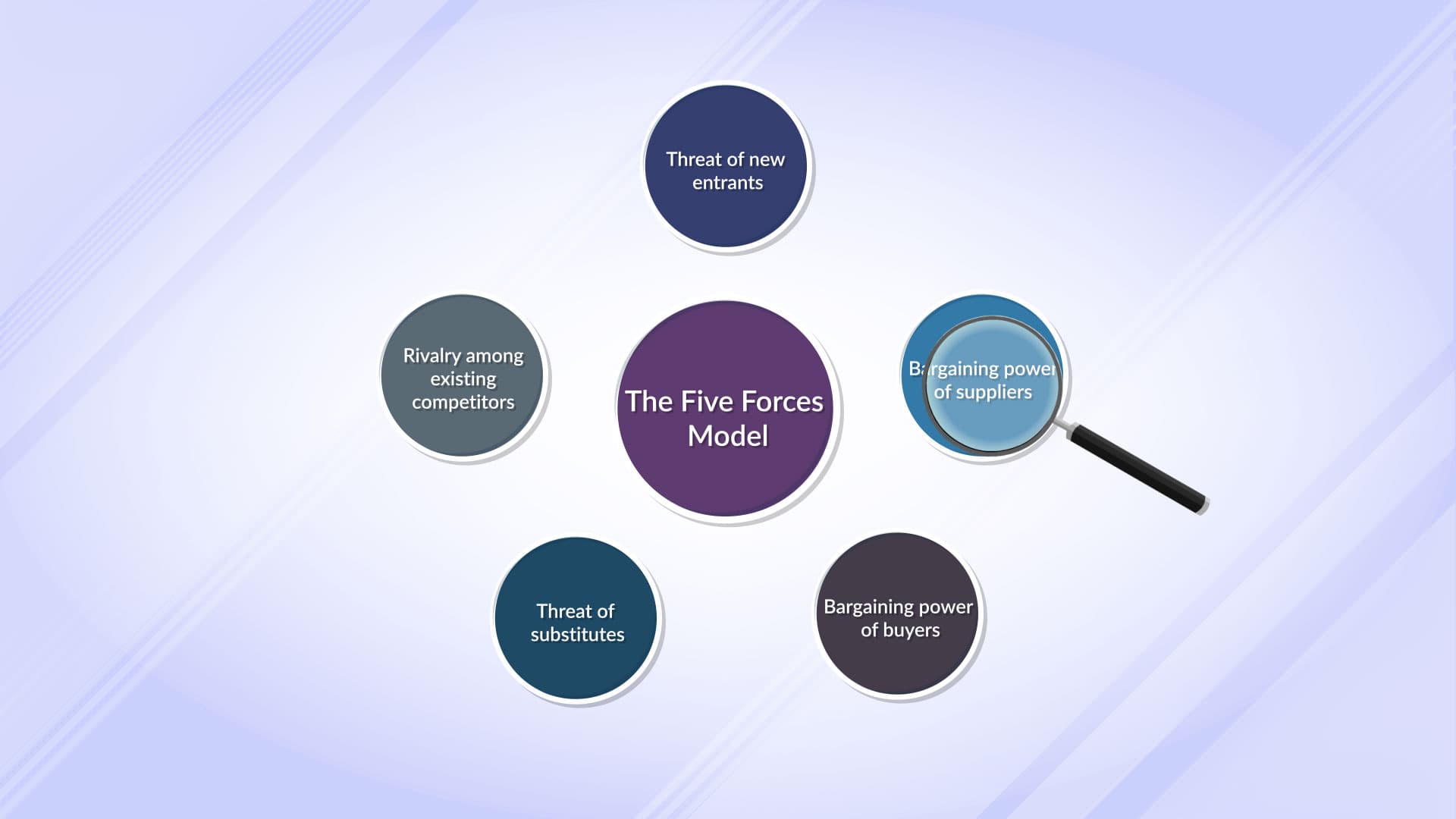
Study competitive advantage frameworks, including Porter's Five Forces and resource-based view of the firm. Explore strategic partnerships, vertical integration strategies, and ecosystem business models. Understanding supply chain management and lean operations principles will complement your value chain knowledge.
Related Micro-courses

24 Concepts
11 Concepts