Loading subject page…

- Marketing
- Segmentation, Targeting, Positioning
- Market Segmentation - Concept
Micro-course: Segmentation, Targeting, Positioning
17,192 views
Learn key concepts and earn your certificate.
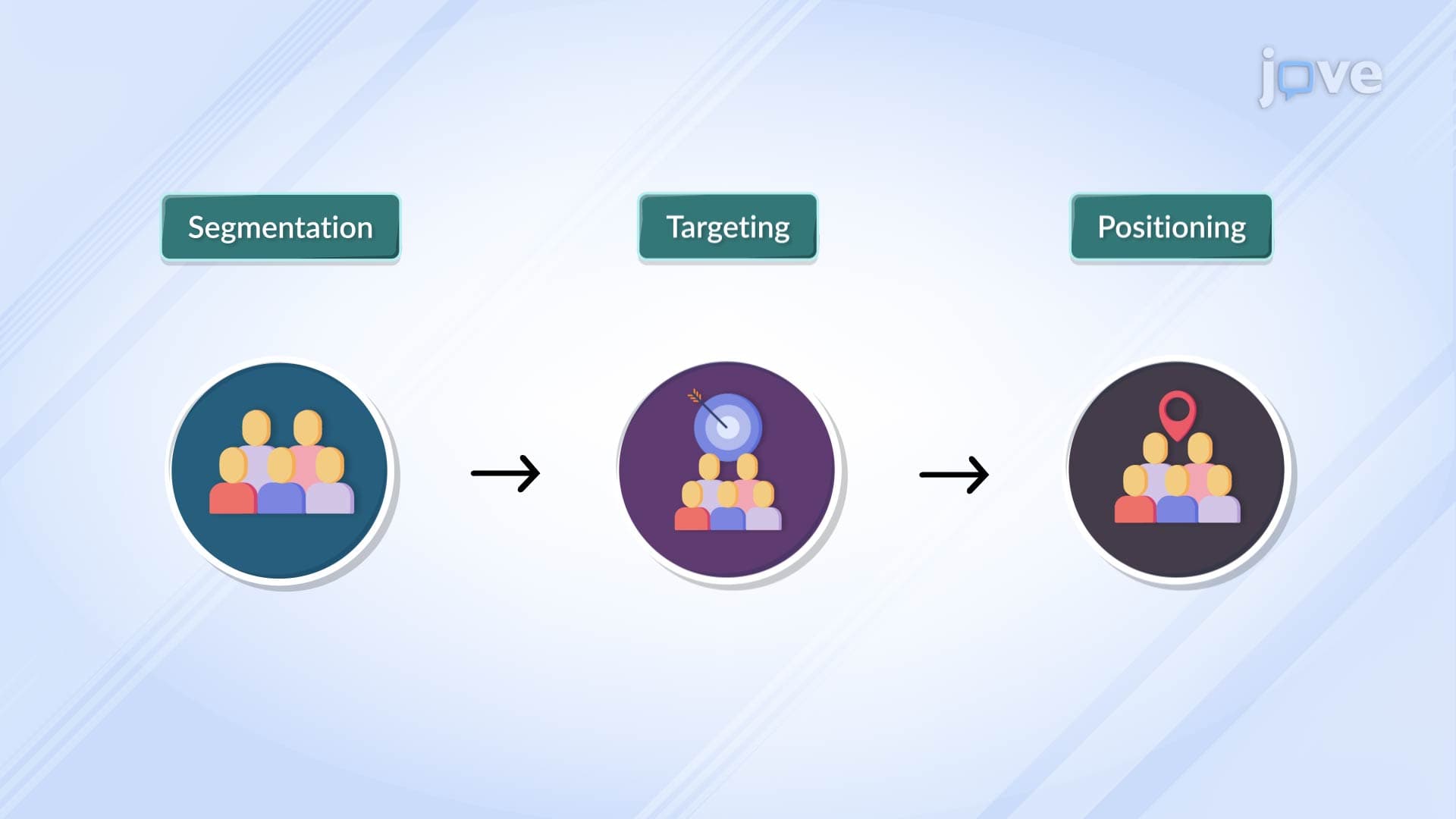

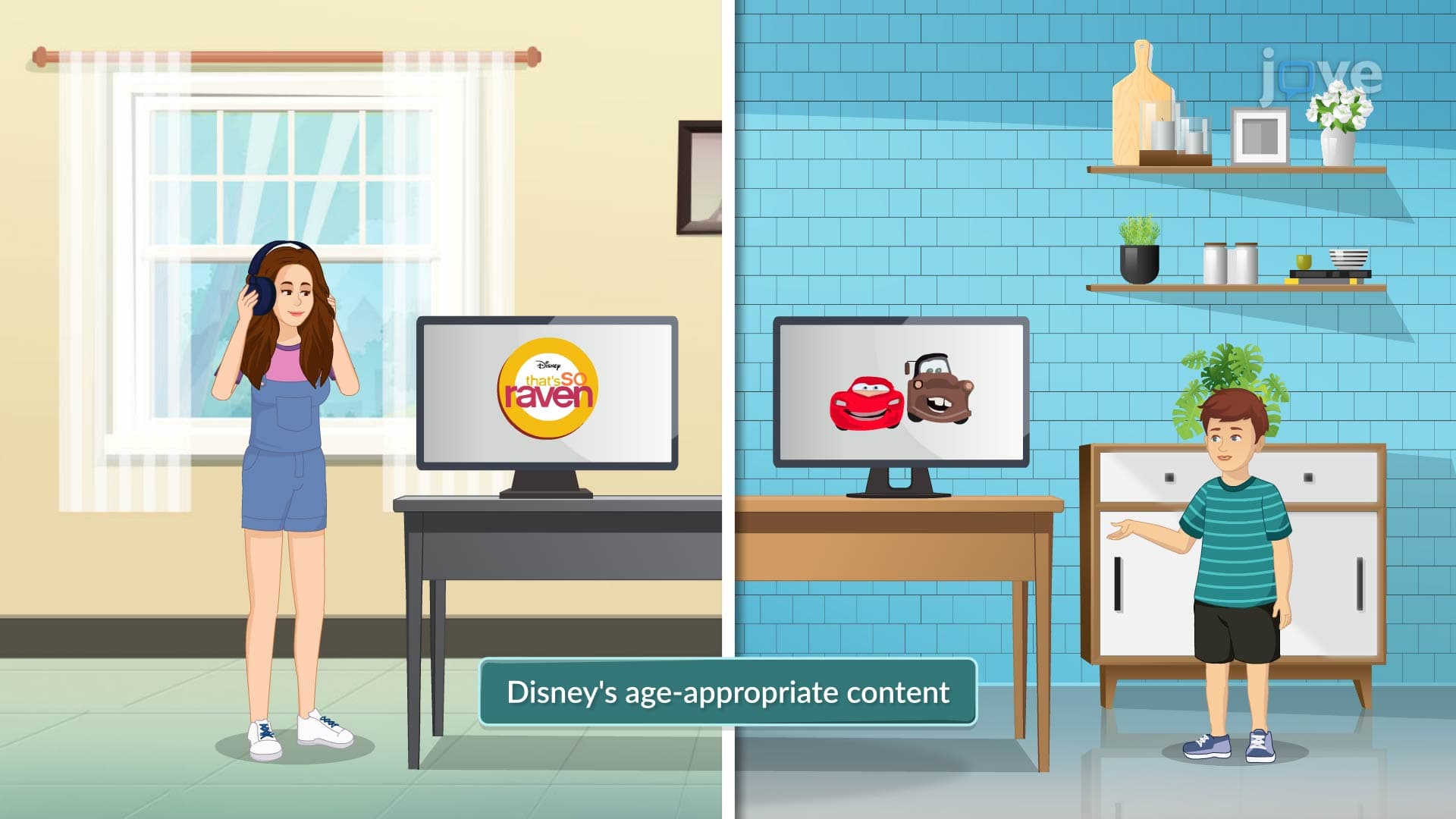


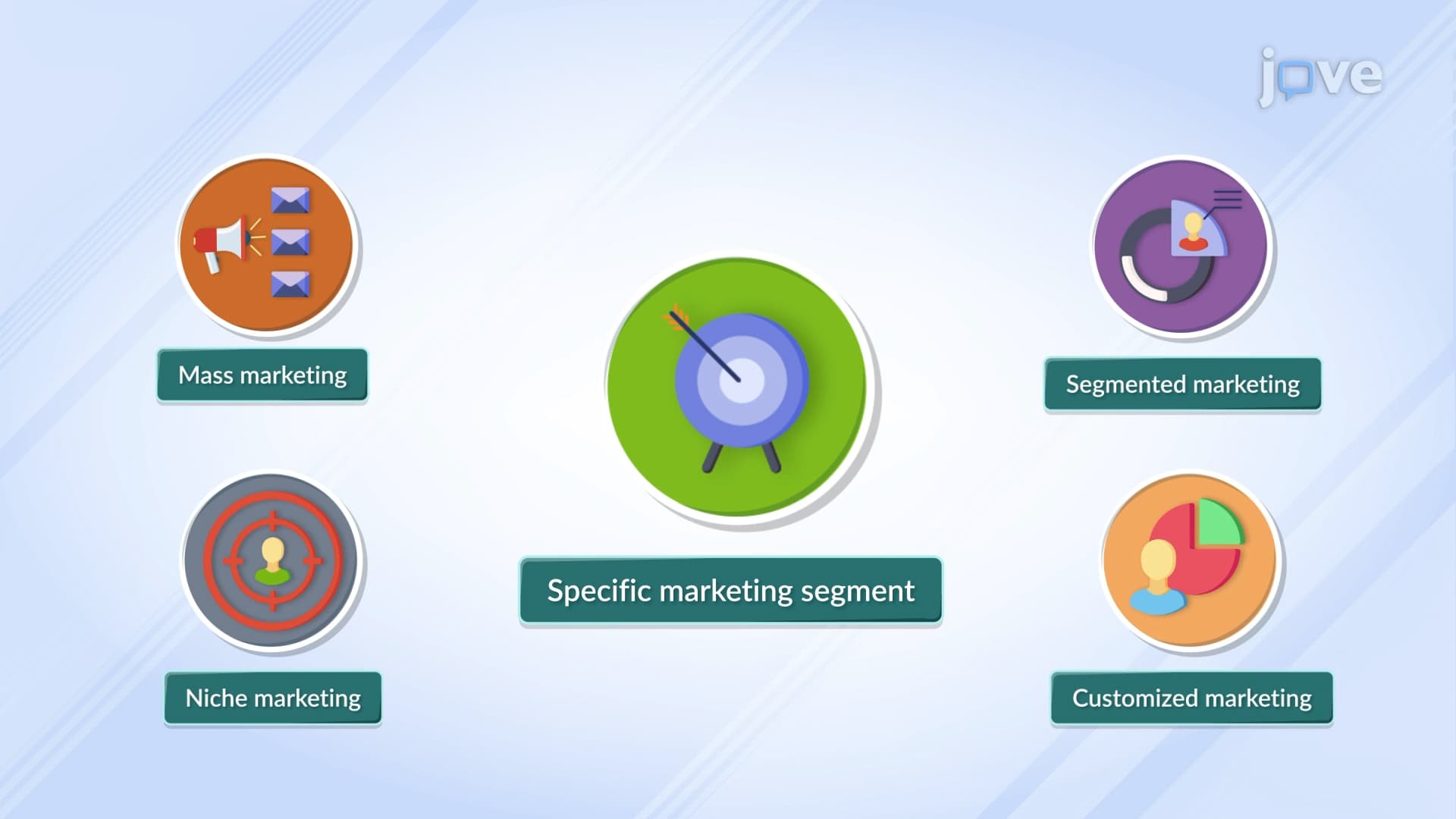


Market Segmentation - Concept

00:00
01:25
Video Summary: What Is Market Segmentation Concept
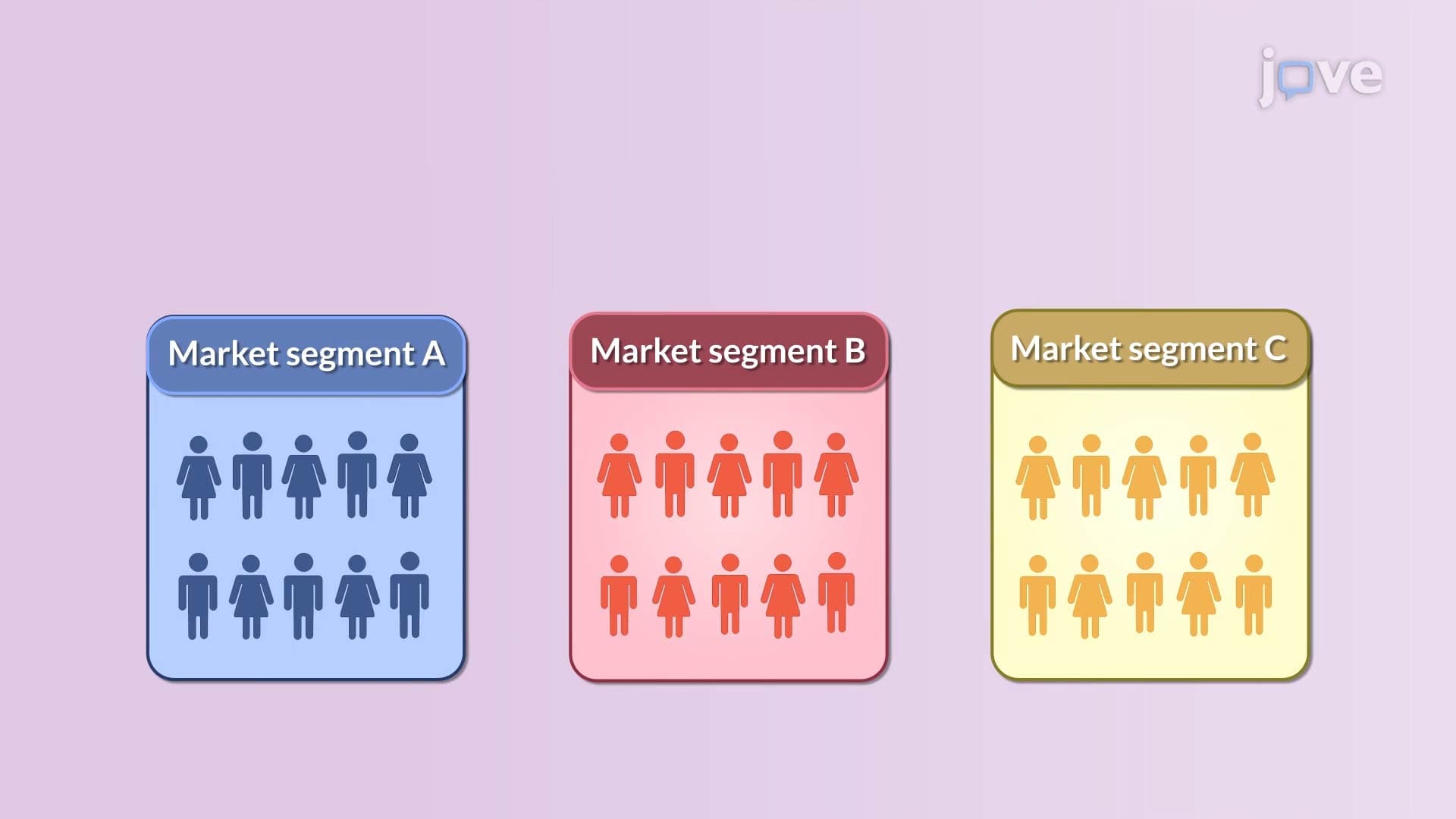
Successful companies like Amazon generate $575 billion in revenue by understanding that different customers have vastly different needs and buying behaviors. The market segmentation concept enables businesses to divide their customer base into distinct groups based on demographics, geography, psychographics, and behaviors. This strategic approach allows companies to tailor products, messaging, and pricing to maximize market penetration and profitability. L'Oréal exemplifies this by segmenting customers by age, gender, skin type, and lifestyle, resulting in targeted product lines that drive higher conversion rates. Watch the full video on JoVE Coach to master this concept with expert-led visuals and step-by-step explanations.
- Apply demographic, geographic, psychographic, and behavioral segmentation criteria to identify high-value customer groups within your market
- Evaluate customer data to determine which segmentation variables drive the most profitable business outcomes for your organization
- Analyze competitor segmentation strategies to identify market gaps and differentiation opportunities in your industry
- Implement targeted marketing campaigns that speak directly to each segment's unique needs and pain points
- Leverage segmentation insights to optimize product development, pricing strategies, and resource allocation decisions
- Identify underserved market segments that represent new revenue opportunities for business expansion
- Assess the ROI impact of segmentation-based strategies on customer acquisition costs and lifetime value metrics
- Compare segment performance across different channels to optimize your go-to-market strategy and budget allocation
Understanding the Market Segmentation Concept in Strategic Decision-Making
When Starbucks CEO Howard Schultz faced declining same-store sales in 2008, the company's turnaround strategy centered on refined market segmentation. Rather than treating all coffee drinkers as one homogeneous group, Starbucks began targeting distinct segments: busy professionals seeking premium convenience, social millennials valuing experience over price, and health-conscious consumers demanding transparency. This segmentation-driven approach helped restore the company's growth trajectory and stock price recovery.
The Four Pillars of Effective Market Segmentation
Demographic Segmentation focuses on measurable population characteristics like age, income, occupation, and family size. Nike's success stems from demographic precision-creating distinct product lines for professional athletes, weekend warriors, and fashion-conscious consumers. Each segment receives tailored messaging, pricing, and distribution strategies that maximize conversion rates.
Geographic Segmentation recognizes that location drives purchasing behavior. McDonald's menu varies significantly between regions-offering lobster rolls in New England, green chili burgers in New Mexico, and taro pie in Hawaii. This geographic sensitivity has enabled the chain to maintain market leadership across diverse local preferences.
Psychographic Segmentation examines lifestyle, values, and personality traits. Tesla's positioning targets environmentally conscious, technology-forward consumers who view their vehicle as an extension of their personal brand. This psychographic focus justified premium pricing while building fierce brand loyalty that traditional automotive marketing couldn't achieve.
Implementing Segmentation for Competitive Advantage
Successful segmentation requires rigorous data analysis and customer research. Companies like Salesforce invest heavily in customer analytics platforms that track behavioral patterns, purchase history, and engagement metrics across touchpoints. This data-driven approach enables real-time segmentation adjustments that optimize marketing spend and improve customer acquisition costs.
The financial impact of effective segmentation is substantial. Companies with advanced segmentation strategies typically see 10-15% revenue increases and 20% improvement in marketing ROI within the first year of implementation. These gains result from more efficient resource allocation, reduced customer acquisition costs, and increased customer lifetime value through personalized experiences.
Frequently Asked Questions
Market segmentation concept is the strategic practice of dividing your customer base into distinct groups based on shared characteristics, needs, or behaviors. It's essential because treating all customers identically wastes marketing resources and misses revenue opportunities. Companies using advanced segmentation typically achieve 10-15% higher revenues than those using mass-market approaches.
Start by analyzing your customer data to identify patterns in purchasing behavior, demographics, and engagement metrics. Test different segmentation variables (age, location, buying frequency) against key performance indicators like conversion rates and customer lifetime value. The segments that show the highest variance in these metrics offer the greatest business opportunity.
The biggest challenge is justifying the upfront investment in data analytics and personalized marketing campaigns. Build your business case around specific metrics: customer acquisition cost reduction, increased average order value, and improved customer retention rates. Present pilot program results that demonstrate clear ROI before requesting full-scale implementation budgets.
American Express segments its customer base into distinct categories: small business owners, high-net-worth individuals, and young professionals building credit. Each segment receives targeted card products, rewards programs, and customer service experiences. This approach has enabled AmEx to maintain premium pricing while achieving industry-leading customer satisfaction and retention rates.
While advanced analytics help, you can start with basic customer segmentation using existing sales data and customer surveys. Many CRM platforms like HubSpot and Salesforce offer built-in segmentation tools that don't require coding knowledge. Focus on identifying 3-4 clear customer groups initially, then invest in more sophisticated analytics as you see results.
Market segmentation skills are highly valued in marketing, product management, and general management roles. Professionals who can identify profitable customer segments and develop targeted strategies often advance to director and VP positions faster. These skills directly impact revenue growth, making you a valuable asset during performance reviews and strategic planning discussions.
Customer lifetime value (CLV) analysis is the natural next step. Once you can segment customers effectively, calculating the long-term profitability of each segment enables sophisticated pricing strategies, customer acquisition budgeting, and retention program development. CLV analysis transforms segmentation from a marketing tactic into a comprehensive business strategy.
Track segment-specific metrics including conversion rates, average order value, customer acquisition cost, and retention rates. Compare these metrics across segments and against your pre-segmentation baseline. Successful segmentation should show measurably different performance across segments, with your highest-value segments delivering substantially better financial results than average.
Related Micro-courses