Loading subject page…


18,577 views

Video Summary: Residual Stresses in Engineering Materials
Did you know that even after you stop pulling on a metal rod, invisible stresses can remain trapped inside forever? Residual stresses in engineering materials are permanent internal forces that persist after external loads are removed, fundamentally changing how materials behave. From Boeing aircraft frames experiencing stress concentrations during manufacturing to steel I-beams in New York skyscrapers developing internal tensions during cooling, these hidden forces affect structural integrity across American infrastructure. Understanding residual stresses in engineering materials is crucial for predicting failure modes and designing safer structures. Watch the full video on JoVE Coach to master this concept with expert-led visuals and step-by-step explanations.
Residual stresses in engineering materials represent one of the most critical yet often invisible factors affecting structural performance. These internal forces develop when materials undergo plastic deformation or non-uniform thermal changes, creating permanent stress fields that persist long after external loads disappear. Unlike applied stresses from external forces, residual stresses exist in equilibrium within the material itself, making them particularly challenging to predict and control.
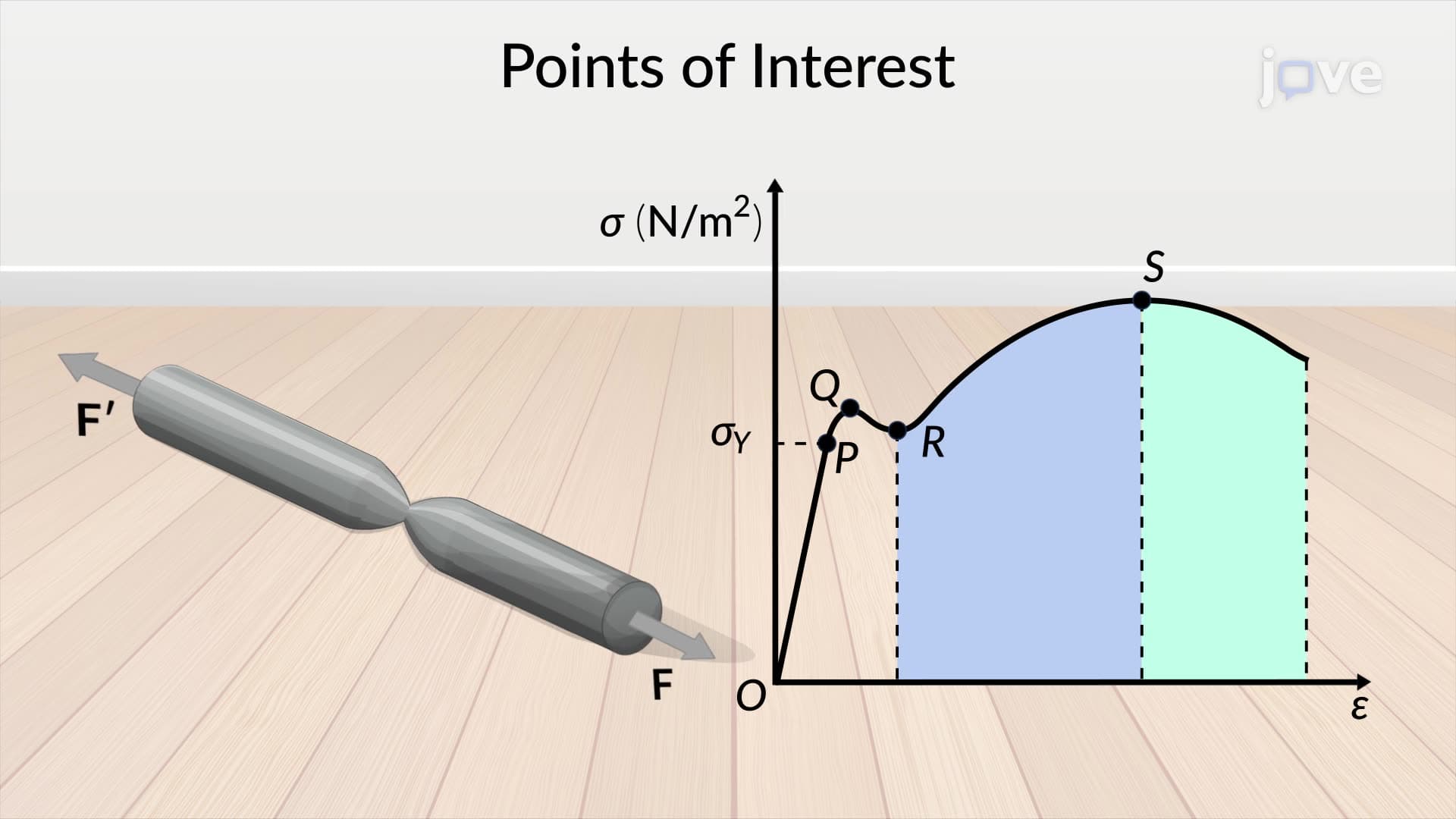
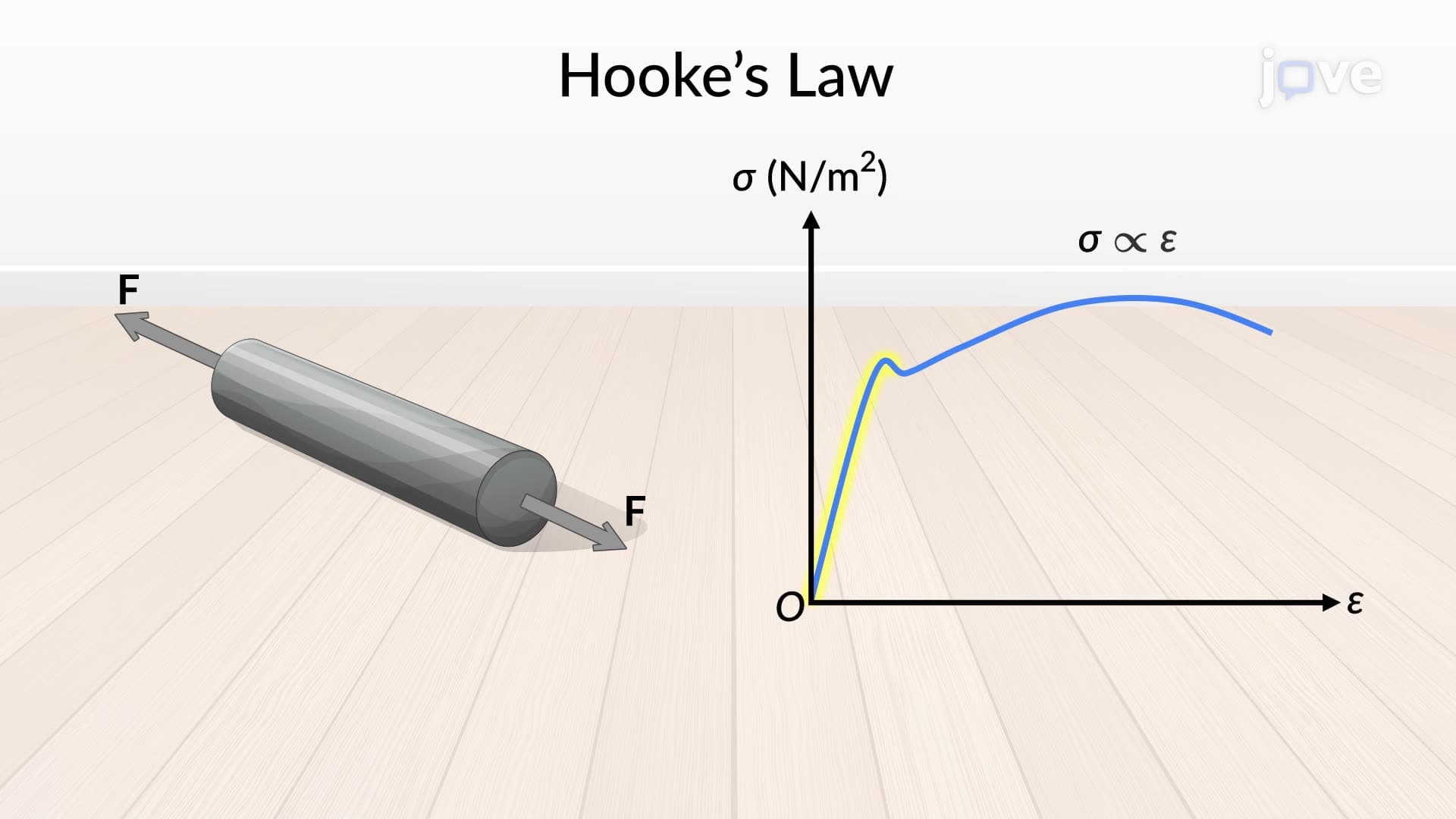
The fundamental mechanism behind residual stress formation involves plastic deformation beyond the material's yield point. When engineering materials like steel, aluminum, or titanium experience loading that exceeds their elastic limit, permanent atomic-level rearrangements occur. These rearrangements create regions where the material "remembers" its deformed state, establishing internal stress fields that cannot be released through simple unloading. This phenomenon appears frequently in manufacturing processes used across American industries, from automotive stamping operations in Detroit to aerospace component forming in Seattle.
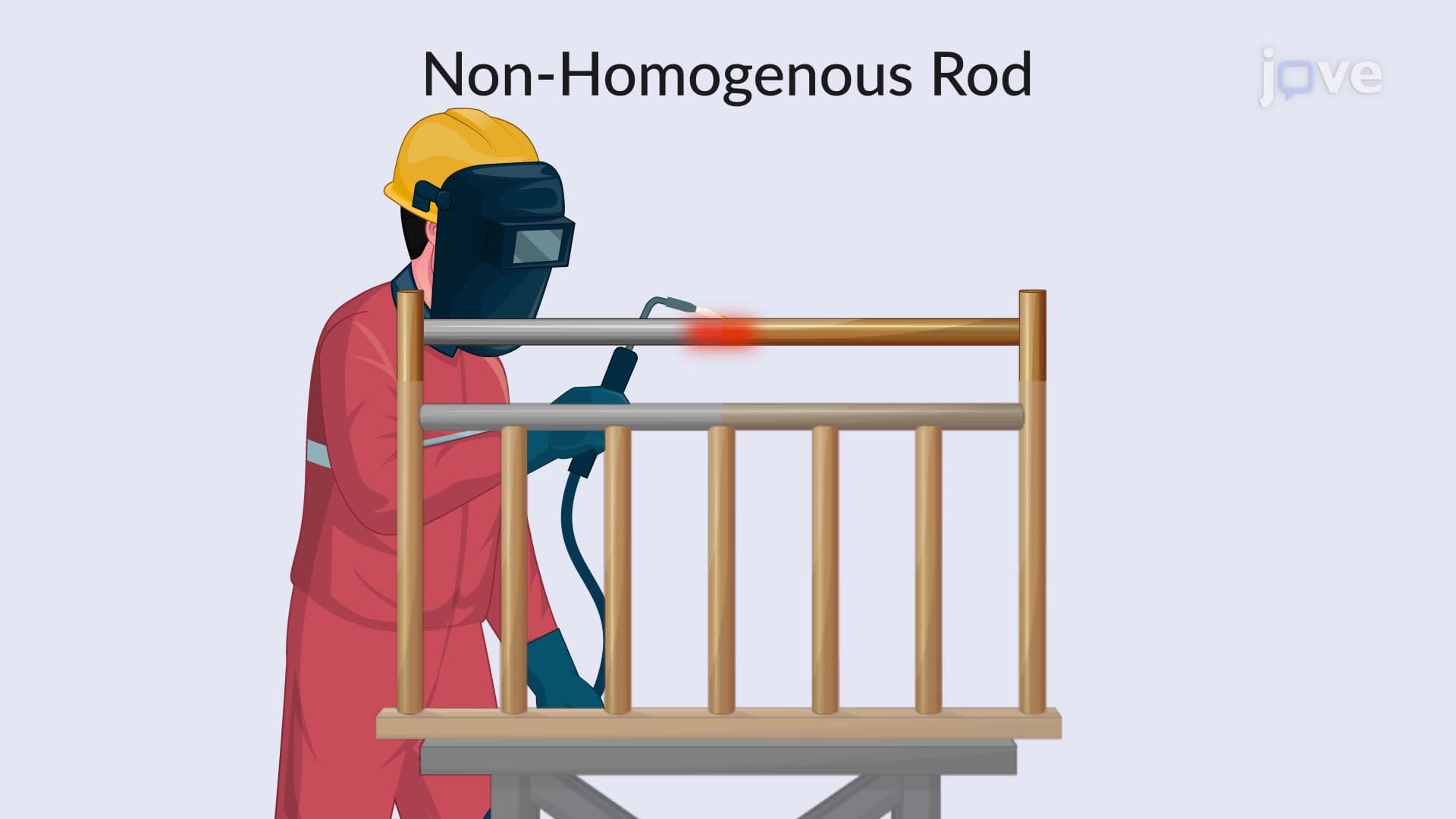
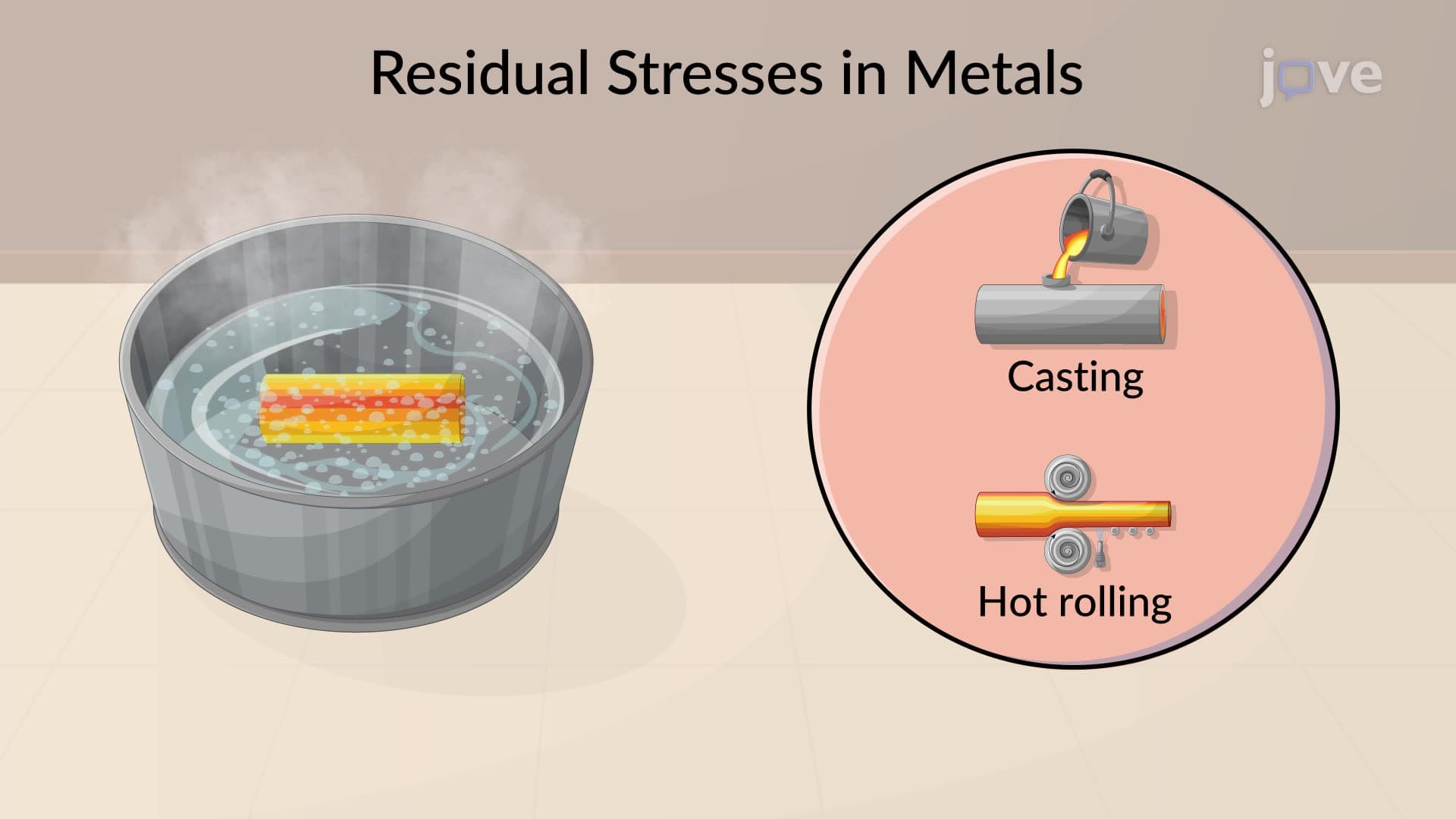
Welding operations represent perhaps the most significant source of residual stresses in structural applications. Consider the construction of the Golden Gate Bridge or modern skyscrapers in Chicago, each welded joint experiences intense localized heating followed by rapid cooling. During welding, temperatures can exceed 2000°F in small regions while surrounding material remains near room temperature. This thermal gradient causes differential expansion and contraction, with the heated zone attempting to expand against the constraint of cooler surrounding material. Upon cooling, the previously heated region contracts but cannot return to its original dimensions due to plastic deformation that occurred at high temperatures.
Understanding residual stresses proves essential for students preparing for materials science courses at institutions like MIT, Stanford, or Carnegie Mellon, where these concepts appear regularly in mechanical engineering curricula. Advanced Placement (AP) Physics students encounter related principles when studying elastic and plastic behavior, while college-level materials science courses delve deeper into crystallographic mechanisms. Industrial stress relief processes, including controlled heat treatment and gradual cooling cycles, represent standard practices in American manufacturing facilities from Boeing's aircraft production to Ford's engine block casting operations.
Related Micro-courses