Loading subject page…

- Microeconomics
- Consumer Behavior
- The Total Effect of Price Change
Micro-course: Consumer Behavior
9,930 views
Learn key concepts and earn your certificate.









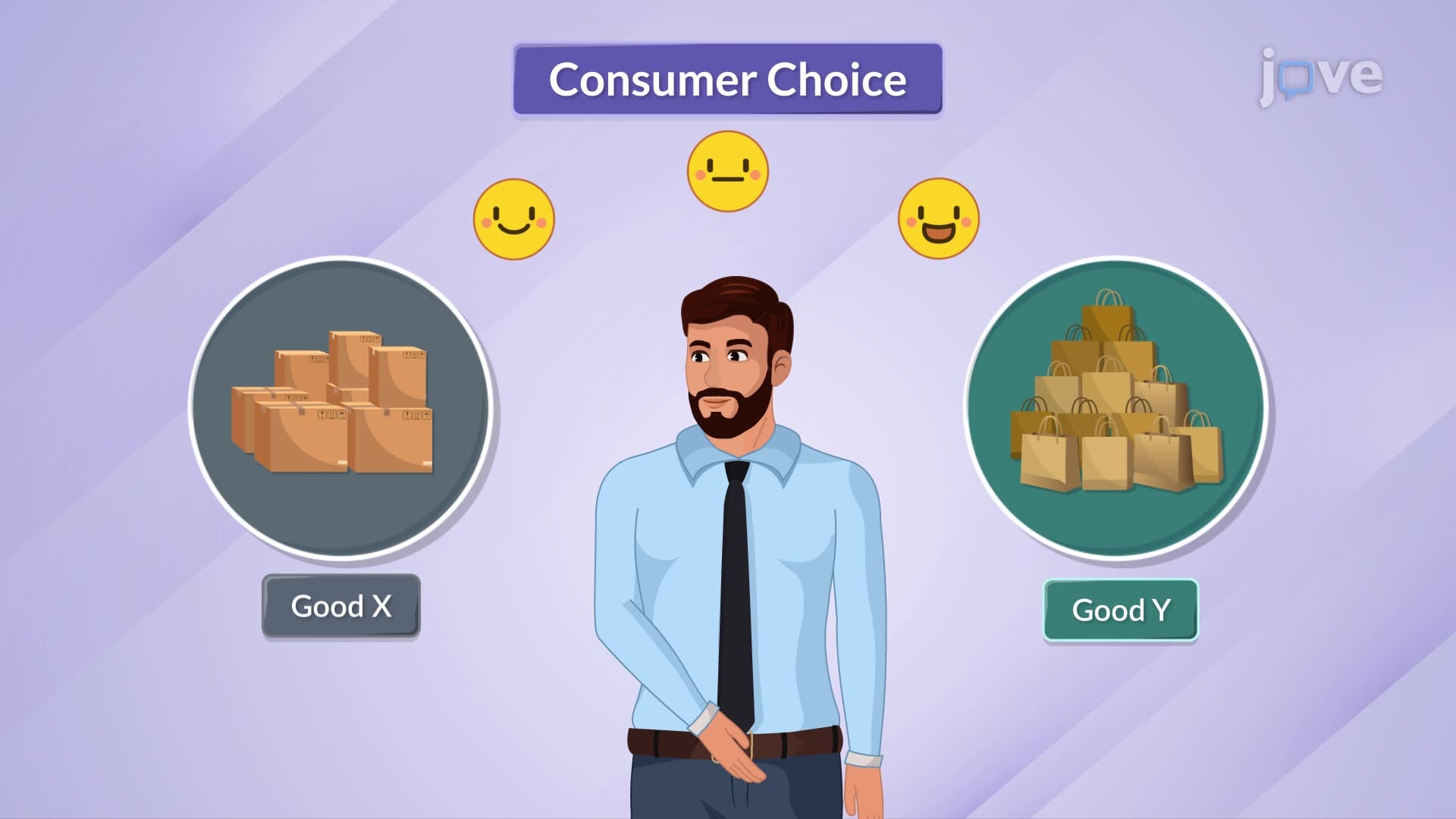
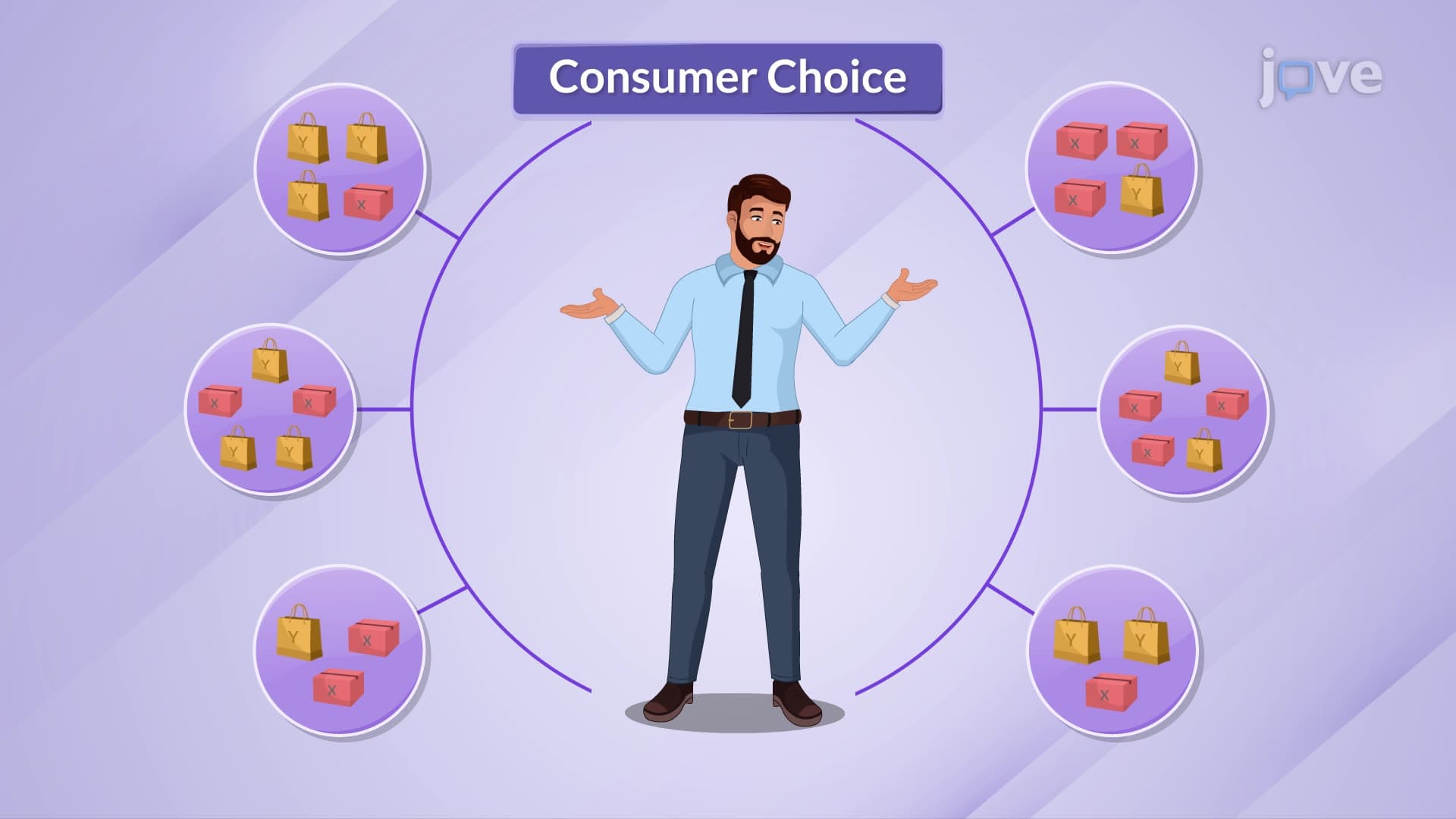

The Total Effect of Price Change

00:00
01:13
Video Summary: The Total Effect of Price Change Explained
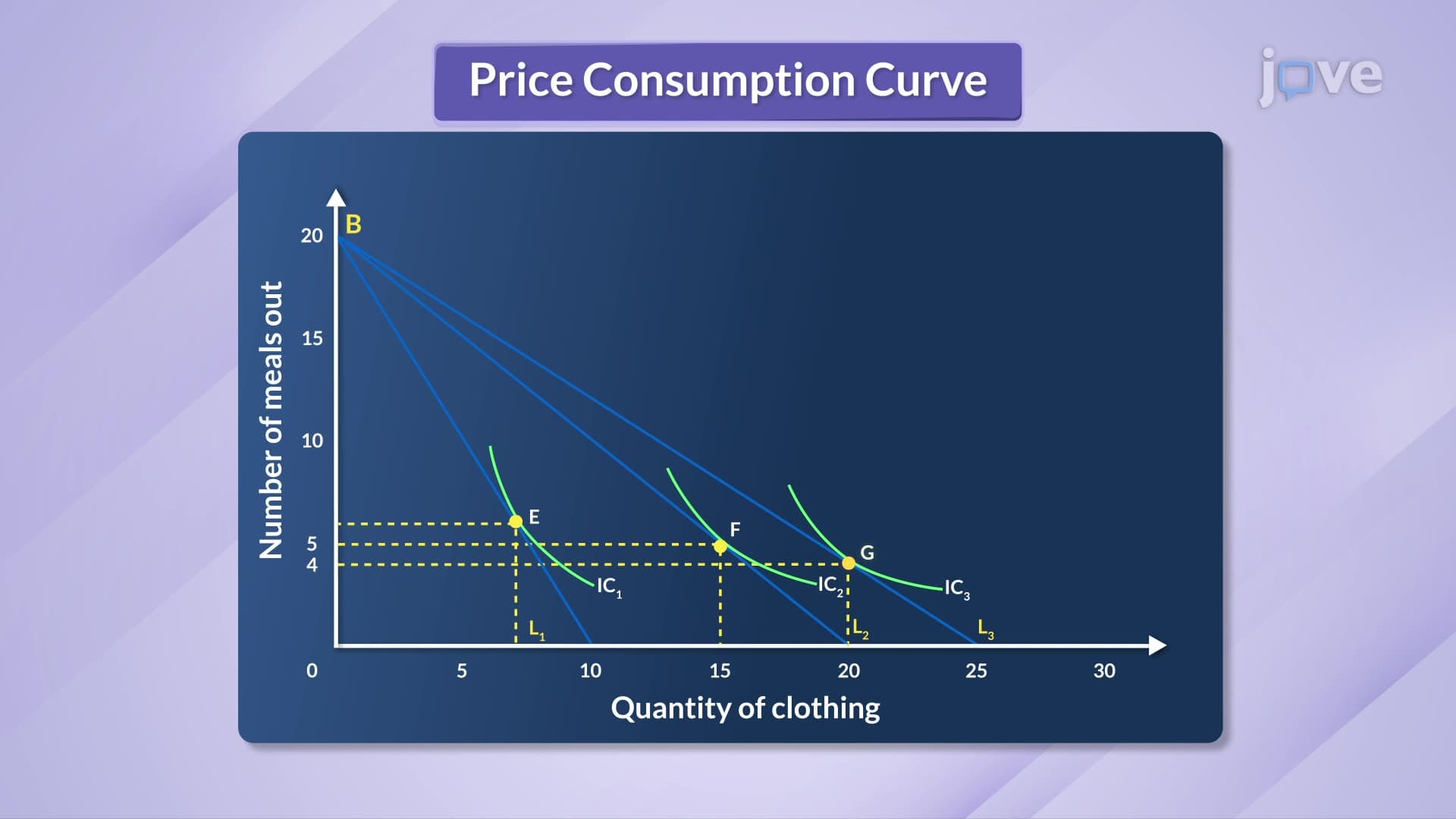
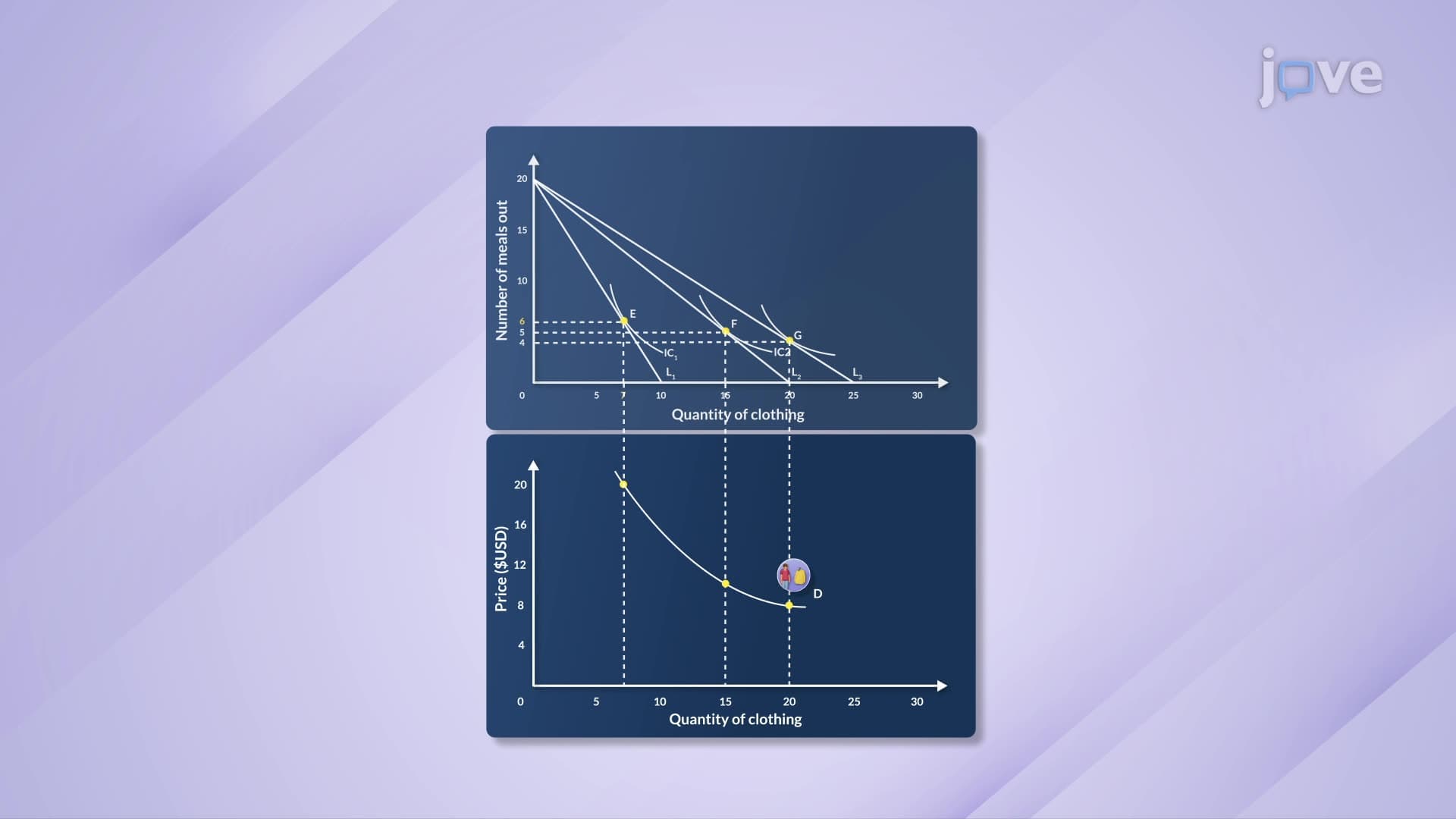
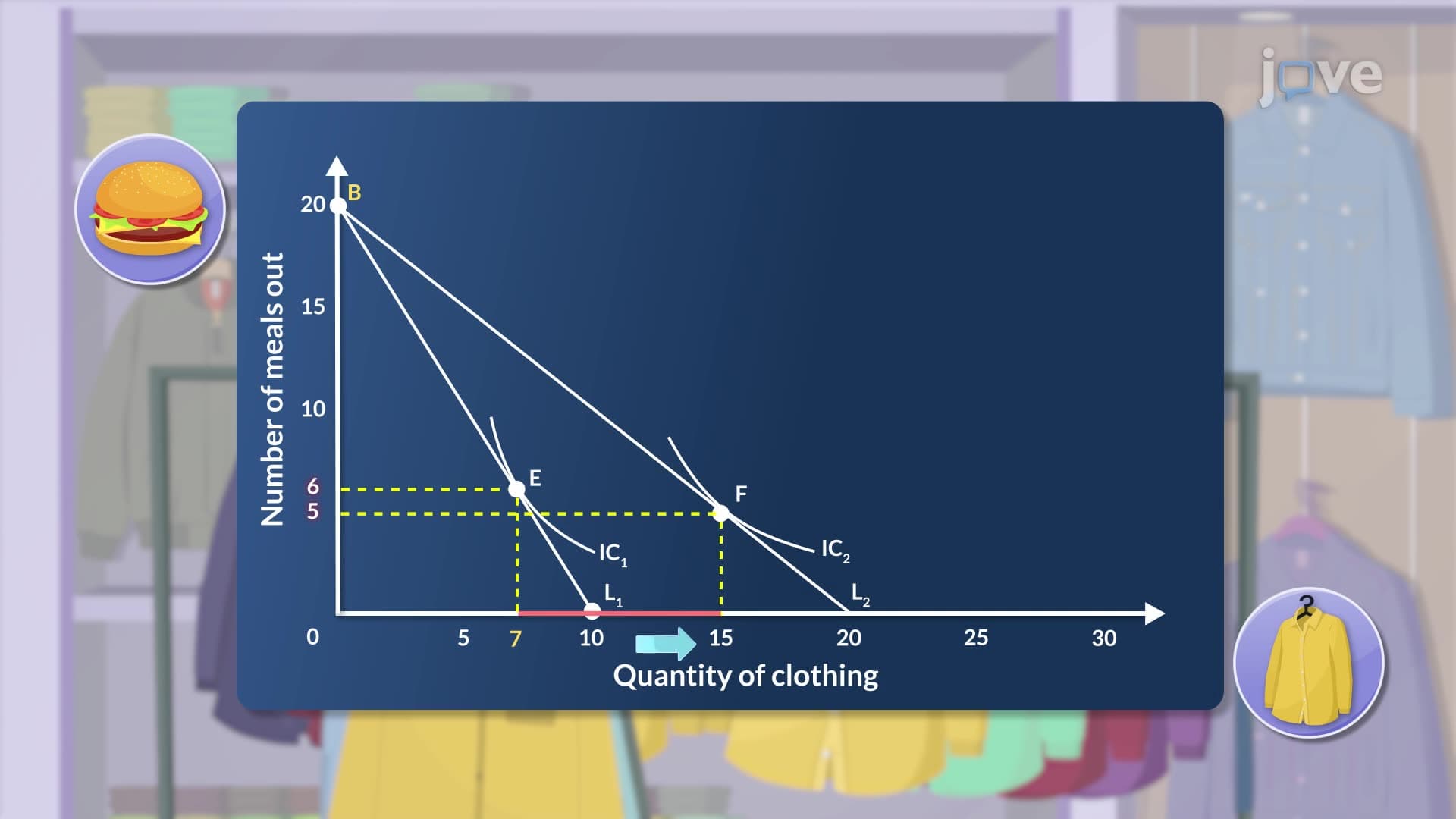
Ever wonder why you buy more coffee when Starbucks runs a discount promotion? The total effect price change explains this phenomenon through consumer behavior economics. When Apple reduces iPhone prices, consumers typically purchase more units due to the total effect of price change explained through budget constraints and indifference curves. This concept demonstrates how John's clothing purchases increased from seven to fifteen units when prices dropped from $20 to $10 per unit. Watch the full video on JoVE Coach to master this concept with expert-led visuals and step-by-step explanations.
- Understand the total effect of price change explained as the complete change in quantity demanded when a product's price changes
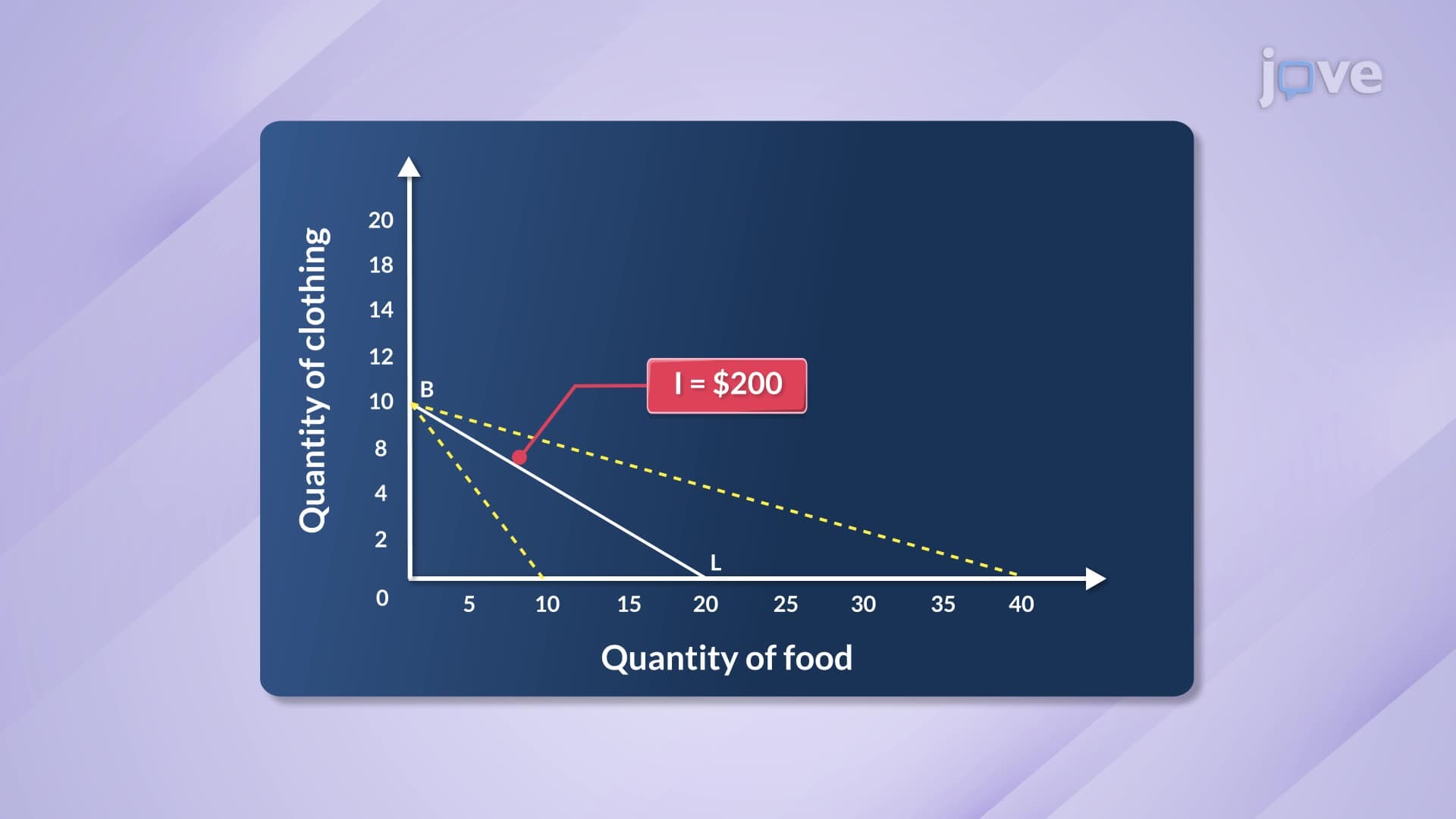
- Identify how budget lines rotate when prices change, creating new equilibrium points for consumer purchases
- Analyze the relationship between price decreases and quantity increases using indifference curve analysis
- Compare original and new equilibrium points to measure the total effect magnitude
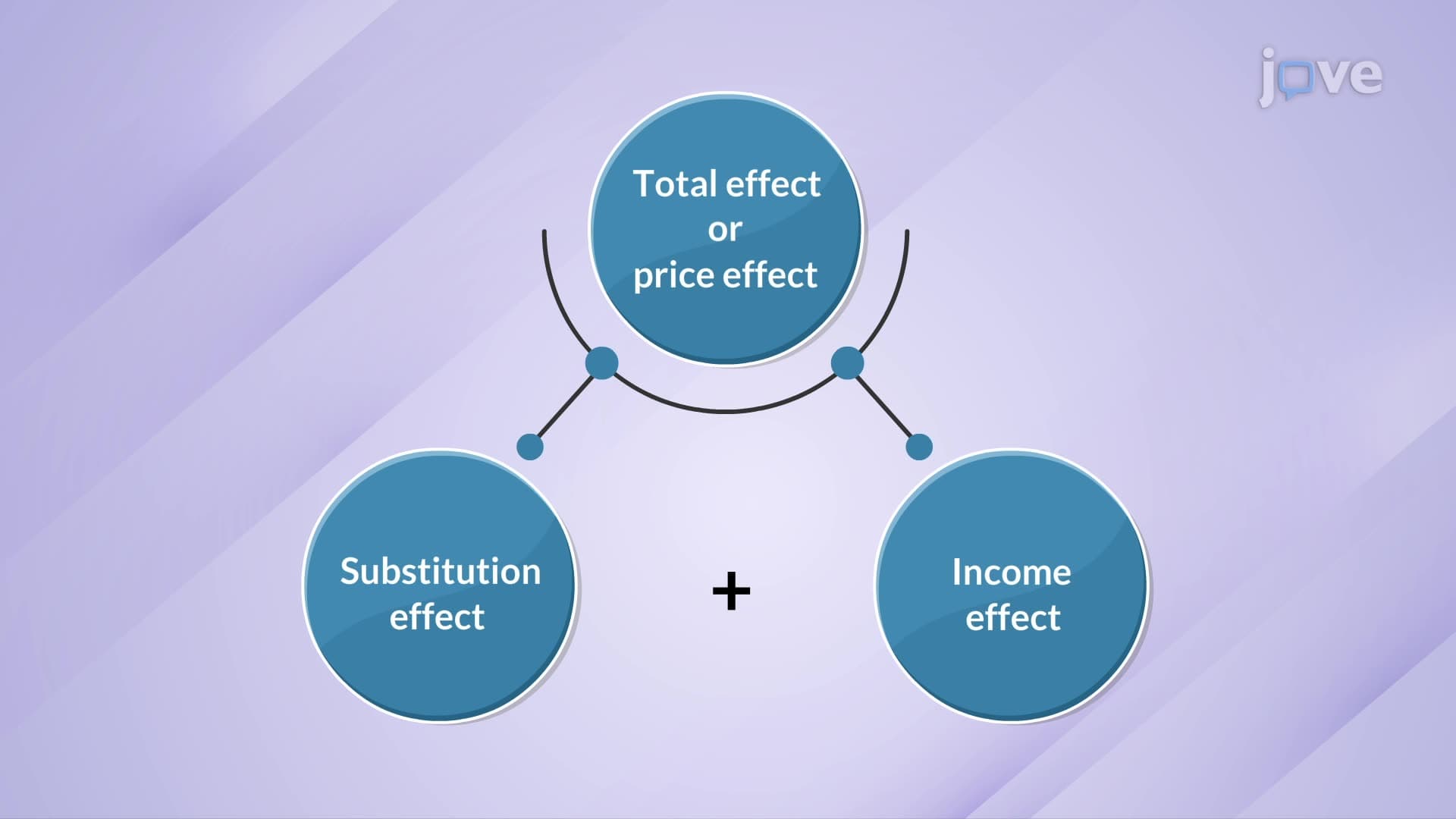
- Evaluate how the total effect combines both substitution and income effects in consumer decision-making
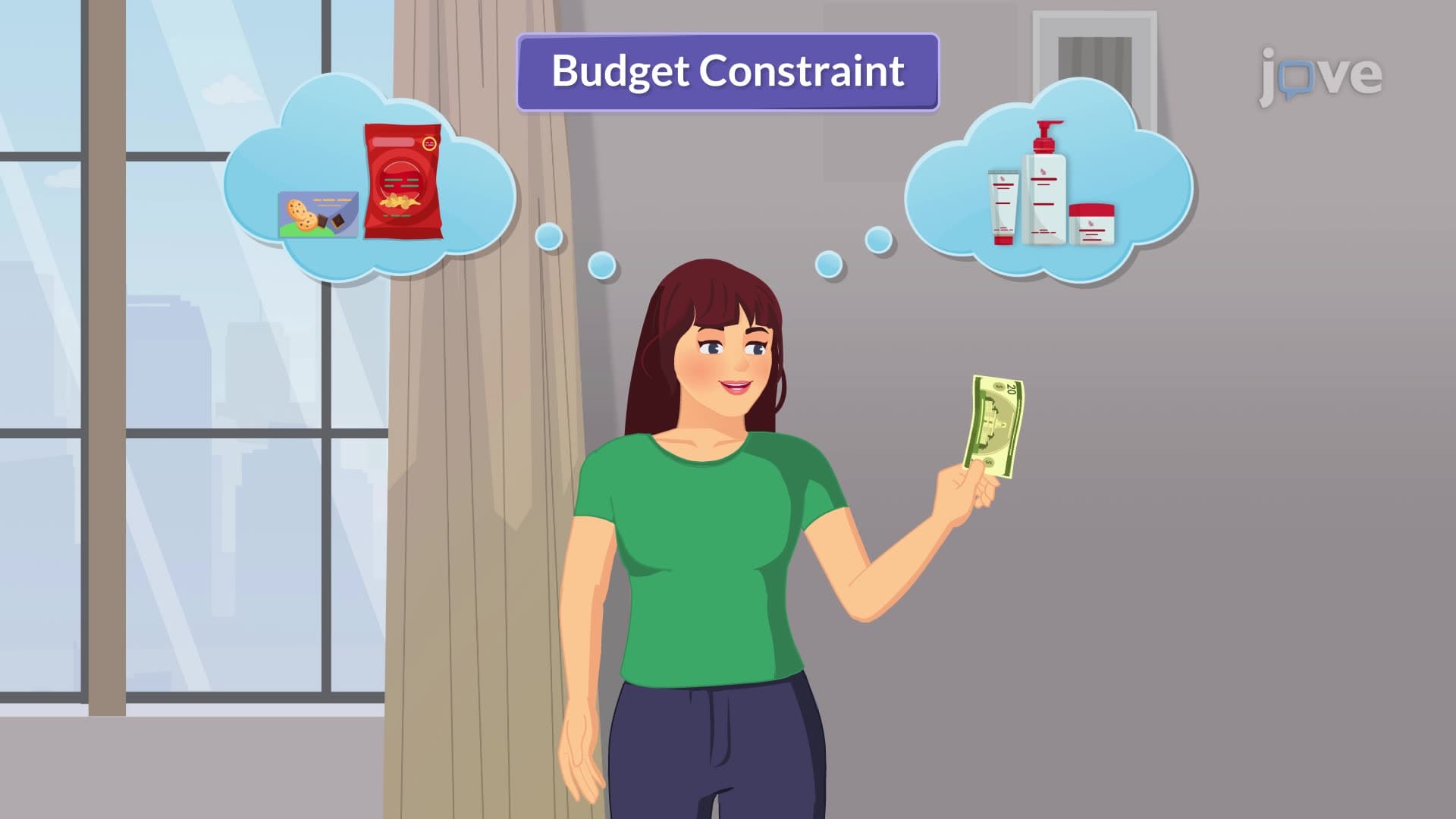
- Apply budget constraint concepts to predict consumer behavior changes following price adjustments
- Recognize the graphical representation of total effect using budget lines and indifference curves
- Explore real-world applications of total effect analysis in business pricing strategies
Understanding the Total Effect of Price Change Explained
The total effect of price change represents the complete adjustment in consumer purchasing behavior when a product's price shifts. This fundamental microeconomic concept captures how rational consumers respond to price changes by adjusting their consumption patterns to maximize utility within their budget constraints.
Components of the Total Effect Analysis
The total effect encompasses two distinct economic forces working simultaneously. The substitution effect occurs when consumers replace relatively expensive goods with cheaper alternatives, while the income effect reflects changes in purchasing power. When Netflix reduces subscription prices, consumers experience both effects: they substitute away from competing streaming services (substitution effect) and feel wealthier due to lower entertainment costs (income effect).
Graphical Representation and Mathematical Framework
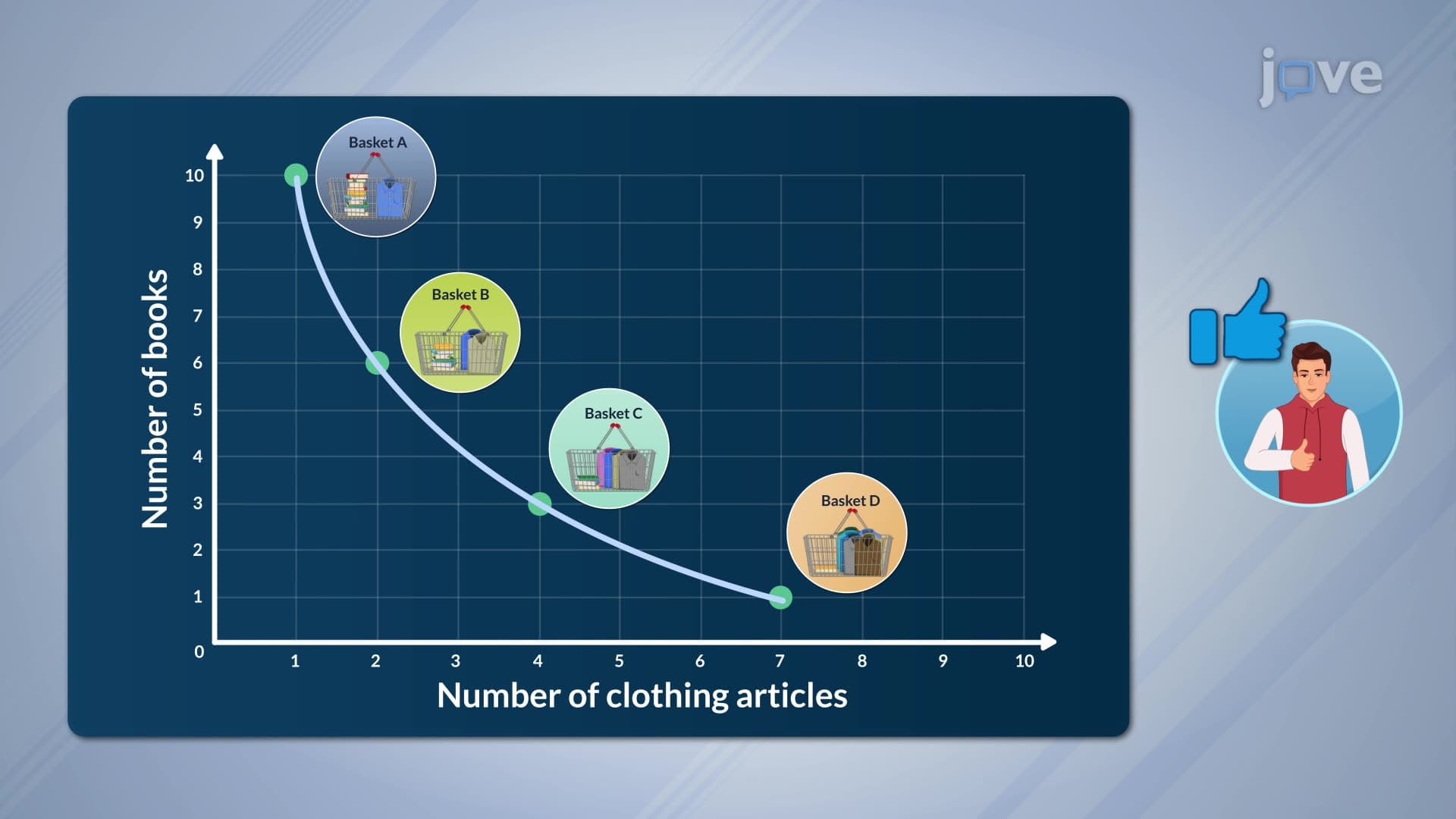
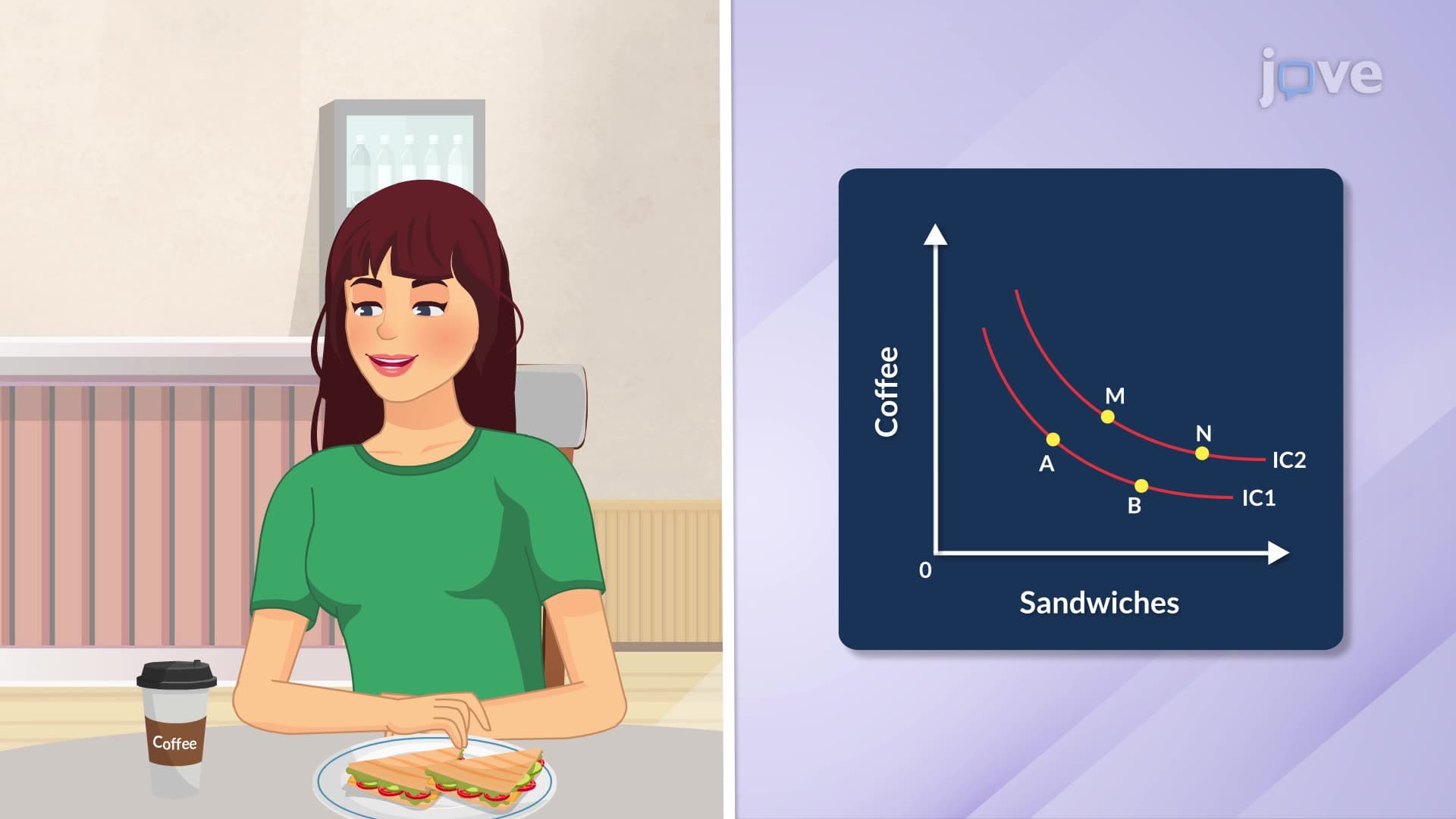
Consumer equilibrium analysis uses indifference curves and budget lines to visualize the total effect. The original equilibrium point represents optimal consumption before price changes, while the new equilibrium shows post-change consumption patterns. Budget line rotation occurs when one good's price changes-the line pivots around the intercept of the unchanged good's axis. For AP Economics students, mastering this graphical analysis proves essential for exam success, particularly in free-response questions requiring detailed diagrams.
Real-World Applications in US Markets
Major retailers like Target and Walmart regularly implement price changes that demonstrate total effect principles. During Black Friday sales, electronics prices drop significantly, causing consumers to purchase larger quantities than normal. This behavior exemplifies the total effect: lower prices increase both affordability (income effect) and relative attractiveness compared to competitors (substitution effect). College students studying for economics midterms should recognize these patterns in everyday purchasing decisions, from textbook buying to dining choices when campus meal prices fluctuate.
Frequently Asked Questions
The total effect of price change measures the complete change in quantity demanded when a product's price changes. It combines how consumers substitute between goods and adjust to their changed purchasing power. This concept helps economists predict consumer behavior and assists businesses in pricing strategies.
AP Microeconomics frequently tests total effect through graphing exercises and free-response questions. Students must draw budget constraints, indifference curves, and identify equilibrium shifts. The College Board emphasizes connecting theoretical concepts to real-world scenarios, making total effect analysis crucial for scoring high marks.
Total effect includes both substitution and income effects combined, while substitution effect isolates only the relative price change impact. College midterms often require students to decompose total effect into these components using compensating variation analysis. Understanding this distinction proves vital for advanced microeconomics coursework.
When gasoline prices dropped dramatically in 2020, Americans increased driving frequency and chose gas-powered vehicles over electric alternatives. The total effect included substituting toward gas-consuming activities (substitution effect) and feeling wealthier due to lower fuel costs (income effect). This demonstrates both components working together.
High school students can absolutely master total effect concepts with proper foundation building. Starting with basic supply and demand, then progressing to budget constraints makes this topic accessible. Many successful AP Economics students learn these principles effectively through visual aids and practical examples.
Practice drawing graphs repeatedly, focusing on budget line rotations and equilibrium shifts. Create flashcards linking mathematical changes to real-world scenarios like restaurant price changes or clothing sales. Work through past AP exam questions to identify common testing patterns and perfect your graphing technique.
Total effect analysis provides the foundation for understanding consumer surplus changes when prices shift. Advanced students study how price decreases create additional consumer surplus through both substitution and income channels. This connection becomes crucial in welfare economics and policy analysis coursework.
Progress to producer theory, including cost curves and profit maximization, then advance to market structures and game theory. Understanding total effect thoroughly prepares students for intermediate microeconomics topics like compensating and equivalent variation measures used in advanced welfare analysis.
Related Micro-courses