Loading video…


 22 Concepts
 9.9K views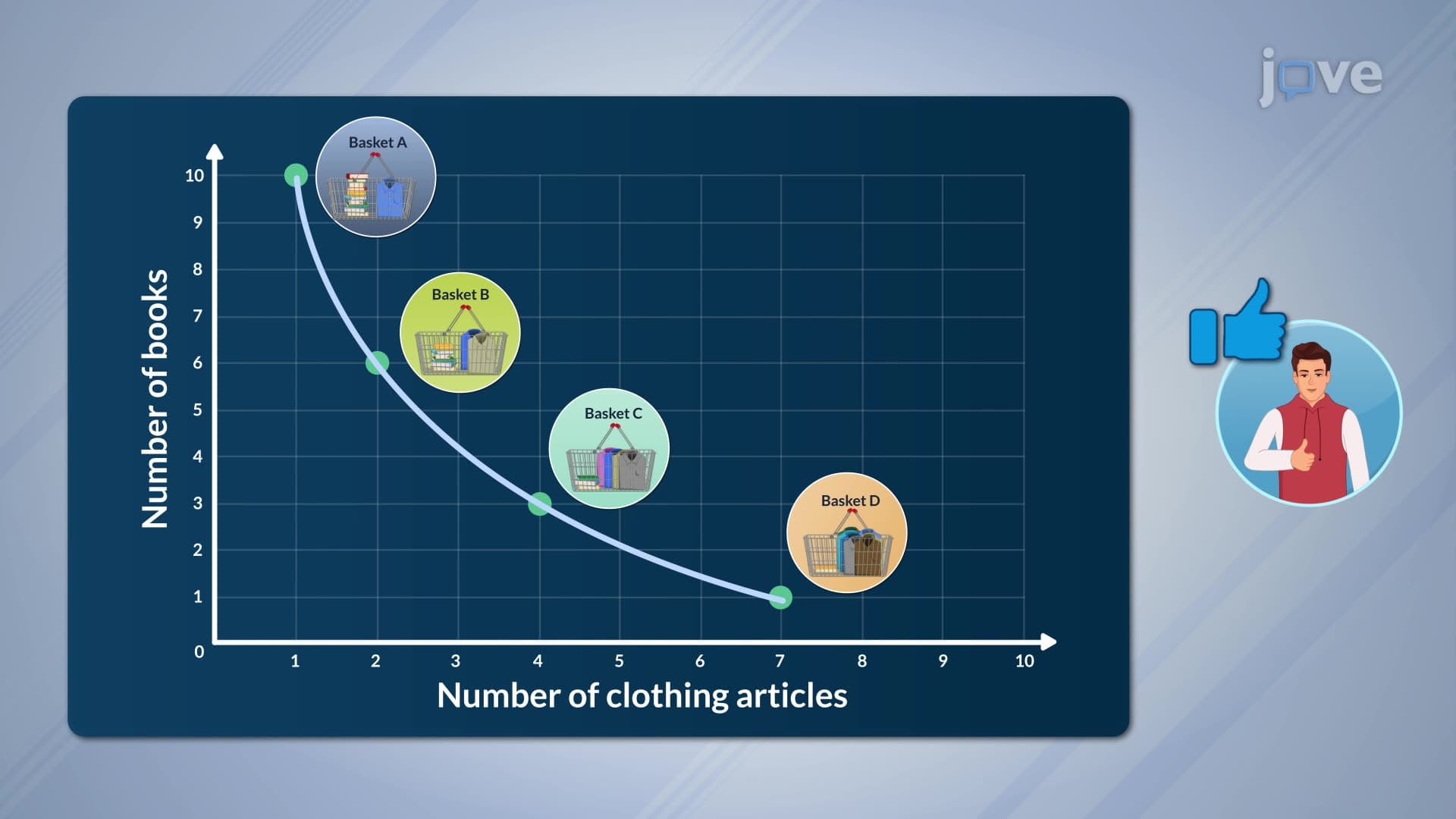

Video Summary: What are Indifference Curves
Ever wonder why choosing between an iPhone and Samsung Galaxy feels impossible? Indifference curves map these preference dilemmas by showing combinations of two goods that provide equal satisfaction. Consider a college student deciding between concert tickets and textbooks-when different combinations of these items provide the same happiness level, they form an indifference curve on a graph. This economic concept helps explain consumer behavior in markets from Starbucks coffee choices to Netflix subscription decisions. Watch the full video on JoVE Coach to master this concept with expert-led visuals and step-by-step explanations.
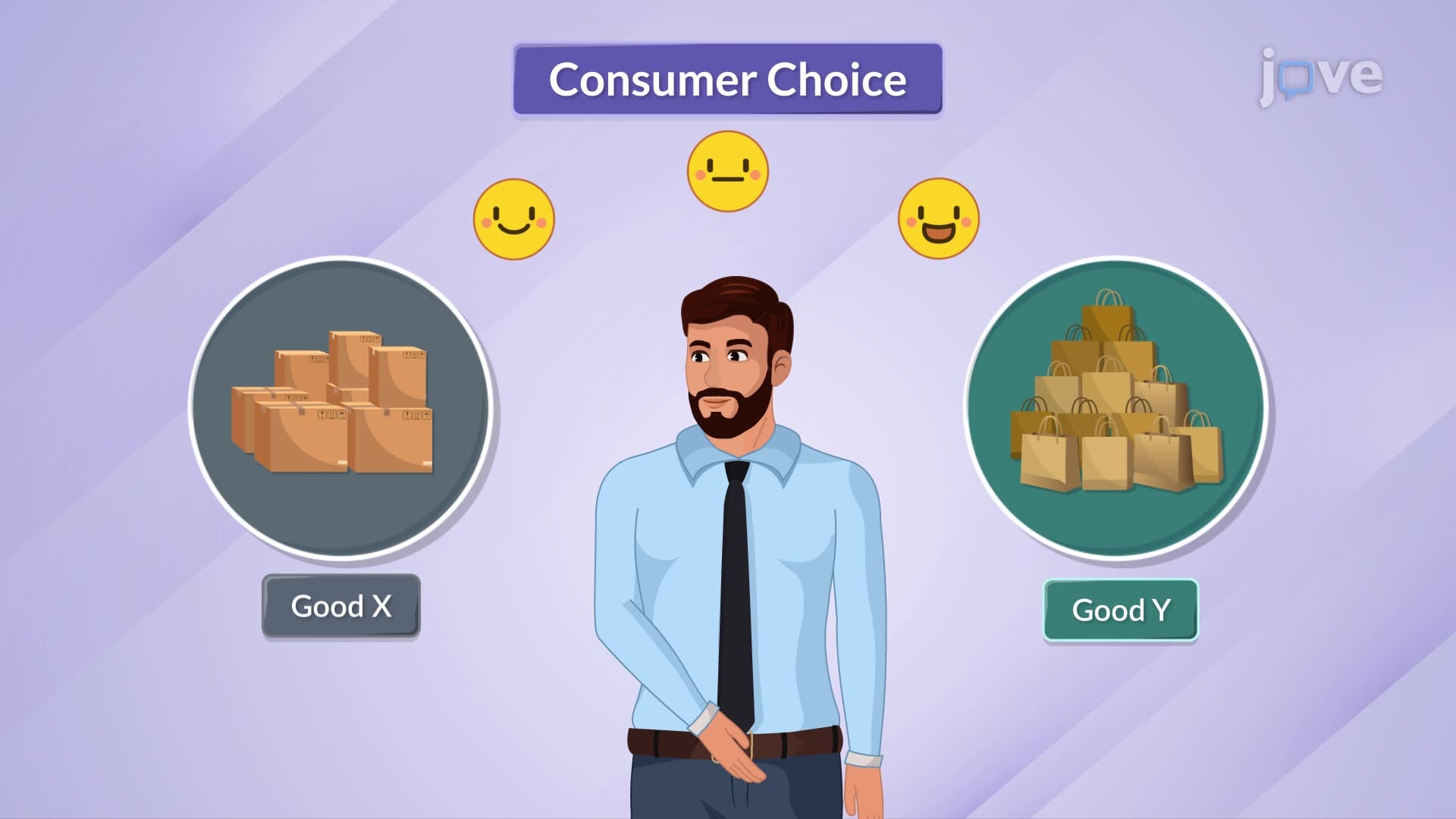
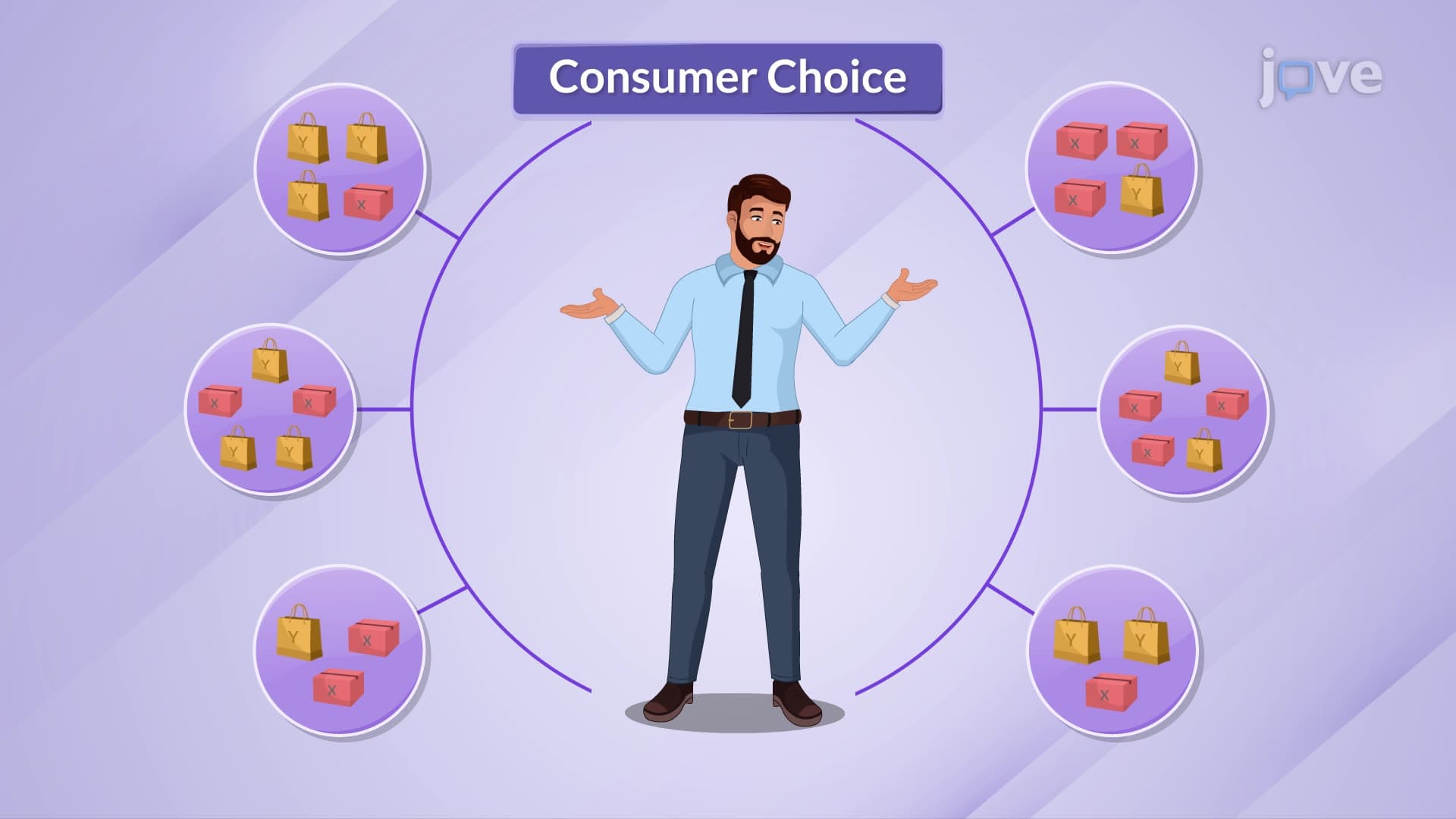
Indifference curves form the foundation of consumer choice theory in microeconomics. These graphical tools demonstrate how consumers make decisions when faced with trade-offs between different goods. Unlike simple preference rankings, indifference curves reveal the precise combinations of products that yield identical satisfaction levels.
The mathematical beauty of this indifference curves concept explained lies in its ability to quantify subjective preferences. When economists plot various combinations of two goods-say, pizza slices and movie tickets-that provide equal utility, the resulting curve reveals deep insights about consumer behavior patterns.
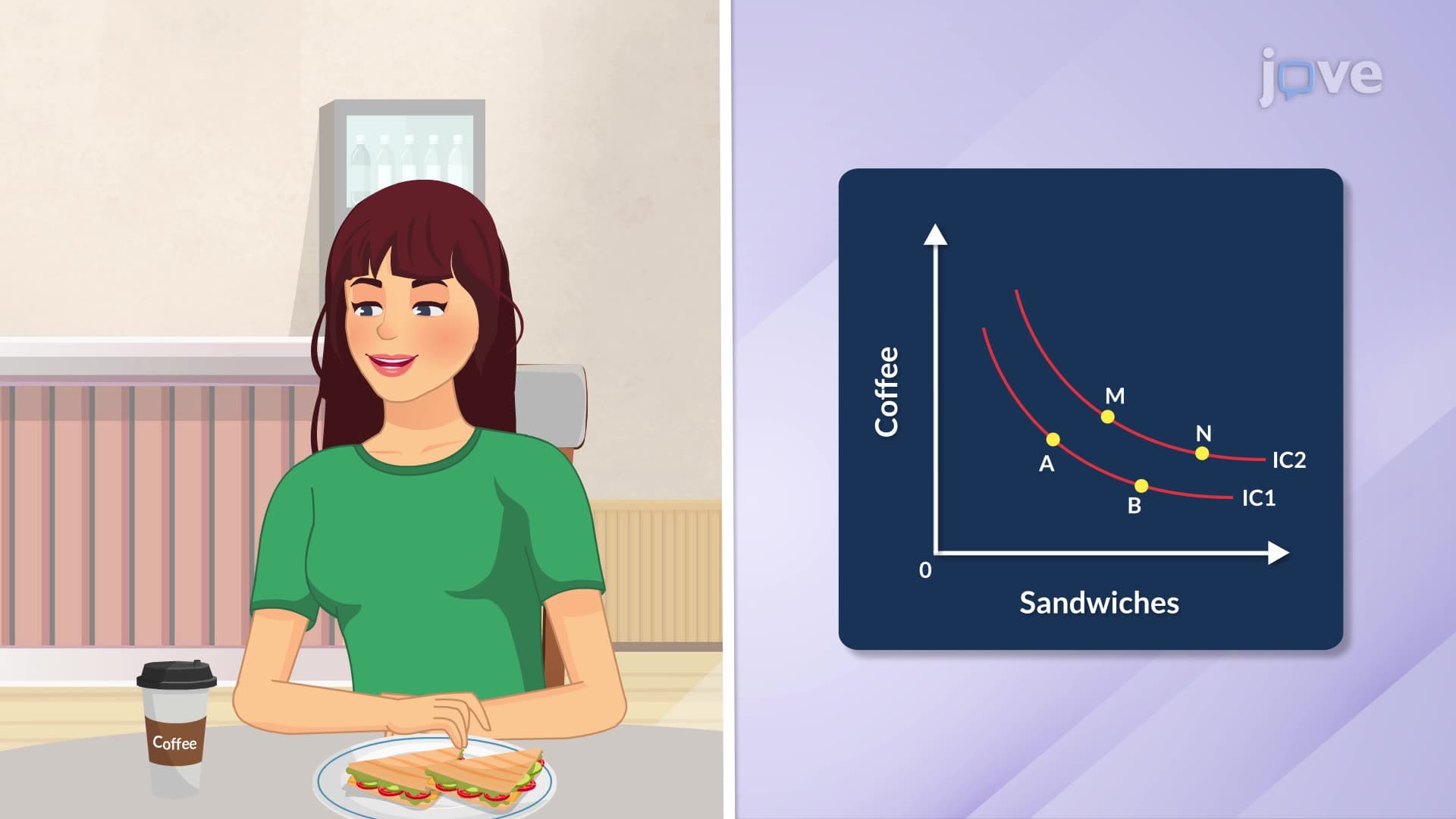
Every indifference curve follows specific mathematical properties that make economic sense. First, they slope downward from left to right, reflecting the trade-off principle-to maintain constant satisfaction while consuming less of one good, you must consume more of another. Second, they're typically convex to the origin, showing diminishing marginal rates of substitution.
Higher indifference curves represent greater satisfaction levels. A student choosing between study hours and leisure time will have multiple curves: one showing combinations providing basic satisfaction, another showing combinations yielding higher happiness levels. This indifference curves definition captures why rational consumers always prefer combinations on higher curves.
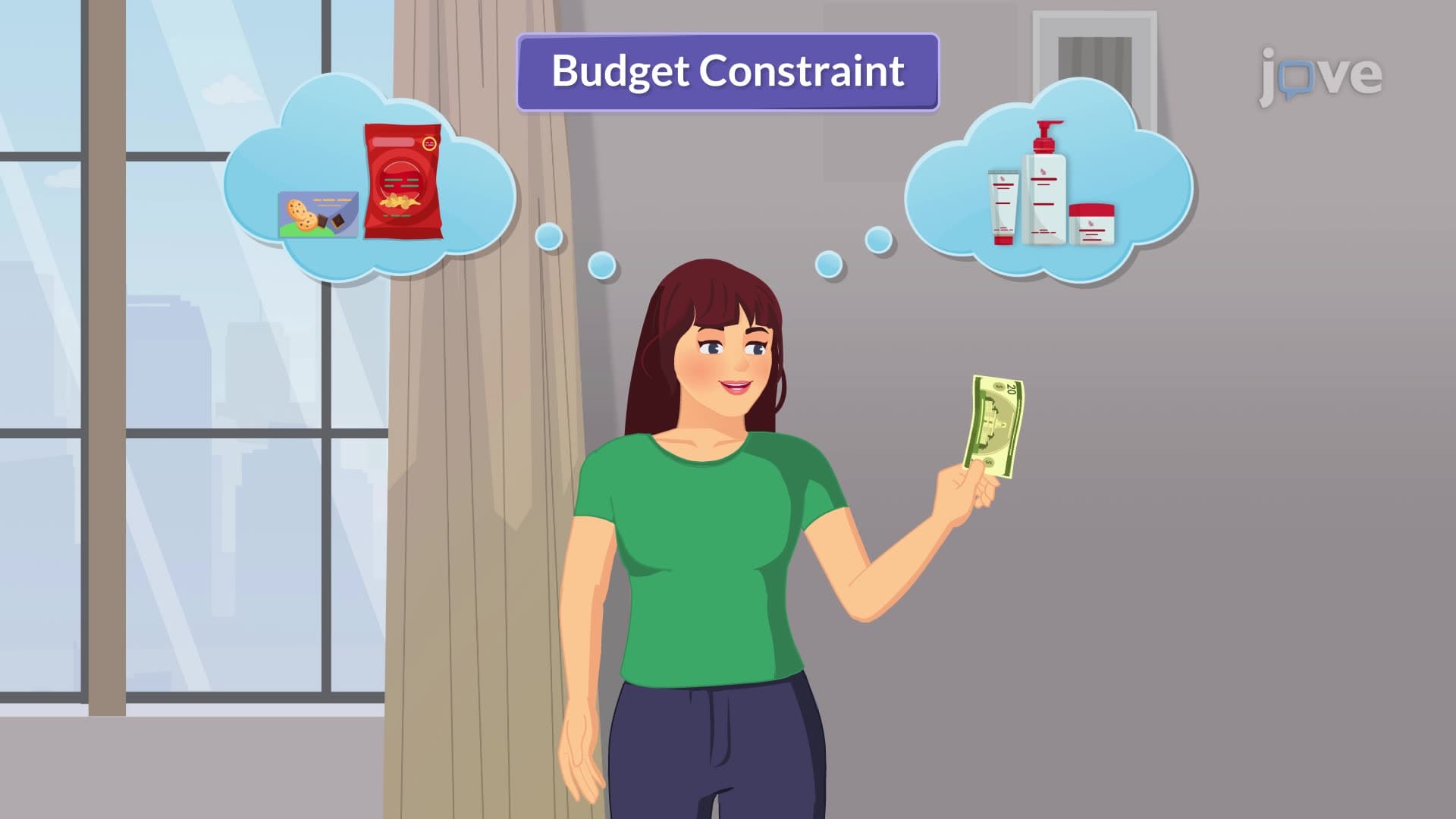
Consider Amazon Prime members choosing between free shipping speed and streaming content access. Different combinations of these benefits create indifference curves that Amazon's pricing strategies target. Similarly, college students at universities like UCLA or University of Texas face indifference curves when allocating limited budgets between dining plans and textbooks.
Investment portfolios demonstrate another practical application. Financial advisors use indifference curve principles when helping clients balance risk versus return-different combinations of stocks and bonds that provide equal expected utility form investor indifference curves.
This indifference curves study guide material appears extensively in AP Economics exams, particularly in microeconomics sections covering consumer theory. College-level intermediate microeconomics courses at institutions like Harvard Business School and Wharton frequently test students' ability to draw, interpret, and analyze these curves.
MCAT economics passages sometimes include indifference curve scenarios in their social science sections. Understanding these concepts proves crucial for students pursuing economics majors or business degrees, as they build toward more complex topics like general equilibrium theory and welfare economics.
Related Micro-courses