Loading video…


 22 Concepts
 9.9K views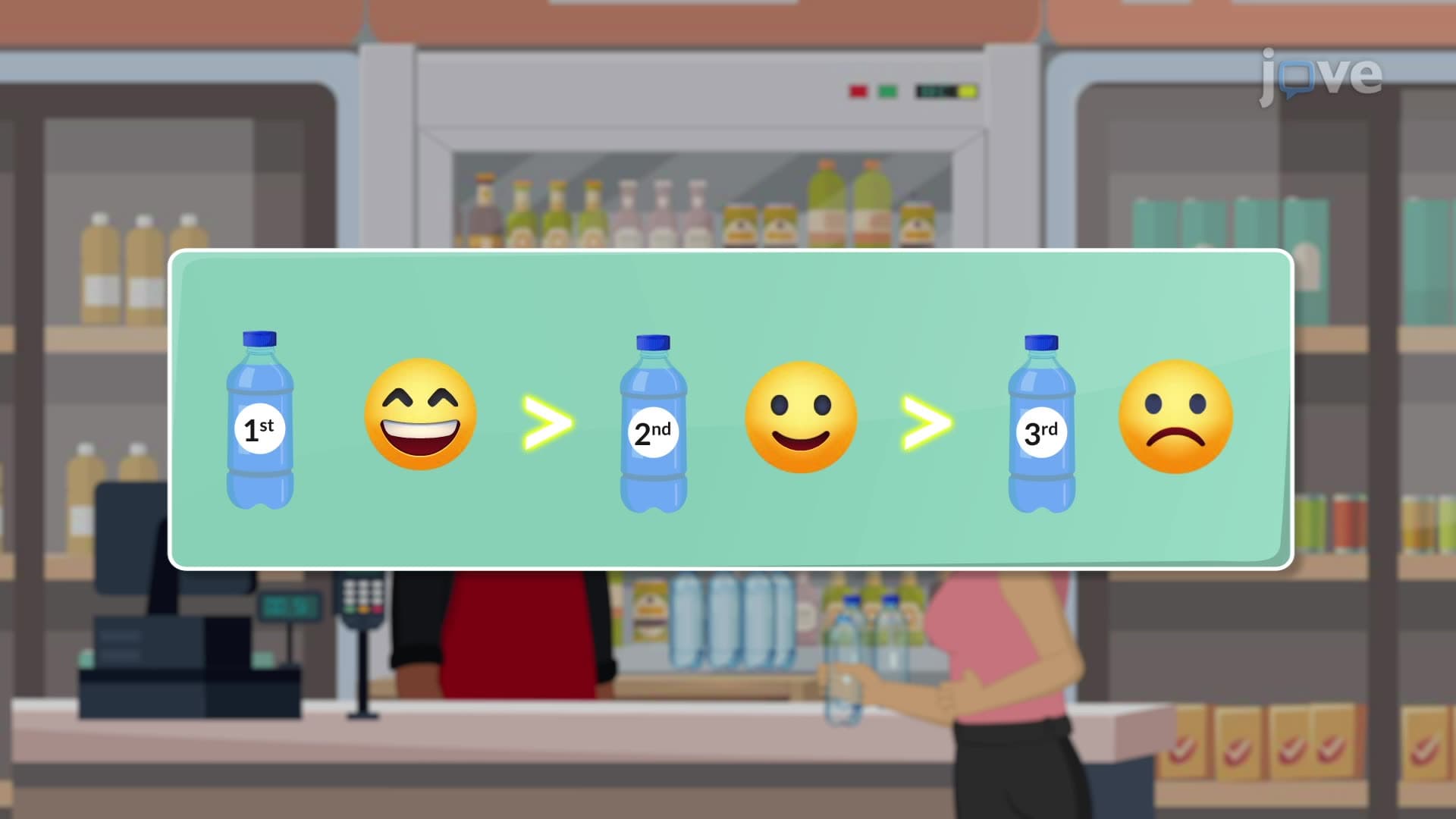

Video Summary: What Is Marginal Utility
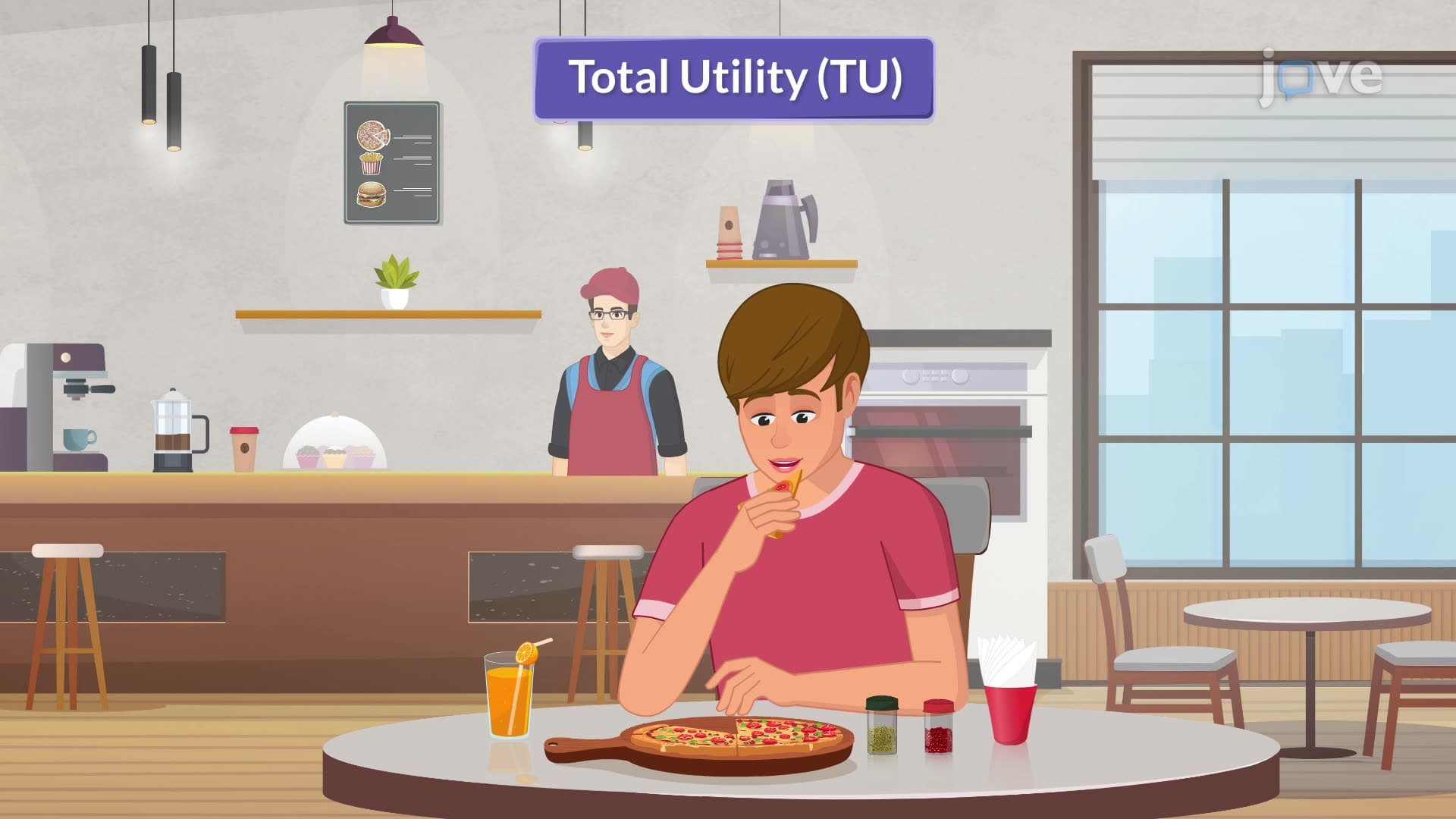
Ever wonder why that first slice of pizza tastes amazing, but the fourth slice leaves you feeling queasy? Marginal utility explains this everyday phenomenon by measuring the additional satisfaction you gain from consuming one more unit of any good or service. Consider how Netflix subscribers might binge-watch their favorite series-the first episode brings maximum enjoyment, but each subsequent episode provides diminishing satisfaction until they eventually stop watching. This economic principle, known as the law of diminishing marginal utility, applies to virtually every consumption decision Americans make daily. Watch the full video on JoVE Coach to master this concept with expert-led visuals and step-by-step explanations.
Marginal utility represents the change in total satisfaction (utility) that results from consuming one additional unit of a good or service. This foundational microeconomic concept helps explain why consumers make specific purchasing decisions and how they allocate limited resources among competing alternatives. Unlike total utility, which measures overall satisfaction from all units consumed, marginal utility focuses specifically on the incremental benefit of the "next" unit.
The mathematical expression for marginal utility is: MU = ΔTU / ΔQ, where MU represents marginal utility, ΔTU represents the change in total utility, and ΔQ represents the change in quantity consumed. This formula appears frequently on AP Economics exams and college-level microeconomics courses across American universities.
The law of diminishing marginal utility states that as consumption of a good increases, the marginal utility derived from each additional unit decreases, holding all other factors constant. This principle explains why Starbucks customers don't typically order ten lattes in one sitting, despite loving their morning coffee ritual.
Consider a practical American example: attending baseball games. Your first MLB game of the season might provide tremendous excitement and satisfaction. The second game still brings joy, but perhaps less than the first. By your tenth game, you might feel less enthusiastic, and eventually, additional games could even create negative utility due to time constraints, expense fatigue, or simple oversaturation.
Marginal utility theory directly influences pricing strategies across American industries. Streaming services like Disney+ and Hulu use this principle when designing subscription tiers-they understand that consumers' marginal utility for content decreases after reaching optimal viewing levels. Similarly, all-you-can-eat restaurants like Golden Corral profit because customers naturally stop eating when marginal utility turns negative, regardless of the "unlimited" offering.
Understanding marginal utility proves essential for success on standardized tests including the SAT Subject Tests in Mathematics, AP Microeconomics examinations, and college economics courses at institutions like Harvard, Stanford, and state universities nationwide. Students frequently encounter marginal utility problems requiring graphical analysis and mathematical calculations.
Marginal utility curves typically slope downward from left to right, reflecting diminishing returns to consumption. The area under a marginal utility curve represents total utility, connecting these two fundamental concepts. Advanced students learn to manipulate these curves to solve optimization problems and predict consumer equilibrium points where marginal utility per dollar spent equals across all goods purchased.
Related Micro-courses