Loading video…


 22 Concepts
 9.9K views

Video Summary: What Is Consumer Choice Iii
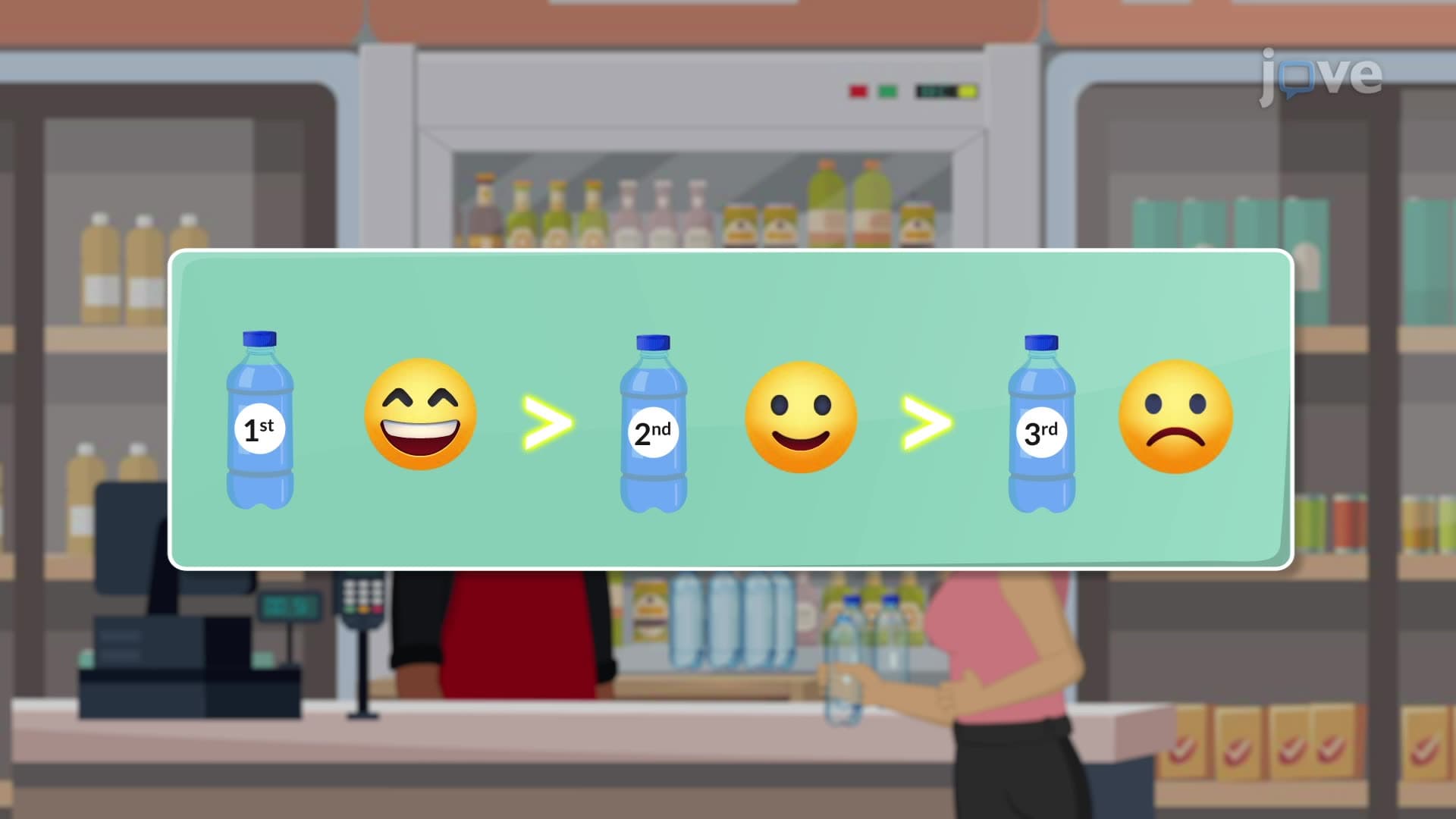
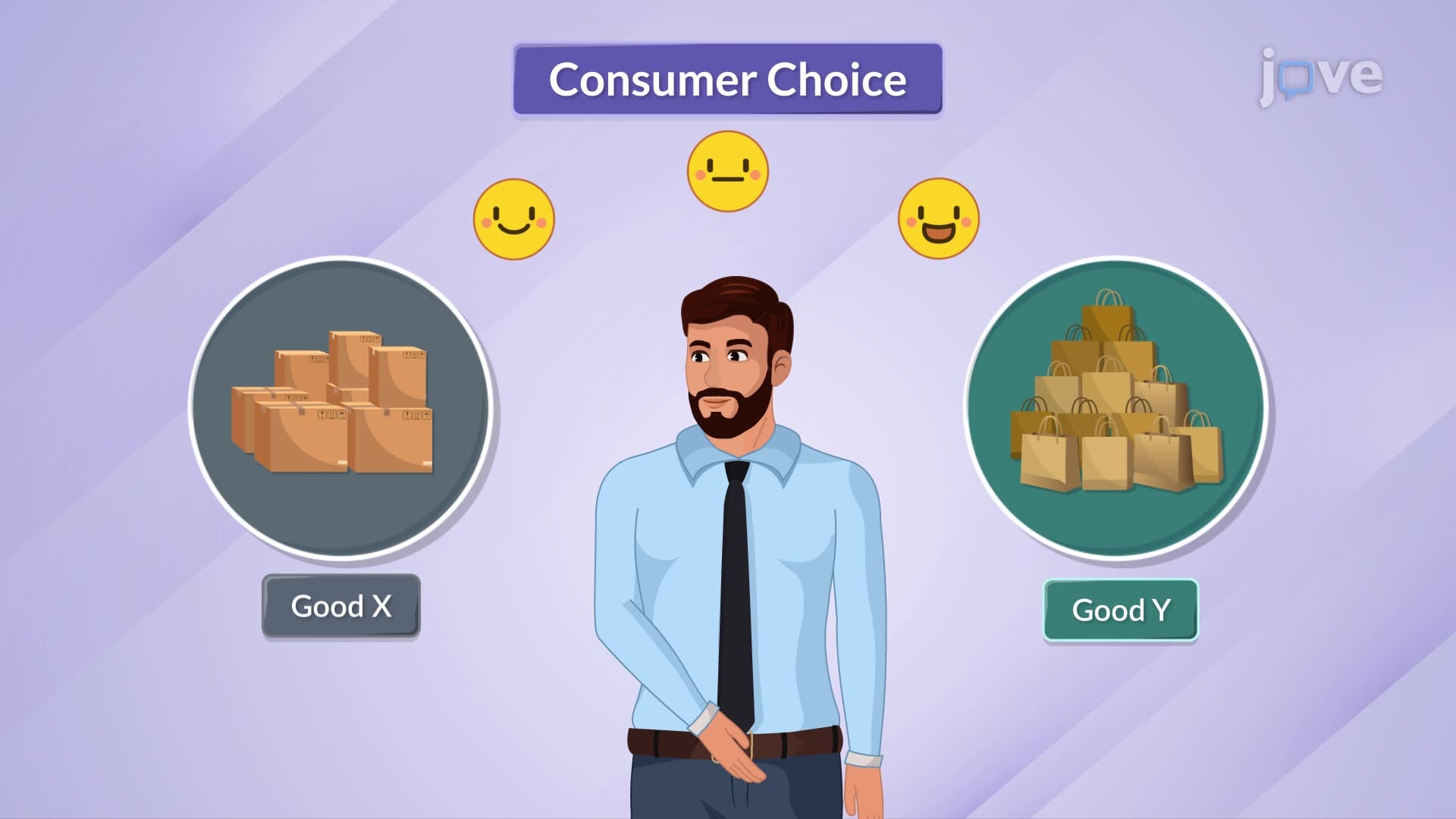
Ever wonder why you choose an iPhone over a Samsung, or Starbucks over Dunkin'? Consumer choice decisions like these follow predictable economic patterns that maximize your satisfaction within budget constraints. What is Consumer Choice III reveals how consumers reach optimal purchasing decisions when their marginal rate of substitution equals the price ratio between goods. For instance, when choosing between pizza slices and movie tickets with a $50 weekly budget, American teenagers unconsciously calculate this equilibrium point. Watch the full video on JoVE Coach to master this concept with expert-led visuals and step-by-step explanations.
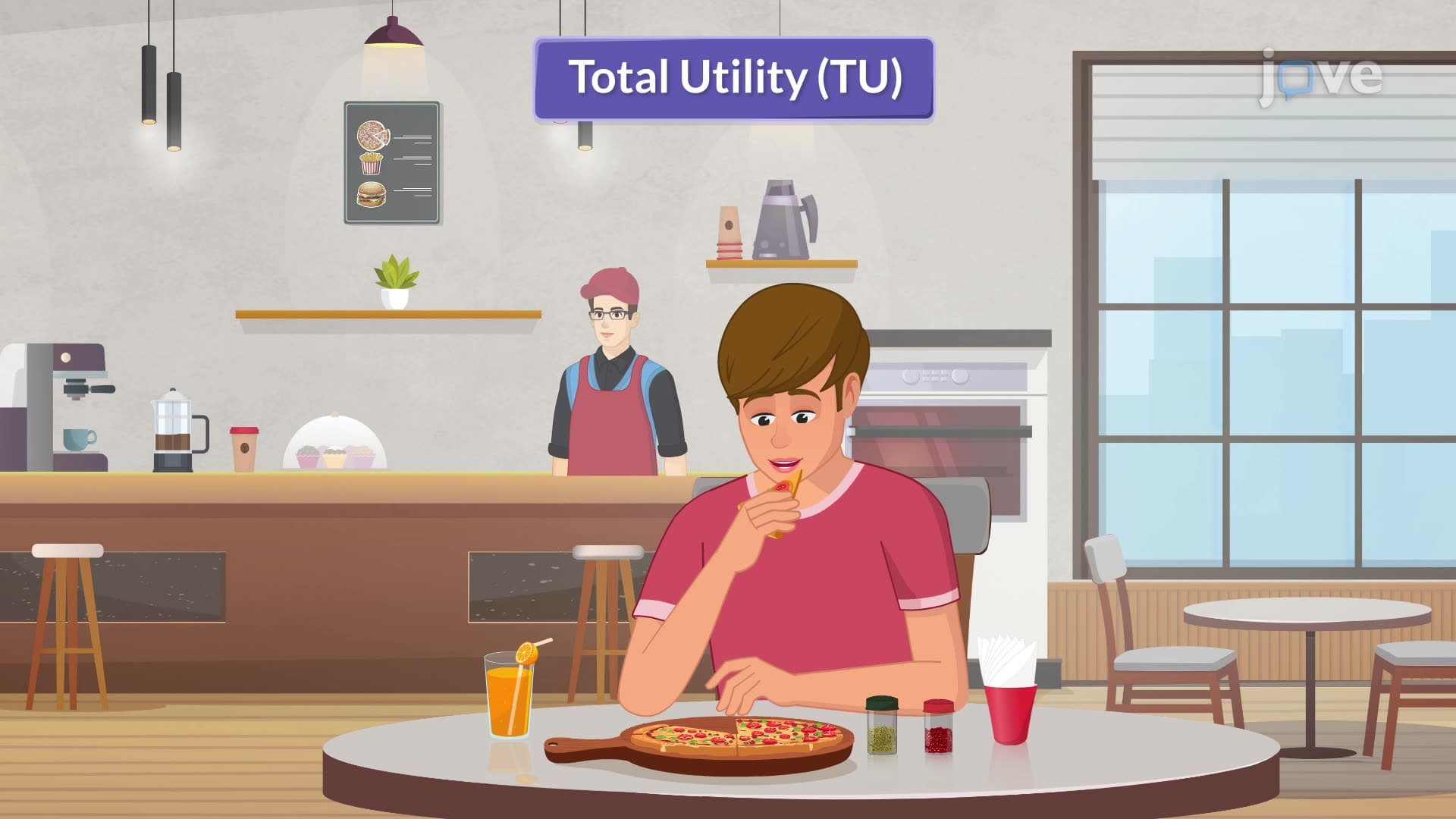
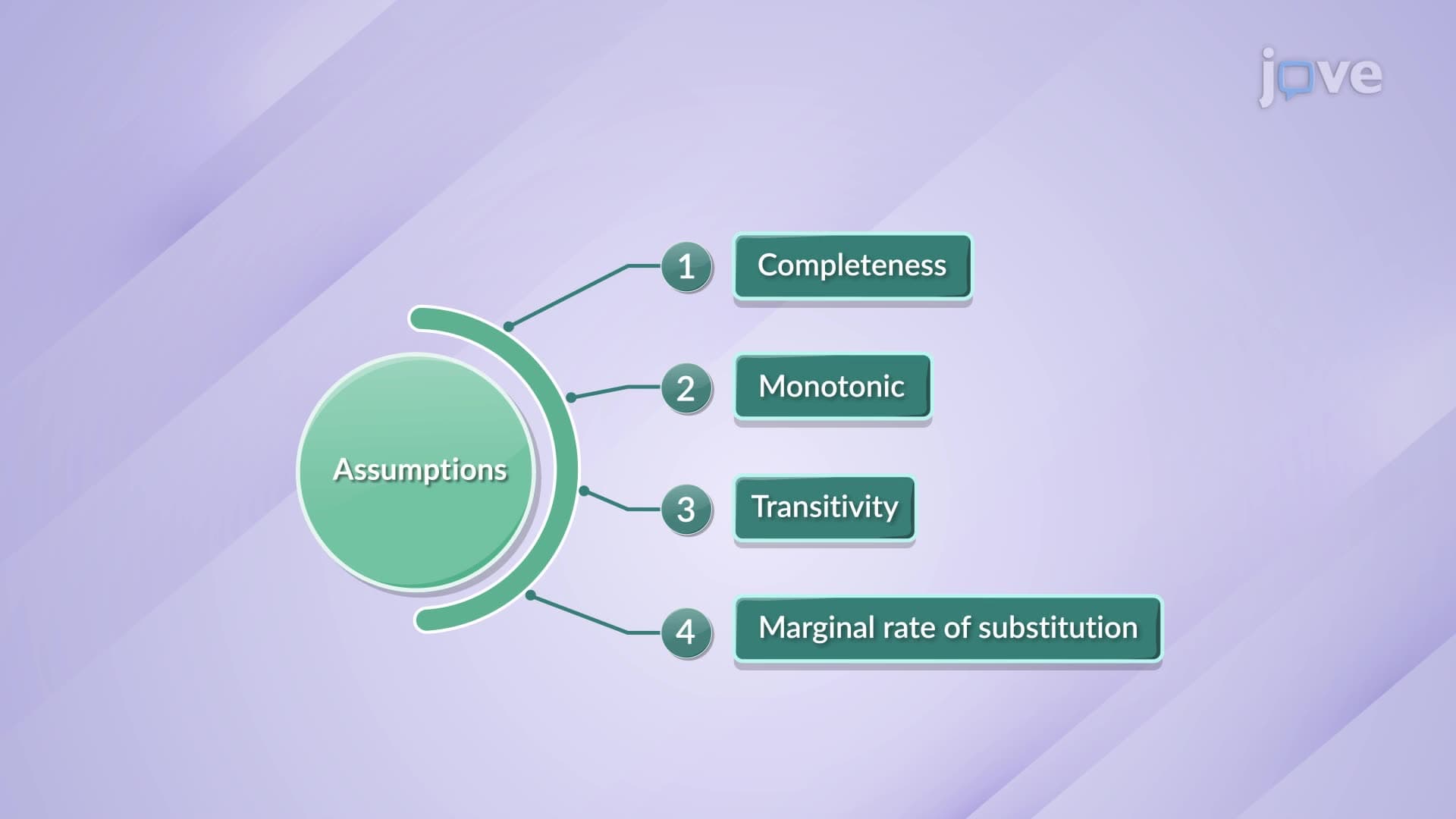
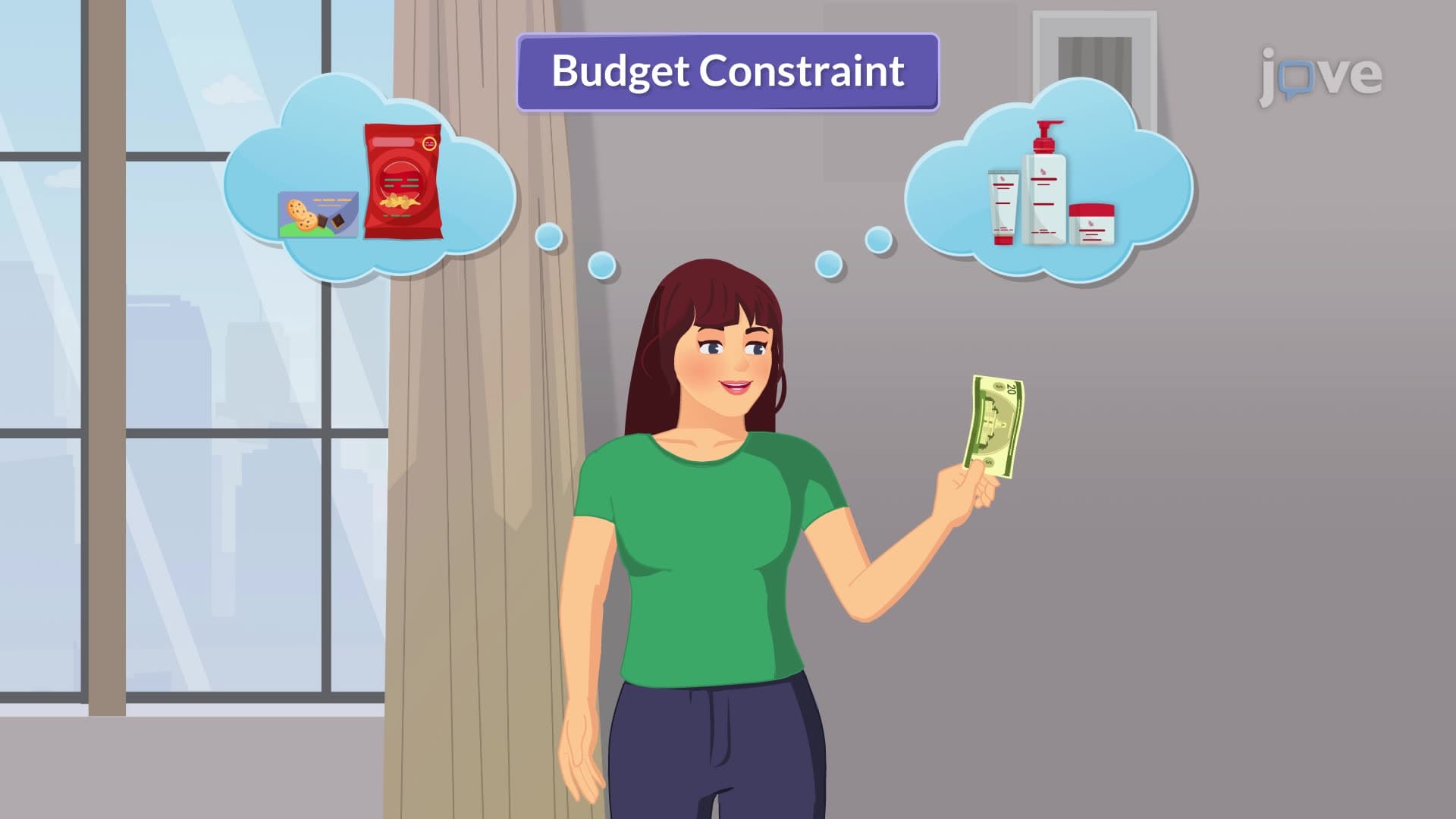
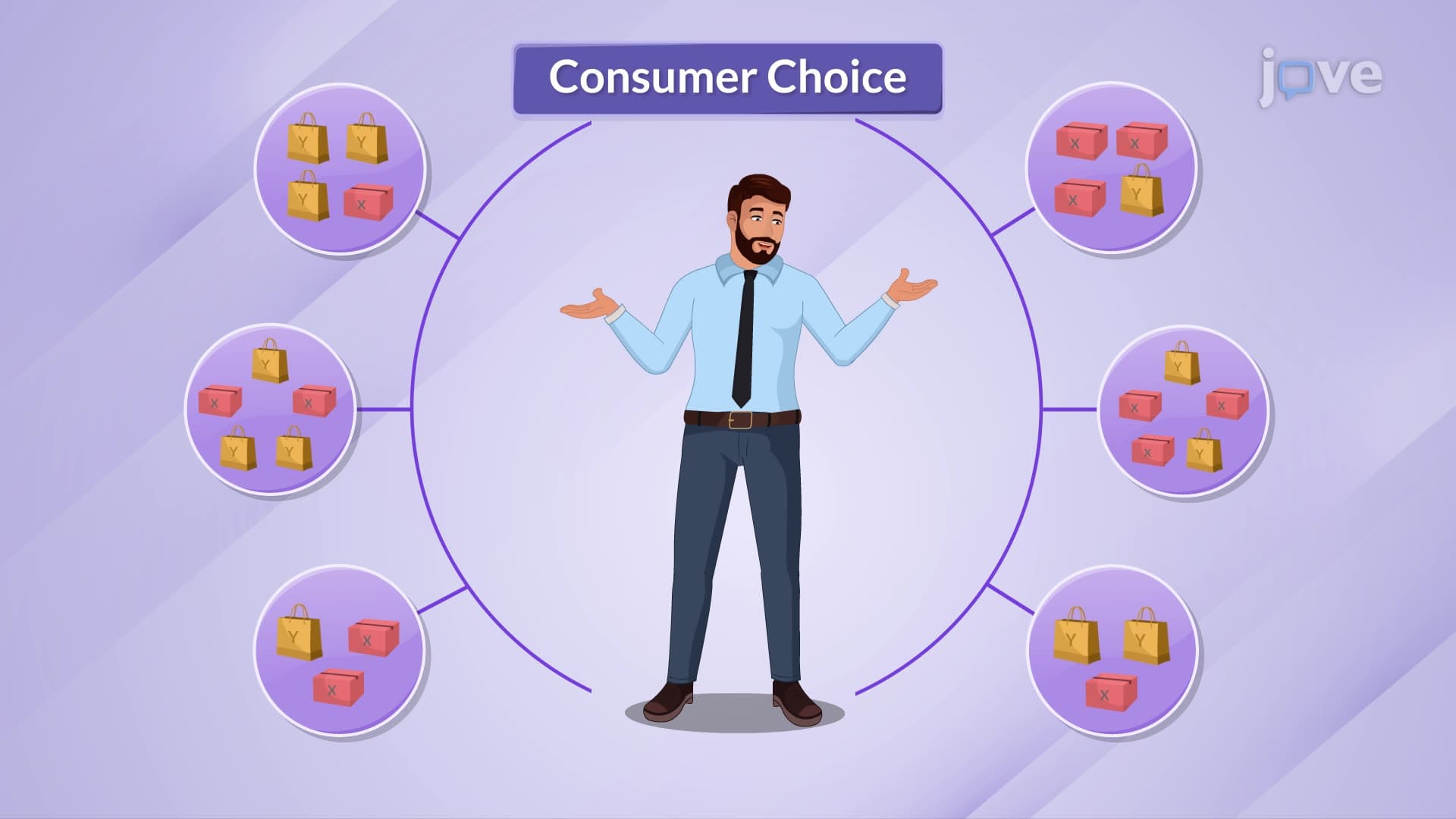
What is Consumer Choice III represents the culmination of consumer choice theory, focusing on how rational consumers achieve maximum satisfaction given their budget constraints. This advanced concept builds upon basic utility theory to explain the precise mathematical conditions necessary for optimal consumption decisions.
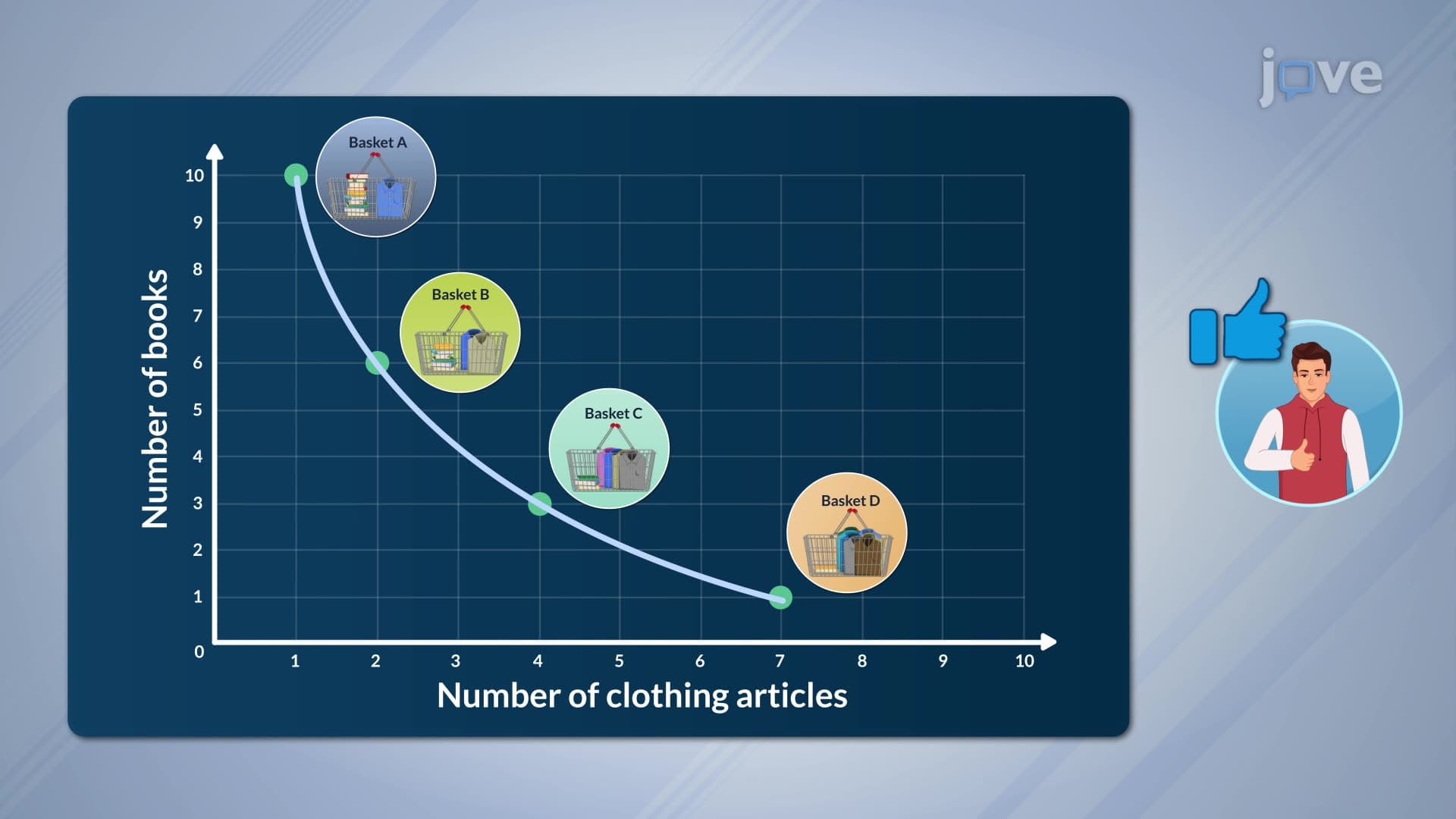
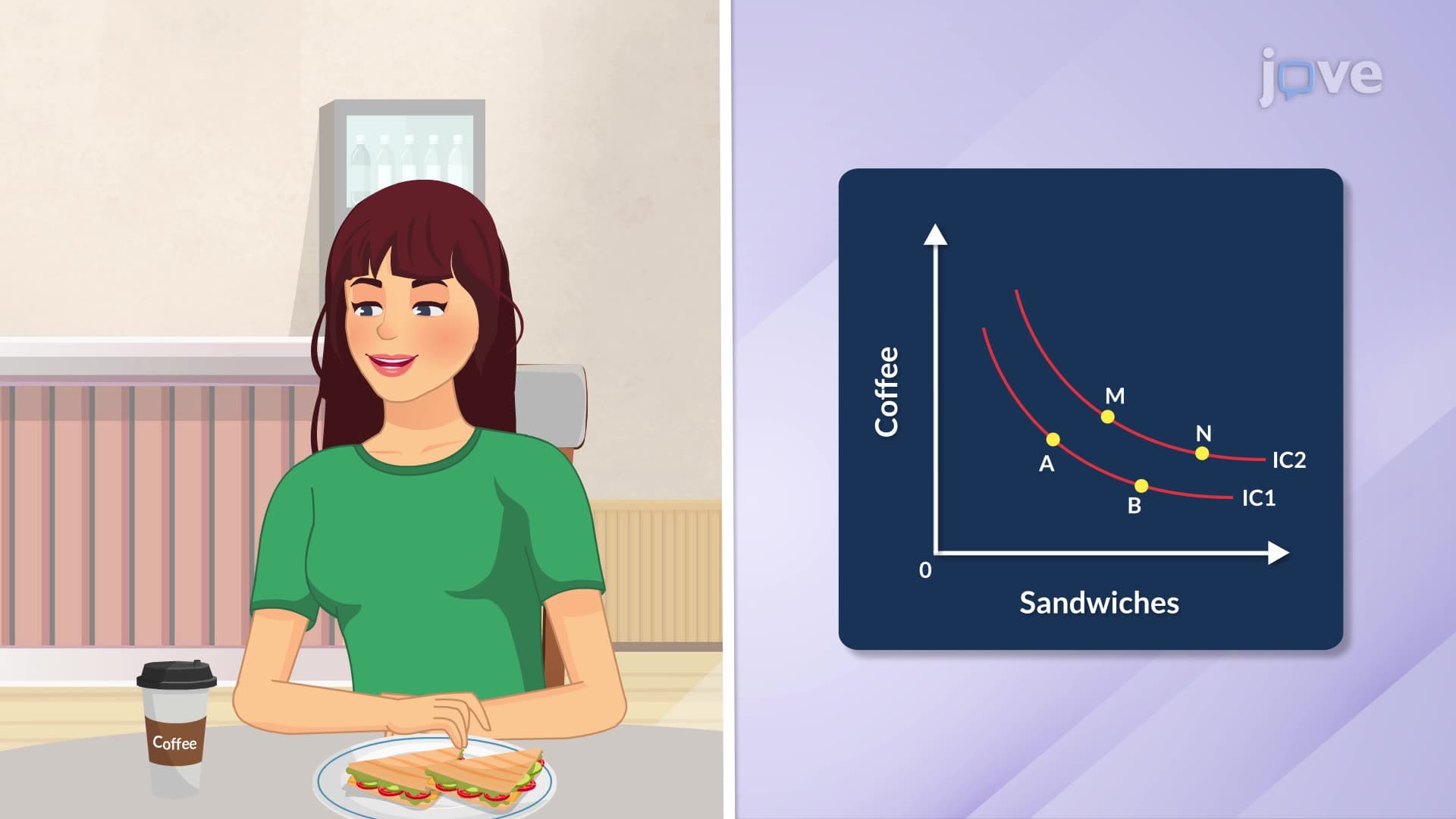
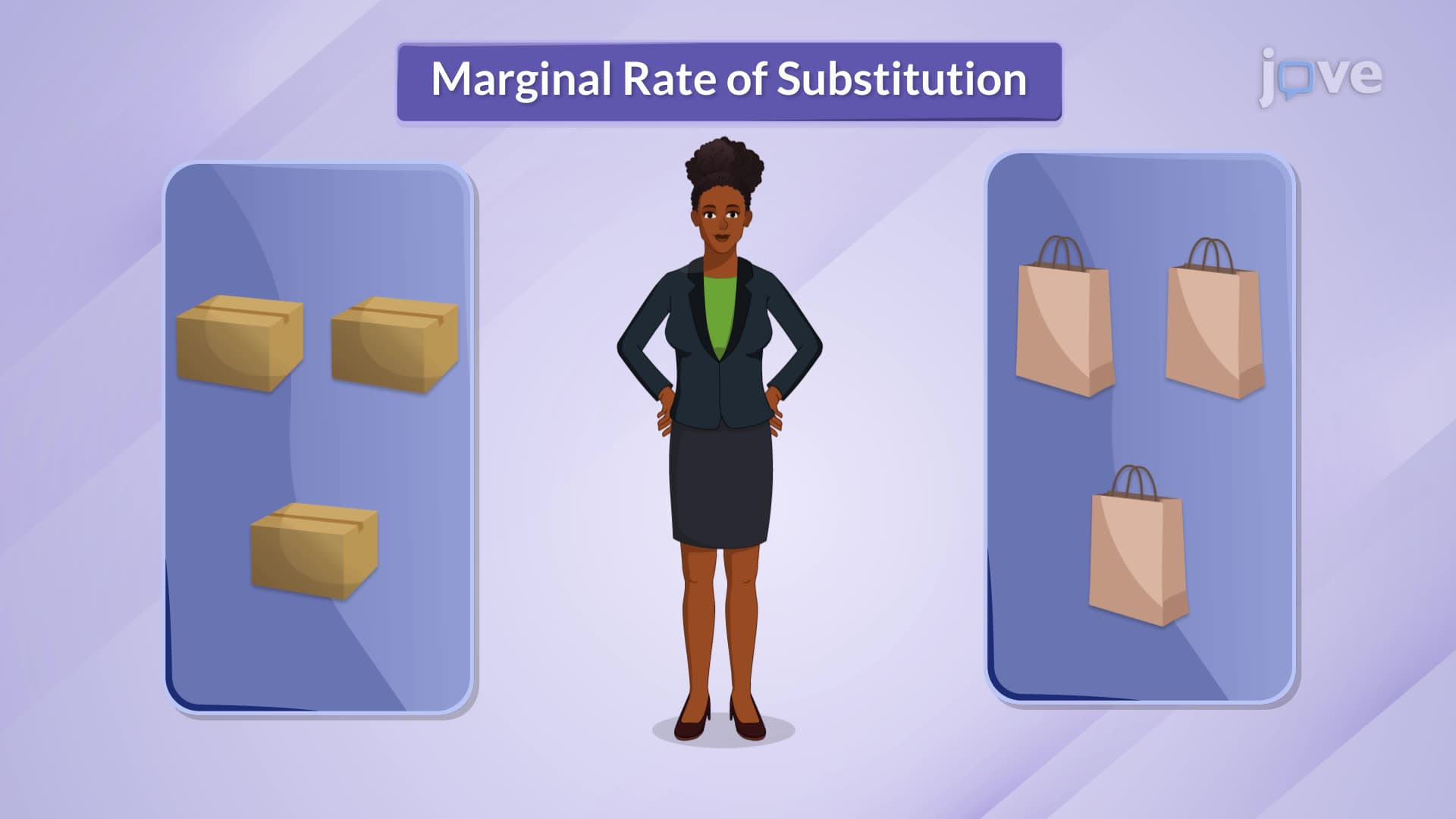
At its core, consumer choice optimization occurs when the marginal rate of substitution (MRS) between two goods equals their price ratio. The MRS represents how much of one good a consumer willingly gives up to obtain one additional unit of another good while maintaining the same satisfaction level. Meanwhile, the price ratio reflects market conditions and opportunity costs.
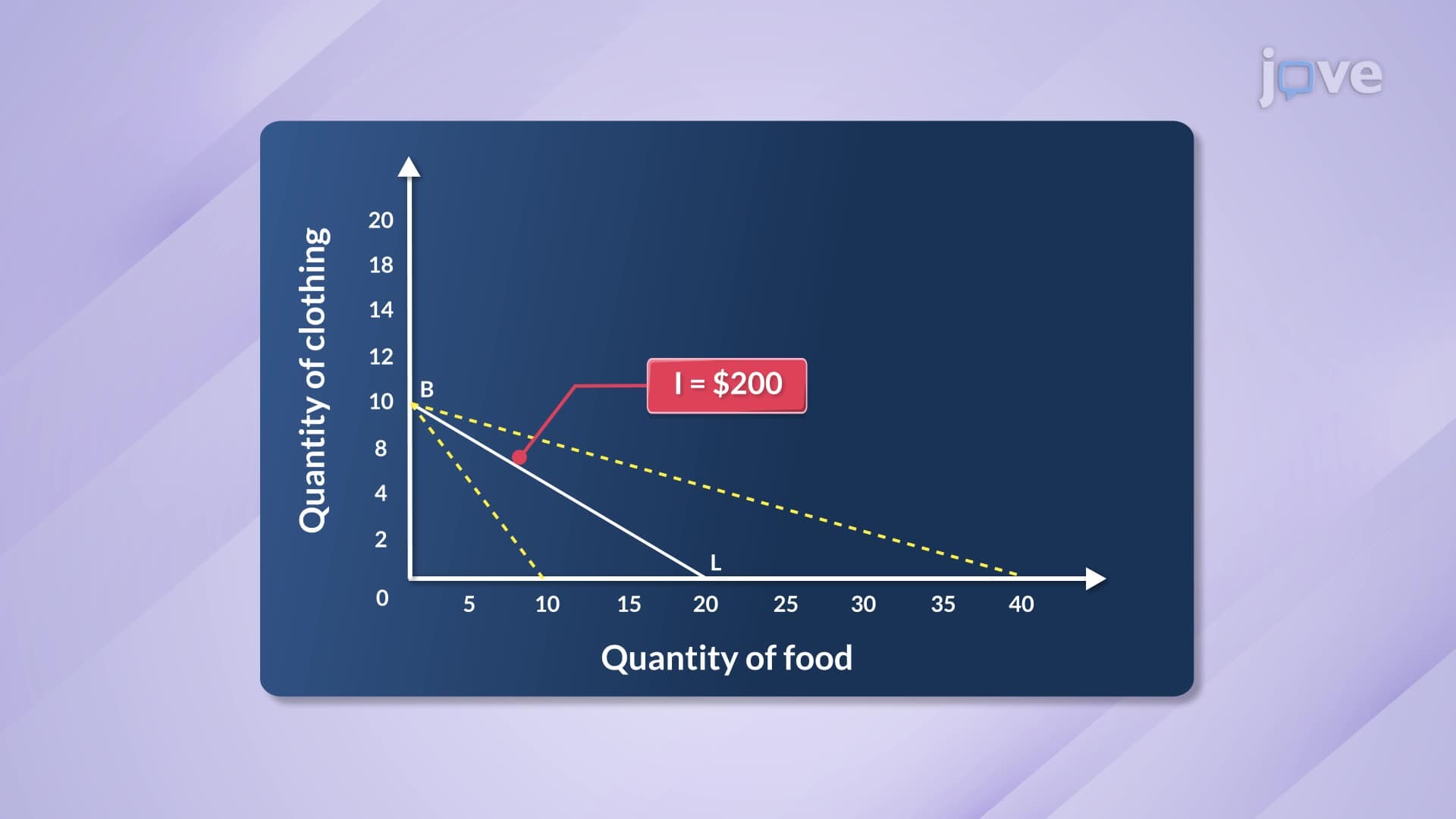
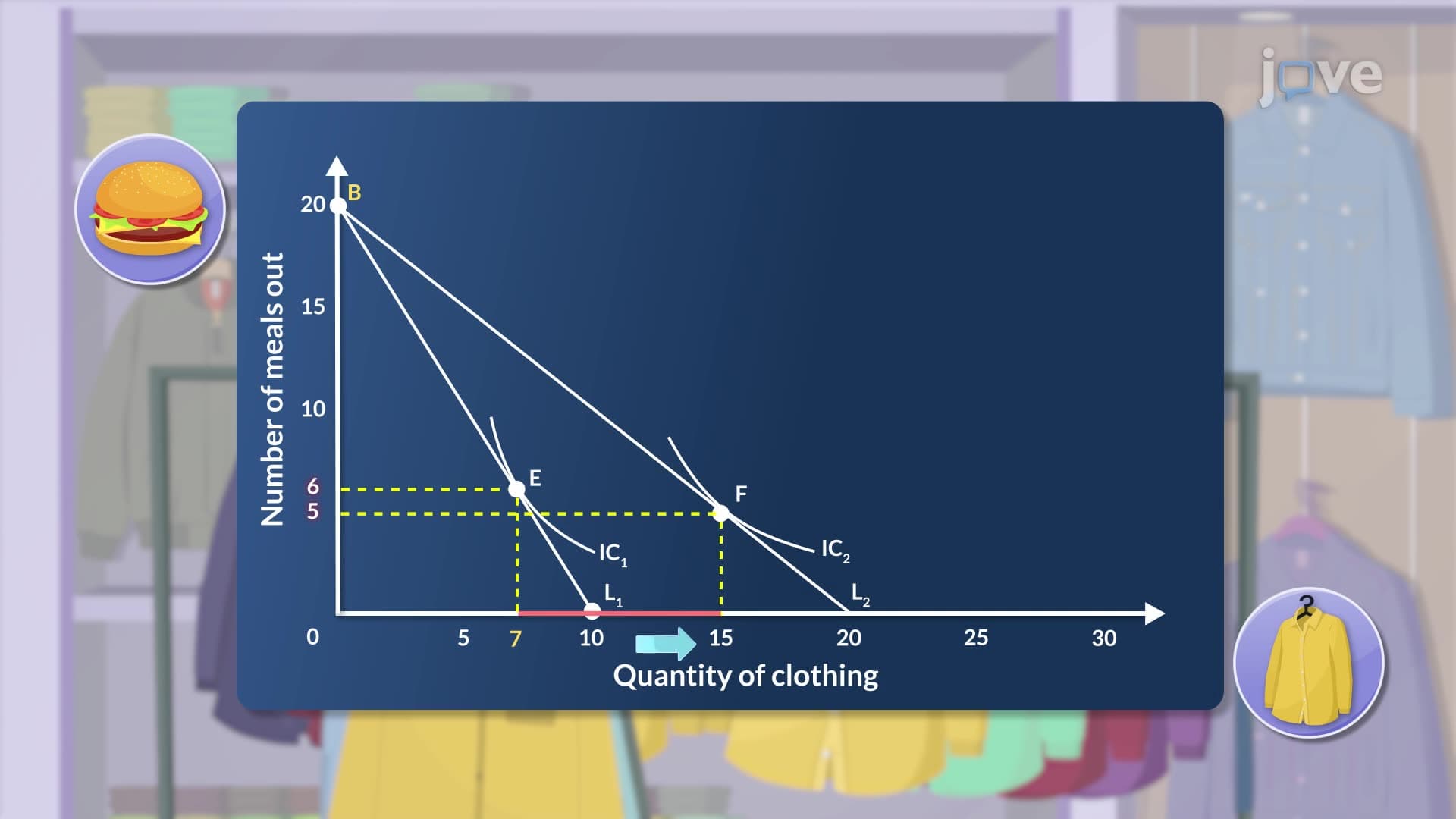
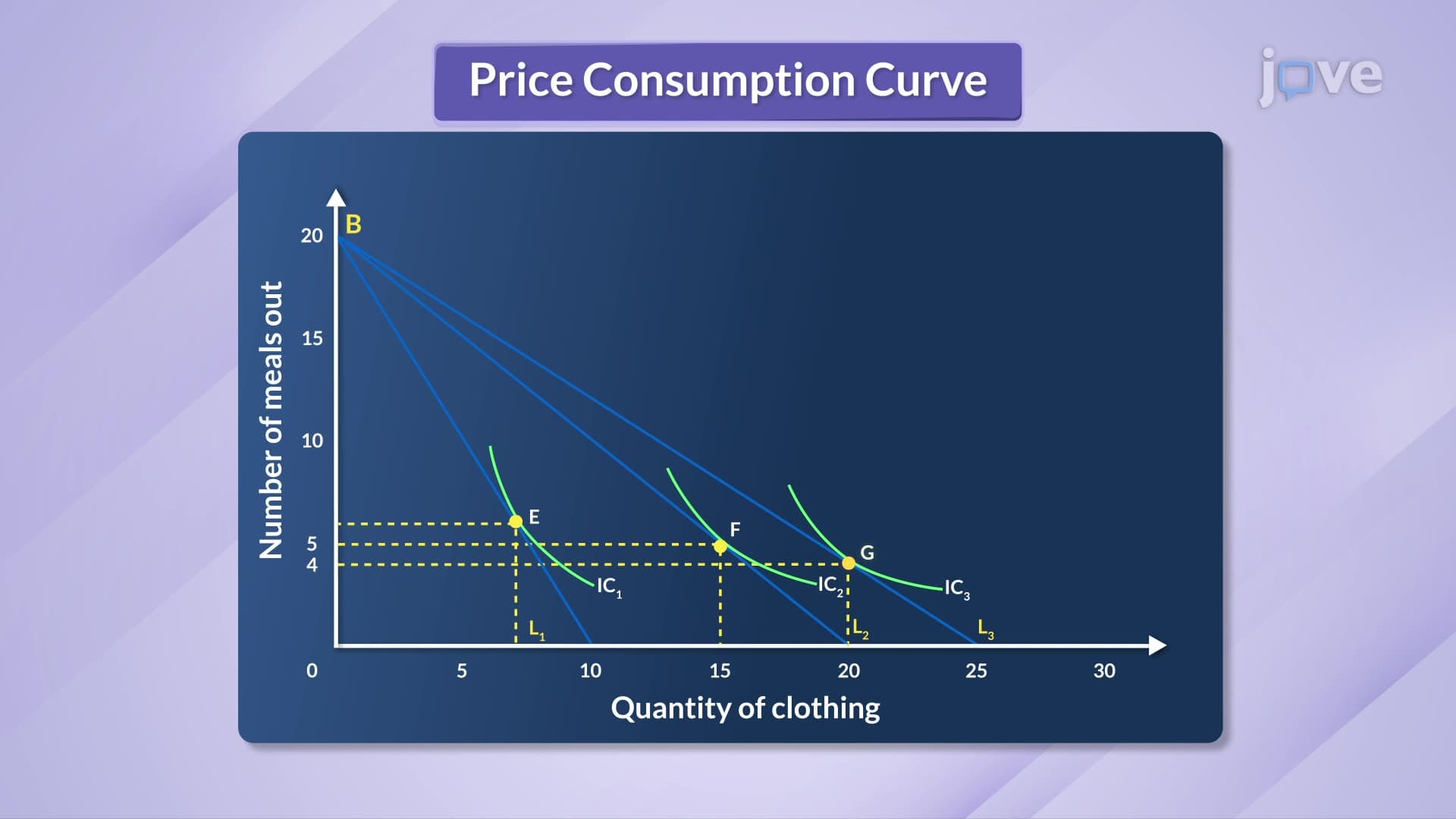
The optimal consumption bundle occurs where the budget line is tangent to the highest attainable indifference curve. This tangency ensures that consumers cannot achieve higher satisfaction by reallocating their spending. Mathematically, this condition requires MRS(X,Y) = P(X)/P(Y), where P(X) and P(Y) represent the prices of goods X and Y respectively.
Consider Sarah, a college student at UCLA with a $200 monthly entertainment budget choosing between concert tickets ($40 each) and video games ($20 each). Her optimal choice occurs when her willingness to trade concerts for games equals the 2:1 price ratio. If she values concerts too highly relative to their price, she'll buy more concerts until the marginal trade-off balances.
This consumer choice framework explains numerous market phenomena across American industries. Netflix's pricing strategy succeeds because it aligns with consumers' MRS between entertainment and other goods. Similarly, Apple's premium pricing works when consumers' MRS between iPhone features and alternatives justifies the price premium.
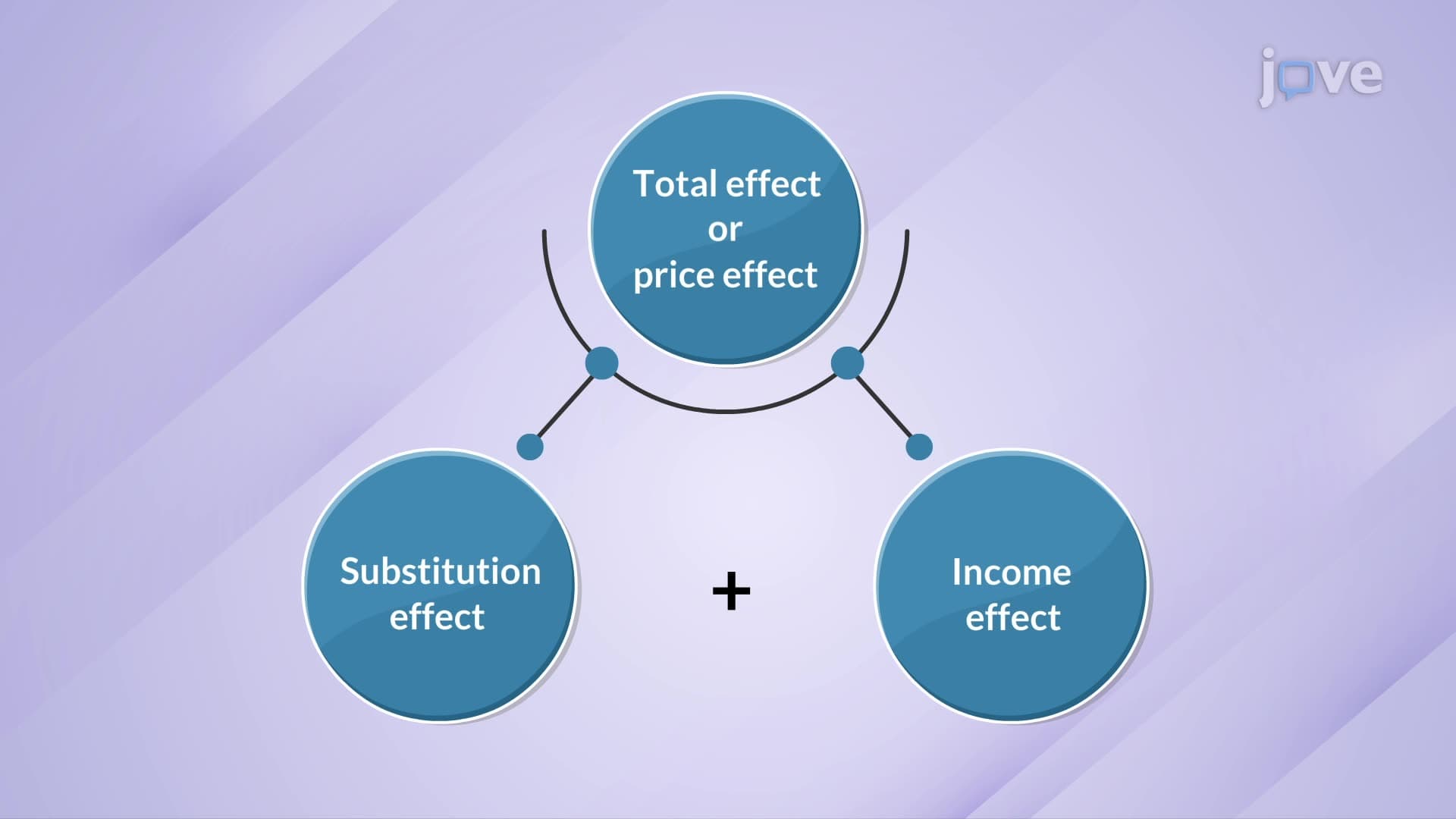
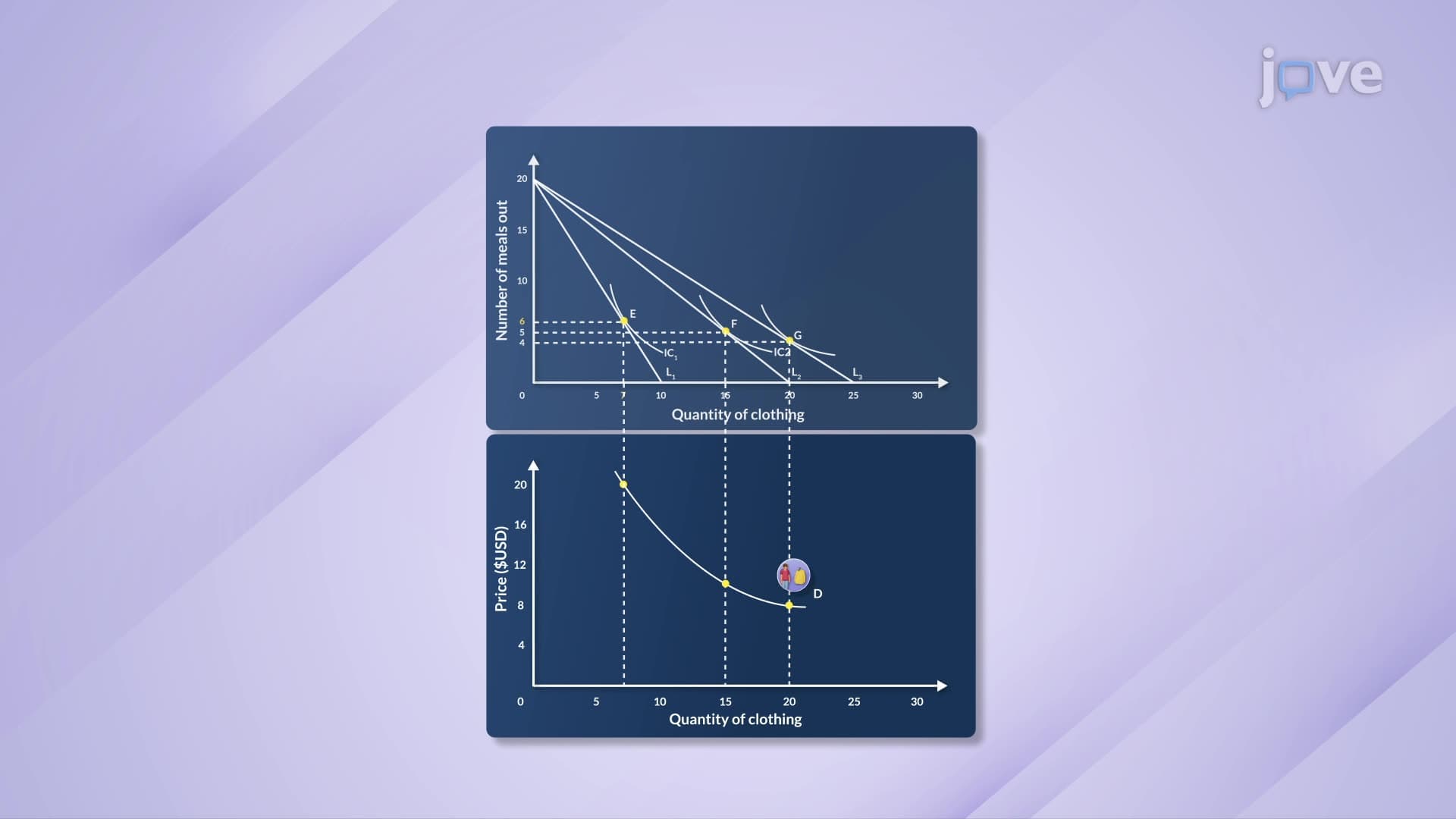
The model also predicts consumer responses to price changes. When gas prices rise, consumers adjust their MRS between driving and alternative transportation, leading to predictable demand shifts for hybrids, public transportation, and ride-sharing services.
Students encounter consumer choice questions extensively on AP Economics exams, college microeconomics midterms, and graduate school entrance tests. These problems typically provide budget constraints and preference information, asking students to identify optimal bundles or predict behavioral changes following price adjustments. Understanding the tangency condition proves essential for solving complex optimization problems and interpreting consumer demand curves in advanced coursework.
Related Micro-courses