Loading video…


 22 Concepts
 9.9K views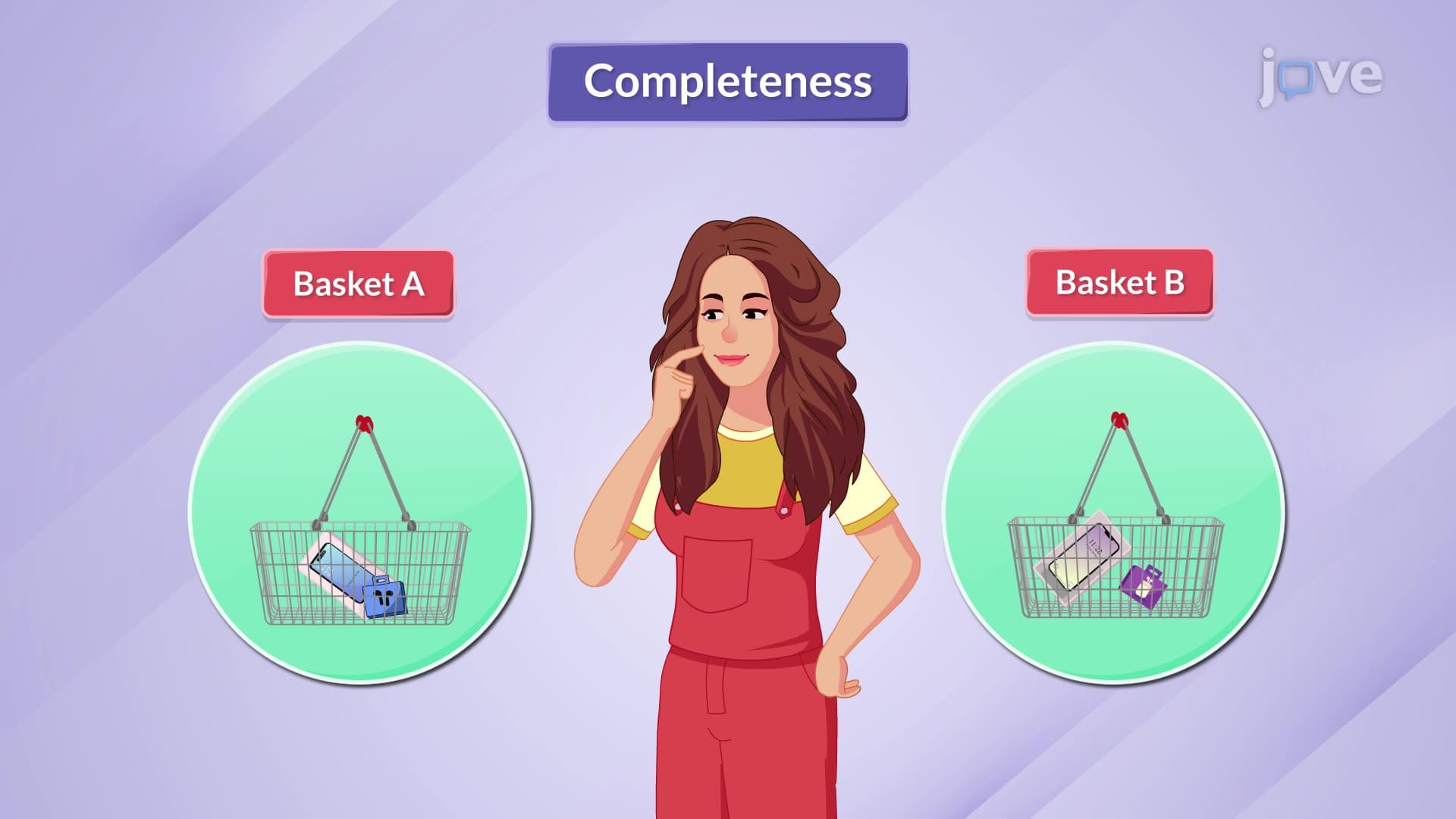

Video Summary: What Is the Consumer Preferences I
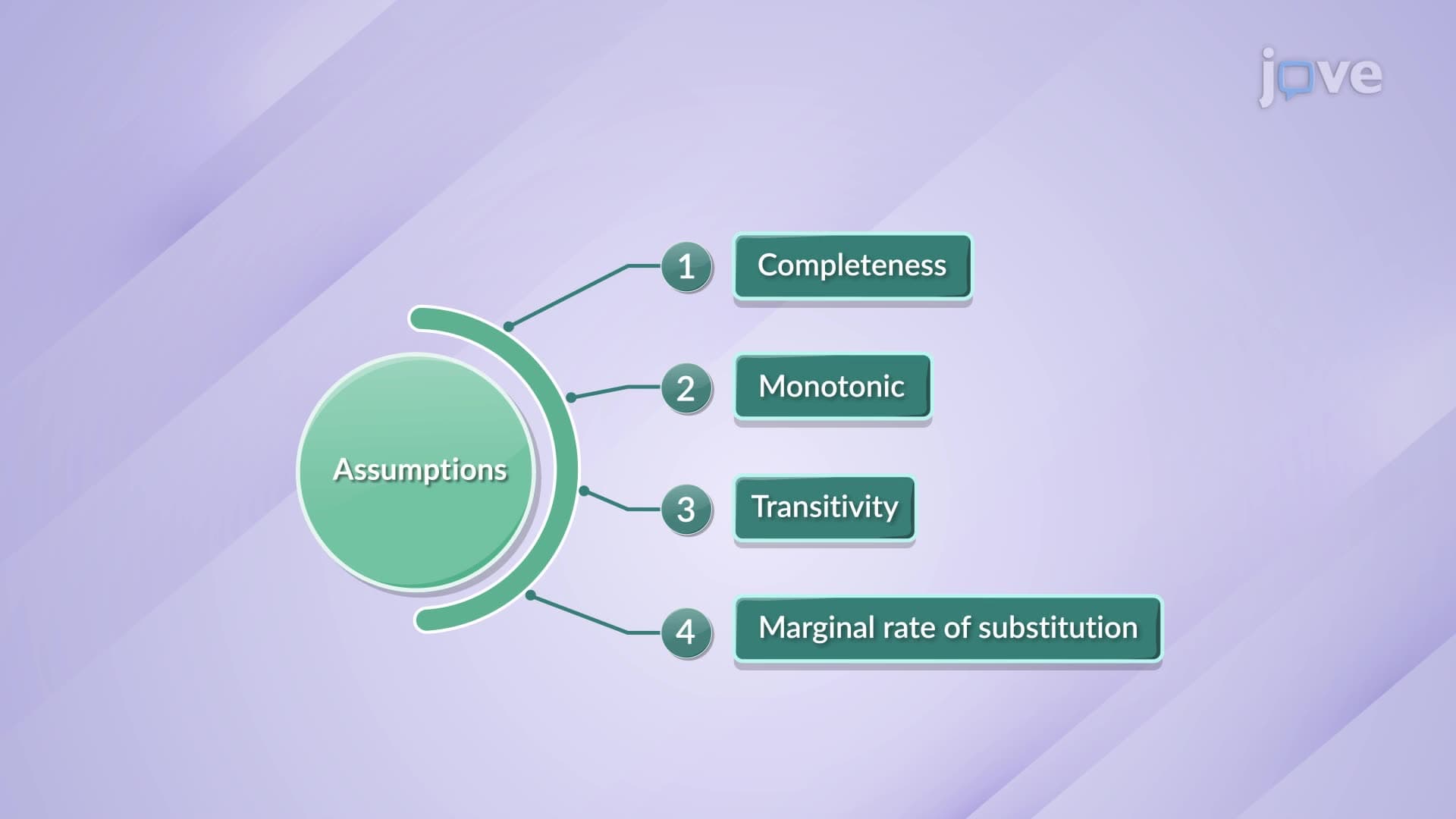
Ever wonder why your friend chooses an iPhone over a Samsung, even when both phones have similar features? Consumer preferences drive these everyday decisions by helping economists predict how people choose between different combinations of goods and services. Take Netflix versus Disney+ subscriptions-your choice reveals your underlying preferences for content types. Understanding What is The Consumer Preferences I involves two key assumptions: completeness (you can rank any two options) and monotonic preferences (more is generally better). Watch the full video on JoVE Coach to master this concept with expert-led visuals and step-by-step explanations.
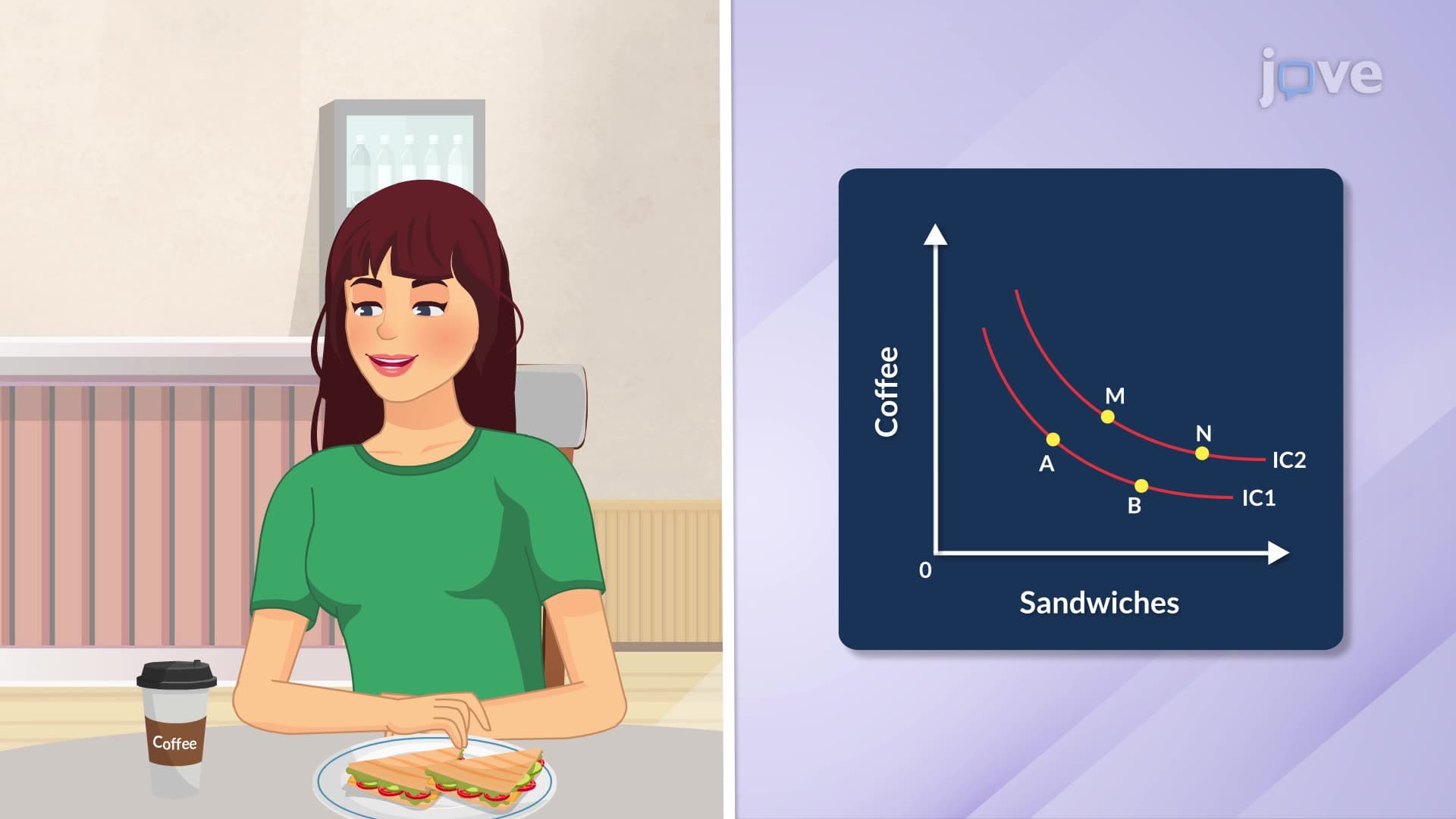
Consumer preferences form the bedrock of microeconomic theory, providing economists with a systematic way to analyze how individuals make choices in markets. The concept of What is The Consumer Preferences I introduces students to the fundamental assumptions that make consumer behavior predictable and modelable. These preferences don't just exist in textbooks-they drive real decisions from college students choosing meal plans to families selecting insurance coverage.
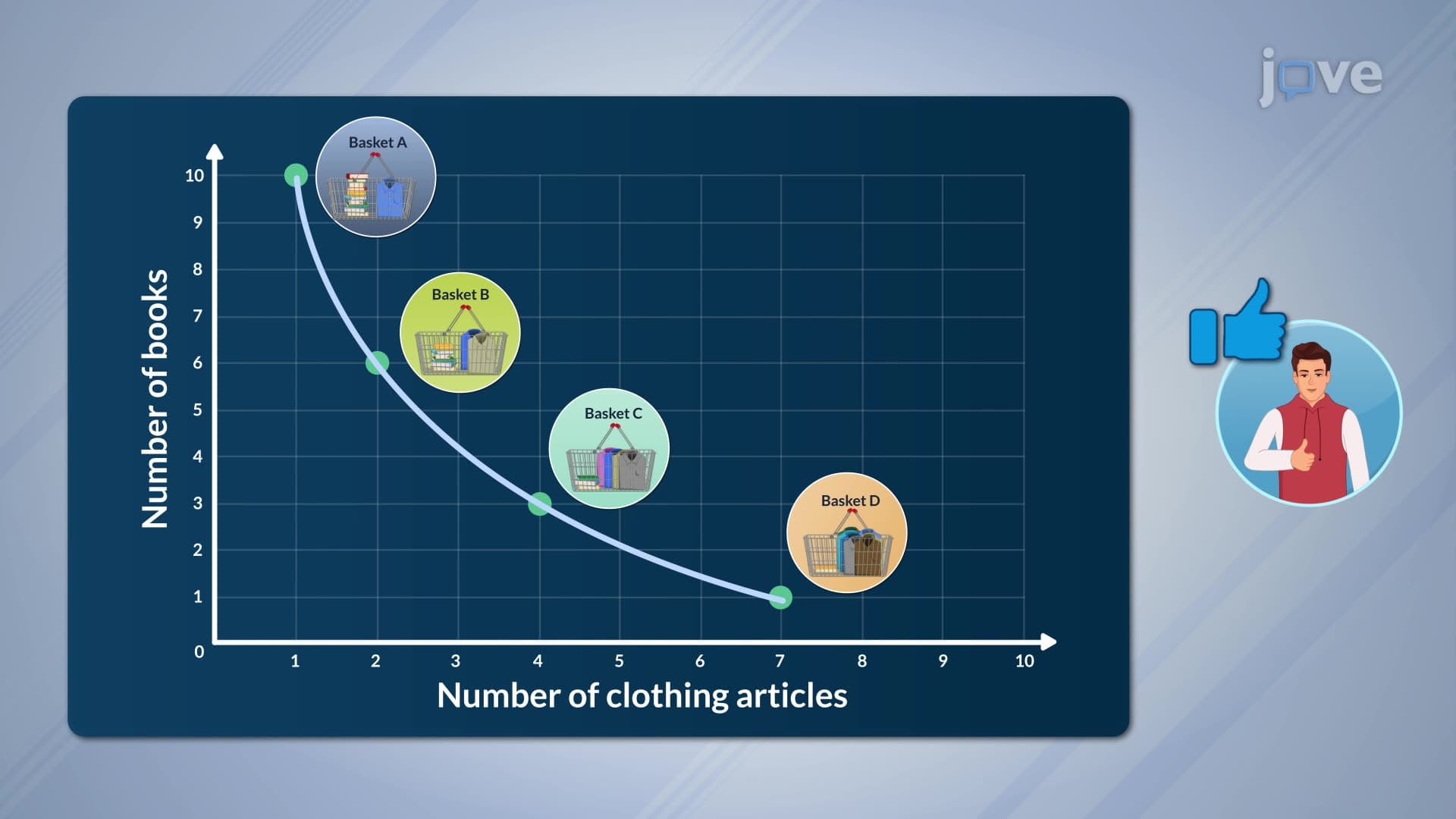
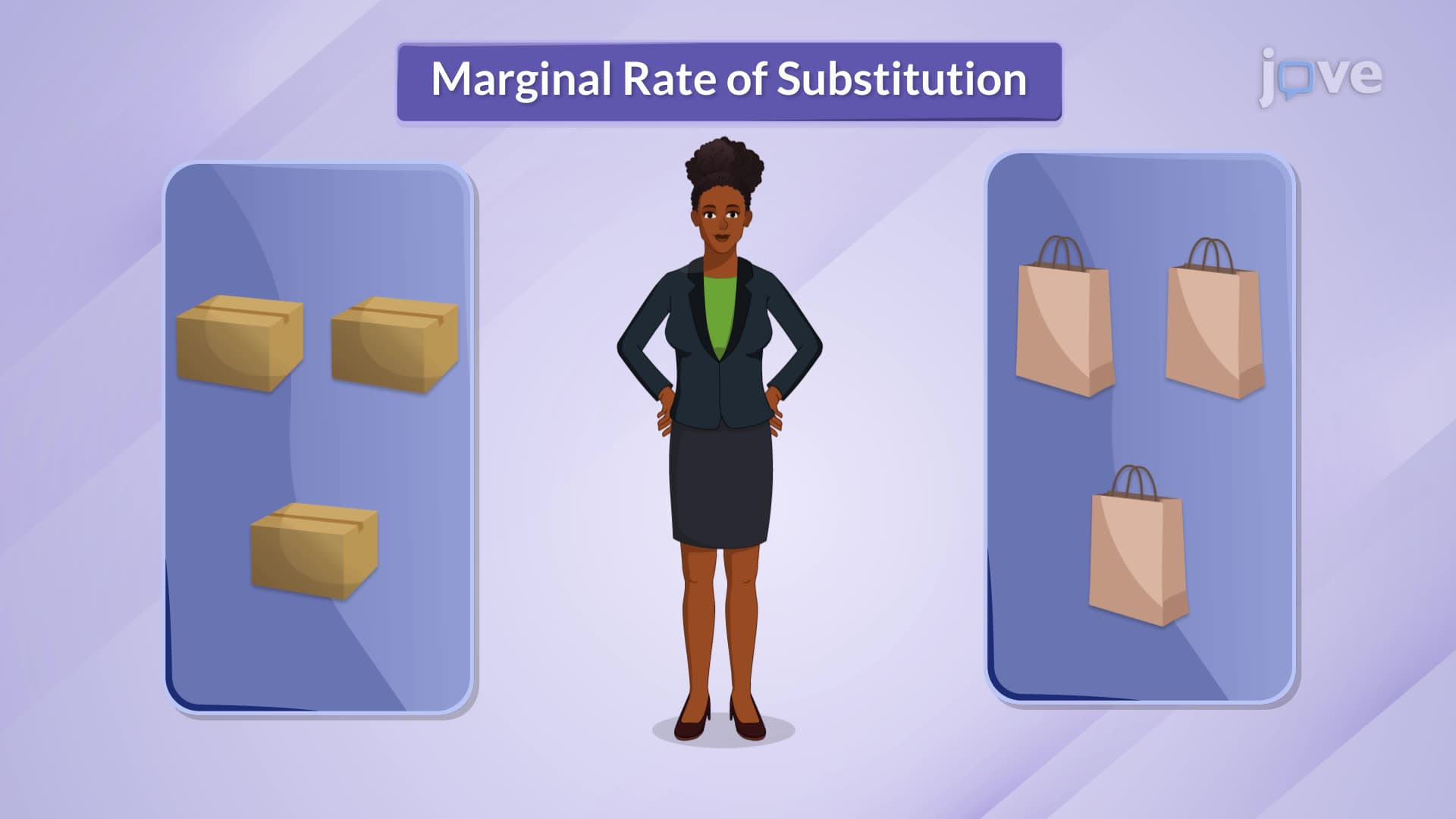
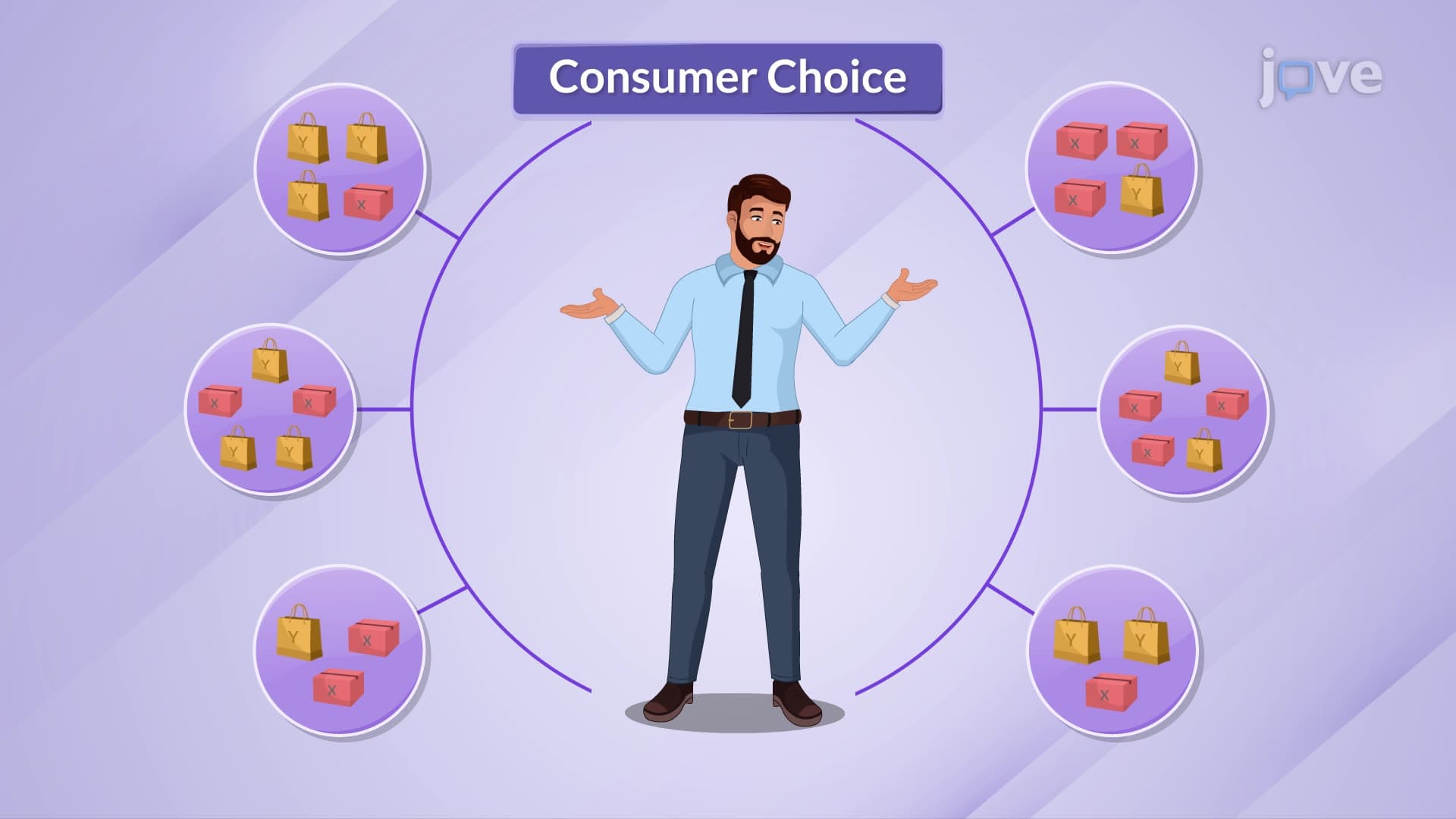
A market basket represents any combination of goods and services that a consumer might purchase. Think of Amazon Prime membership, Netflix subscription, and Spotify Premium as one possible basket, while cable TV, movie theater passes, and radio might represent another. American consumers constantly evaluate these baskets when making purchasing decisions. For AP Economics students, understanding market baskets is crucial because they appear frequently on both multiple-choice and free-response questions, particularly when analyzing consumer choice theory and budget constraints.
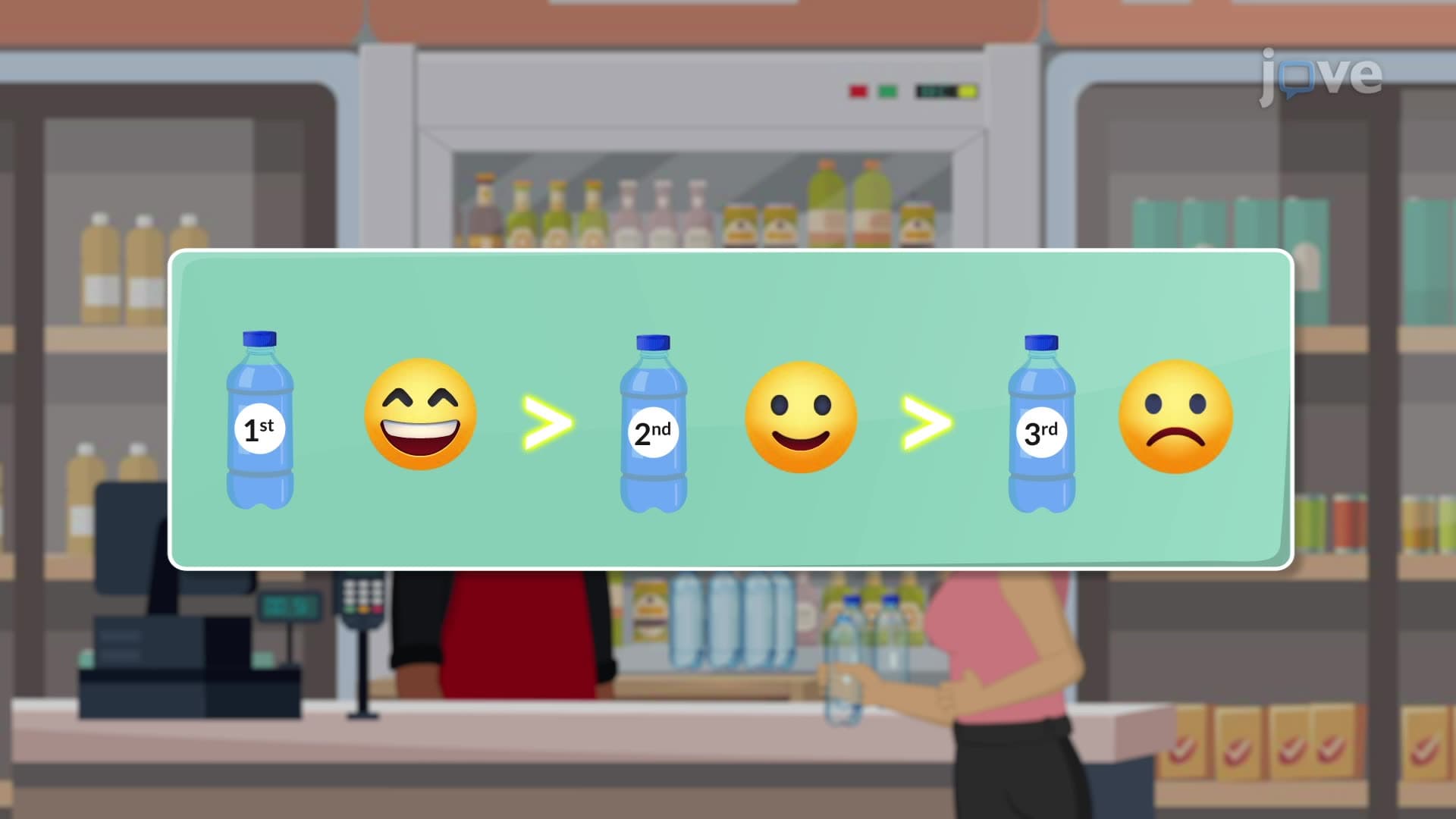
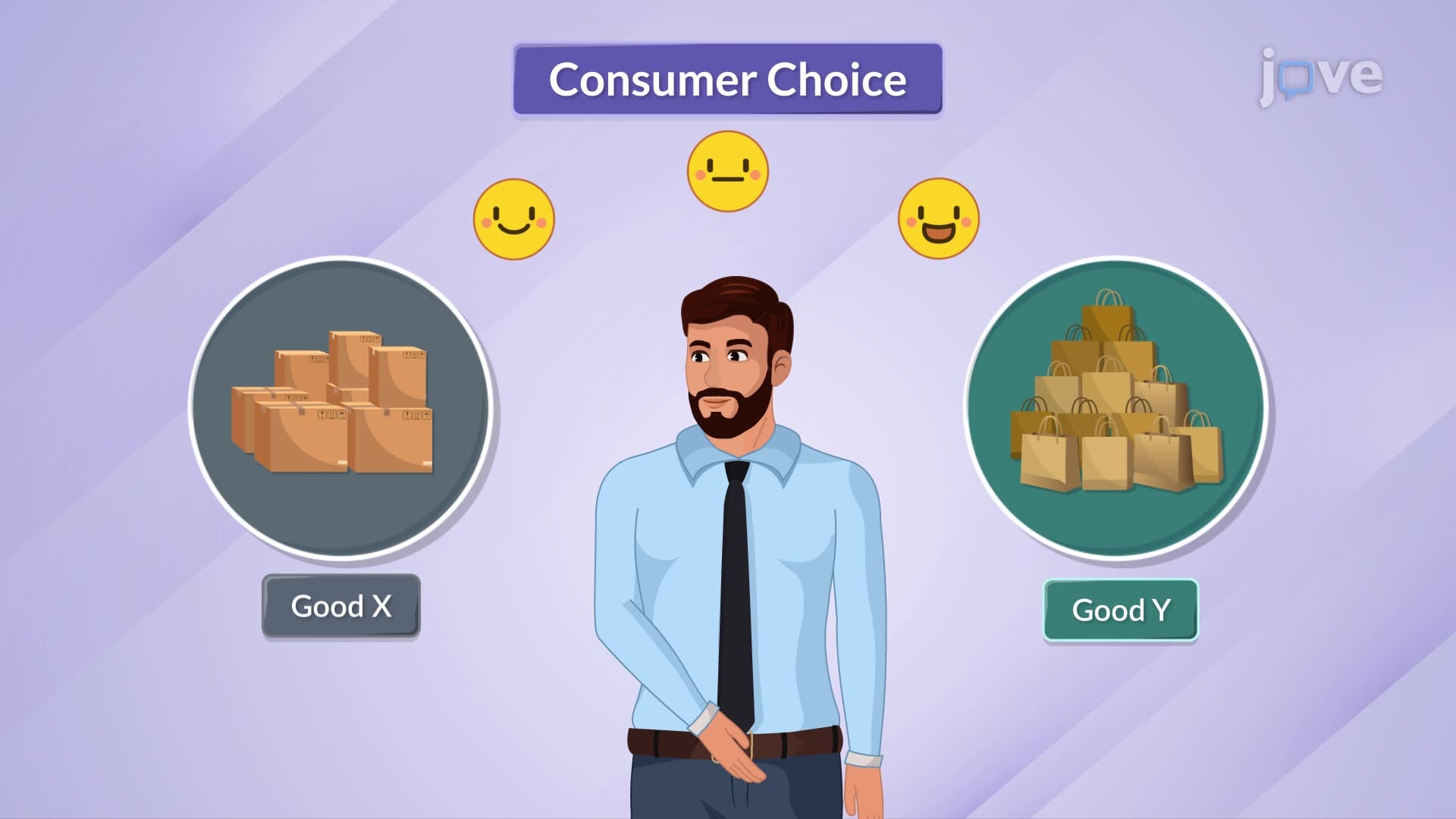
The completeness assumption states that consumers can always compare and rank any two market baskets. This might seem obvious, but it's revolutionary for economic modeling. Consider a college student choosing between two spring break options: Basket A includes a Florida beach trip with budget accommodations, while Basket B offers a shorter Colorado ski trip with premium lodging. The completeness assumption guarantees this student can rank these options-preferring A over B, B over A, or being indifferent between them. This assumption eliminates the possibility of "I don't know" responses, making mathematical modeling possible.
Monotonic preferences assume that more is better, holding all else constant. This principle appears everywhere in American consumer culture. When Costco offers bulk purchasing options, they're banking on monotonic preferences-consumers generally prefer 24 rolls of paper towels over 12 rolls at the same per-unit price. For MCAT test-takers studying behavioral economics, understanding monotonic preferences helps explain why pharmaceutical companies can charge premium prices for medications-patients with chronic conditions demonstrate strong monotonic preferences for health improvements.
The concept becomes more nuanced when examining job market decisions. Recent graduates weighing offers from tech companies in Silicon Valley versus traditional corporations in the Midwest must consider multiple goods: salary, cost of living, work-life balance, and career advancement opportunities. Monotonic preferences suggest candidates prefer higher salaries and better benefits, but real-world trade-offs make these decisions complex.
Understanding consumer preferences proves essential for students pursuing business, economics, or psychology majors. The concept appears on Advanced Placement Economics exams, college microeconomics midterms, and graduate school entrance exams. Marketing professionals use preference theory to design product portfolios, while financial advisors apply these principles when helping clients choose investment strategies.
Related Micro-courses