Loading video…


 22 Concepts
 9.9K views

Video Summary: What Is Consumer Choice Ii
Why do Americans spend $13 trillion annually on goods and services, yet many still feel unsatisfied with their purchases? Consumer choice explains how rational consumers navigate limited budgets to maximize satisfaction. Consider a college student deciding between textbooks and dining out-What is Consumer Choice II demonstrates how indifference curves and budget constraints guide optimal purchasing decisions. Through Bundle A's example, students learn to identify the sweet spot where maximum satisfaction meets affordability. Watch the full video on JoVE Coach to master this concept with expert-led visuals and step-by-step explanations.
What is Consumer Choice II advances beyond basic preferences to examine how consumers achieve maximum satisfaction given limited resources. This economic principle operates on the fundamental assumption that rational consumers seek to optimize their utility-the satisfaction derived from consuming goods and services. Unlike impulsive purchasing, this framework provides a systematic approach to understanding consumption patterns across diverse markets, from grocery shopping to major investment decisions.
The concept builds upon three critical components: consumer preferences (represented by indifference curves), purchasing power (depicted by budget lines), and the optimization process that leads to equilibrium. This analytical framework applies extensively in AP Economics courses, college microeconomics classes, and appears frequently on standardized tests including the AP Microeconomics exam.
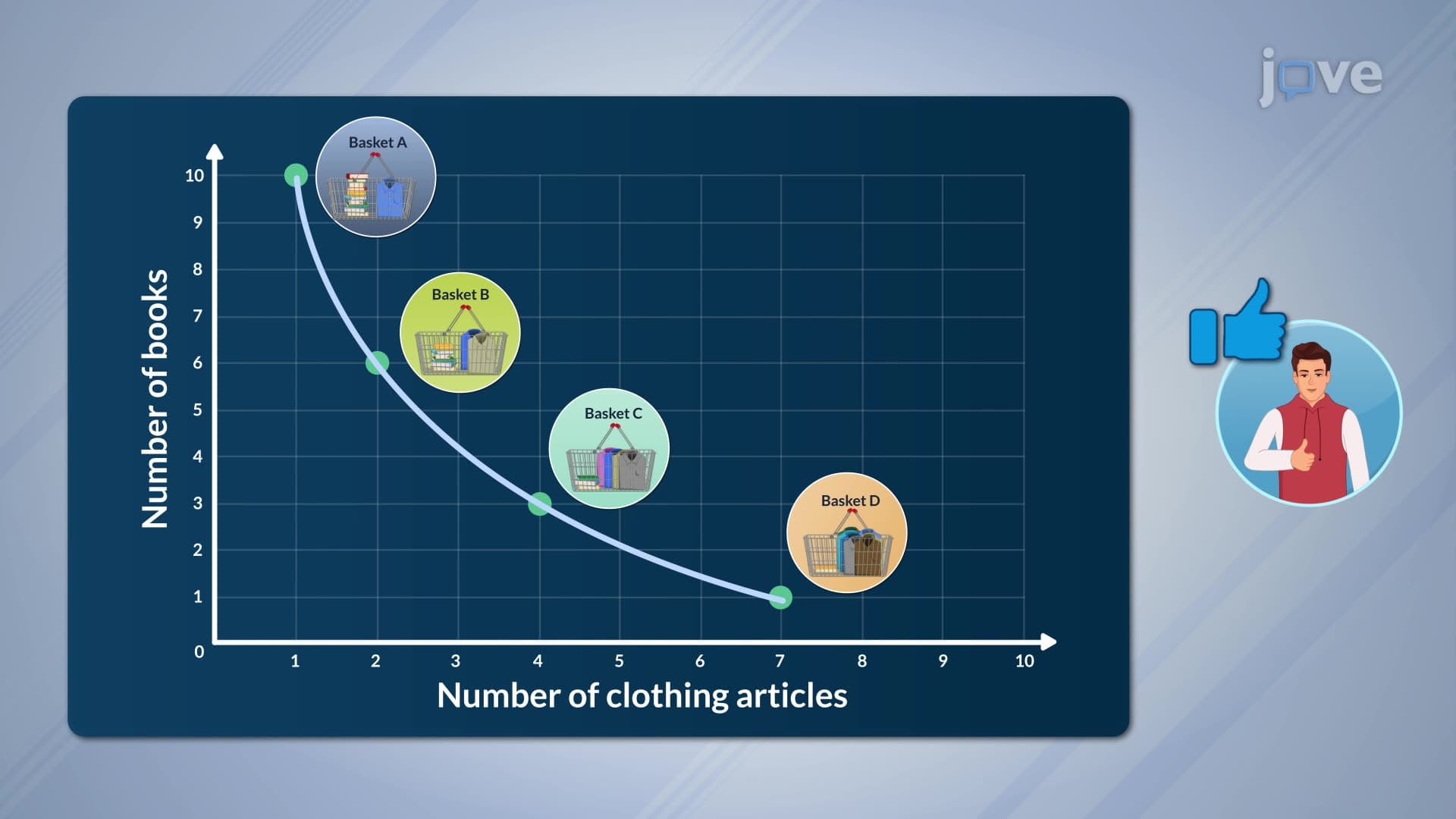
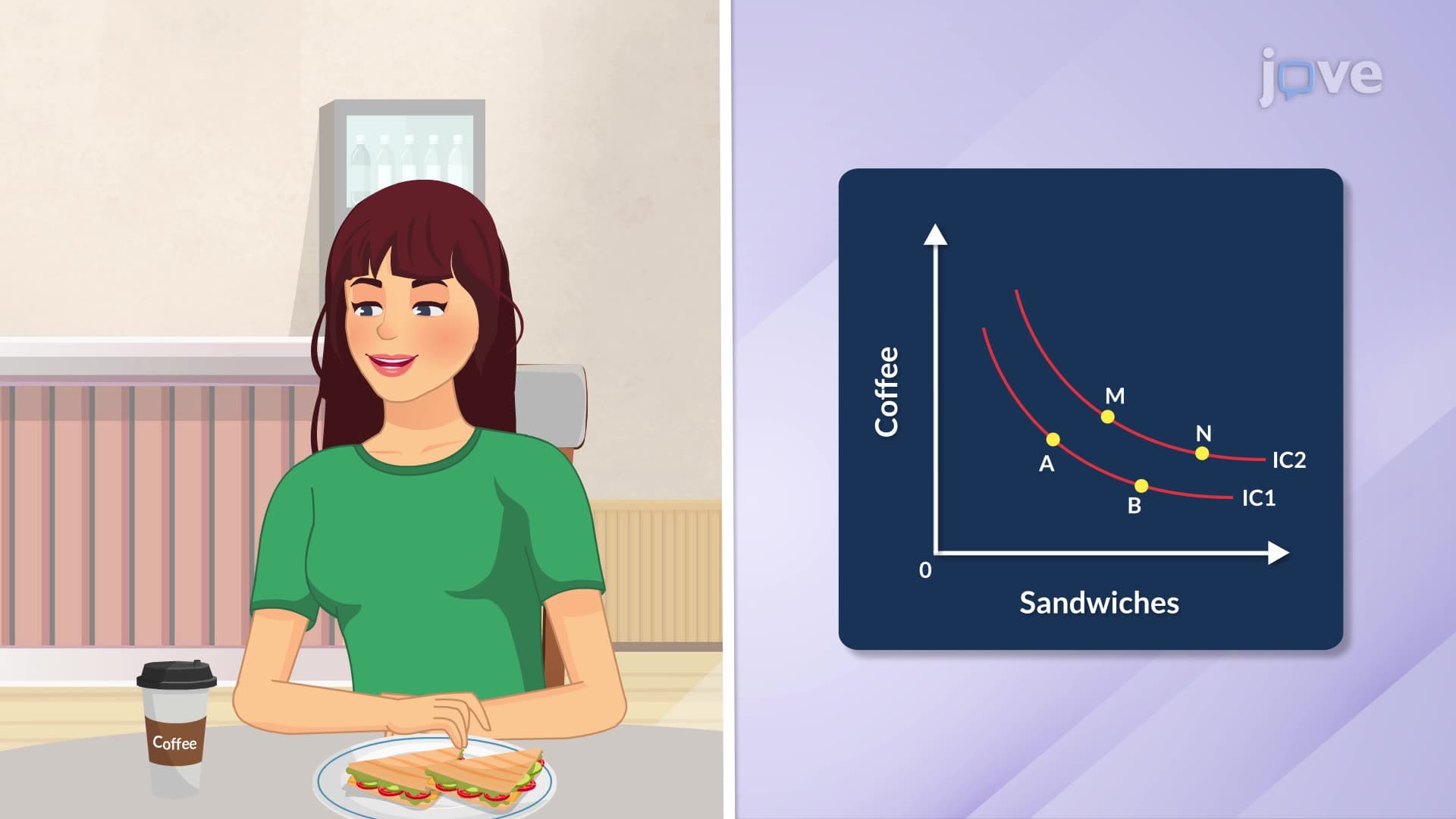
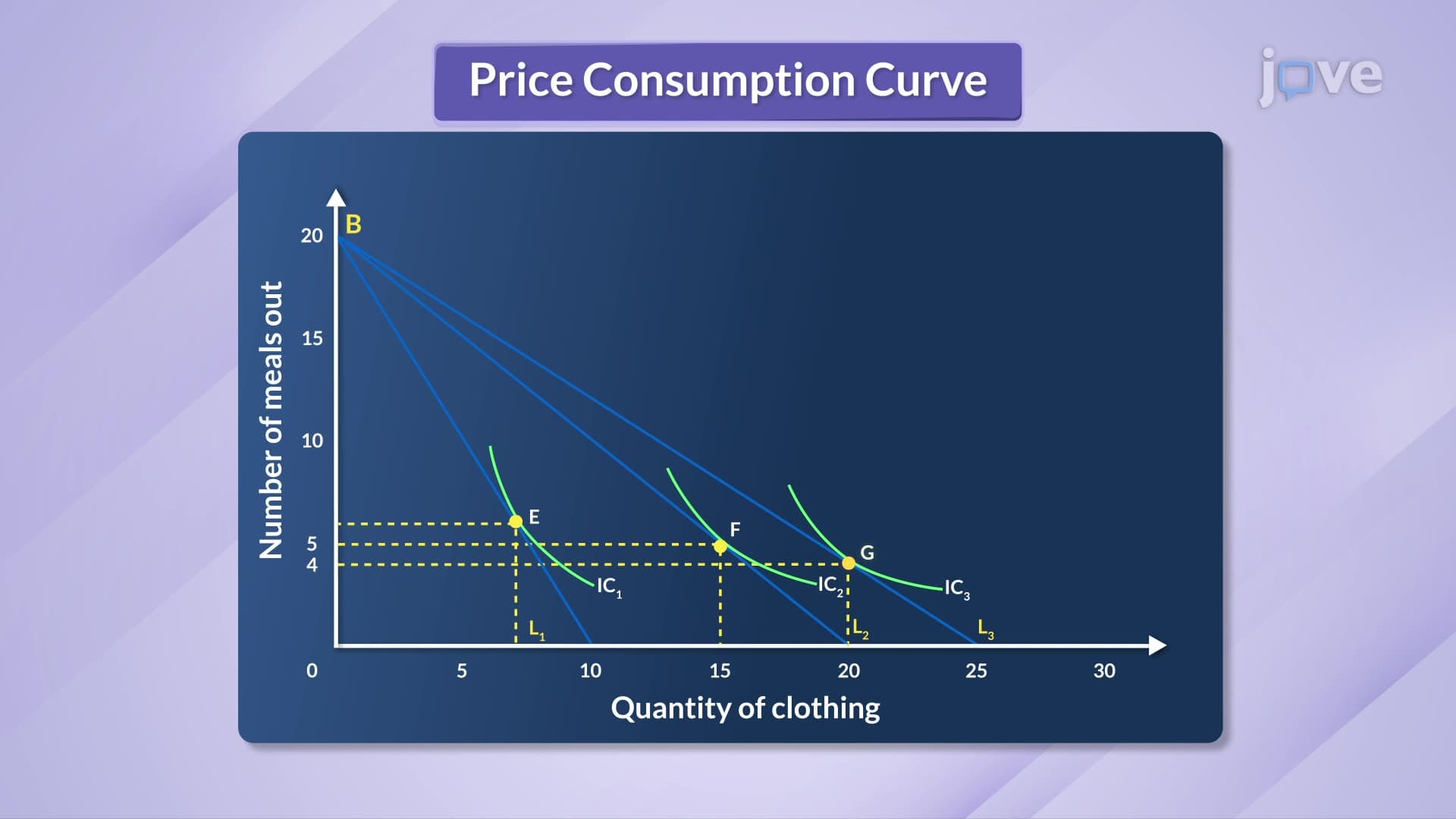
Indifference curves represent combinations of two goods that provide equal satisfaction to consumers. In Neil's example, IC1, IC2, and IC3 represent increasing levels of satisfaction, with IC3 providing the highest utility. These curves slope downward, reflecting the trade-off between goods-to maintain constant satisfaction, consuming more of one good requires consuming less of another.
Real-world applications appear everywhere in American consumer behavior. Consider Netflix subscribers choosing between streaming time and other entertainment options, or college students balancing study materials against social activities. Each decision involves implicit trade-offs that indifference curve analysis helps quantify and predict.
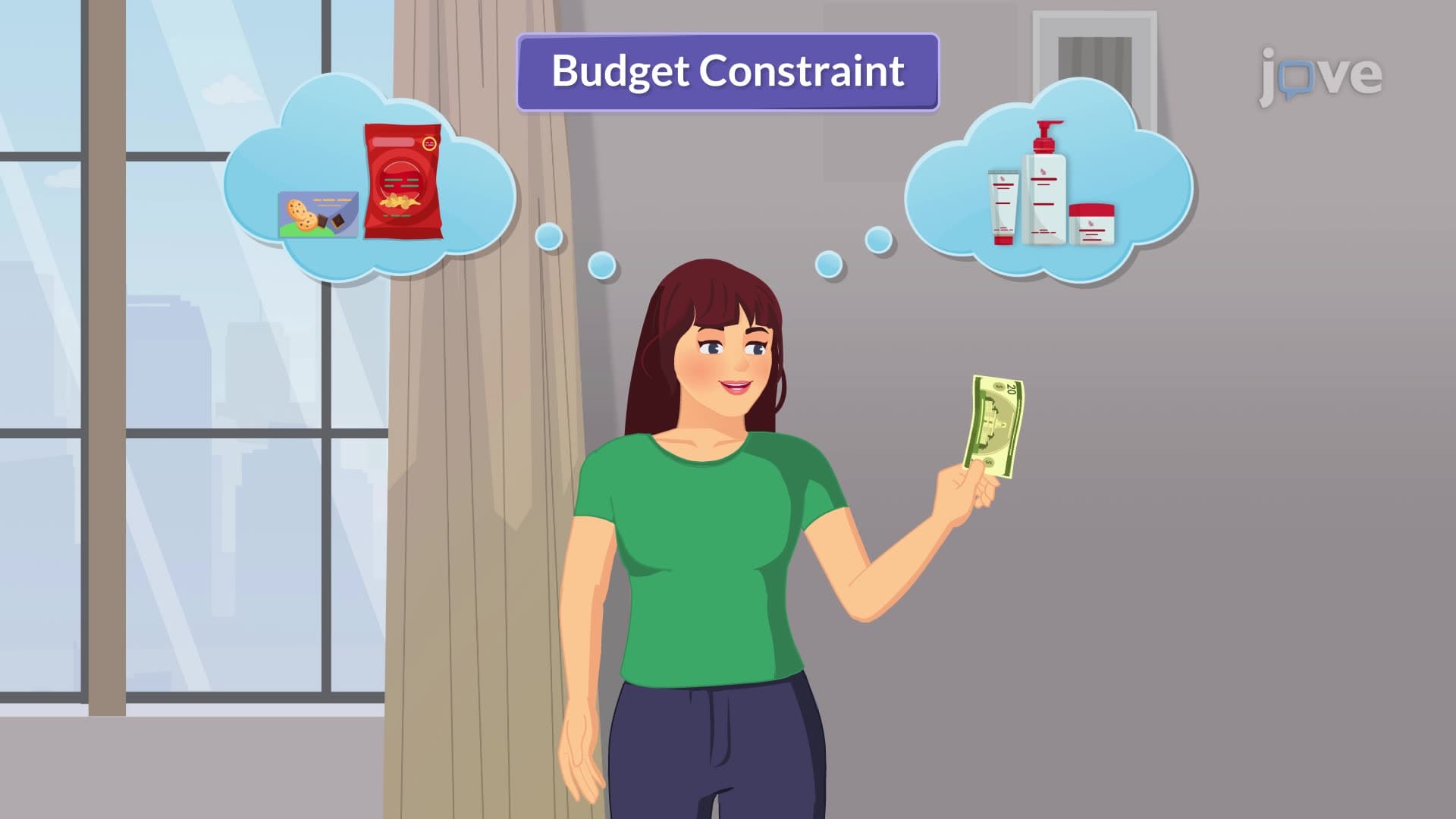
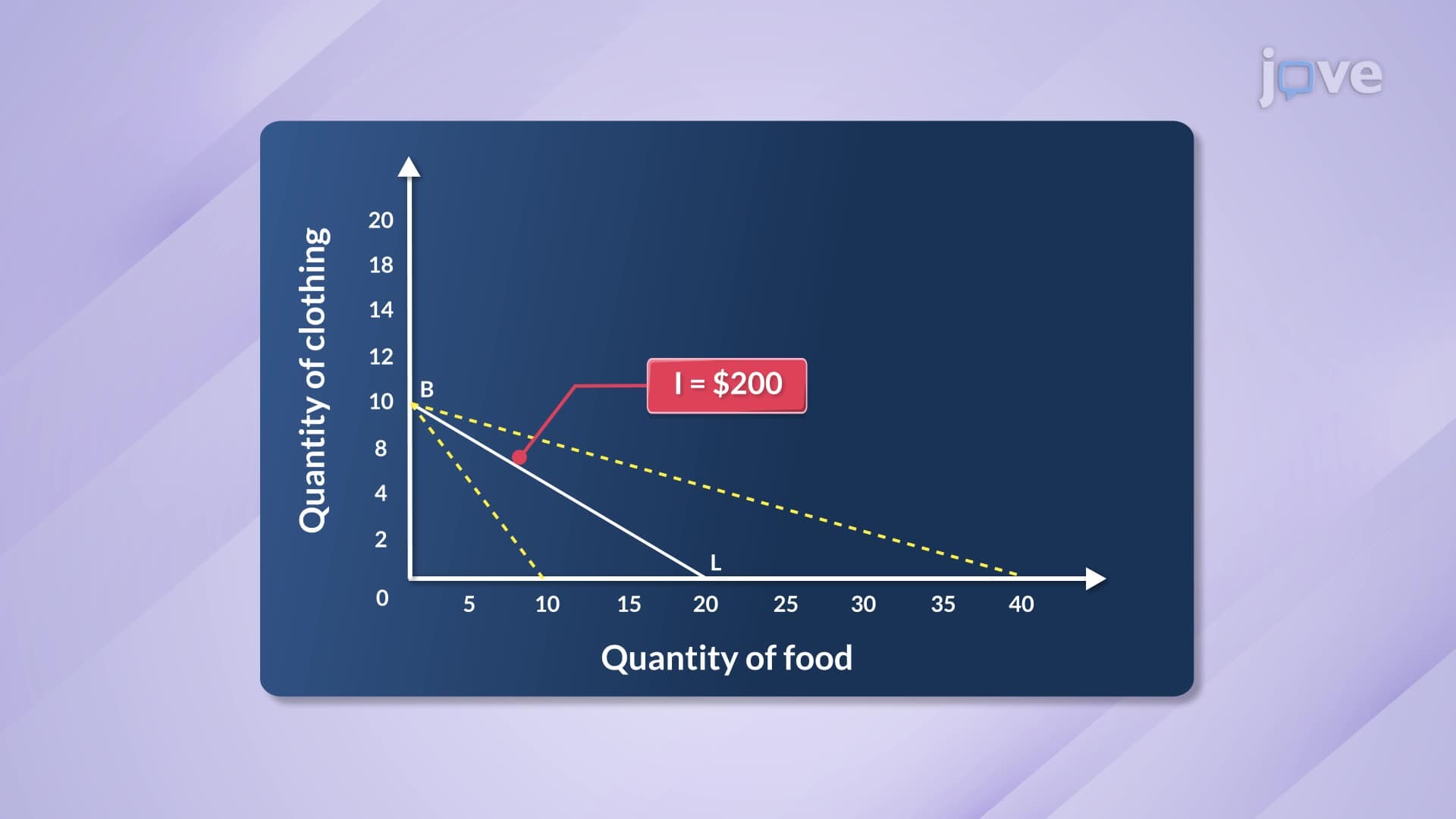
The budget line represents all affordable combinations of goods given current income and market prices. Points on or below this line are feasible; points above are unattainable without additional income. This constraint forces consumers to make strategic choices, eliminating ideal but unaffordable options like Bundle F.
American families constantly navigate these constraints when planning monthly expenses, choosing between housing costs, transportation, food, and entertainment. The Federal Reserve's consumer expenditure surveys reveal how different income groups allocate resources, demonstrating budget line concepts in practice.
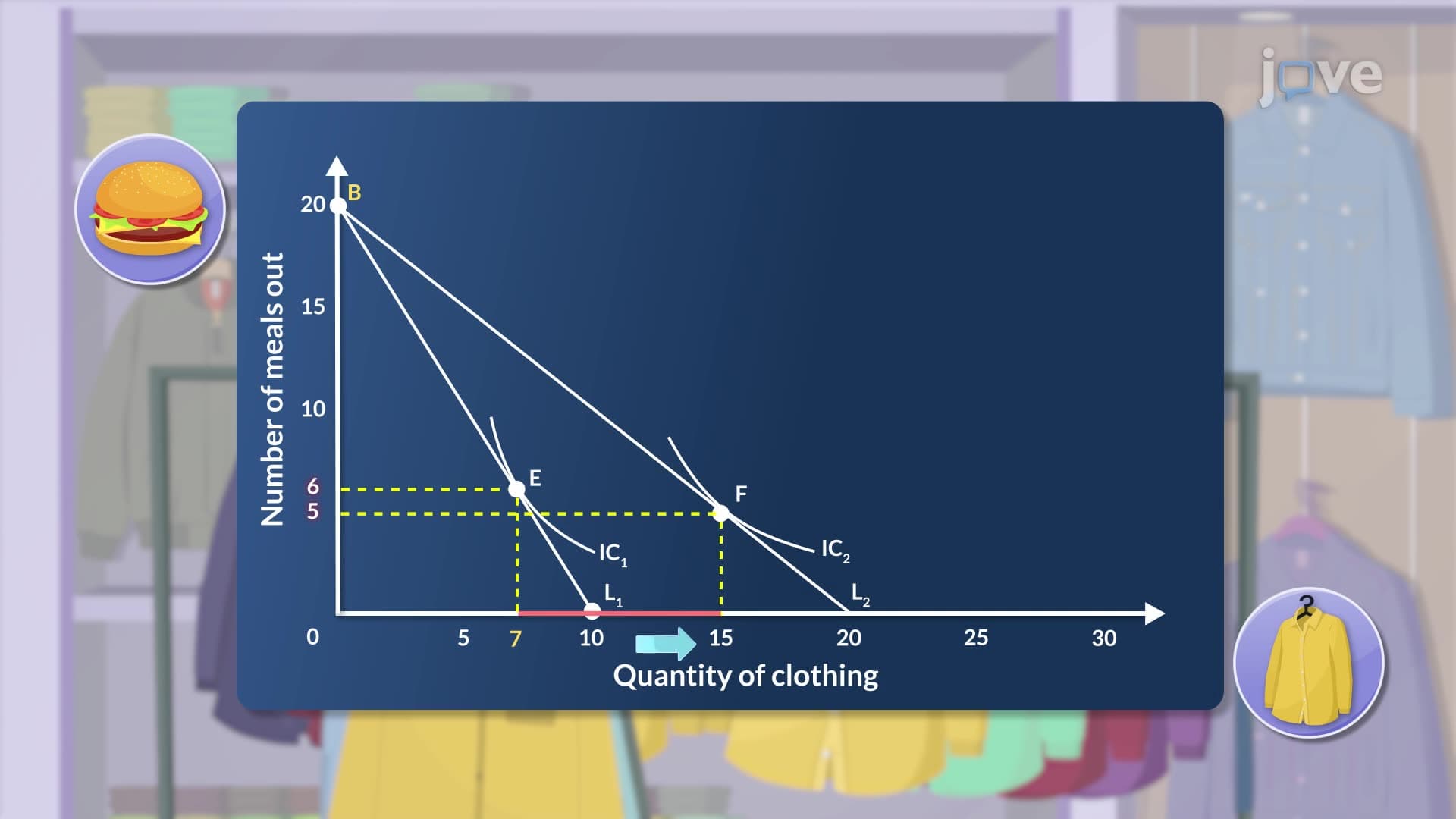
Consumer equilibrium occurs where the highest attainable indifference curve touches the budget line-Bundle A in Neil's scenario. This tangency point represents the optimal allocation of resources, where marginal utility per dollar spent equals across all goods. Moving to any other feasible point, like Bundle C or D, reduces overall satisfaction.
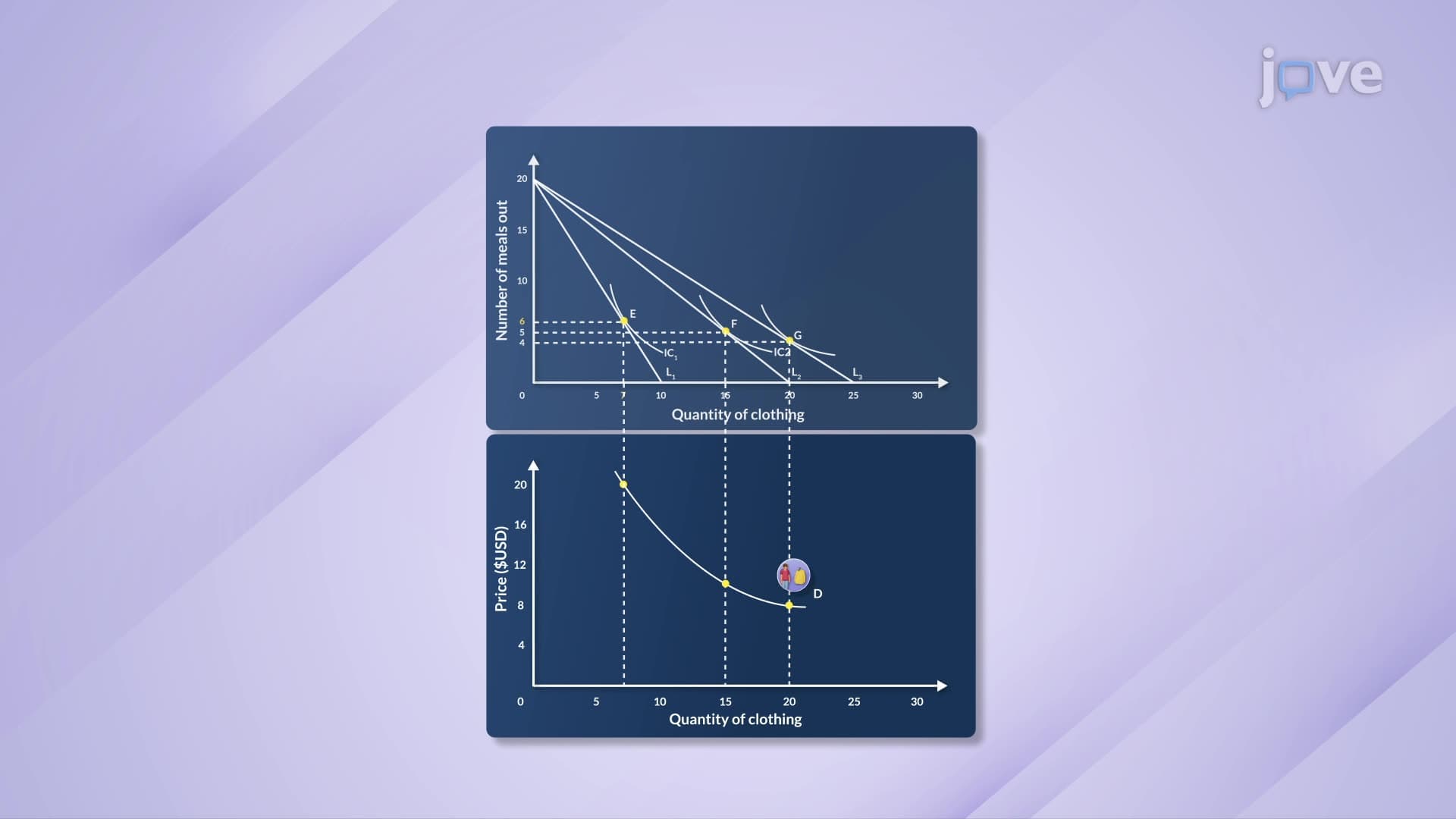
This principle explains phenomena from luxury goods pricing to subscription service bundling strategies. Understanding consumer equilibrium helps explain market demand curves and provides foundations for advanced topics in behavioral economics and market analysis.
Related Micro-courses