Loading video…


 22 Concepts
 9.9K views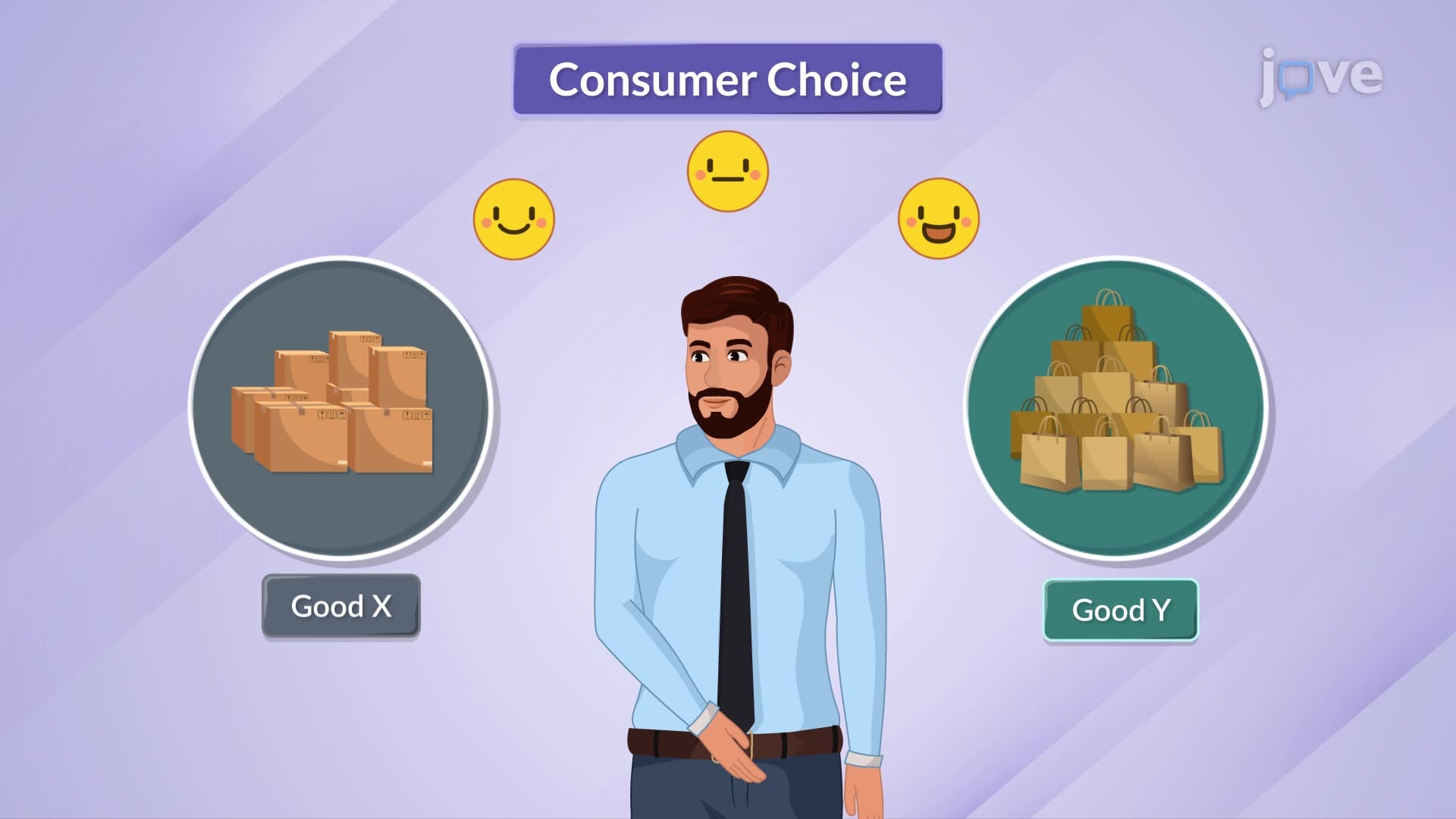

Video Summary: What Is Consumer Choice I
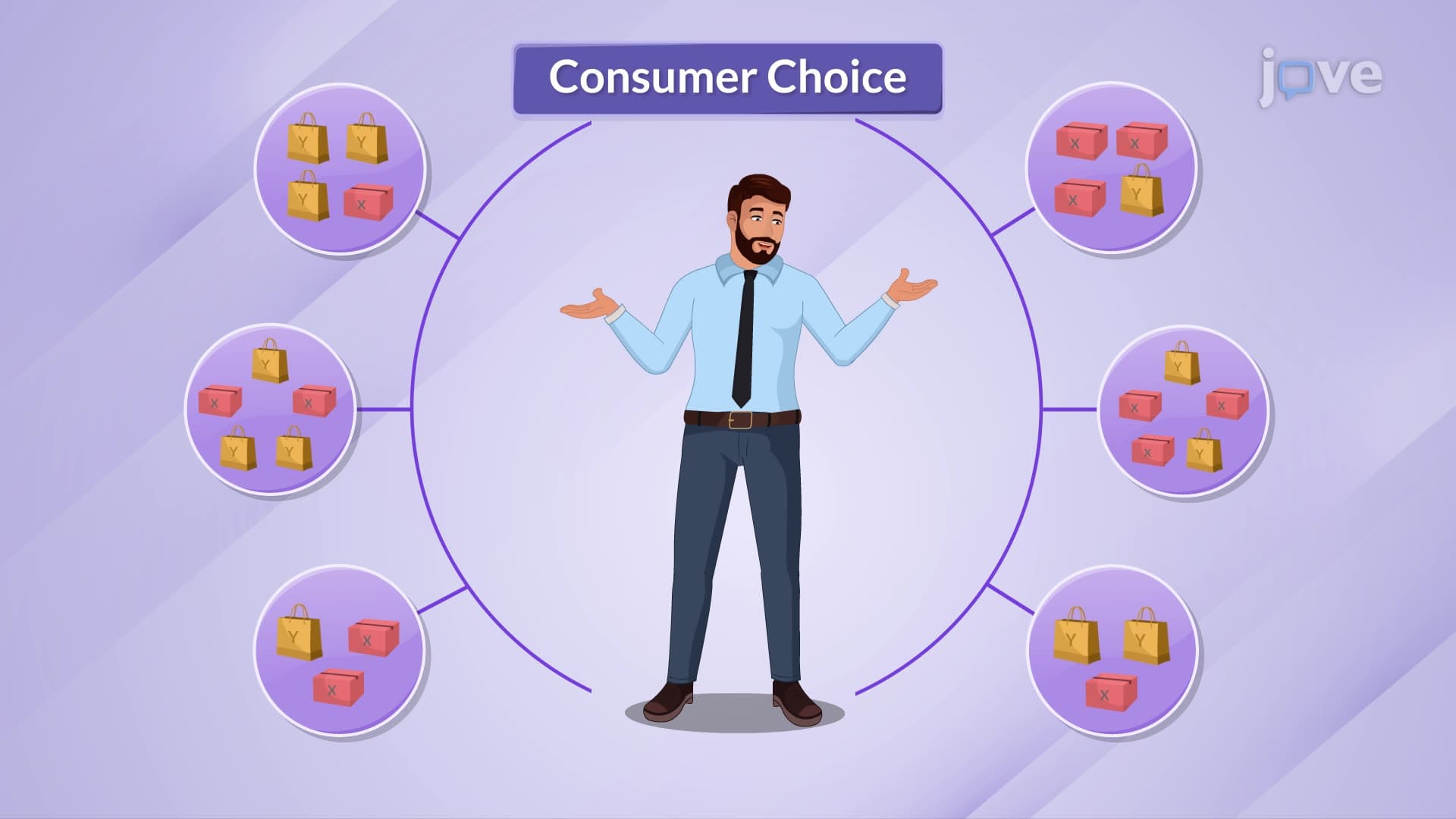
Did you know that every time you choose between buying a new smartphone or saving for a car, you're applying complex economic principles? Consumer choice theory explains how individuals like you make purchasing decisions when facing limited budgets and unlimited wants. Consider a college student deciding between textbooks and meal plans with their monthly budget, this scenario perfectly illustrates What is Consumer Choice I and how budget constraints interact with personal preferences to determine optimal purchasing decisions. Watch the full video on JoVE Coach to master this concept with expert-led visuals and step-by-step explanations.
Consumer choice theory forms the backbone of microeconomic analysis, explaining how rational individuals allocate their limited resources among competing alternatives. This fundamental concept helps us understand everything from why students choose community colleges over private universities to how families decide between groceries and entertainment spending.
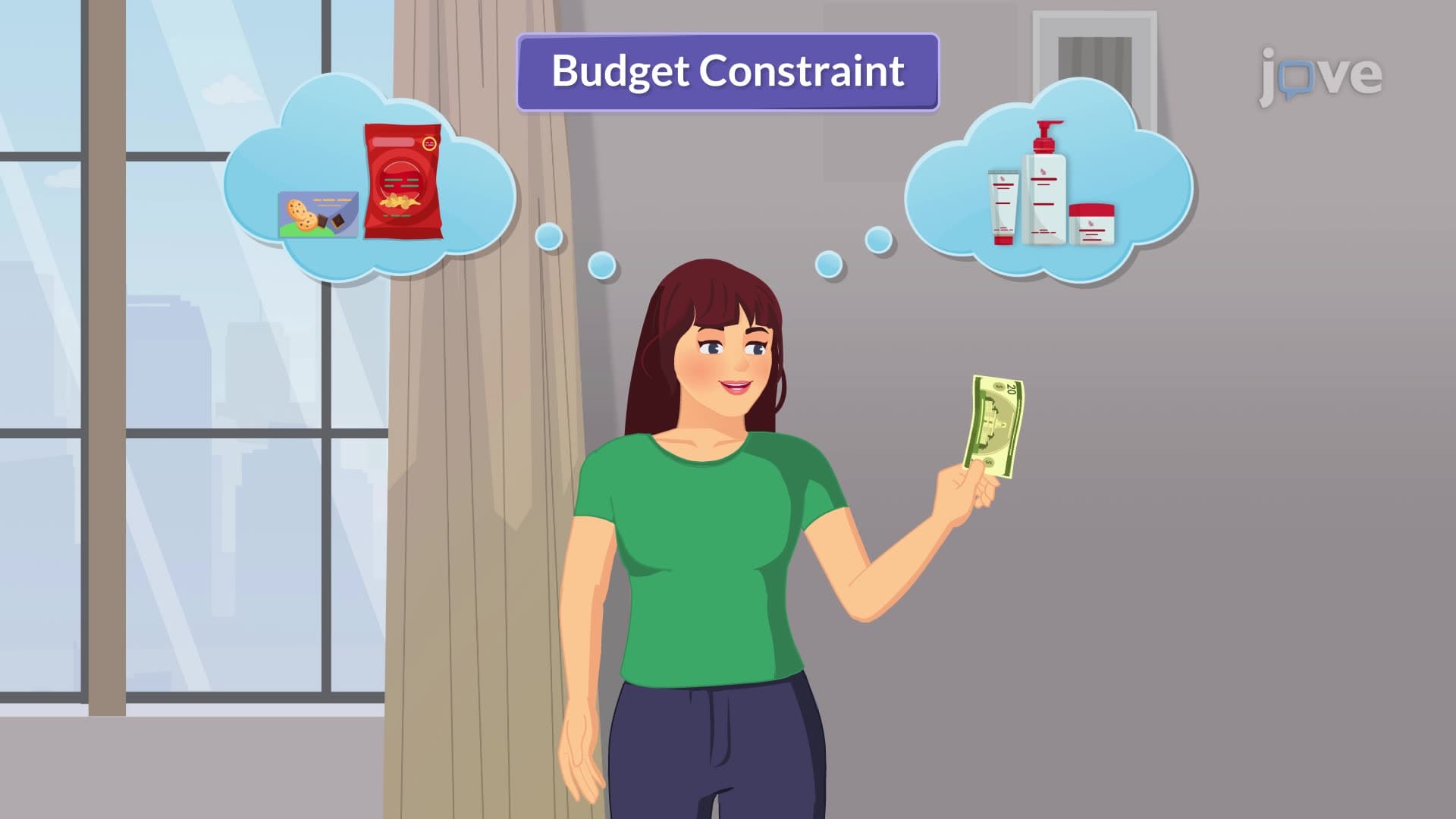
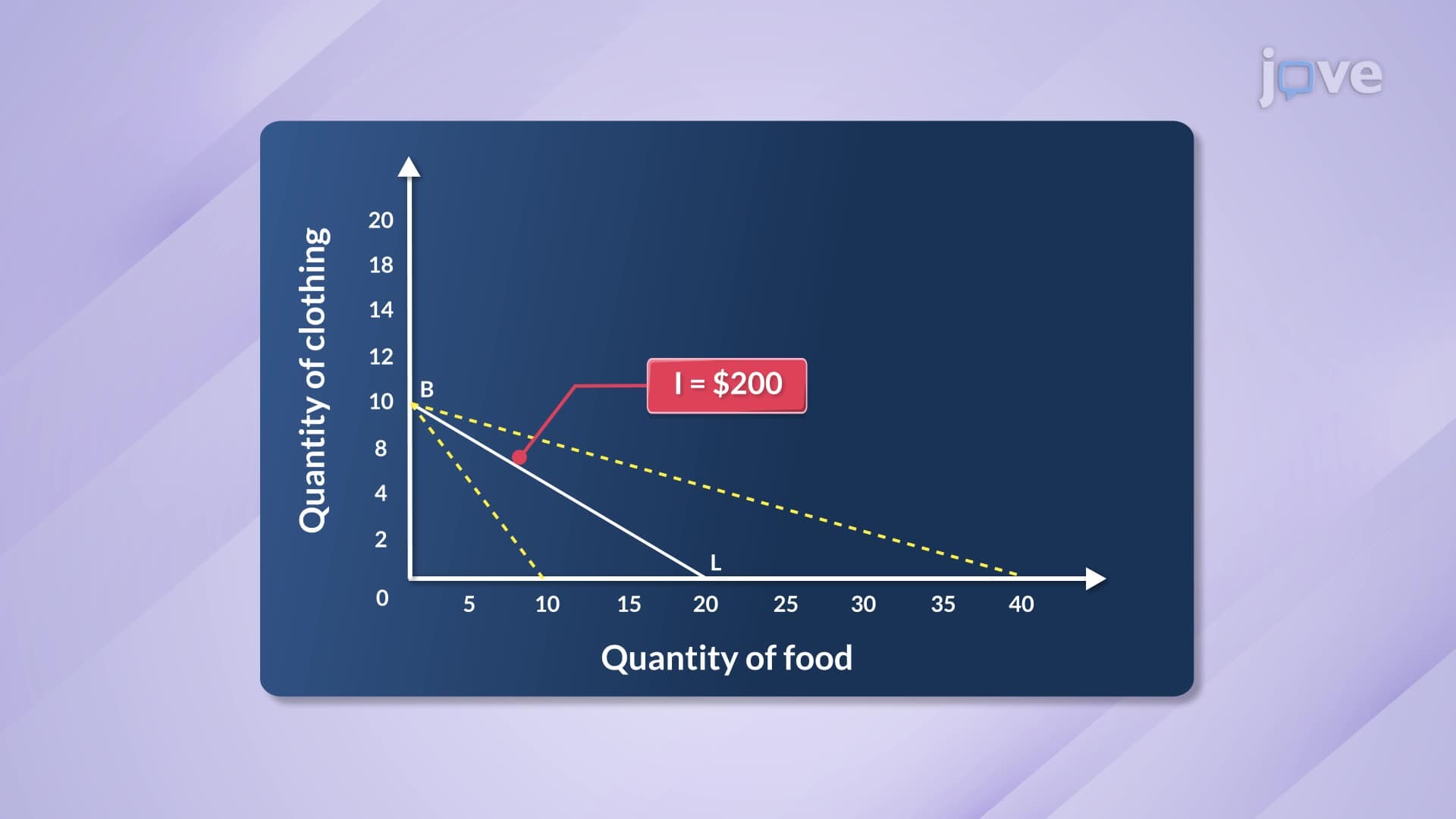
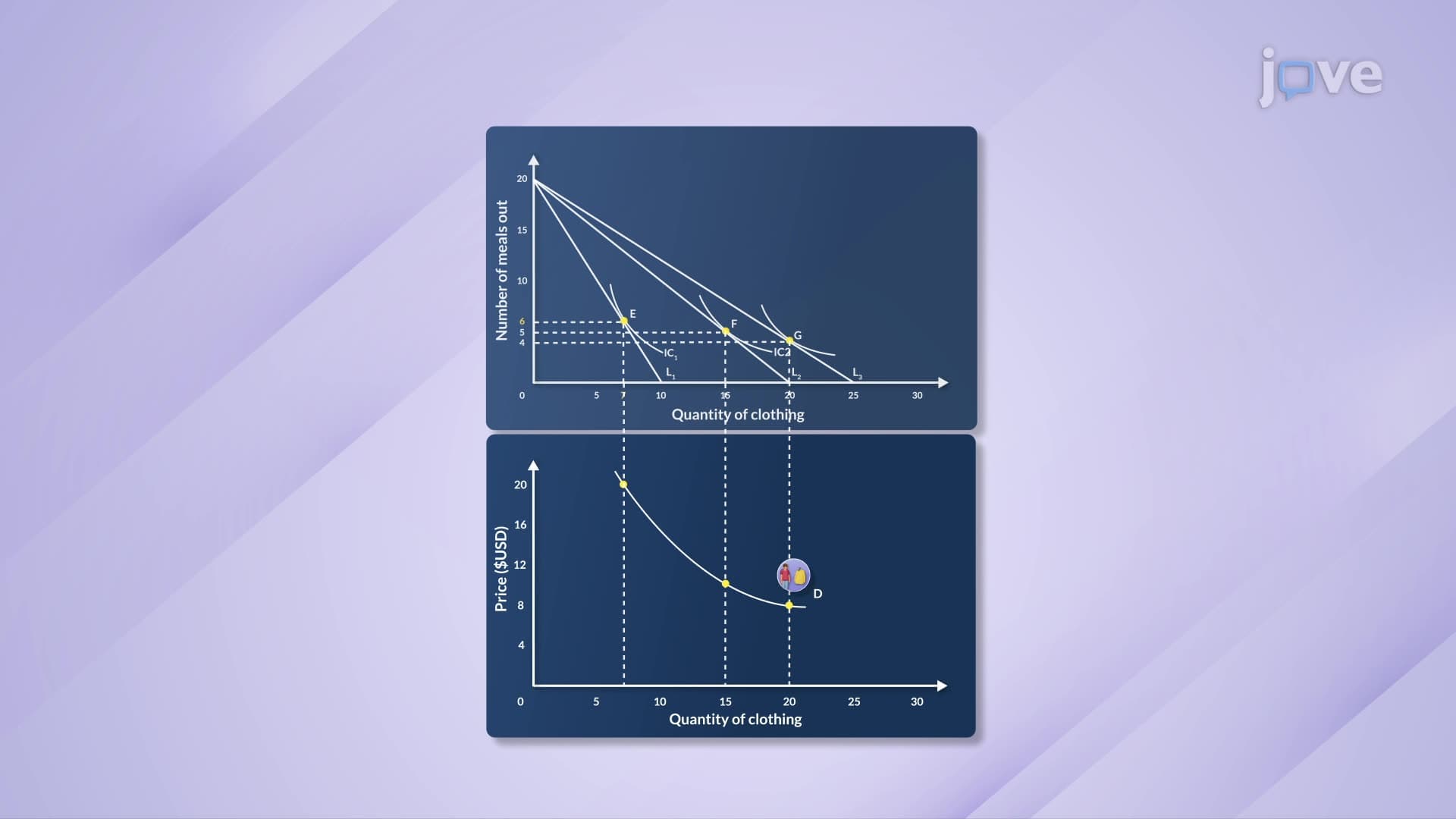
The budget line represents all possible combinations of two goods a consumer can afford given their income and market prices. Imagine Sarah, a high school senior with a $200 monthly job income, choosing between concert tickets ($50 each) and video games ($25 each). Her budget line shows she could buy four concert tickets and zero games, eight games and zero tickets, or any combination in between. This constraint is crucial for AP Economics students to master, as it frequently appears on both AP Microeconomics exams and college-level assessments.
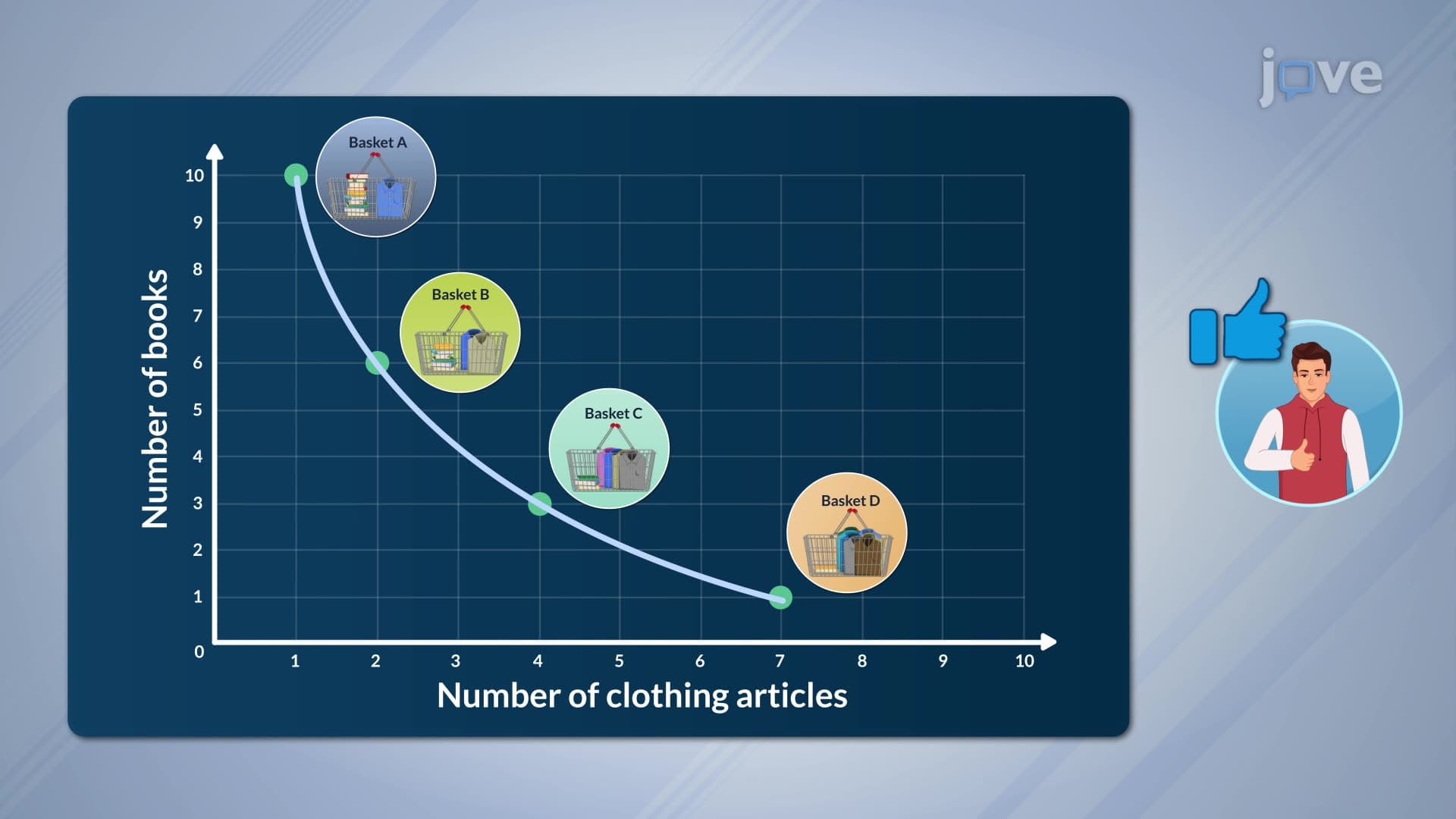
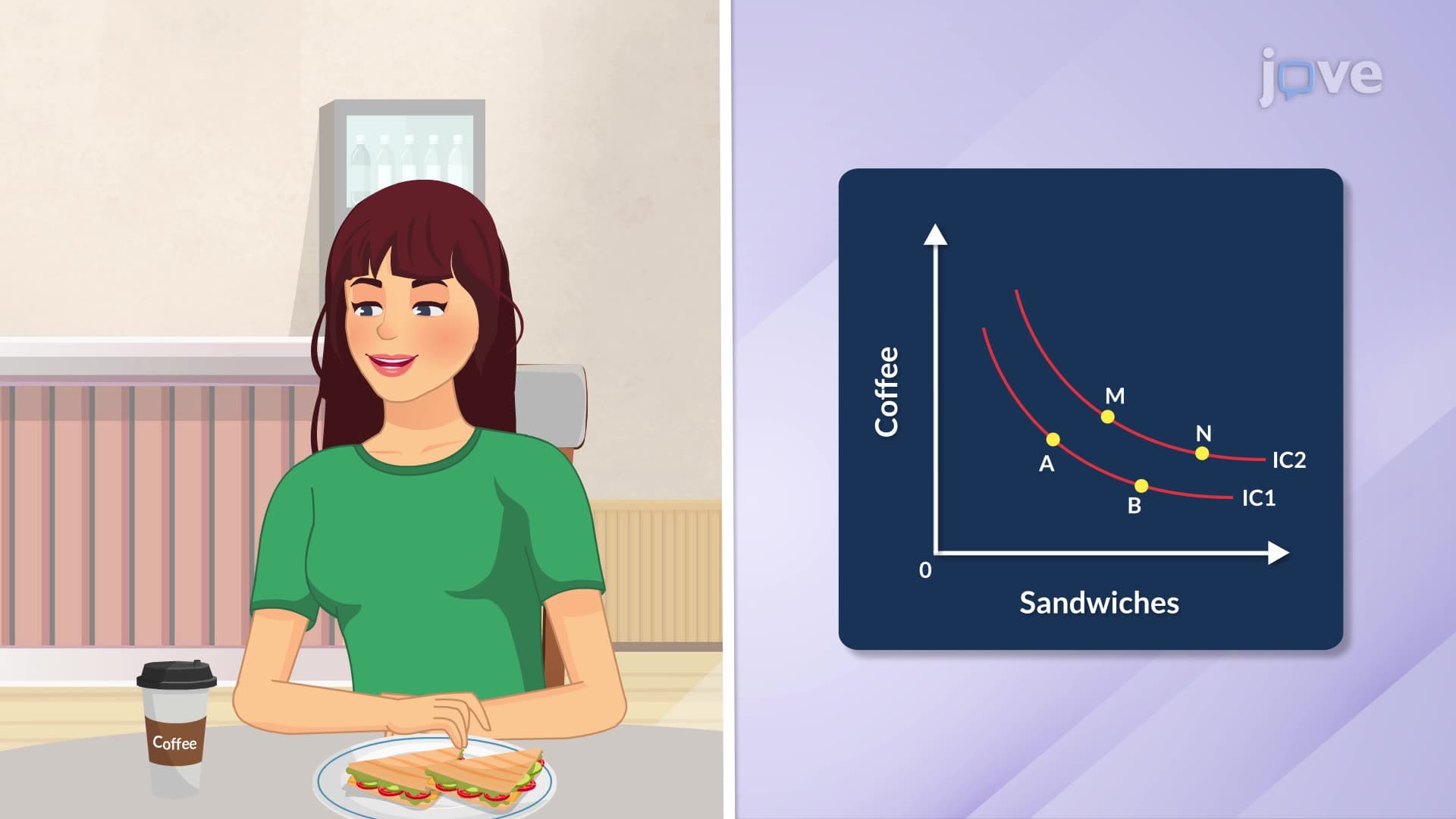
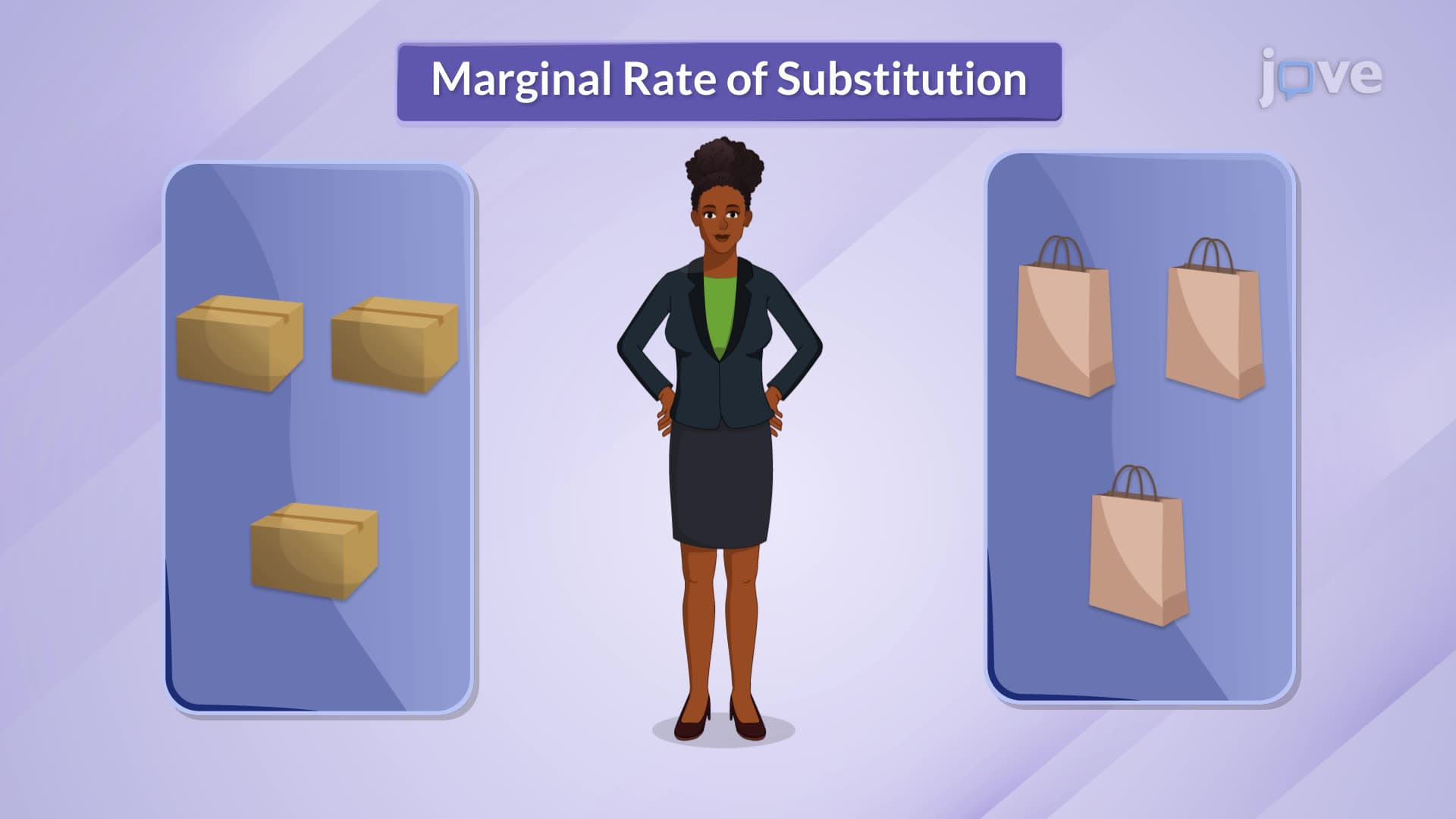
Indifference curves represent combinations of goods that provide equal satisfaction to consumers. Higher curves indicate greater utility levels. These curves typically slope downward and are convex to the origin, reflecting the principle of diminishing marginal rate of substitution. For college students preparing for economics midterms, understanding why indifference curves cannot intersect is essential, it would violate the consistency assumption of consumer preferences.
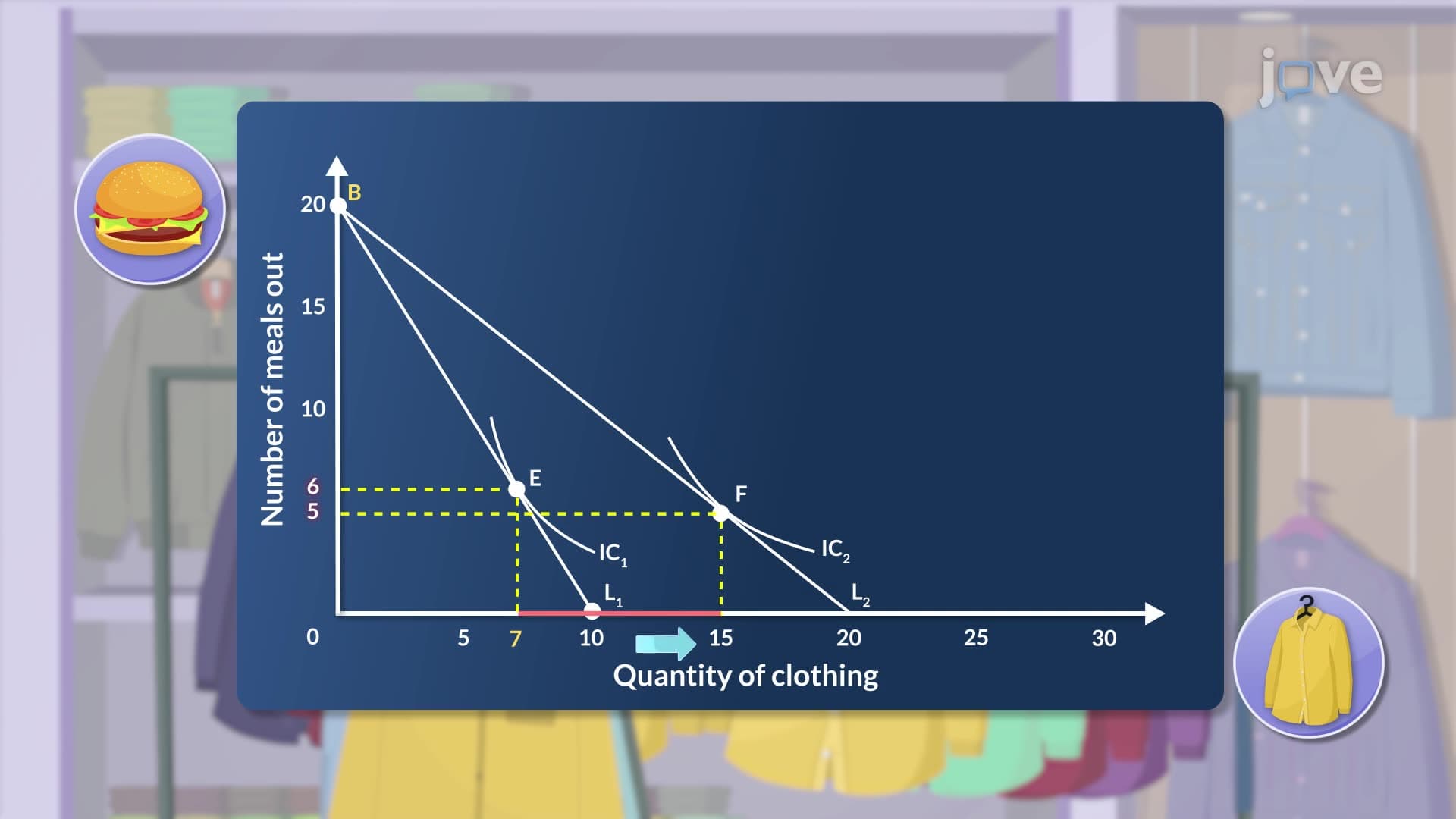
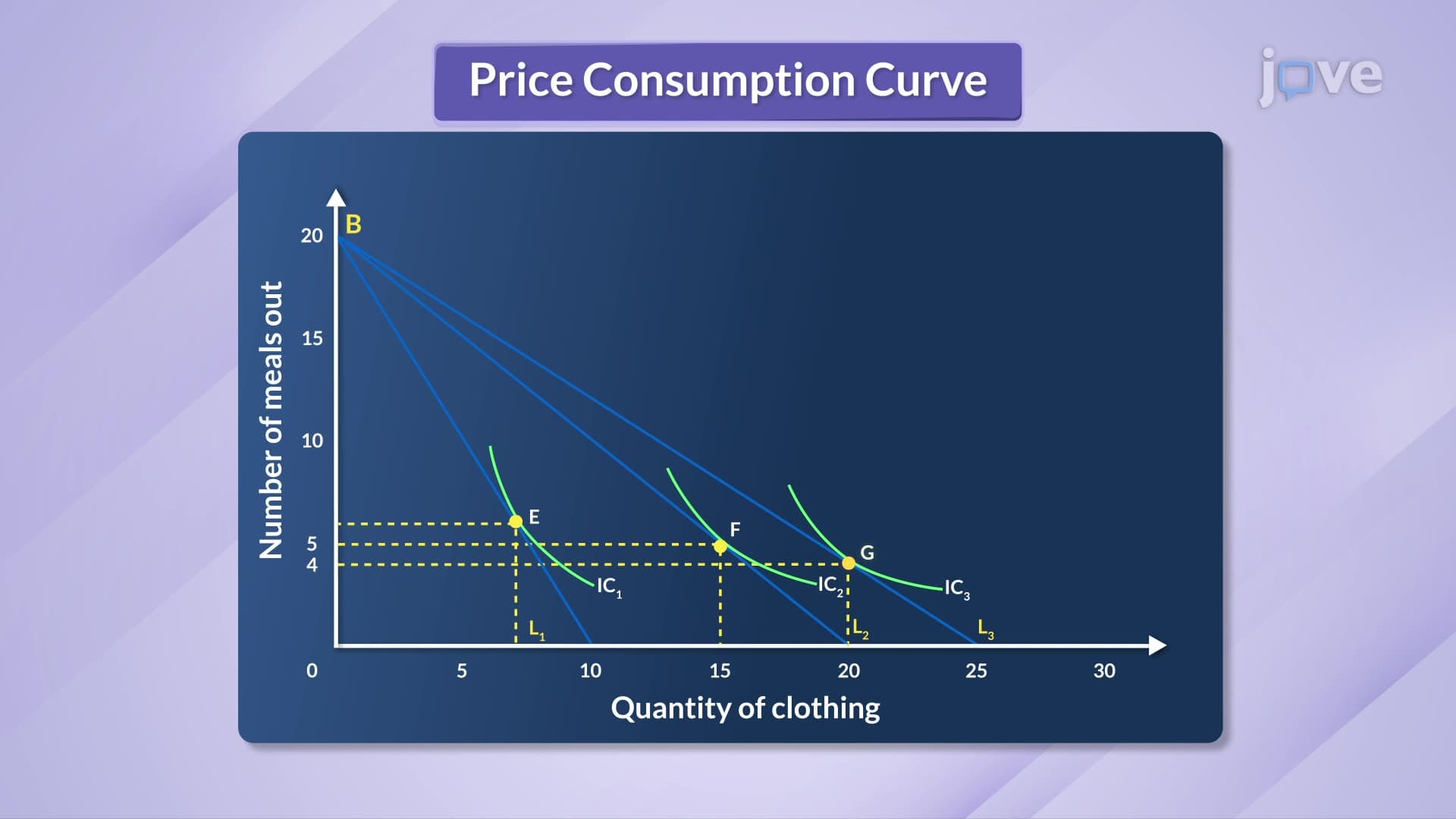
The optimal consumption bundle occurs where the budget line is tangent to the highest attainable indifference curve. At this point, the marginal rate of substitution equals the price ratio of the two goods. This equilibrium concept frequently appears on standardized tests like the AP Microeconomics exam, where students must identify optimal points graphically and calculate them mathematically.
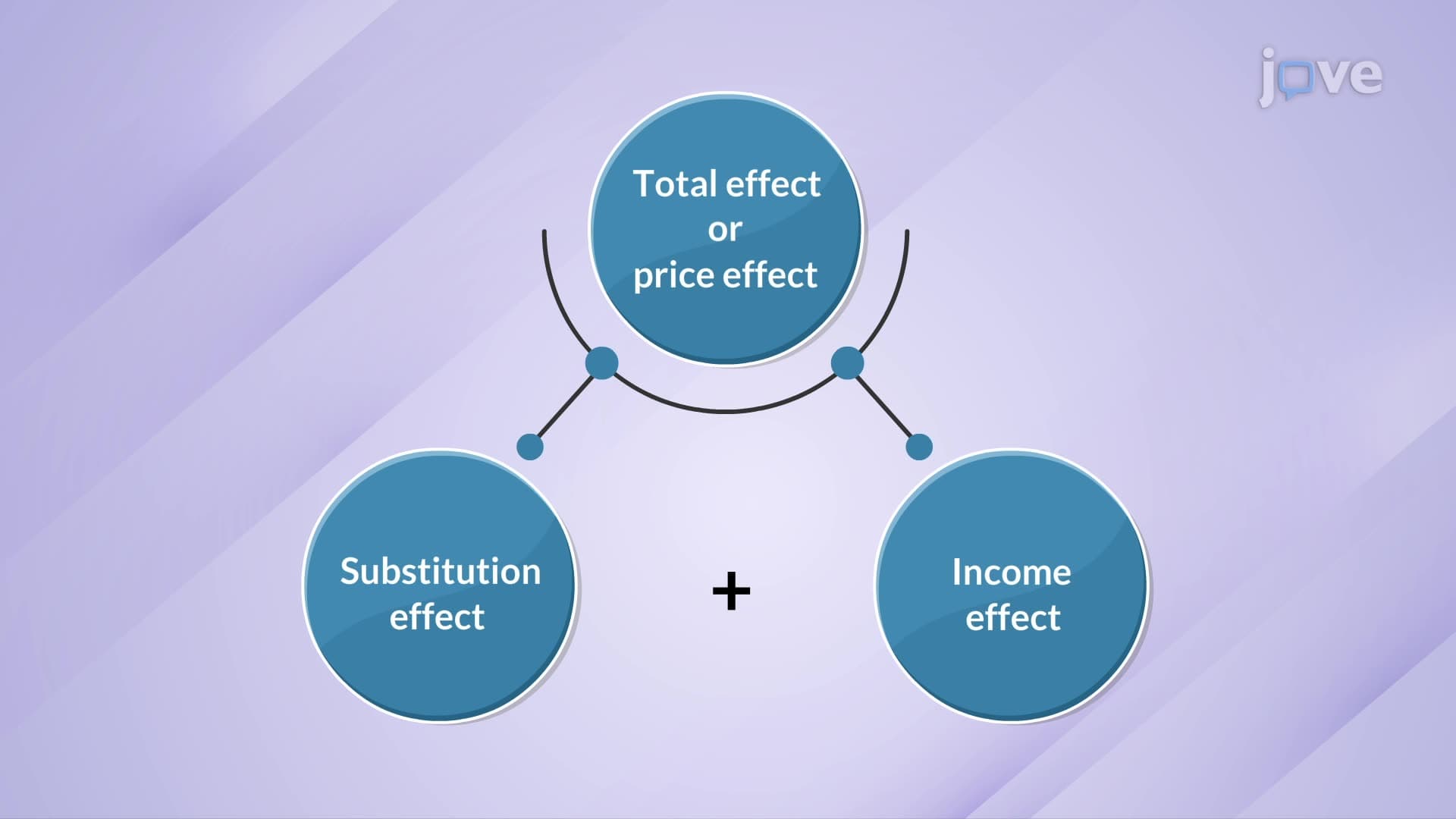
Consumer choice theory extends beyond academic exercises into real-world applications. Retailers use these principles for product positioning, while policymakers apply them to predict how tax changes affect consumer behavior. Understanding these foundations prepares students for advanced topics like income and substitution effects, which they'll encounter in intermediate microeconomics courses.
Related Micro-courses