Loading subject page…

- Microeconomics
- Consumer Behavior
- Concept of Utility
Micro-course: Consumer Behavior
9,930 views
Learn key concepts and earn your certificate.


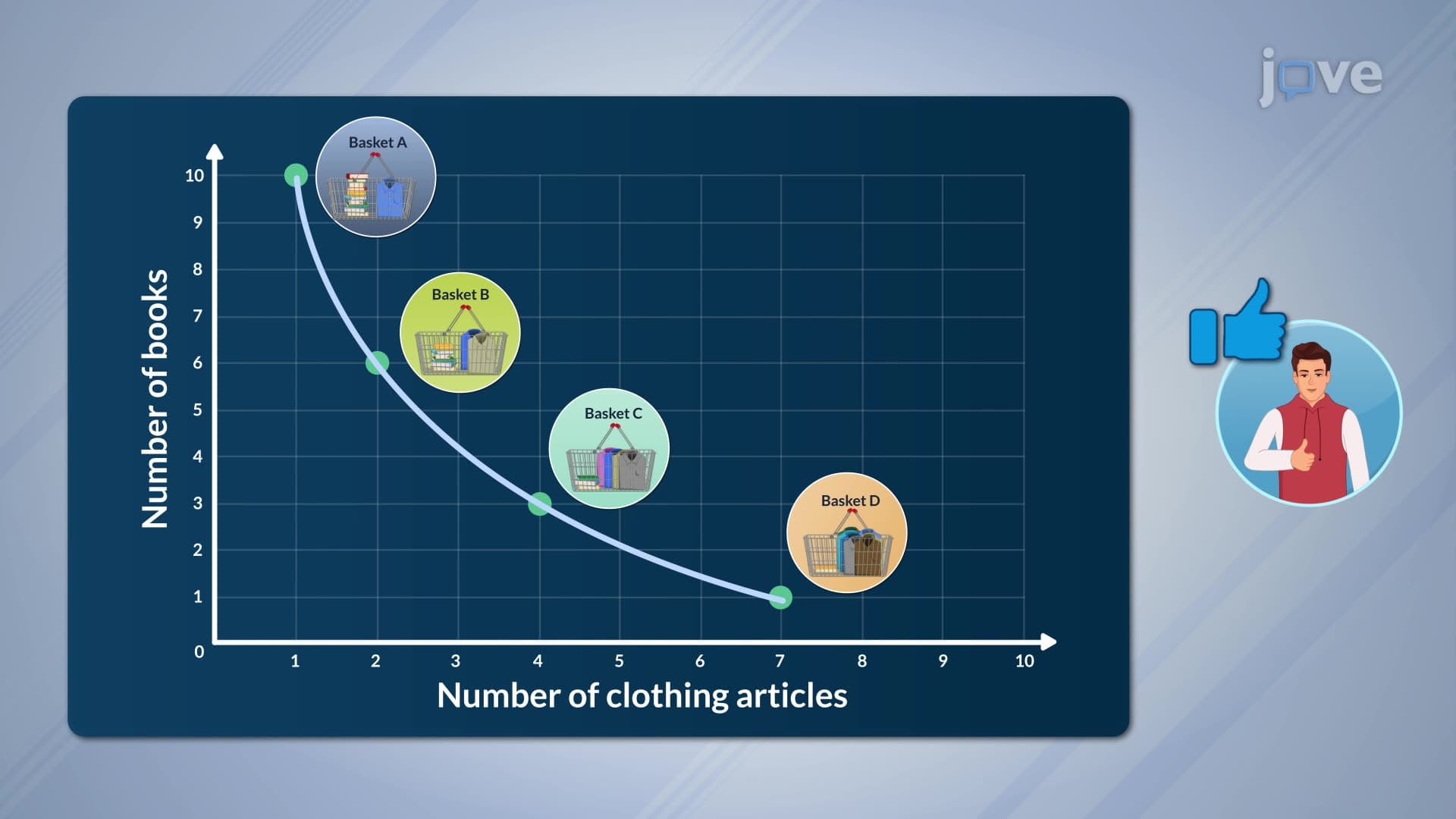
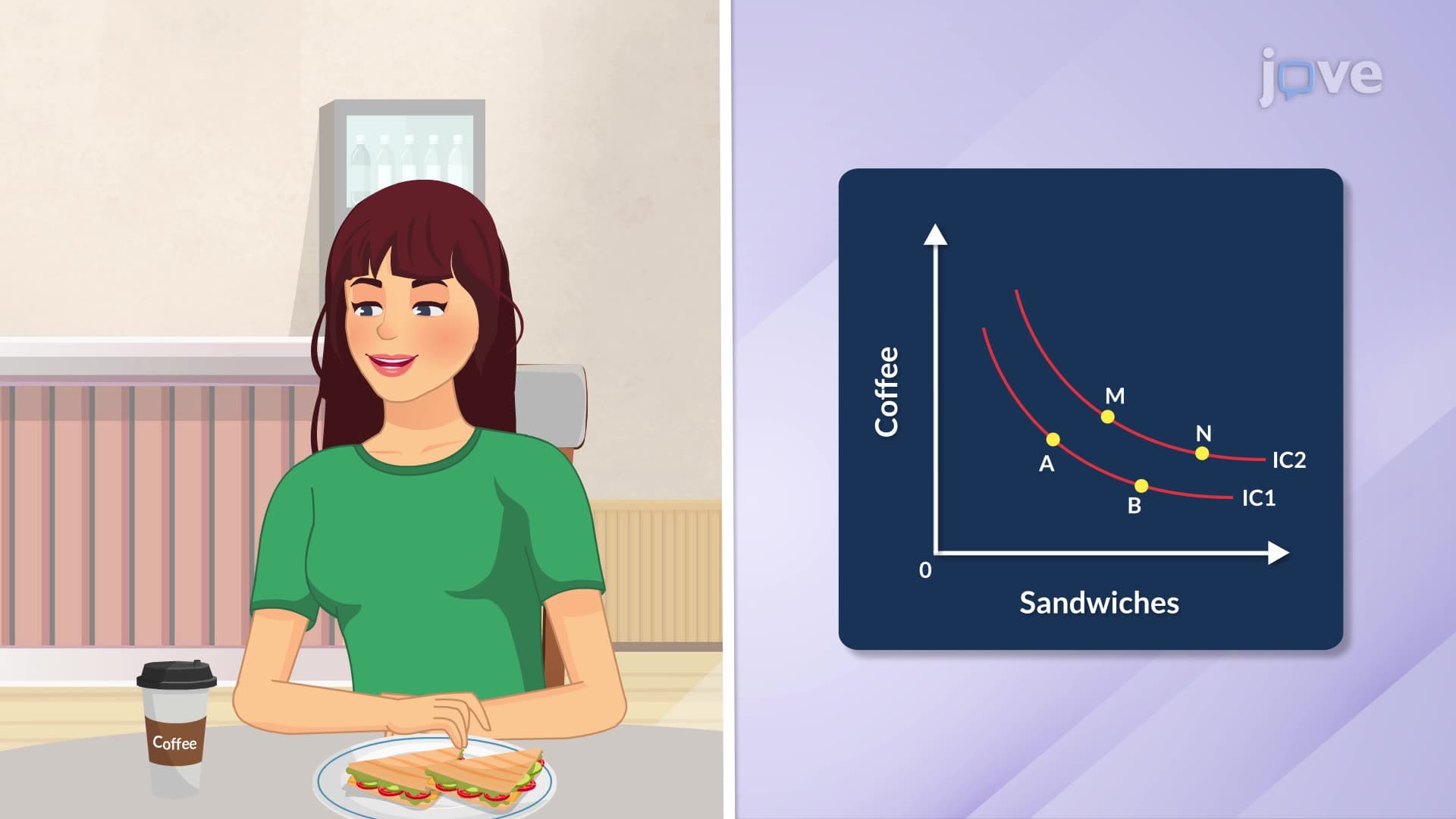

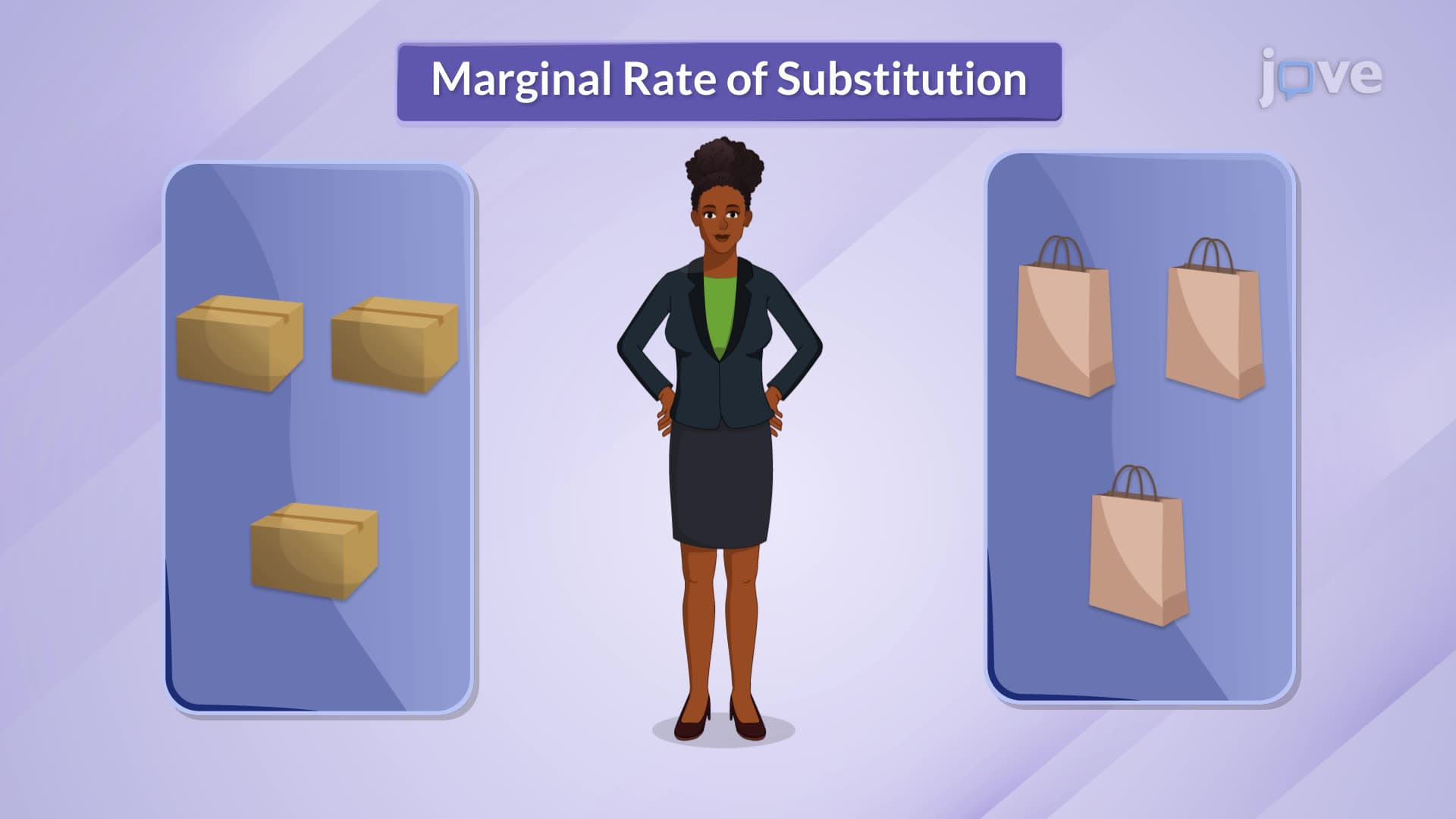


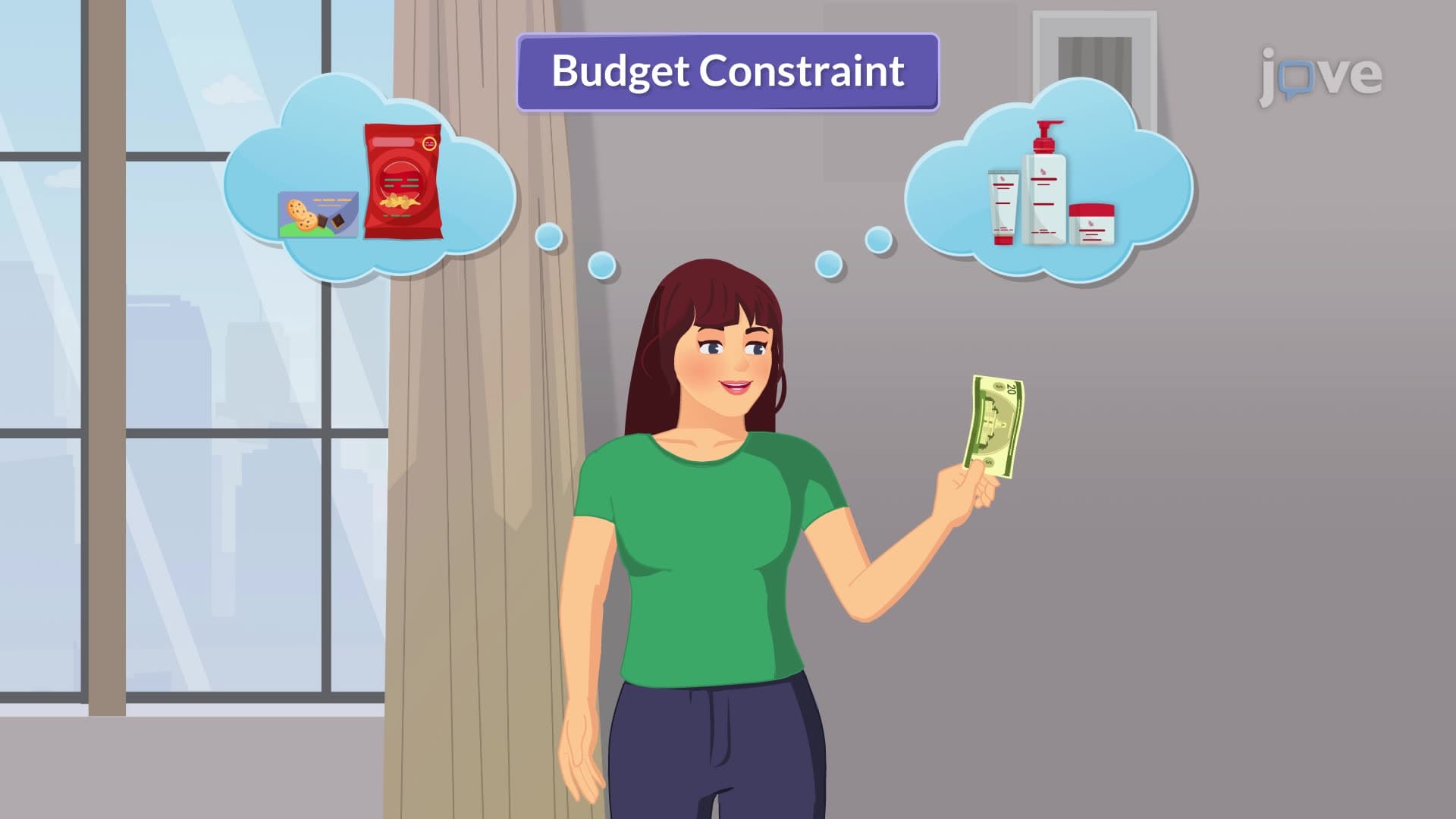



Concept of Utility


00:00
01:29
Video Summary: What Is Concept of Utility
Why do Americans spend $1.3 trillion annually on consumer goods, yet feel different levels of satisfaction from each purchase? The concept of utility explains this economic phenomenon by measuring the satisfaction consumers derive from goods and services. Consider a college student choosing between a Netflix subscription and a Starbucks coffee-both provide utility, but economists measure this satisfaction through cardinal (quantifiable) or ordinal (preference ranking) approaches. Watch the full video on JoVE Coach to master this concept with expert-led visuals and step-by-step explanations.
- Understand what is concept of utility and how it measures consumer satisfaction in economic decision-making
- Identify the difference between cardinal and ordinal utility measurement approaches used by economists
- Analyze real-world examples of utility maximization in American consumer behavior and market choices
- Compare cardinal utility (measured in utils) versus ordinal utility (preference rankings) methodologies
- Evaluate how environmental and health consciousness affects individual utility functions and purchasing decisions
- Apply utility theory concepts to solve economics problems on AP Microeconomics exams and college coursework
- Recognize why modern economists prefer ordinal over cardinal utility measurement in contemporary economic analysis
- Explore how utility theory forms the foundation for understanding consumer choice theory and demand curves
Understanding What is Concept of Utility in Economics
The concept of utility serves as a cornerstone principle in microeconomics, representing the satisfaction, happiness, or benefit a consumer receives from consuming goods or services. This fundamental economic concept helps explain consumer behavior patterns observed across American markets, from grocery shopping at Walmart to streaming service subscriptions.
Utility theory emerged from 18th-century philosophers like Jeremy Bentham, who sought to quantify human happiness. Today, this concept forms the theoretical foundation for understanding consumer choice theory, which appears prominently on AP Microeconomics exams and college-level economics courses.
Cardinal vs. Ordinal Utility Measurement Methods
Economists traditionally measured utility through two distinct approaches. Cardinal utility attempts to assign numerical values to satisfaction levels, using hypothetical units called "utils." For example, a consumer might derive 15 utils from attending a Lakers game versus 8 utils from dining at Chipotle. This approach assumes satisfaction can be measured like temperature or weight.
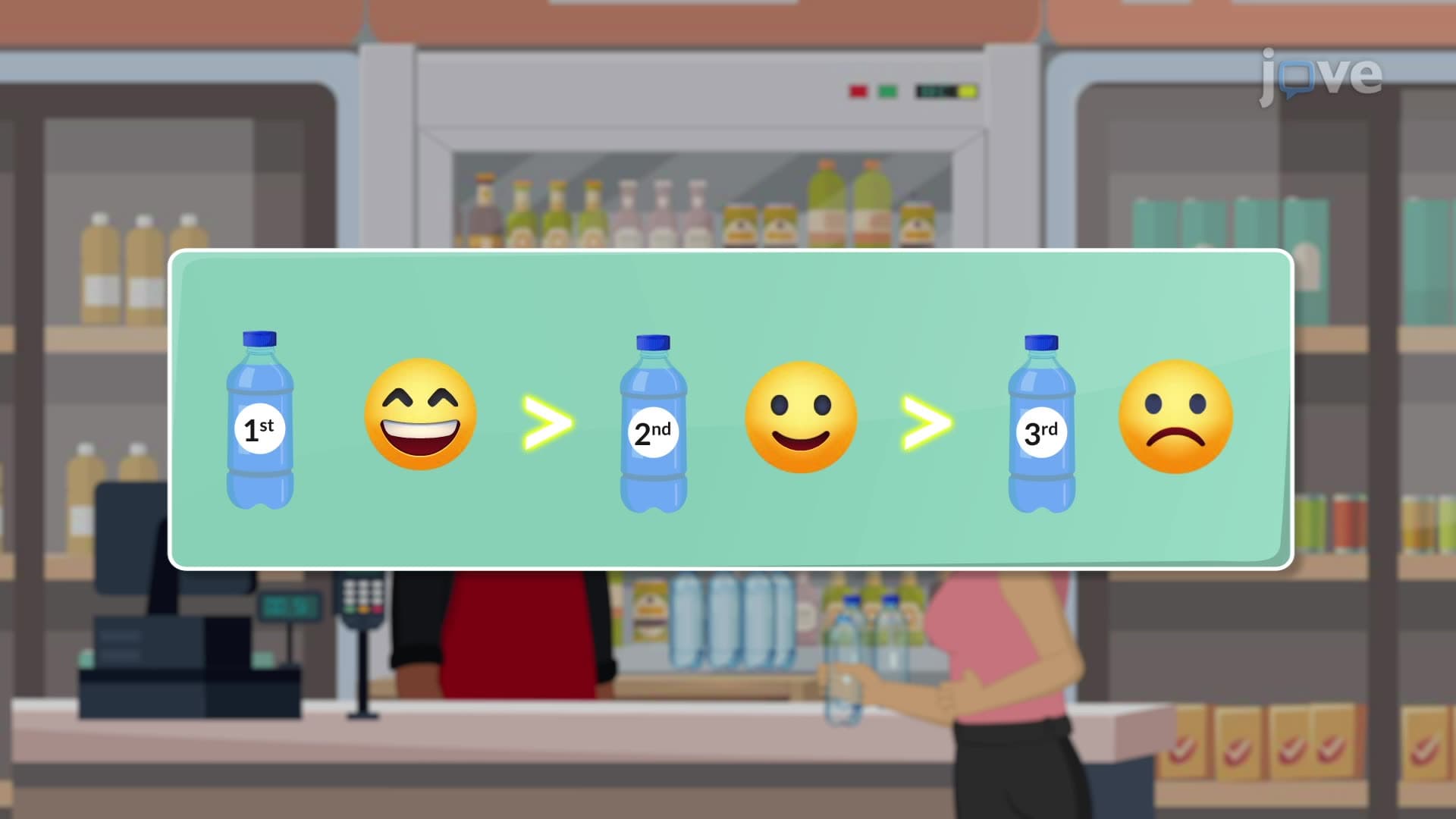
However, modern economists favor ordinal utility, which focuses on preference rankings rather than absolute measurements. Instead of quantifying exact satisfaction levels, consumers simply rank preferences: "I prefer Tesla Model 3 over Honda Civic." This method acknowledges the subjective nature of satisfaction while providing practical frameworks for economic analysis.
Real-World Applications in American Consumer Markets
The concept of utility definition explained becomes clearer through contemporary American examples. Consider a health-conscious consumer choosing between gym memberships. A Planet Fitness membership ($10/month) might provide basic utility, while an Equinox membership ($200/month) offers higher utility through premium amenities, despite the price difference.
Similarly, environmentally conscious consumers demonstrate utility preferences through purchasing decisions. A Toyota Prius buyer values environmental benefits alongside transportation utility, while a Ford F-150 purchaser prioritizes different utility aspects like towing capacity and durability.
Academic and Professional Applications
Understanding utility concepts proves essential for various academic and professional contexts. AP Microeconomics students encounter utility maximization problems, while college economics majors explore advanced topics like marginal utility and indifference curves. Business students apply utility theory in marketing and consumer behavior courses, analyzing how companies like Apple create products that maximize consumer satisfaction.
The concept also appears in graduate-level examinations, including MBA programs and economics PhD qualifying exams, where students must demonstrate mastery of utility theory's mathematical foundations and real-world applications.
Frequently Asked Questions
The concept of utility measures how much satisfaction or happiness a consumer gets from using goods or services. It's like a satisfaction meter that helps economists understand why people make certain purchasing decisions. For example, you might get more utility from buying concert tickets than from buying new shoes, even if they cost the same amount.
AP Microeconomics exams frequently test utility through consumer choice problems, marginal utility calculations, and budget constraint scenarios. Students must demonstrate understanding of utility maximization rules and graphical representations like indifference curves. Practice problems often involve real-world scenarios like choosing between different consumer goods within budget limitations.
Cardinal utility assigns numerical satisfaction values (like "10 utils of happiness"), while ordinal utility only ranks preferences without specific numbers. College economics courses emphasize ordinal utility because it's more realistic-you can say you prefer pizza over burgers without claiming pizza gives you exactly "twice as much satisfaction."
Companies like Amazon and Netflix use utility theory to understand consumer preferences and optimize product offerings. They analyze which features provide highest customer satisfaction and adjust pricing strategies accordingly. For instance, Netflix's recommendation algorithm aims to maximize viewer utility by suggesting content that increases satisfaction and reduces subscription cancellations.
The concept of utility is quite accessible for high school students since it relates directly to everyday decision-making experiences. Students already understand choosing between different options based on satisfaction-utility theory simply provides economic terminology and frameworks for analyzing these natural behaviors.
Focus on real-world examples and practice problems rather than just memorizing definitions. Create personal utility rankings for familiar products, solve budget constraint problems, and draw indifference curves. Use practice exams from College Board for AP preparation, and work through textbook problems that connect utility theory to consumer choice scenarios.
MCAT behavioral sciences questions often test understanding of decision-making processes and consumer behavior psychology. Utility theory provides frameworks for analyzing how individuals make choices under constraints, which appears in passages about healthcare decisions, resource allocation, and behavioral economics applications in medical contexts.
After understanding basic utility, explore marginal utility theory, indifference curves, budget constraints, and consumer equilibrium conditions. Advanced students should investigate utility maximization with calculus, Hicksian and Marshallian demand functions, and behavioral economics modifications to traditional utility theory.
Related Micro-courses