- Microeconomics
- Perfect Competition
Micro-courses:20

Perfect Competition

1. Perfect Competition

2. Demand Curve in a Perfectly Competitive Market
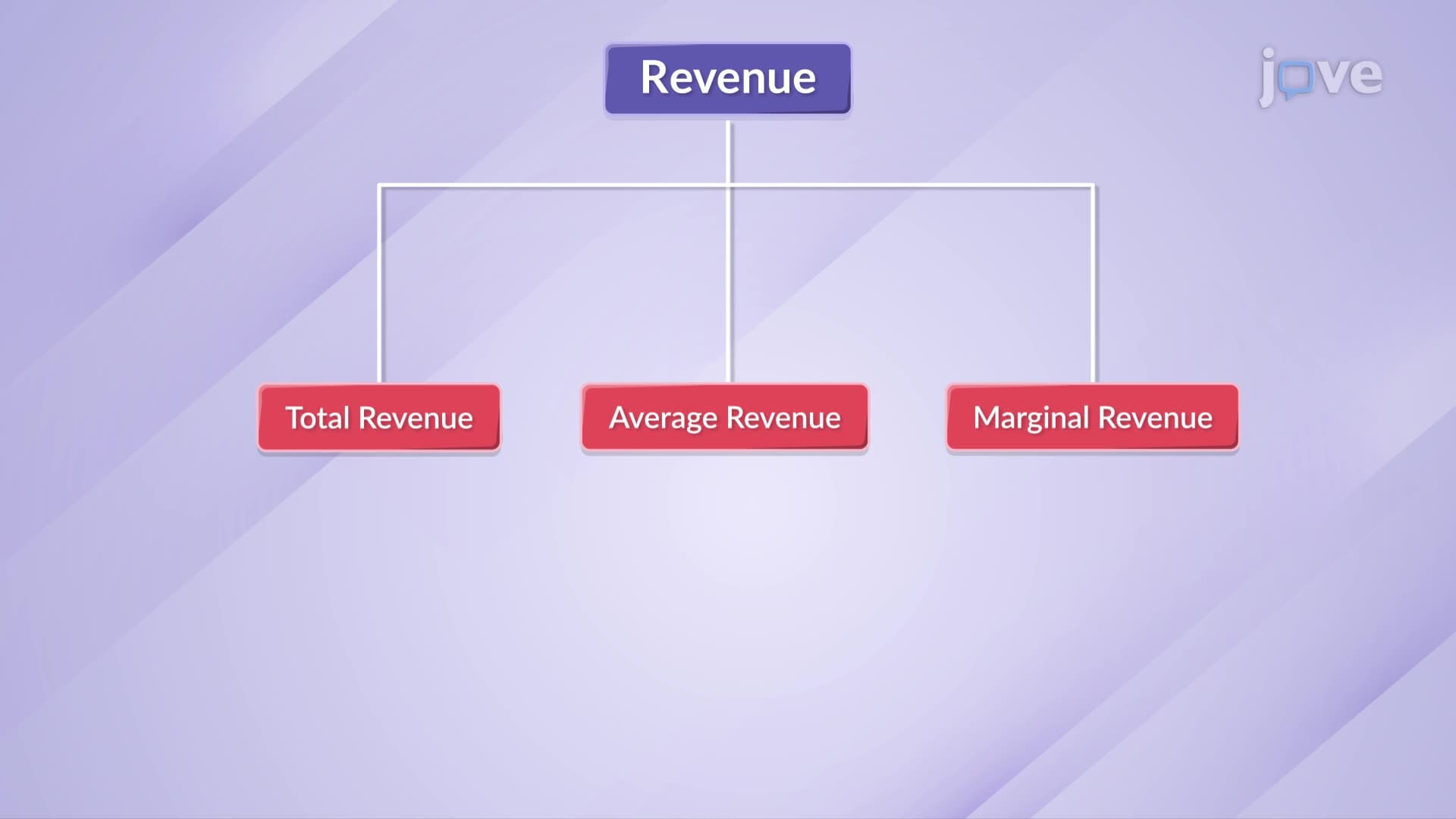
3. Revenues in Perfect Competition

4. Short-run Profit Maximization I
5. Short-run Profit Maximization II
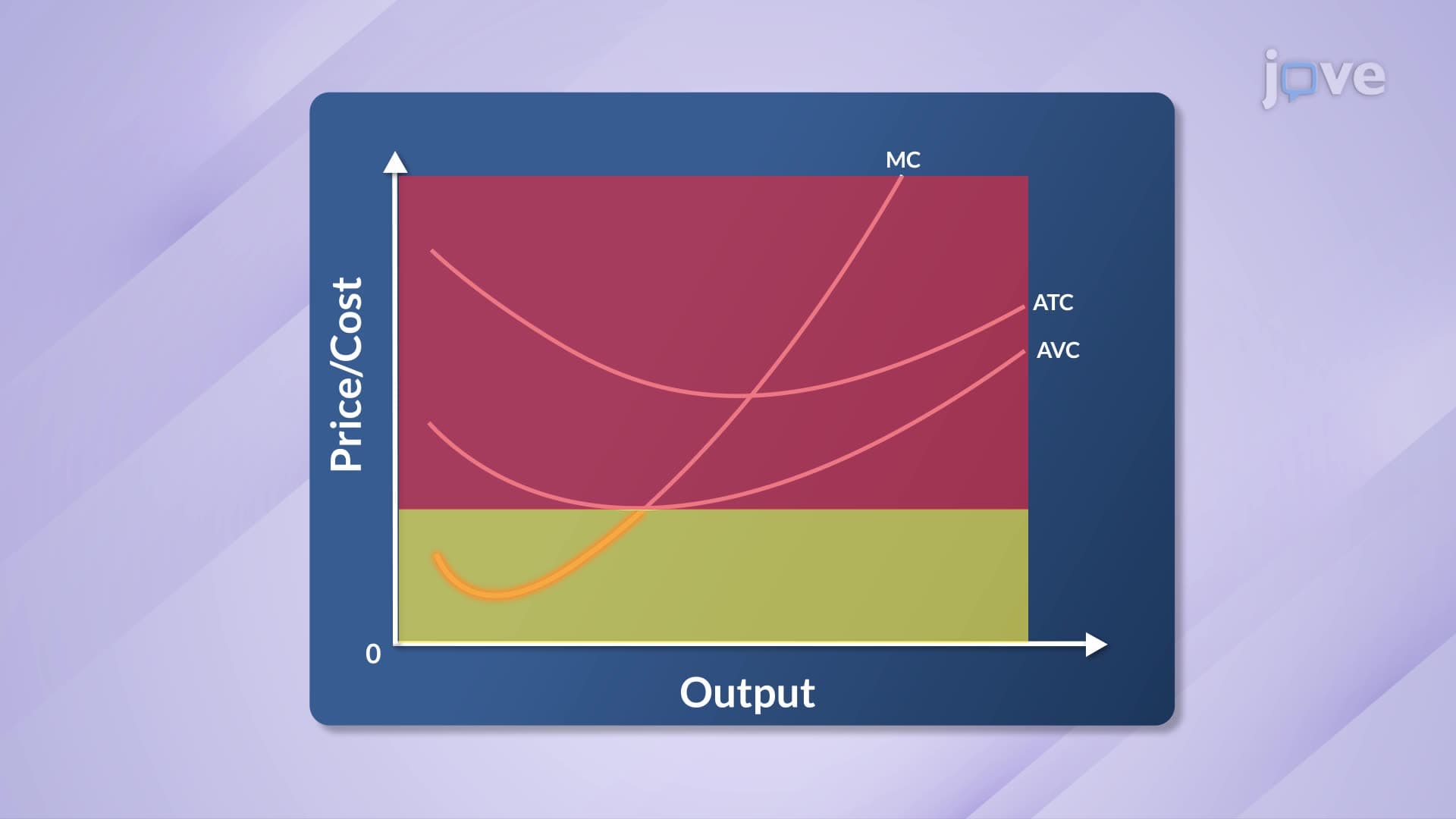
6. Shut Down Point
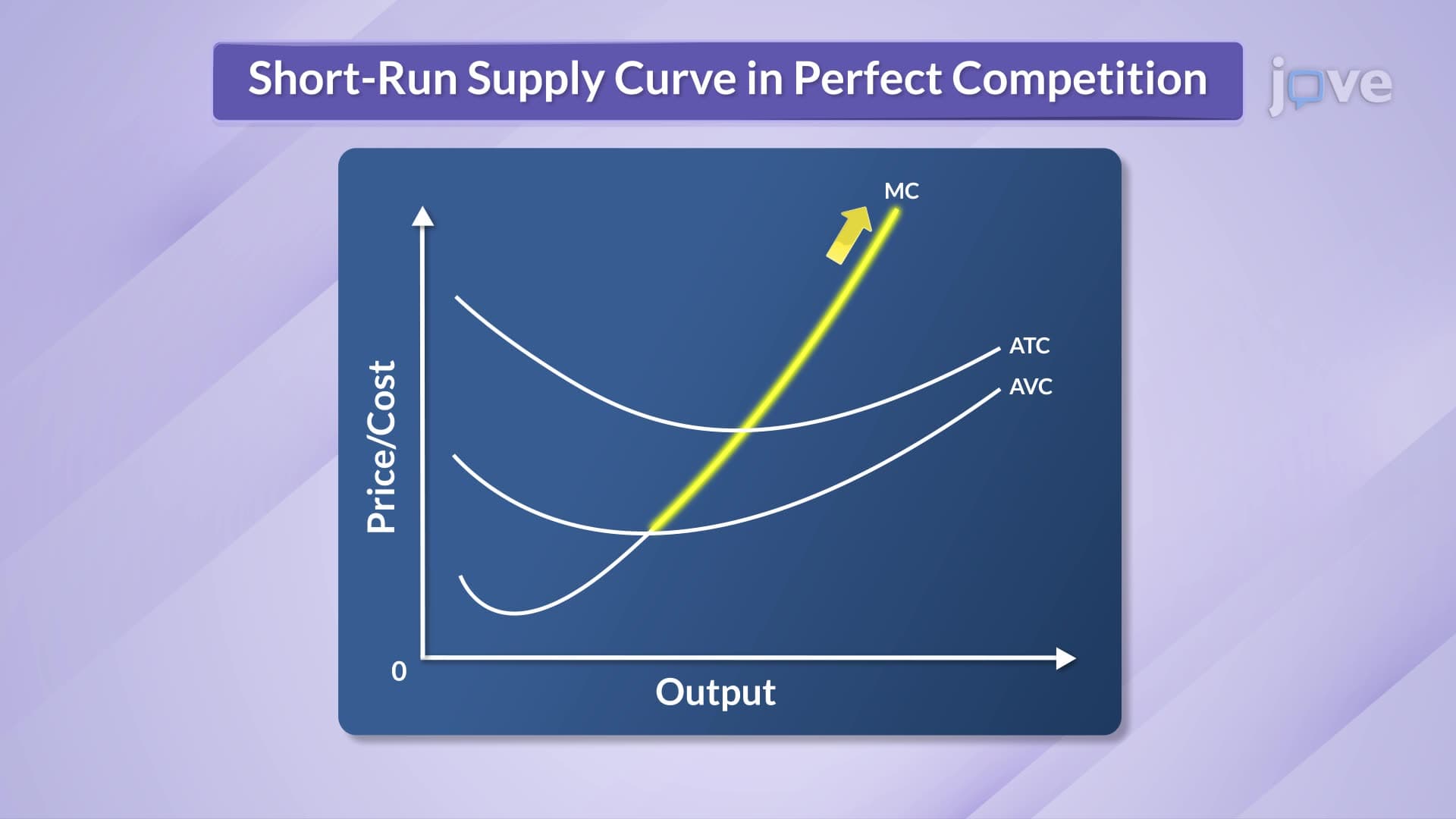
7. Short-run Supply Curve in Perfect Competition

8. Zero Economic Profit
9. Long-run Competitive Equilibrium I

10. Long-run Competitive Equilibrium II
11. Long-run Supply Curve in Perfect Competition
12. Long-run Supply Curve in Increasing and Decreasing Cost Industries
Perfect competition represents an idealized market structure where numerous buyers and sellers interact with identical products, complete information, and unrestricted market entry. This fundamental economic model serves as a benchmark for analyzing market efficiency and helps students understand how supply and demand forces determine prices in competitive environments. Through JoVE Coach's comprehensive video series, you'll explore how firms operate as price takers, maximize profits, and reach long-run equilibrium in perfectly competitive markets like agriculture.
- Understand the defining characteristics of perfectly competitive markets and their theoretical importance
- Identify how firms become price takers in competitive environments with many buyers and sellers
- Analyze the relationship between demand curves, revenue types, and pricing in perfect competition
- Learn profit maximization strategies using marginal cost and marginal revenue principles
- Explore short-run decision-making, including shutdown points and supply curve determination
- Apply concepts of zero economic profit and distinguish between accounting and economic profit
- Understand long-run competitive equilibrium and market efficiency outcomes
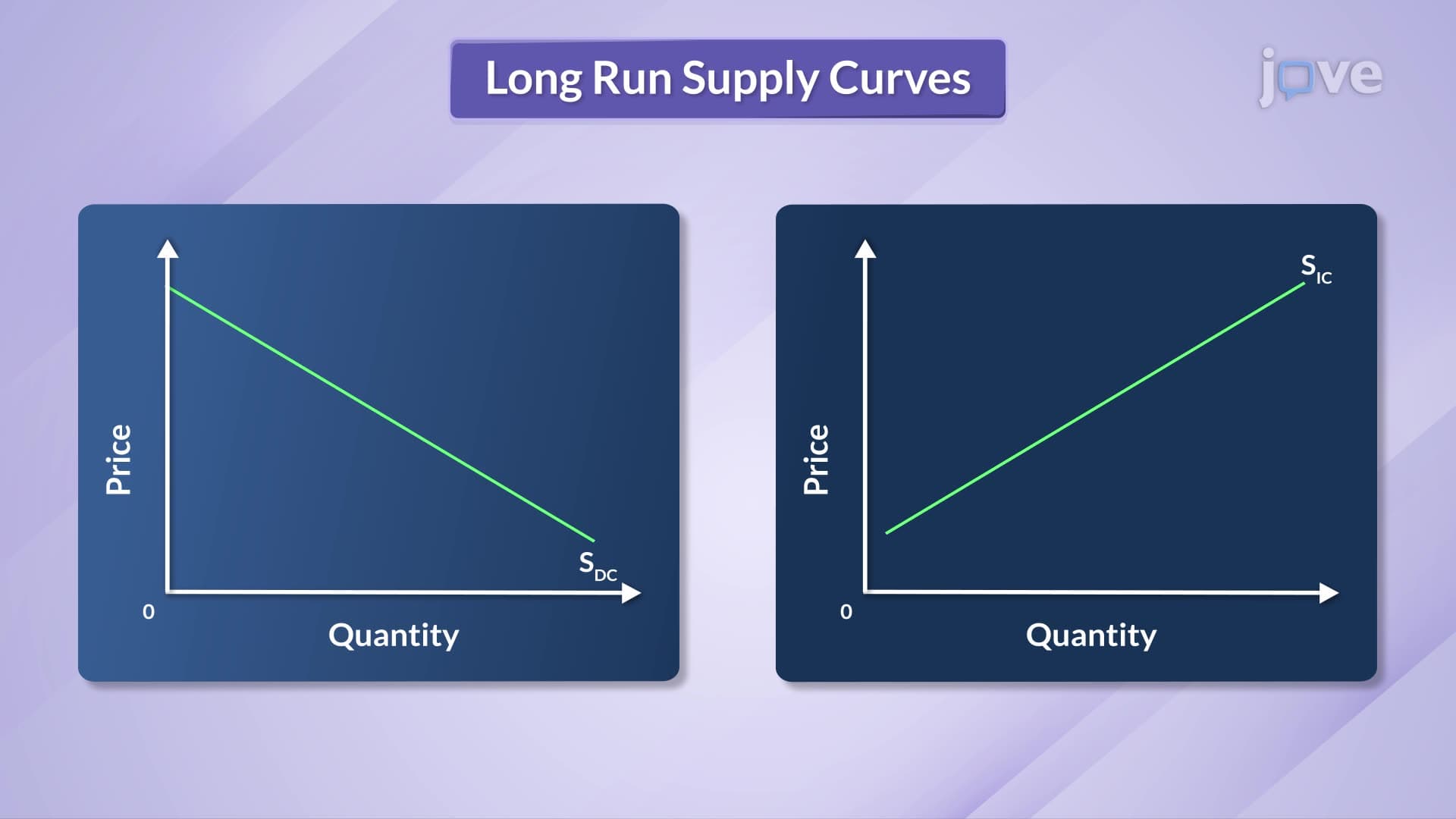
- Examine how supply curves behave differently in constant, increasing, and decreasing cost industries
1. Market Structure and Characteristics: Perfect competition requires four essential conditions: numerous buyers and sellers, identical products, perfect information, and free market entry and exit. No single participant can influence market prices, making all firms price takers. The agricultural sector exemplifies this structure, where thousands of farmers sell homogeneous products like corn or wheat. Understanding these characteristics helps explain why competitive markets efficiently allocate resources and benefit consumers through lower prices.
2. Demand Curves and Price-Taking Behavior: In perfectly competitive markets, individual firms face perfectly elastic demand curves represented as horizontal lines at the market price. A wheat farmer cannot charge above market price without losing all customers, nor does reducing prices make economic sense since it would increase average costs while decreasing revenue per unit. This creates the fundamental price-taking behavior that defines competitive firms.
3. Revenue Analysis and Profit Calculations: Firms must understand three revenue types: total revenue (price × quantity), average revenue (total revenue ÷ quantity), and marginal revenue (additional revenue from one more unit sold). In perfect competition, average revenue, marginal revenue, and market price are identical. This equality simplifies profit calculations and helps firms determine optimal production levels for maximizing earnings.
4. Short-Run Profit Maximization Strategy: The profit maximization rule states that firms should produce where marginal cost equals marginal revenue. When marginal revenue exceeds marginal cost, increasing production adds profit. When marginal cost exceeds marginal revenue, reducing output prevents losses. This principle applies to any competitive business, from chair manufacturers to service providers determining optimal client loads for maximum profitability.
5. Shutdown Decision and Loss Minimization: Even profit-maximizing firms may face losses when average total cost exceeds price. The shutdown rule determines whether to continue operations: if price covers average variable cost, continue producing to offset some fixed costs; if price falls below average variable cost, cease production to minimize losses. This critical decision affects short-run survival strategies for struggling businesses.
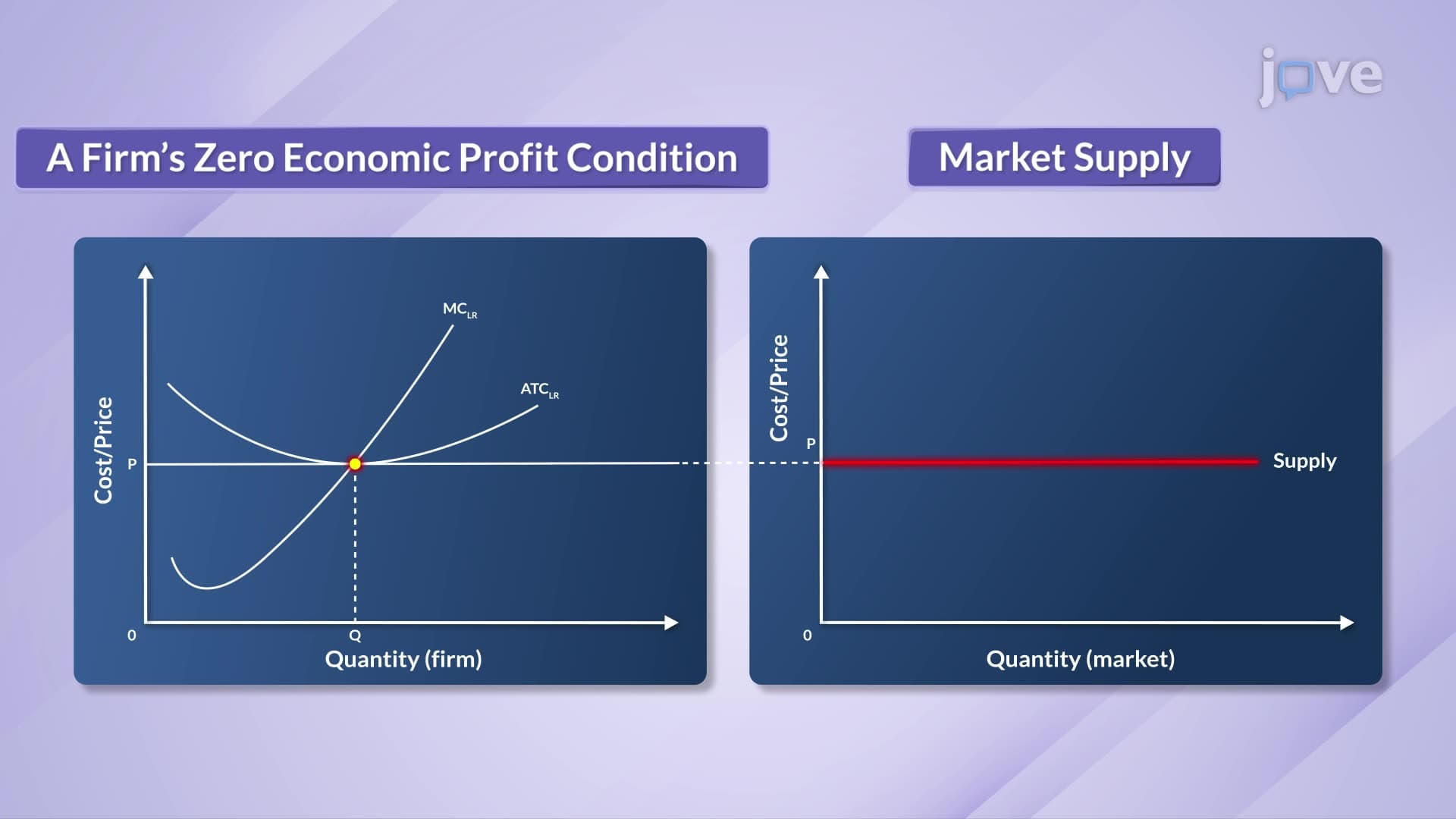
6. Supply Curve Construction and Input Effects: A firm's supply curve corresponds to the marginal cost curve above the minimum average variable cost point. Below this shutdown point, quantity supplied equals zero. Input price changes shift the entire supply curve: rising costs (like increased wheat prices for bakeries) reduce profitable output levels, while falling input costs increase optimal production quantities.
7. Economic vs. Accounting Profit Understanding: Zero economic profit represents normal returns, not business failure. While accounting profit considers only explicit costs (wages, materials, rent), economic profit includes implicit costs like forgone opportunities. An entrepreneur earning $80,000 accounting profit but sacrificing an $80,000 salary achieves zero economic profit, indicating normal business performance sufficient for continued operation.
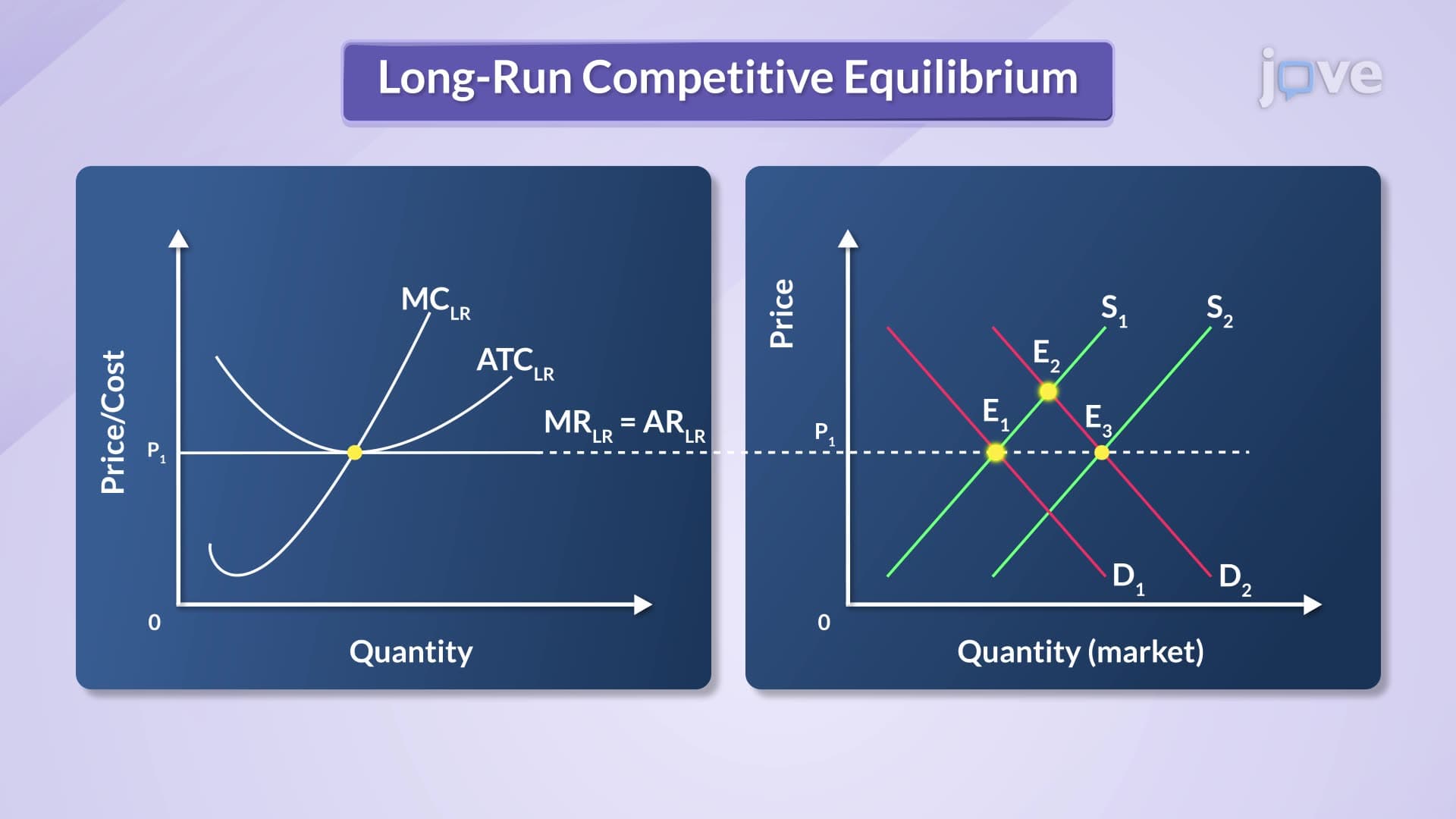
8. Long-Run Equilibrium and Market Efficiency: Long-run competitive equilibrium occurs when price equals minimum average total cost, resulting in zero economic profit for all firms. This eliminates incentives for market entry or exit while ensuring maximum efficiency. Firms operate at optimal scale, consumers pay minimum possible prices, and resources achieve their most productive allocation, maximizing overall social welfare.
Frequently Asked Questions
Perfect competition requires many buyers and sellers, identical products, complete information, and free entry/exit. While no market meets all criteria perfectly, agricultural markets like wheat, corn, and soybeans come close. The model serves as a theoretical benchmark for measuring how well real markets function and allocate resources efficiently.
AP Microeconomics extensively covers perfect competition, typically comprising 20-25% of exam content. Expect questions on profit maximization graphs, shutdown decisions, long-run equilibrium, and supply curve analysis. Students must demonstrate understanding of marginal cost-marginal revenue relationships and distinguish between short-run and long-run market adjustments.
Zero economic profit means firms earn normal returns covering all costs including opportunity costs of capital and labor. Entrepreneurs receive compensation equivalent to their next-best alternative, making continued operation worthwhile. This represents successful business performance, not failure, as all explicit and implicit costs are covered.
Short-run analysis involves fixed factors of production where firms can only adjust variable inputs like labor. Long-run analysis assumes all inputs are variable, allowing firms to enter, exit, or change production scale. Short-run profits or losses persist temporarily, while long-run forces drive markets toward zero economic profit equilibrium.
Retail markets typically feature product differentiation, brand loyalty, location advantages, and varying information levels. Companies like Apple or Nike differentiate products and influence prices, unlike perfectly competitive firms. Understanding perfect competition helps analyze how real markets deviate from ideal efficiency and why government intervention sometimes improves outcomes.
Perfect competition provides the foundation for understanding other market structures, making it moderately challenging but essential. Students often struggle with graphical analysis and distinguishing profit types. Master the profit maximization rule (MC = MR) and practice drawing accurate graphs showing cost curves, revenue, and profit/loss areas.
Create comprehensive graphs showing all cost and revenue curves, practice calculating different profit measures, and work through numerical examples step-by-step. Use real agricultural examples to visualize concepts, compare perfect competition with other market structures, and complete practice problems focusing on shutdown decisions and long-run adjustments.
Perfect competition serves as the baseline for analyzing monopoly, oligopoly, and monopolistic competition. Advanced courses examine market failures, welfare economics, and policy implications using competitive markets as reference points. Strong foundation in perfect competition facilitates understanding complex topics like game theory, industrial organization, and regulatory economics.
This microcourse includes 12 concept videos that walk you through the building blocks of Microeconomics. Each video is short, about 1 minute, so you can cover a full topic during a coffee break or between classes. The full sequence starts with Perfect Competition and ends with Long-run Supply Curve in Increasing and Decreasing Cost Industries.
The playlist moves from big-picture ideas to the precise vocabulary used in Microeconomics. Early videos introduce Perfect Competition, Demand Curve in a Perfectly Competitive Market, and Revenues in Perfect Competition. The middle of the series focuses on Short-run Profit Maximization II, Shut Down Point, and Short-run Supply Curve in Perfect Competition. The final stretch covers Zero Economic Profit, Long-run Competitive Equilibrium I, Long-run Competitive Equilibrium II, Long-run Supply Curve in Perfect Competition, and Long-run Supply Curve in Increasing and Decreasing Cost Industries.
The natural next step is Monopoly. From there, you can move to Monopolistic Competition, Oligopoly, and Consumer Surplus, Producer Surplus, and Market Efficiency. Once you finish those, the full Microeconomics curriculum of 20 microcourses on JoVE Coach opens up, taking you from foundational concepts to advanced systems.
Related Subjects


