- Microeconomics
- Producer Behavior
Micro-courses:20

Producer Behavior
1. Assumptions on Producer Behavior
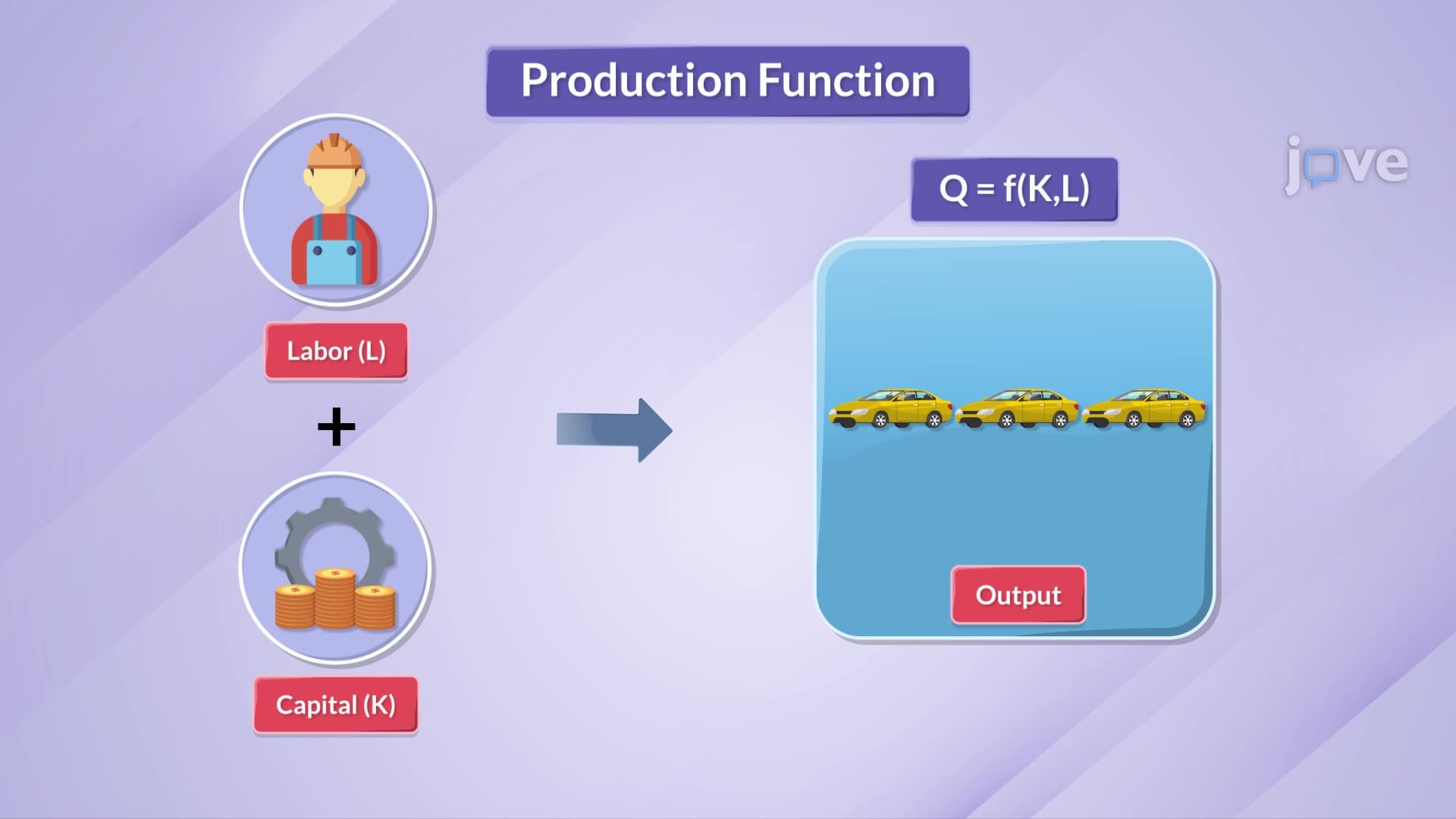
2. Production Function
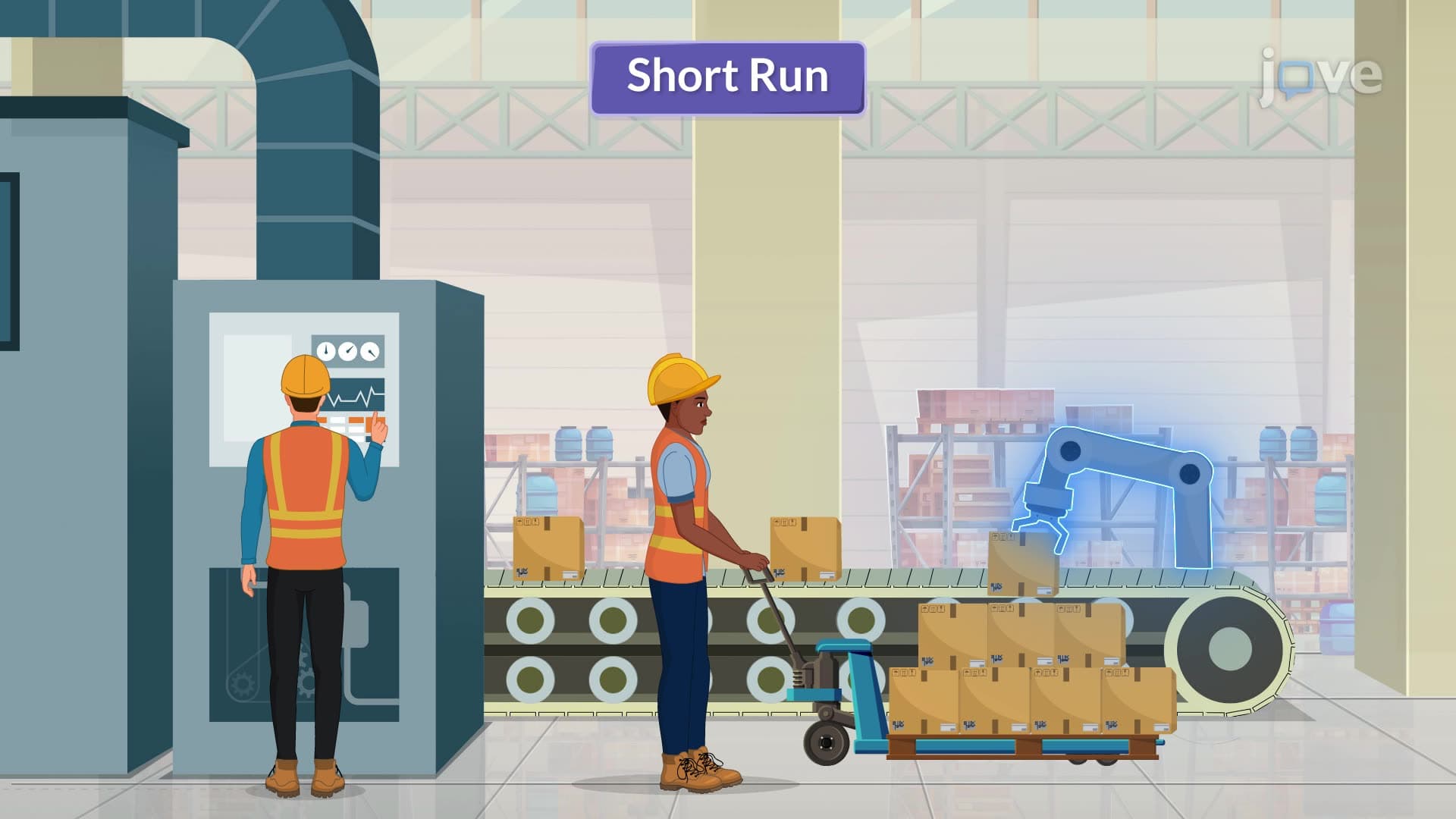
3. Short run

4. Marginal Product I

5. Marginal Product II

6. Total Product and Average Product

7. Relation between Total Product, Marginal Product and Average Product

8. Long Run
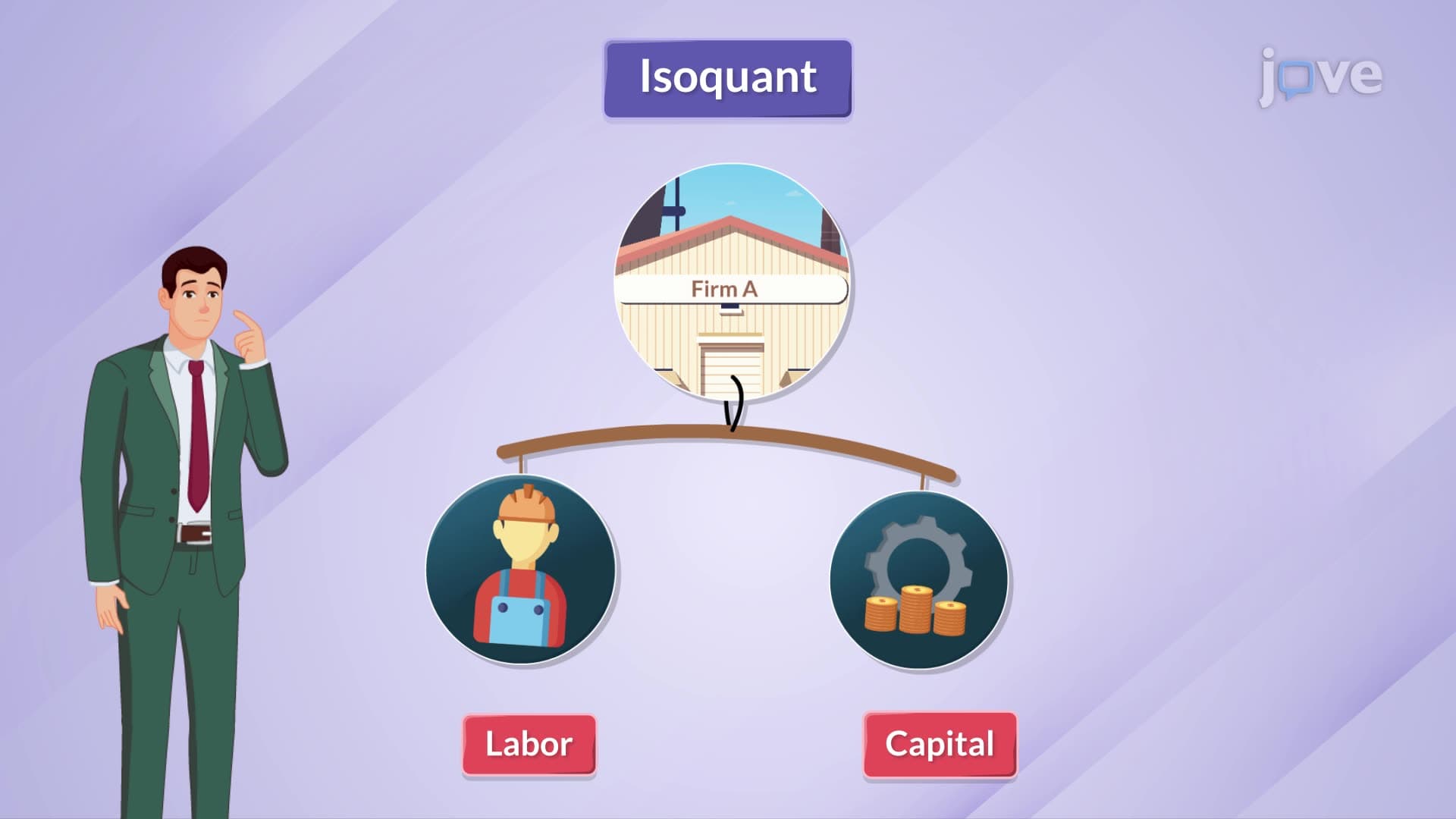
9. Isoquants
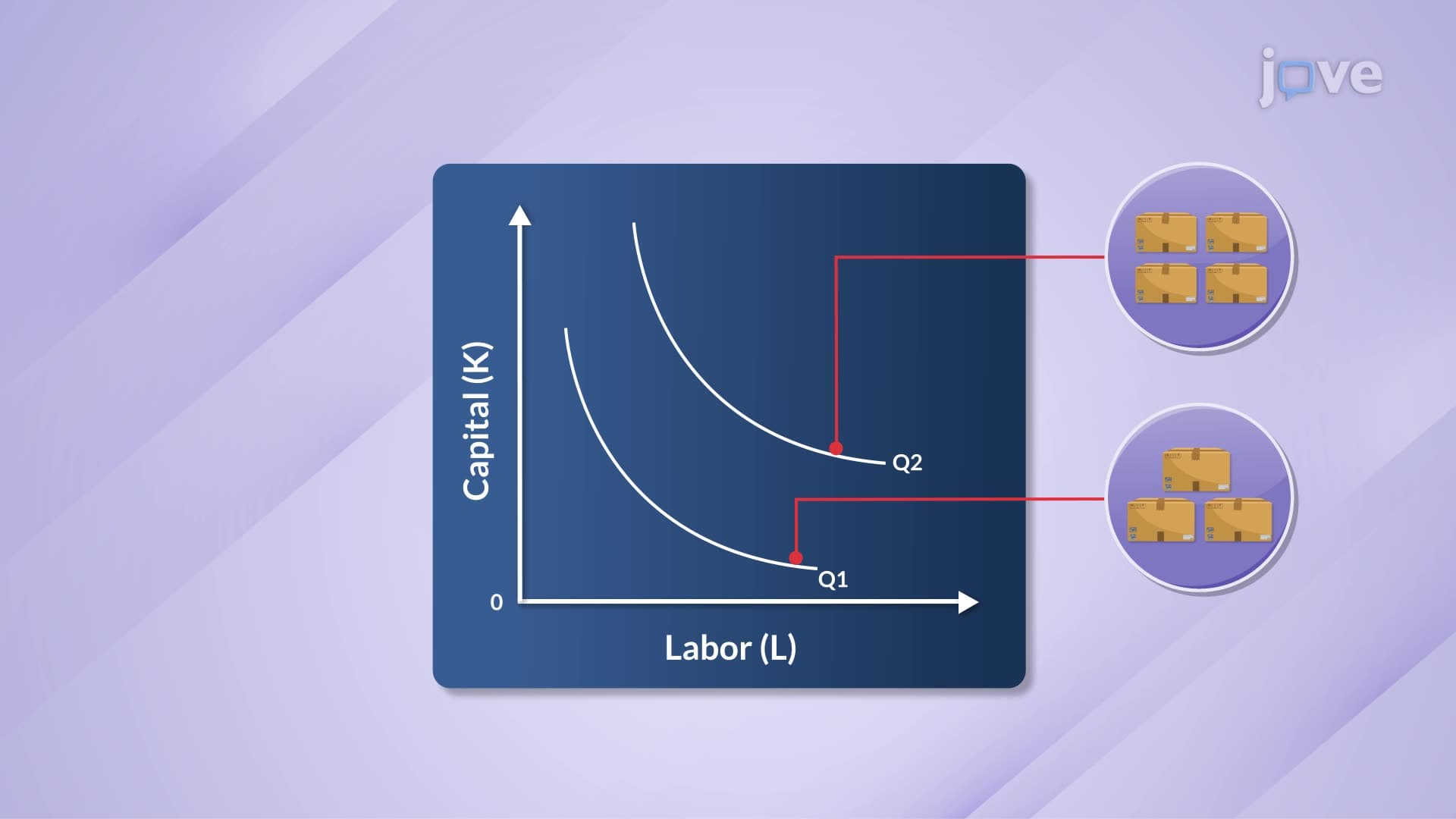
10. Features of Isoquants
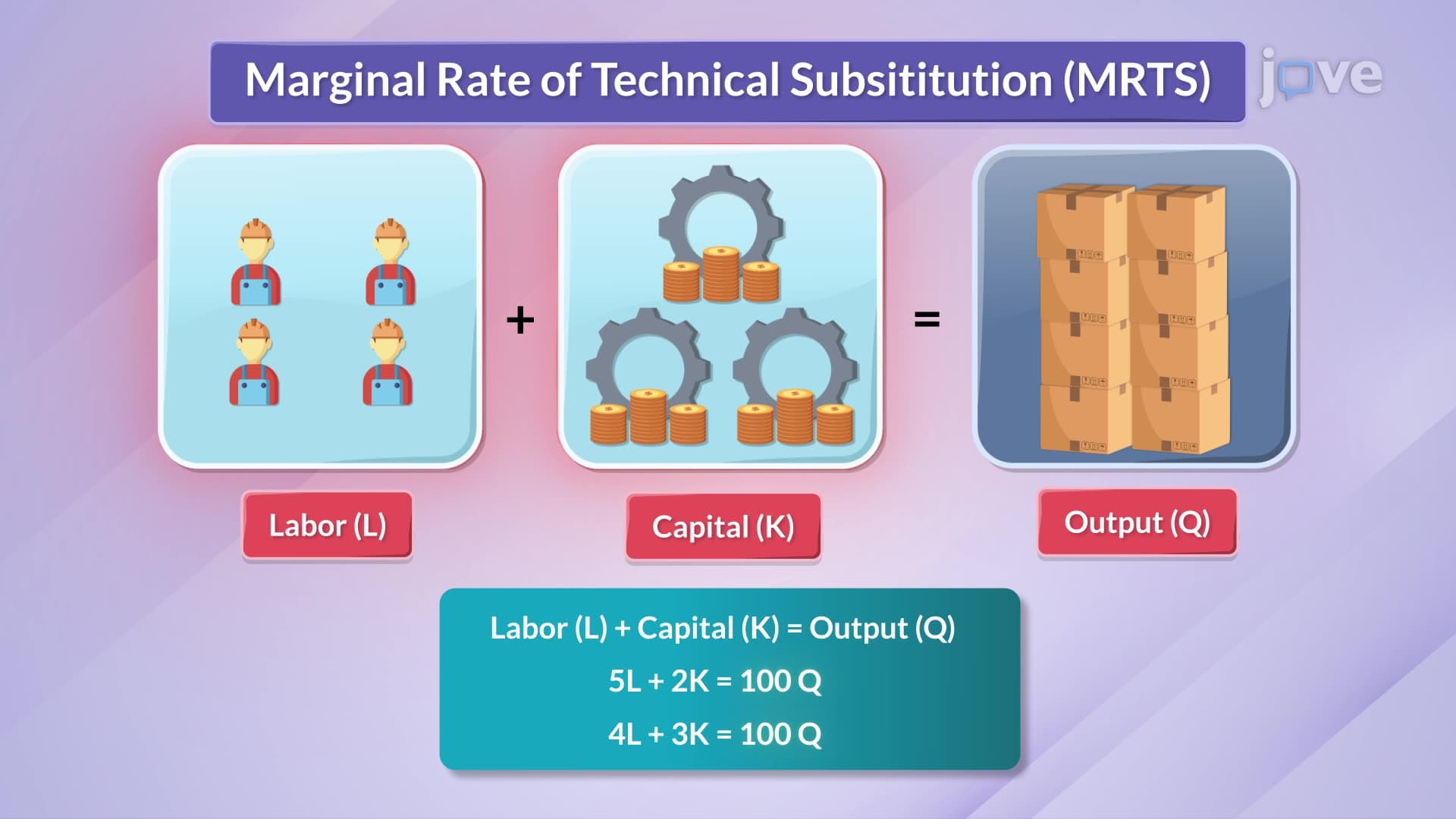
11. Marginal Rate of Technical Substitution I
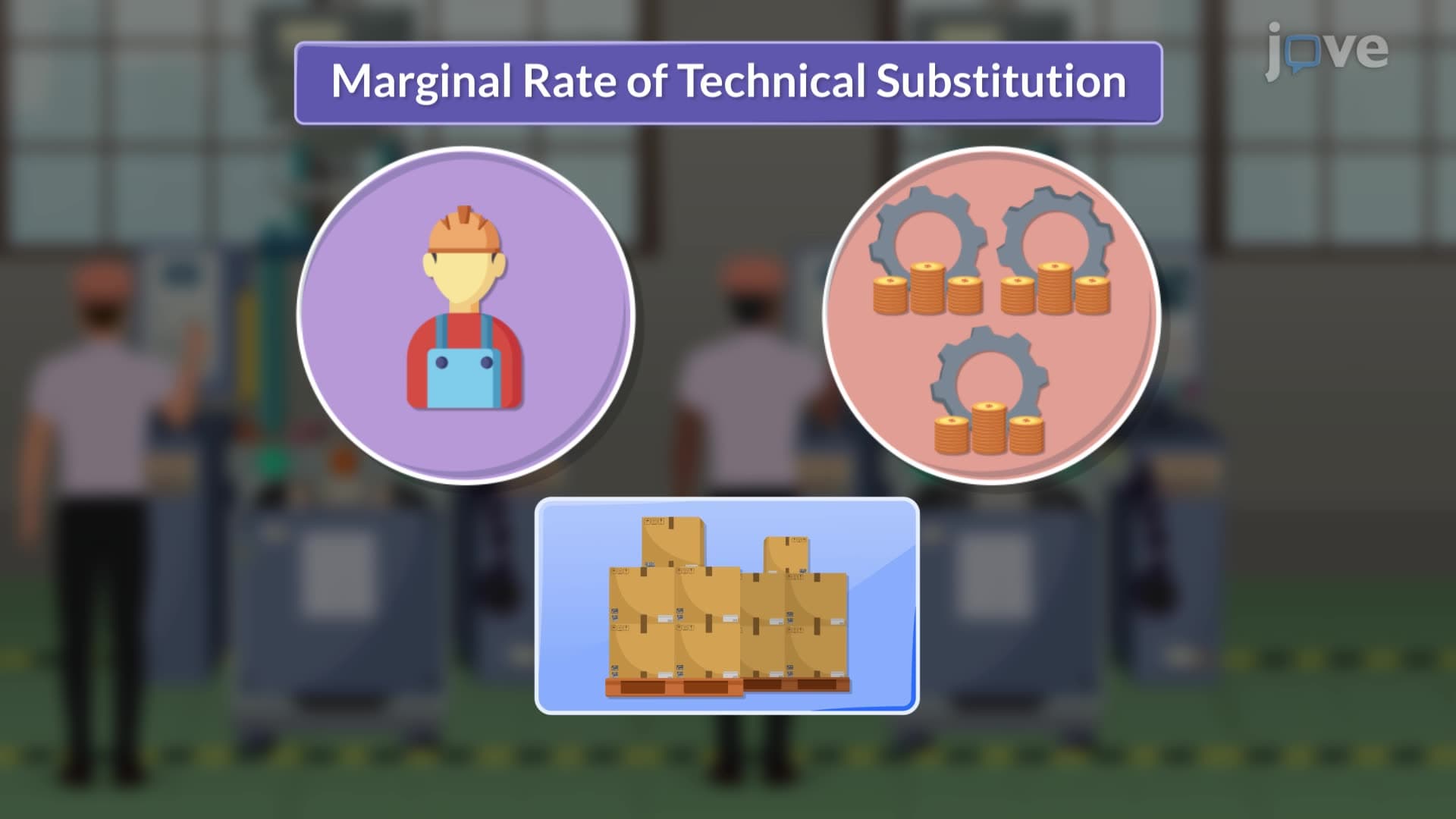
12. Marginal Rate of Technical Substitution II
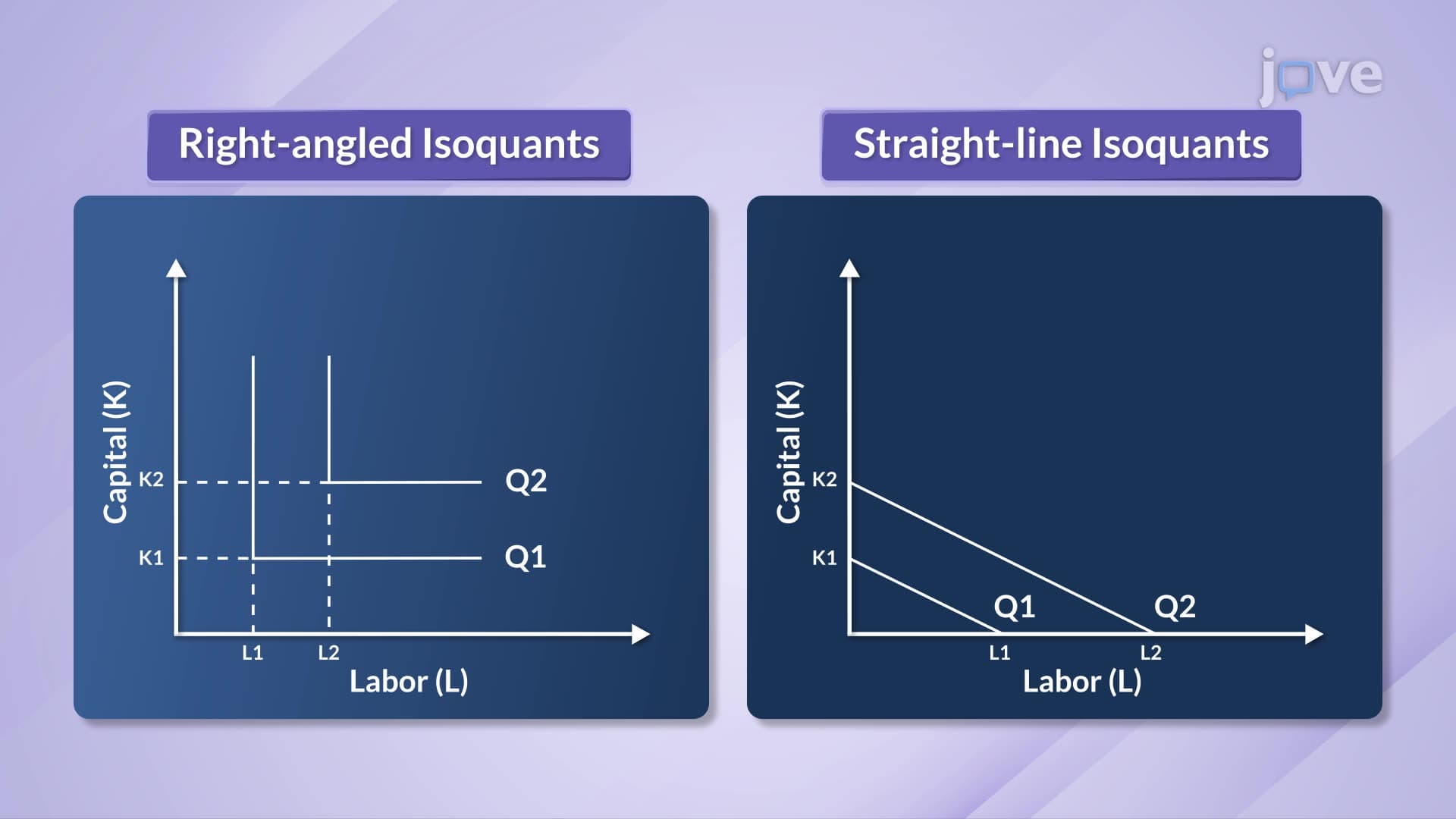
13. Types of Isoquants


14. Isocost Line I
15. Isocost Line II
16. Cost Minimization Point
17. Returns to Scale I
18. Returns to Scale II
19. Technological Change
20. Expansion Path and Long-Run Total Cost Curve
Producer behavior examines how firms make production decisions to maximize efficiency and minimize costs. This comprehensive analysis covers fundamental principles from production functions and marginal products to advanced concepts like isoquants and returns to scale. Through real-world examples from US manufacturing, agriculture, and service industries, students explore how companies like Tesla adjust labor and capital inputs, how bakeries optimize worker allocation, and how technology transforms production processes. Master these economic principles essential for understanding modern business operations with JoVE Coach.
- Understand the fundamental assumptions underlying firm production behavior and decision-making processes
- Learn to analyze production functions and calculate marginal, average, and total product relationships
- Identify the differences between short-run and long-run production decisions and their strategic implications
- Explore isoquant and isocost analysis to determine optimal input combinations for cost minimization
- Analyze the marginal rate of technical substitution and its role in production efficiency
- Apply returns to scale concepts to evaluate firm growth patterns and productivity changes
- Understand how technological advancement affects production capabilities and input requirements
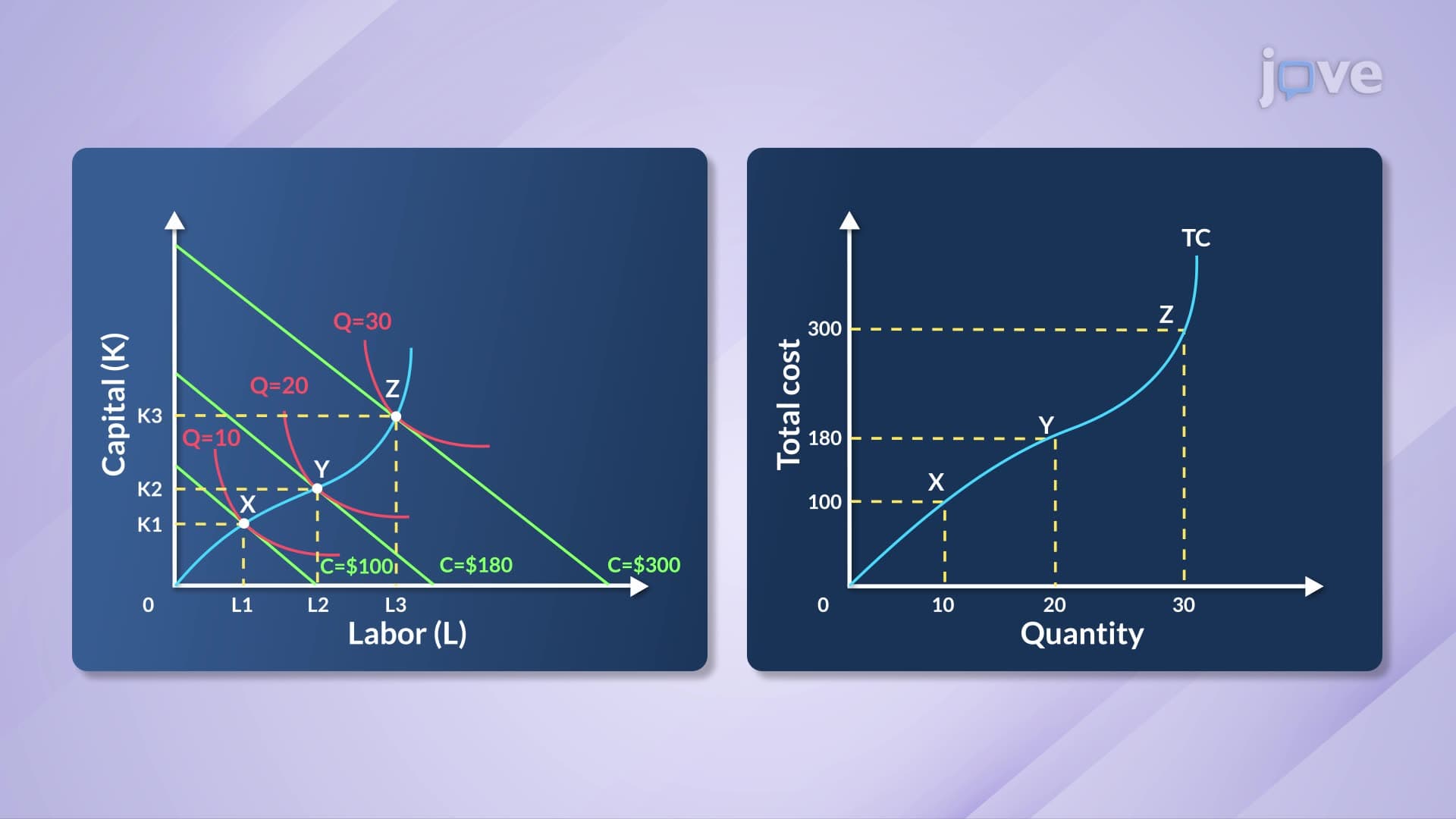
- Learn to construct expansion paths and long-run total cost curves for strategic planning
1. Production Function Fundamentals Production functions mathematically represent the relationship between inputs (labor and capital) and maximum possible output given current technology. Consider Boeing's aircraft manufacturing, where the number of planes produced depends on skilled engineers (labor) and assembly equipment (capital). The function Q = f(L,K) shows how different combinations of workers and machinery determine production capacity. Understanding this relationship helps firms like Ford Motor Company optimize their assembly lines by determining the most efficient worker-to-equipment ratios for various production targets.
2. Short-Run vs. Long-Run Production Analysis The short-run represents periods where at least one input remains fixed, typically capital like machinery or facilities, while labor can be adjusted. McDonald's can hire more workers during busy periods but cannot immediately add new kitchen equipment. Conversely, the long-run allows firms to adjust all inputs, enabling Amazon to build new warehouses and hire additional workers simultaneously. This distinction helps businesses understand their operational flexibility and plan appropriate responses to demand changes across different time horizons.
3. Marginal Product and Diminishing Returns Marginal product measures additional output from one extra unit of input while holding others constant. In a Starbucks location with fixed espresso machines, adding the first barista significantly increases daily coffee production. However, adding a fifth barista may contribute less additional output due to equipment constraints and workspace crowding. This law of diminishing marginal returns explains why productivity eventually decreases, helping managers like those at Target determine optimal staffing levels for different store sizes and layouts.
4. Total, Average, and Marginal Product Relationships These three measures interconnect to reveal production efficiency patterns. At a clothing manufacturing plant, total product represents all garments produced daily, average product shows output per worker, and marginal product indicates additional units from hiring one more employee. When marginal product exceeds average product, the average rises; when marginal product falls below average, the average declines. Companies like Levi Strauss use these relationships to identify optimal production stages and avoid inefficient overstaffing that reduces per-worker productivity.
5. Isoquant Analysis and Input Substitution Isoquants represent all possible labor-capital combinations producing identical output levels, similar to how indifference curves work in consumer theory. A car wash business might achieve 100 daily services using either many hand-washers with minimal equipment or fewer workers with advanced automated systems. The curved shape reflects diminishing marginal rate of technical substitution—initially, many workers can replace one machine, but this rate decreases as substitution continues. This analysis helps firms like General Motors evaluate different production technologies and input mixes.
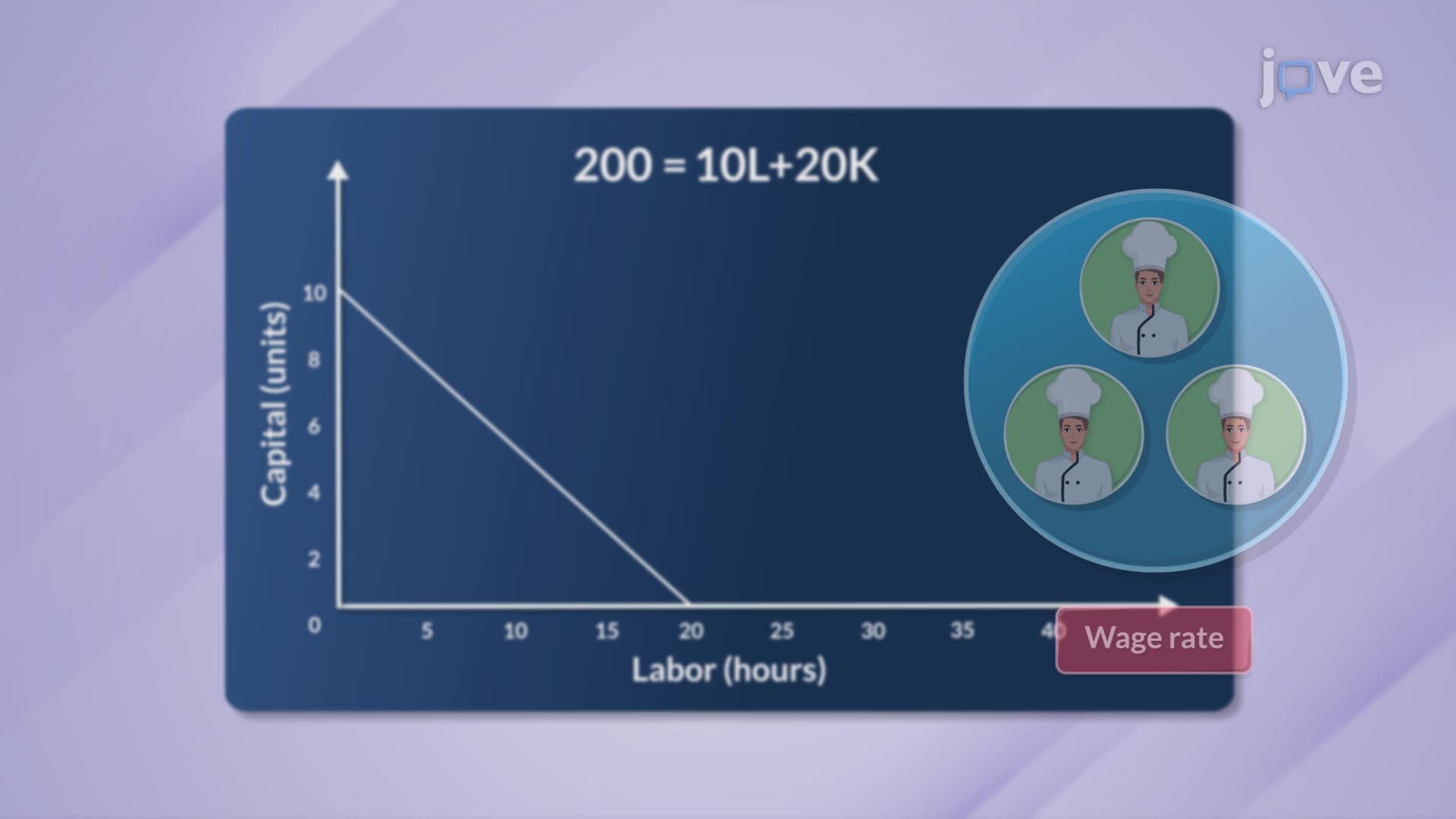
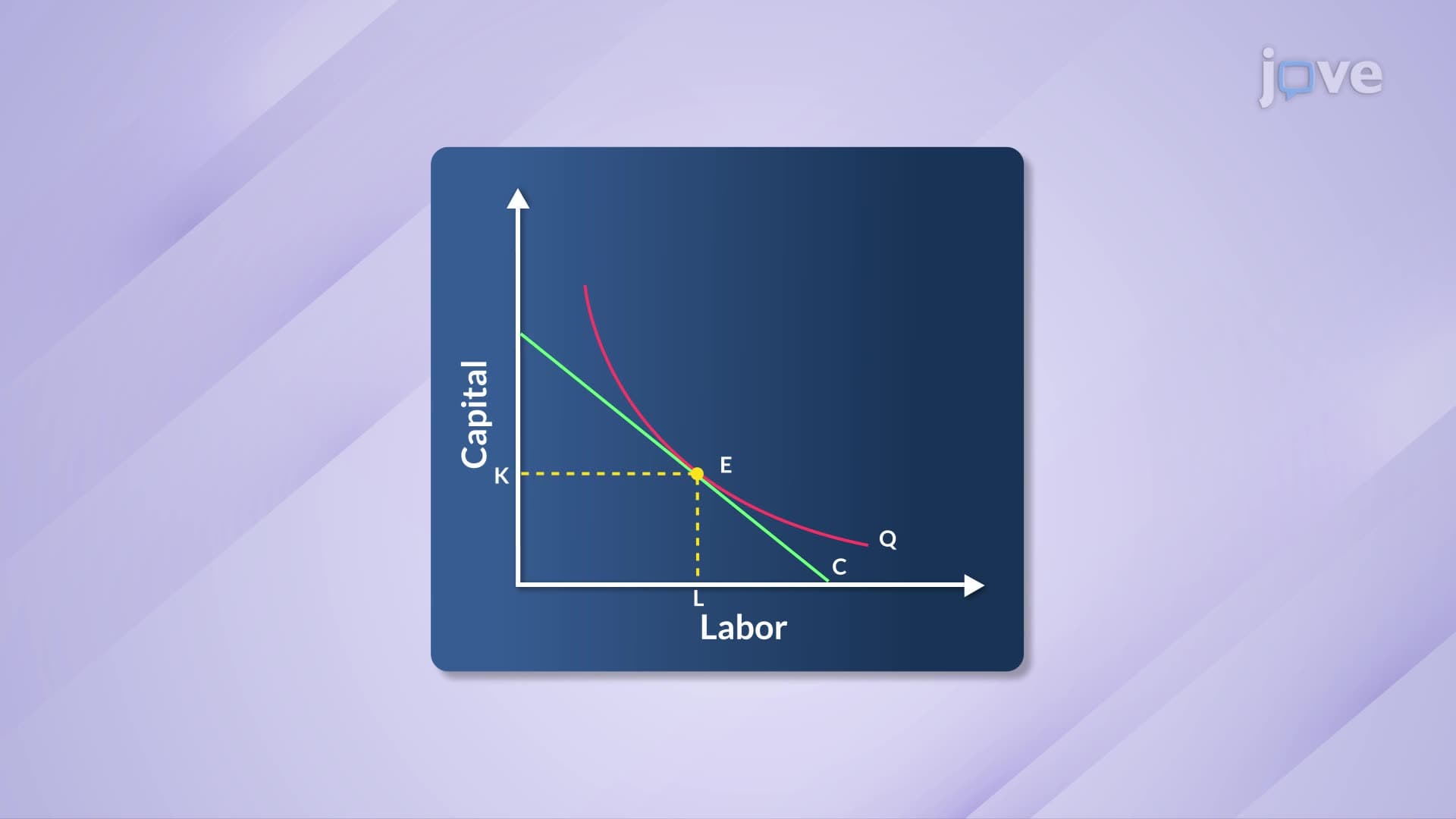
6. Cost Minimization Through Isocost Analysis Isocost lines show all input combinations a firm can afford within a specific budget, with slope reflecting relative input prices. When wage rates increase, the line becomes steeper, indicating labor has become relatively more expensive than capital. A restaurant chain like Chipotle facing rising minimum wages might substitute toward more automated food preparation equipment. The tangency point between isoquant and isocost lines reveals the cost-minimizing input combination, where the marginal rate of technical substitution equals the input price ratio.
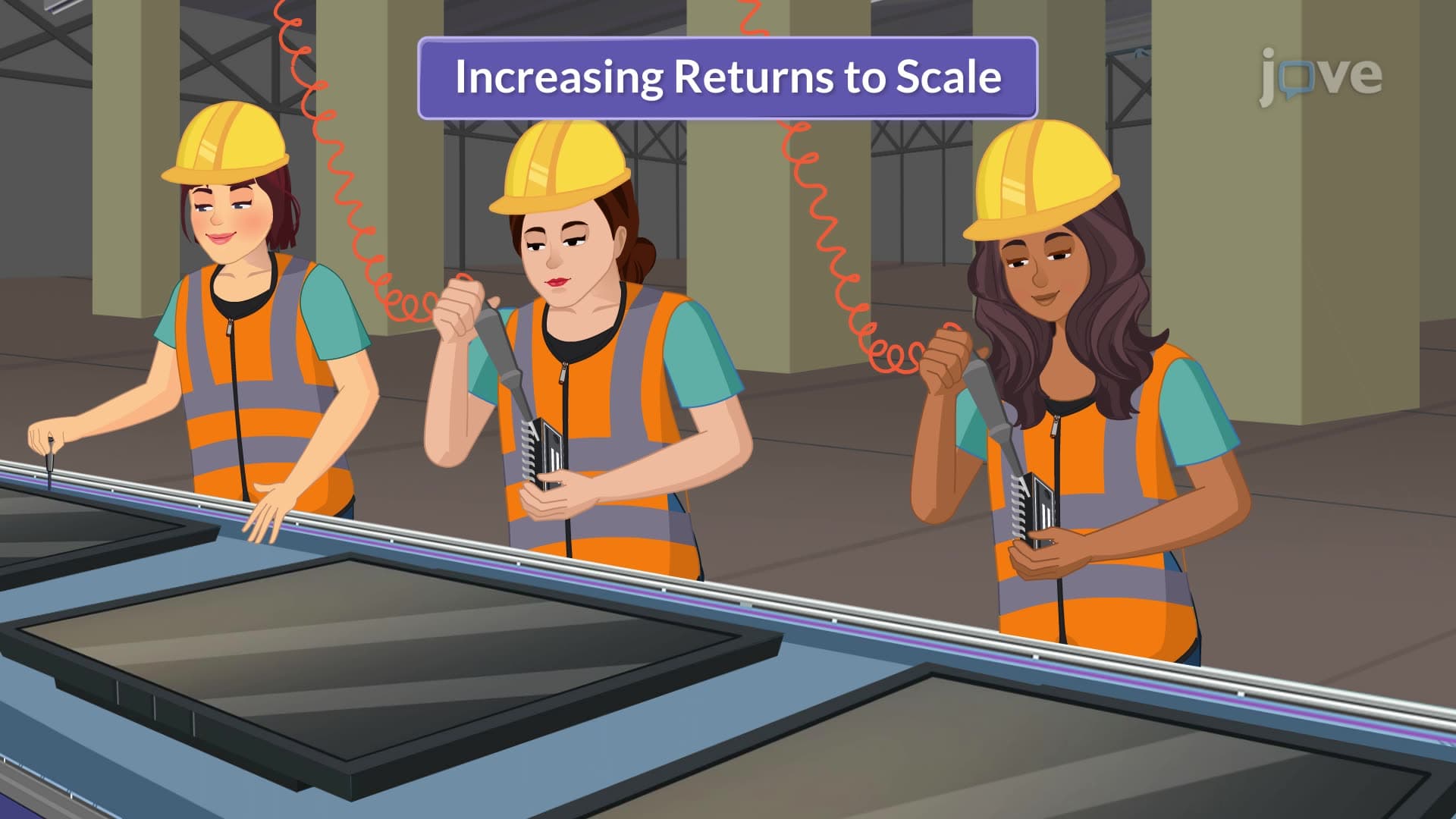
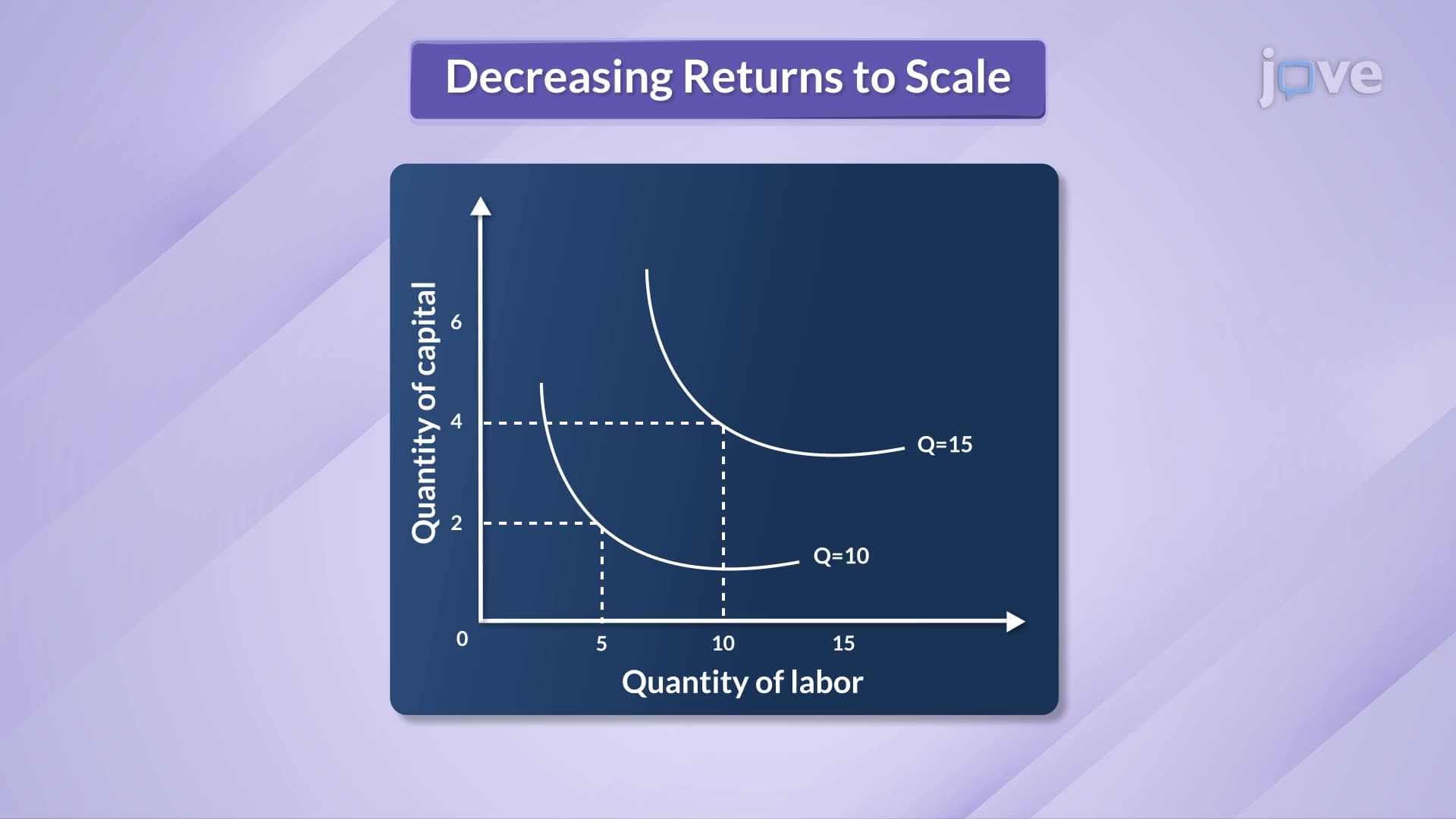
7. Returns to Scale in Production Returns to scale describe how output changes when all inputs increase proportionally. Increasing returns occur when doubling inputs more than doubles output, often due to specialization benefits—a large electronics manufacturer like Apple can dedicate workers to specific assembly tasks, improving efficiency. Decreasing returns happen when output increases less than proportionally, typically from management difficulties in large organizations. Constant returns mean proportional input and output changes. Understanding these patterns helps firms determine optimal size and expansion strategies across different industries.
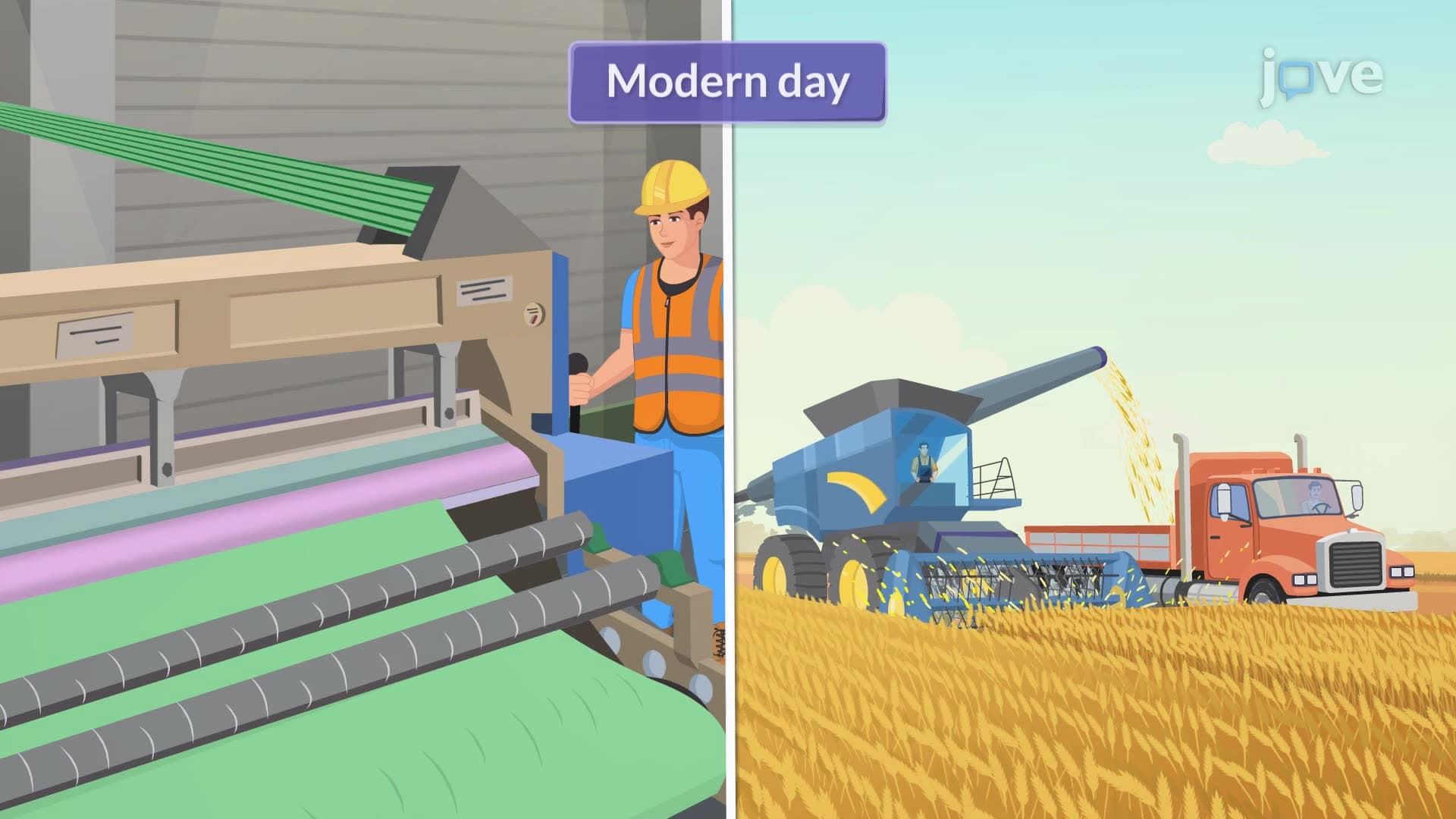
8. Technological Change and Productivity Technological advancement allows firms to produce the same output using fewer inputs, shifting isoquants inward toward the origin. When Amazon introduced warehouse robots, the same fulfillment capacity required fewer workers and less floor space. Some technologies are capital-biased (favoring machinery) while others are labor-biased (enhancing worker productivity). The US manufacturing sector exemplifies this through automation adoption, where companies maintain production levels while reducing traditional input requirements, demonstrating total factor productivity improvements that drive economic growth.
Frequently Asked Questions
Short-run production occurs when at least one input (usually capital like machinery or buildings) remains fixed, while other inputs like labor can be adjusted. Long-run production allows firms to change all inputs. For example, a pizza restaurant can hire more workers tonight (short-run) but needs months to install additional ovens or expand dining space (long-run decisions).
This law states that adding more units of one input while keeping others constant eventually yields smaller additional output increases. At a busy retail store with fixed checkout stations, the first few cashiers dramatically reduce customer wait times, but adding the tenth cashier provides minimal improvement since customers are limited by other factors like shopping cart availability and aisle congestion.
Producer behavior directly connects to AP Microeconomics units on production costs, firm behavior, and market structures. Students should master marginal analysis, cost minimization, and production function concepts as these appear frequently on AP exams. The material also supports understanding profit maximization and competitive market analysis tested in later units.
Isoquants show all input combinations yielding the same output level, helping firms evaluate substitution possibilities. When labor costs rise, a manufacturing company can use isoquant analysis to determine how much additional machinery is needed to maintain production while reducing workforce. This analysis guided many US companies during recent labor shortages to invest in automation technologies.
Industries with high specialization potential and indivisible capital investments (like automobile manufacturing) often show increasing returns—doubling inputs more than doubles output due to assembly line efficiency and specialized worker roles. Service industries requiring personalized attention (like consulting) may face decreasing returns as coordination becomes difficult with size growth.
Create visual connections between graphs and real examples—draw isoquant maps while thinking about specific companies, practice calculating marginal products using actual data, and work through cost minimization problems step-by-step. Focus on understanding the economic intuition behind mathematical relationships rather than memorizing formulas, and regularly apply concepts to current business news about companies adjusting their production strategies.
Modern technology enables more flexible input substitution than traditional economic models assumed. Cloud computing allows firms to scale capital usage instantly, remote work changes labor flexibility, and artificial intelligence affects the marginal productivity of different worker types. Companies like Netflix demonstrate how digital technology creates different production possibilities than physical manufacturing, requiring updated applications of classical producer theory to modern business contexts.
This microcourse includes 20 concept videos that walk you through the building blocks of Microeconomics. Each video is short, about 1 minute, so you can cover a full topic during a coffee break or between classes. The full sequence starts with Assumptions on Producer Behavior and ends with Expansion Path and Long-Run Total Cost Curve.
The playlist moves from big-picture ideas to the precise vocabulary used in Microeconomics. Early videos introduce Assumptions on Producer Behavior, Production Function, and Short run. The middle of the series focuses on Marginal Product II, Total Product and Average Product, and Relation between Total Product, Marginal Product and Average Product. The final stretch covers Long Run, Isoquants, Features of Isoquants, Marginal Rate of Technical Substitution I, Marginal Rate of Technical Substitution II, Types of Isoquants, and Expansion Path and Long-Run Total Cost Curve.
The natural next step is Costs. From there, you can move to Perfect Competition, Monopoly, and Monopolistic Competition. Once you finish those, the full Microeconomics curriculum of 20 microcourses on JoVE Coach opens up, taking you from foundational concepts to advanced systems.
Related Subjects


