Loading subject page…

- Microeconomics
- Producer Behavior
- Total Product and Average Product
Micro-course: Producer Behavior
6,664 views
Learn key concepts and earn your certificate.








Total Product and Average Product


00:00
01:26
Video Summary: Total Product and Average Product Explained
Ever wonder why McDonald's doesn't keep hiring workers indefinitely? Understanding total product and average product reveals the economic reality behind staffing decisions. In manufacturing, these concepts explain why Toyota's assembly lines optimize worker-to-machine ratios rather than simply maximizing employees. Total Product And Average Product Explained demonstrates how firms balance labor inputs with capital constraints to maximize efficiency and avoid the productivity pitfalls of overstaffing. Watch the full video on JoVE Coach to master this concept with expert-led visuals and step-by-step explanations.
- Understand how Total Product And Average Product Explained relates to real-world production decisions in US manufacturing and service industries
- Identify the three distinct stages of production: increasing marginal returns, diminishing marginal returns, and negative marginal returns
- Analyze the relationship between fixed inputs (capital) and variable inputs (labor) in short-run production scenarios
- Compare total product curves and average product curves to determine optimal production levels
- Evaluate why average product initially rises, reaches a maximum, then declines as more workers are added
- Apply production theory concepts to solve problems involving worker productivity and output calculations
- Recognize the economic reasoning behind hiring decisions in firms with fixed capital constraints
- Explore how diminishing returns influence real business decisions in US companies across different sectors
Understanding Total Product And Average Product In Production Theory
Production economics forms the backbone of business decision-making, and total product and average product serve as fundamental metrics for analyzing firm efficiency. These concepts bridge theoretical economics with practical management decisions that US companies make daily.
Total Product: Measuring Complete Output
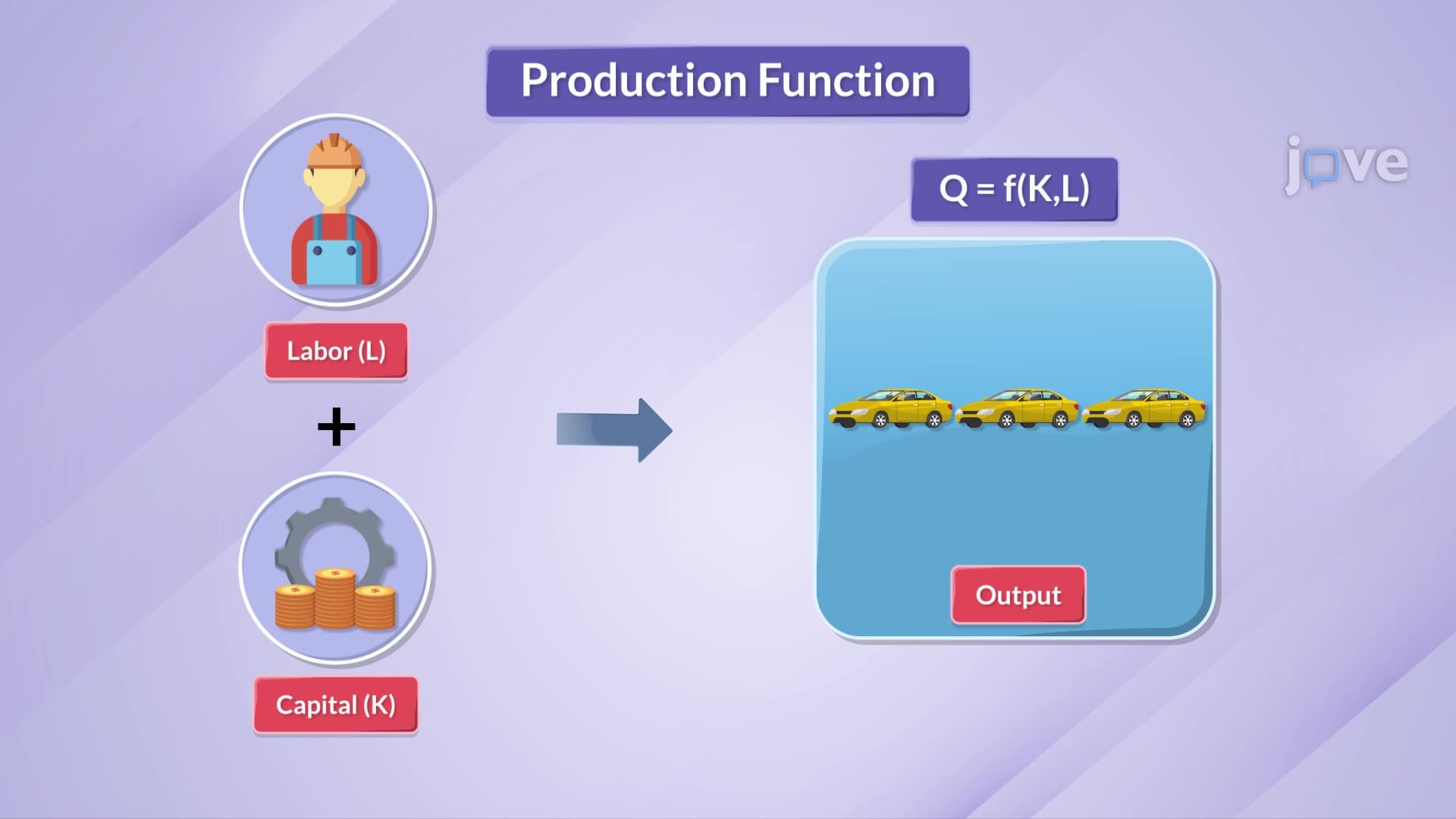
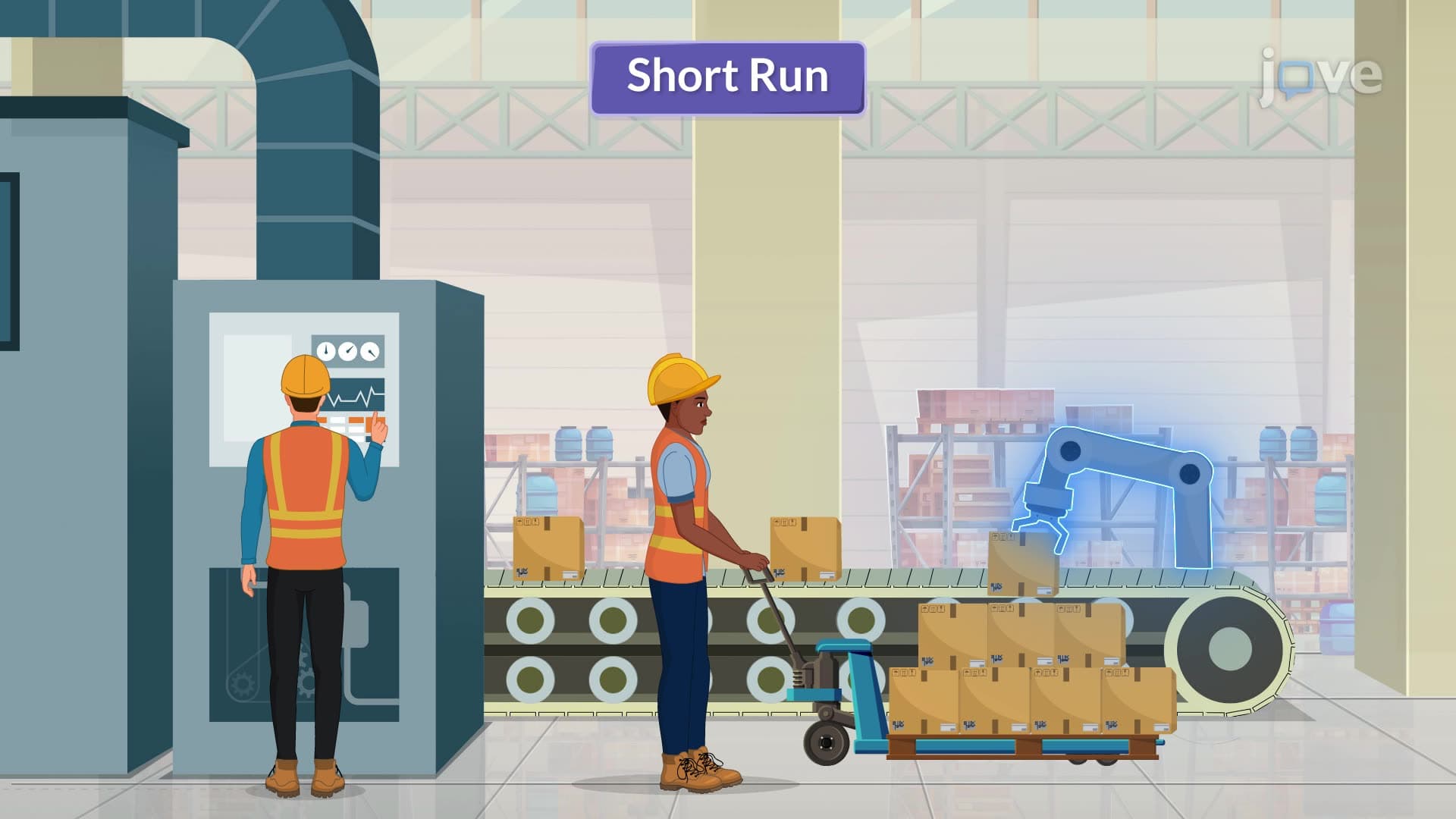
Total product represents the comprehensive output a firm generates using specific input combinations during a defined period. In the short run, firms typically face fixed capital (machinery, buildings, equipment) while labor remains variable. Consider a US textile manufacturer: sewing machines represent fixed capital, while seamstresses constitute the variable labor input.
The total product curve exhibits three distinct phases. Initially, adding workers creates increasing marginal returns-each additional employee contributes more to output than the previous one. This occurs because workers can specialize, machinery operates more efficiently, and coordination improves. However, as employment continues expanding, diminishing marginal returns set in. While total output still increases, each new worker adds progressively less to production. Eventually, overcrowding and resource constraints lead to negative marginal returns, where additional workers actually decrease total output.
Average Product: Calculating Individual Worker Productivity
Average product equals total product divided by labor units employed, revealing per-worker productivity levels. This metric helps managers evaluate workforce efficiency and make informed staffing decisions. The average product curve initially rises as fixed inputs achieve better utilization, peaks at maximum efficiency, then declines due to diminishing returns.
Real-World Applications and Exam Relevance
US companies like General Electric and Ford Motor Company apply these principles when optimizing production lines. During AP Economics exams, students frequently encounter problems requiring total product and average product calculations. College microeconomics courses emphasize these relationships when analyzing firm behavior and market structures.
Understanding these concepts proves essential for business students preparing for management careers, economics majors tackling theoretical frameworks, and anyone seeking to comprehend how US businesses maximize operational efficiency while managing labor costs effectively.
Frequently Asked Questions
Total product measures the complete output a firm produces using specific input combinations during a given time period. Average product calculates output per worker by dividing total product by the number of employees, revealing individual worker productivity levels.
AP Microeconomics frequently tests these concepts through graph analysis, calculation problems, and short-answer questions about production stages. Students must identify increasing, diminishing, and negative marginal returns phases while interpreting curve relationships and solving numerical problems involving worker productivity.
Students often struggle distinguishing between total, average, and marginal product relationships, especially when interpreting graph intersections and curve slopes. The mathematical relationships and three production stages require careful analysis, but understanding fixed versus variable inputs simplifies the concept significantly.
Companies like Boeing and Caterpillar apply these metrics to optimize workforce size, determine efficient production levels, and avoid overstaffing costs. Understanding when diminishing returns begin helps managers balance labor expenses with output goals, ensuring competitive pricing and profit maximization.
Practice drawing and labeling production curves, memorize the mathematical relationship (AP = TP/L), and work through numerical examples regularly. Focus on identifying production stages from graph characteristics and understand why curves intersect at specific points for comprehensive exam preparation.
Principles of Microeconomics, Intermediate Microeconomic Theory, Production Economics, and Business Economics courses emphasize these concepts. Many business programs integrate production analysis into Operations Management and Strategic Management coursework, making thorough understanding essential for academic success.
Basic algebra and graph interpretation skills suffice for mastering these concepts. While calculus enhances understanding of marginal relationships, high school mathematics provides adequate foundation for calculating averages, plotting curves, and solving standard economics problems involving production analysis.
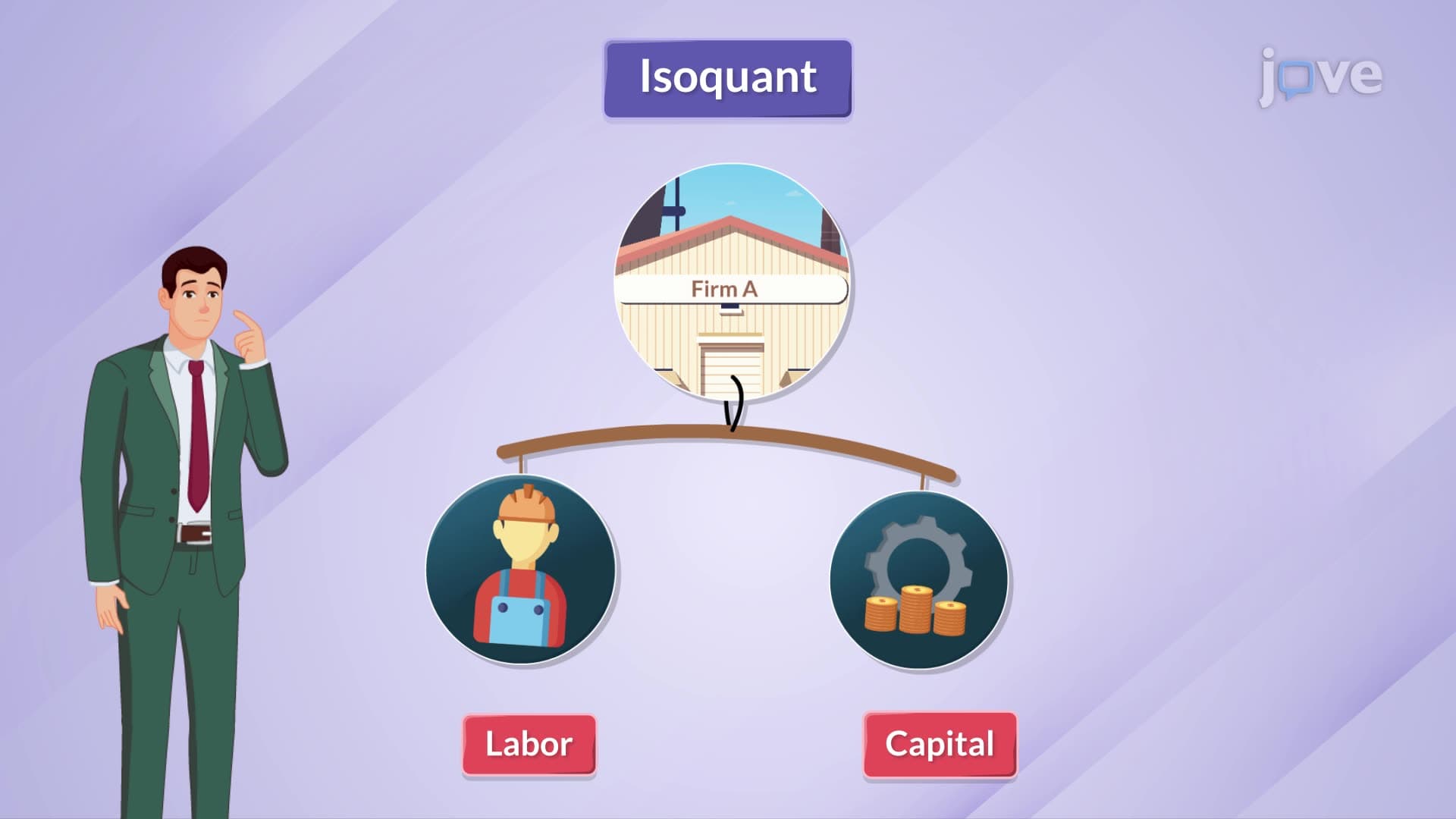
Progress to studying marginal product relationships, long-run production analysis, cost curves, and production function mathematics. Advanced students benefit from exploring isoquant analysis, returns to scale concepts, and multi-input production optimization techniques used in graduate-level economics programs.
Related Micro-courses