Loading subject page…


6,668 views

Video Summary: What Is Isoquants
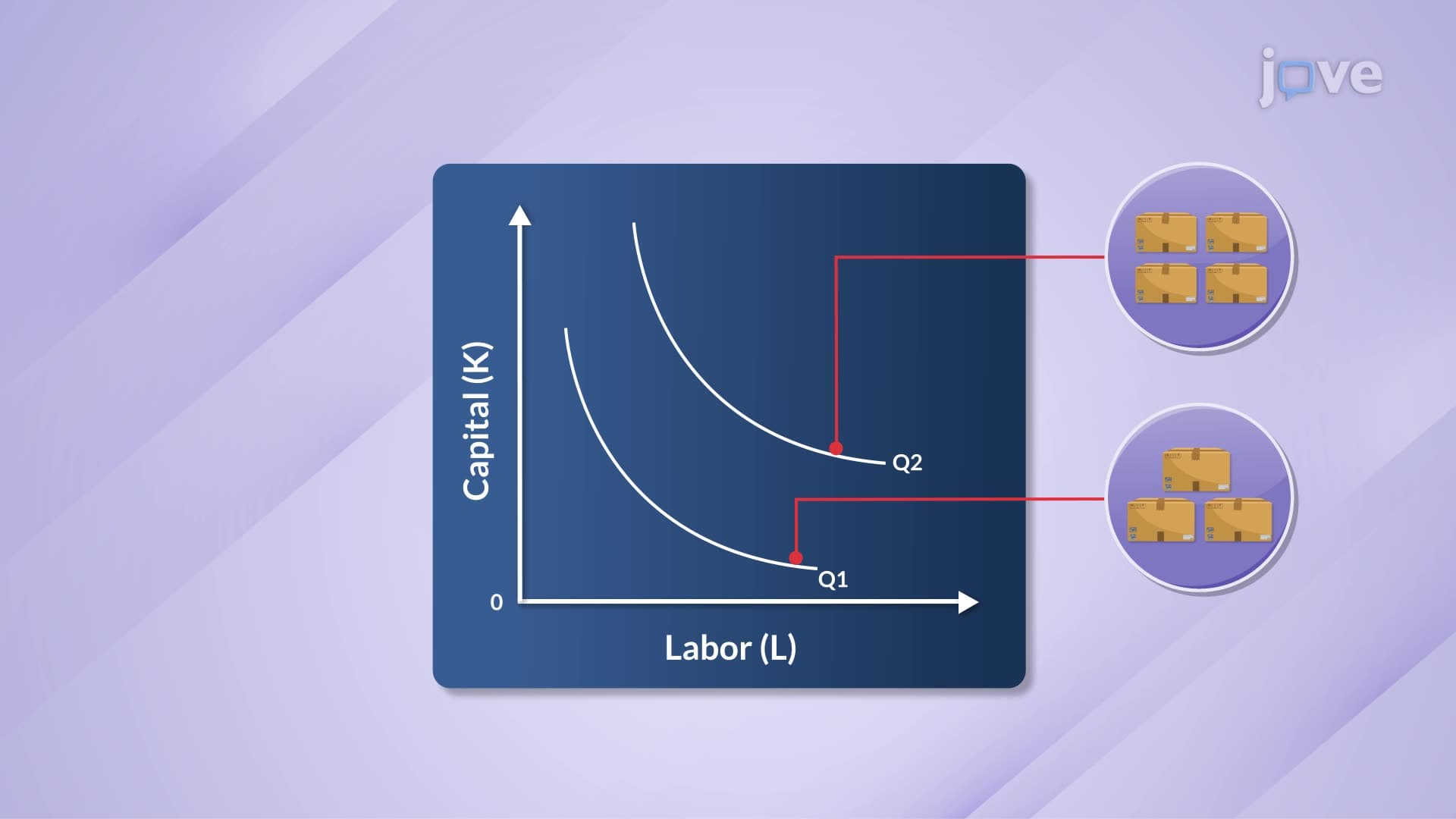
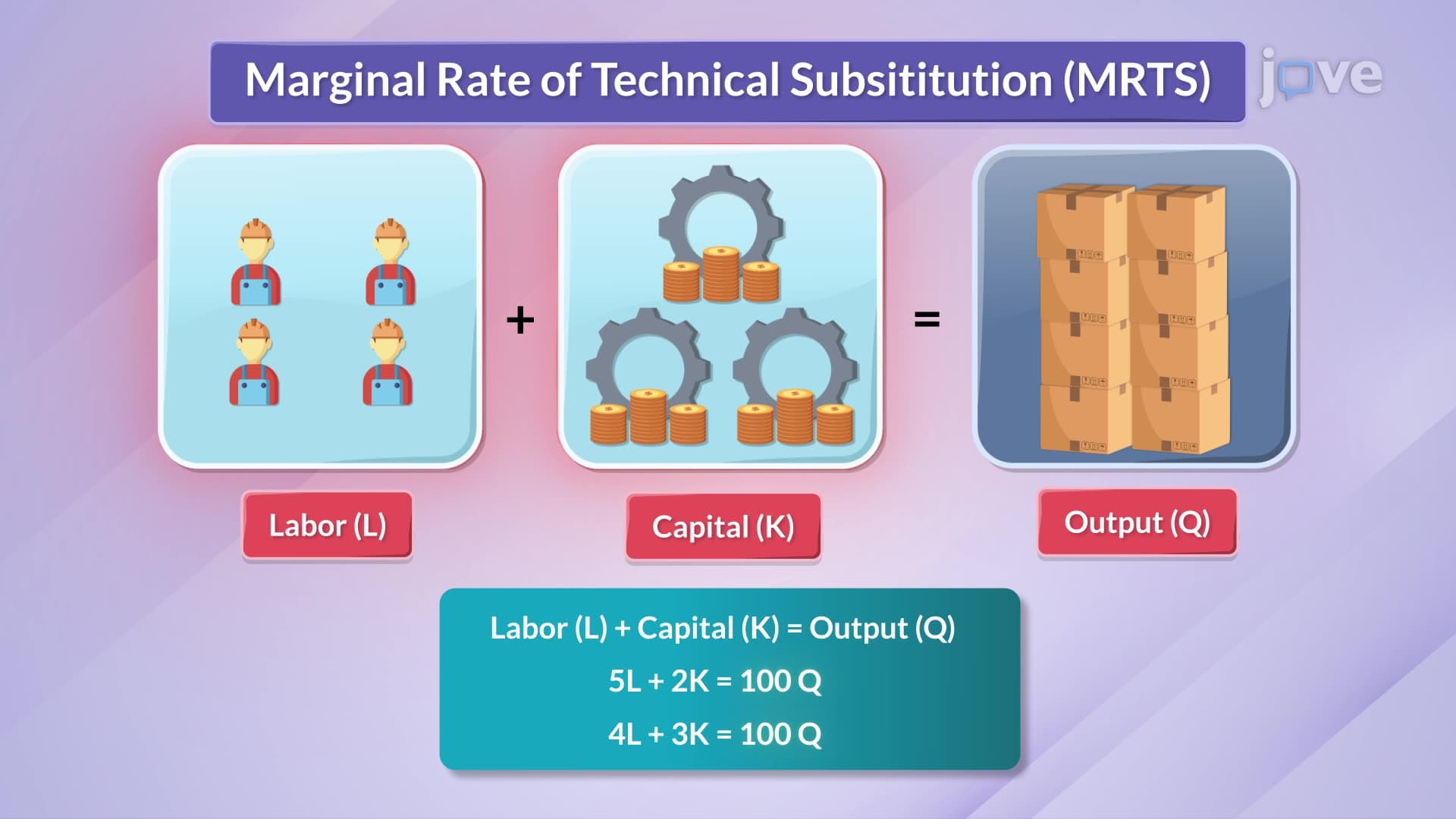
Ever wondered how Amazon decides whether to use more robots or more warehouse workers to fulfill the same number of orders? Isoquants are economic curves that map all possible combinations of two inputs-like labor and capital-that produce identical output quantities. For instance, a Tesla manufacturing plant might produce 1,000 Model 3s daily using either 50 engineers with advanced robotics or 200 workers with basic assembly tools. Watch the full video on JoVE Coach to master this concept with expert-led visuals and step-by-step explanations.
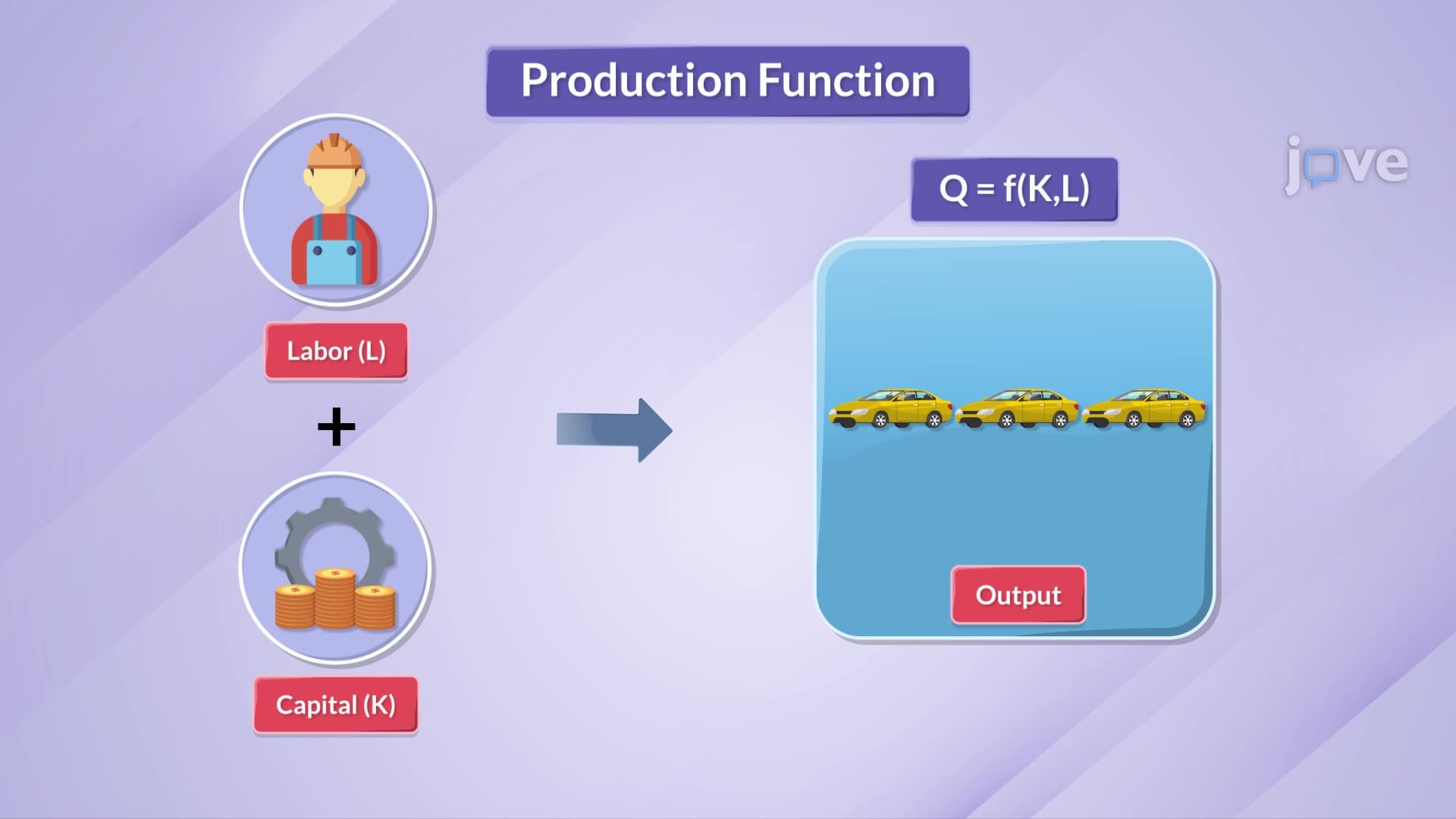
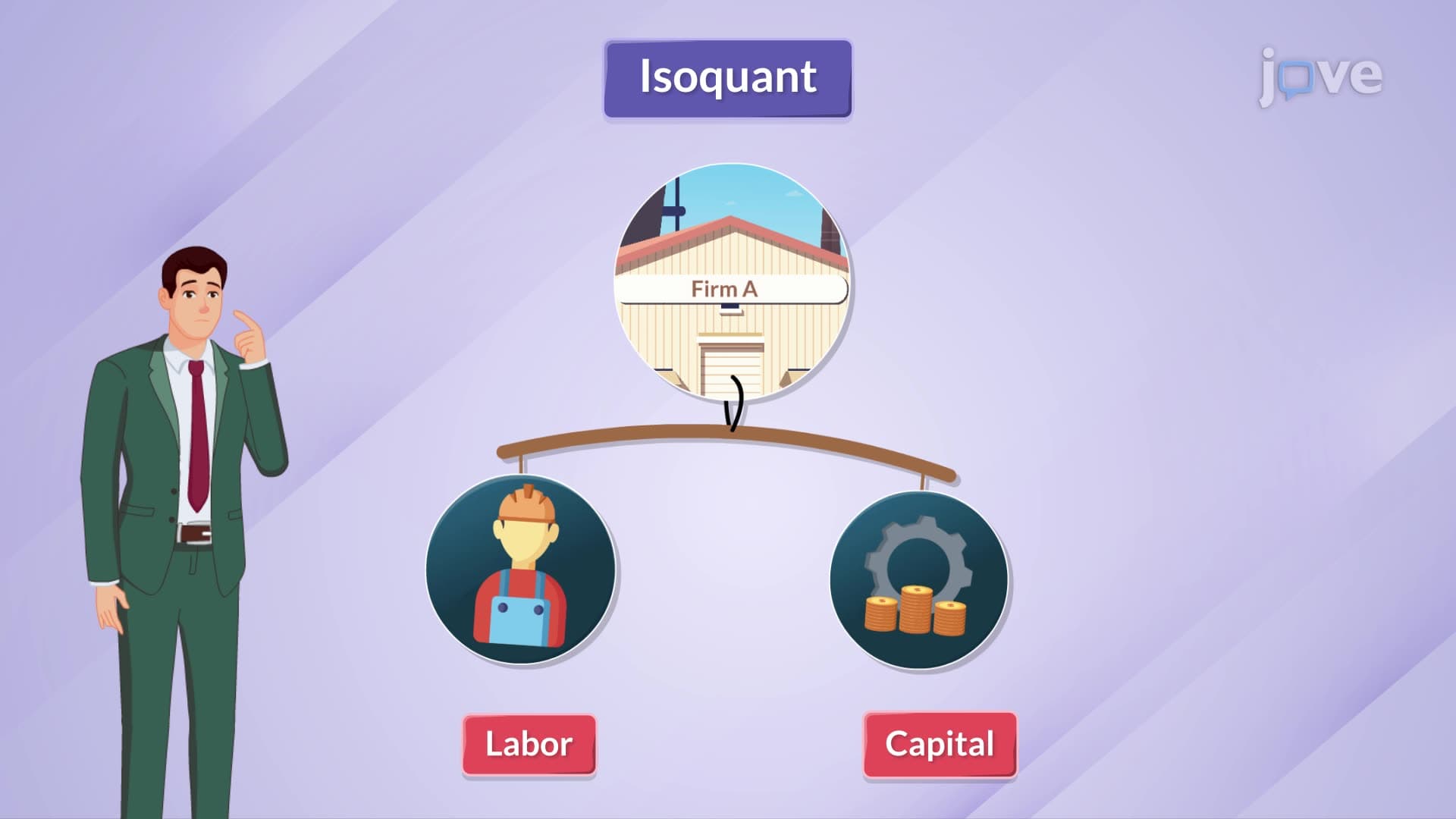
Isoquants form the backbone of production analysis in microeconomics, representing all possible combinations of inputs that yield identical output levels. The term combines "iso" (equal) and "quant" (quantity), literally meaning "equal quantity curves." Unlike simple production functions that show maximum output from given inputs, isoquants demonstrate the flexibility firms have in combining resources.
Consider Boeing's aircraft manufacturing process. To produce one 737 MAX aircraft, Boeing can utilize various combinations of skilled technicians and automated machinery. One isoquant might show that 500 highly skilled engineers working with cutting-edge robotics produces the same output as 800 moderately skilled workers using traditional tools. Similarly, McDonald's restaurants demonstrate isoquants through different staffing models-some locations use more automated ordering kiosks with fewer cashiers, while others rely on traditional counter service with larger crews.
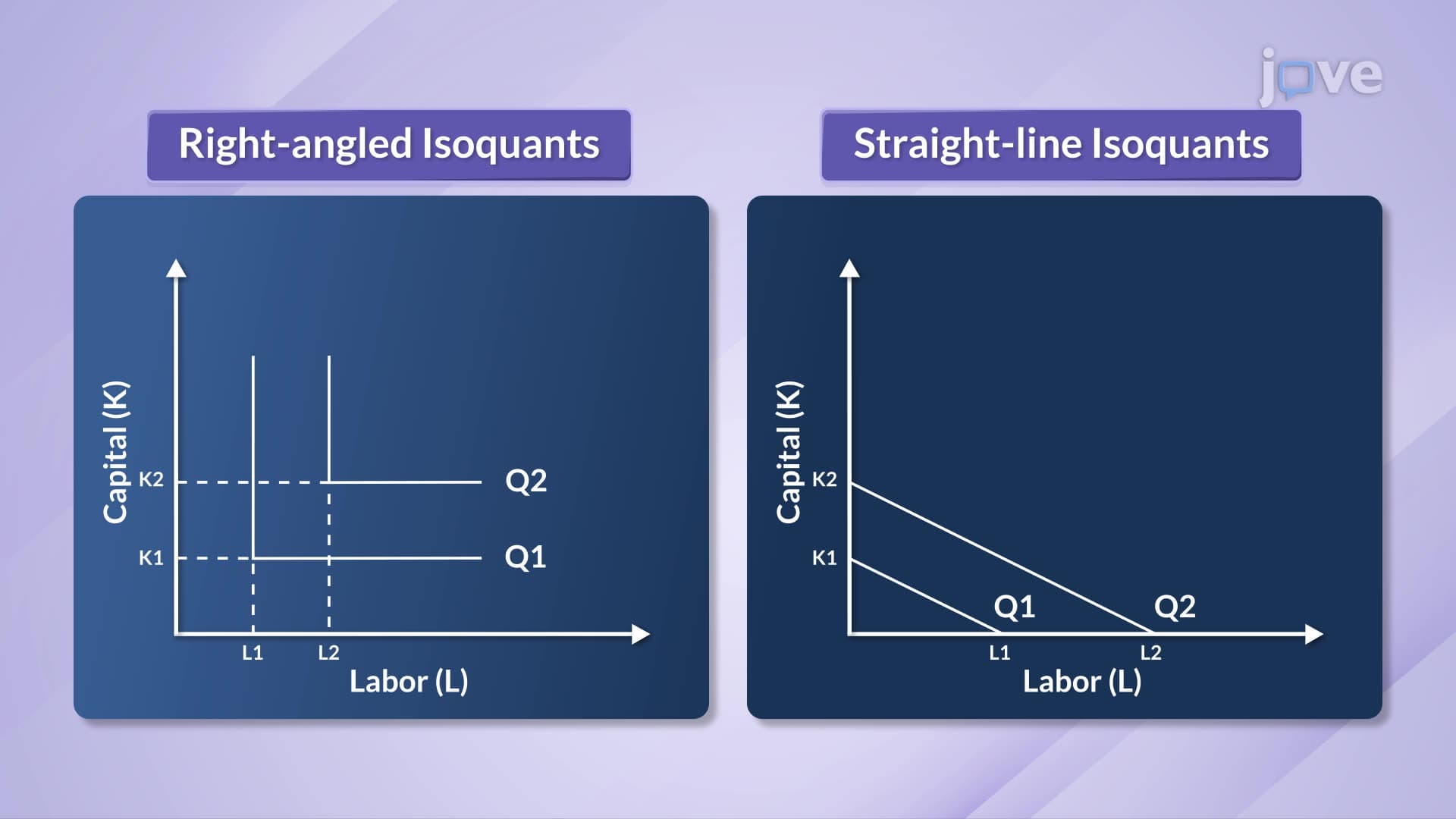
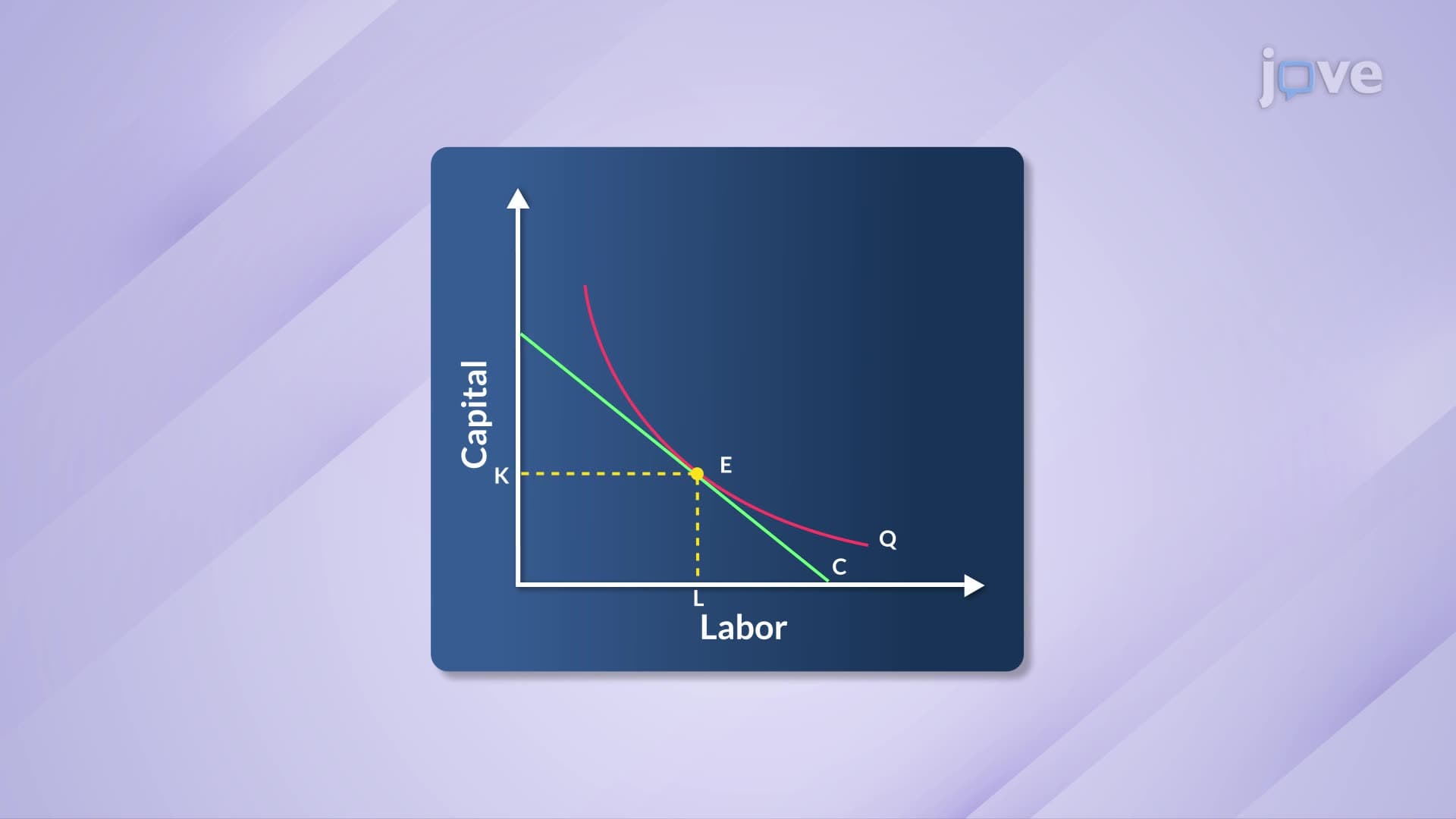
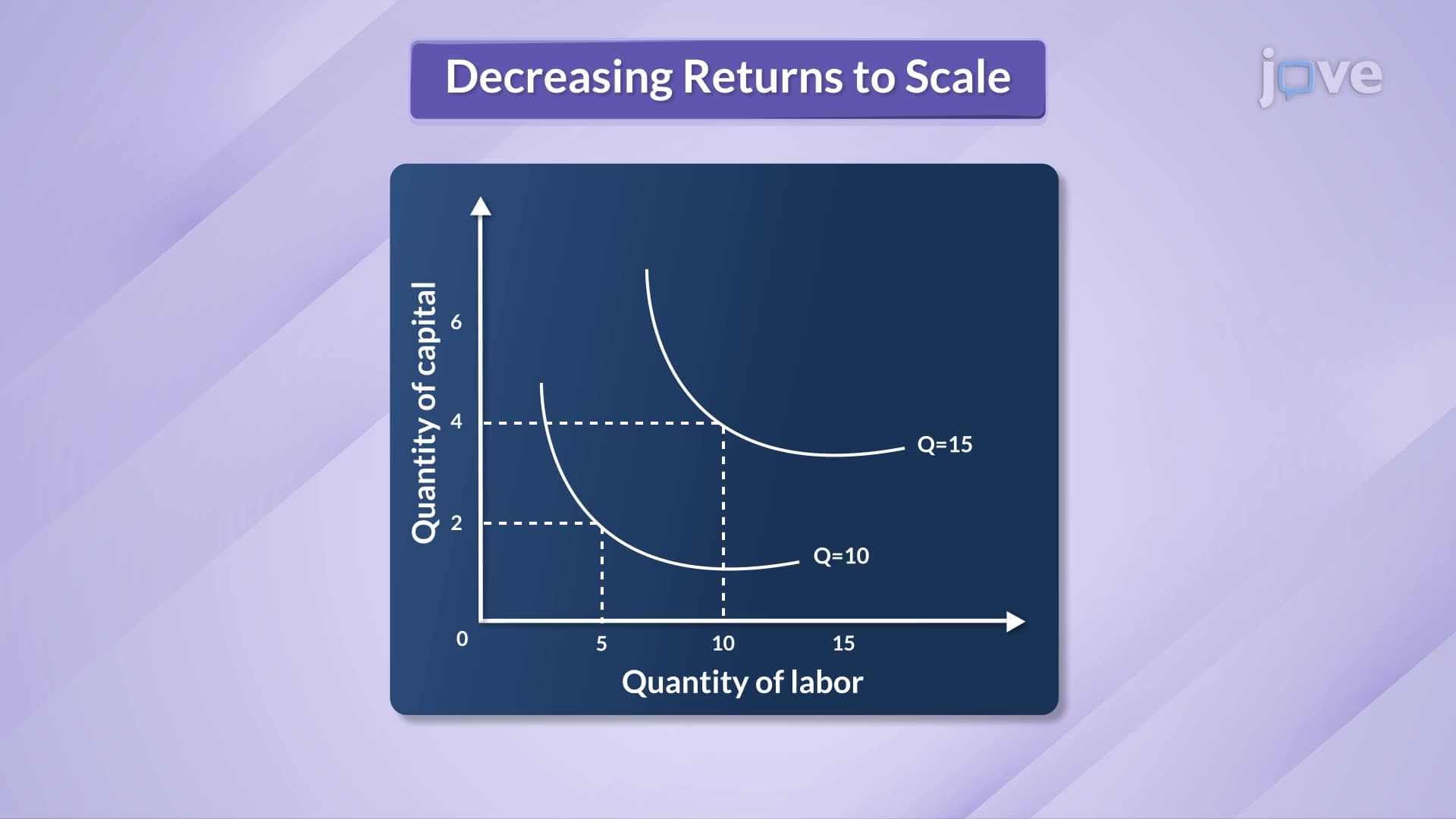
Isoquants typically slope downward from left to right, reflecting the trade-off between inputs. This negative slope indicates that increasing one input allows firms to reduce another while maintaining constant output. The curves are convex to the origin, representing diminishing marginal rates of technical substitution-as you substitute more of one input for another, each additional unit becomes less effective at replacing the other input.
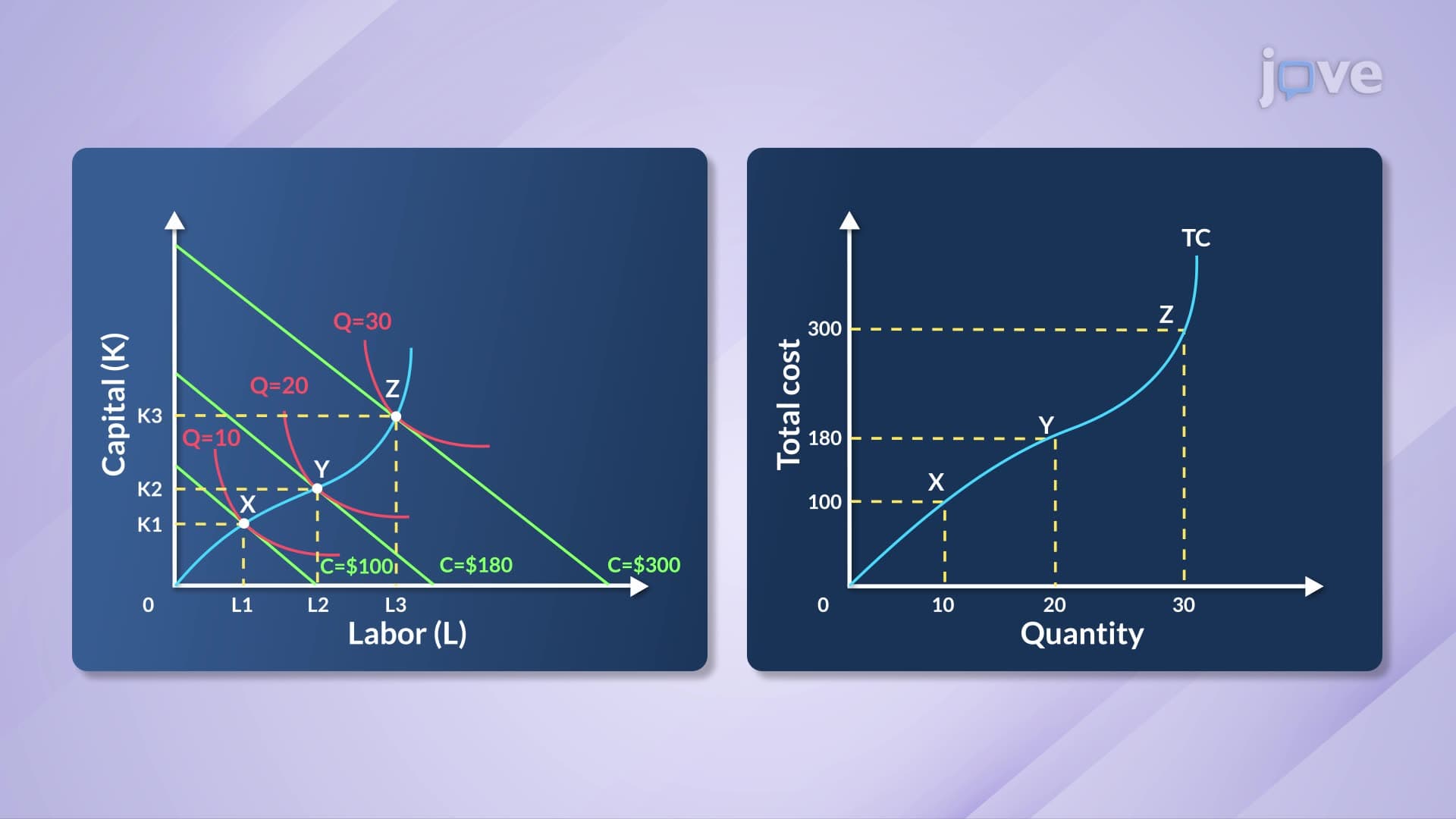
For AP Economics students, understanding isoquants proves crucial for analyzing production efficiency and cost minimization. College microeconomics courses extensively cover isoquant analysis when discussing firm behavior, particularly in intermediate microeconomics and managerial economics curricula at universities like UC Berkeley and University of Michigan.
Modern US corporations leverage isoquant analysis for strategic planning. Amazon's fulfillment centers exemplify this application-the company continuously evaluates whether to invest in more Kiva robots or hire additional warehouse workers based on cost considerations and productivity targets. Tech giants like Google use similar analysis when deciding between hiring more software engineers versus investing in automated development tools and AI systems.
Related Micro-courses