Loading subject page…


6,668 views


Video Summary: What Is Long Run
Ever wonder why Amazon can quickly scale from selling books to cloud computing, while a corner bakery takes months to expand? The long run represents the time period when businesses can adjust all inputs-both labor and capital-to optimize their production scale. Unlike short-run constraints where firms are stuck with fixed equipment, long-run flexibility allows companies like Tesla to completely redesign factories, hire specialized engineers, and implement new technologies to meet changing market demands. Watch the full video on JoVE Coach to master this concept with expert-led visuals and step-by-step explanations.
The long run definition represents a fundamental concept in microeconomics where firms possess complete flexibility to adjust all production inputs. Unlike the short run, where at least one factor remains fixed (typically capital equipment), the long run allows businesses to modify their entire production structure. This long run concept explained becomes crucial for understanding how companies achieve optimal efficiency and respond to market changes.
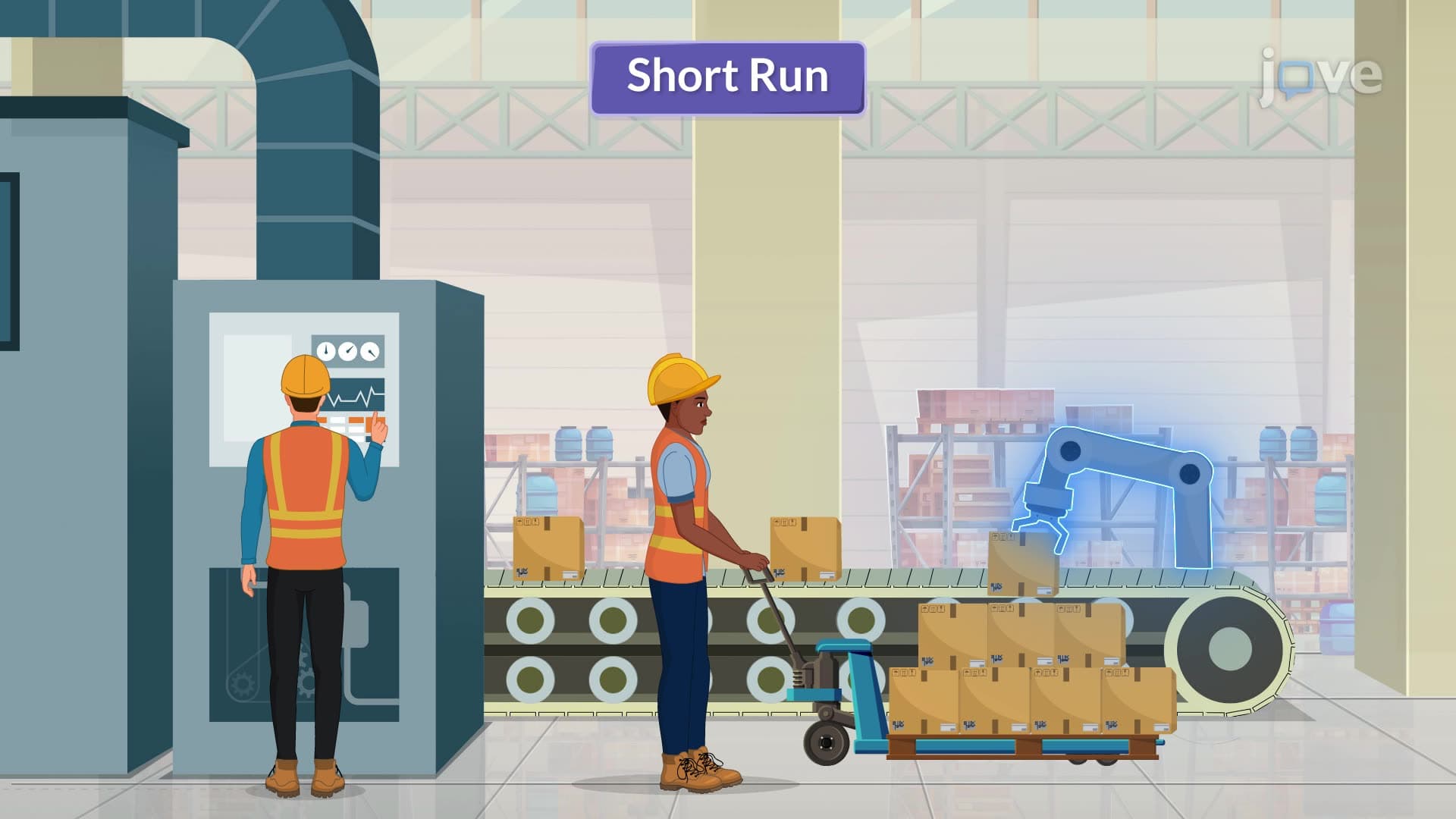
The distinction between short-run and long-run production capabilities shapes strategic business decisions across industries. In the short run, McDonald's restaurants operate with fixed kitchen equipment, limiting their ability to change production methods quickly. However, in the long run, McDonald's can redesign entire restaurants, install new cooking technologies, and restructure their workforce composition. This flexibility enables firms to achieve economies of scale and adapt to changing consumer preferences or cost structures.
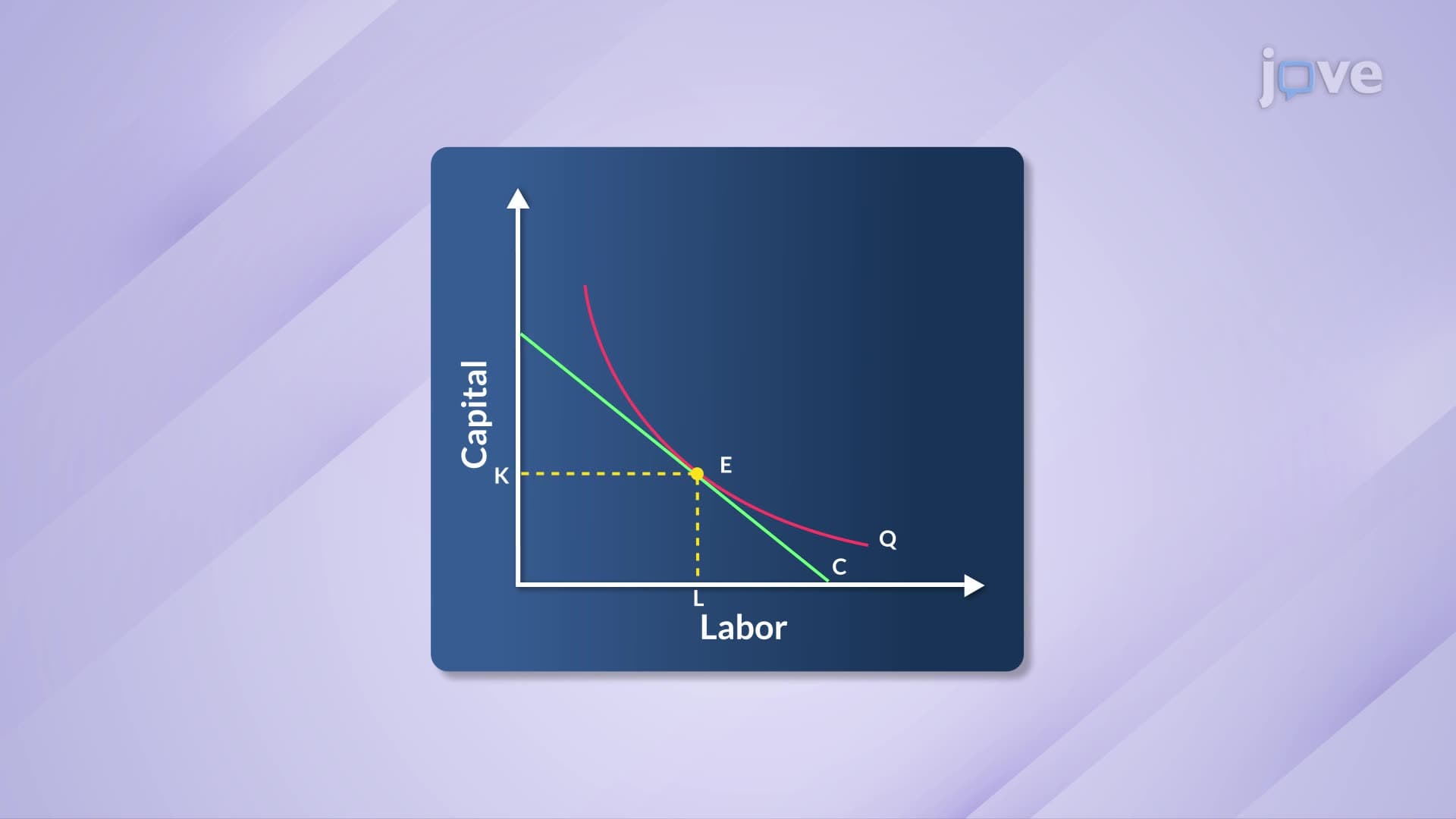
A key advantage of long-run planning involves the ability to substitute between different input combinations. Consider how Netflix transitioned from DVD-by-mail to streaming services. In the long run, they could replace physical distribution centers (capital-intensive) with cloud servers and software engineers (technology and skilled labor-intensive). This substitution occurred because technological advances made digital delivery more cost-effective than physical distribution, demonstrating how firms optimize input combinations based on relative prices and efficiency.
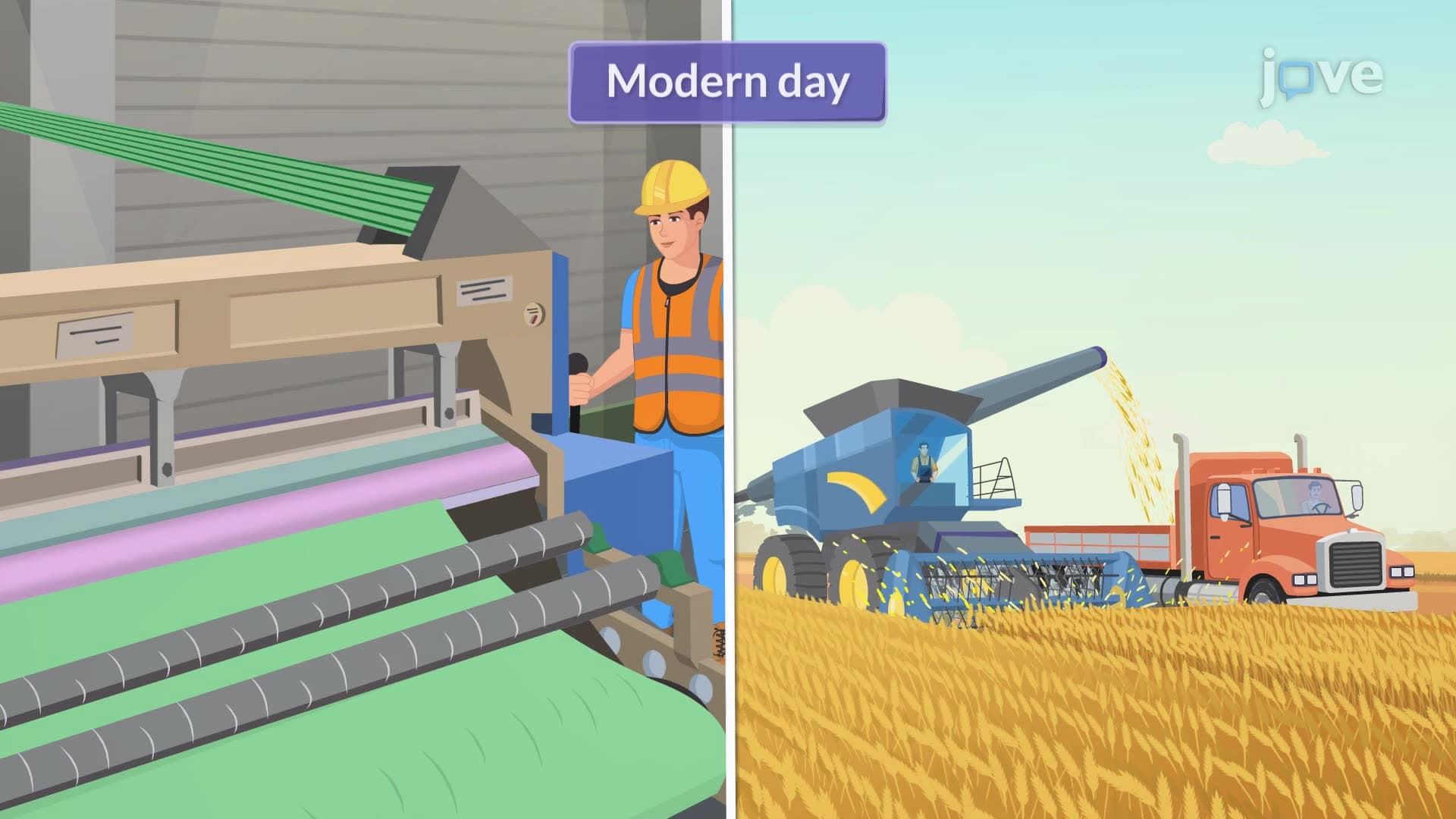
Several critical factors drive long-run production choices that students encounter in AP Economics and college microeconomics courses. Input price changes significantly impact decisions-when skilled labor becomes expensive, companies like General Motors invest in robotic assembly lines. Technological advancements create new possibilities, as seen when solar panel manufacturers shifted from manual assembly to automated production systems. Expected long-term demand also influences capacity decisions; pharmaceutical companies build new manufacturing facilities based on projected medication needs rather than current production constraints.
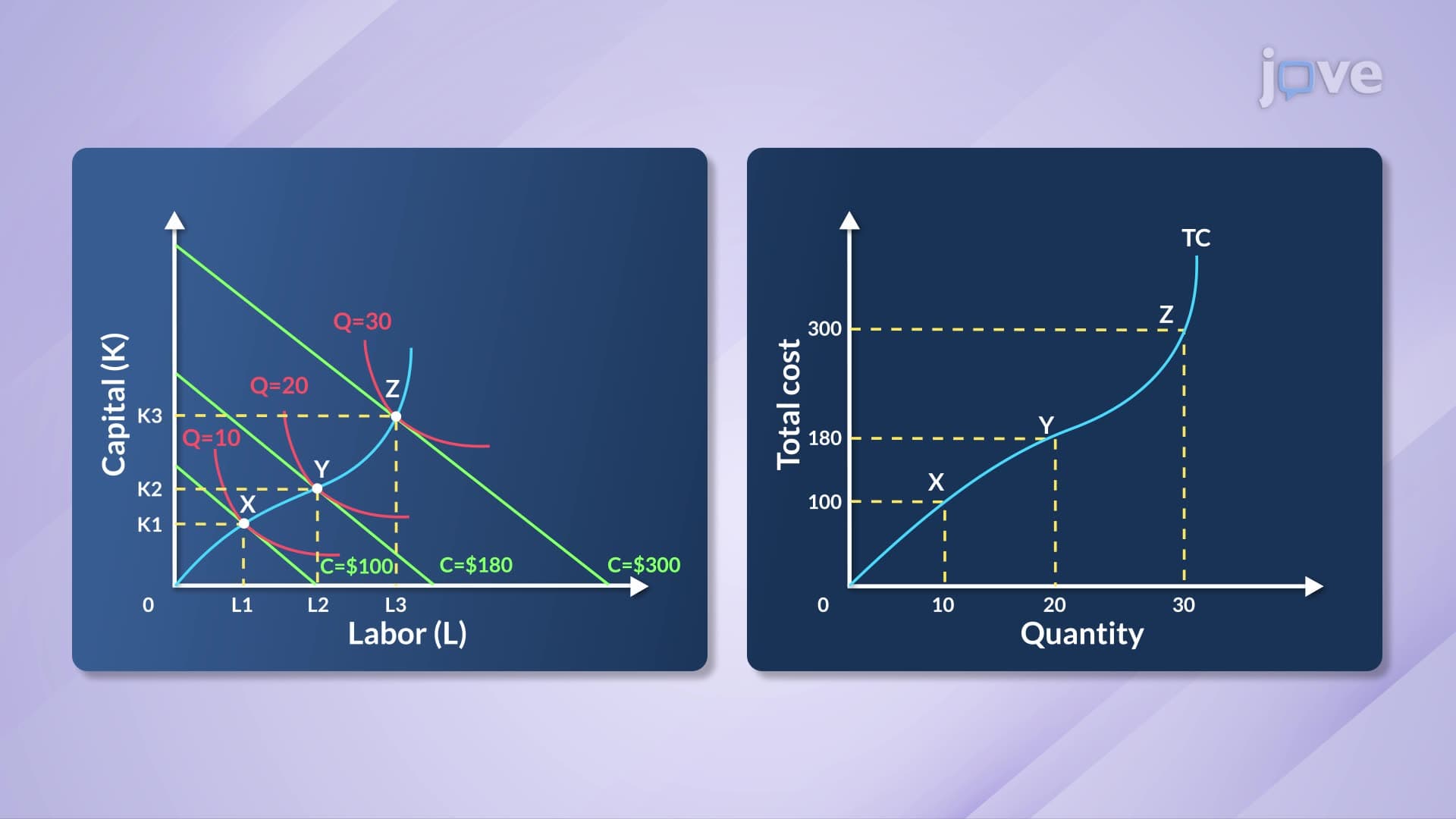
Understanding long-run concepts proves essential for AP Economics exams, where students analyze production functions and cost curves. College economics courses frequently test long-run optimization problems, requiring students to calculate optimal input combinations given different price scenarios. These concepts also appear in business case studies, where students must evaluate expansion strategies and investment decisions based on long-run flexibility principles.
Related Micro-courses