Loading video…


 20 Concepts
 6.7K views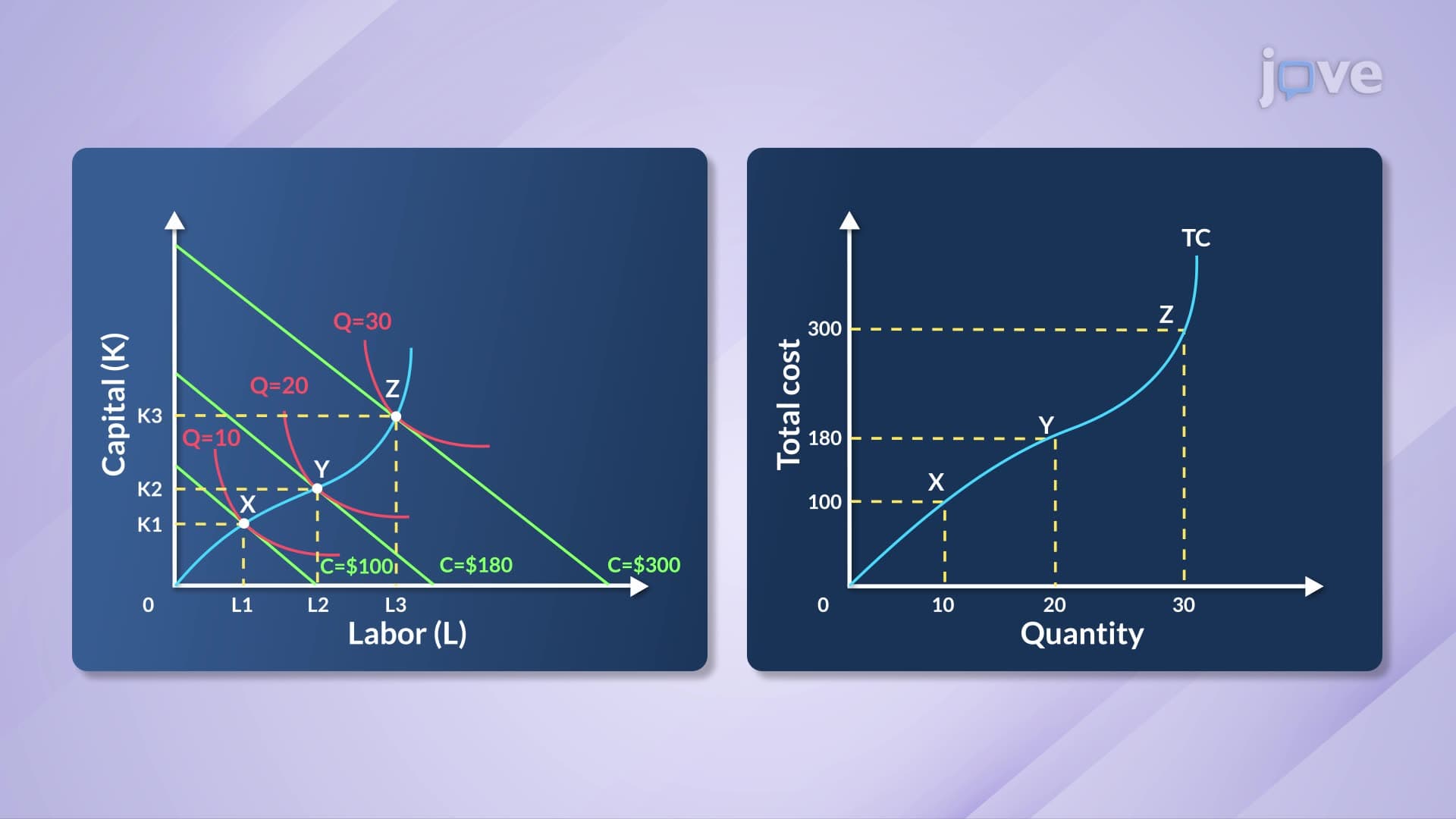

Video Summary: Expansion Path and Long Run Explained
Why do companies like Amazon constantly adjust their warehouse-to-delivery driver ratios as they expand nationwide? The expansion path long run reveals how firms optimize input combinations at different production scales. This economic concept maps the cost-minimizing points where isocost lines tangent to isoquants, showing how businesses like Tesla balance capital equipment and labor as they scale manufacturing. Understanding Expansion Path And Long Run Explained helps predict optimal resource allocation strategies. Watch the full video on JoVE Coach to master this concept with expert-led visuals and step-by-step explanations.
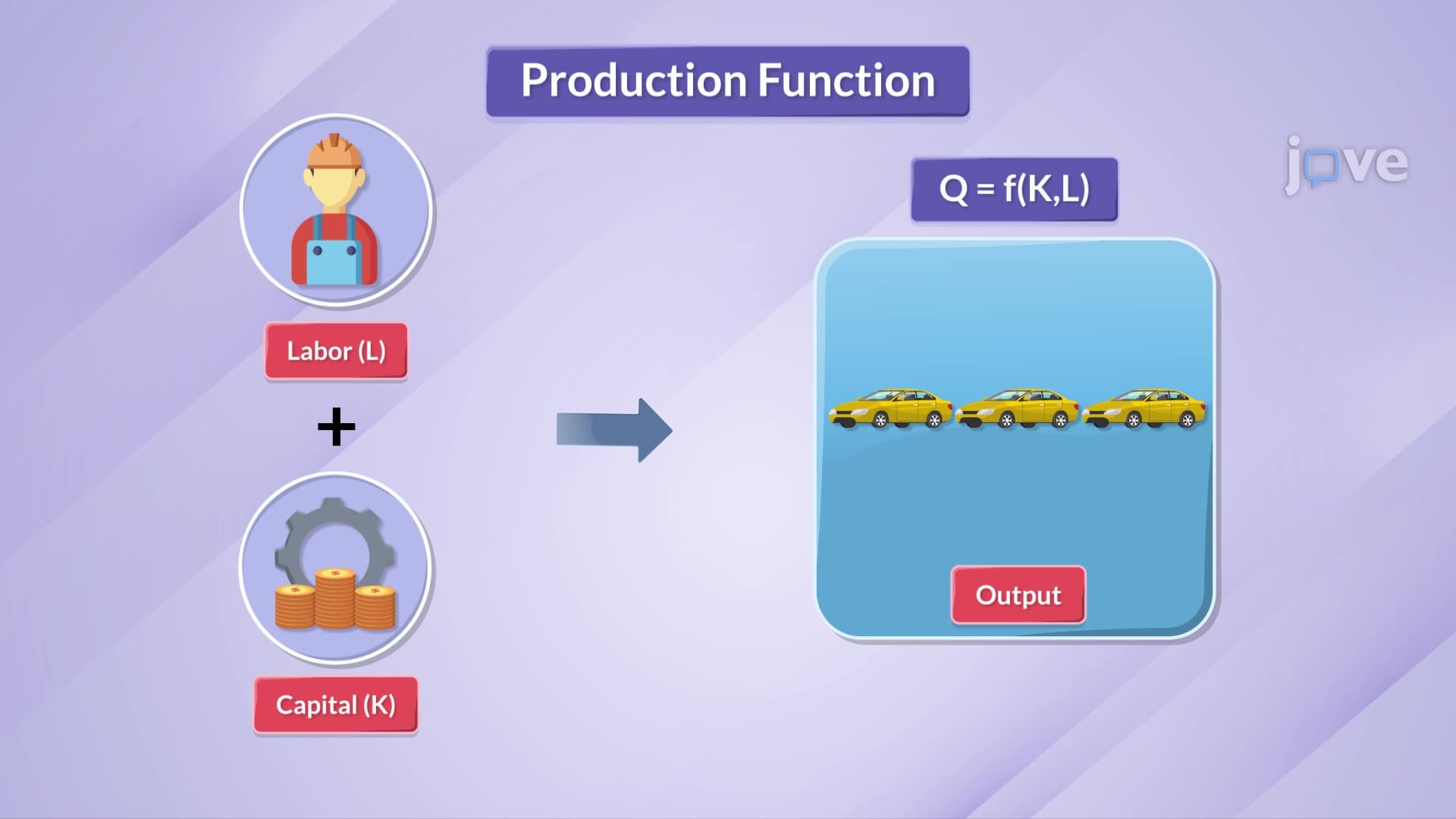
The expansion path represents a fundamental concept in microeconomics that illustrates how profit-maximizing firms adjust their input combinations as they scale production. Unlike short-run analysis where certain inputs remain fixed, the long run allows complete flexibility in all production factors. This flexibility enables firms to find the optimal balance between capital and labor at every production level.
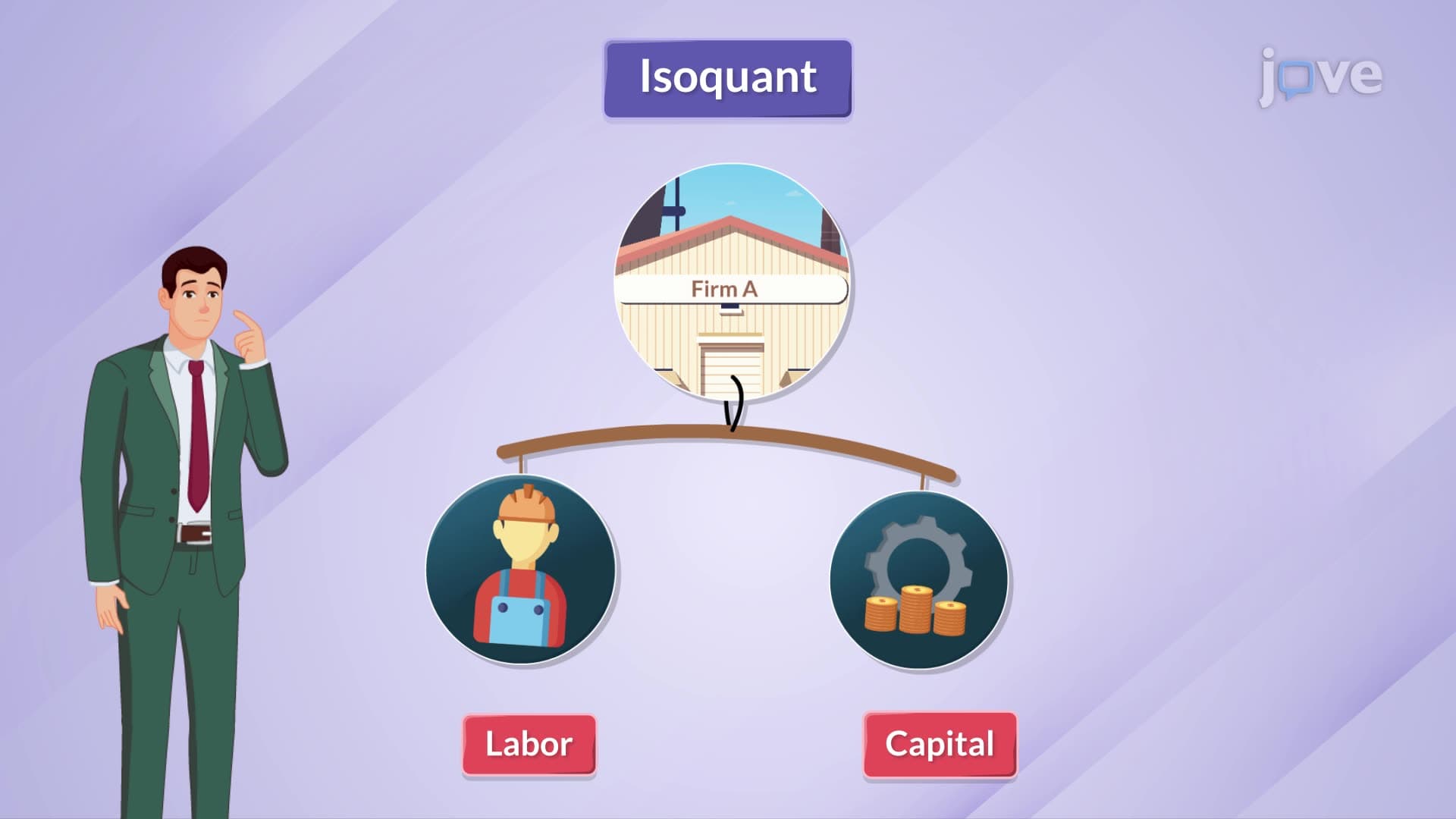
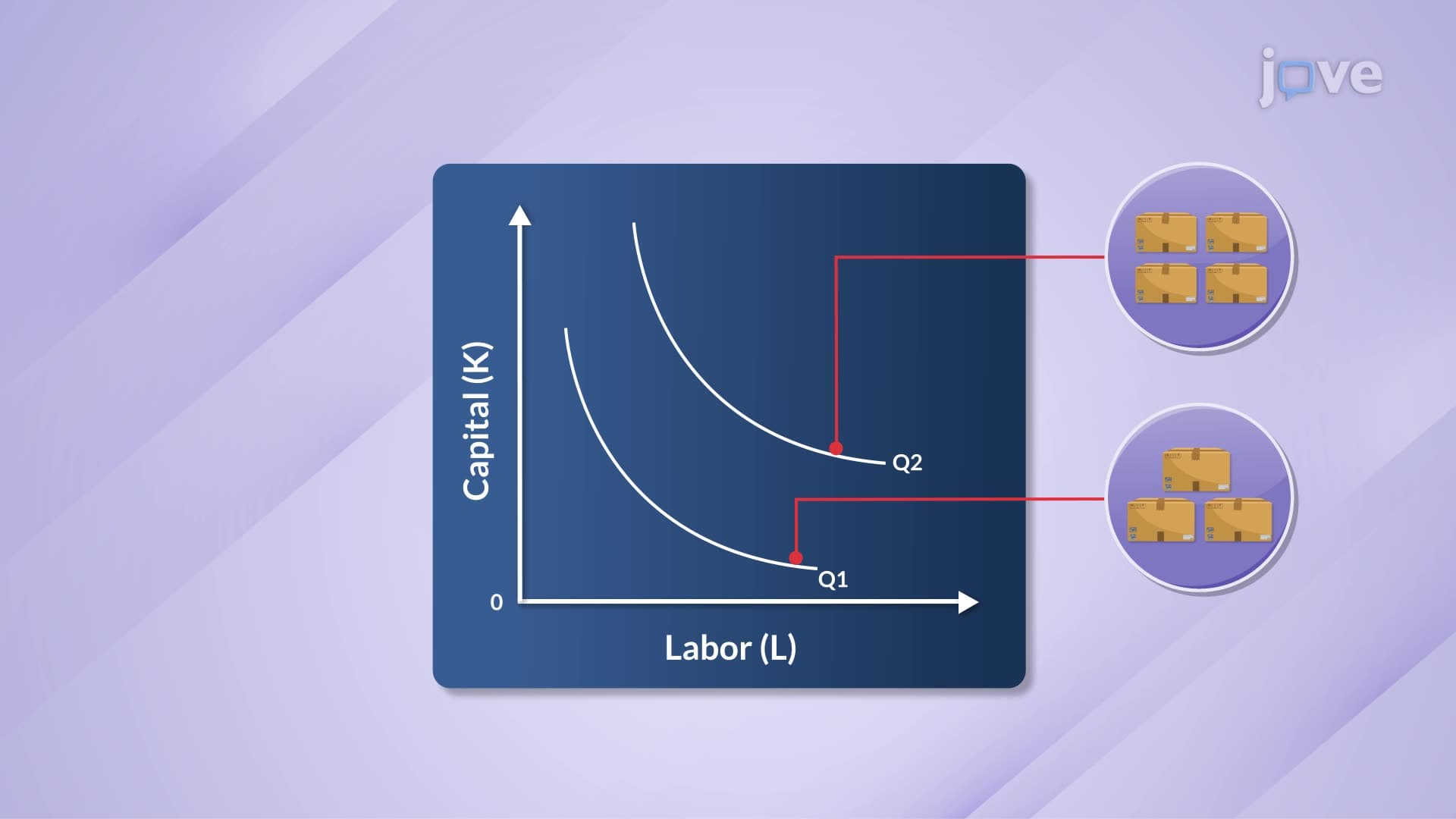
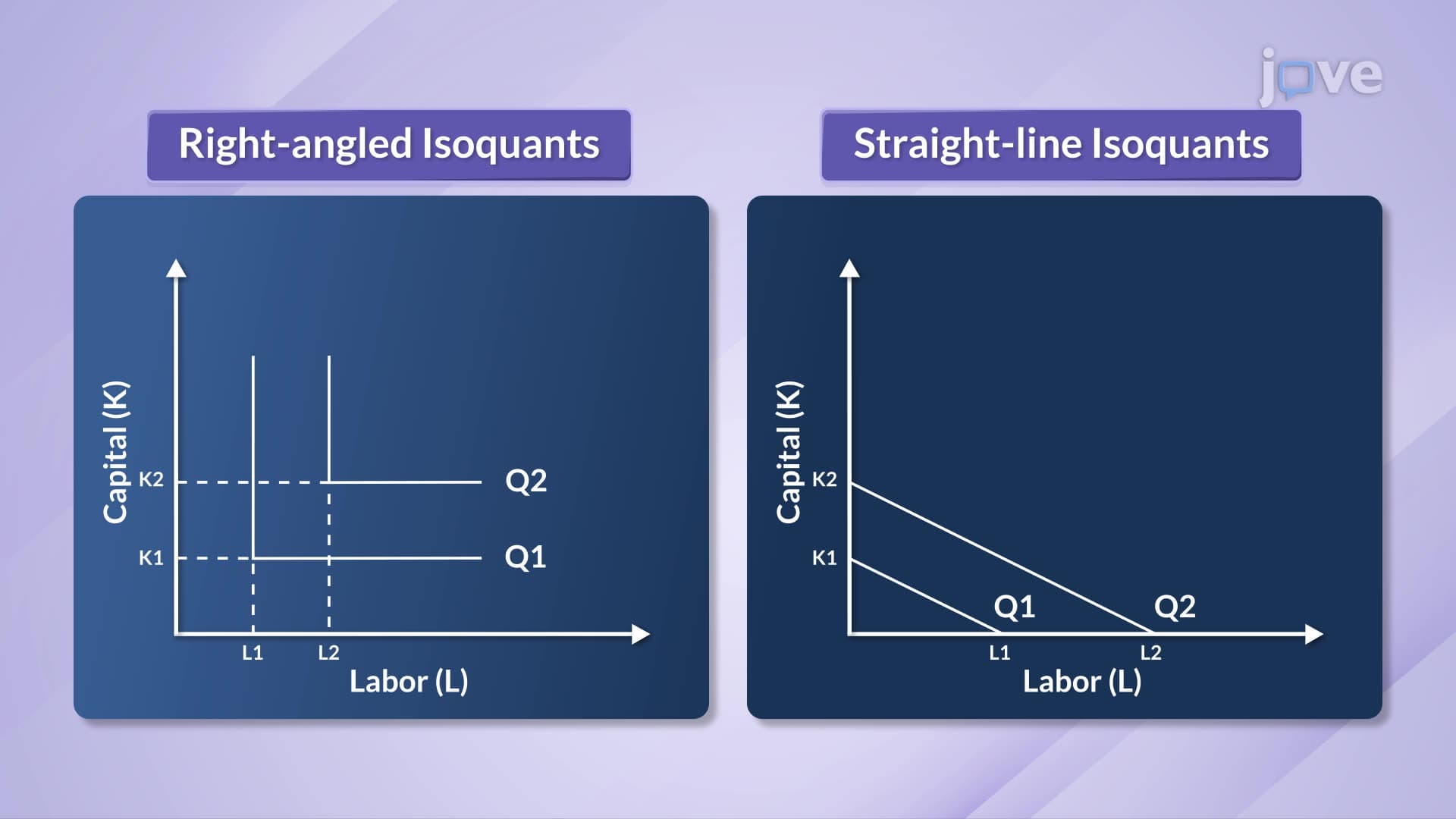
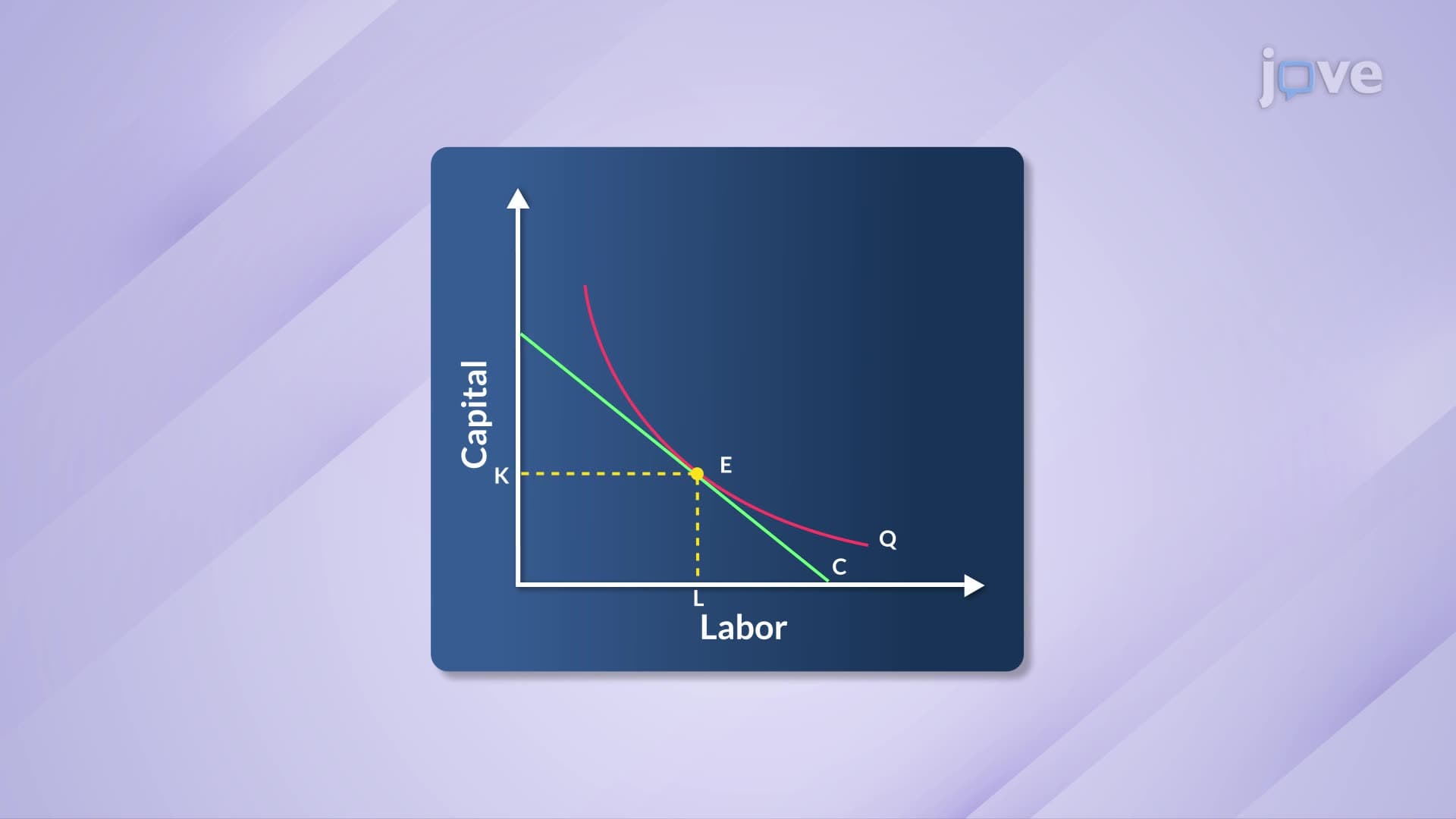
The mathematical foundation of expansion paths lies in the tangency condition between isoquants and isocost lines. At these tangency points, the marginal rate of technical substitution (MRTS) equals the ratio of input prices. For instance, when Netflix expanded its streaming infrastructure, engineers calculated optimal server-to-bandwidth ratios at different subscriber levels, essentially mapping their expansion path in real-time.
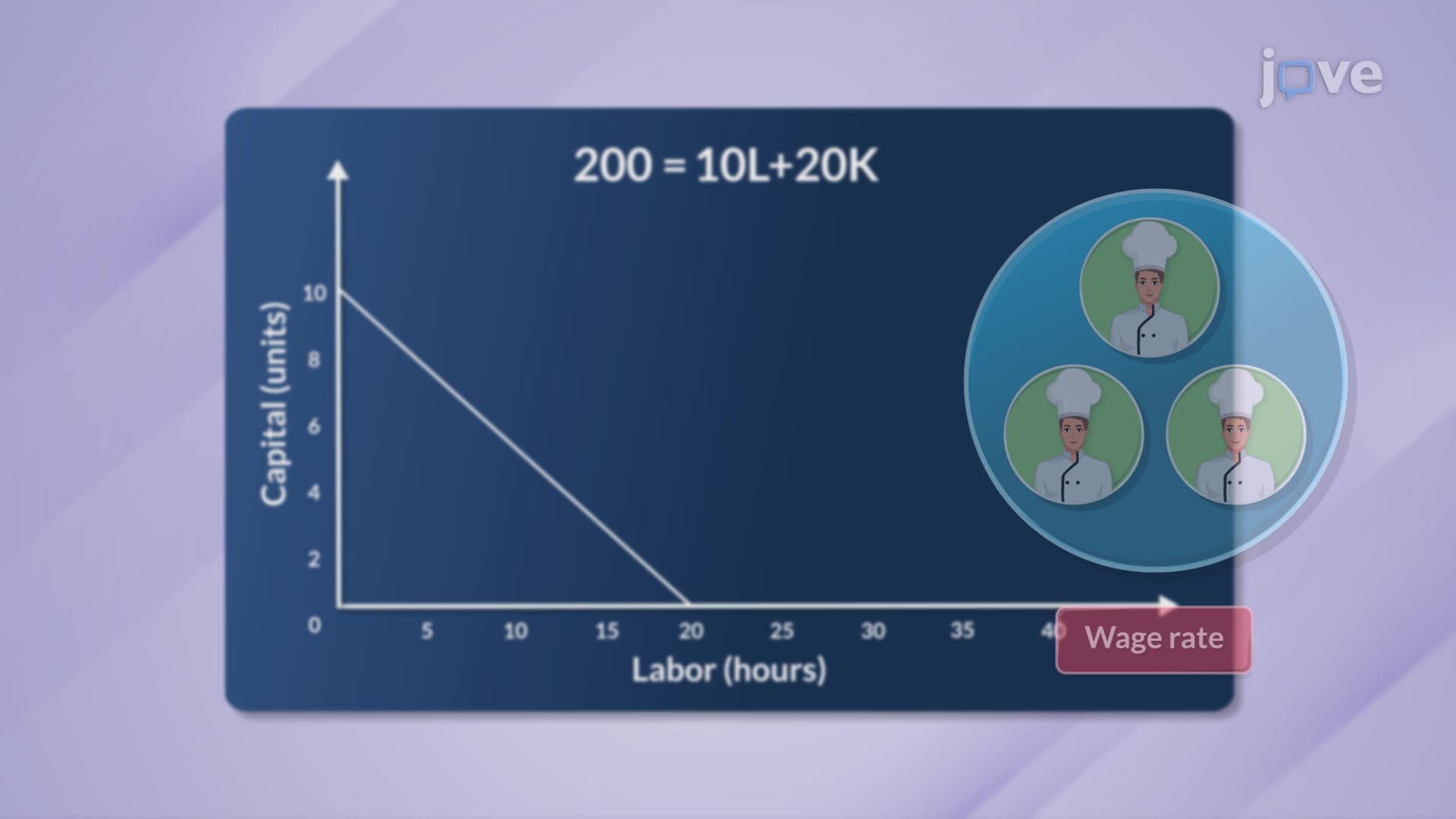
The condition MRTS = w/r (where w represents wage rate and r represents rental rate of capital) ensures cost minimization. Students preparing for AP Microeconomics or college intermediate microeconomics courses should memorize this relationship, as it frequently appears in problem sets and exams.
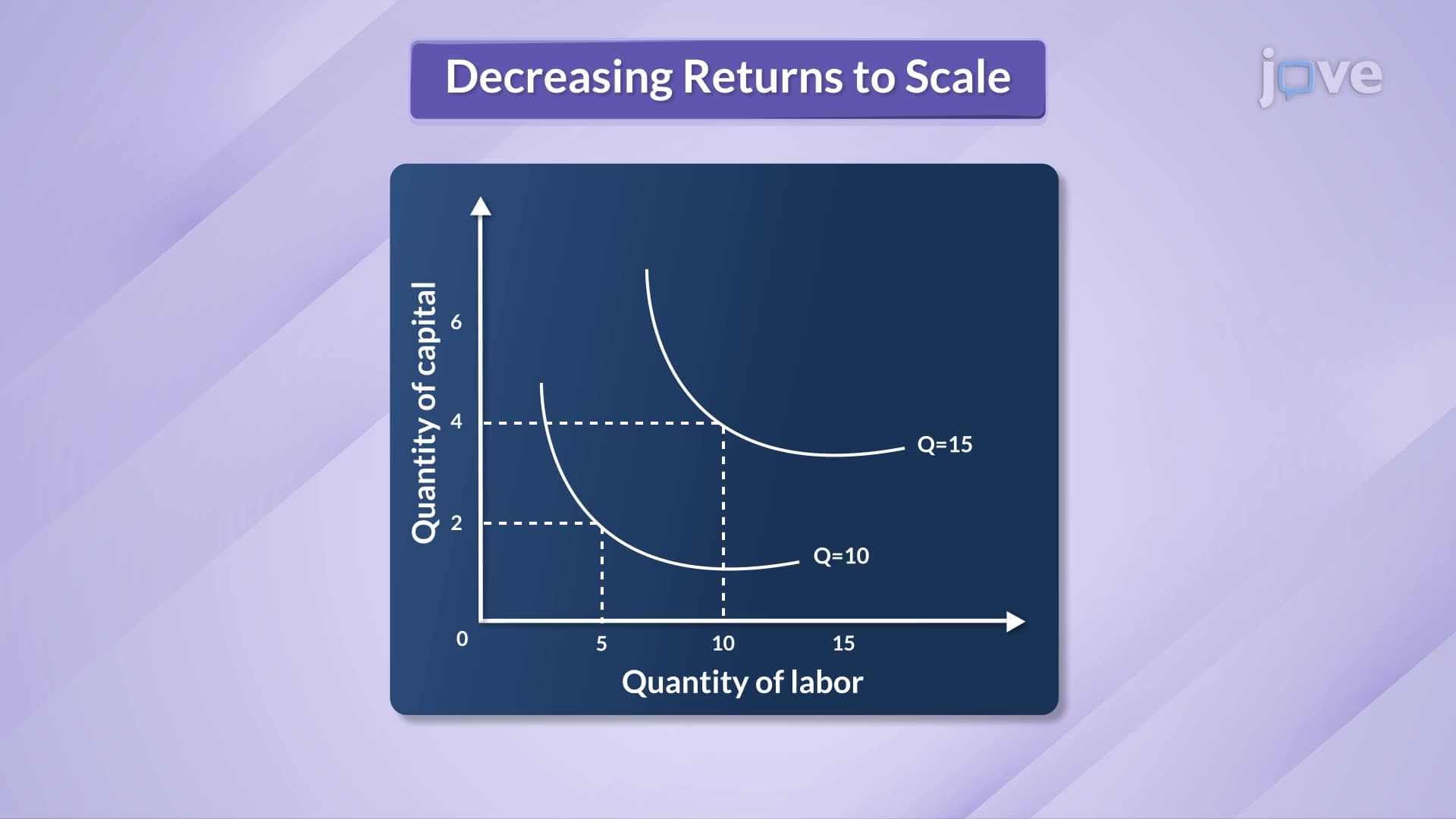
The expansion path serves as the foundation for constructing long-run total cost curves. Each point along the expansion path corresponds to a specific output level and its associated minimum cost. By plotting these cost-output combinations, economists derive the long-run total cost function. This process proves essential for understanding economies and diseconomies of scale.
Consider how Walmart optimizes its distribution network: as the company opens new stores, it must decide between building additional warehouses (capital) versus hiring more truck drivers (labor). Their expansion path reflects these strategic decisions across different market sizes.
Major corporations regularly apply expansion path analysis when making strategic decisions. Amazon's fulfillment center locations, Google's data center investments, and Ford's manufacturing plant configurations all reflect expansion path optimization. Students studying for business school entrance exams like the GMAT should understand how these concepts connect to real-world corporate strategy.
The expansion path also helps explain industry differences in capital intensity. Technology companies typically follow expansion paths heavily weighted toward capital investment, while service industries often emphasize labor-intensive growth patterns.
Related Micro-courses