Loading video…


 20 Concepts
 6.7K views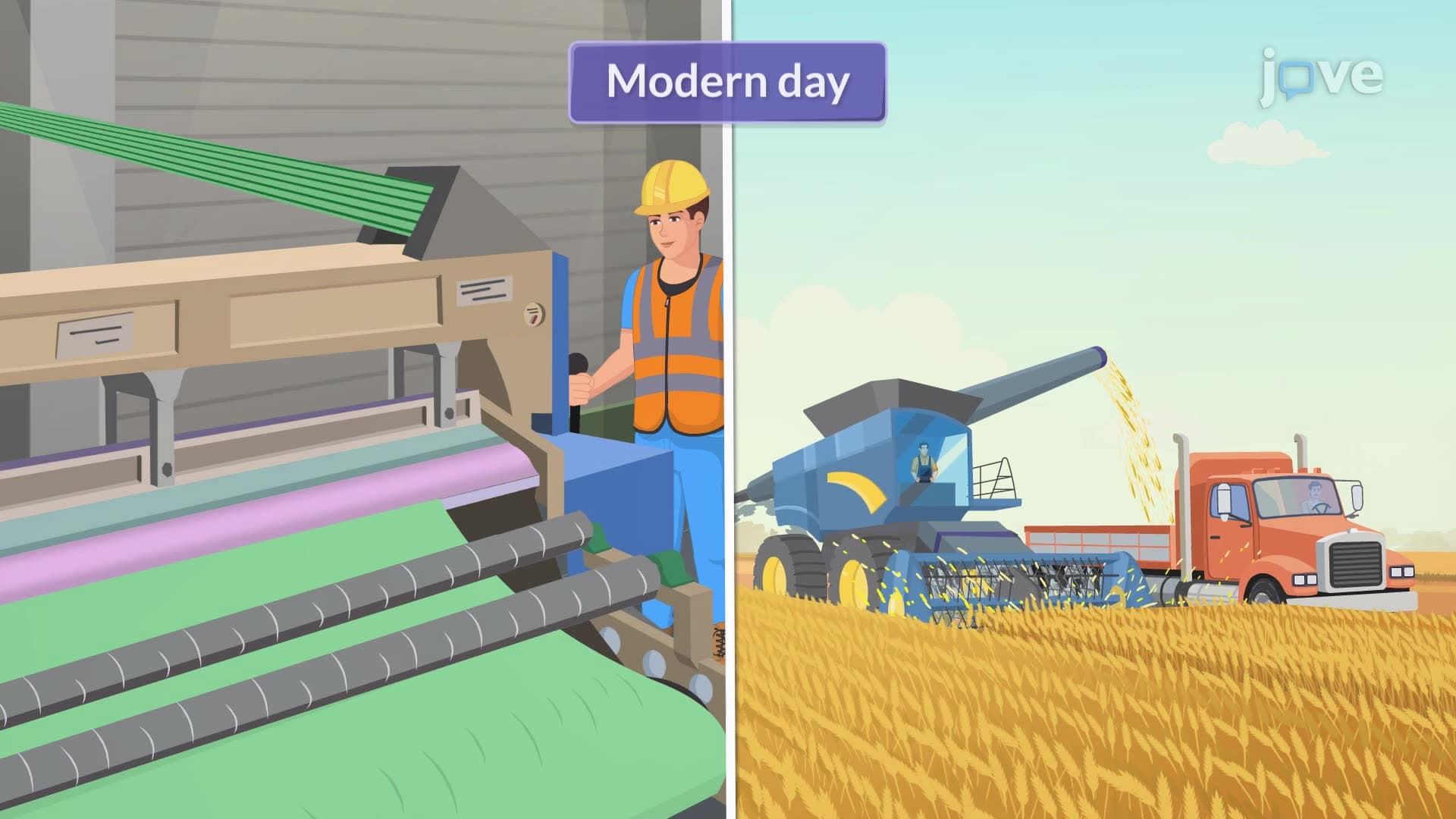

Video Summary: What Is Technological Change
Did you know that a single Tesla factory robot can now weld car frames 50% faster than human workers while using less electricity? Technological change drives this remarkable efficiency boost, enabling companies to produce the same output with fewer inputs through innovation. When Amazon introduced warehouse automation, the company maintained delivery volumes while reducing labor costs-a perfect example of what is technological change in action. This concept fundamentally reshapes how businesses operate across American industries, from manufacturing to agriculture. Watch the full video on JoVE Coach to master this concept with expert-led visuals and step-by-step explanations.
What is technological change represents one of the most powerful forces driving economic growth and productivity improvements. At its core, technological change occurs when innovations allow producers to generate the same output level using fewer inputs-whether labor, capital, or raw materials. This phenomenon directly enhances total factor productivity (TFP), making entire economies more efficient and competitive.
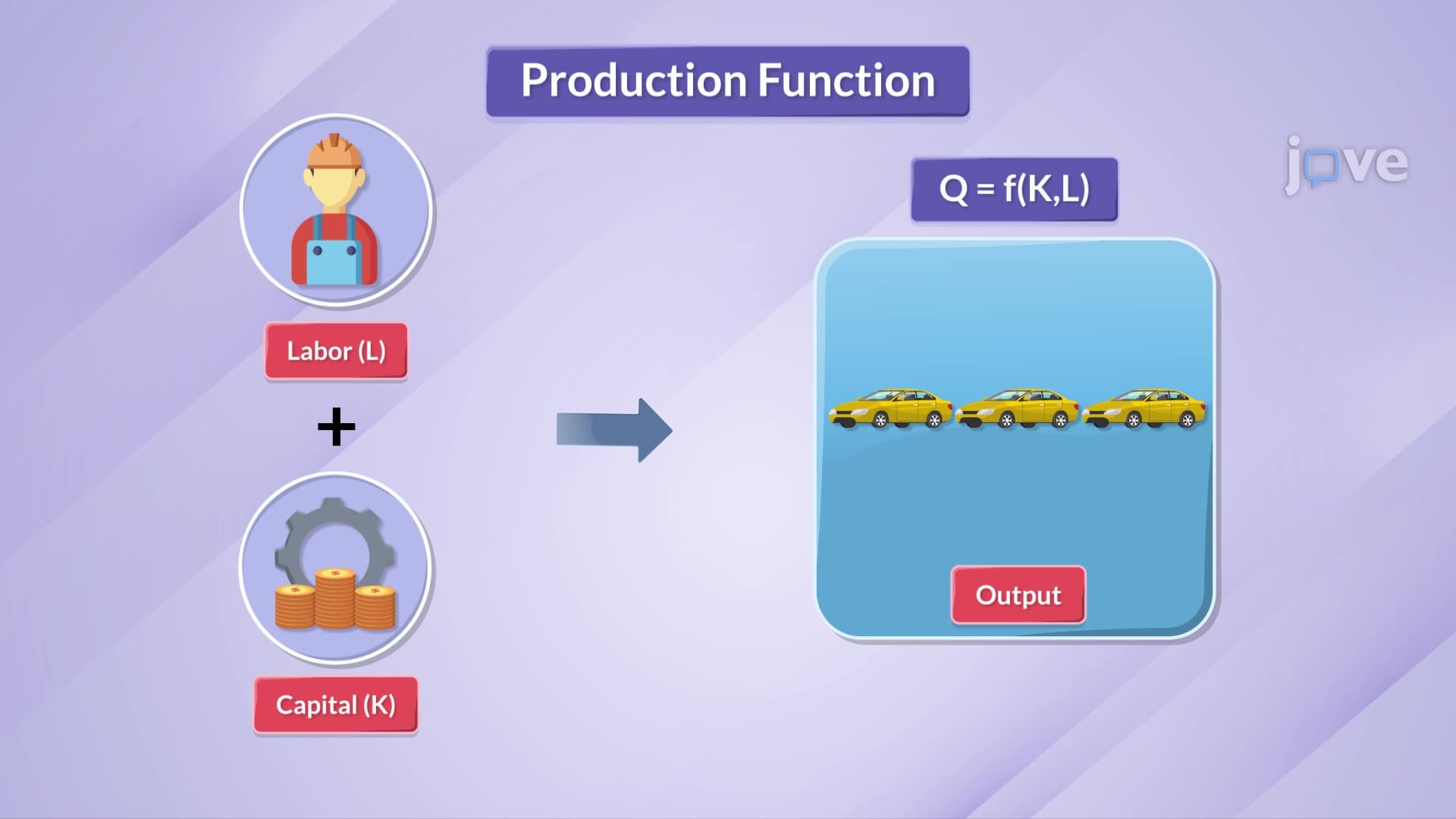
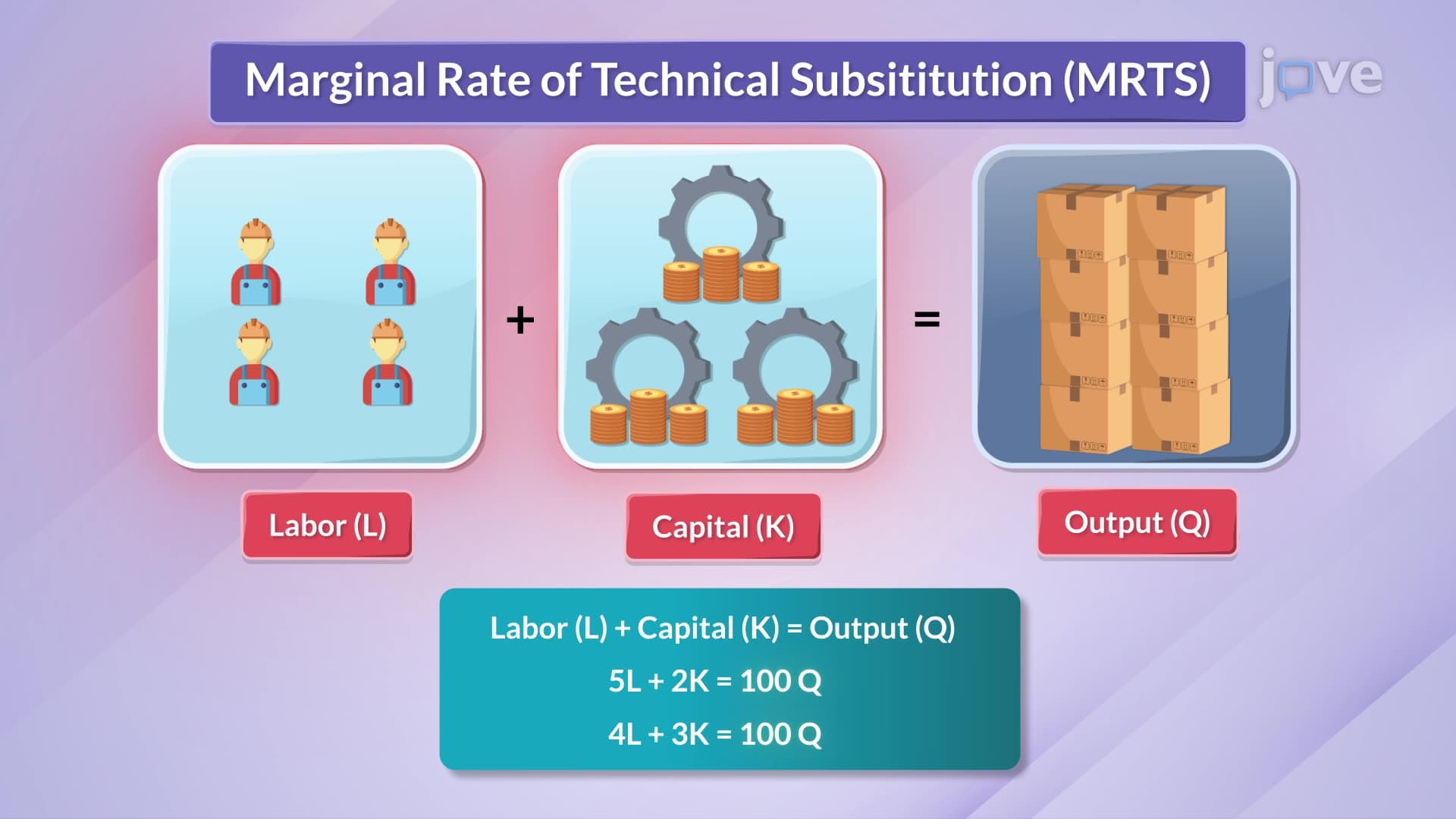
The mathematical representation involves modifying the standard production function to include a technology multiplier (A): Q = A × f(L,K), where A captures the level of total factor productivity. When A increases through technological advancement, the same combination of labor (L) and capital (K) produces more output (Q).
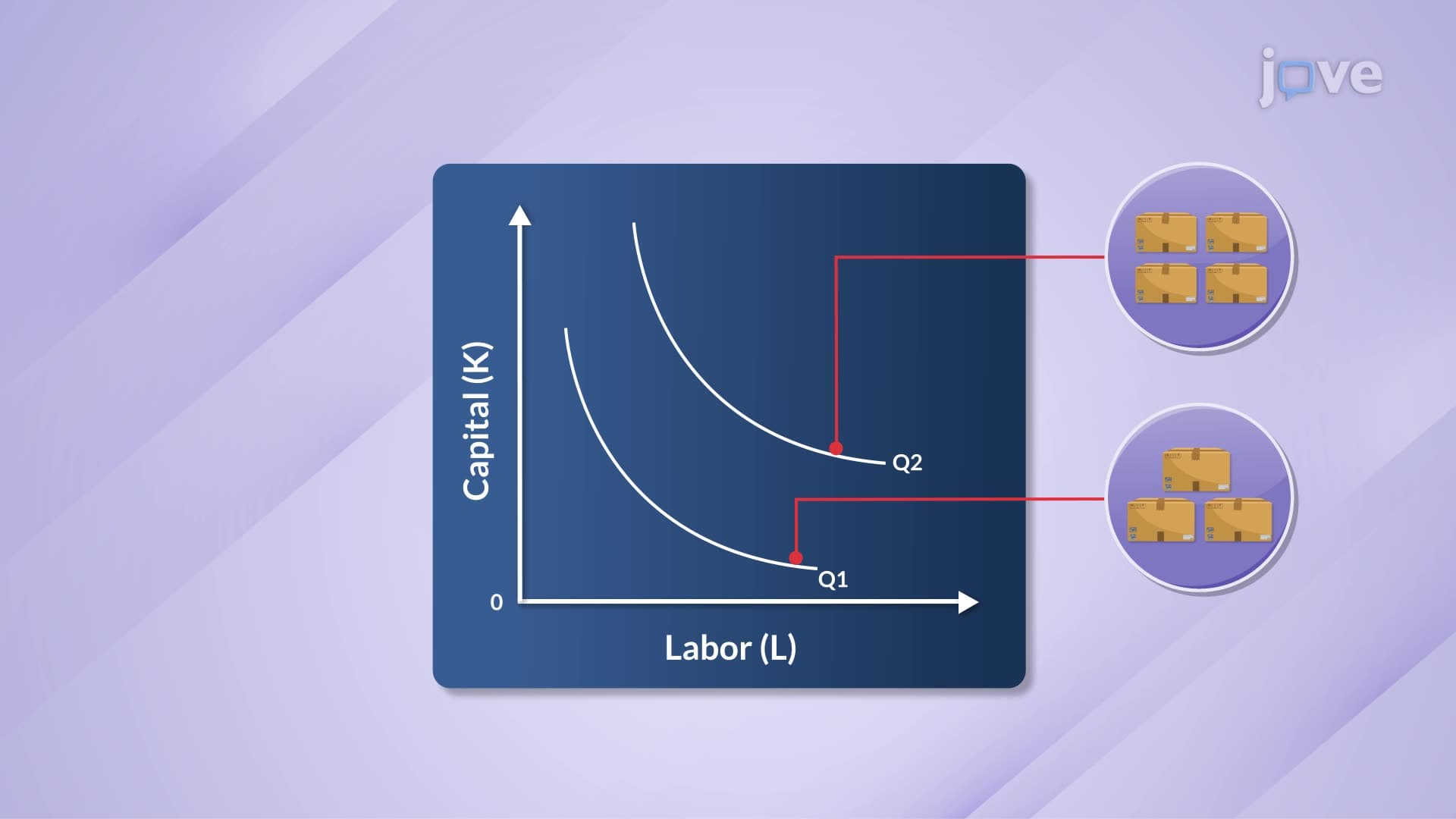
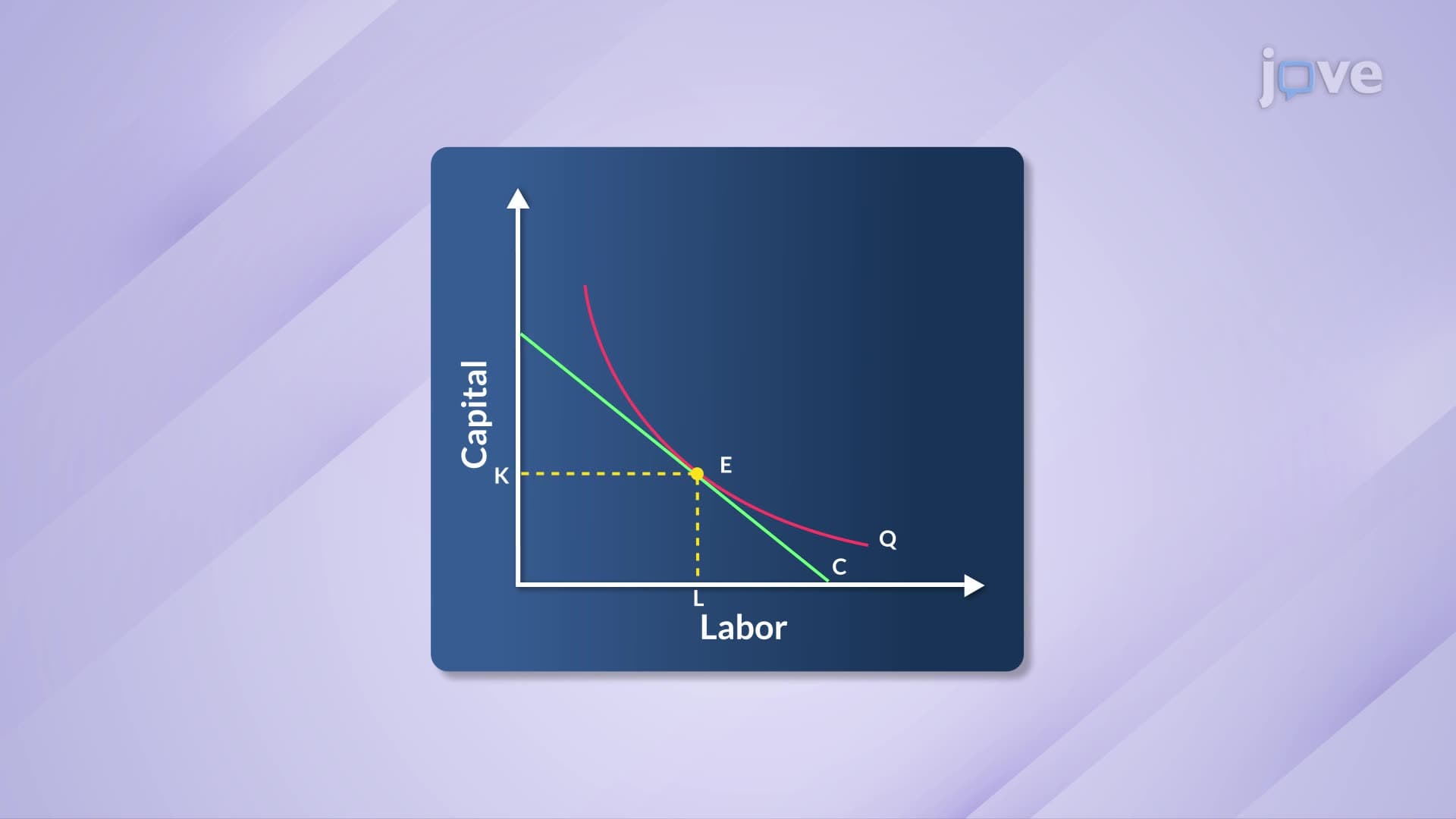
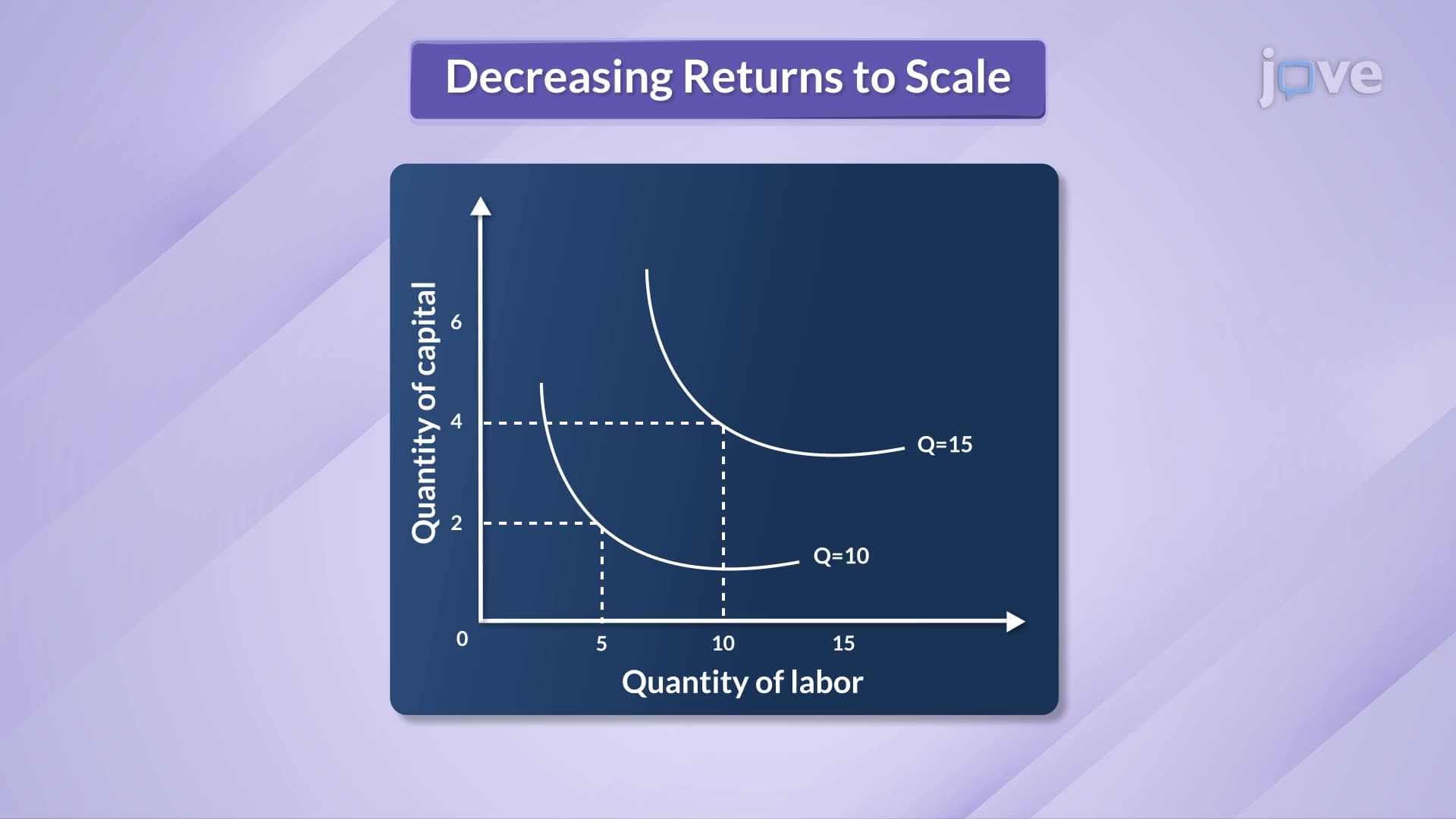
When examining technological change definition explained through graphical analysis, economists use isoquant curves to visualize these improvements. An isoquant represents all input combinations that produce identical output levels. Technological advancement shifts these curves inward toward the origin, indicating that less labor and capital are needed to achieve the same production target.
Consider Ford's River Rouge Complex in Michigan, where advanced manufacturing technologies enable the facility to produce F-150 trucks using 25% fewer worker-hours than a decade ago. This inward shift of the isoquant demonstrates how technological change creates new production possibilities previously unattainable.
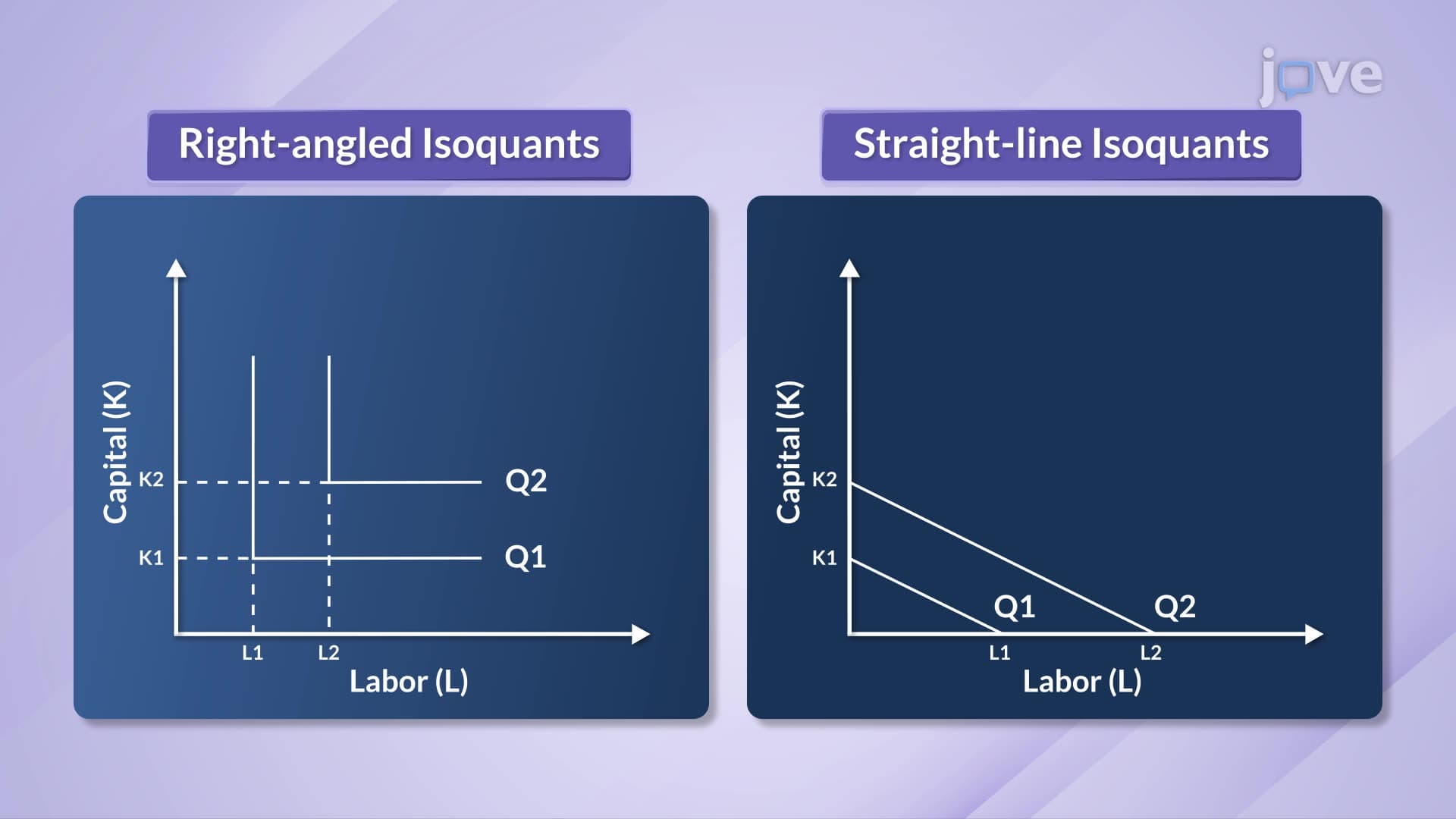
Not all technological change affects inputs equally. Capital-biased technological change primarily enhances capital productivity, making machinery and equipment more effective relative to human labor. This creates flatter isoquant curves, indicating a decreased marginal rate of technical substitution-meaning firms can substitute capital for labor more easily.
Labor-augmenting technological change, conversely, makes workers more productive through better tools, training, or processes. Amazon's warehouse management systems exemplify this approach, where workers equipped with AI-powered inventory systems can fulfill orders significantly faster than traditional methods.
U.S. agriculture showcases dramatic technological change impacts through precision farming technologies. John Deere's GPS-guided tractors and automated irrigation systems allow farmers in Iowa and Nebraska to increase crop yields while using less fuel, fertilizer, and water. This technological revolution has made American agriculture among the world's most productive.
Similarly, the U.S. manufacturing sector has embraced Industry 4.0 technologies. General Electric's aircraft engine plants now use 3D printing and IoT sensors to produce jet engines with improved fuel efficiency while reducing material waste and production time.
For students preparing for AP Economics or college microeconomics courses, understanding these real-world applications helps connect theoretical concepts to observable economic phenomena affecting American competitiveness and living standards.
Related Micro-courses