Loading video…


 20 Concepts
 6.7K views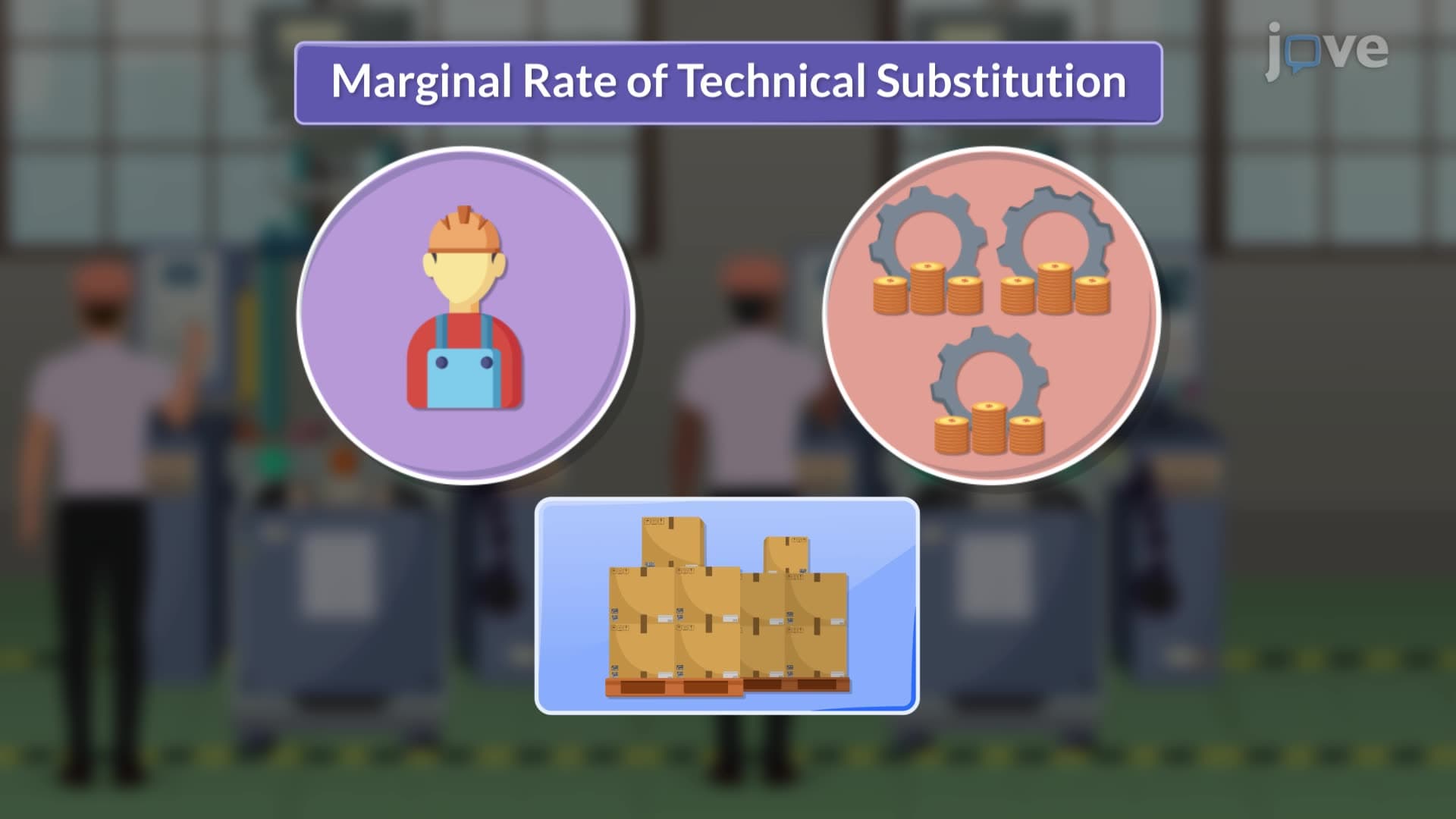

Video Summary: Marginal Rate of Technical Substitution Ii Explained
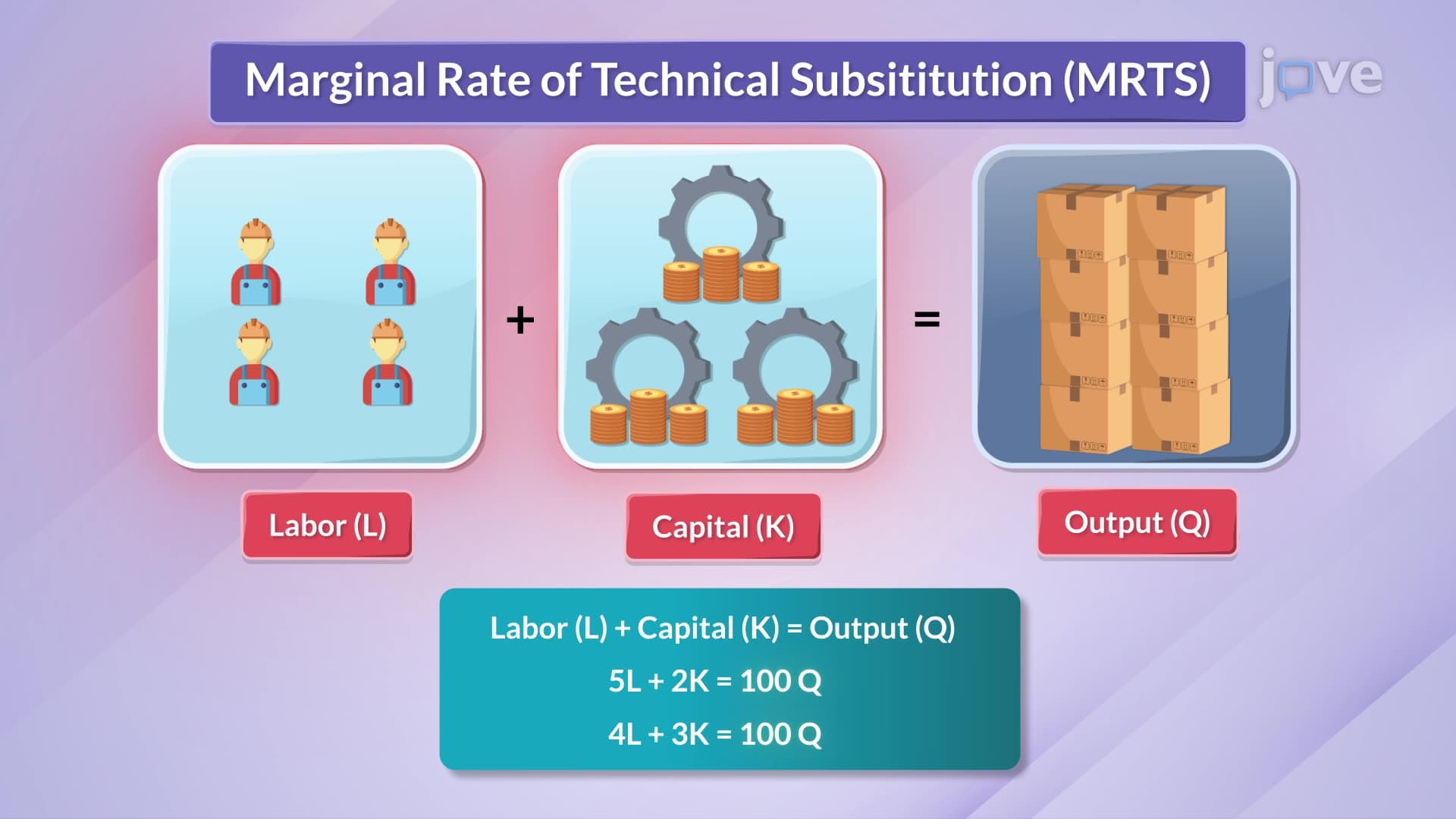
Ever wonder how Amazon decides between hiring more warehouse workers or investing in robotic systems to maintain the same shipping output? The marginal rate of technical substitution helps companies make these critical input substitution decisions without changing production levels. This economic concept reveals the precise trade-off ratio between different production inputs, like labor and capital. For instance, a Tesla manufacturing plant might determine that replacing one automated assembly robot requires hiring three additional skilled technicians to maintain the same car production rate. Watch the full video on JoVE Coach to master this concept with expert-led visuals and step-by-step explanations.
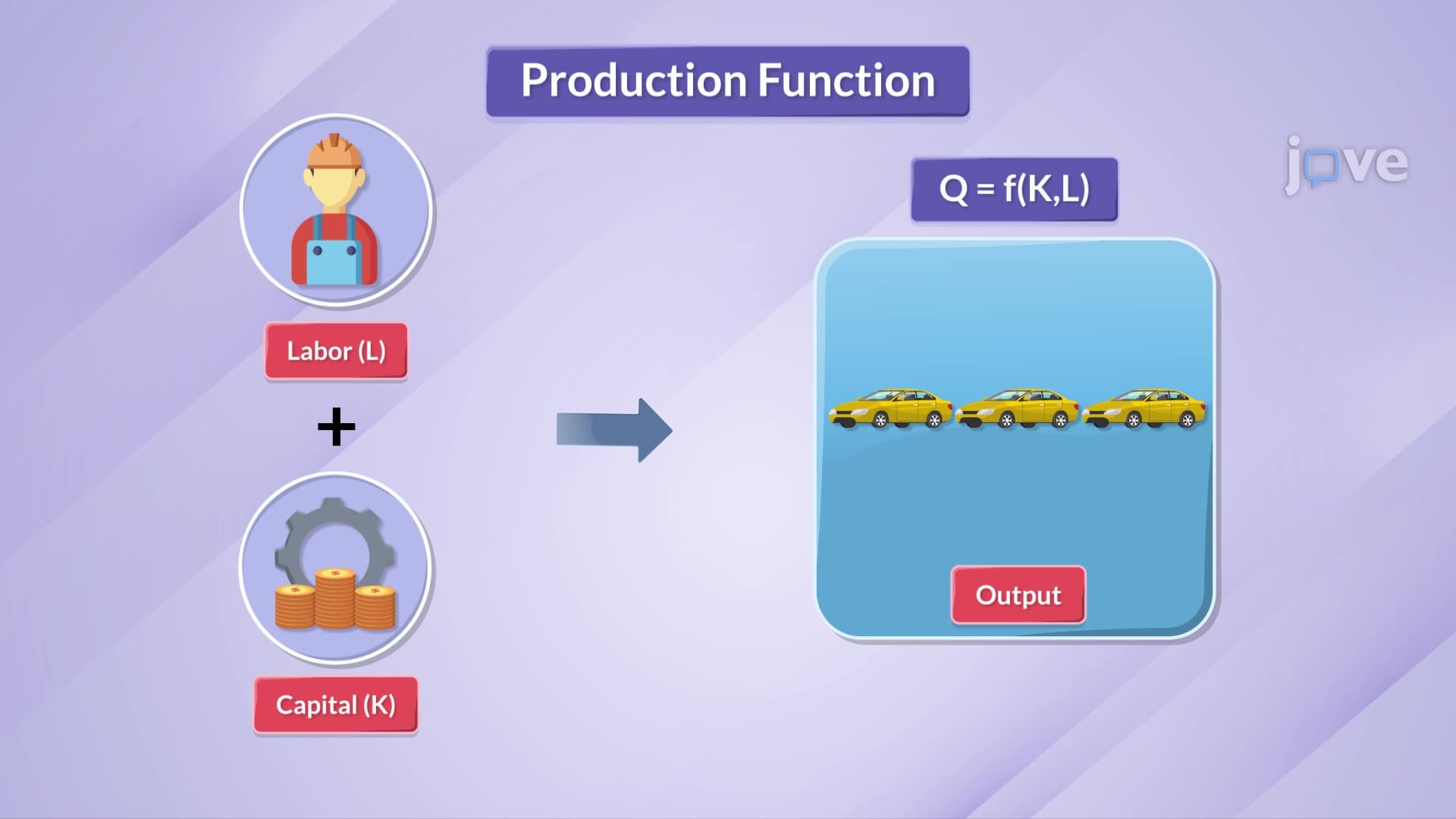
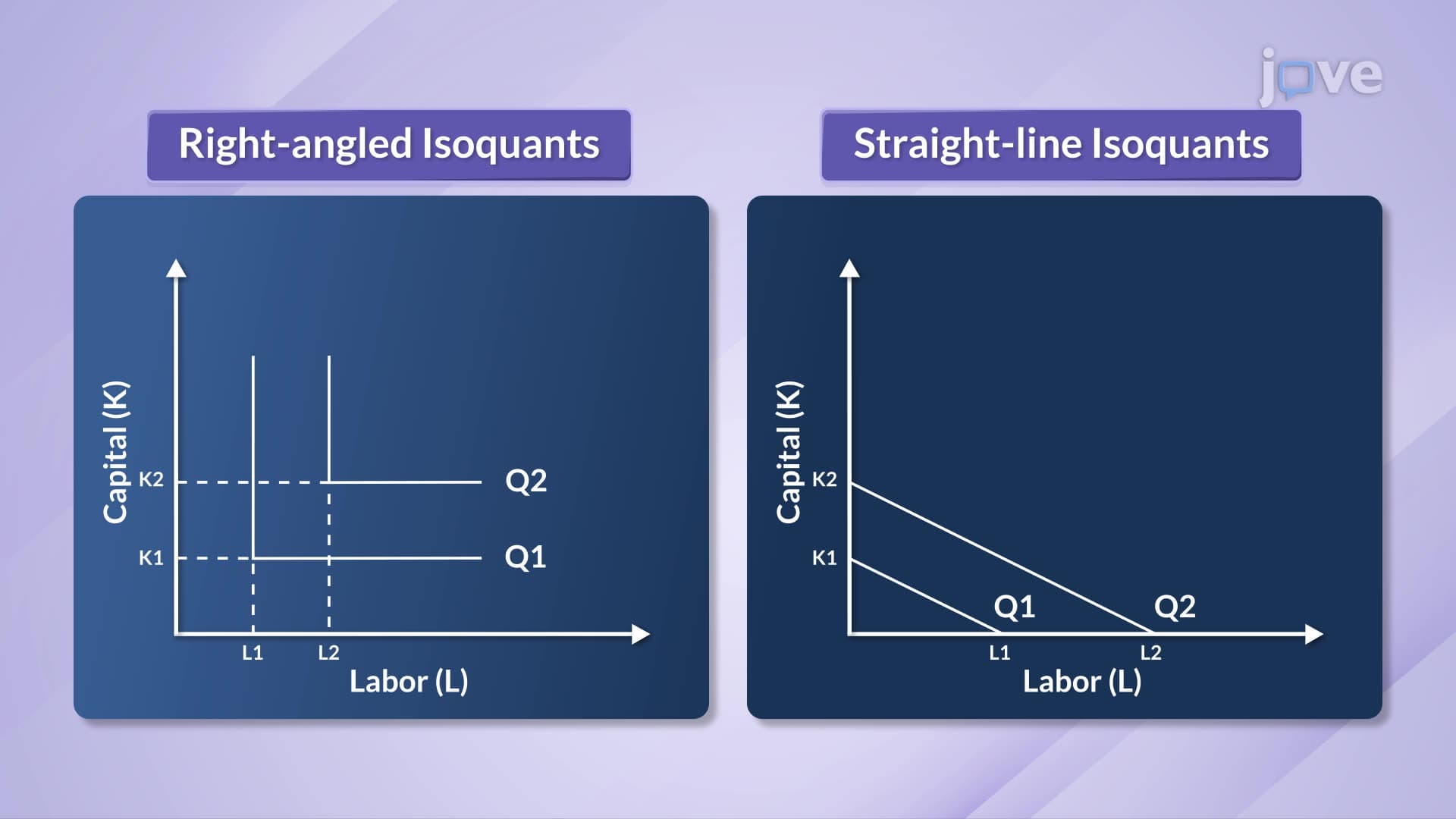
The marginal rate of technical substitution (MRTS) represents a fundamental concept in production economics that quantifies how firms can substitute one input for another while maintaining the same level of output. This concept becomes particularly crucial when businesses face supply chain disruptions, equipment failures, or strategic decisions about automation versus human labor.
The MRTS is mathematically defined as the negative ratio of marginal products: MRTS(L,K) = -MP(L)/MP(K), where L represents labor and K represents capital. This negative sign indicates the trade-off nature of input substitution. When a factory's marginal product of labor equals 4 units and marginal product of capital equals 2 units, the MRTS of labor for capital becomes -2. This means the firm must reduce labor by 2 units for every additional unit of capital to maintain constant production.
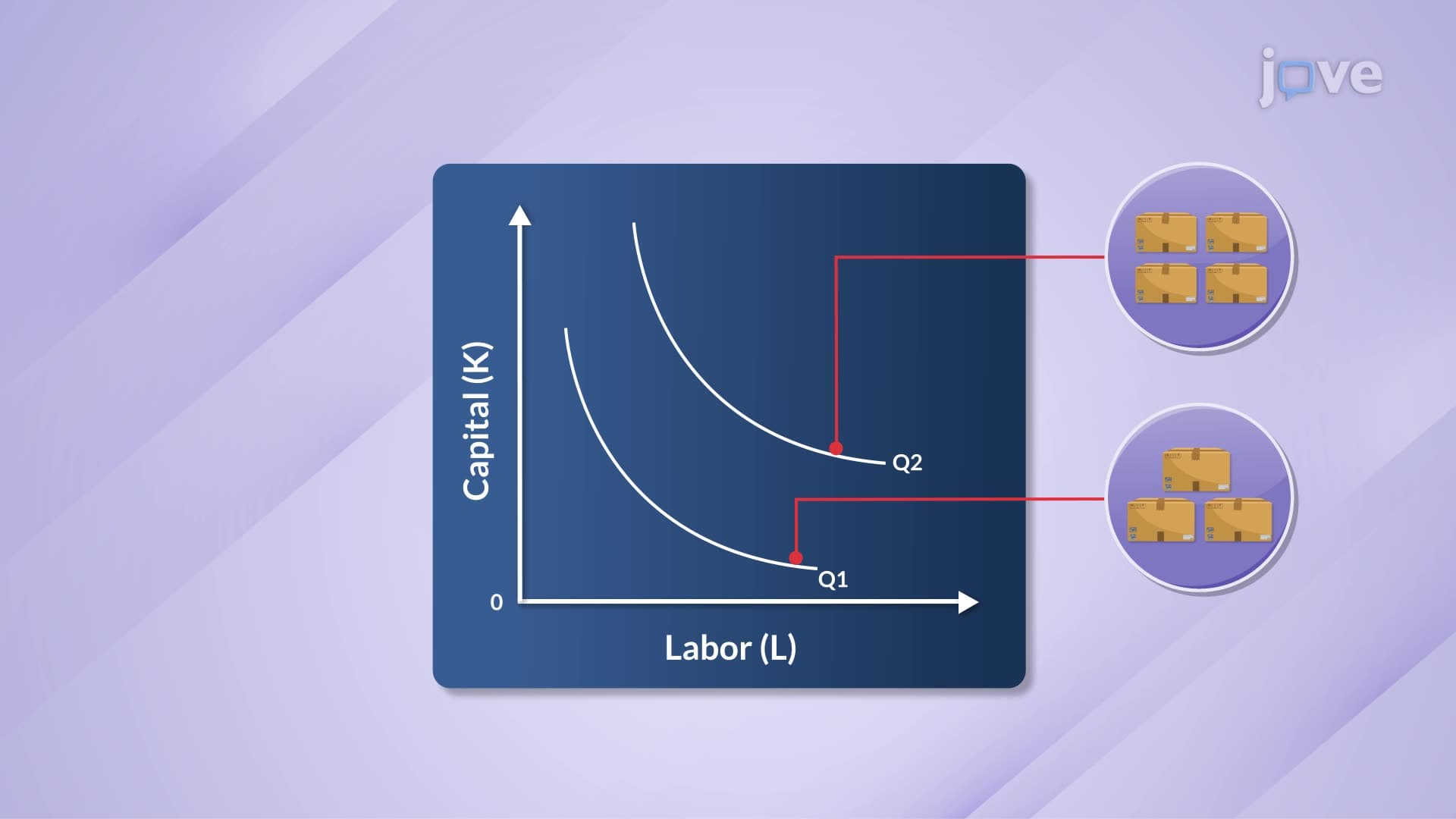
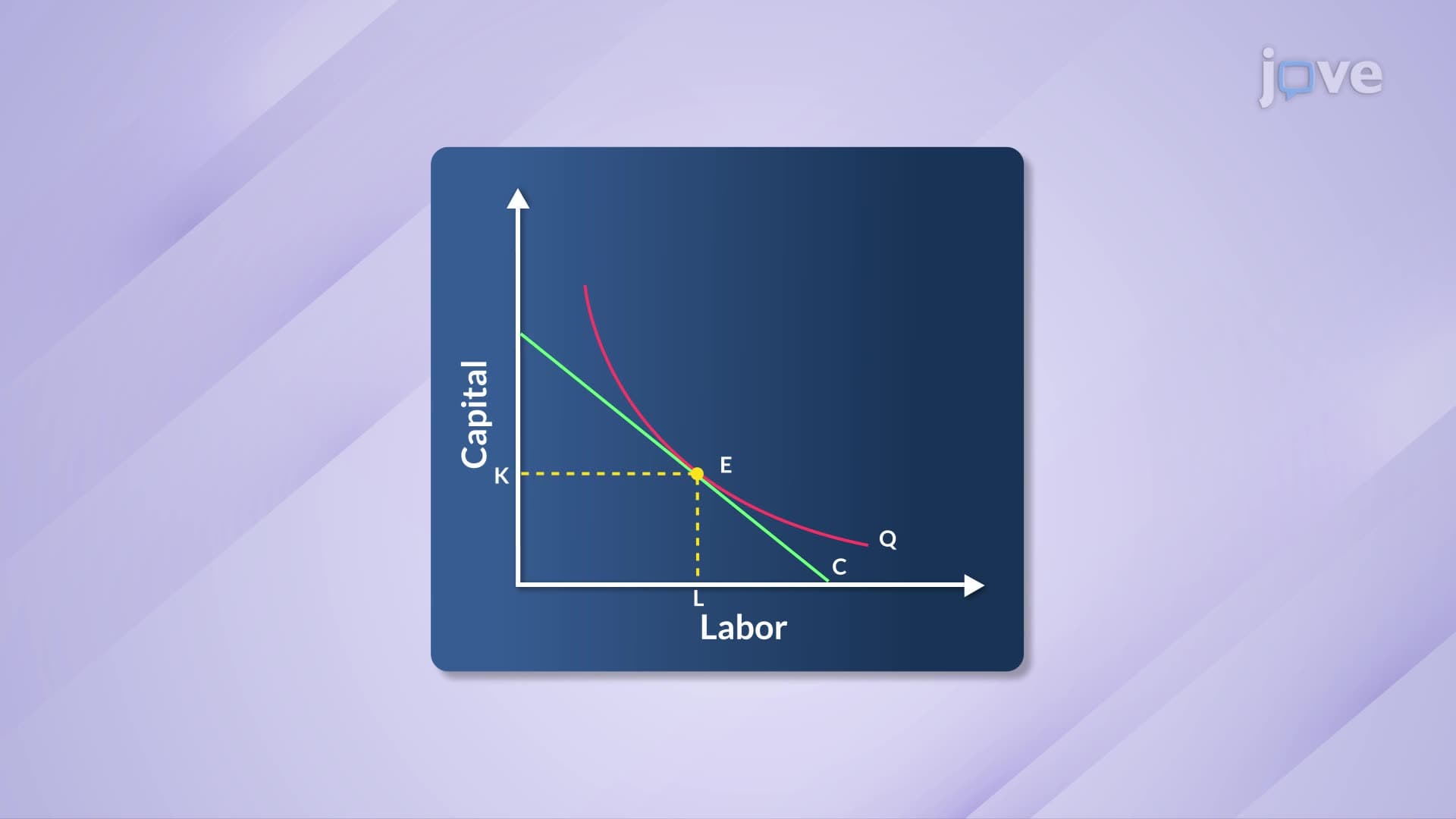
Understanding this calculation proves essential for AP Economics students and college microeconomics courses, where production optimization problems frequently appear on exams. The concept directly connects to isoquant analysis and cost minimization strategies that form the backbone of intermediate microeconomic theory.
Consider how Ford Motor Company might apply MRTS during production planning. If assembly line robots break down, managers need to determine exactly how many additional workers to deploy to maintain daily vehicle production targets. Similarly, McDonald's restaurants constantly evaluate the trade-off between automated ordering kiosks and human cashiers, using MRTS principles to optimize labor costs while maintaining service levels.
The agricultural sector provides another compelling example. John Deere equipment failures during harvest season require farmers to calculate precise labor substitutions. If one harvesting machine (capital) fails, farmers must determine how many additional workers (labor) are needed to harvest the same acreage within critical time windows.
While MRTS provides valuable insights for short-term production decisions, it assumes constant technology and production techniques. In reality, technological advancements continuously reshape input relationships. Amazon's fulfillment centers demonstrate this limitation-as robotic technology improves, the historical MRTS ratios between human workers and automated systems become obsolete.
For students preparing for college economics exams, understanding these limitations proves crucial for essay questions that require critical analysis of economic models versus real-world applications.
Related Micro-courses