Loading video…


 20 Concepts
 6.7K views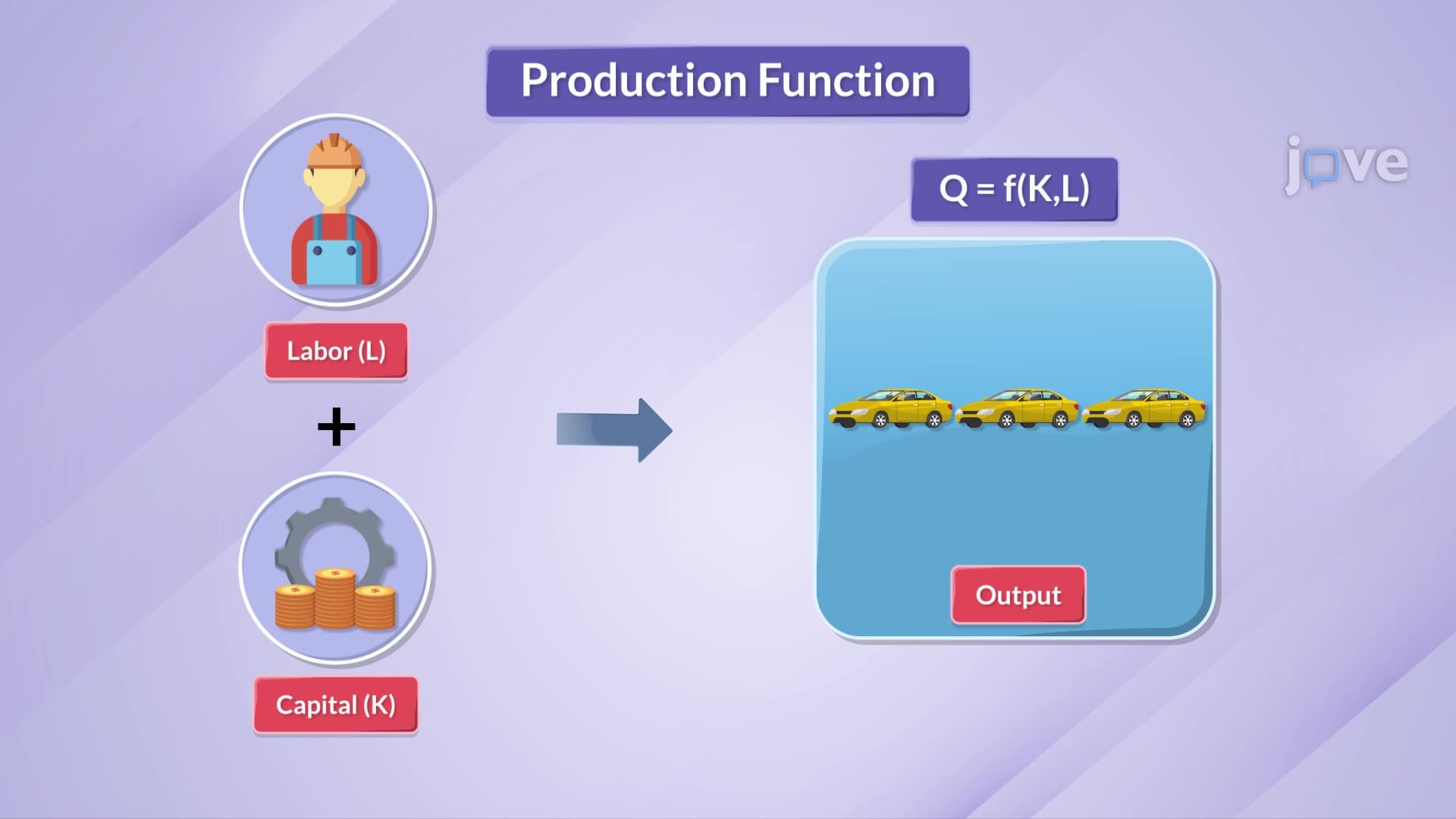

Video Summary: What Is Production Function
Ever wonder how Tesla determines the perfect balance of robots and workers to maximize car production? The production function is the economic tool that answers this question by mathematically representing the relationship between inputs like labor and capital and the maximum possible output. For example, General Motors uses production function analysis to optimize their assembly lines across plants in Michigan and Texas. Watch the full video on JoVE Coach to master this concept with expert-led visuals and step-by-step explanations.
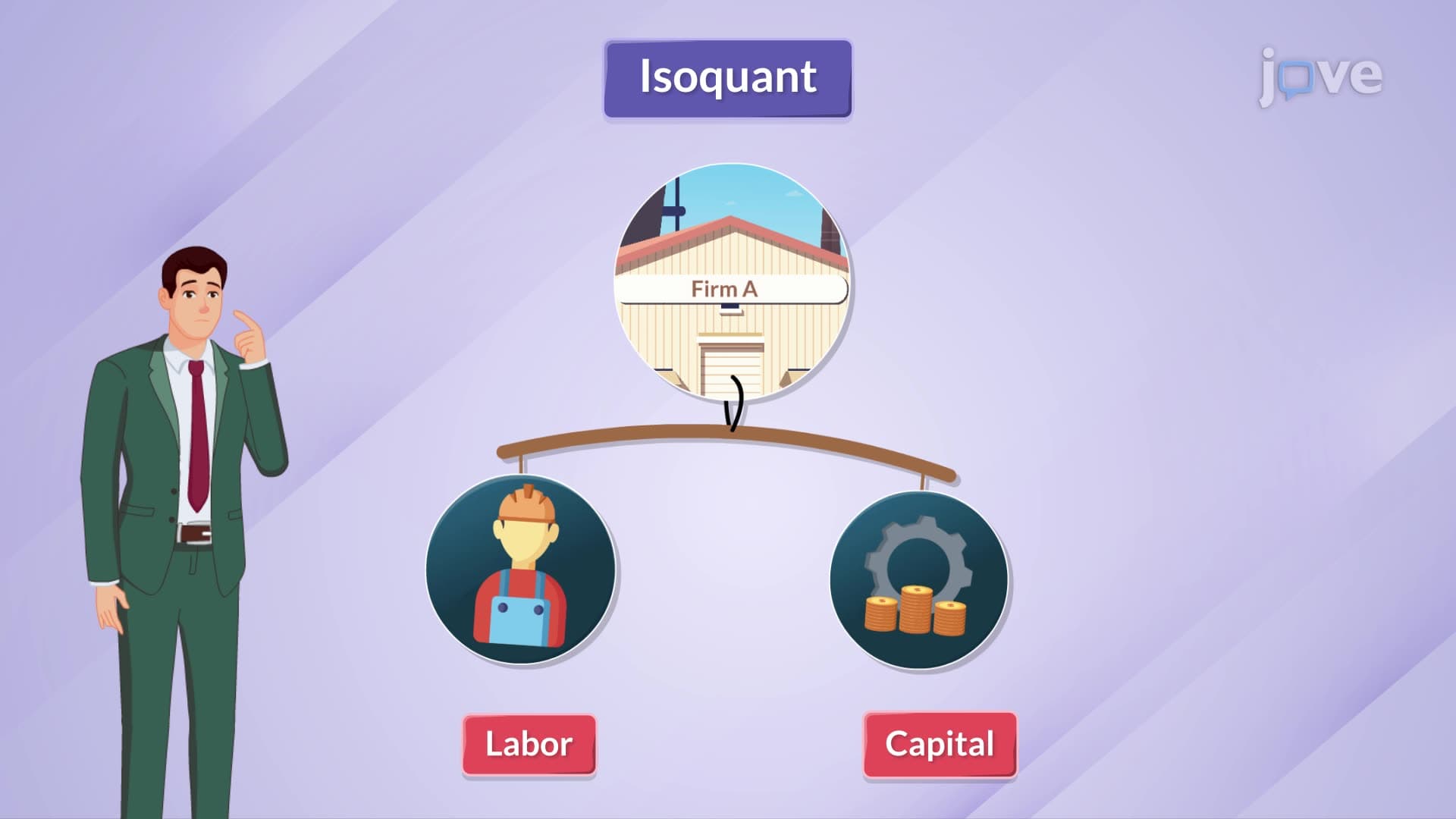
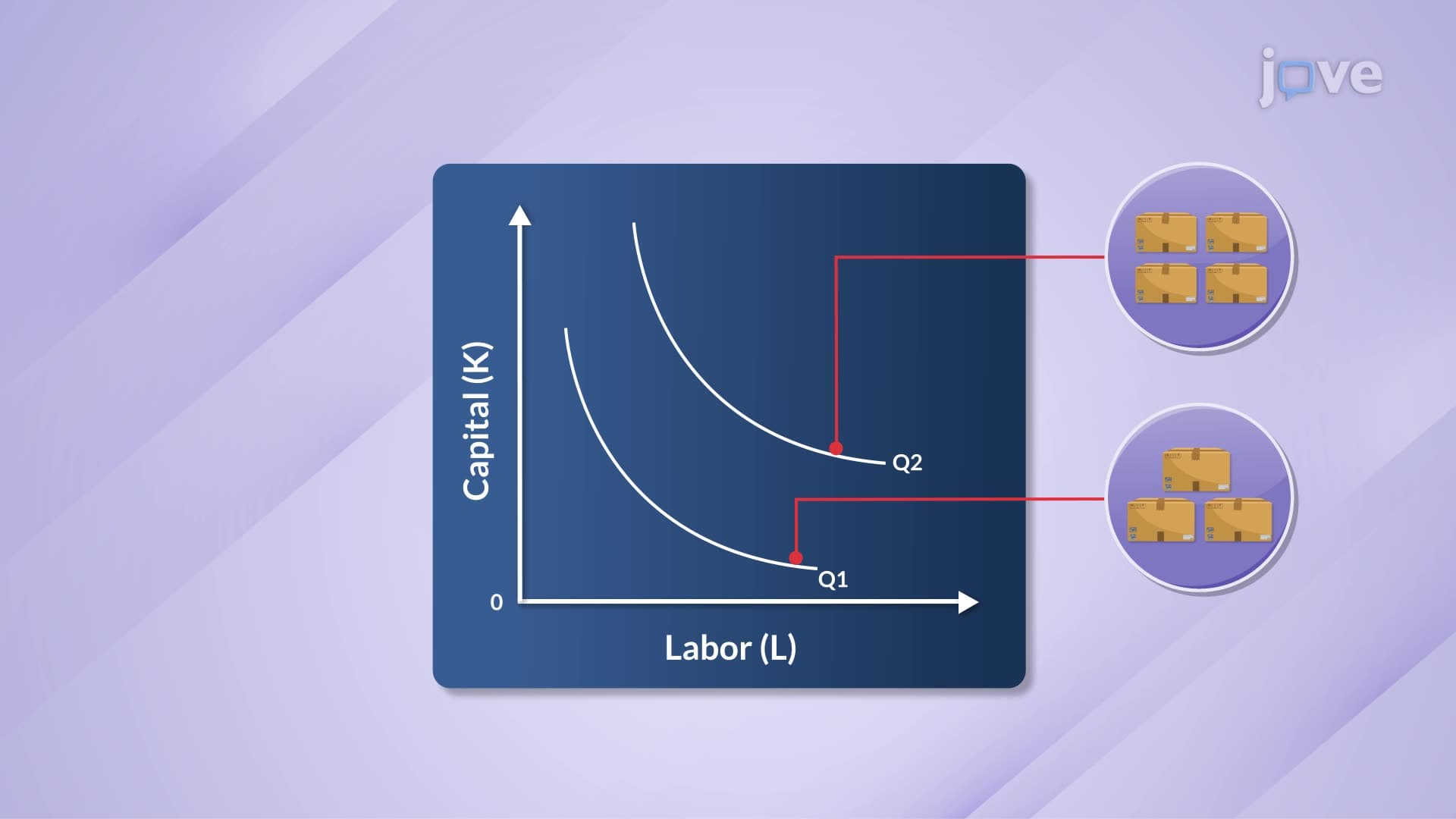
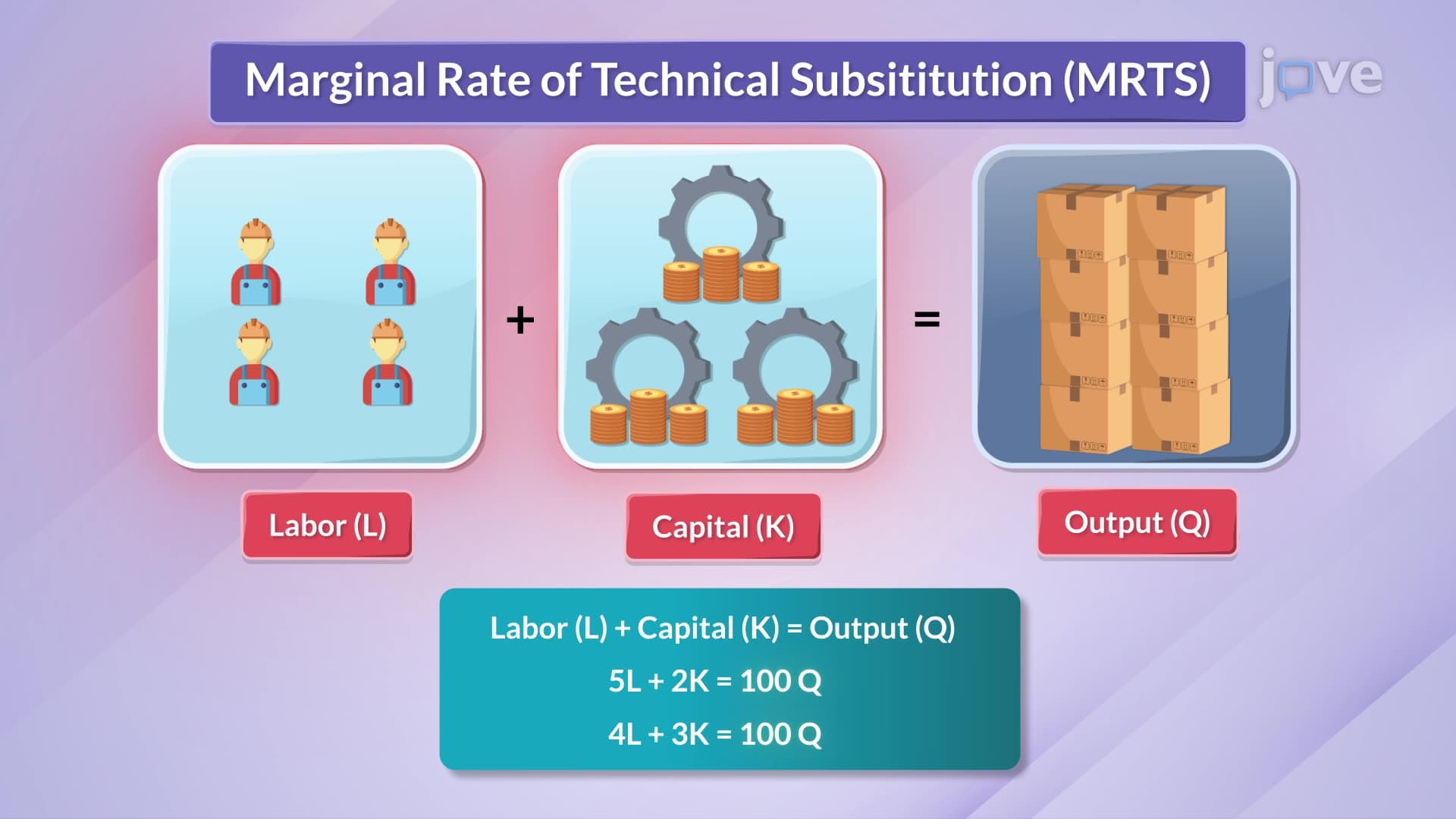
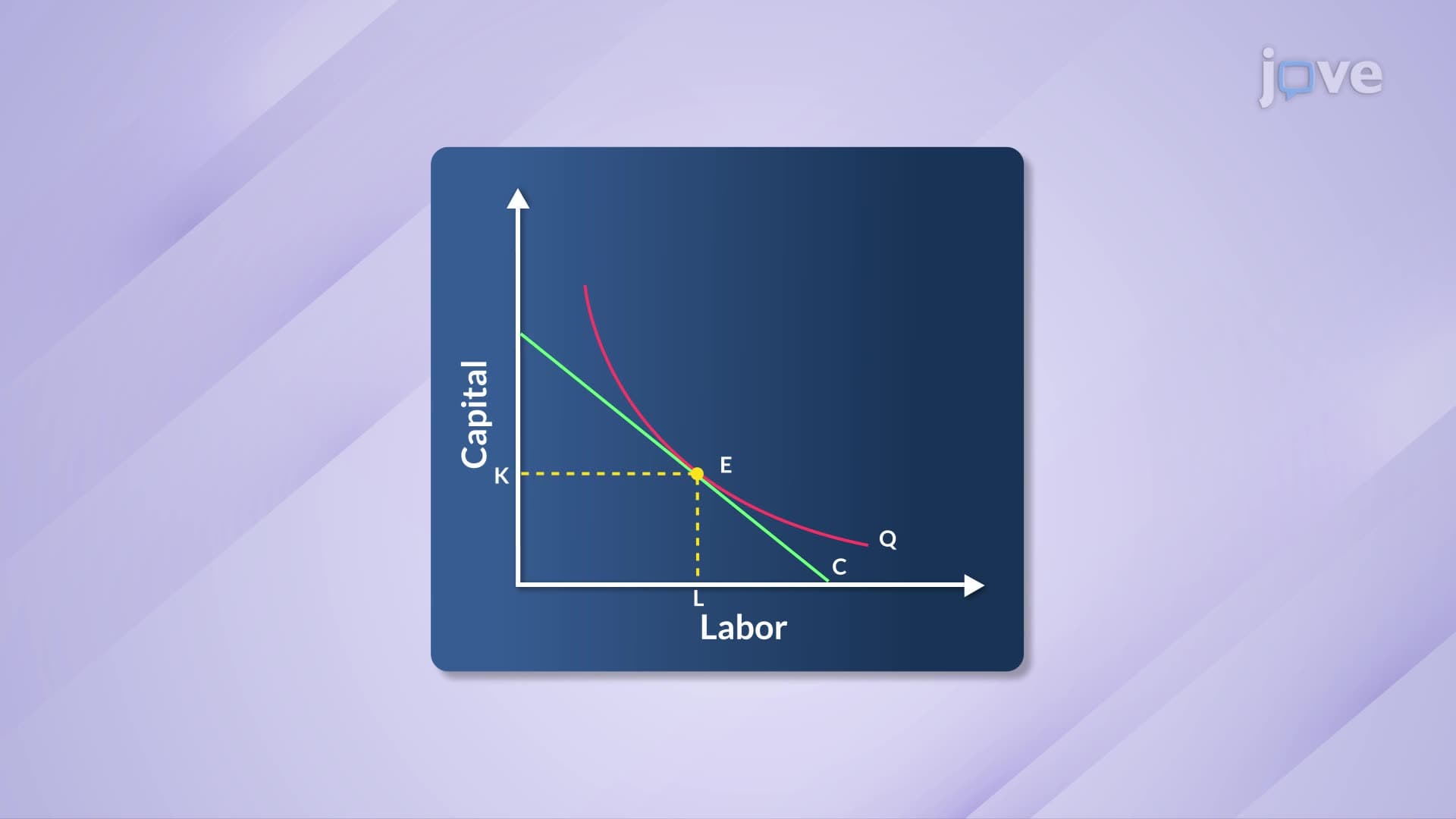
A production function serves as the foundational framework for understanding how businesses transform resources into goods and services. This mathematical relationship, typically expressed as Q = F(K,L), where Q represents output quantity, K denotes capital, and L represents labor, provides crucial insights for business decision-making and economic analysis.
The concept extends far beyond simple manufacturing. Consider Netflix's streaming service: their "production" involves combining technological capital (servers, software) with human capital (content creators, engineers) to produce entertainment hours consumed by subscribers. This demonstrates how modern production function definition applies across diverse industries.
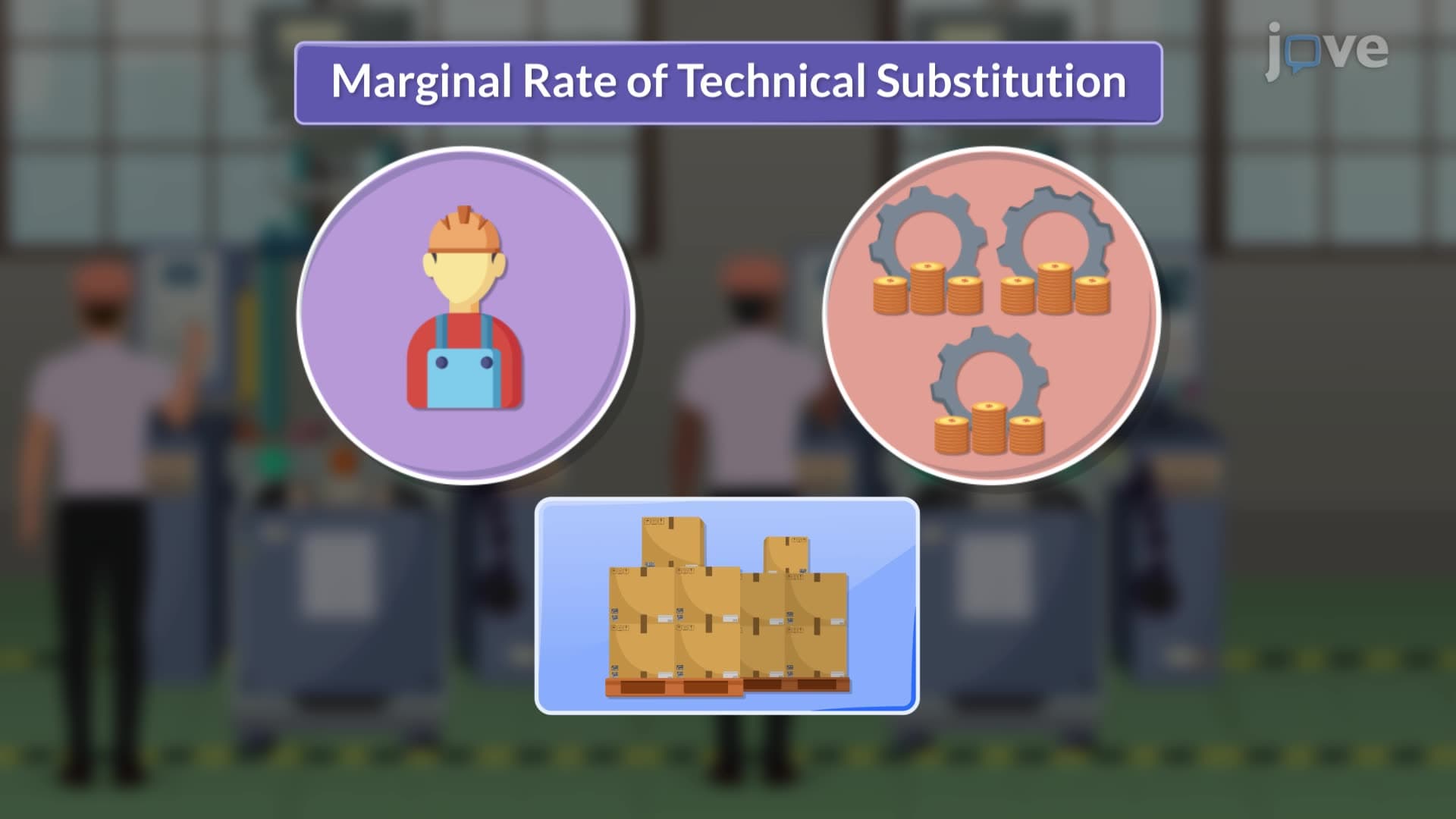
Capital (K) encompasses all non-human productive assets, from Amazon's warehouse automation systems to Starbucks' espresso machines. Labor (L) includes all human effort, whether it's skilled software engineers at Google or customer service representatives at Walmart. The production function concept explained reveals how these inputs interact to generate maximum possible output given current technological constraints.
Understanding this relationship proves essential for students preparing for AP Economics exams, where production function questions frequently appear. College microeconomics courses extensively cover these concepts, particularly in analyzing firm behavior and market efficiency.
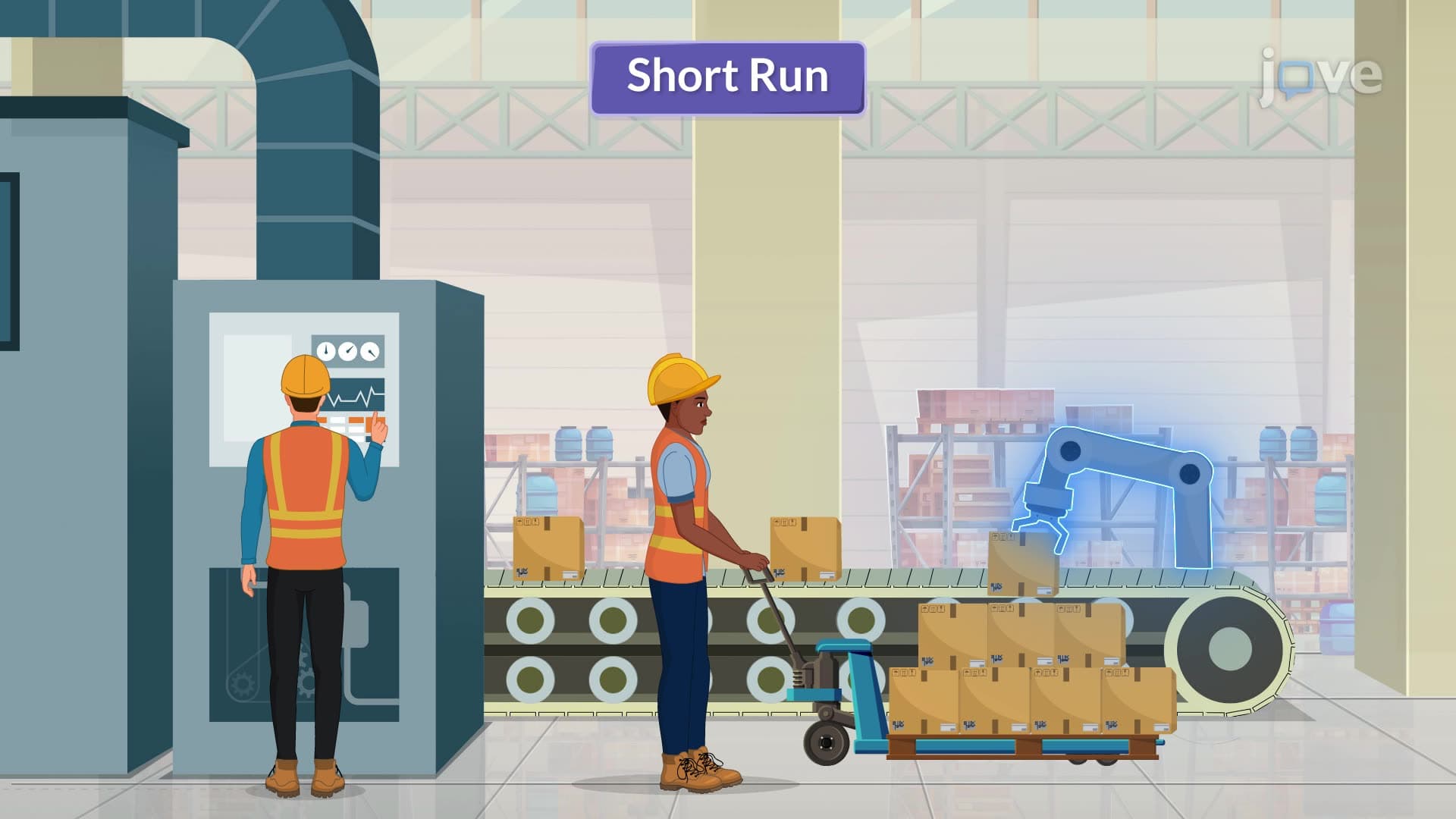
Major US corporations actively employ production function analysis for strategic planning. Ford Motor Company uses sophisticated production function models to determine optimal combinations of automated assembly robots and skilled technicians across their Michigan plants. Similarly, McDonald's corporate headquarters analyzes production functions to standardize operations, ensuring consistent output (meals served) regardless of location-specific variations in labor costs or equipment capacity.
These applications extend to service sectors as well. Hospital administrators use production function principles to optimize patient care delivery, balancing specialized medical equipment (capital) with healthcare professionals (labor) to maximize patient throughput while maintaining quality standards.
Technological advancement continuously shifts production function capabilities upward, enabling greater output from identical input combinations. The rise of artificial intelligence and machine learning exemplifies this phenomenon, as companies like IBM integrate AI systems to enhance productivity without proportionally increasing traditional labor or capital investments.
This technological dimension frequently appears in college economics coursework and standardized tests, where students must analyze how innovation affects long-term production possibilities and competitive advantage in global markets.
Related Micro-courses