Loading video…

 20 Concepts
 6.7K views

Video Summary: What Is Isocost Line I
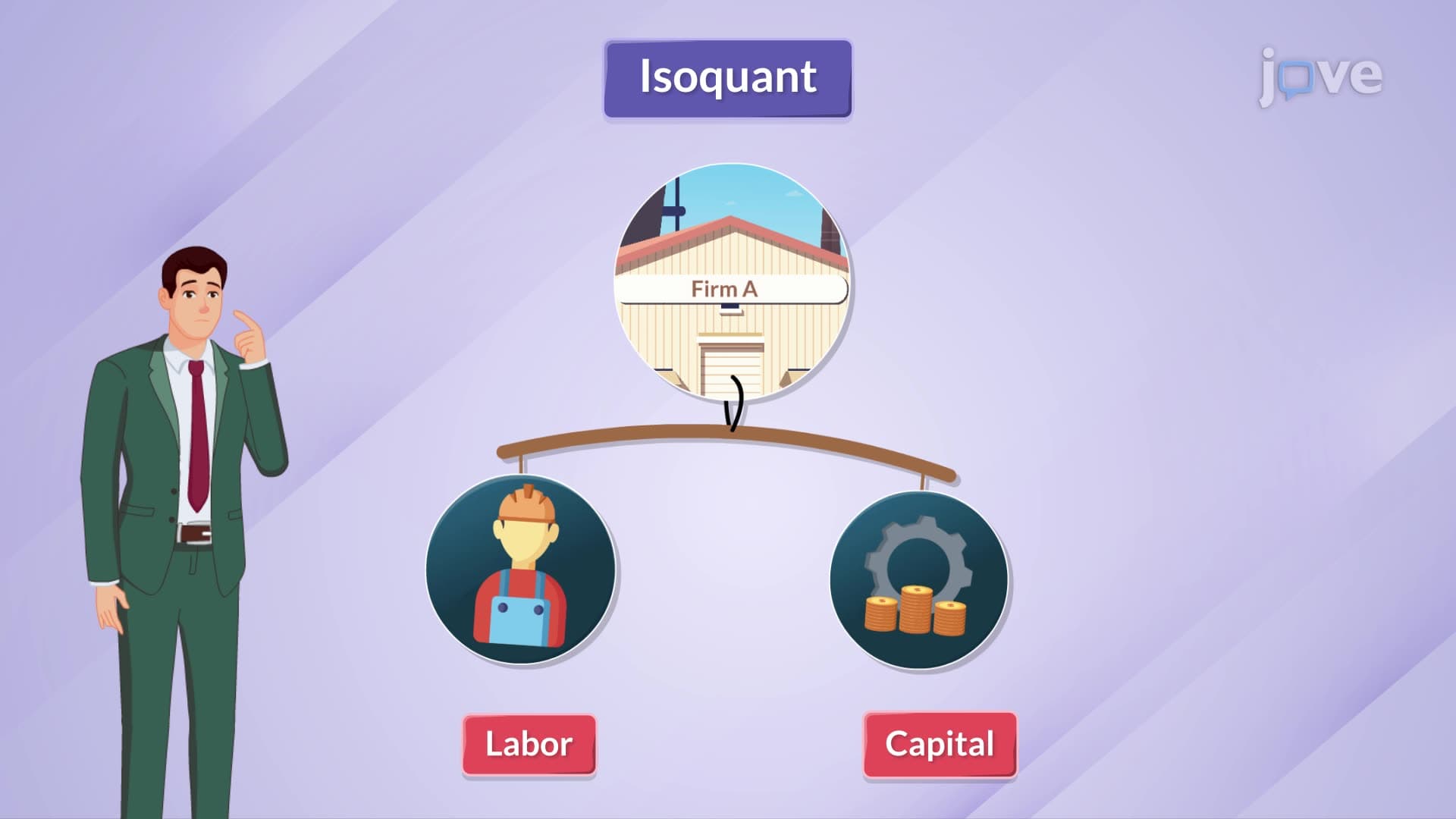
Ever wondered how McDonald's decides whether to hire more workers or invest in automated kiosks with a fixed budget? The isocost line represents all possible combinations of labor and capital a firm can purchase within their budget constraints. This fundamental economics concept shows how businesses like Amazon warehouses balance human workers against robotic automation when both cost money. Understanding what is isocost line I helps explain real-world business decisions from local restaurants to Fortune 500 companies. Watch the full video on JoVE Coach to master this concept with expert-led visuals and step-by-step explanations.
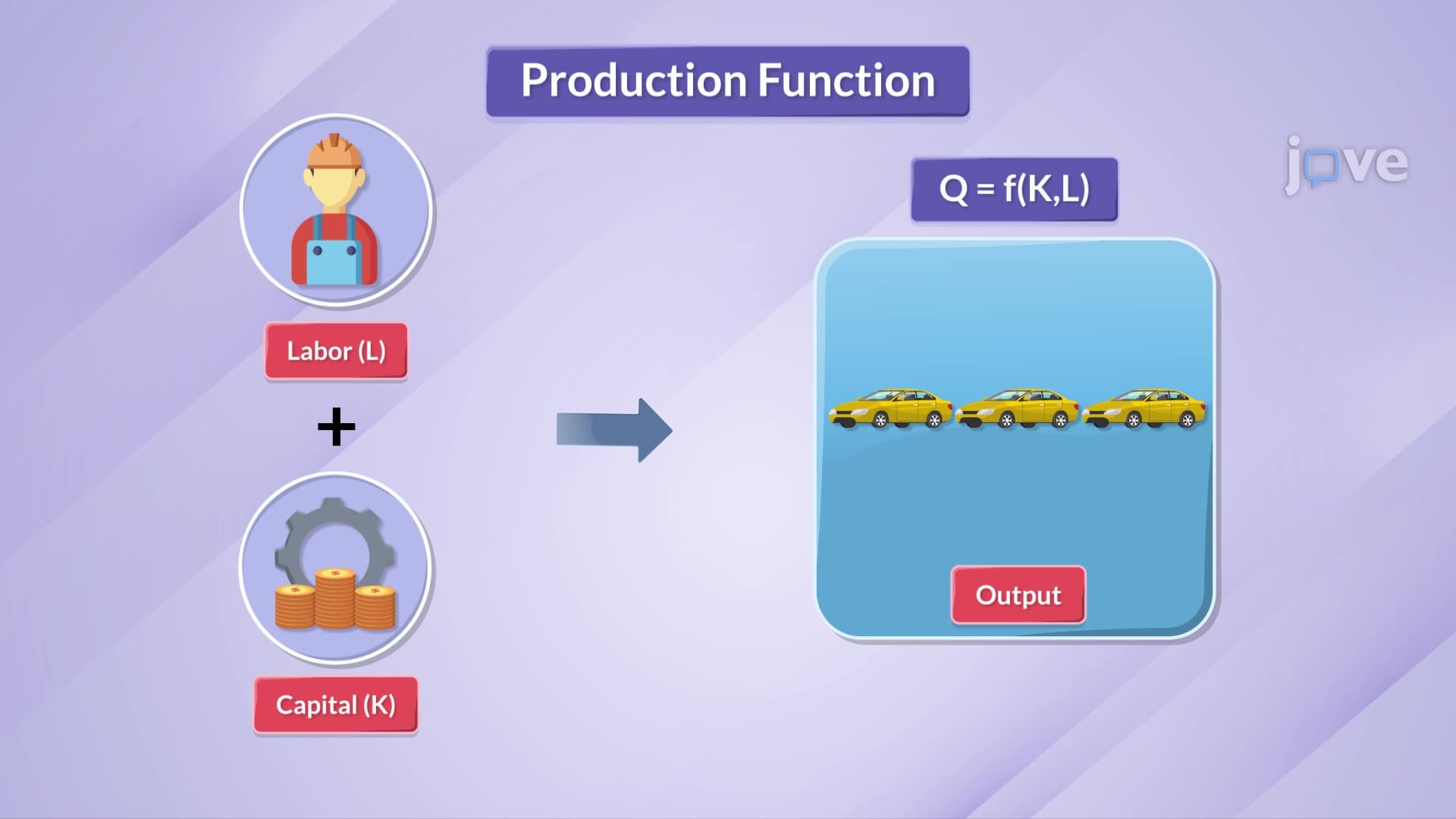
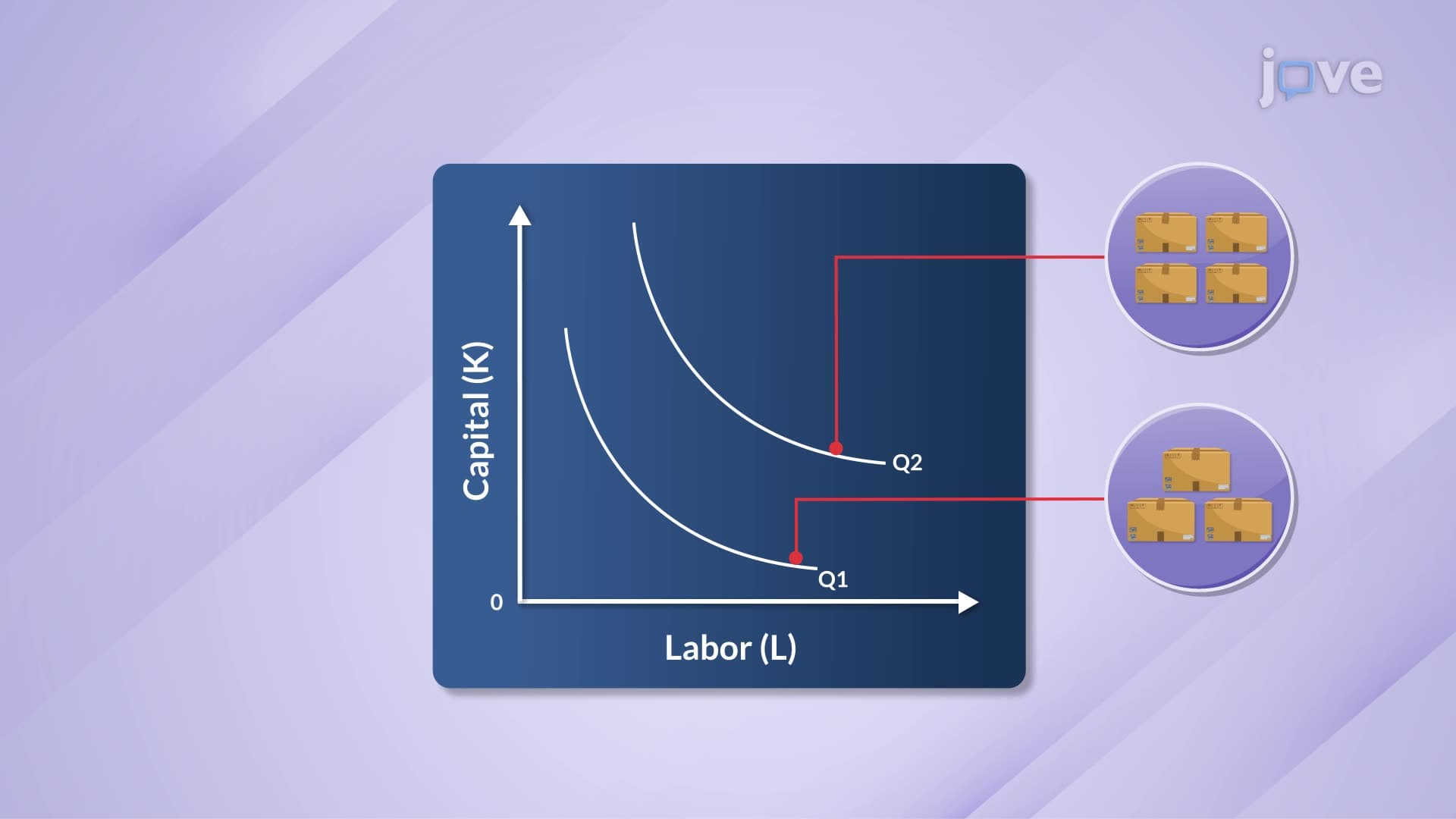
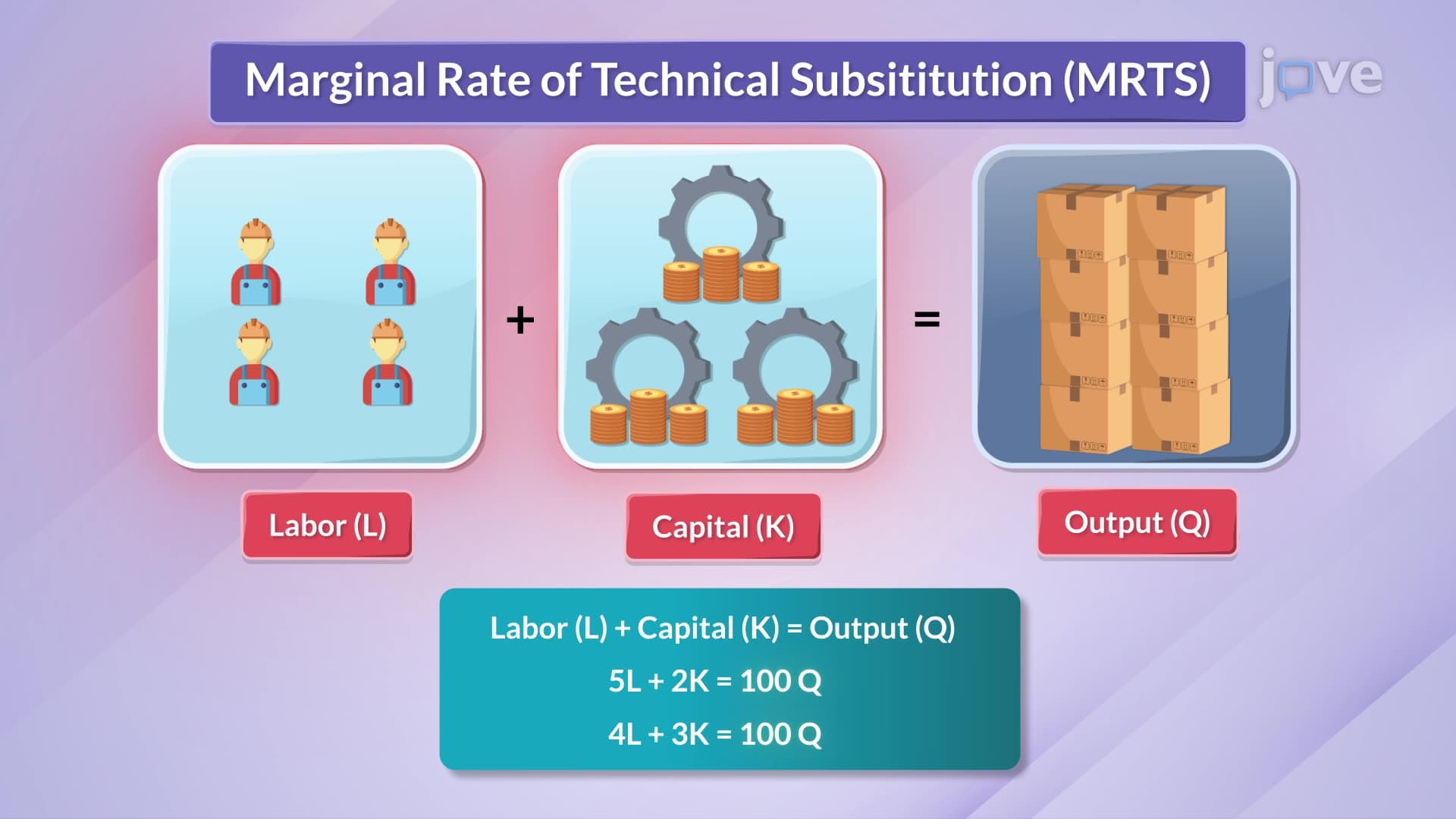
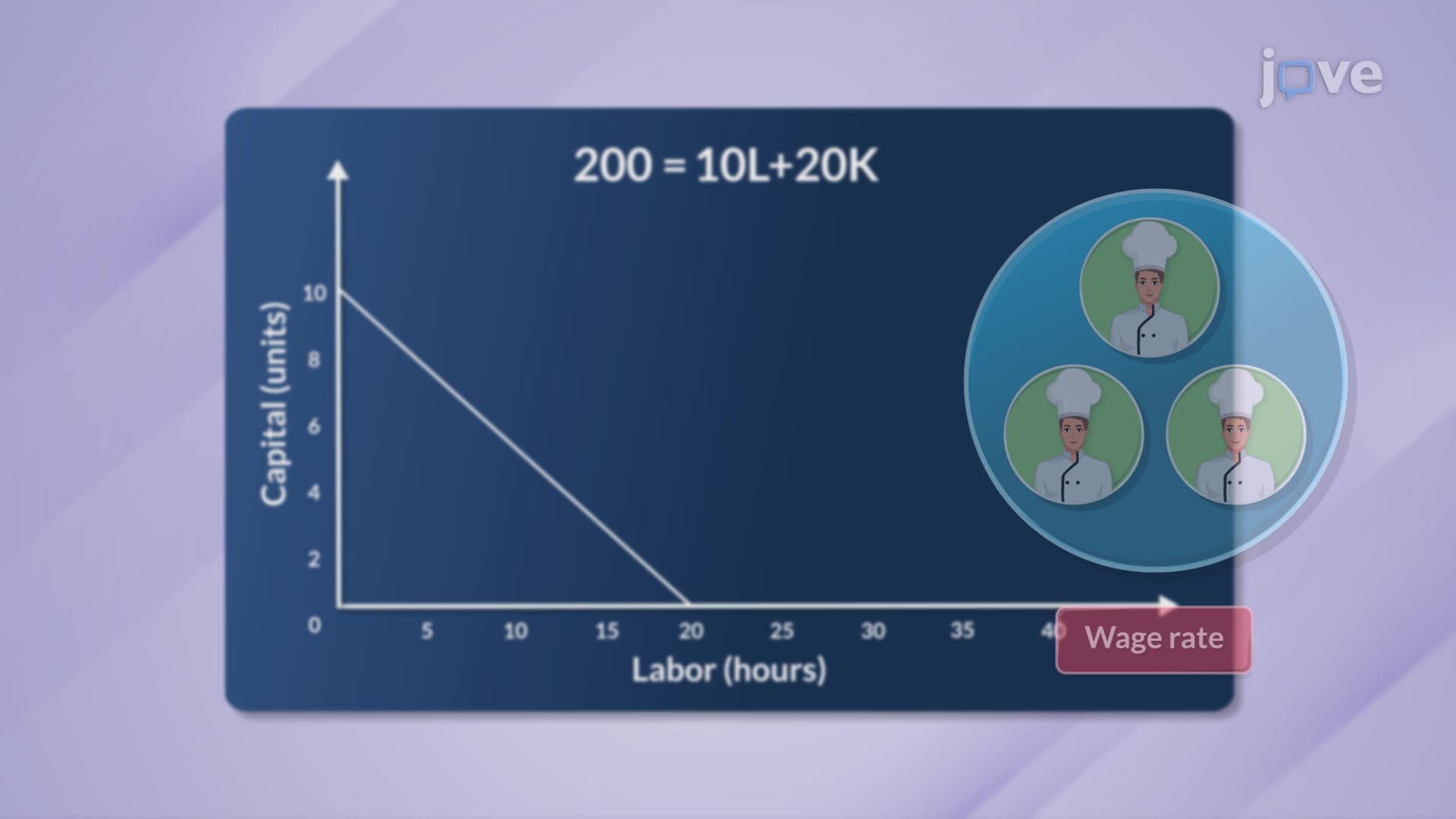
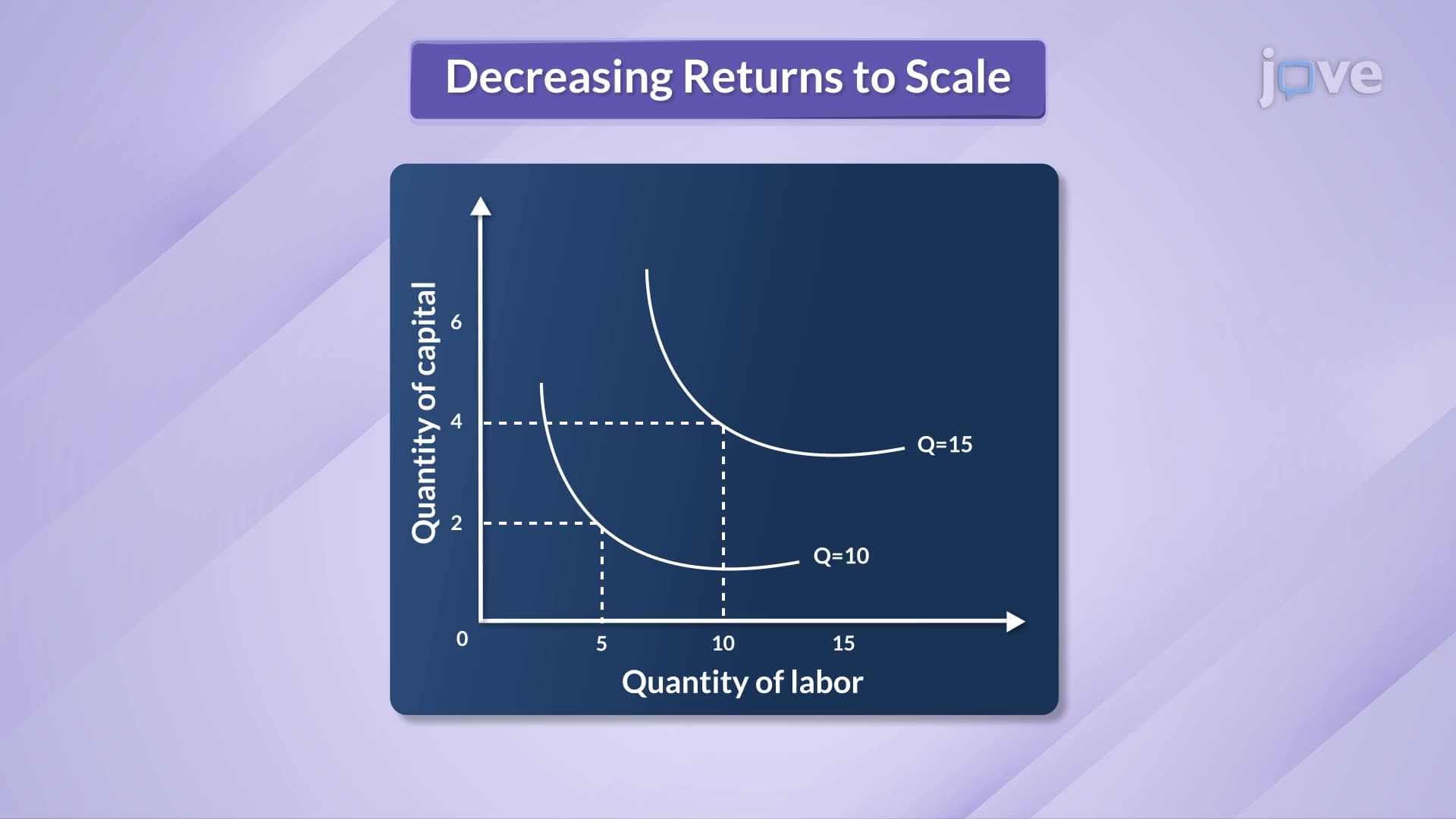
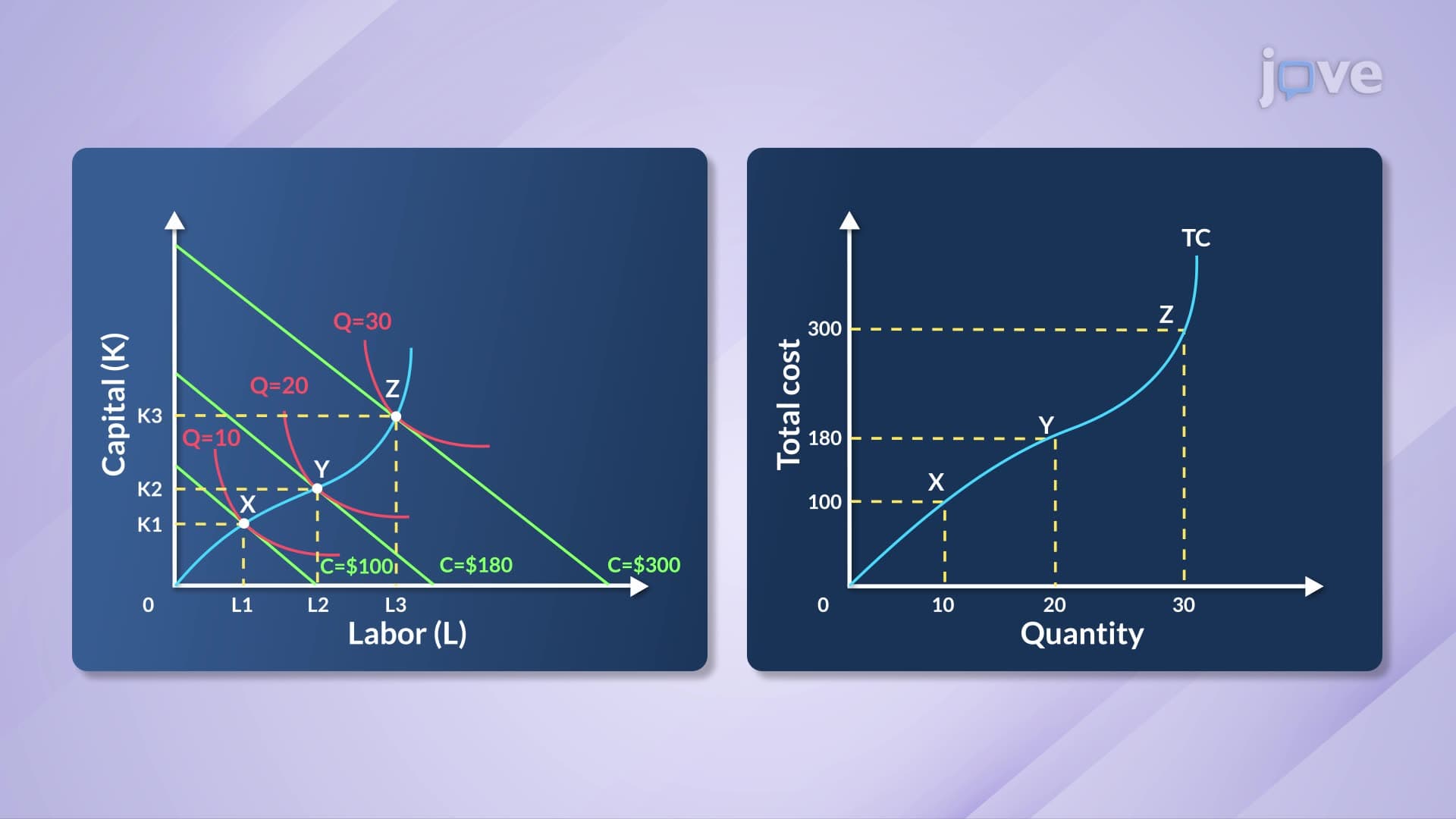
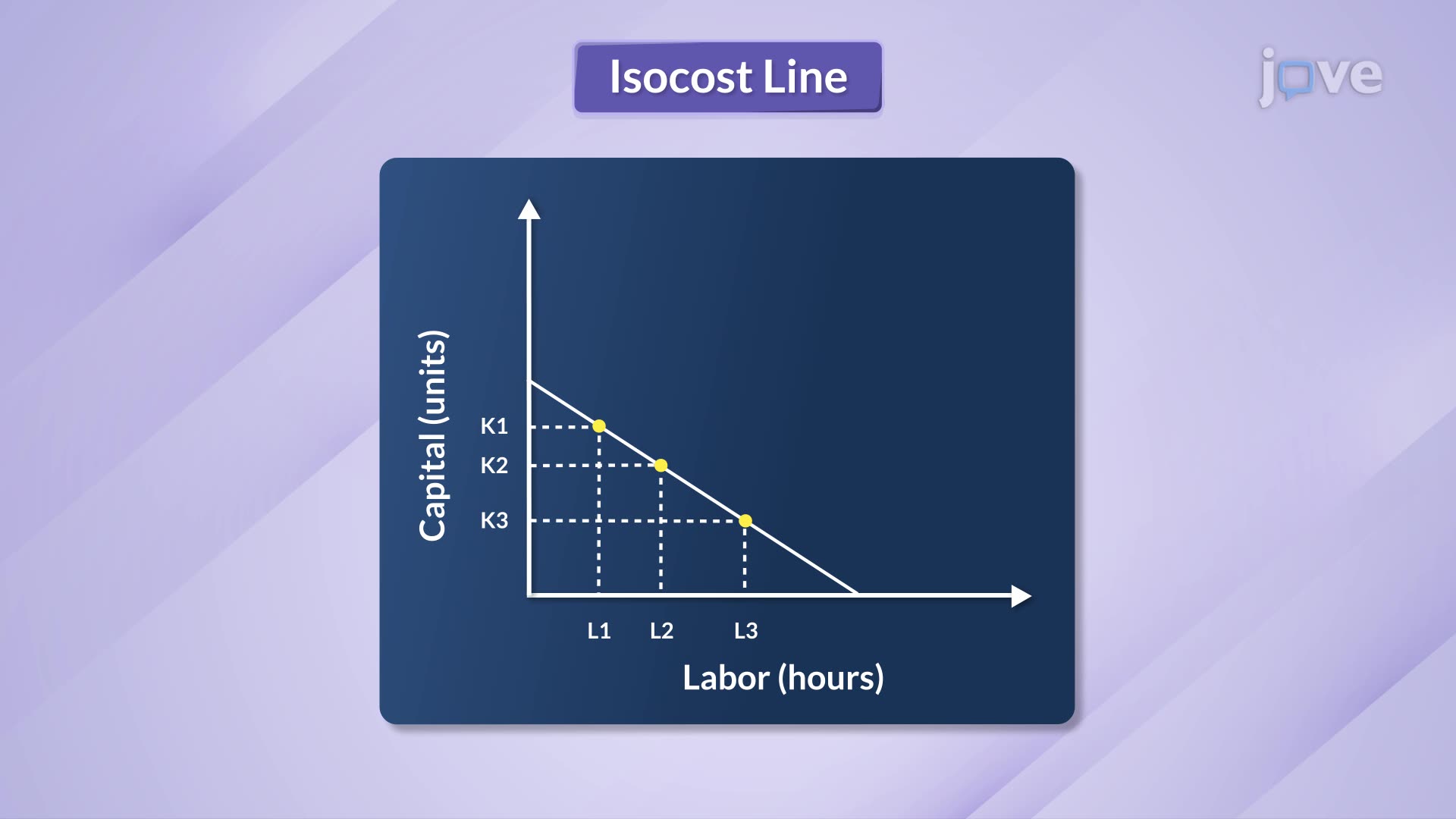
The isocost line serves as a cornerstone concept in microeconomics, representing the fundamental constraint every business faces: limited budgets. This graphical tool maps all possible combinations of two inputs-typically labor (L) and capital (K)-that a firm can afford given a fixed budget and current market prices. The mathematical representation follows the equation: C = wL + rK, where C represents total cost, w equals the wage rate, and r represents the rental rate of capital.
Consider how Starbucks approaches staffing decisions across their 15,000+ US locations. Each store manager works within a daily labor budget, deciding whether to schedule more baristas (labor-intensive) or invest in advanced espresso machines (capital-intensive). A typical Starbucks location might have a $500 daily operations budget, with barista wages at $15/hour and equipment rental costs at $25/hour. This creates an isocost line showing all feasible combinations: 33 hours of pure labor, 20 hours of pure equipment use, or various mixed combinations.
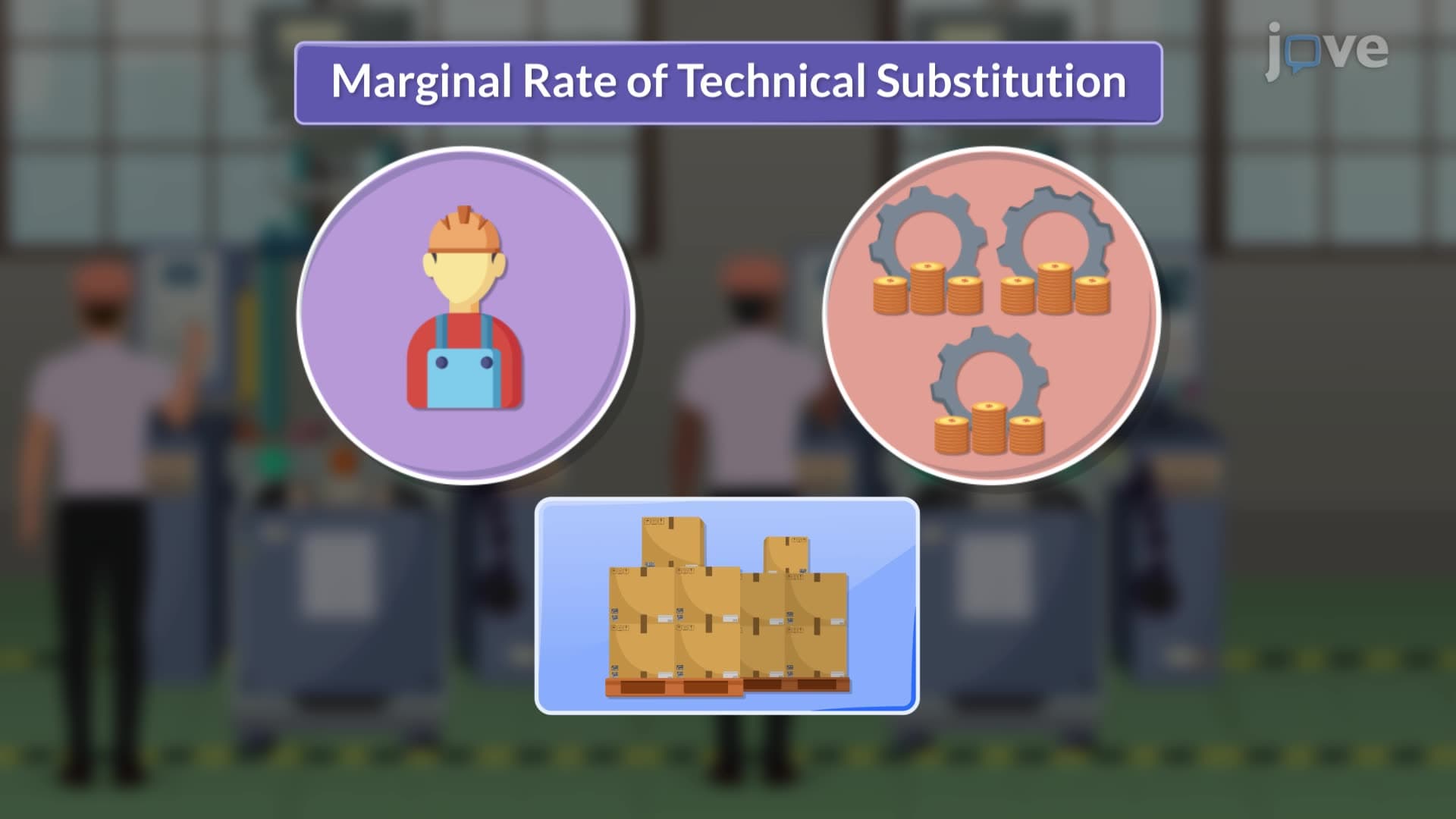
The isocost line appears as a straight line with a negative slope equal to -w/r (negative wage rate divided by rental rate). This slope reveals the rate at which firms can substitute labor for capital while maintaining the same total cost. When wage rates increase-as seen during recent labor shortages affecting US retailers-the isocost line becomes steeper, making labor relatively more expensive compared to capital investments.
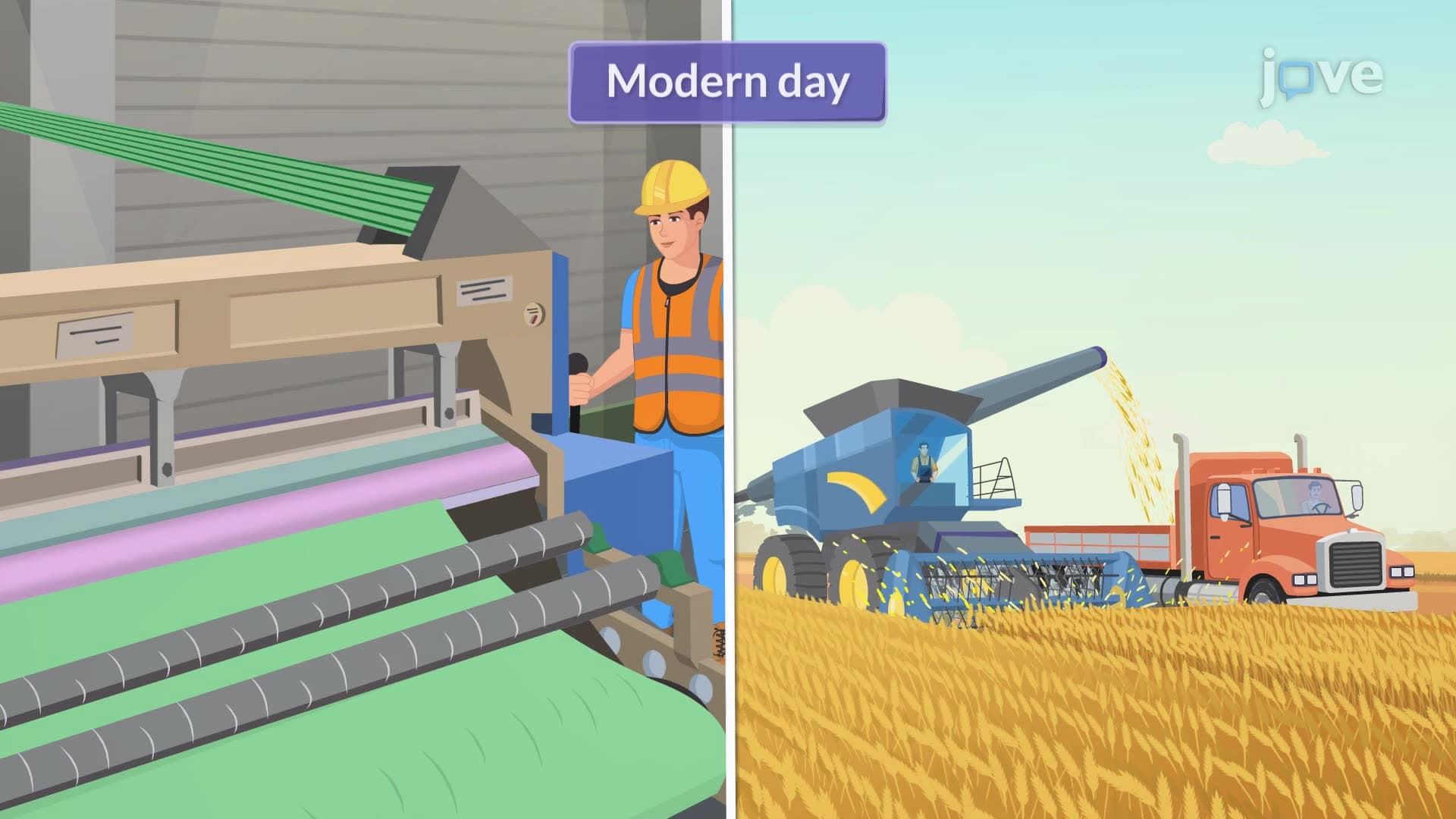
Manufacturing companies like Ford utilize isocost principles when designing new production lines. During their recent electric vehicle expansion, Ford evaluated whether to hire additional assembly workers or invest in robotic automation. Each option falls somewhere along their isocost line, with the optimal choice depending on long-term productivity goals and current factor prices.
For students preparing for AP Microeconomics or college economics courses, mastering isocost lines proves essential for understanding producer theory. These concepts frequently appear on standardized exams, often combined with production function questions requiring students to find cost-minimizing input combinations.
Related Micro-courses