Loading subject page…


6,666 views

Video Summary: Marginal Rate of Technical Substitution I Explained
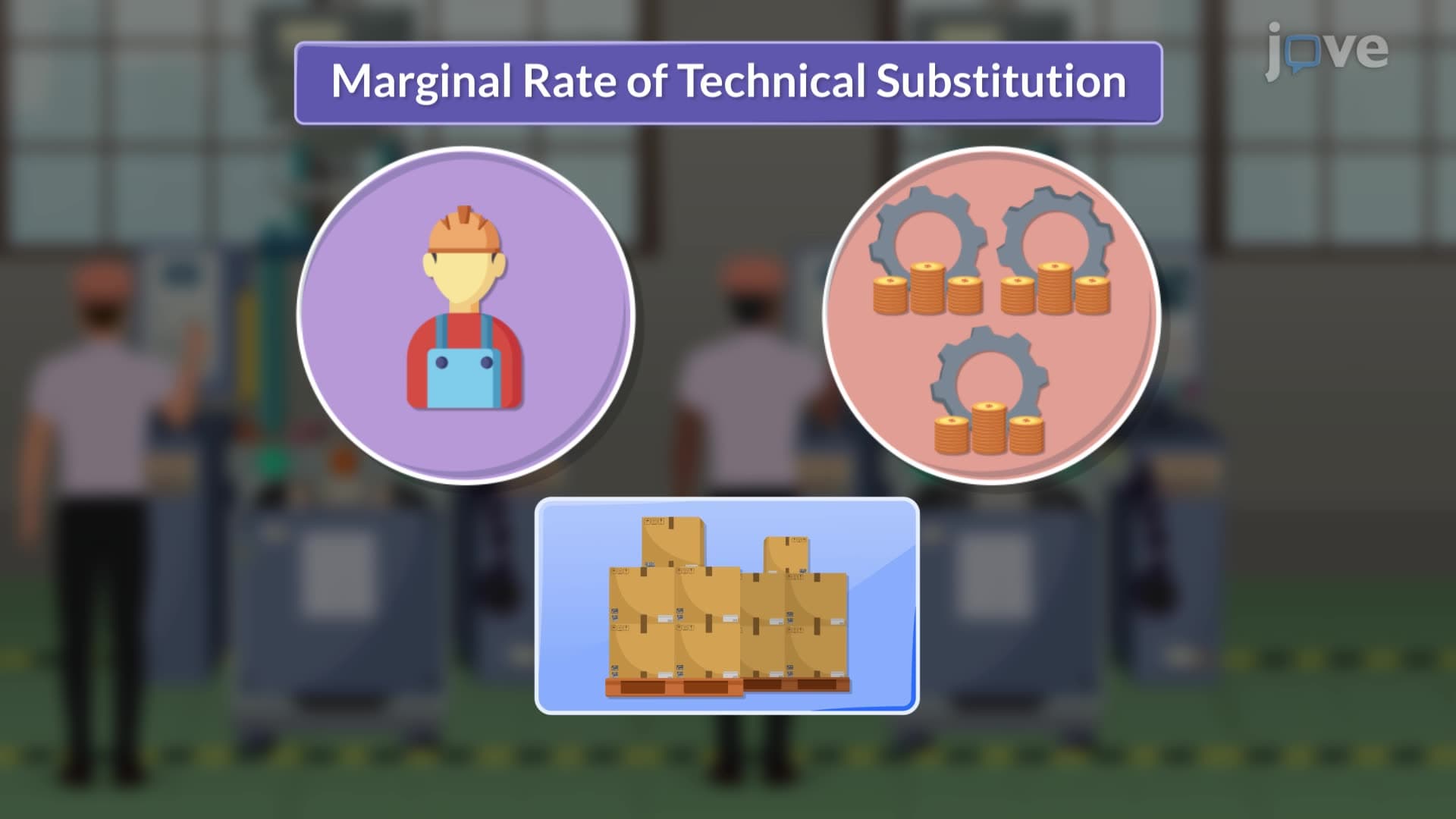
Ever wonder why Tesla's Gigafactory uses fewer workers but more robots than traditional auto plants while producing the same number of cars? The marginal rate of technical substitution explains this production trade-off-measuring how many units of one input (like labor) can be replaced by another input (like capital) while maintaining identical output levels. This fundamental economic concept helps manufacturers like Ford and General Motors optimize their production processes by understanding input substitution ratios. Watch the full video on JoVE Coach to master this concept with expert-led visuals and step-by-step explanations.
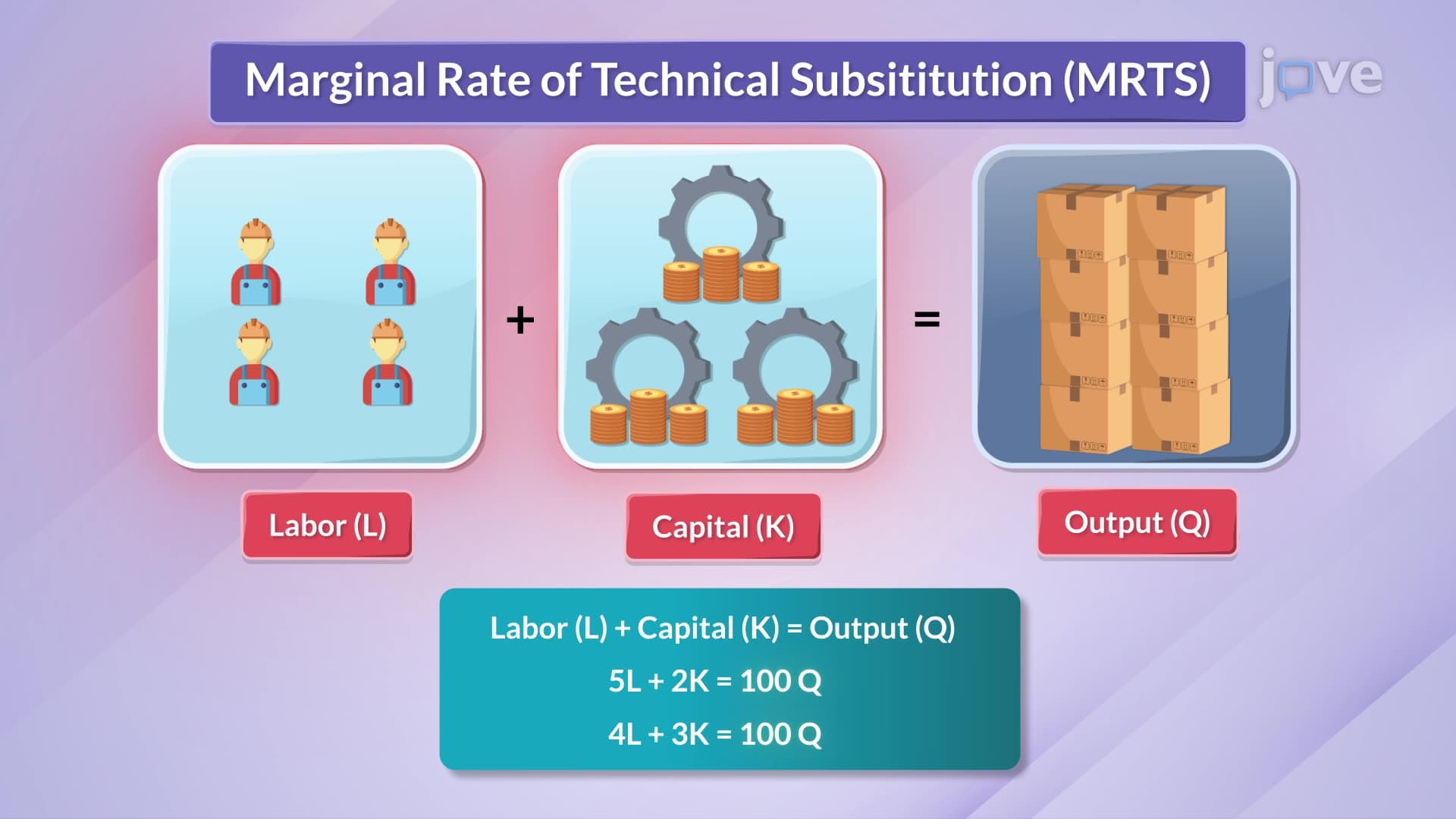
The Marginal Rate of Technical Substitution (MRTS) represents one of production theory's most practical concepts, measuring the precise rate at which one input can substitute for another while maintaining identical output levels. Unlike simple resource allocation, MRTS quantifies the mathematical relationship between inputs, providing manufacturers and economists with concrete data for optimization decisions.
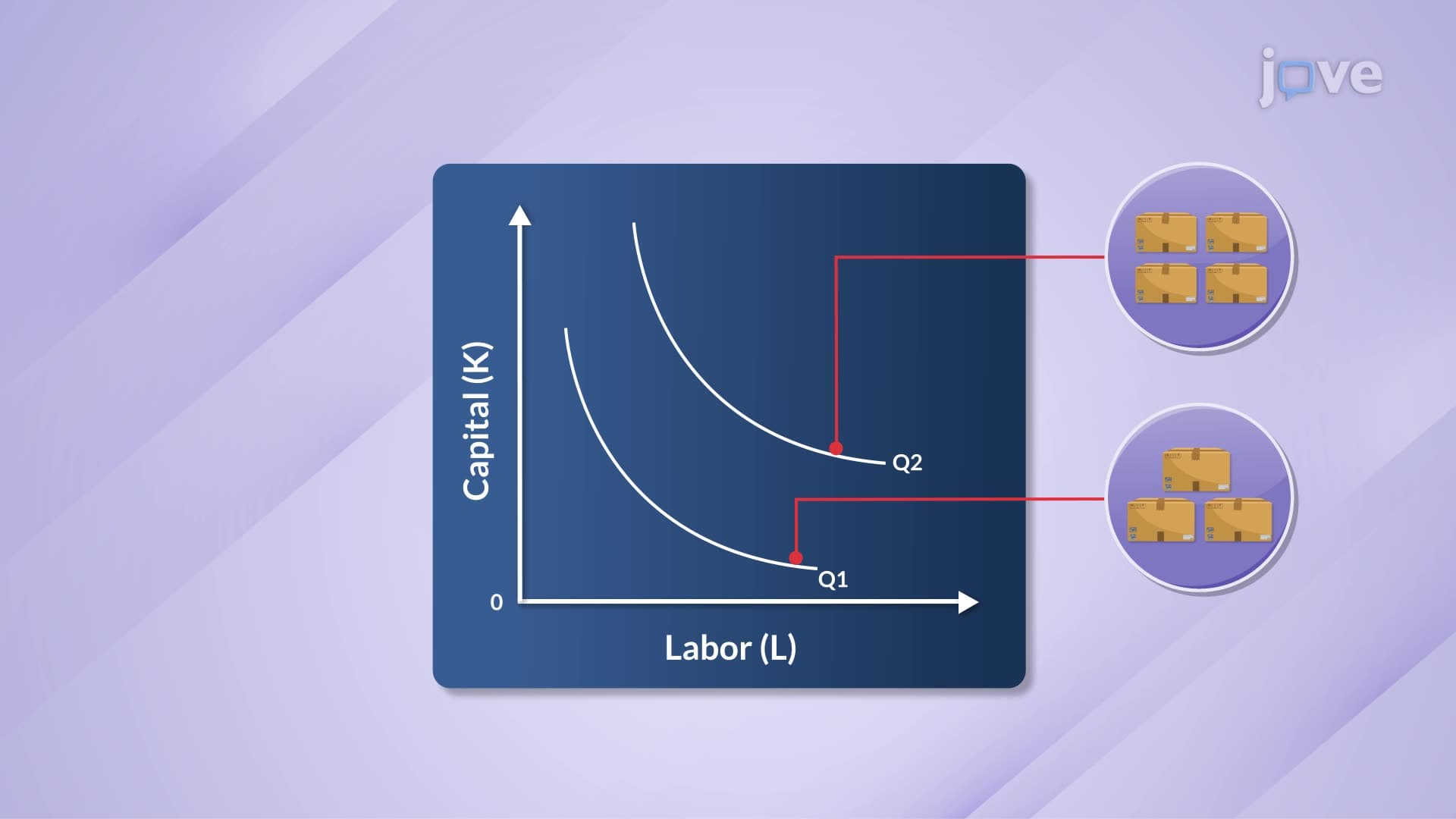
MRTS equals the negative ratio of input changes along an isoquant curve, expressed as MRTS(L,K) = -(ΔK/ΔL). This formula reveals the slope of the isoquant at any given point. More intuitively, MRTS also equals the ratio of marginal products: MRTS(L,K) = MP(L)/MP(K). When Amazon's fulfillment centers calculate optimal worker-to-automation ratios, they're essentially applying MRTS principles to minimize costs while maintaining throughput.
Students preparing for AP Economics or college microeconomics exams should master both calculation methods. The marginal product approach often appears in multiple-choice questions, while the slope calculation method frequently shows up in free-response sections requiring graphical analysis.
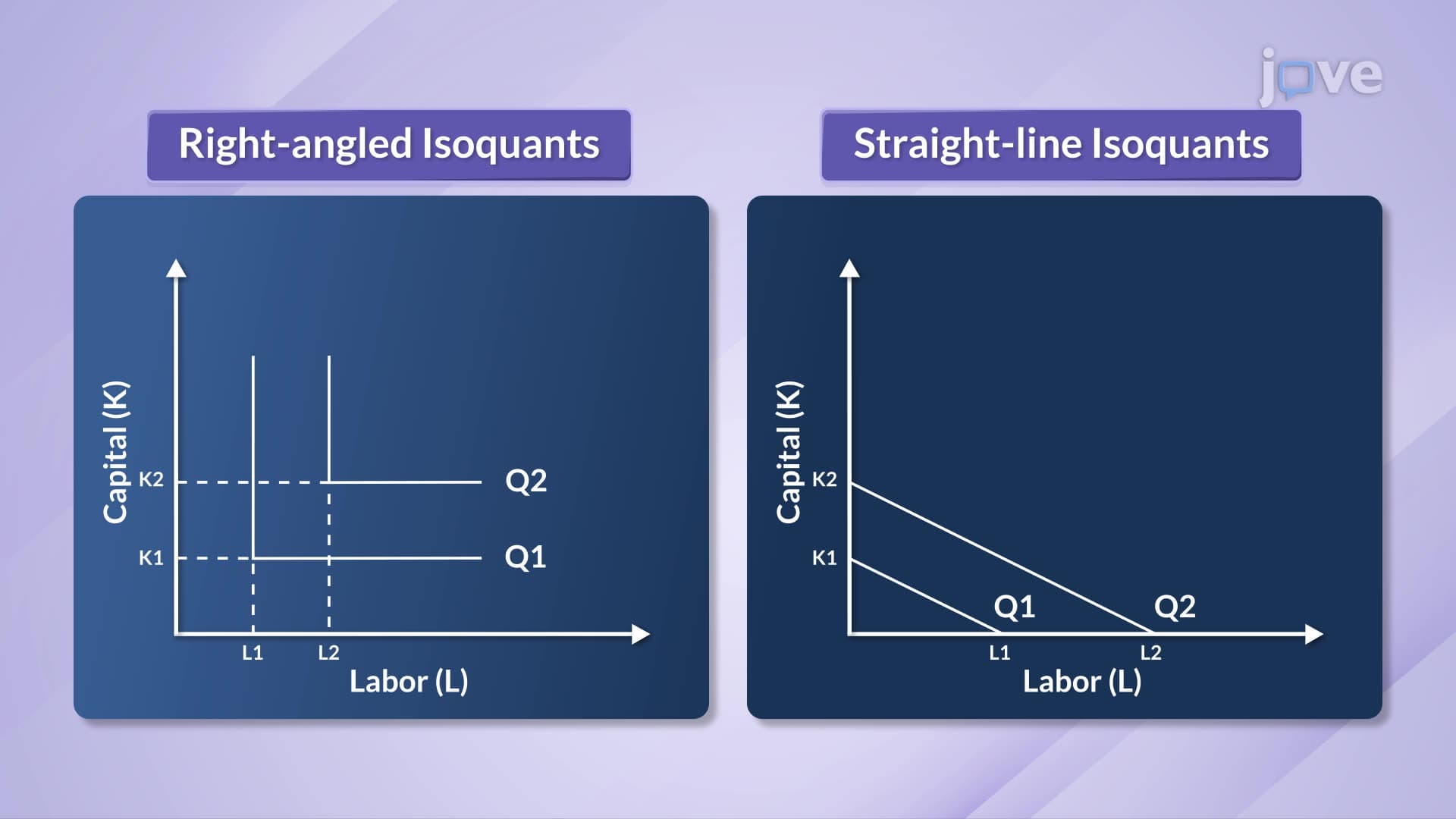
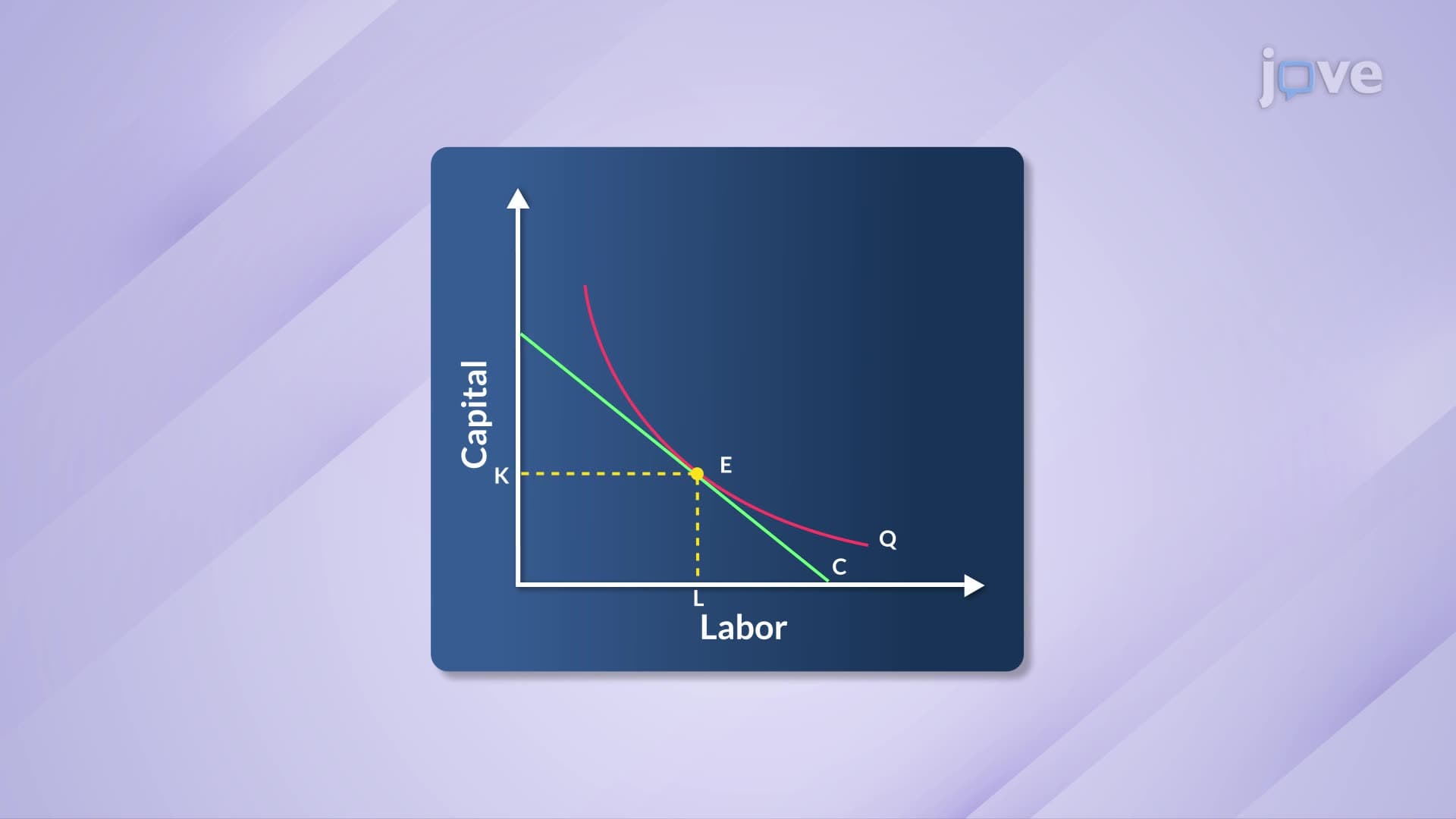
The principle of diminishing marginal rate of technical substitution explains why isoquants display their characteristic convex shape. As producers substitute more labor for capital (or vice versa), each additional unit substituted becomes less effective. Consider Boeing's aircraft manufacturing: initially, replacing one assembly robot with human workers might maintain production levels effectively. However, continuously substituting robots with workers eventually requires disproportionately more workers to replace each additional robot.
This diminishing effect occurs because inputs aren't perfect substitutes-each has unique advantages. The mathematical representation shows MRTS decreasing as we move along the isoquant, creating the curved shape essential for understanding production optimization.
Major US corporations regularly apply MRTS analysis in production planning. Netflix uses similar principles when balancing server capacity (capital) against customer service representatives (labor) to maintain service quality. During the 2020 pandemic, many manufacturers recalculated their MRTS values as labor costs increased and automation became more attractive.
Understanding MRTS proves crucial for business students analyzing case studies in operations management courses, particularly when evaluating companies' responses to changing input prices or technological advances.
Related Micro-courses