Loading subject page…

- Microeconomics
- Producer Behavior
- Short run
Micro-course: Producer Behavior
6,664 views
Learn key concepts and earn your certificate.








Short run

00:00
01:14
Video Summary: What Is Short Run
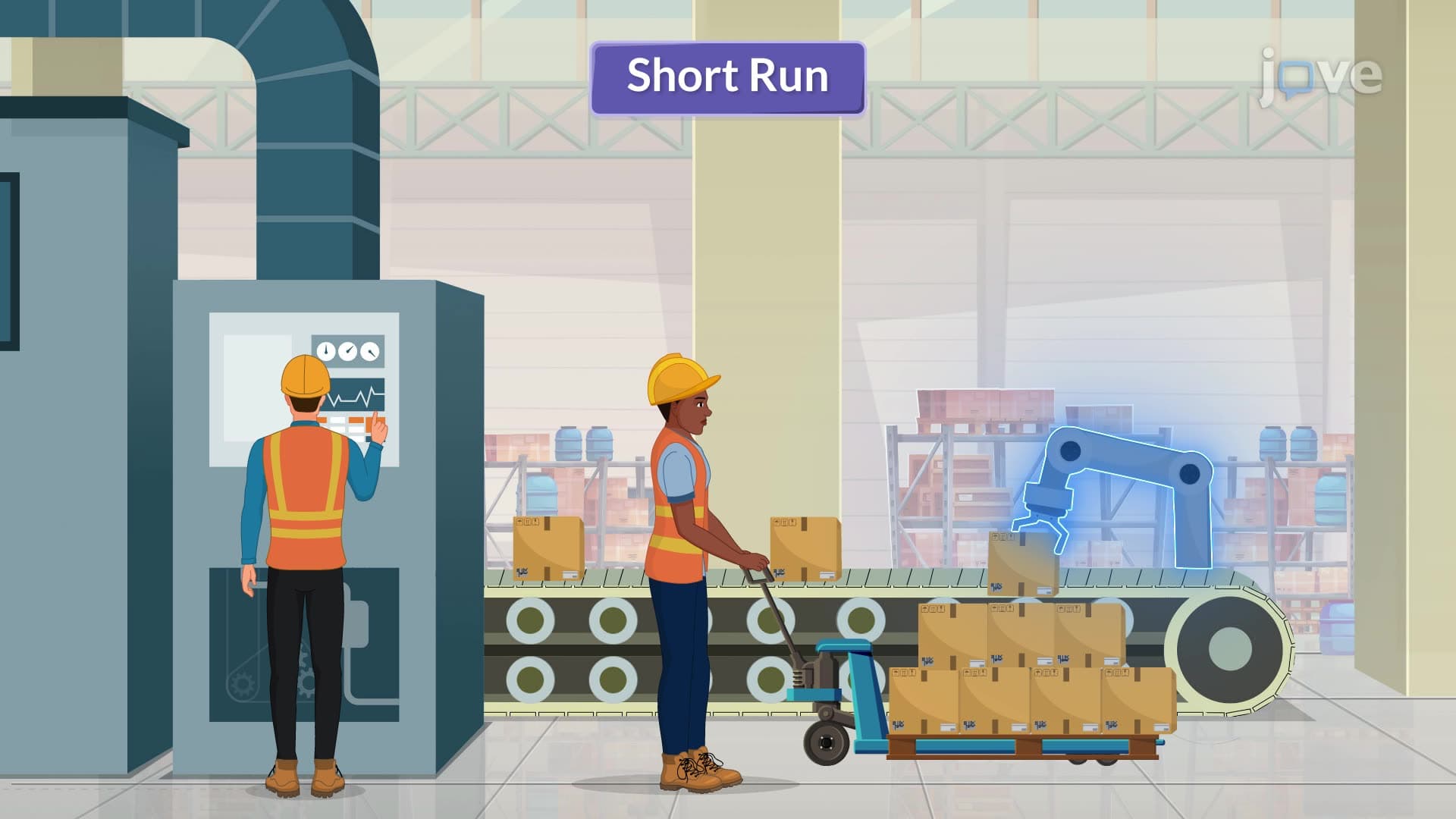
Ever wonder why McDonald's can quickly hire more workers during lunch rush but can't instantly build a new restaurant? This illustrates the short run concept perfectly. The short run refers to a production period where at least one input-typically capital like machinery or buildings-remains fixed while others like labor can be adjusted. For example, Tesla's Fremont factory can add night shifts to boost Model 3 production but can't instantly expand its assembly line capacity. Watch the full video on JoVE Coach to master this concept with expert-led visuals and step-by-step explanations.
- Understand what is short run and how it differs from long-run production periods in economic analysis
- Identify which inputs remain fixed and which are variable during short-run production decisions
- Analyze how firms adjust output levels by changing variable inputs while keeping fixed inputs constant
- Compare short-run production constraints across different industries and business models
- Evaluate real-world examples of short-run decision-making in major US corporations
- Apply short-run concepts to solve production optimization problems on economics exams
- Recognize the relationship between short-run production and marginal cost curves
- Explore how short-run constraints influence business planning and strategic decisions
Understanding What is Short Run in Production Theory
The short run represents a fundamental concept in microeconomics that defines a production period where firms face mixed flexibility-some inputs can be adjusted while others remain fixed. Unlike calendar time, the short run's duration varies dramatically across industries. A software company might consider one month as short run, while a nuclear power plant's short run could span several years.
Fixed vs. Variable Inputs in Short-Run Analysis
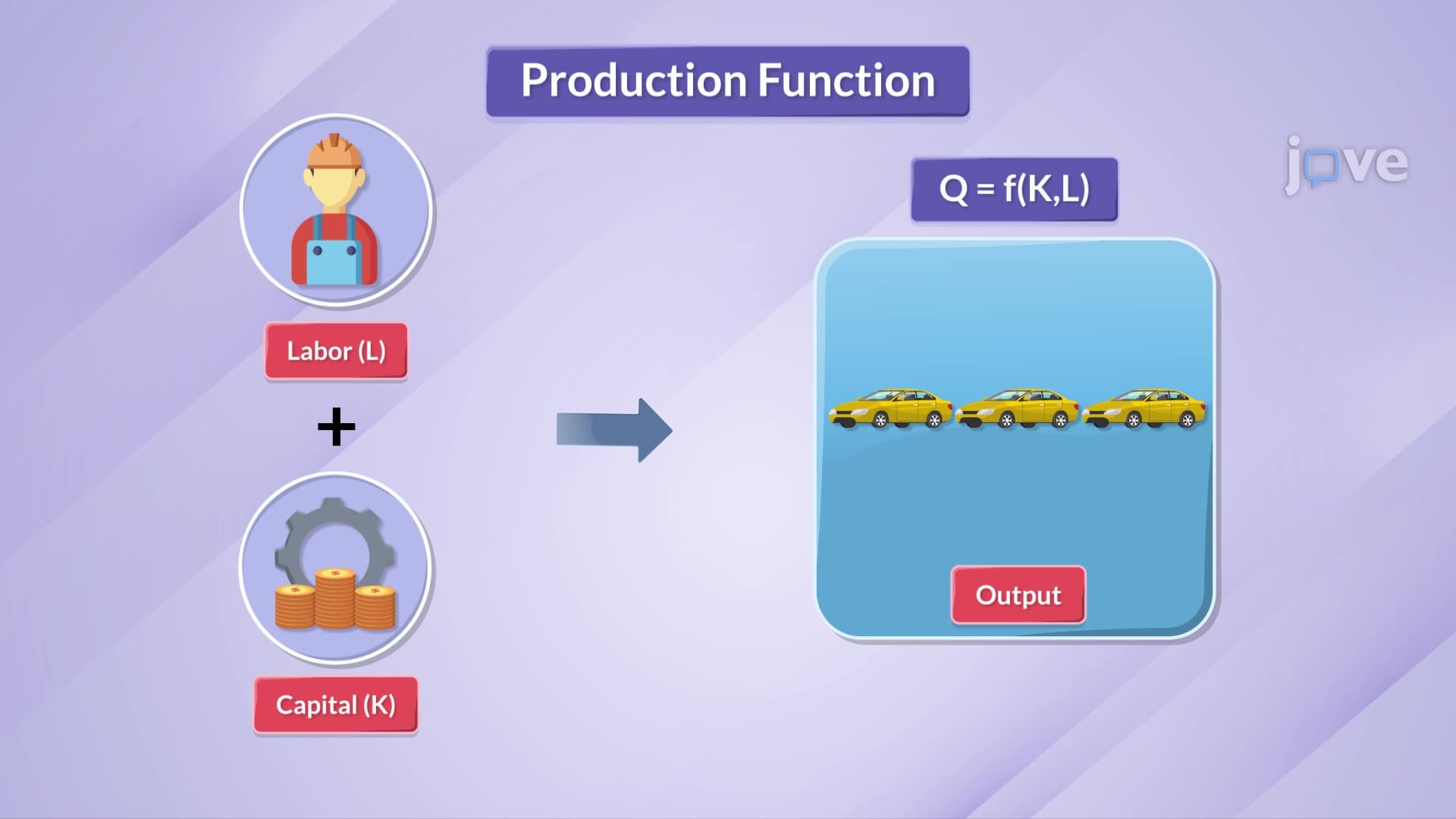
During the short run, capital inputs typically remain constant due to their substantial adjustment costs and time requirements. Manufacturing equipment, factory buildings, and specialized machinery represent classic fixed inputs. Conversely, labor serves as the primary variable input, allowing firms to respond to demand fluctuations. Amazon demonstrates this perfectly during holiday seasons-the company rapidly hires temporary warehouse workers but maintains the same distribution center footprint.
Short-Run Production Decision Examples
Consider major US corporations navigating short-run constraints. Starbucks can adjust staffing levels and operating hours at existing locations but cannot immediately open new stores when demand surges. Similarly, airlines like Delta can increase flight frequency on existing routes by utilizing more crew members and extending aircraft operating hours, but cannot instantly acquire new planes or airport gates. These examples illustrate how the short run definition explained through real business scenarios helps students grasp the concept's practical implications.
Academic Applications and Exam Relevance
The short-run concept appears frequently on AP Microeconomics exams, college intermediate microeconomics courses, and standardized tests. Students must understand how short-run production functions generate upward-sloping marginal cost curves due to diminishing marginal returns. This knowledge proves essential when analyzing firm profit maximization, supply curve derivation, and market equilibrium determination. Mastering short-run analysis provides the foundation for understanding more complex economic models and business strategy frameworks taught in undergraduate business programs.
Frequently Asked Questions
The short run is an economic period where at least one production input (usually capital like machinery or buildings) stays fixed while others (typically labor) can be changed. Think of it as a restaurant that can hire more servers during busy periods but can't instantly expand its dining room. This concept helps explain how businesses make production decisions under certain constraints.
Understanding short run helps you analyze production cost curves, profit maximization, and supply decisions that frequently appear on AP Microeconomics exams. You'll use this knowledge to explain why marginal costs increase, how firms respond to price changes, and when businesses should continue operating versus shutting down. The concept connects to multiple choice and free response questions worth significant points.
Netflix provides an excellent example-the company can quickly hire more content reviewers or customer service representatives to handle increased subscriber volume, but cannot instantly build new data centers or streaming infrastructure. Their ability to scale certain operations while being constrained by fixed technological infrastructure perfectly demonstrates short-run economic principles in action.
Not at all-short run concepts are quite intuitive once you connect them to everyday business scenarios you already understand. Most students grasp the idea quickly because it mirrors how part-time jobs work: stores can schedule more employees during holidays but can't instantly build bigger locations. The mathematical aspects build naturally from this foundation.
Focus on drawing and interpreting short-run cost curves, especially marginal cost and average variable cost relationships. Practice identifying fixed versus variable inputs in different industries, and work through profit maximization problems. Create flashcards connecting short-run concepts to supply curve behavior-this connection frequently appears on college exams.
Short run knowledge forms the foundation for long-run analysis, perfect competition models, monopoly behavior, and market structure comparisons. You'll also use these concepts in intermediate microeconomics courses covering production theory, cost analysis, and firm optimization. Business strategy courses often reference short-run constraints when discussing operational flexibility and competitive responses.
MCAT passages might describe healthcare scenarios where hospitals can adjust nursing staff levels but cannot immediately expand emergency room capacity. These questions test your ability to identify fixed versus variable inputs in medical settings and understand how short-run constraints affect healthcare delivery and cost management decisions.
The key difference is that short run refers to production flexibility, not calendar duration. A tech startup's short run might be weeks (easy to hire programmers, hard to secure office space), while an oil refinery's short run could be years (easy to adjust worker shifts, extremely difficult to modify processing equipment). The time frame depends entirely on how quickly different inputs can be changed.
Related Micro-courses