- Microeconomics
- Costs
Micro-courses:20

Costs
1. Sunk and Opportunity Cost
2. Fixed and Variable Cost
3. Total Fixed, Total Variable, and Total Cost Curves

4. Average Fixed, Average Variable, and Average Total Cost I
5. Average Fixed, Average Variable, and Average Total Cost II
6. Marginal Cost I
7. Marginal Cost II
8. Relationship between Average and Marginal Costs
9. Nature of Costs in the Long Run

10. Short-run vs Long-run: Average Costs

11. Short-run vs Long-run: Marginal Costs

12. Economies of Scale
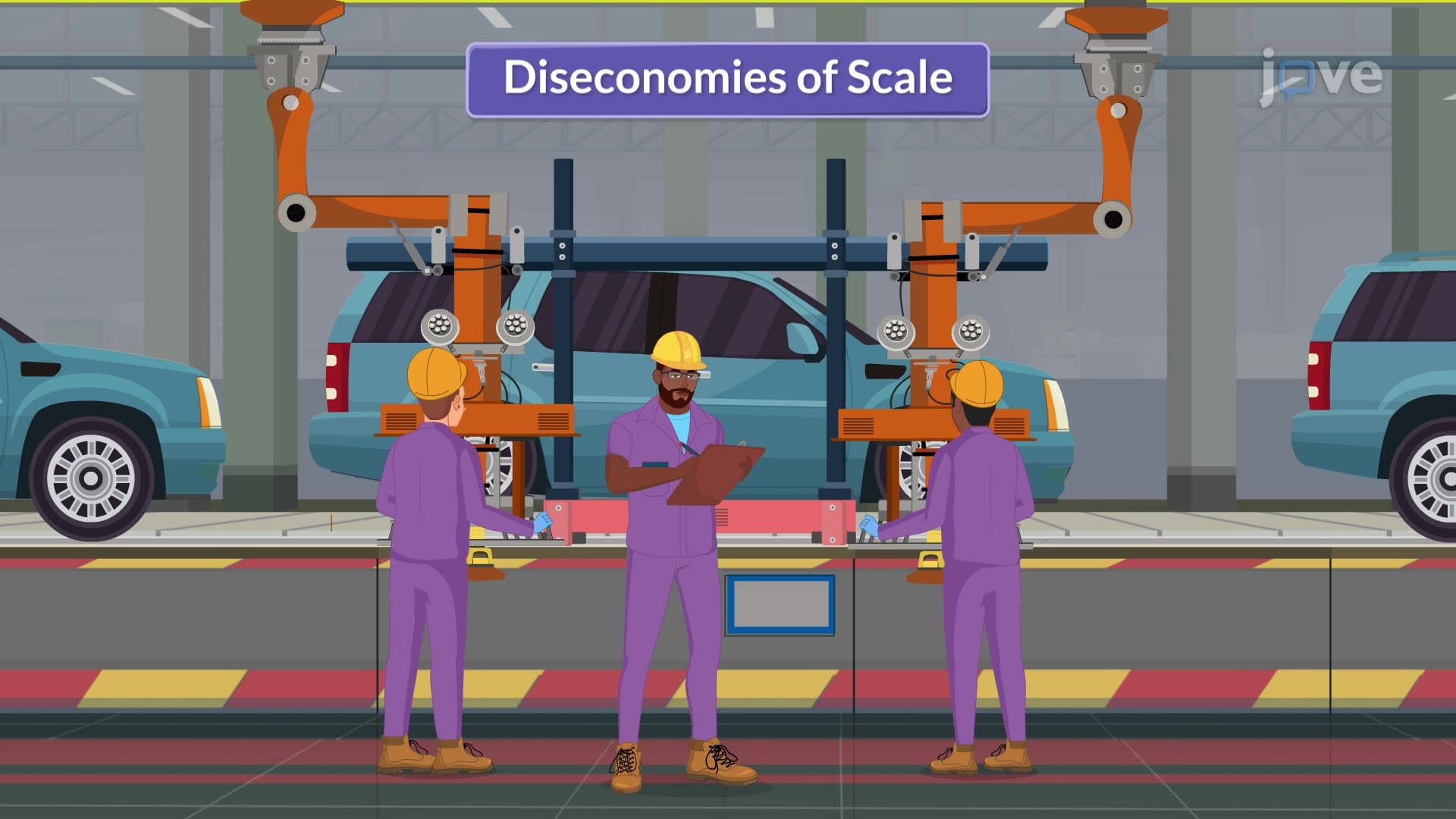
13. Diseconomies of Scale

14. Economies of Scope
Cost economics forms the foundation of business decision-making and market analysis. This comprehensive course explores fixed variable costs, marginal average cost relationships, and cost curves that determine production efficiency. From understanding sunk and opportunity costs affecting US companies like Apple and Microsoft to analyzing economies of scale in manufacturing giants like Ford and Tesla, students master economic cost analysis principles essential for advanced economics studies through JoVE Coach.
- Understand the fundamental difference between sunk costs and opportunity costs in business decision-making
- Learn to distinguish between fixed and variable costs in short-run production scenarios
- Identify how total, average, and marginal cost curves relate to production efficiency
- Explore the relationship between average and marginal costs at different output levels
- Analyze cost behavior differences between short-run and long-run production periods
- Apply concepts of economies and diseconomies of scale to real-world business expansion
- Understand how economies of scope affect multi-product manufacturing strategies
1. Sunk Costs and Opportunity Costs: Sunk costs represent irreversible expenses like Tesla's $5 billion Gigafactory investment, while opportunity costs measure foregone alternatives when resources are allocated. Understanding these concepts prevents the sunk cost fallacy, where businesses continue failing projects simply because of previous investments. For instance, if Netflix abandons a $100 million series after poor test screenings, the rational decision ignores sunk production costs and focuses on future profitability. This distinction guides optimal resource allocation in both personal finance and corporate strategy.
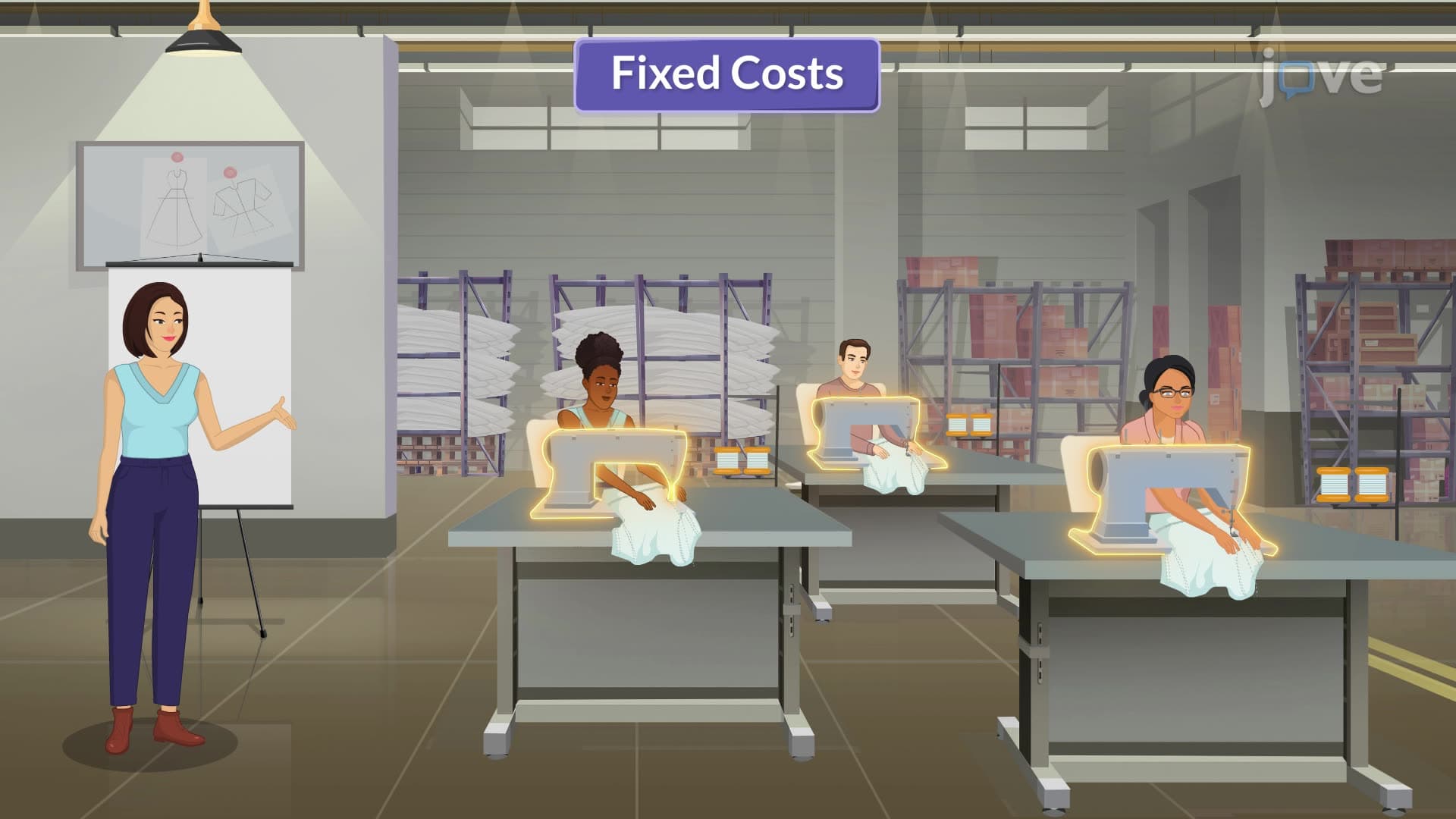
2. Fixed and Variable Costs in Production: Fixed costs remain constant regardless of output level, including factory rent, equipment leases, and permanent staff salaries at companies like General Motors. Variable costs fluctuate directly with production volume, encompassing raw materials, hourly wages, and utilities. A McDonald's franchise demonstrates this clearly: rent and manager salaries are fixed, while food ingredients and part-time worker wages vary with customer volume. This classification becomes crucial for short-run production decisions and break-even analysis.
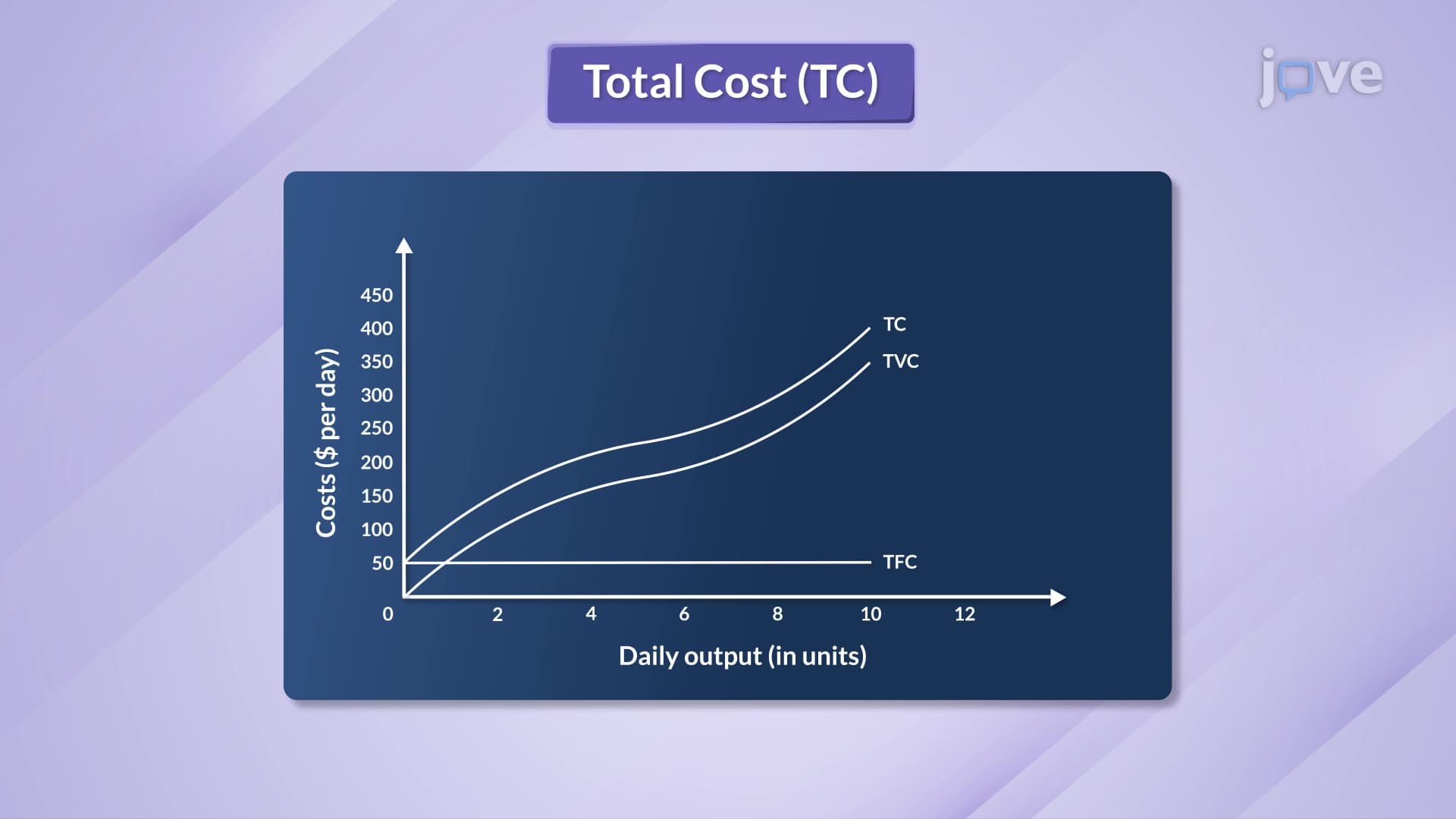
3. Total Cost Curves and Their Relationships: Total Fixed Cost (TFC) appears as a horizontal line since it remains constant across all output levels. Total Variable Cost (TVC) starts at zero and increases, initially at a decreasing rate due to increasing returns, then at an increasing rate due to diminishing returns. Total Cost (TC) equals TFC plus TVC, creating a curve parallel to TVC but shifted upward. Amazon's fulfillment centers exemplify this: warehouse rent stays fixed while packaging materials and seasonal workers create the variable component.
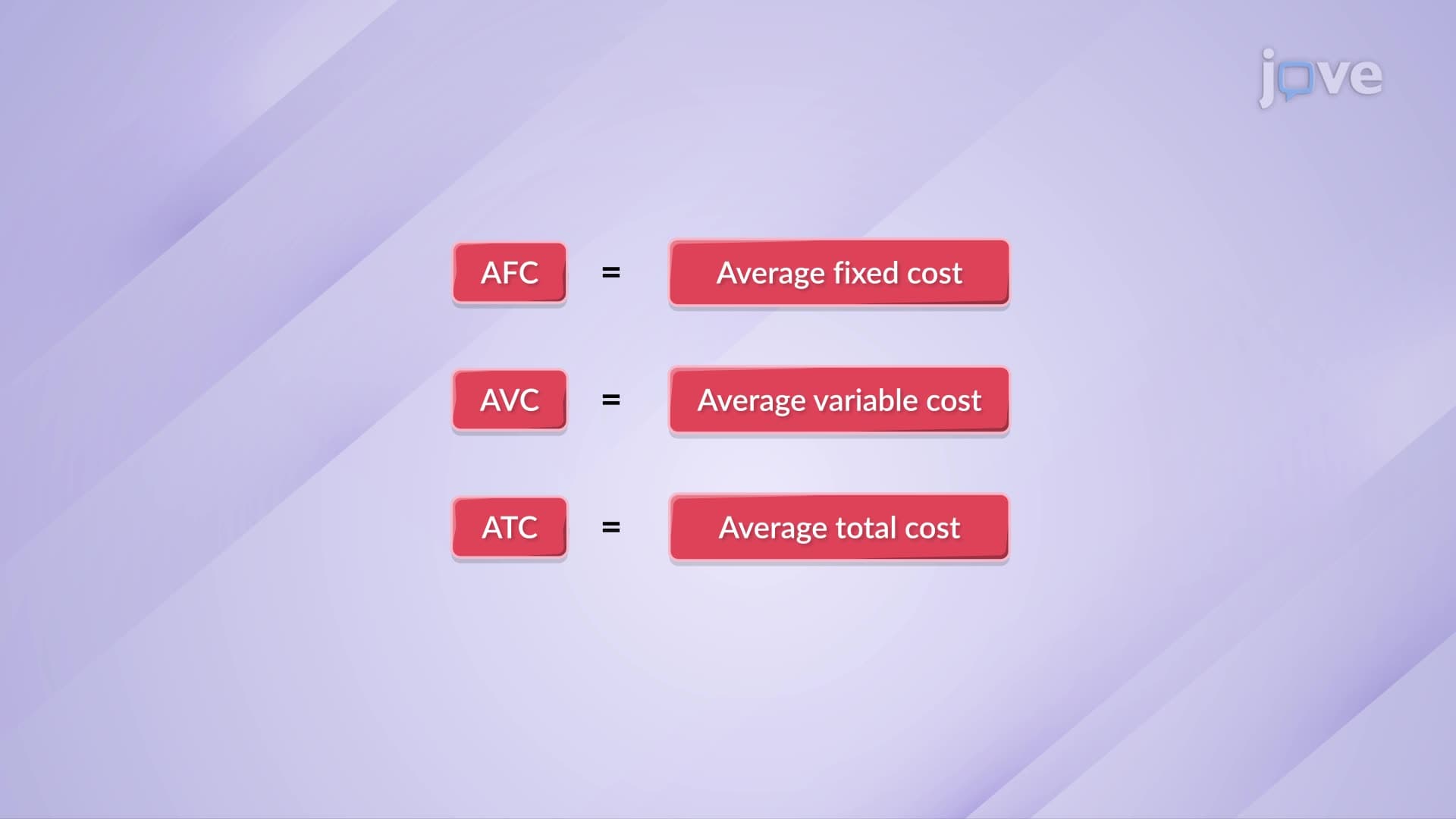
4. Average Cost Analysis: Average Fixed Cost (AFC) continuously decreases as output increases, demonstrating "spreading overhead" across more units. Average Variable Cost (AVC) typically follows a U-shaped pattern due to initial efficiency gains followed by diminishing returns. Average Total Cost (ATC) combines both, creating the characteristic U-shape crucial for profit maximization decisions. When Starbucks prices a latte above ATC, it generates economic profit; pricing equal to ATC achieves break-even. This analysis determines optimal pricing strategies and production levels.
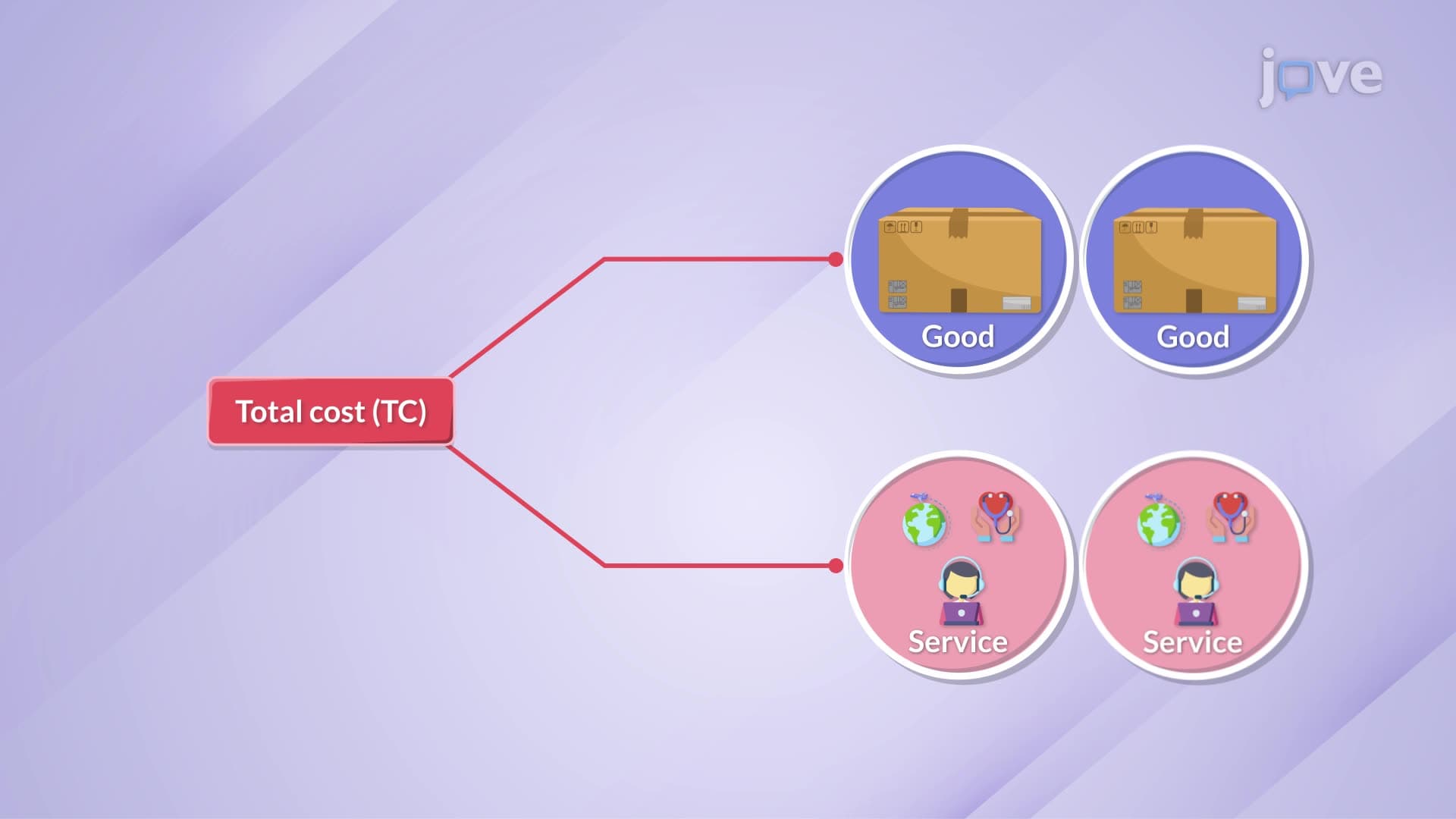
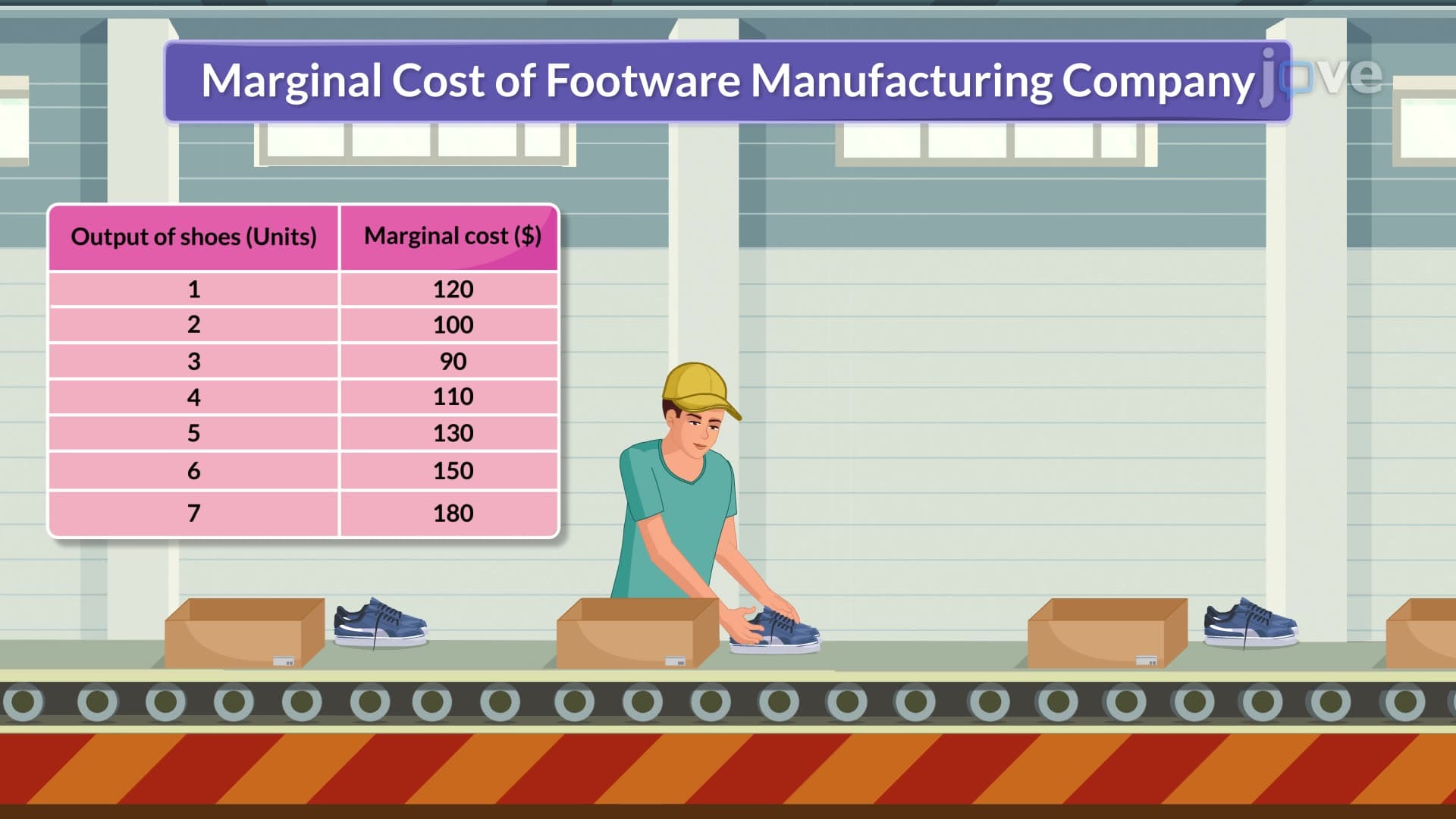
5. Marginal Cost and Its Strategic Importance: Marginal cost represents the additional expense of producing one more unit, calculated as the change in total cost divided by the change in quantity. This concept drives crucial business decisions since firms maximize profit where marginal cost equals marginal revenue. The U-shaped marginal cost curve reflects initial efficiency improvements followed by capacity constraints. When Apple decides whether to manufacture one more iPhone, marginal cost analysis determines profitability and optimal production volume.
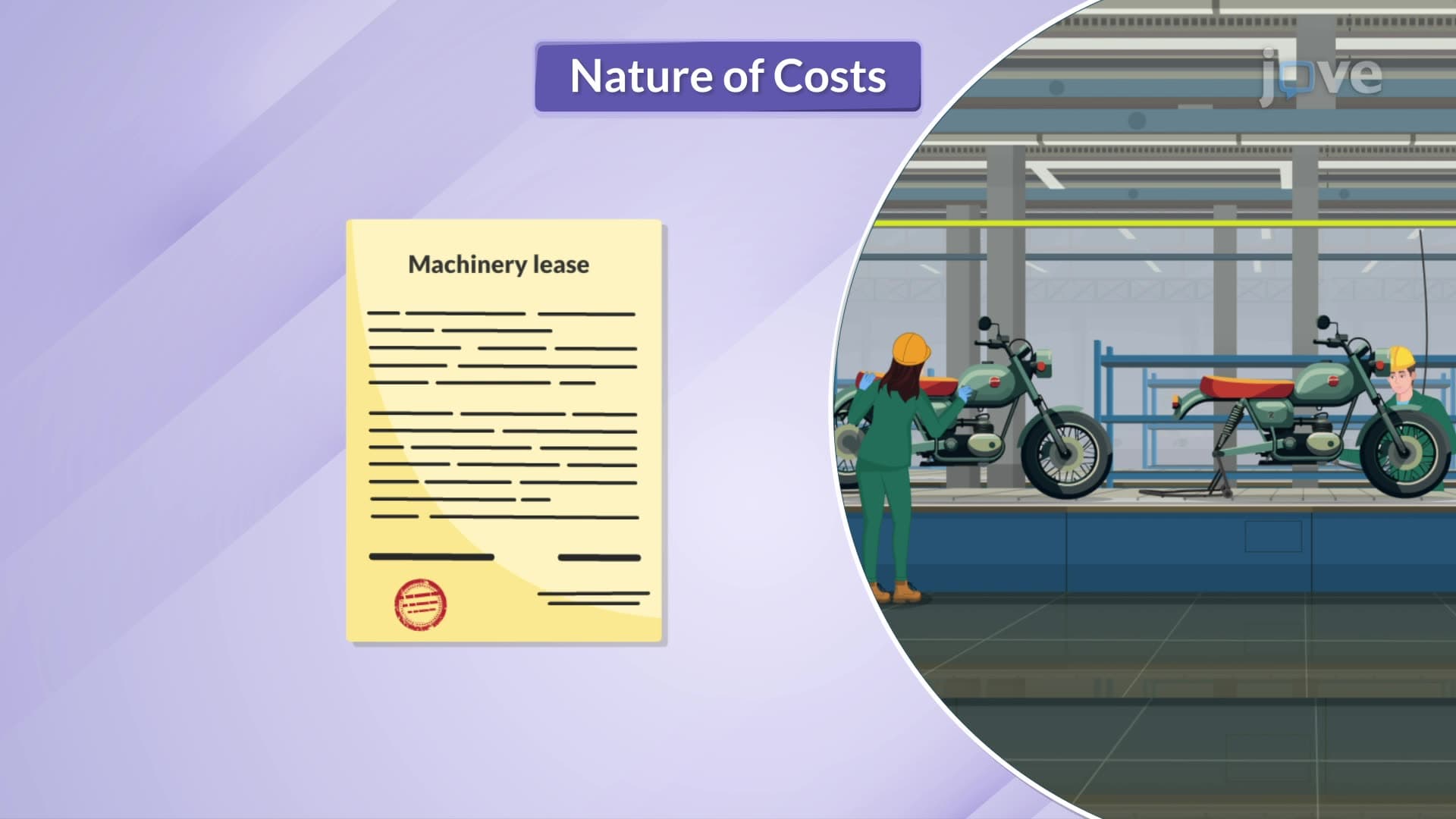
6. Short-Run versus Long-Run Cost Behavior: Short-run analysis assumes at least one input remains fixed, typically capital equipment or facility space, constraining optimization possibilities. Long-run analysis allows all inputs to vary, enabling economies of scale and more efficient resource allocation. Walmart demonstrates this difference: short-run decisions involve staffing existing stores, while long-run strategies include building new distribution centers. Understanding this timeframe distinction proves essential for strategic planning and competitive analysis in dynamic markets.
7. Economies and Diseconomies of Scale: Economies of scale occur when doubling output less than doubles costs, reducing average total cost through bulk purchasing, automation, and specialized labor. Major retailers like Costco achieve economies through volume discounts and efficient distribution networks. Diseconomies emerge when coordination complexity, bureaucratic inefficiency, and quality control challenges cause costs to increase disproportionately with scale. This concept explains why some companies maintain optimal sizes rather than pursuing unlimited growth.
Frequently Asked Questions
Sunk costs are past expenses that cannot be recovered and should not influence future decisions, while opportunity costs represent the value of the best alternative foregone. For example, if a company spent $1 million developing a failed product (sunk cost), the opportunity cost of continuing the project is what else that money could accomplish, like marketing successful products.
AP exams frequently ask students to graph cost curves and identify where marginal cost intersects average cost curves at their minimum points. Expect questions requiring calculations of marginal cost from total cost data, explanations of U-shaped curves, and analysis of profit-maximizing output levels where marginal cost equals marginal revenue.
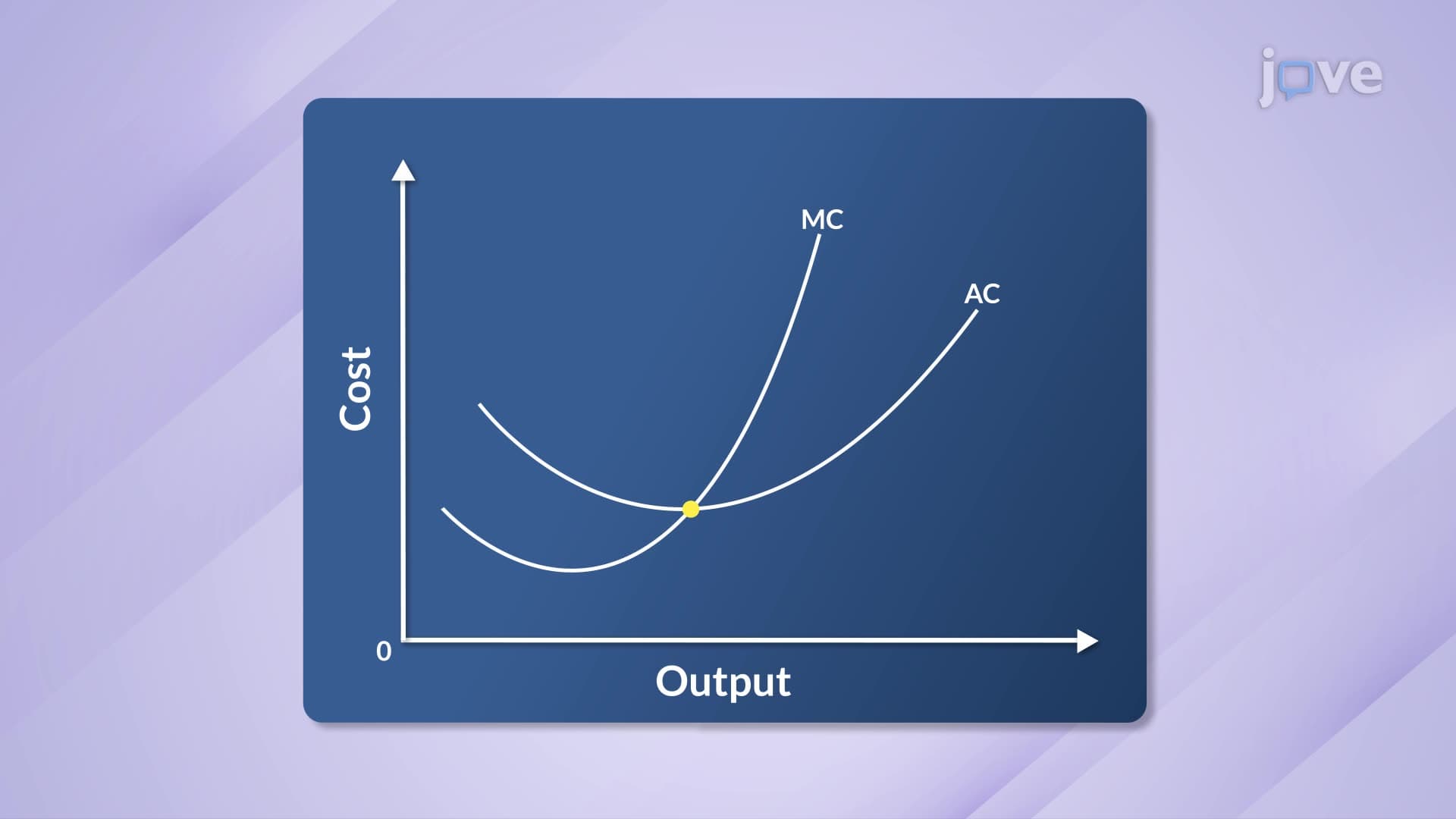
Master these key formulas: TC = FC + VC, ATC = TC/Q, AFC = FC/Q, AVC = VC/Q, and MC = ΔTC/ΔQ. Also remember that ATC = AFC + AVC and that marginal cost intersects both AVC and ATC at their minimum points. These relationships appear frequently on AP Economics, SAT Subject Tests, and college placement exams.
The U-shape results from two competing forces: initially, fixed costs spread over more units (decreasing AFC) and efficiency improvements (decreasing AVC) reduce average costs. Eventually, diminishing returns cause variable costs per unit to rise faster than fixed costs per unit fall, creating the upward slope. This pattern reflects real-world production constraints and capacity limitations.
Tech companies experience significant economies of scale because software development costs are largely fixed while serving additional users requires minimal variable costs. Google's search algorithm development cost billions, but serving one more search query costs virtually nothing. This explains why large tech platforms often dominate markets and achieve massive profit margins.
Create visual connections between curves: always draw MC intersecting AVC and ATC at their minimums, remember that ATC lies above AVC by the vertical distance of AFC, and practice calculating costs from given data tables. Use real company examples to make concepts memorable, and work through numerical problems daily to build computational fluency.
Short-run constraints explain why companies can't immediately respond to demand changes—they're limited by existing facilities and equipment. Long-run flexibility allows strategic planning for optimal scale, explaining why companies time major investments carefully. Understanding this distinction helps analyze why some businesses succeed in growth phases while others struggle with expansion challenges.
Diseconomies typically emerge when companies become too large to manage effectively, communication breaks down, bureaucracy slows decision-making, and quality control becomes difficult. Companies can avoid this through decentralized management, maintaining corporate culture, investing in communication technology, and sometimes deliberately limiting growth to preserve efficiency and innovation capacity.
This microcourse includes 14 concept videos that walk you through the building blocks of Microeconomics. Each video is short, about 1 minute, so you can cover a full topic during a coffee break or between classes. The full sequence starts with Sunk and Opportunity Cost and ends with Economies of Scope.
The playlist moves from big-picture ideas to the precise vocabulary used in Microeconomics. Early videos introduce Sunk and Opportunity Cost, Fixed and Variable Cost, and Total Fixed, Total Variable, and Total Cost Curves. The middle of the series focuses on Average Fixed, Average Variable, and Average Total Cost II, Marginal Cost I, and Marginal Cost II. The final stretch covers Relationship between Average and Marginal Costs, Nature of Costs in the Long Run, Short-run vs Long-run: Average Costs, Short-run vs Long-run: Marginal Costs, Economies of Scale, Diseconomies of Scale, and Economies of Scope.
The natural next step is Perfect Competition. From there, you can move to Monopoly, Monopolistic Competition, and Oligopoly. Once you finish those, the full Microeconomics curriculum of 20 microcourses on JoVE Coach opens up, taking you from foundational concepts to advanced systems.
Related Subjects


