- Microeconomics
- Analysis of Competitive Markets
Micro-courses:20

Analysis of Competitive Markets
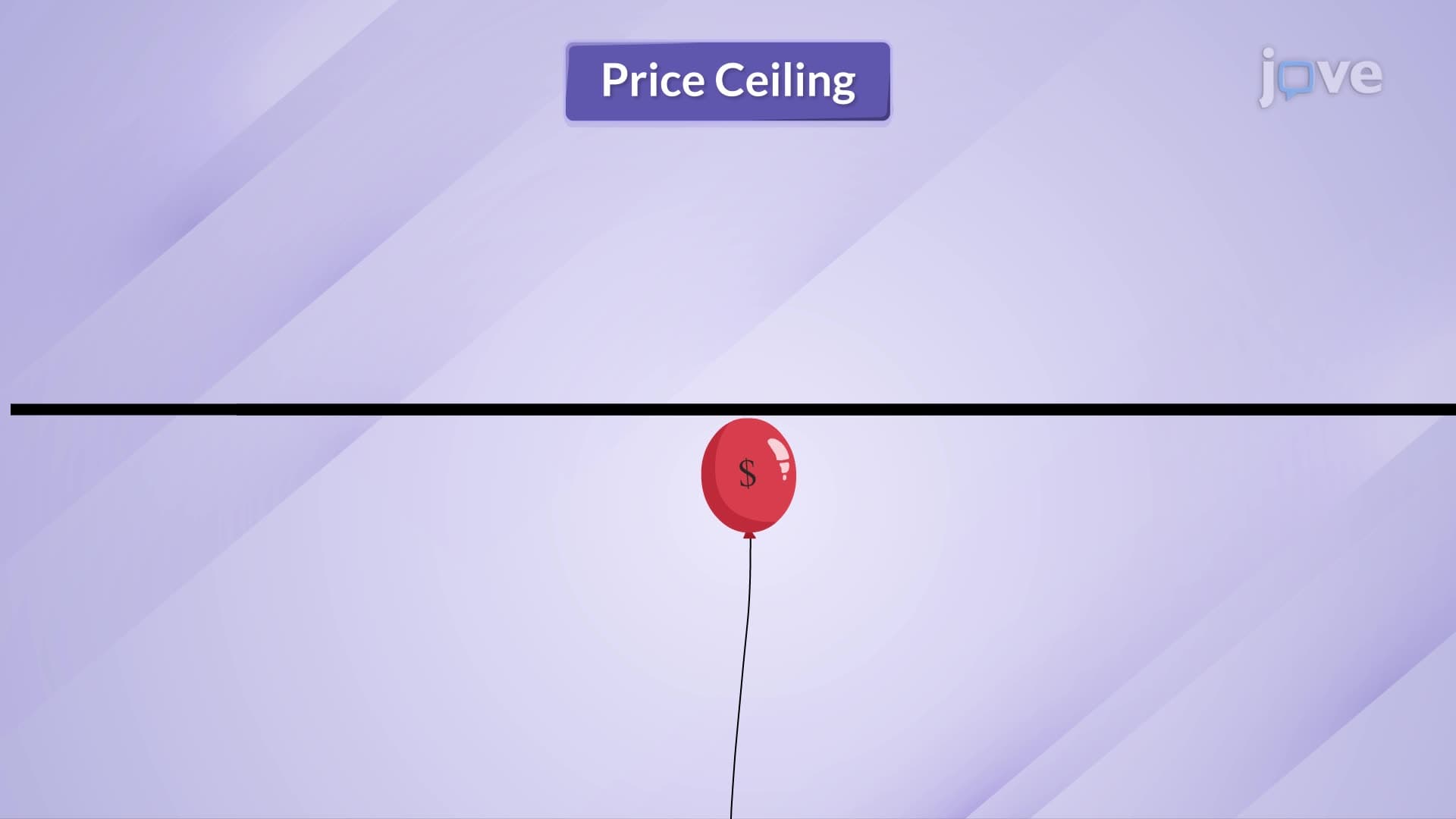
1. Price Ceiling
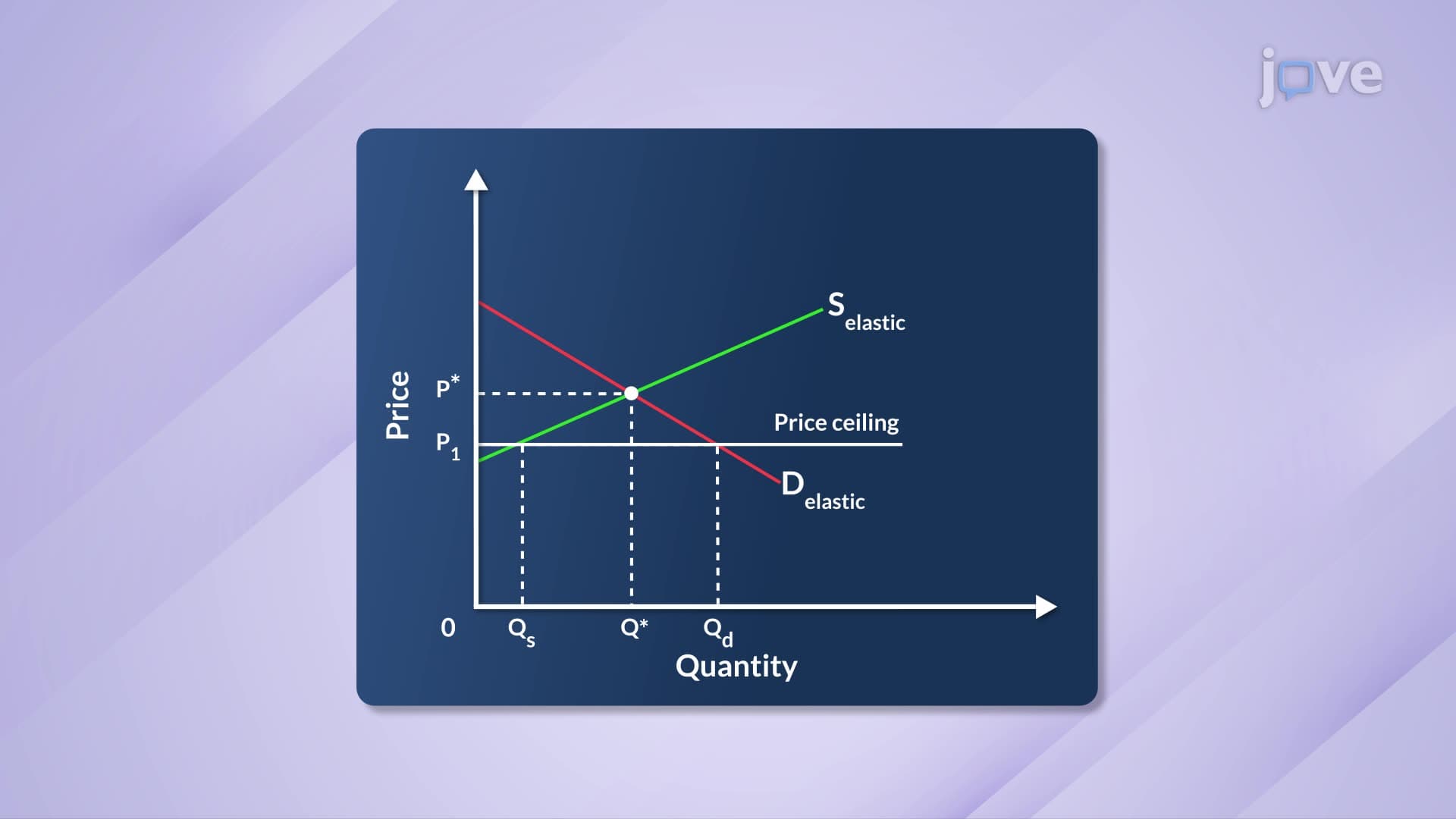
2. Price Ceiling and Elastic Demand
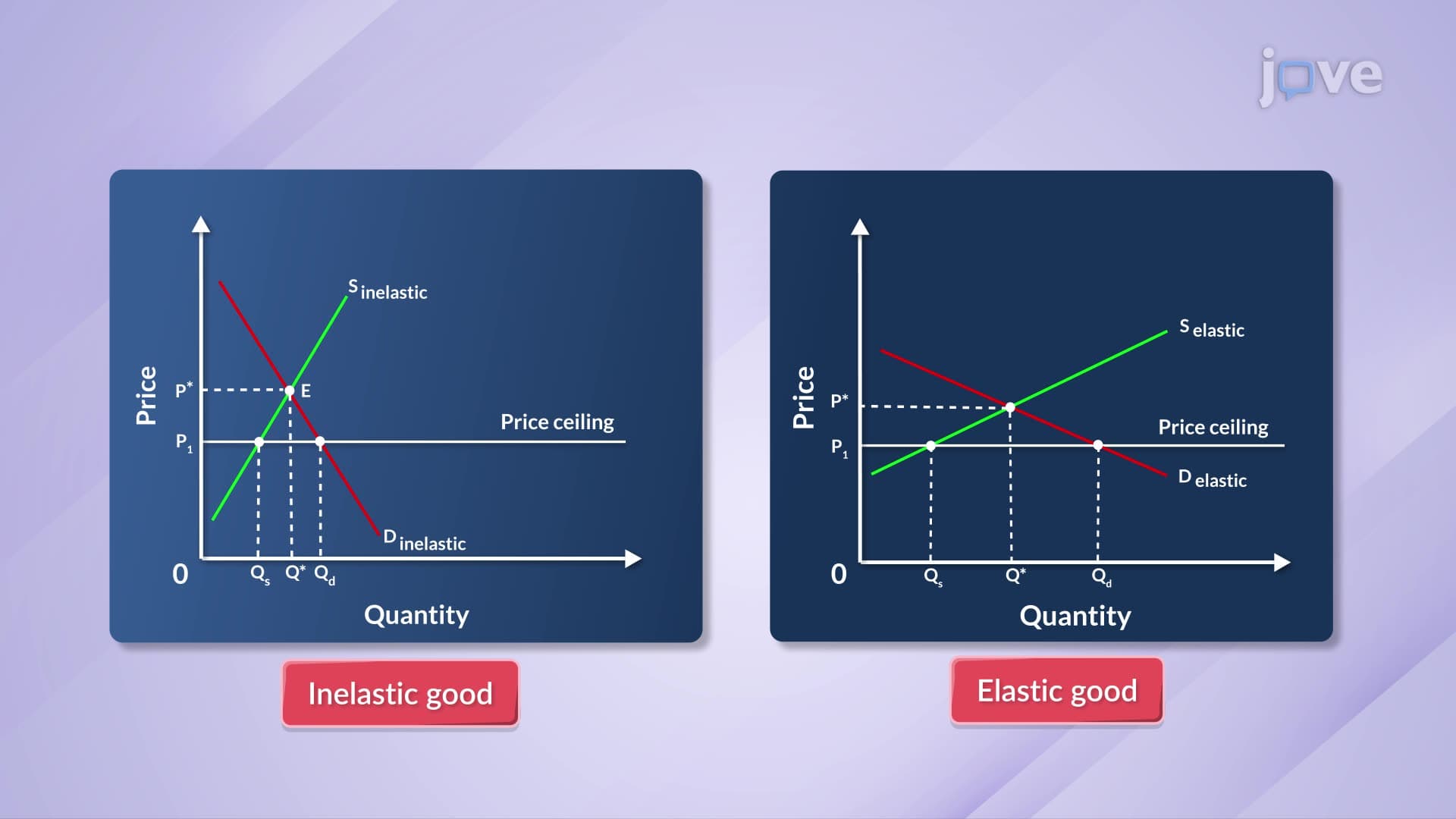
3. Price Ceiling and Inelastic Demand

4. Price Floor
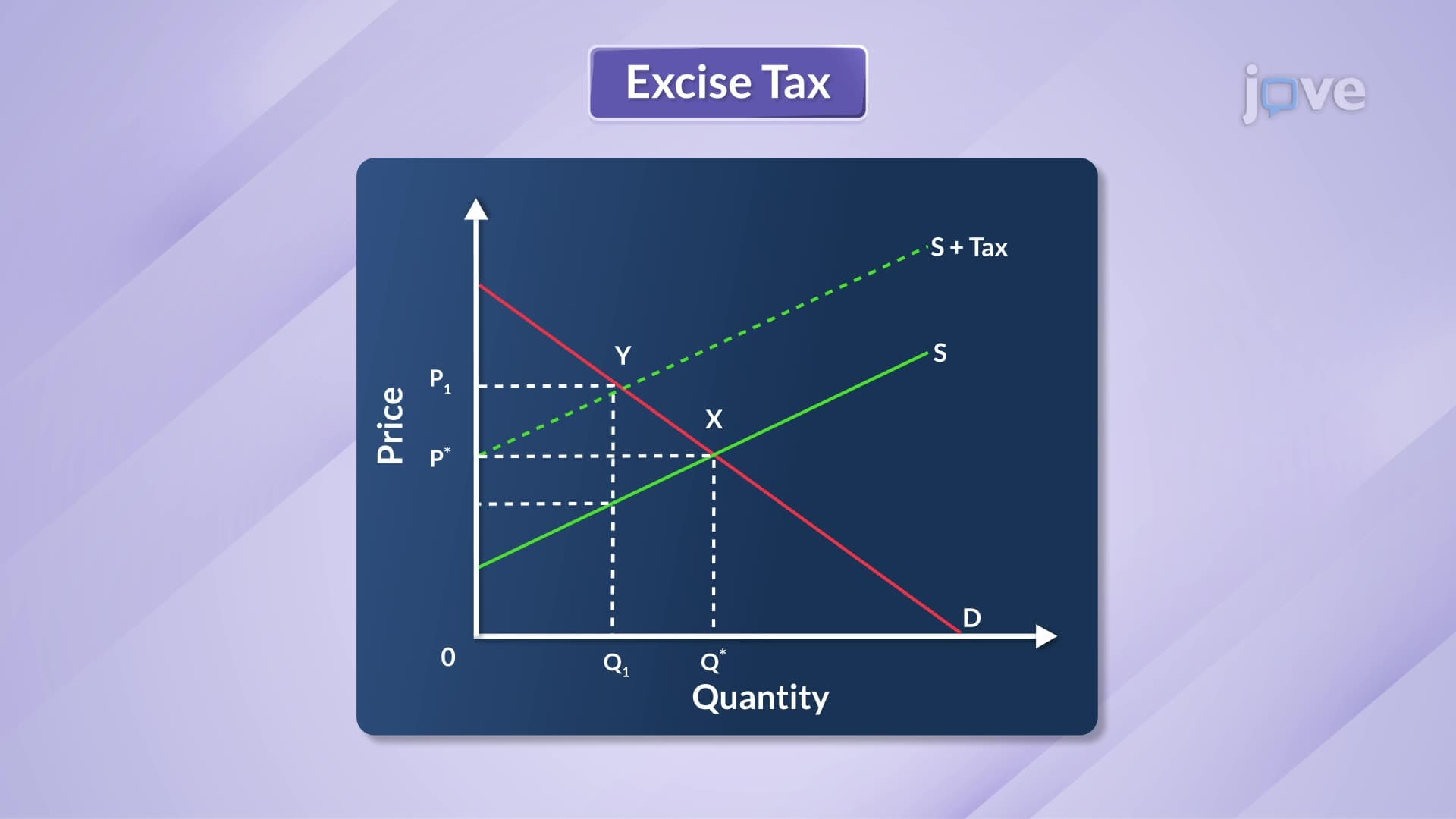
5. Taxes
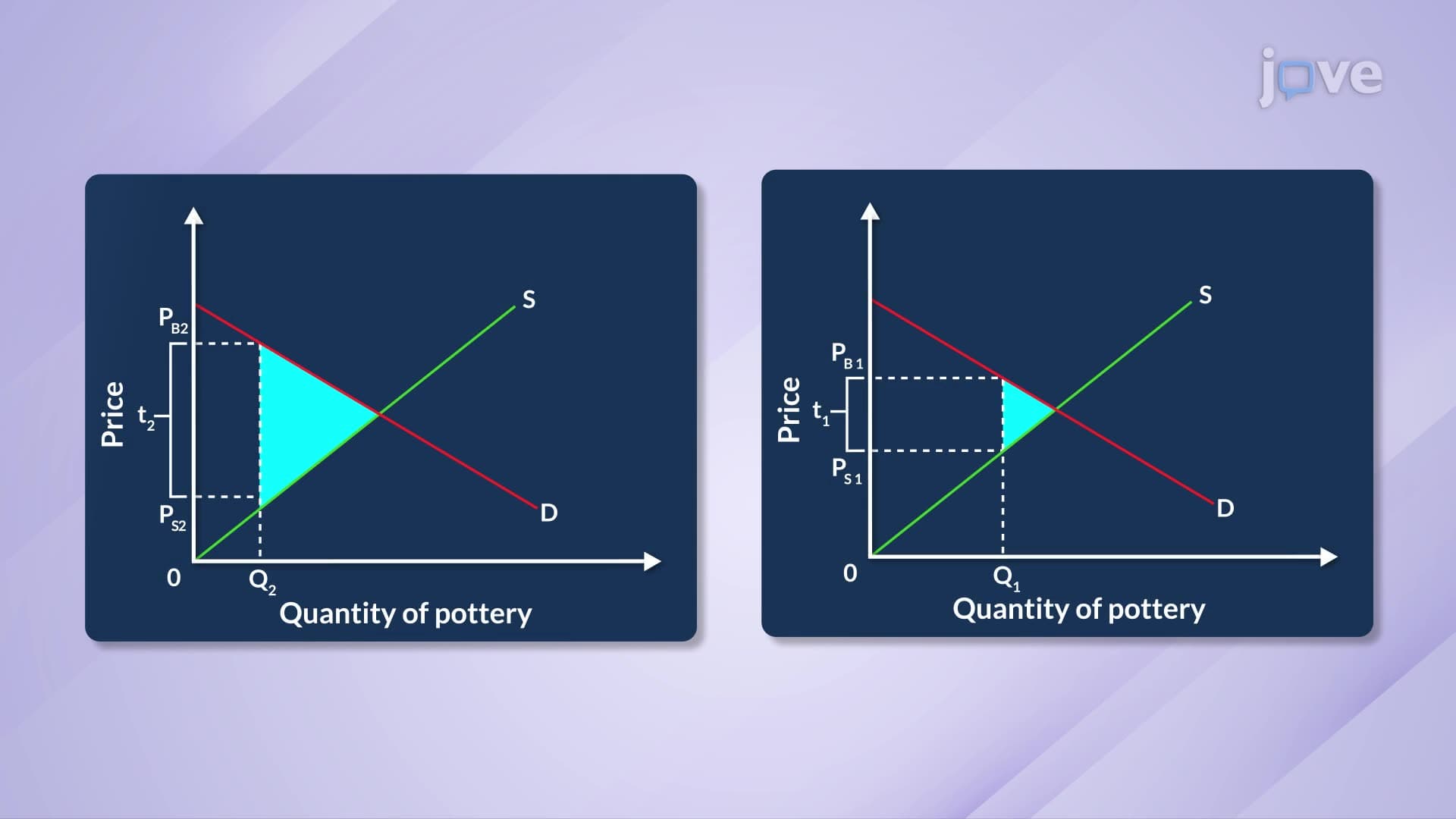
6. Tax Size and Deadweight Loss
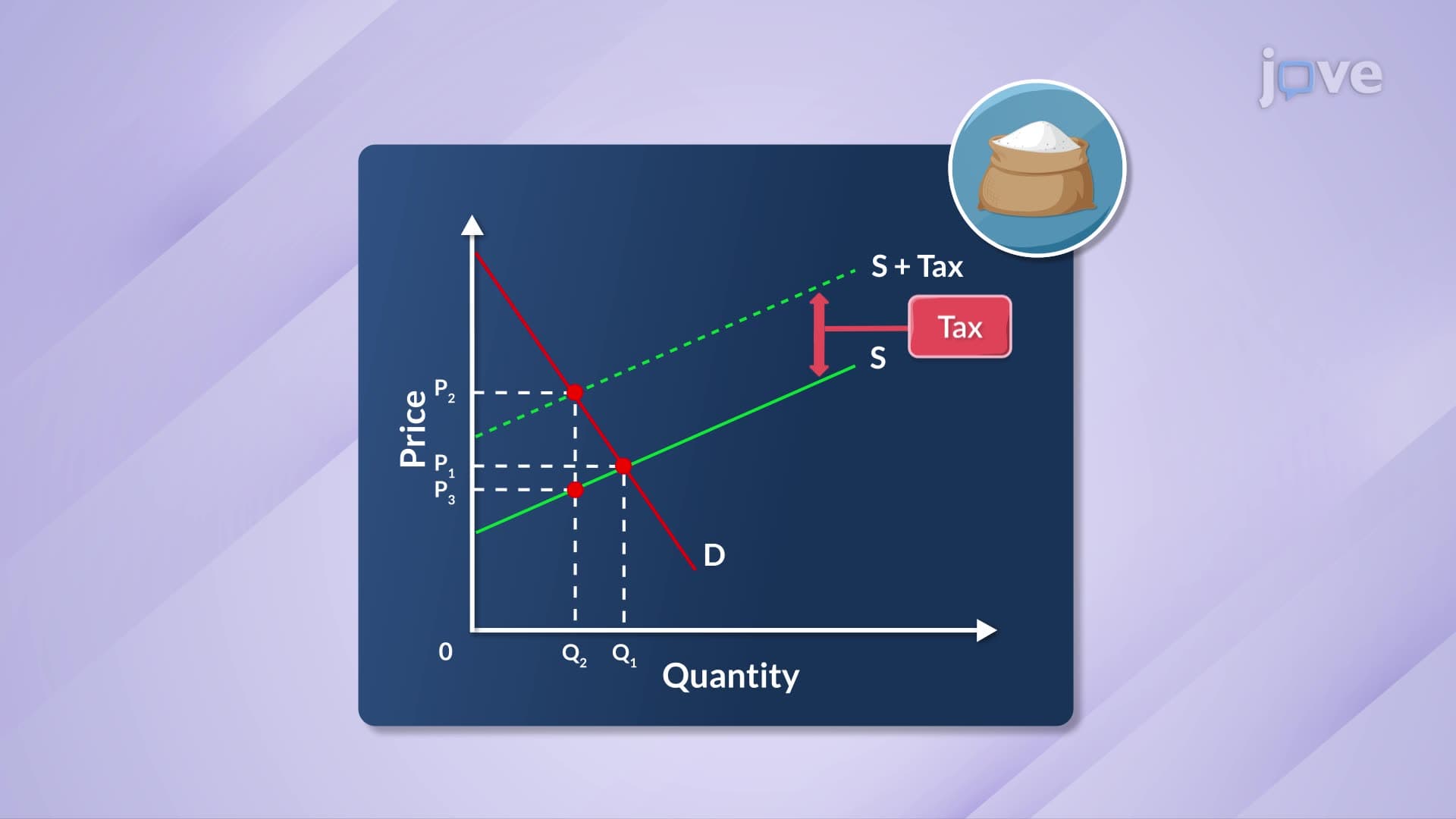
7. Incidence of Tax I
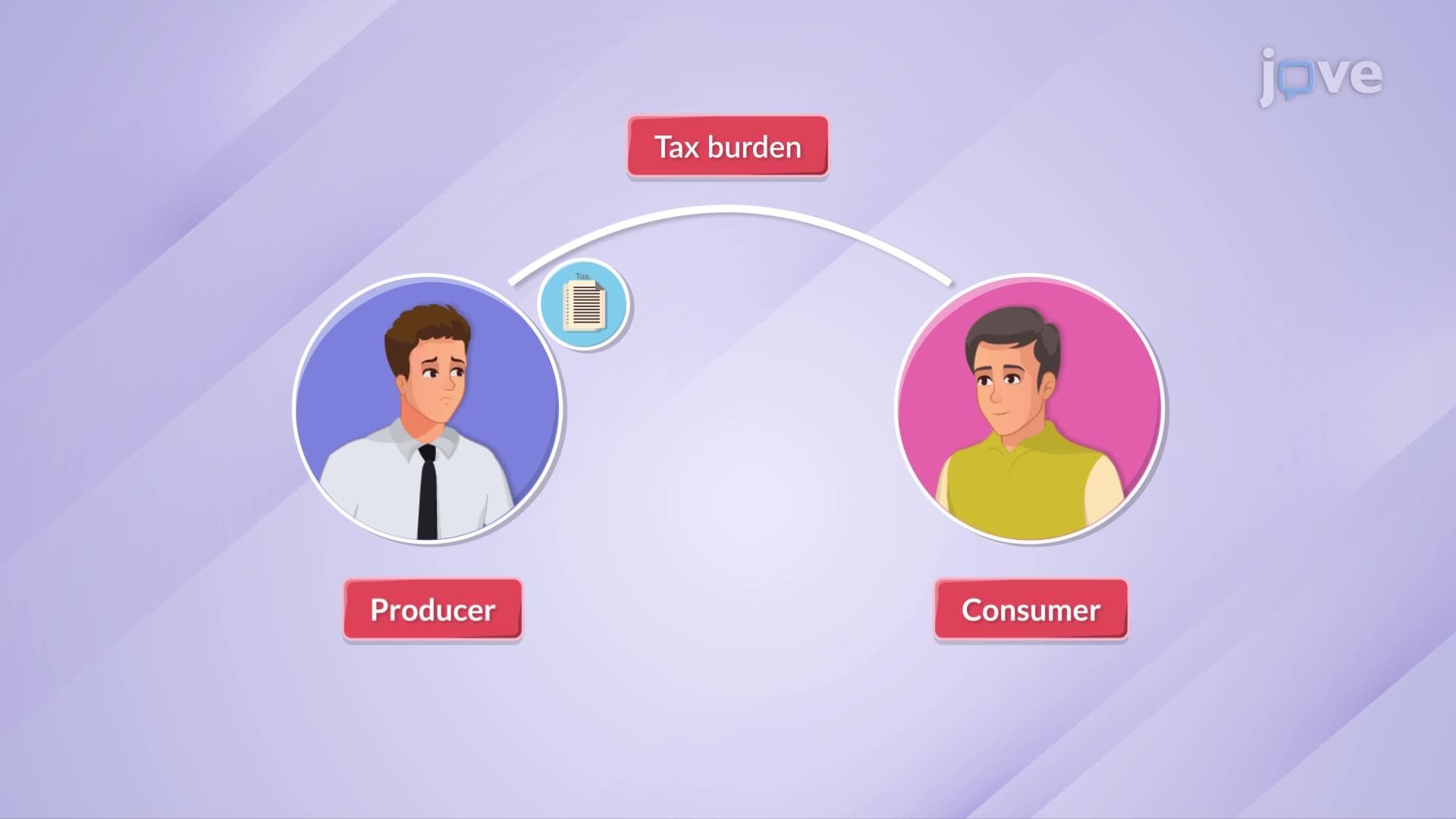
8. Incidence of Tax II

9. Quotas
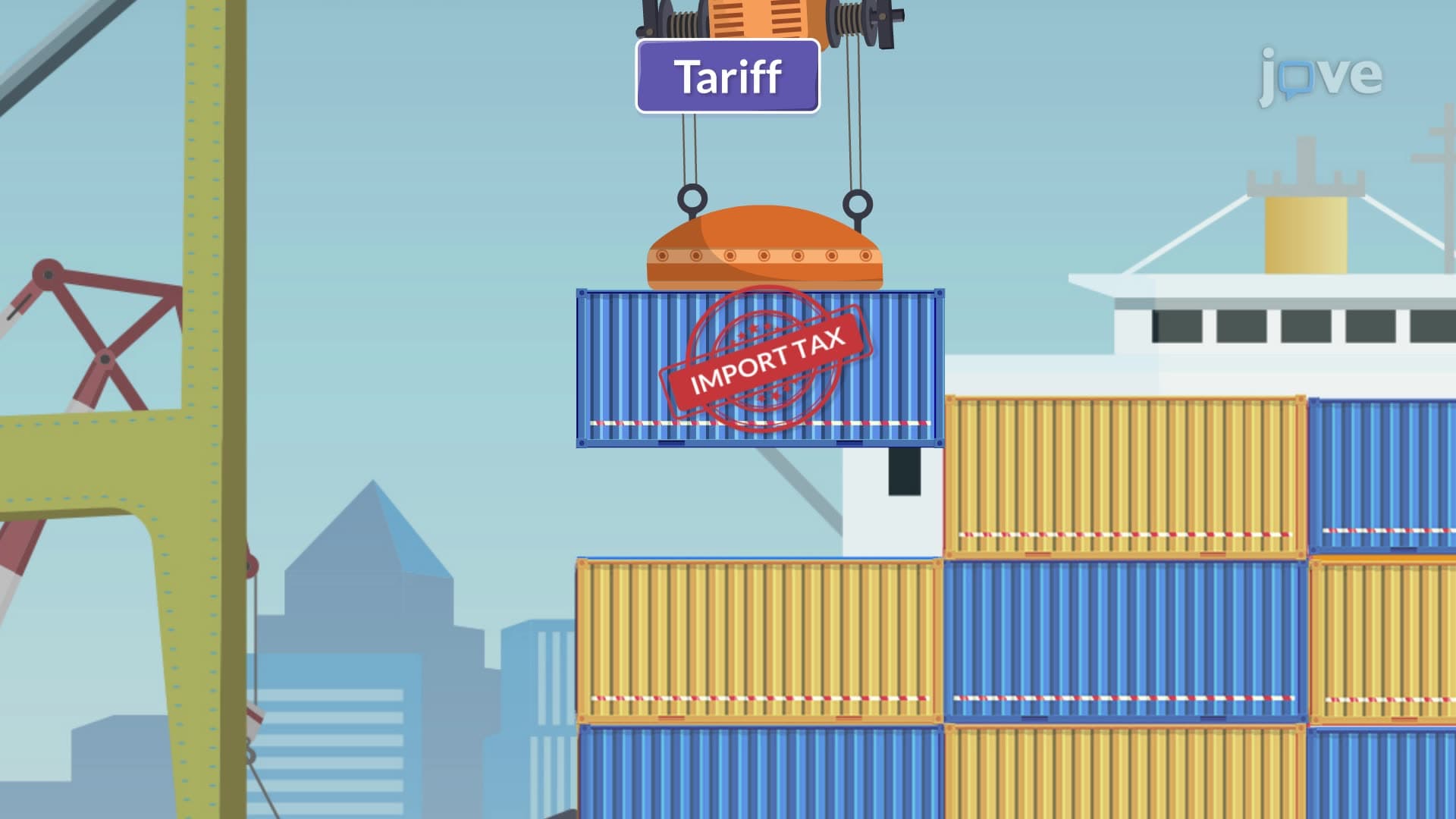
10. Tariffs
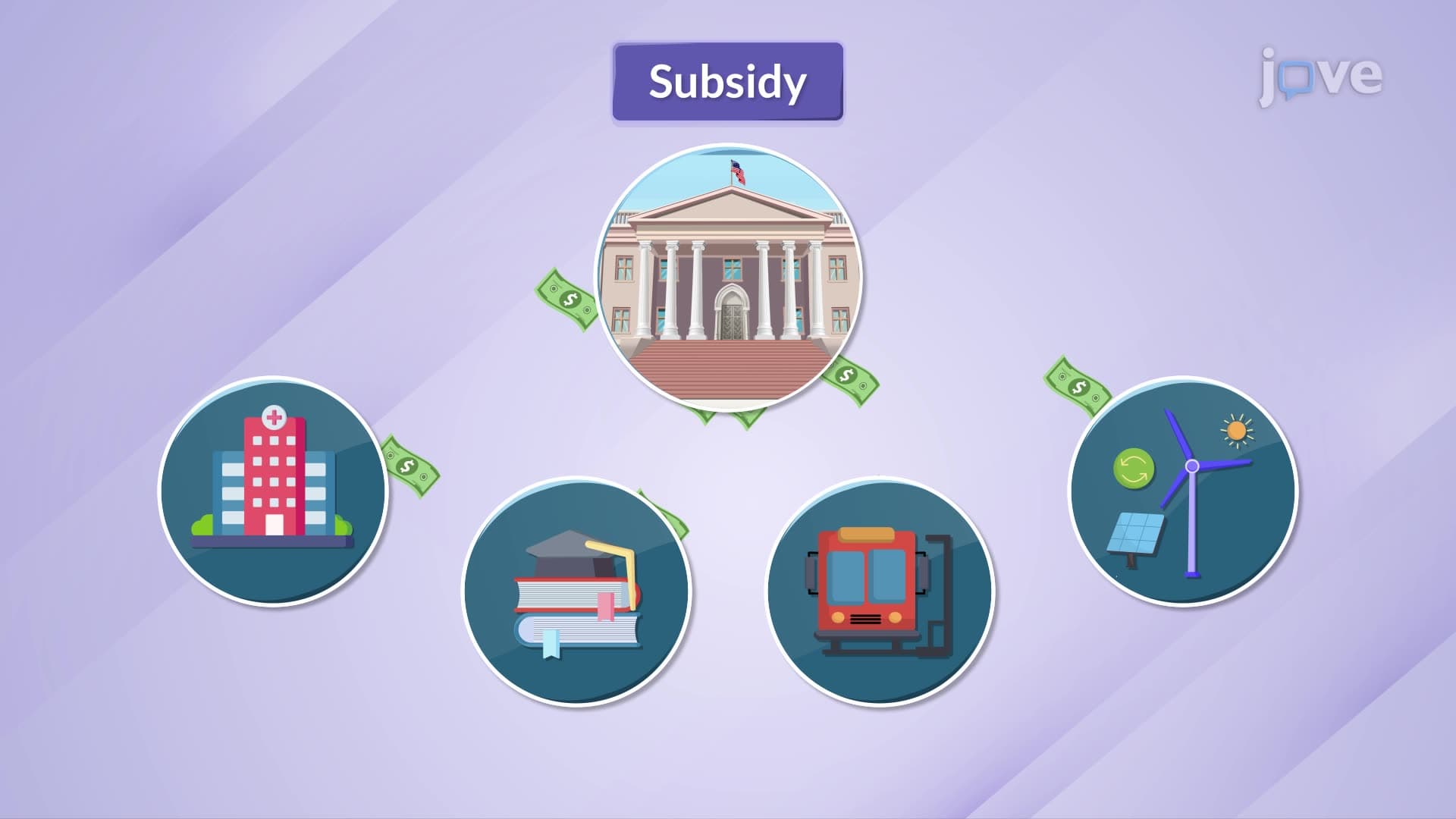
11. Subsidy
Competitive market analysis examines how government interventions affect market outcomes through price controls, taxes, quotas, tariffs, and subsidies. This comprehensive course uses JoVE Coach to explore real-world applications like rent control in New York City, agricultural price supports in Iowa, and tariffs on imported steel. Students analyze supply and demand interactions, calculate deadweight losses, and evaluate policy effectiveness in competitive markets across various economic scenarios.
- Understand how price ceilings and floors create market inefficiencies and impact consumer and producer surplus
- Analyze the relationship between demand elasticity and the magnitude of deadweight loss from price controls
- Learn to calculate tax incidence distribution between consumers and producers based on demand and supply elasticity
- Explore how quota systems restrict market quantity and create artificial scarcity in competitive markets
- Identify the economic effects of tariffs on domestic producers, consumers, and government revenue
- Apply subsidy analysis to determine market distortions and resource allocation inefficiencies
- Evaluate the trade-offs between policy objectives and economic efficiency in competitive market interventions
- Analyze real-world case studies of government market interventions using economic models and graphical analysis
1. Price Ceiling Analysis and Market Distortions Understanding how government-imposed maximum prices, like rent control in San Francisco or gasoline price caps during emergencies, create shortages by setting prices below market equilibrium. Students examine how elastic versus inelastic demand curves affect the severity of shortages, with rent control creating larger distortions in markets with elastic housing demand compared to price caps on essential medicines with inelastic demand. The analysis includes calculating consumer surplus gains for those who obtain goods at lower prices versus deadweight losses from prevented transactions.
2. Price Floor Implementation and Agricultural Markets Examining minimum price regulations such as federal minimum wage laws and agricultural price supports for corn, wheat, and dairy products. Students analyze how price floors above equilibrium create surpluses, benefiting producers through higher guaranteed prices while reducing consumer surplus through increased costs. The course covers real examples like the U.S. dairy price support program and how these interventions lead to government purchases of surplus products, storage costs, and market inefficiencies that redistribute wealth from consumers to producers.
3. Tax Incidence and Burden Distribution Analyzing how excise taxes on products like cigarettes, gasoline, and luxury automobiles affect market participants differently based on demand and supply elasticity. Students learn that consumers bear more tax burden when demand is inelastic (essential goods like prescription drugs), while producers absorb more burden when demand is elastic (luxury items like yachts). The analysis includes calculating deadweight losses, government revenue generation, and understanding why sin taxes on tobacco and alcohol are effective policy tools for both revenue and consumption reduction.
4. International Trade Restrictions Through Quotas and Tariffs Exploring how import quotas on products like Japanese automobiles in the 1980s and current tariffs on Chinese solar panels protect domestic industries while imposing costs on consumers. Students examine the difference between quotas that create rents for foreign exporters versus tariffs that generate government revenue. The analysis covers how these policies increase domestic producer surplus, reduce consumer surplus, and create deadweight losses while potentially protecting American jobs in steel, aluminum, and manufacturing sectors.
5. Government Subsidies and Resource Allocation Effects Investigating how subsidies for renewable energy, agricultural production, and education affect market outcomes by artificially lowering production costs. Students analyze examples like federal subsidies for corn ethanol production, solar panel manufacturing tax credits, and student loan programs. The course examines how subsidies increase both consumer and producer surplus in the subsidized market while creating deadweight losses through overproduction, government expenditure costs, and potential resource misallocation away from more efficient economic activities.
Frequently Asked Questions
Both create deadweight loss, but through different mechanisms. Price ceilings set below equilibrium create shortages and deadweight loss from prevented purchases that consumers would make at higher prices. Price floors set above equilibrium create surpluses and deadweight loss from overproduction that exceeds consumer demand. The magnitude depends on demand and supply elasticity - more elastic curves create larger deadweight losses from either intervention.
When demand is inelastic (steep curve), consumers bear most of the tax burden because they continue purchasing despite price increases. When demand is elastic (flat curve), producers bear more burden because they must absorb tax costs to maintain sales volume. AP exams frequently test this concept using examples like gasoline taxes (inelastic demand, consumers pay more) versus luxury car taxes (elastic demand, producers pay more).
Price controls (rent control, minimum wage), excise taxes on specific goods, import tariffs, and agricultural subsidies appear most frequently. These interventions clearly demonstrate supply and demand shifts, surplus changes, and deadweight loss calculations. Exam questions often require graphical analysis showing before-and-after market conditions and calculating the welfare effects on different market participants.
Quotas directly limit quantity and create rents for foreign exporters who can sell at higher domestic prices, while tariffs raise prices through taxes and generate government revenue. Both protect domestic producers and harm consumers, but tariffs provide government income whereas quotas transfer money to foreign exporters. This distinction is crucial for policy analysis and frequently appears in comparative exam questions.
Compare the sum of increased consumer and producer surplus against government expenditure and deadweight loss. Subsidies increase market quantity beyond efficient levels, creating deadweight loss from overproduction. While subsidies can address market failures or achieve social goals, pure efficiency analysis typically shows net welfare loss. Consider external benefits (education subsidies creating positive spillovers) when evaluating overall social impact.
The combination of graphical analysis, mathematical calculations, and policy evaluation requires multiple skill sets. Students must visualize supply and demand shifts, calculate areas representing surpluses and losses, and understand that government interventions involve trade-offs rather than clear winners and losers. Practice with real-world examples and systematic graphical analysis helps build confidence in applying theoretical concepts to policy scenarios.
Create a systematic framework for each intervention type: identify the market change (price ceiling/floor, tax, quota, tariff, subsidy), draw before-and-after graphs showing supply/demand shifts, calculate changes in consumer/producer surplus, determine government effects (revenue or expenditure), and identify deadweight loss. Practice with diverse examples from housing, labor, agricultural, and international trade markets to build pattern recognition for exam success.
Current debates over $15 minimum wage laws demonstrate price floor effects, while discussions about prescription drug price controls illustrate price ceiling analysis. Trade wars involve tariff and quota analysis, renewable energy subsidies show government intervention in emerging markets, and housing affordability policies in cities like Seattle and Austin apply rent control theory. Understanding these connections helps students see economics relevance beyond classroom examples.
This microcourse includes 11 concept videos that walk you through the building blocks of Microeconomics. Each video is short, about 1 minute, so you can cover a full topic during a coffee break or between classes. The full sequence starts with Price Ceiling and ends with Subsidy.
The playlist moves from big-picture ideas to the precise vocabulary used in Microeconomics. Early videos introduce Price Ceiling, Price Ceiling and Elastic Demand, and Price Ceiling and Inelastic Demand. The middle of the series focuses on Taxes, Tax Size and Deadweight Loss, and Incidence of Tax I. The final stretch covers Incidence of Tax II, Quotas, Tariffs, and Subsidy.
The natural next step is General Equilibrium Theory and Welfare Economics. From there, you can move to Economics for Labor Markets, Externalities and Public Goods, and Asymmetric Information and Moral Hazard. Once you finish those, the full Microeconomics curriculum of 20 microcourses on JoVE Coach opens up, taking you from foundational concepts to advanced systems.
Related Subjects


