Loading subject page…


6,666 views


Video Summary: What Is Assumptions on Producer Behavior
Ever wondered why Amazon can produce millions of packages daily while your local bakery makes dozens of loaves? The assumptions producer behavior framework explains how economists study business production decisions by simplifying complex real-world operations. These fundamental assumptions help analyze how companies like Tesla optimize their manufacturing processes, from input selection to cost minimization. Understanding what is assumptions on producer behavior reveals the core principles that guide how firms make strategic production choices in competitive markets. Watch the full video on JoVE Coach to master this concept with expert-led visuals and step-by-step explanations.
Assumptions on producer behavior serve as the theoretical foundation for analyzing how firms make production decisions in competitive markets. These assumptions create a simplified yet powerful framework that economists and business analysts use to predict and understand corporate behavior. Rather than attempting to model every variable that affects production, these assumptions focus on the most critical factors that drive decision-making.
The assumptions producer behavior definition encompasses five key principles that streamline production analysis. First, the single homogeneous product assumption eliminates the complexity of multi-product firms. While companies like General Electric produce everything from jet engines to light bulbs, this assumption allows economists to focus on production principles without getting lost in product differentiation complexities.
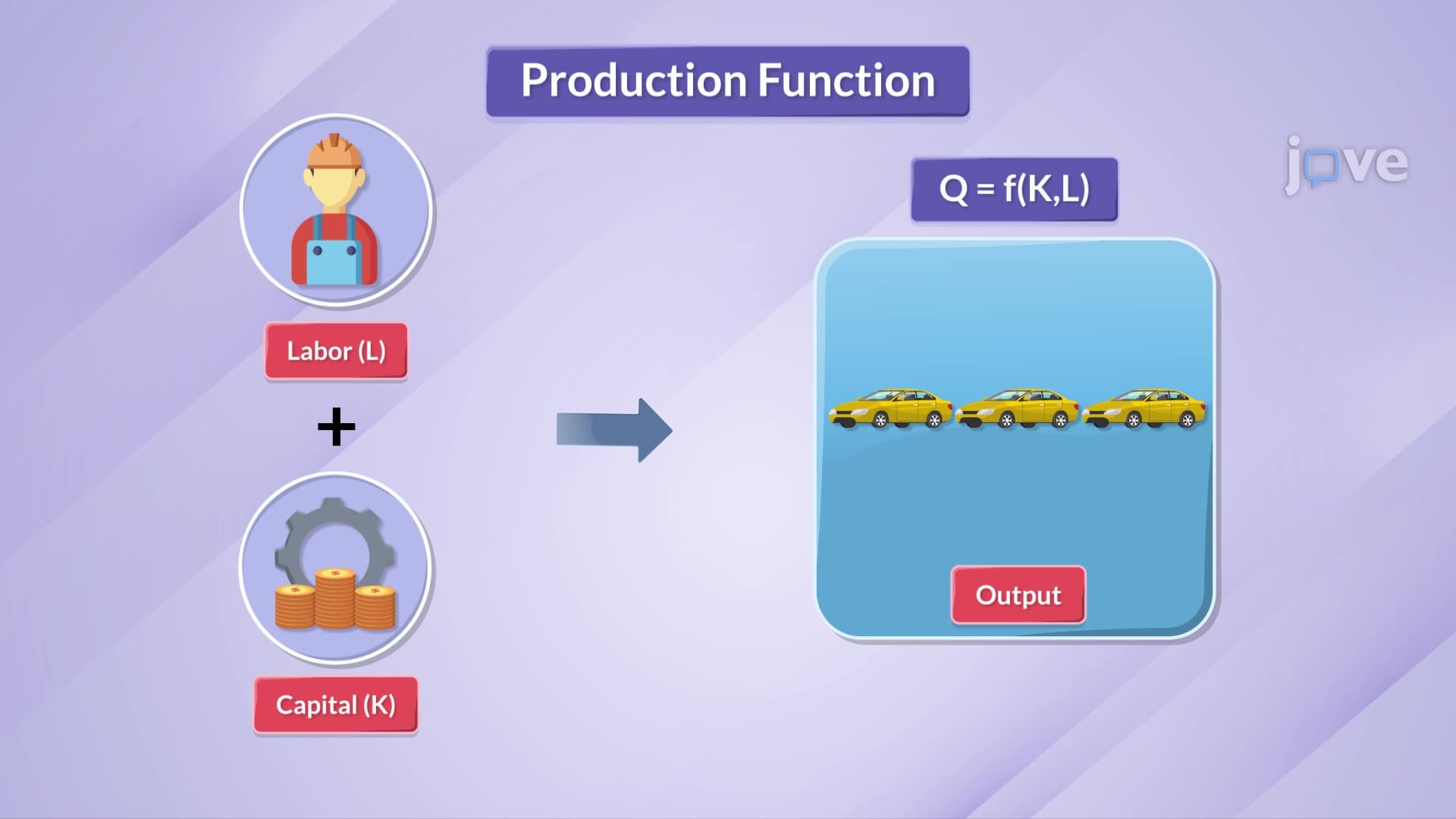
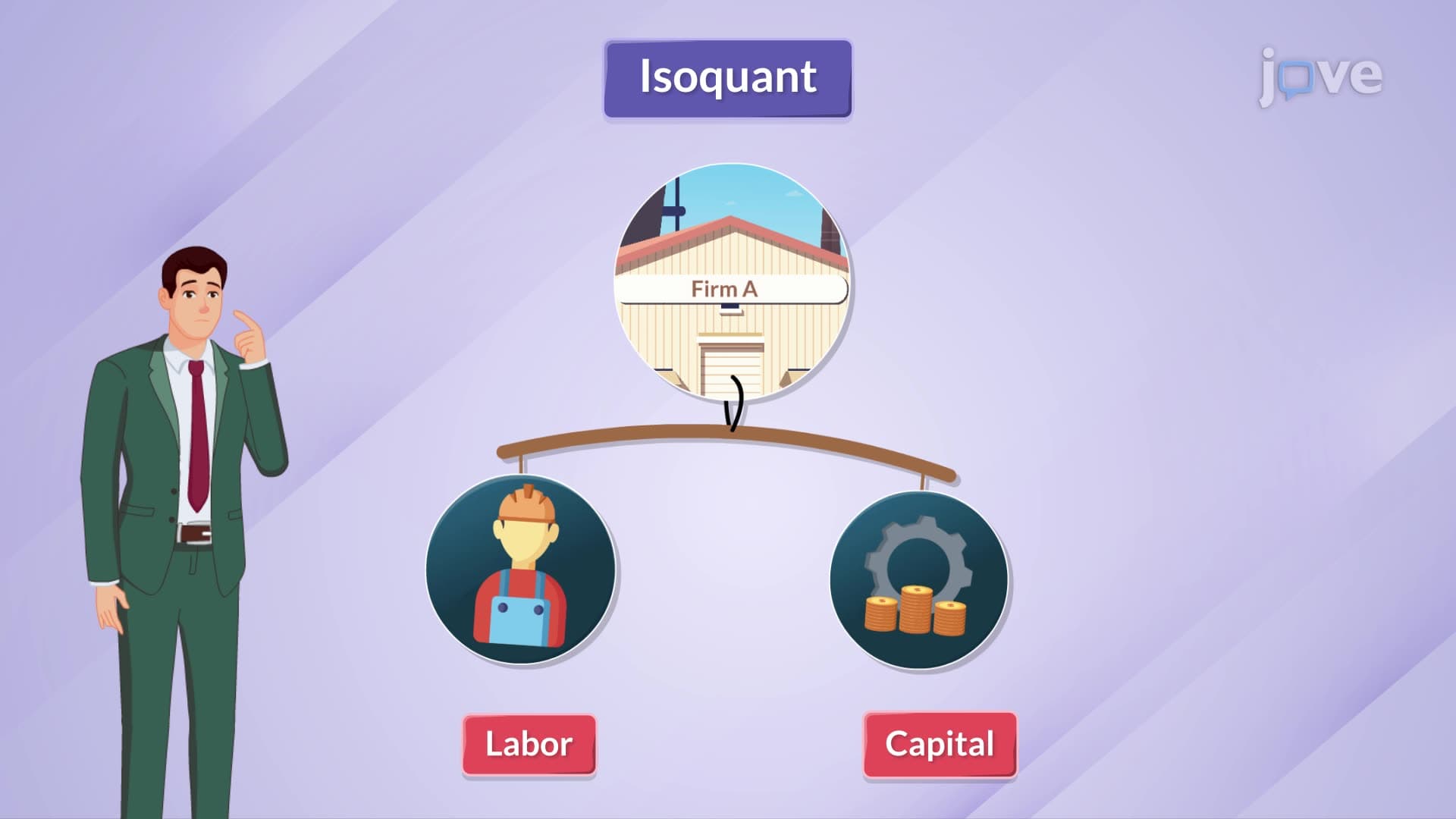
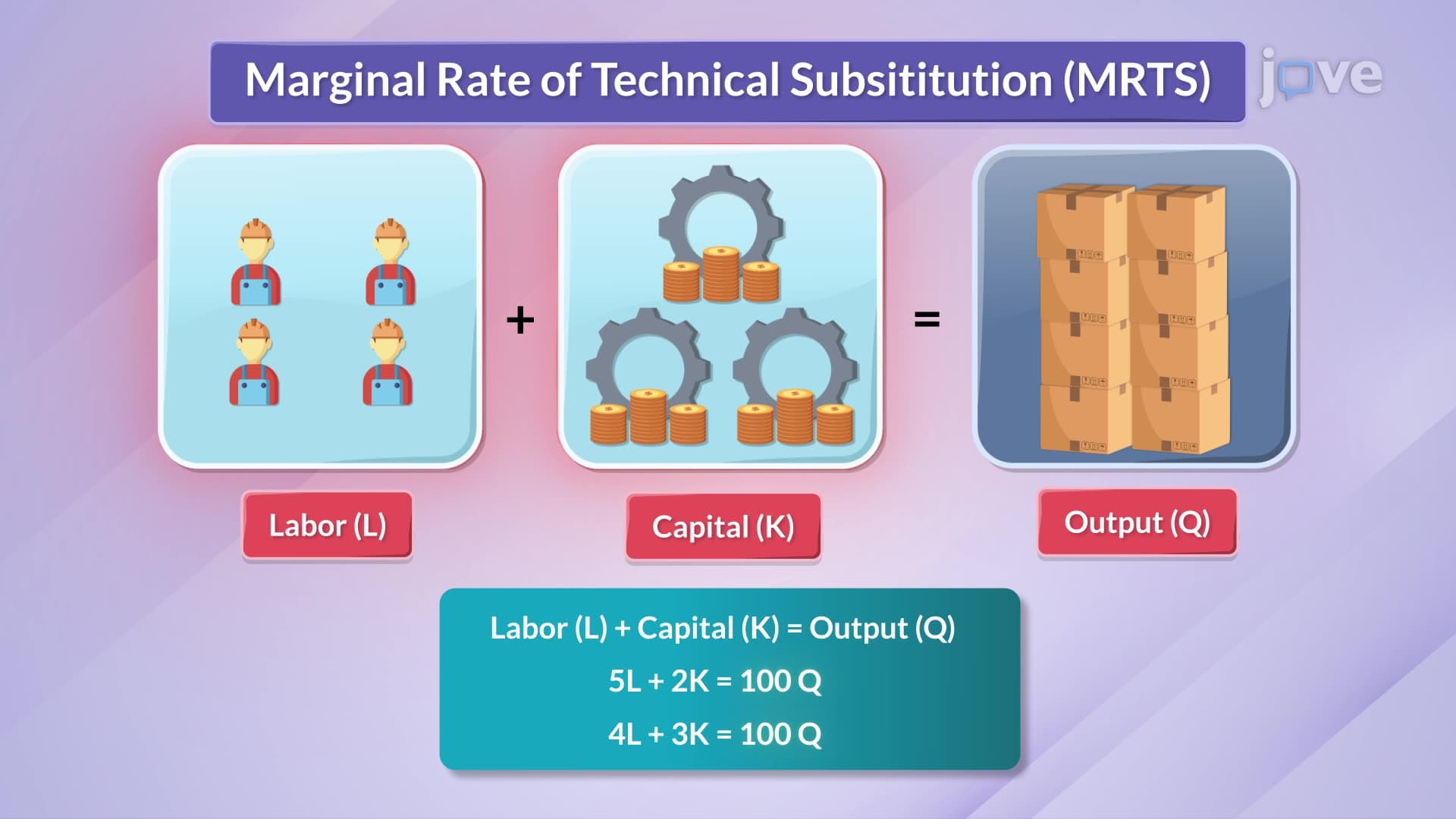
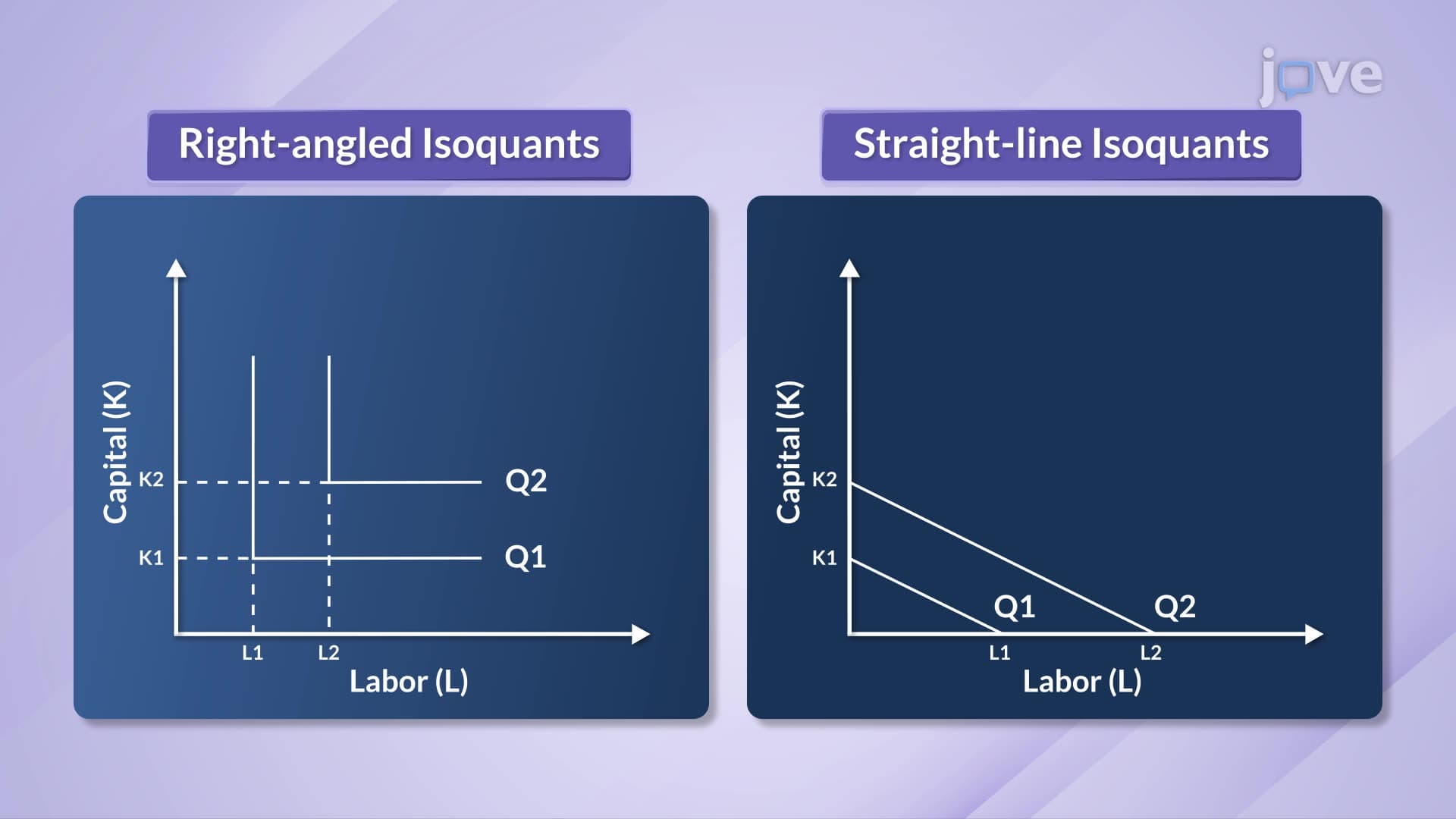
The two-input limitation (labor and capital) represents the second crucial assumption. Although real firms use countless inputs-from raw materials to software licenses-focusing on labor and capital captures the most significant production factors. This simplification proves particularly valuable when studying companies like Ford Motor Company, where the relationship between workforce size and manufacturing equipment directly impacts production capacity.
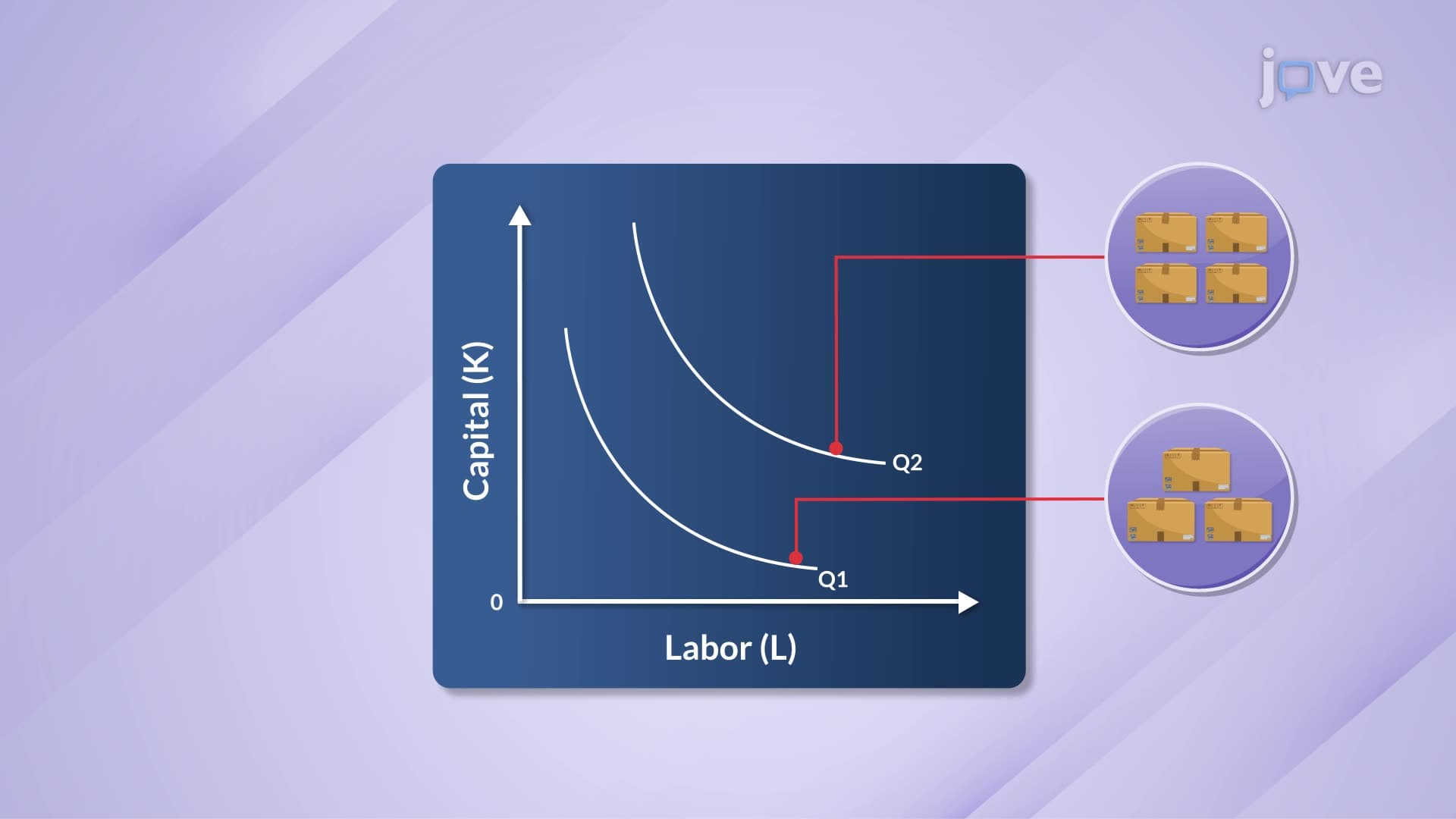
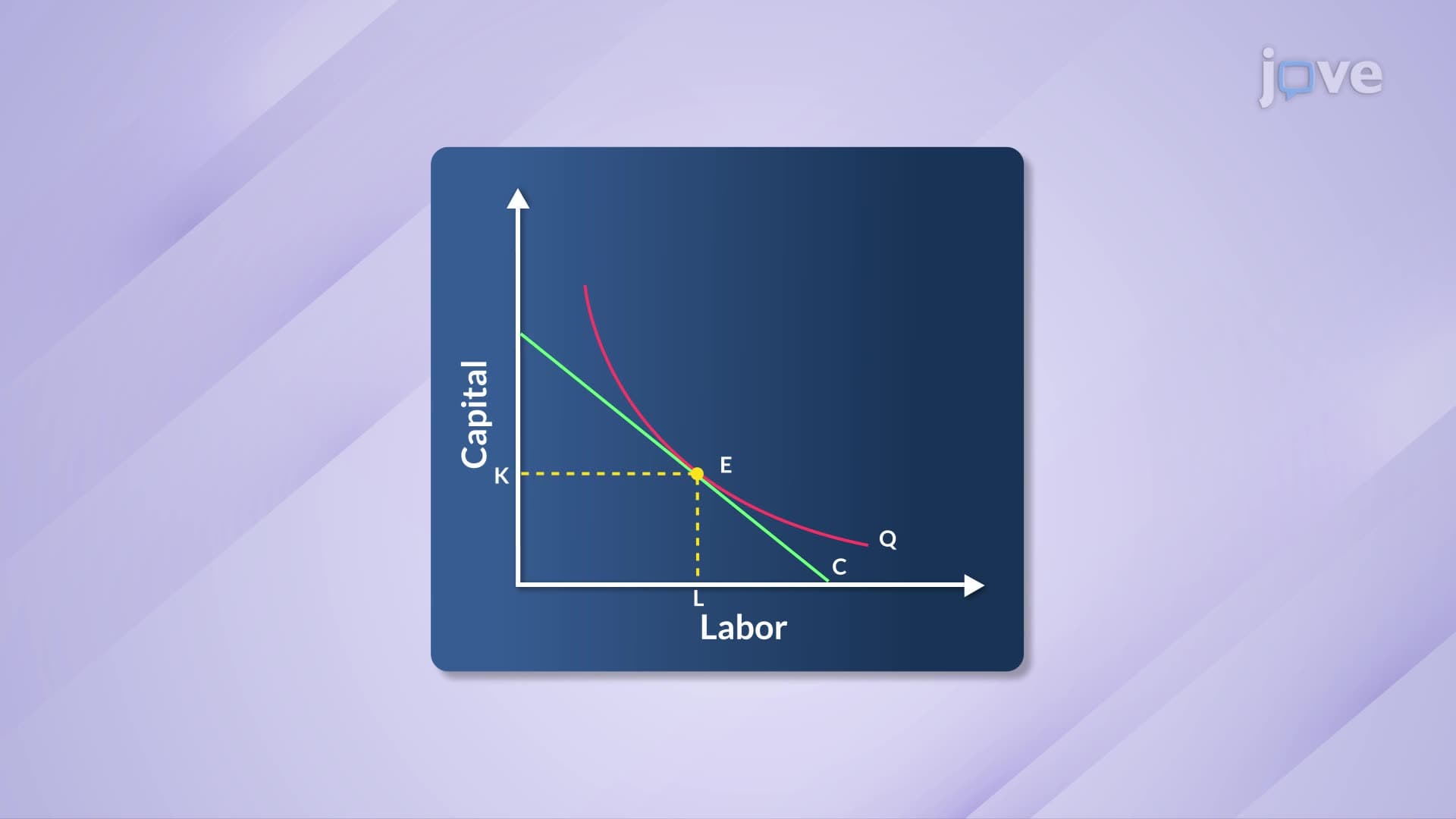
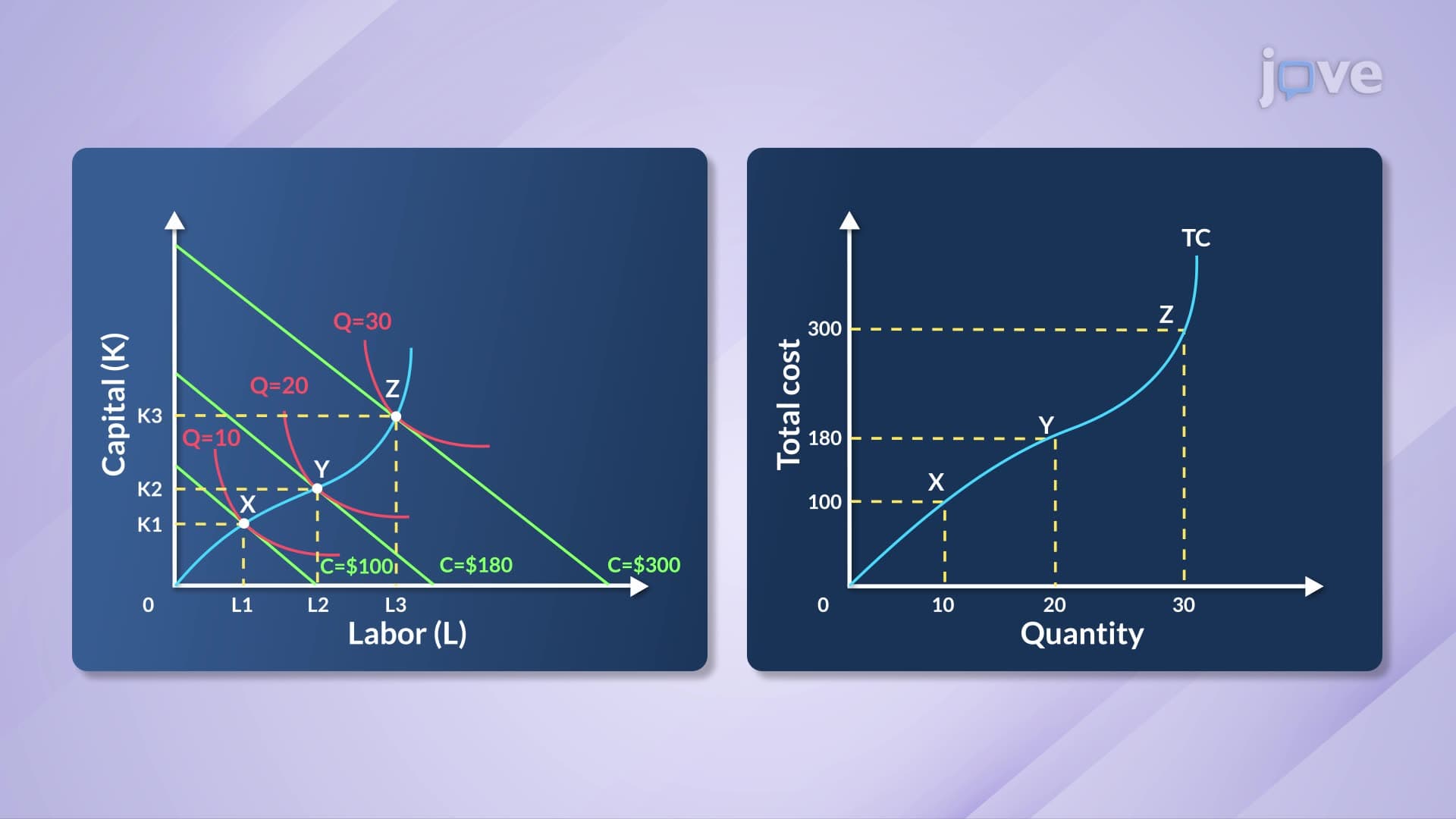
The productive efficiency assumption states that firms always choose input combinations that minimize costs for any given output level. This assumption reflects real-world competitive pressures where inefficient firms eventually fail. Consider how Walmart's supply chain optimization exemplifies this principle-the company continuously refines its logistics and staffing to minimize costs while maintaining service levels.
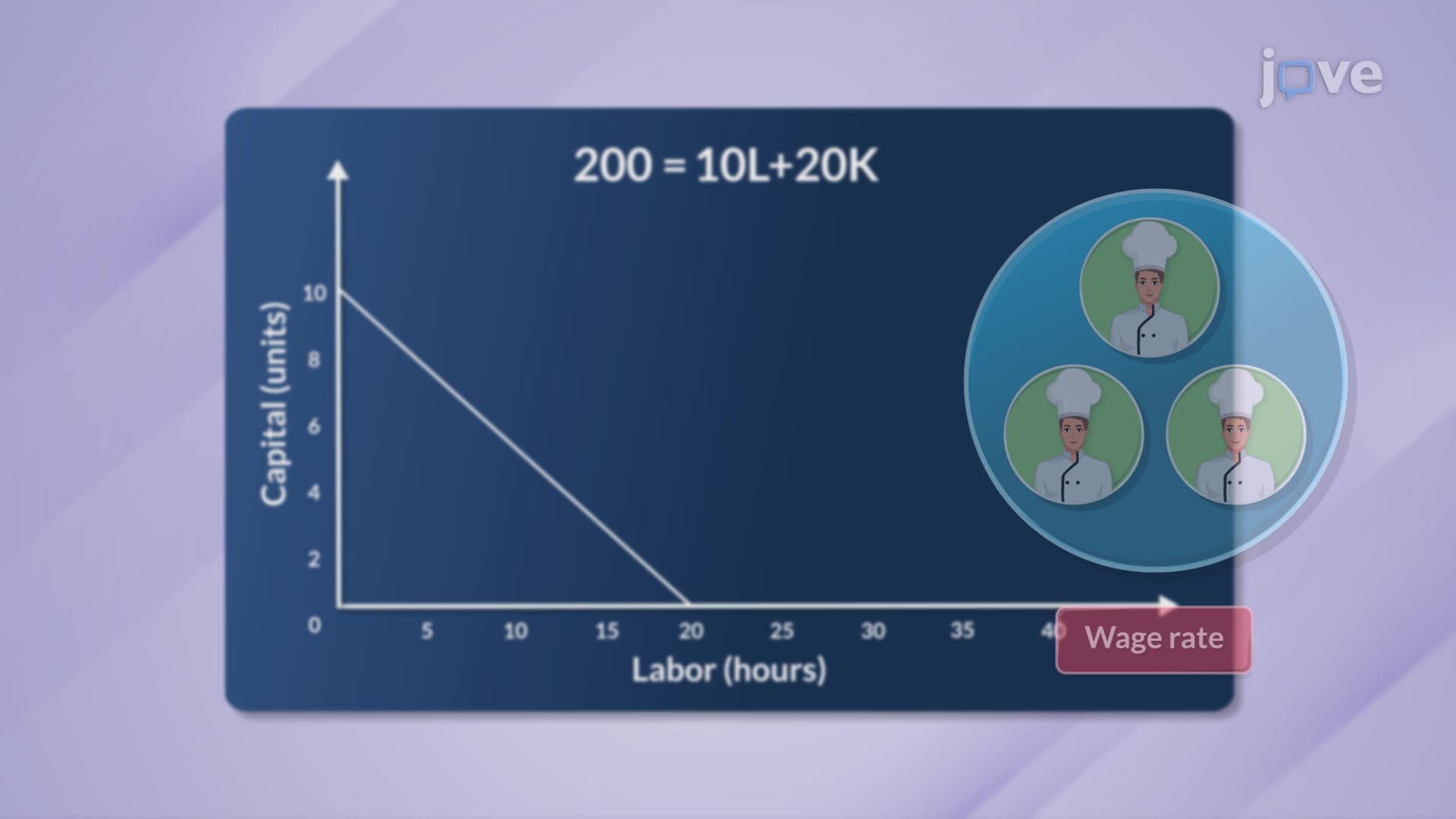
The constant input prices assumption treats firms as price-takers in factor markets, meaning they cannot influence wages or capital costs through their individual purchasing decisions. This assumption holds true for most businesses operating in competitive labor and capital markets, similar to how small restaurants accept prevailing wage rates rather than trying to manipulate the entire local job market.
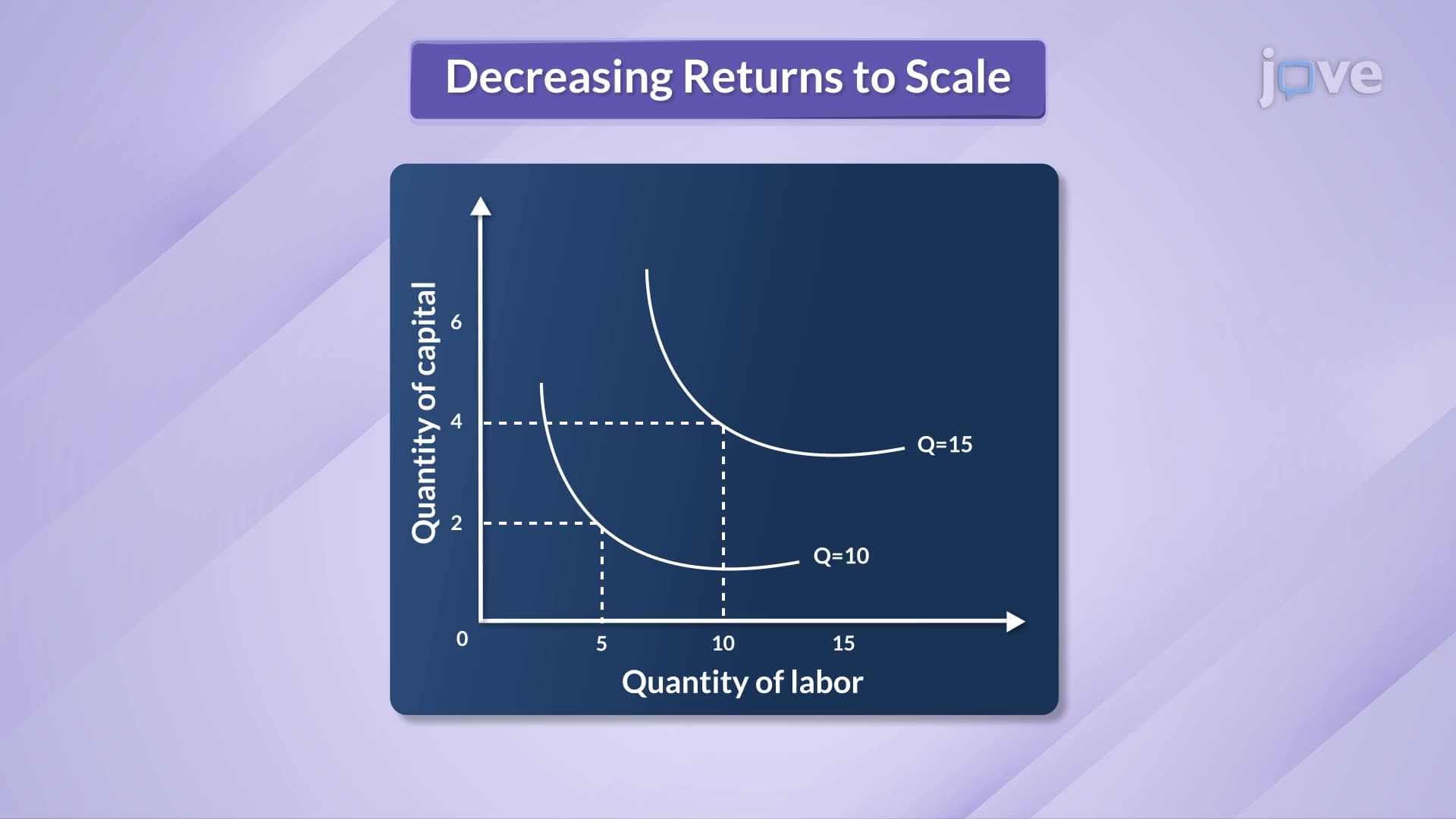
The diminishing returns assumption captures a fundamental economic reality: adding more of one input while holding others constant eventually yields smaller increases in output. This principle appears clearly in service industries-hiring additional customer service representatives initially boosts customer satisfaction significantly, but eventually, the marginal benefit of each new hire decreases as the workspace becomes crowded and coordination becomes more difficult.
These assumptions appear frequently in AP Economics exams, college microeconomics courses, and business school case studies. Students encounter these concepts when analyzing production functions, cost curves, and market efficiency. Understanding these assumptions proves essential for success in economics coursework and provides a foundation for advanced business strategy concepts.
The assumptions on producer behavior study guide applications extend beyond academics into real business consulting, where analysts use these simplified models to recommend production improvements and strategic decisions for actual companies.
Related Micro-courses