Loading subject page…


6,666 views

Video Summary: What Is Isocost Line Ii
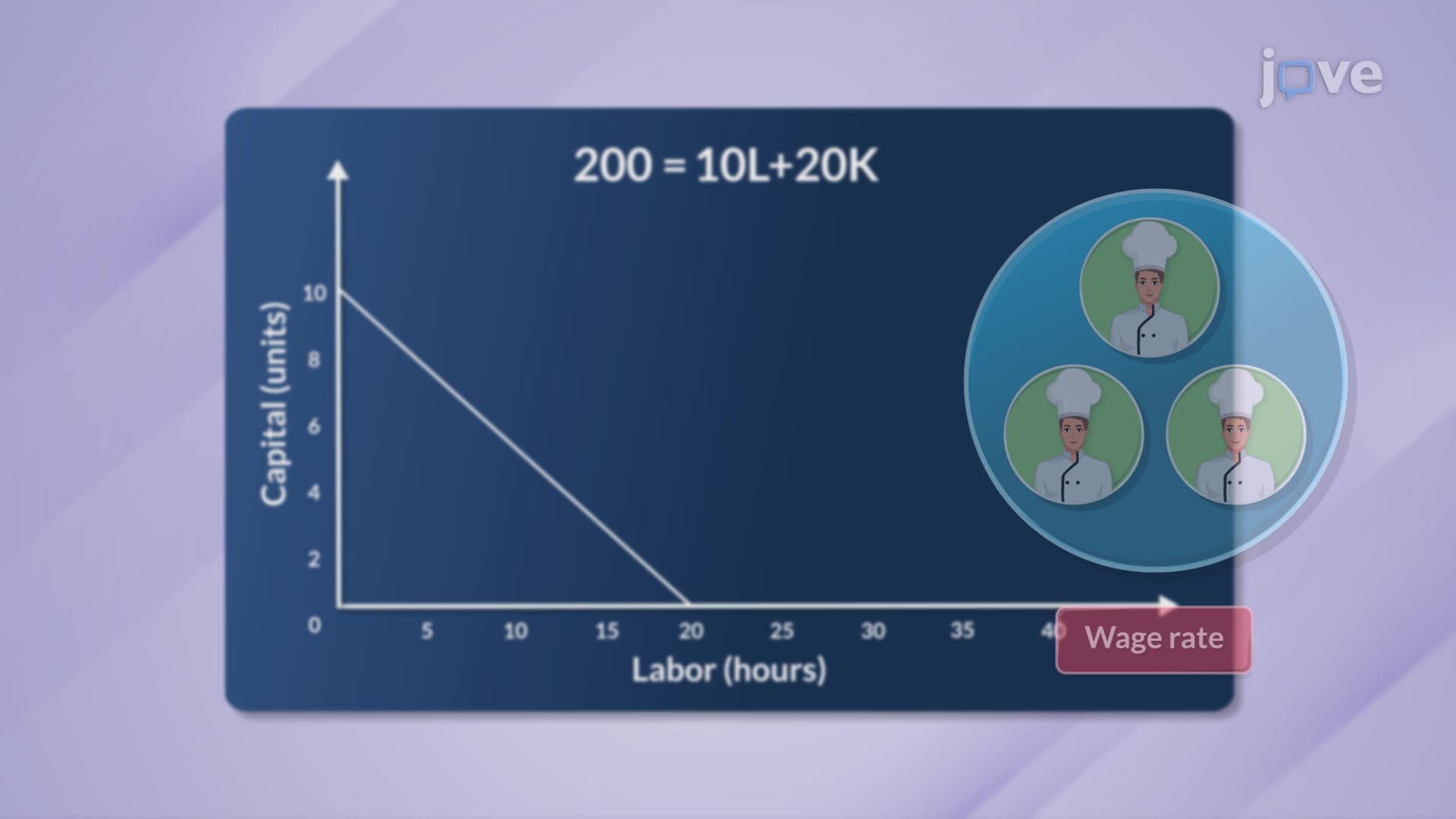
Ever wondered how Amazon decides between hiring more warehouse workers versus investing in automation robots? The isocost line reveals this critical business trade-off by showing how companies can substitute between different inputs while maintaining the same total costs. What is Isocost Line II demonstrates that the slope represents the input substitution rate-for instance, a bakery might trade two labor hours for one capital unit without changing expenses. Watch the full video on JoVE Coach to master this concept with expert-led visuals and step-by-step explanations.
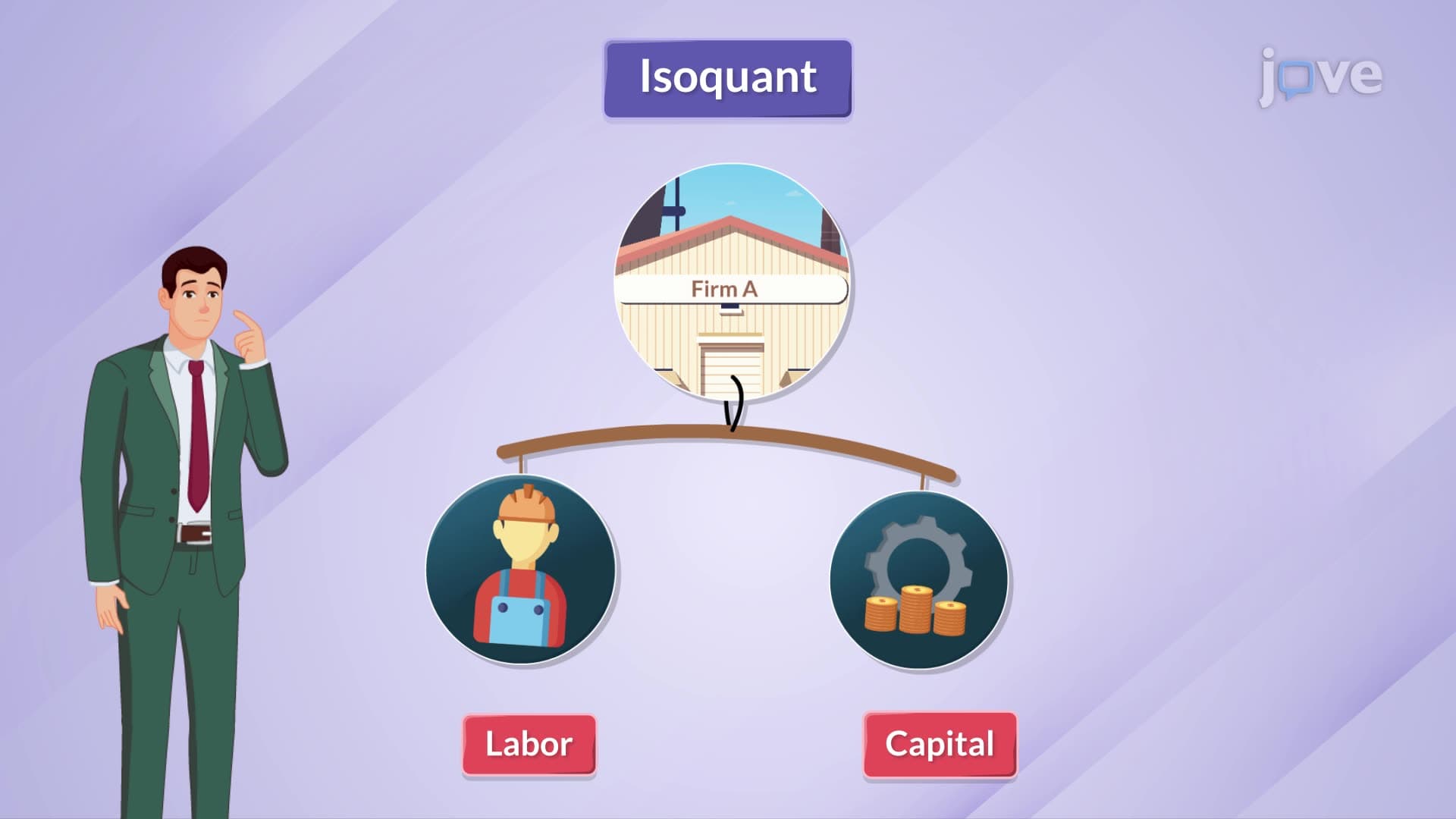
The isocost line represents one of microeconomics' most practical tools for understanding business decision-making. Unlike basic cost concepts, What is Isocost Line II delves into the mathematical relationship that governs how firms substitute between inputs. The slope equation-negative wage rate divided by capital rental rate-isn't just academic theory; it reflects real decisions made daily by American businesses from Tesla's manufacturing plants to McDonald's restaurant operations.
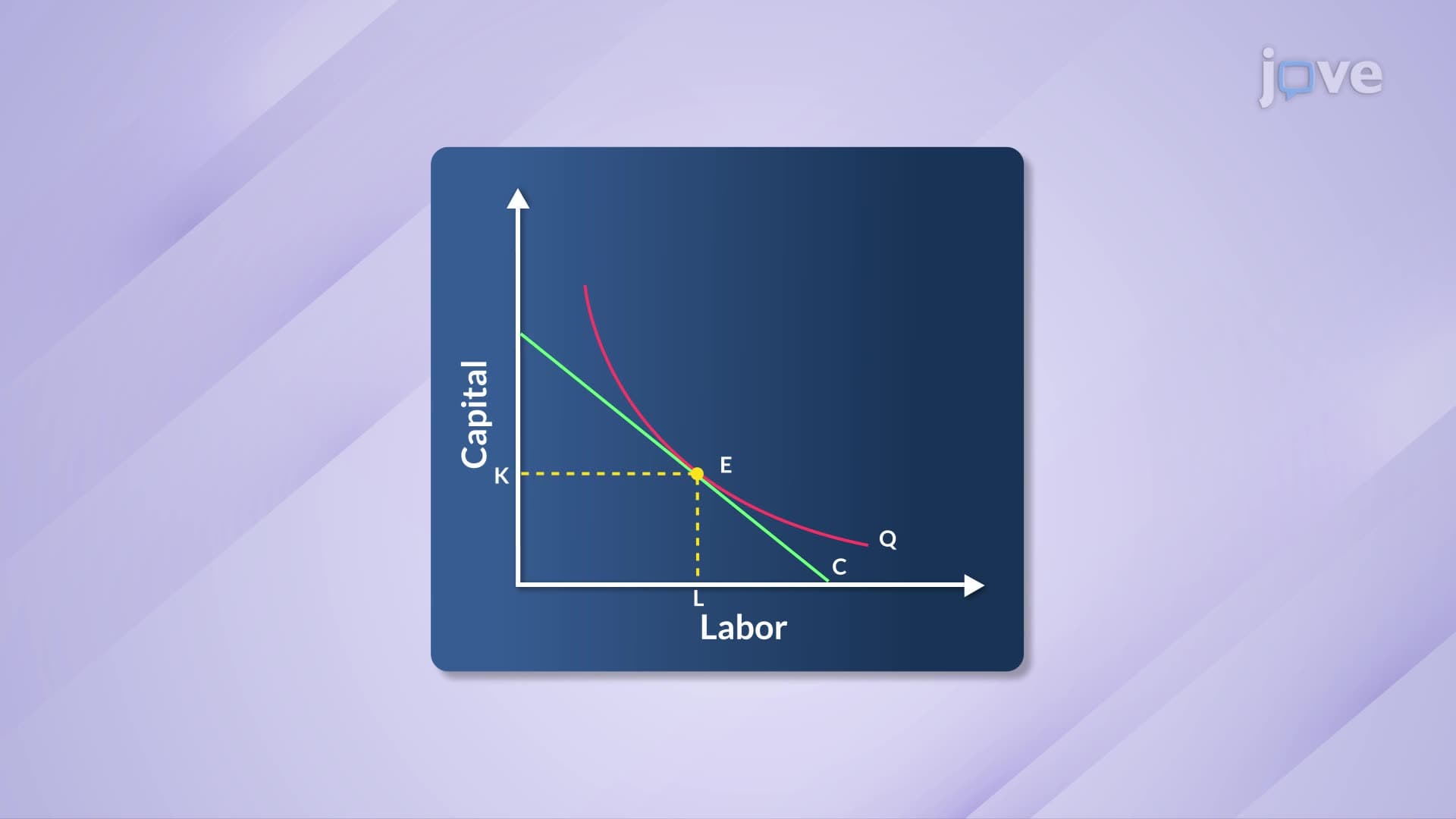
The isocost line's slope reveals the input substitution rate at constant total cost. When a bakery's isocost line has a slope of -2, this means sacrificing one unit of capital equipment allows hiring two additional workers without increasing total expenses. This relationship becomes crucial for businesses navigating labor shortages or equipment financing decisions. Students preparing for AP Microeconomics exams must master this concept, as it frequently appears in free-response questions about production optimization.
Input price fluctuations create isocost line rotations that fundamentally alter production strategies. When minimum wage increases from $10 to $20 per hour while equipment rental costs remain constant, the isocost line becomes steeper (slope changes from -2 to -1). This rotation signals that labor has become relatively more expensive, encouraging firms toward capital-intensive production methods. Conversely, cheaper labor costs flatten the isocost line, promoting labor-intensive approaches. These dynamics explain why manufacturing jobs moved overseas when foreign labor became relatively cheaper.
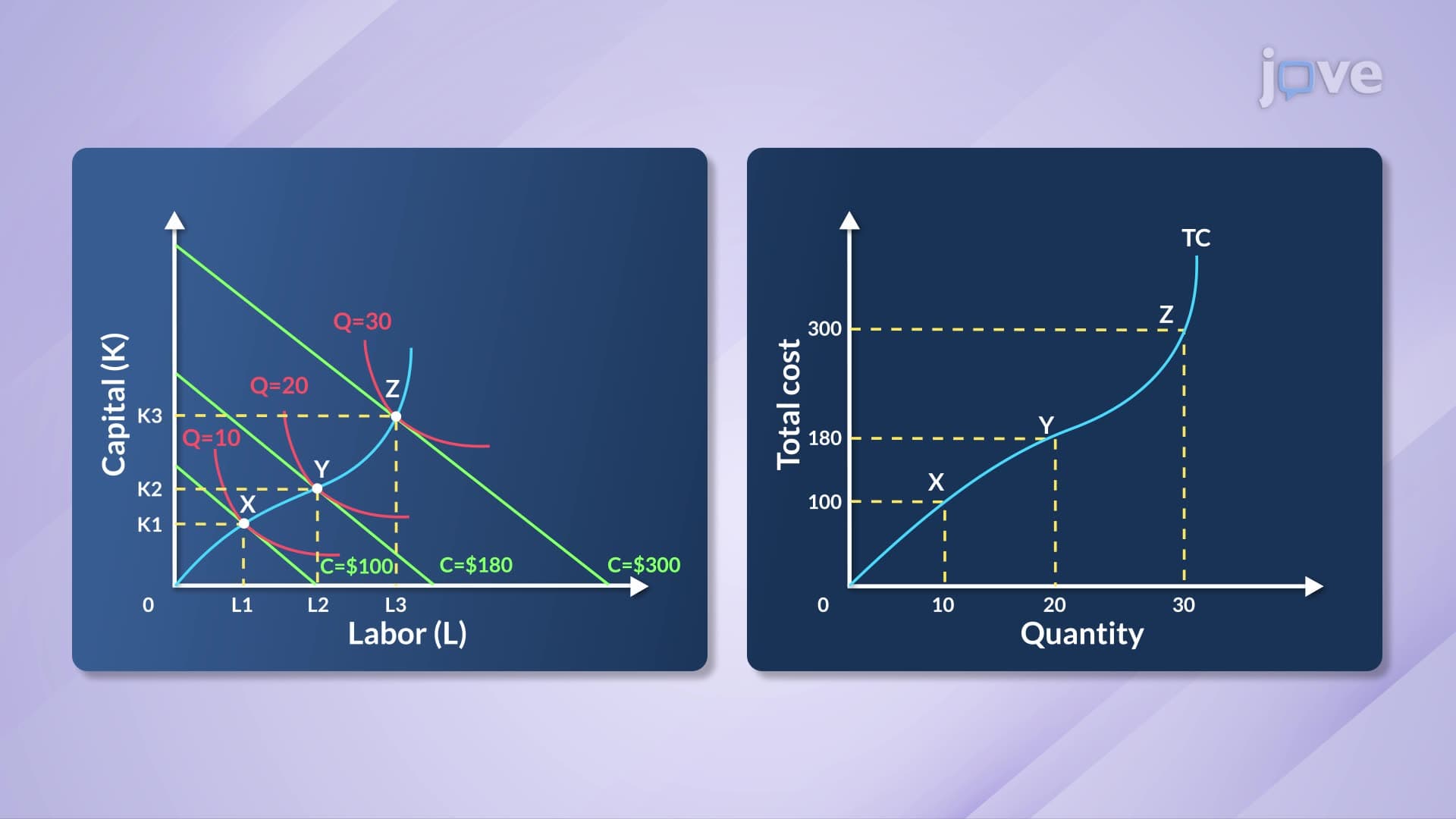
Unlike price changes, budget modifications shift isocost lines parallel to themselves. A startup receiving additional venture capital funding can purchase more of both inputs without changing their relative prices or substitution rates. The slope remains identical, but the firm operates on a higher isocost line, enabling expanded production possibilities. This distinction between rotations and shifts proves essential for college microeconomics courses and appears regularly on MCAT economics sections.
Major US corporations utilize isocost analysis constantly. Amazon's decision between hiring seasonal workers versus investing in automated sorting systems reflects isocost line principles. When labor costs rise during tight employment markets, Amazon's isocost line steepens, making automation relatively more attractive. Similarly, agricultural companies in California must balance between migrant worker wages and automated harvesting equipment based on their isocost constraints.
Related Micro-courses